Number Recognition Normal Addition & Subtraction Worksheets for Ages 3-4
19 filtered results
-
From - To
Welcome to our engaging collection of Number Recognition, Normal Addition, and Subtraction Worksheets designed specifically for children ages 3-4! These worksheets are tailored to enhance early math skills while making learning fun and interactive. Our resources focus on helping young learners recognize numbers, grasp basic addition and subtraction concepts, and develop essential problem-solving skills. With visually appealing designs and age-appropriate content, these worksheets encourage children to practice their math abilities in a playful environment. Start fostering a strong foundation in numeracy today, and watch your little ones flourish as they explore the world of numbers with confidence!
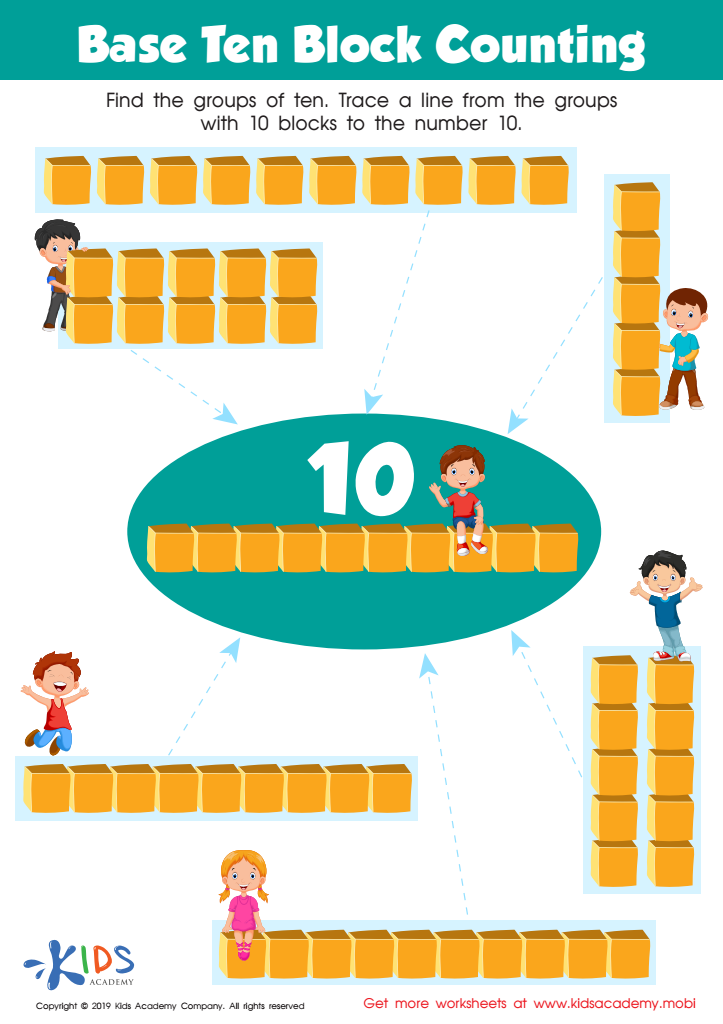
Base Ten Block Counting Worksheet
 Assign to My Students
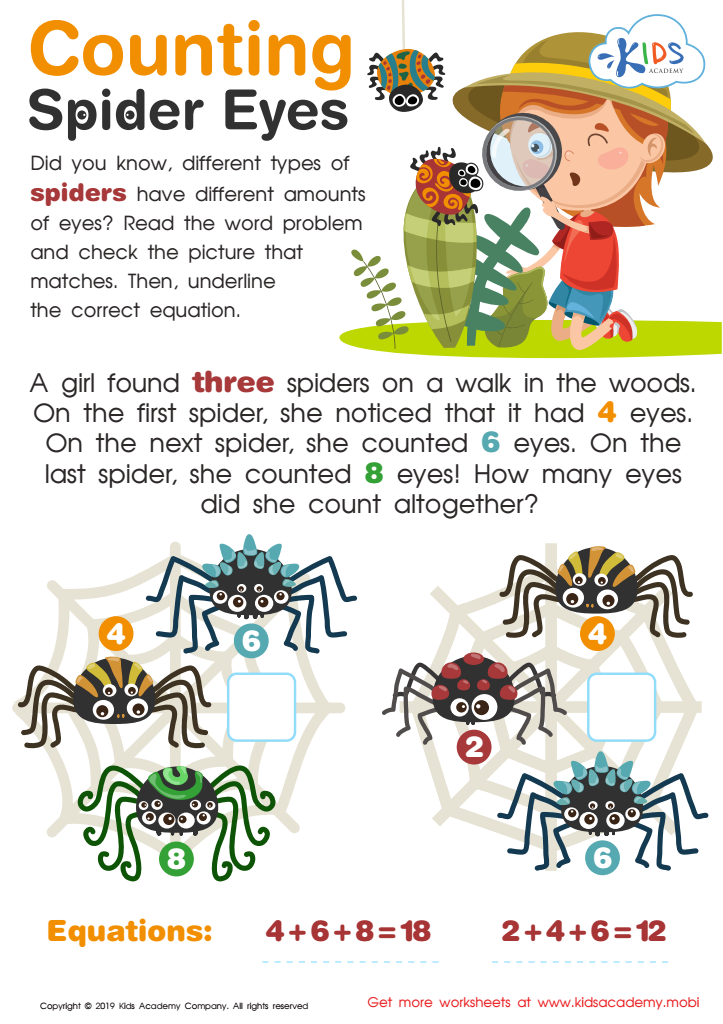
Counting Spider Eyes Worksheet
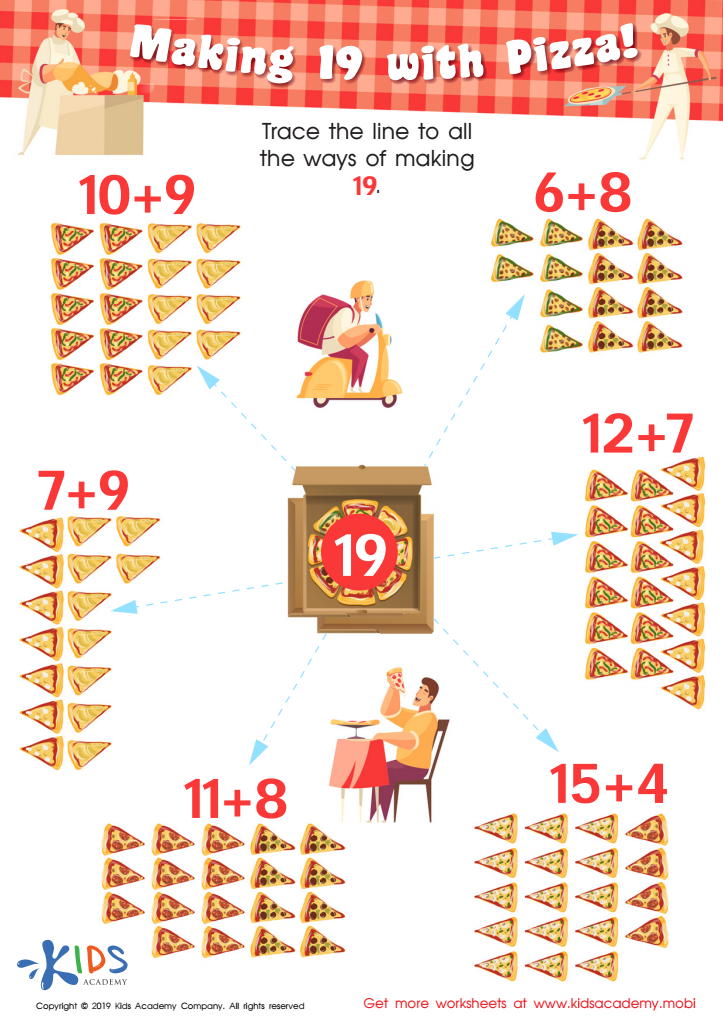
Making 19 with Pizza! Worksheet
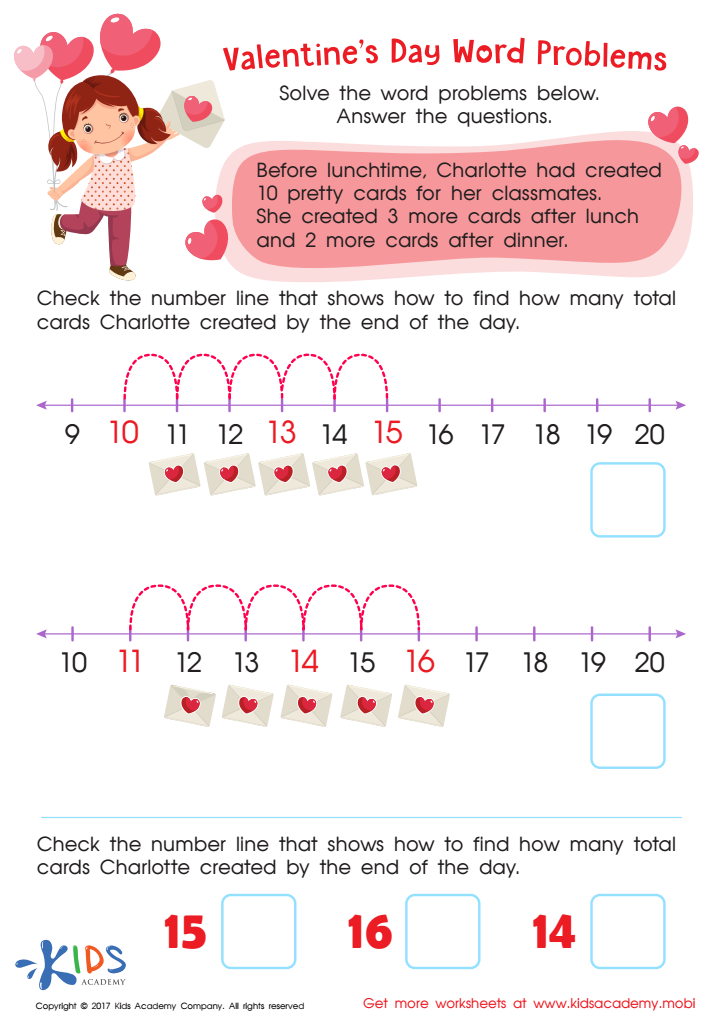
Valentines Day Word Problem Worksheet
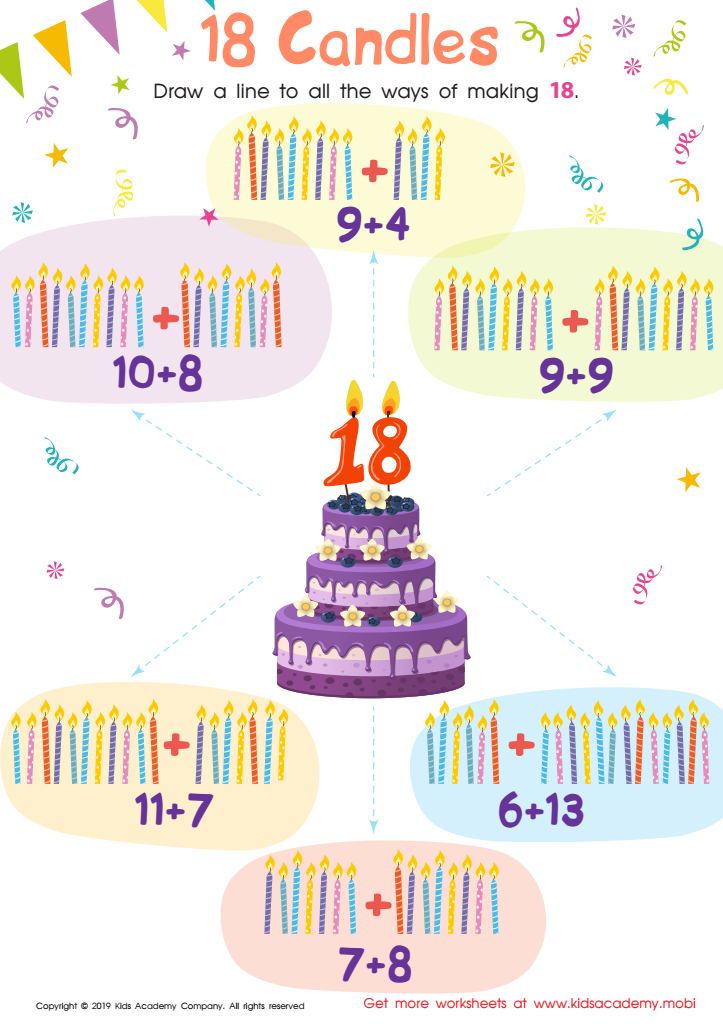
18 Candles Worksheet
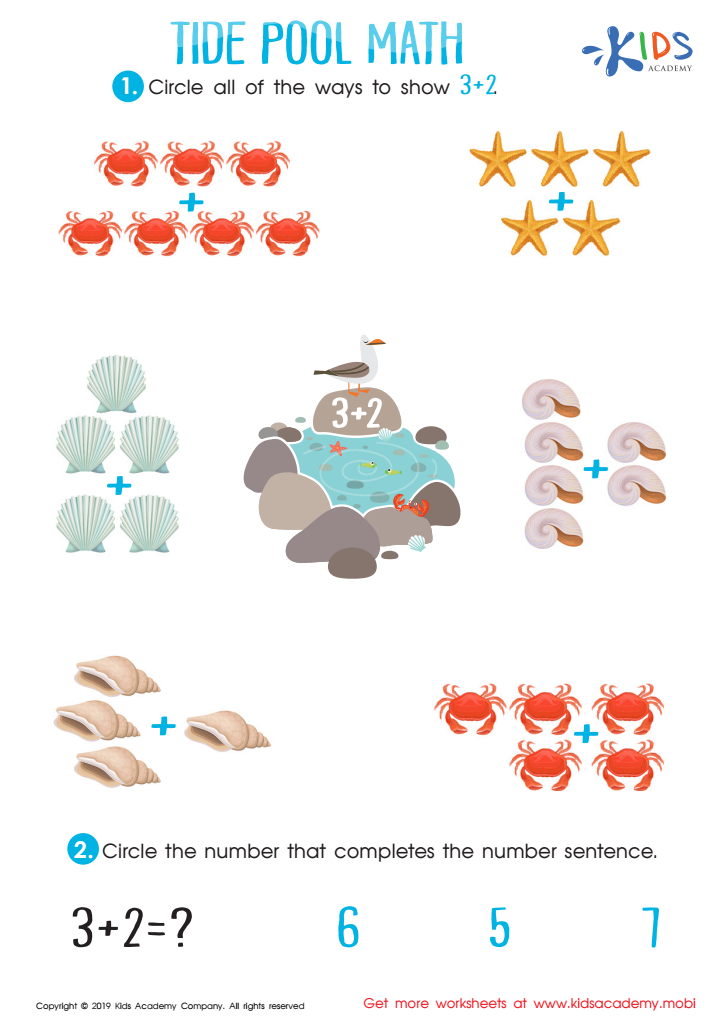
Tide Pool Math Worksheet
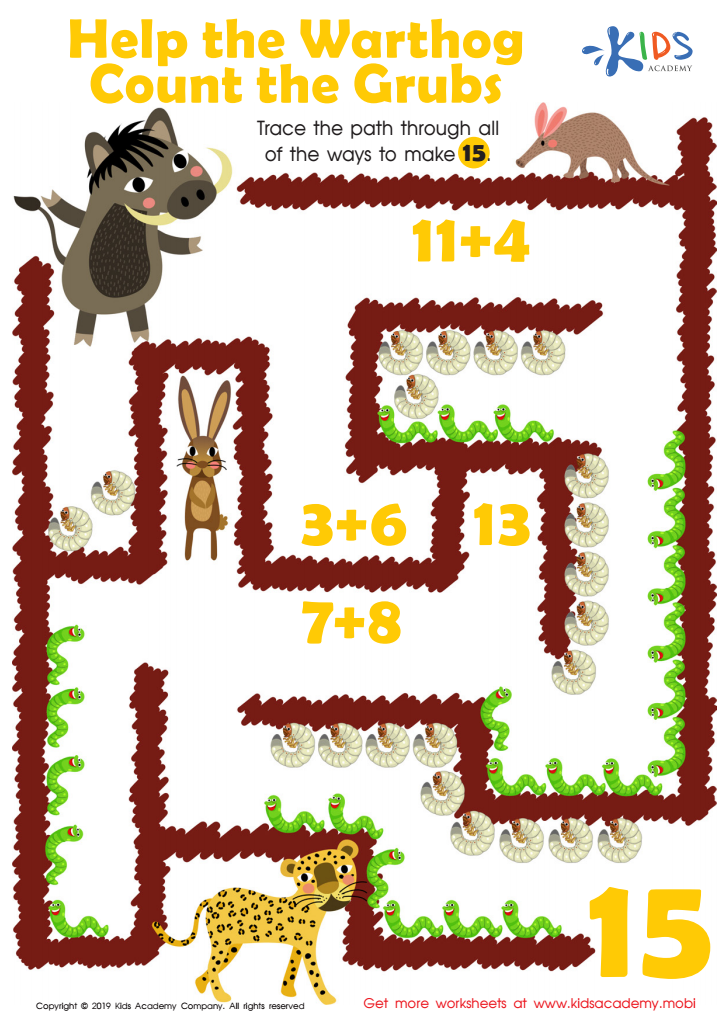
Help the Warthog Count the Grubs Worksheet
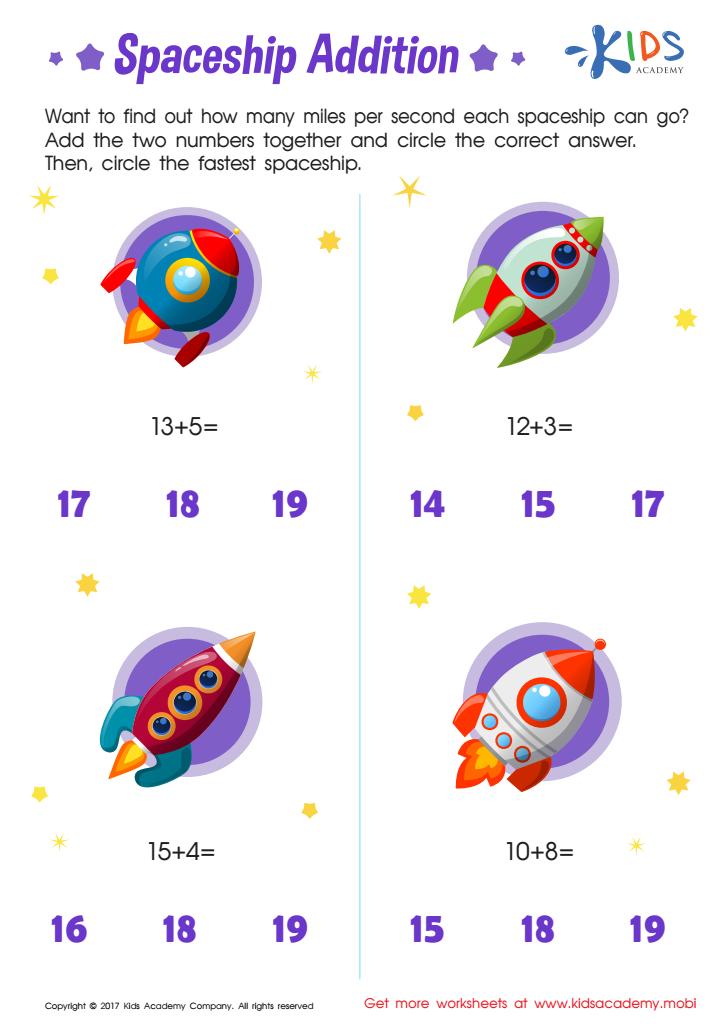
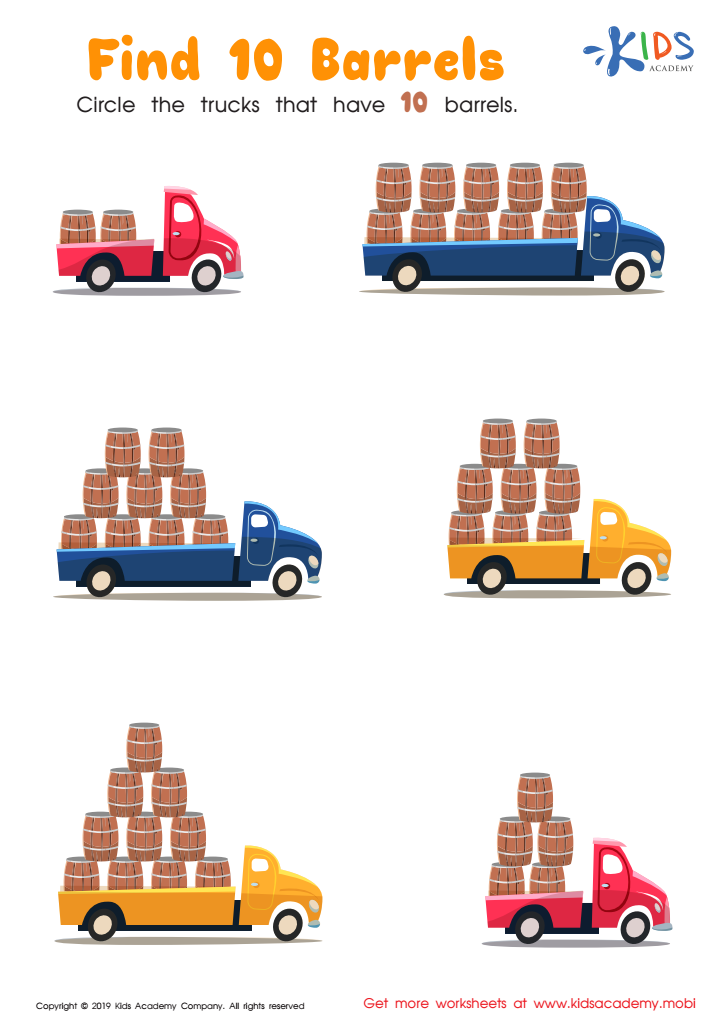
Find 10 Barrels Worksheet
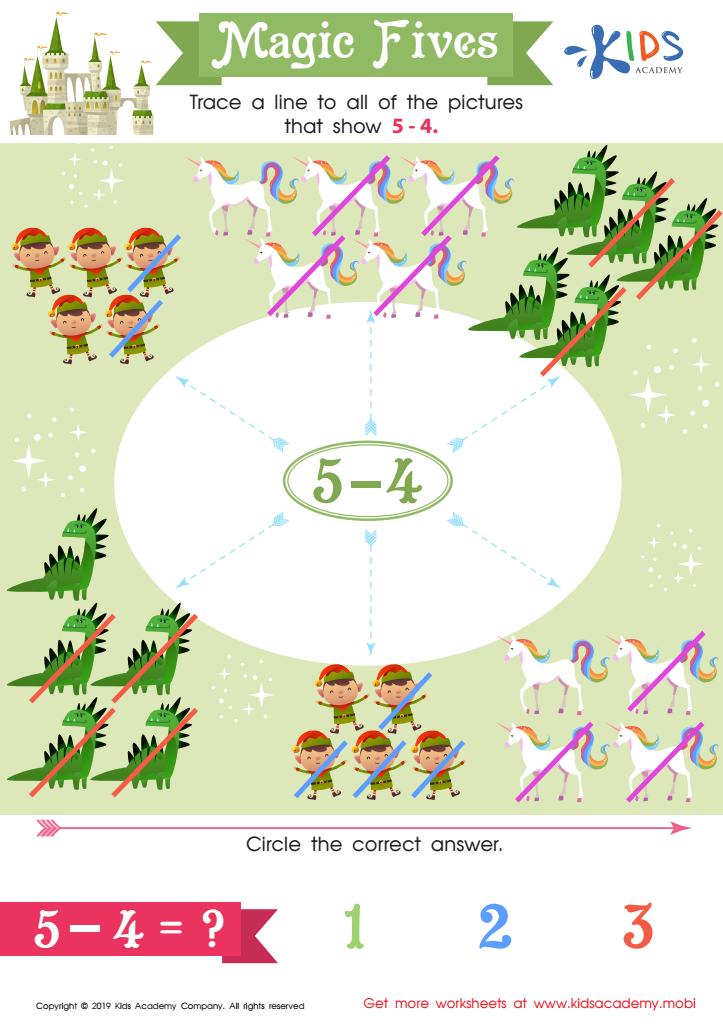
Magic Fives Worksheet
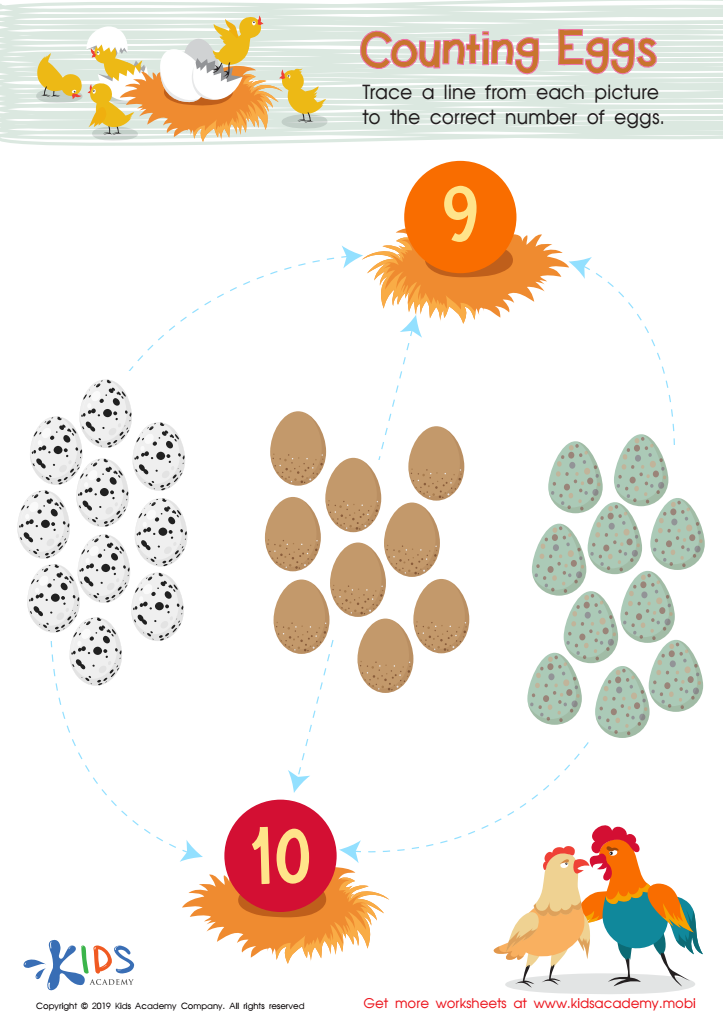
Counting Eggs Worksheet
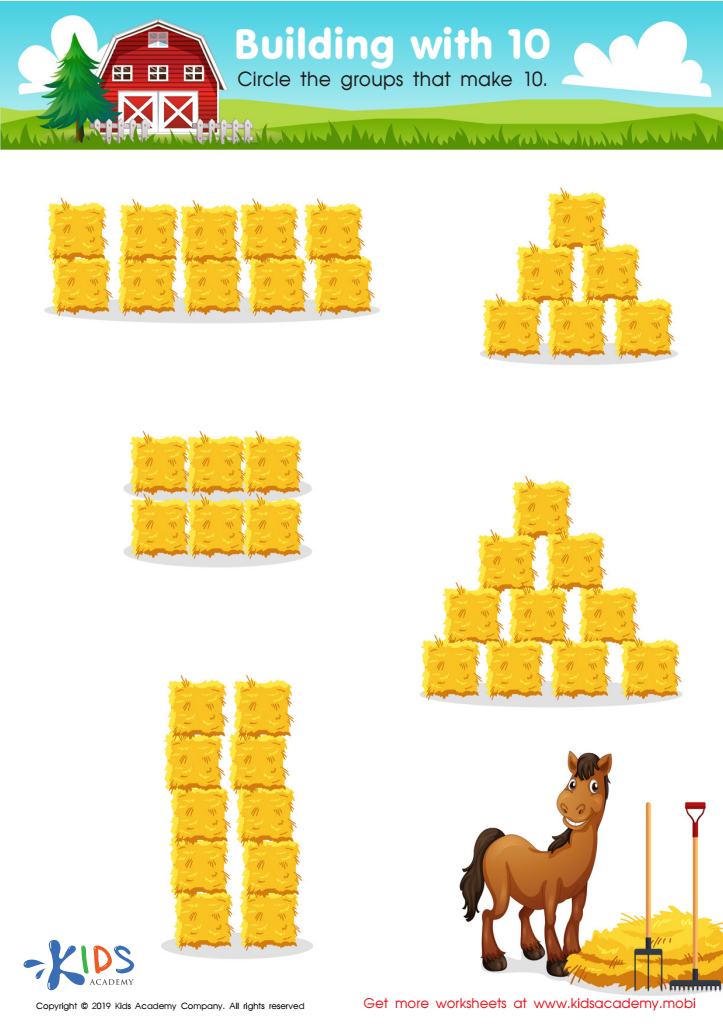
Building with 10 Worksheet
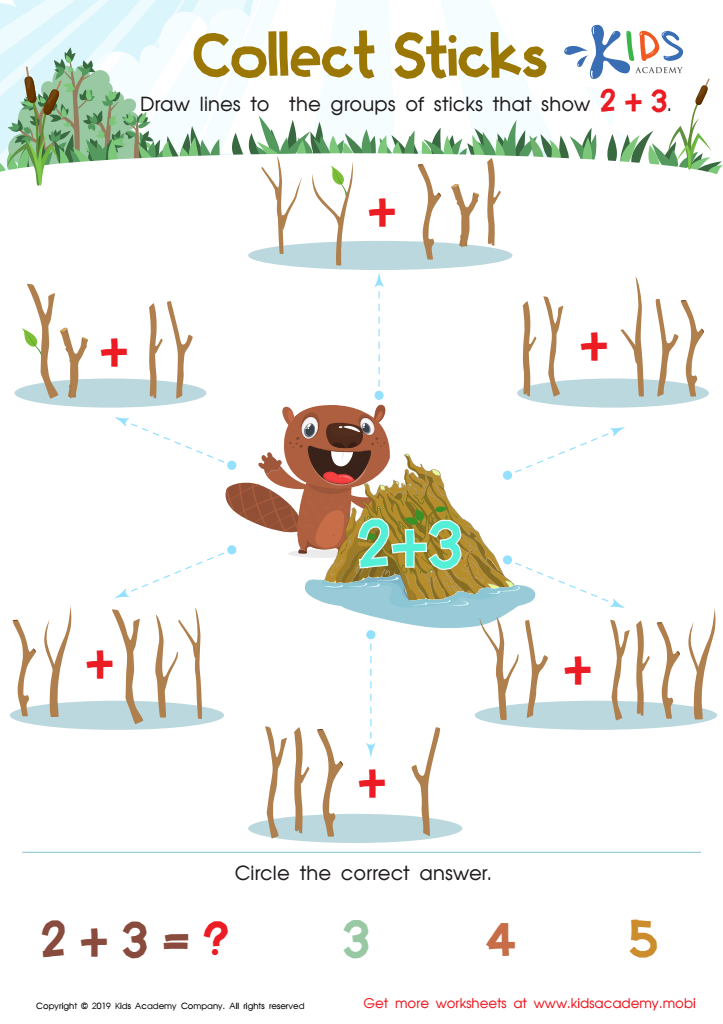
Collect Sticks Worksheet
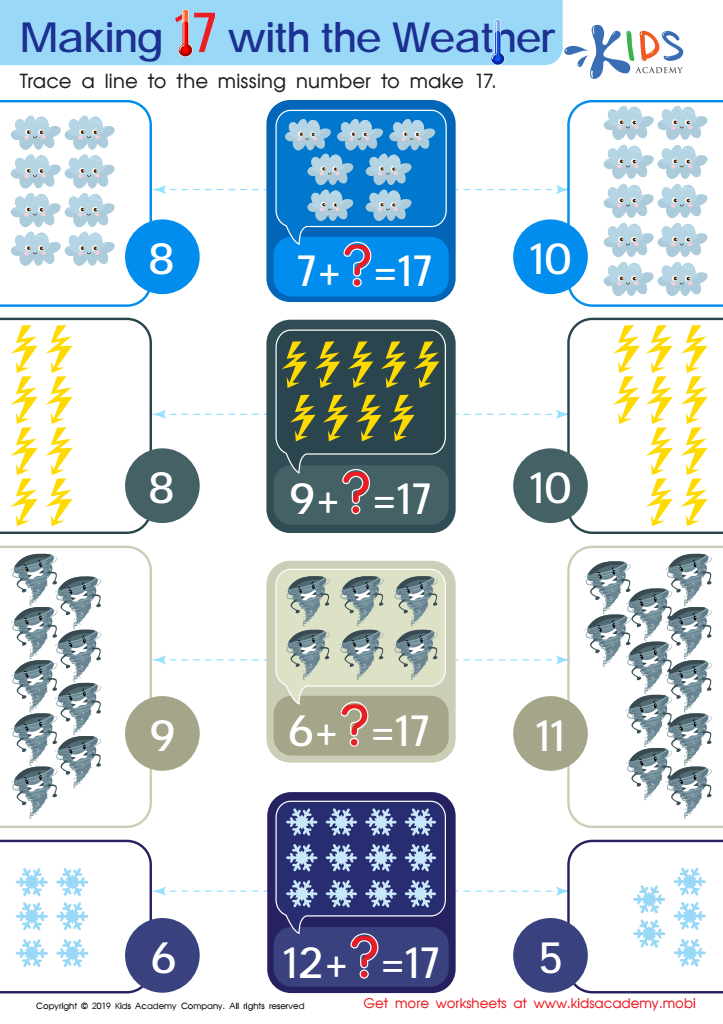
Making 17 with the Weather Worksheet
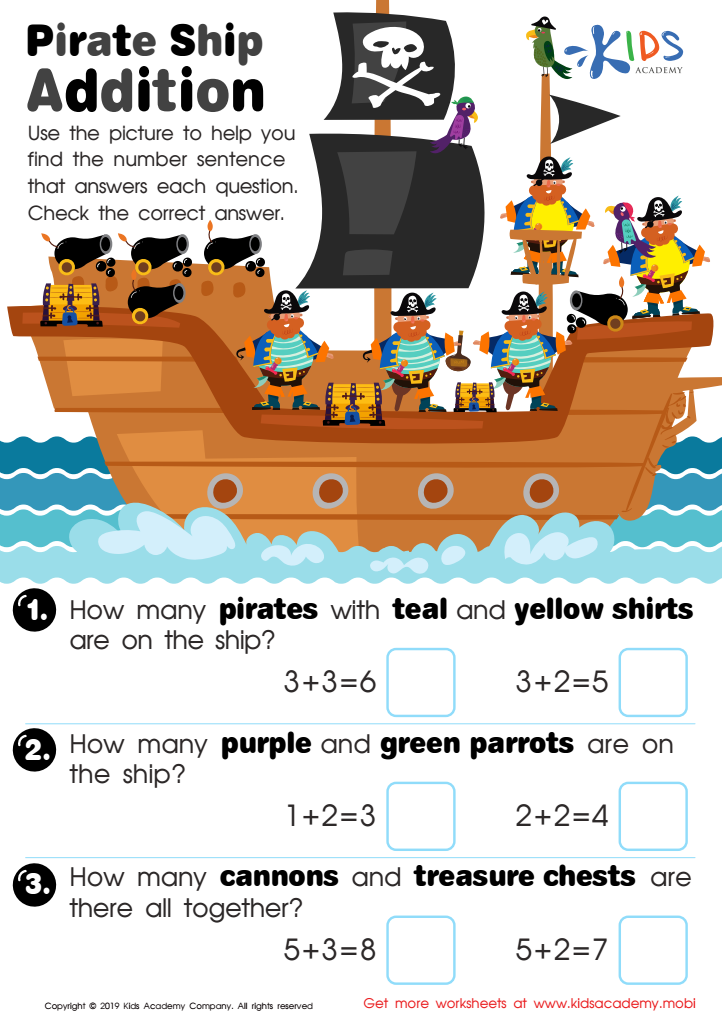
Pirate Ship Addition Worksheet
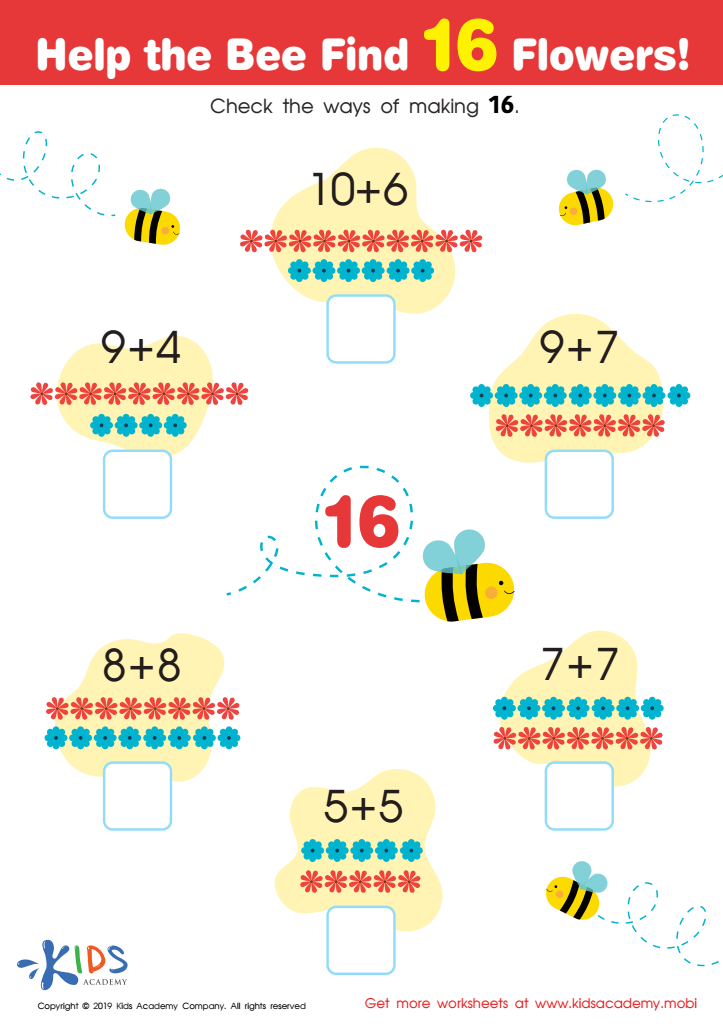
Help the Bee Find 16 Flowers Worksheet
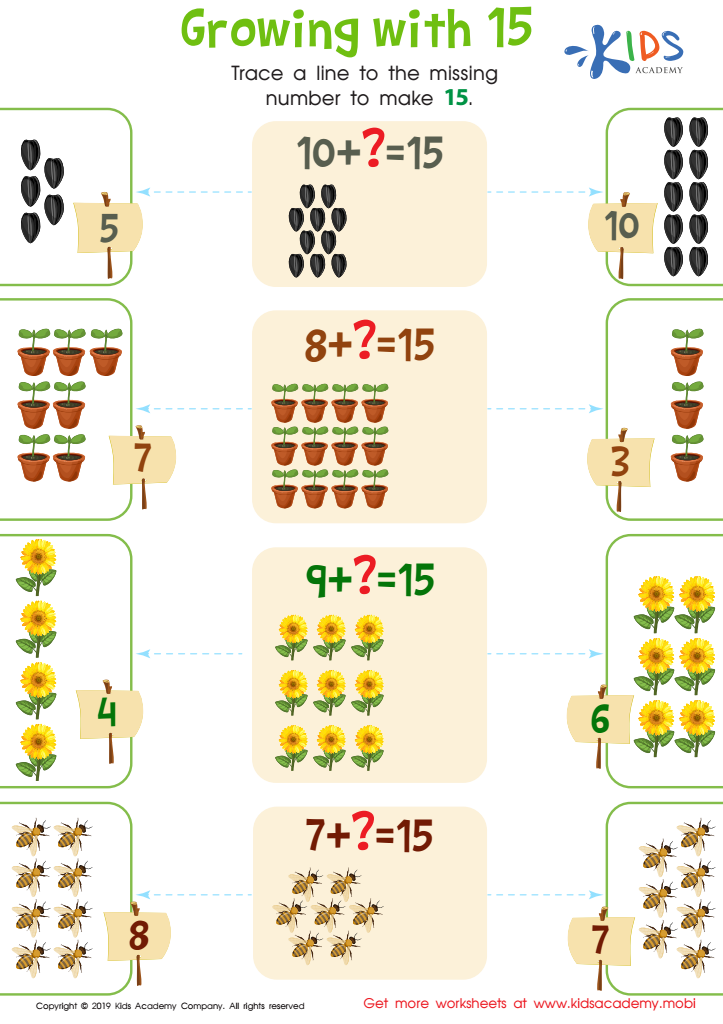
Growing with 15 Worksheet
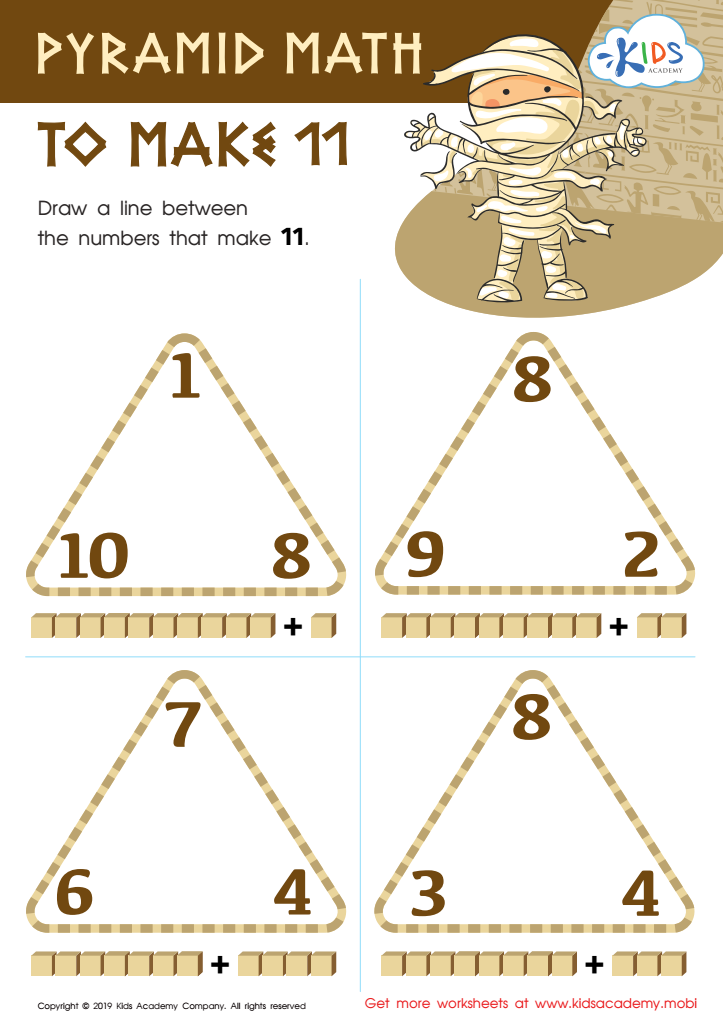
Pyramid Math to Make 11 Worksheet








Number recognition, along with basic addition and subtraction, forms the essential foundation for early mathematical understanding in children ages 3-4. During these formative years, children are naturally curious and receptive to learning concepts that will shape their cognitive abilities. Learning to recognize numbers helps children develop crucial skills needed for more advanced mathematical operations later on.
Parents and teachers should prioritize supporting children in number recognition because it enhances critical thinking and problem-solving skills. Basic addition and subtraction can introduce children to early concepts of quantity and comparison, promoting their ability to relate math to their everyday experiences.
Additionally, engaging with numbers at a young age fosters a positive attitude towards mathematics, which is vital for academic success. Children who struggle with early math may develop anxiety towards the subject, while those who have a strong grasp tend to be more confident and capable in their academic journey.
Introducing these concepts using interactive games and activities builds a solid foundation for a lifelong love of learning. By cultivating a rich educational environment that emphasizes number recognition and fundamental math skills, parents and teachers play a pivotal role in shaping a child’s future potential and success.








