Fine Motor Skills Normal Geometry Worksheets for Ages 3-4
6 filtered results
-
From - To
Enhance your child's fine motor skills while introducing them to basic geometry with our engaging worksheets designed for ages 3-4. These fun, printable activities blend learning and play, encouraging little ones to develop their hand-eye coordination as they grasp, trace, and color shapes. Our fine motor skills geometry worksheets feature vibrant illustrations and simple tasks that make early math concepts accessible and enjoyable. Perfect for home or classroom use, these resources will help your child build essential skills while fostering creativity and confidence in their abilities. Start their learning journey today with our captivating geometry worksheets!
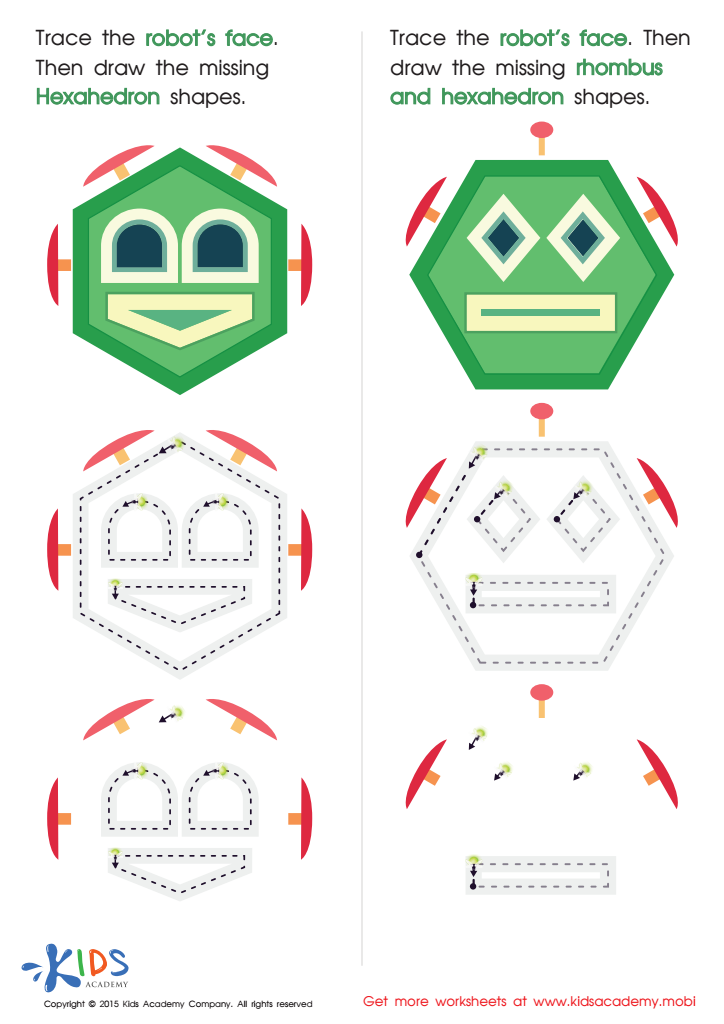
Practice Drawing Hexahedrons And a Rhombus Worksheet
 Assign to My Students











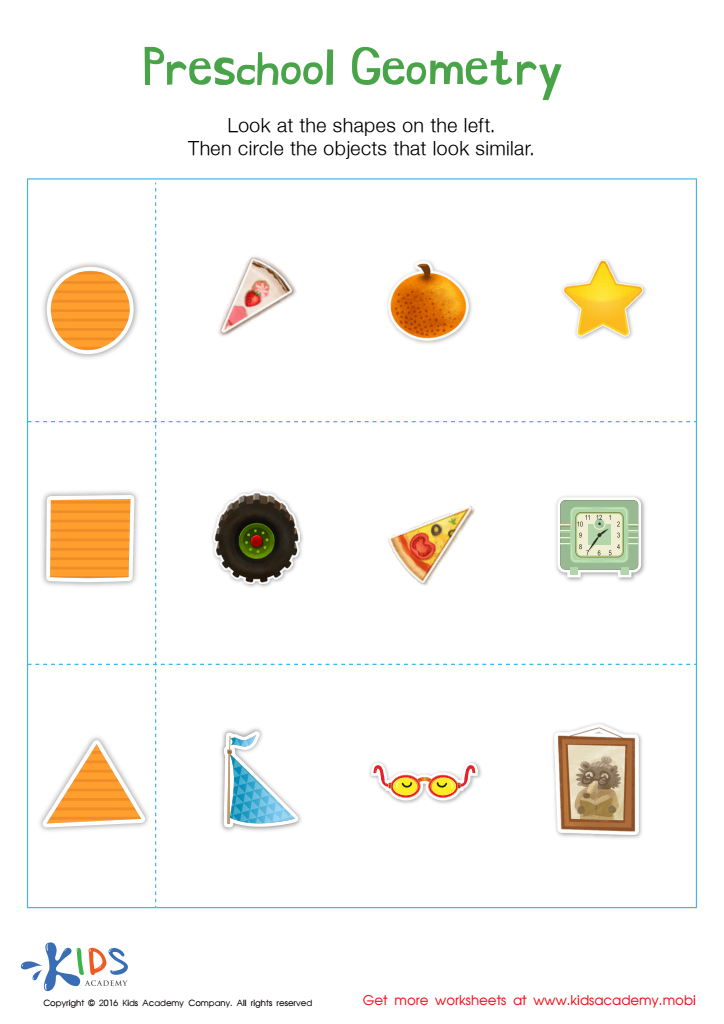
Preschool Geometry Match Up Worksheet
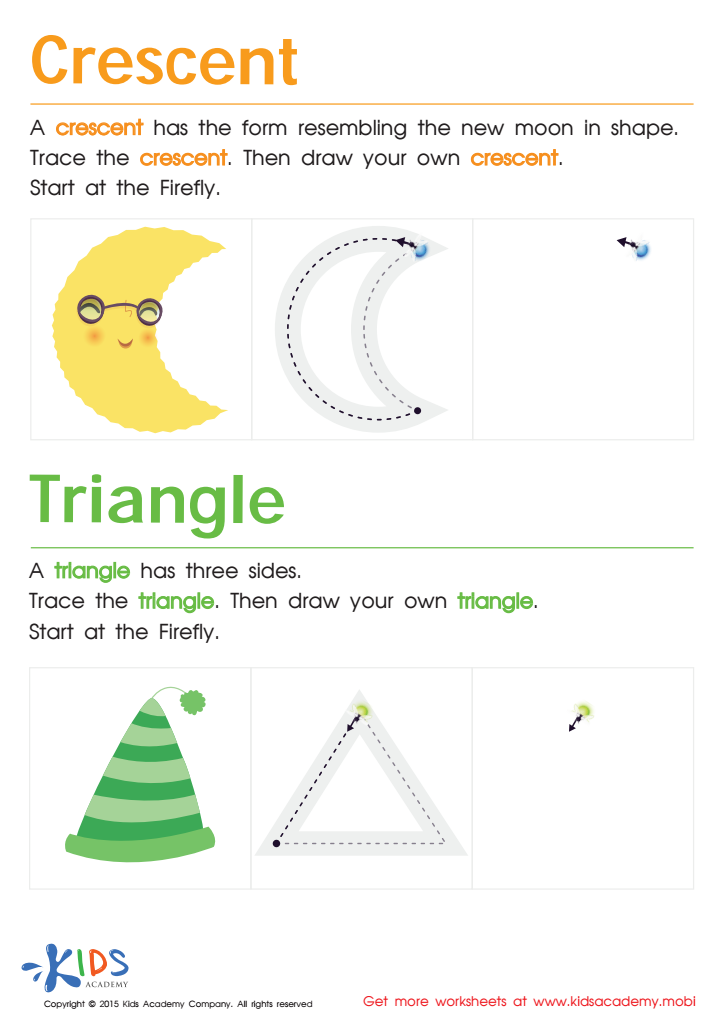
Learning to Draw Crescents And Triangles Worksheet
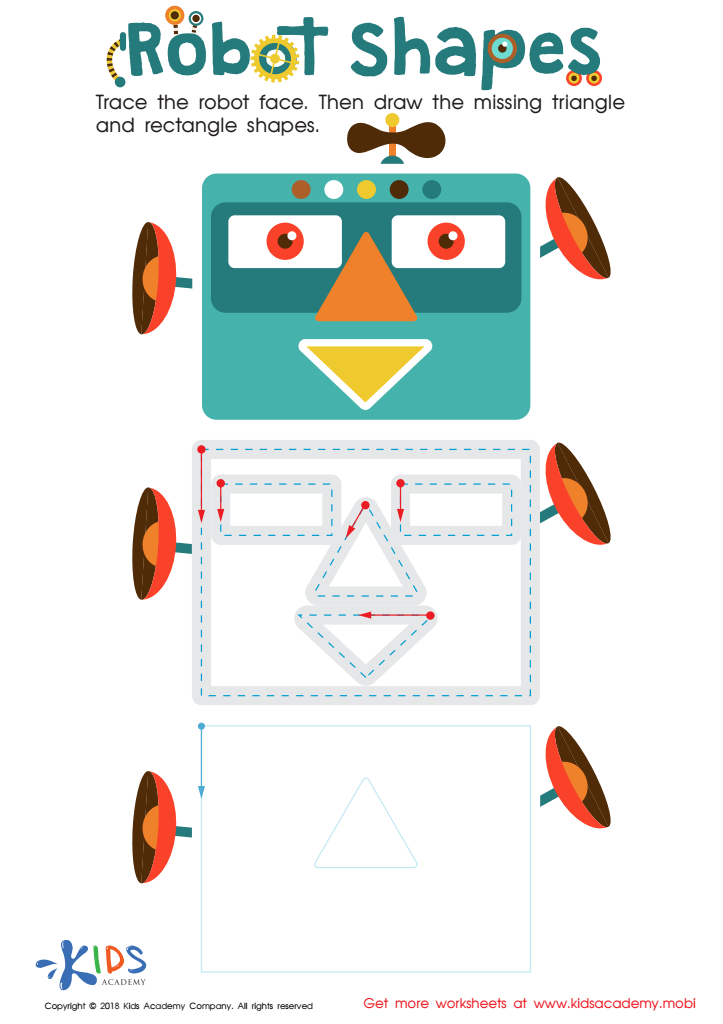
Robot Shapes Worksheet
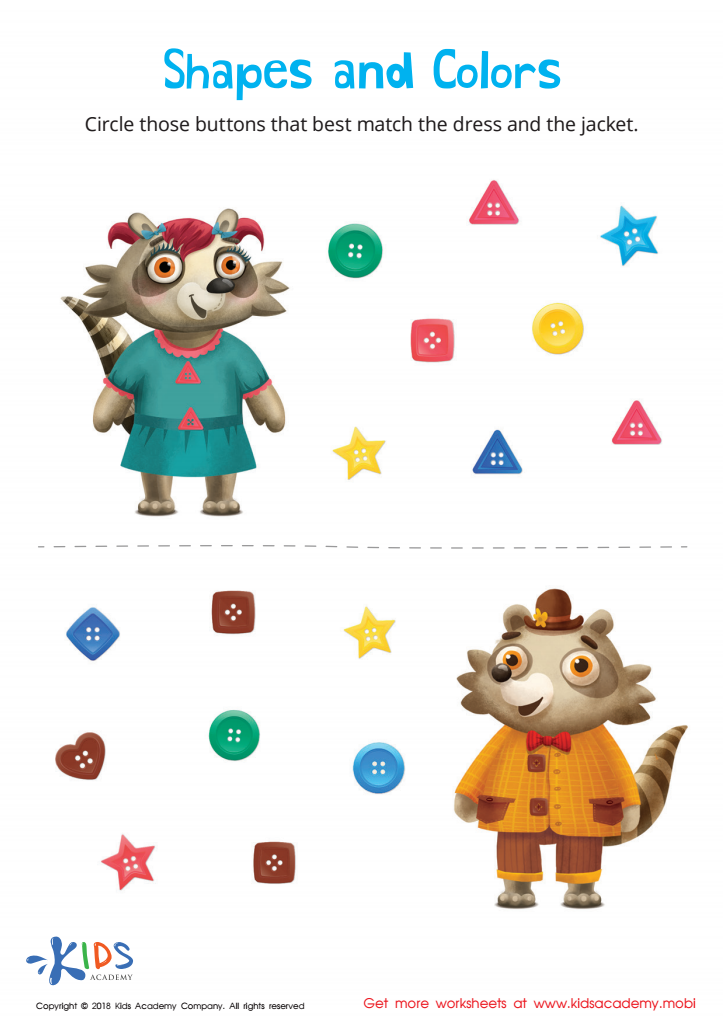
Shapes and Colors Worksheet
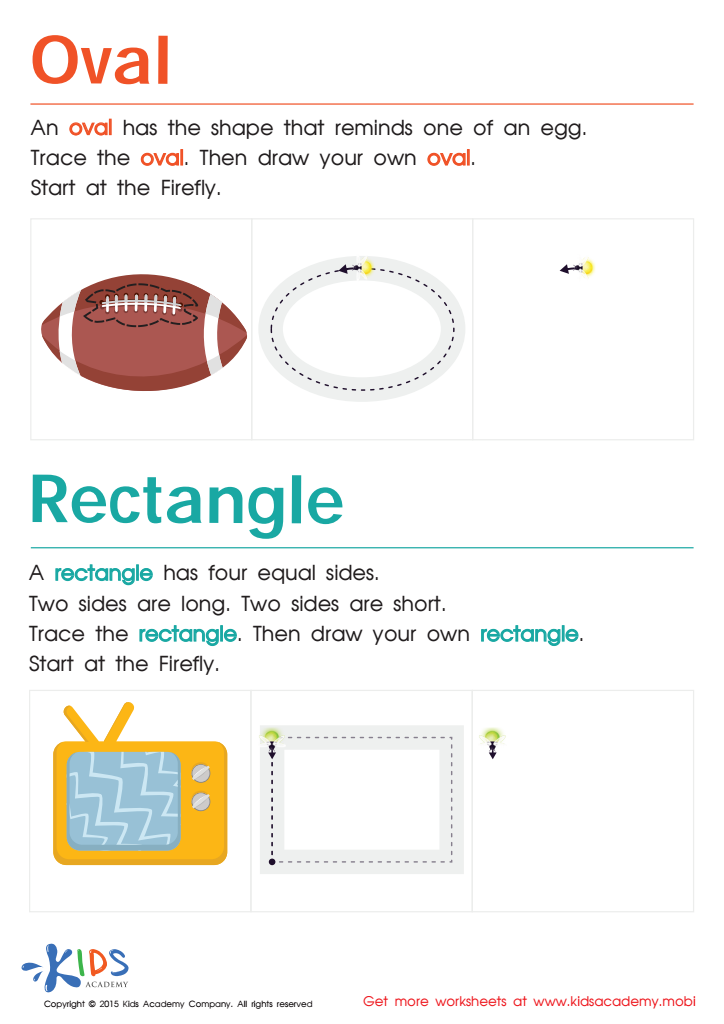
Easy Drawing of Ovals And Rectangles Worksheet








Fine motor skills are crucial for young children as they involve the coordination of small muscles in hands and fingers. Developing these skills is essential for various activities, such as writing, drawing, and manipulating small objects, fostering not only physical dexterity but also cognitive and social development.
Normal geometry concepts for children aged 3-4 lay the foundation for spatial reasoning through recognition and understanding of shapes, sizes, and positions. Engaging in activities like sorting different shapes, building with blocks, or using geometric toys enhances fine motor skills while introducing basic geometric concepts.
When parents and teachers prioritize fine motor skill development alongside normal geometry, they are promoting critical thinking and problem-solving abilities. These early experiences help children learn to make connections between physical manipulation and mathematical reasoning.
Moreover, mastering these early skills sets the stage for later academic success in both math and literacy. Fine motor skills directly impact a child’s ability to write, draw, and handle tools in school, which significantly affects their confidence and independence.
Ultimately, fostering these skills nurtures a child’s overall development, ensuring they are well-prepared for future learning challenges and everyday activities. It’s a vital investment in a child's growth and ability to thrive academically and socially.








