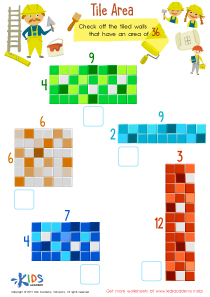
Problem-Solving Skills Normal Numbers Worksheets for Ages 3-4
6 filtered results
-
From - To
Introducing our Problem-Solving Skills Normal Numbers Worksheets, specially designed for children aged 3-4! These engaging and fun worksheets aim to foster essential problem-solving abilities through age-appropriate number activities. Each worksheet combines colorful visuals and simple tasks to help young learners understand basic numerical concepts and develop critical thinking. Perfect for home or classroom use, our resources support early math skills while encouraging curiosity and independence. Printable and easy to use, these worksheets are a wonderful addition to any child's learning journey. Download now and set the stage for a lifetime of confident problem-solving!
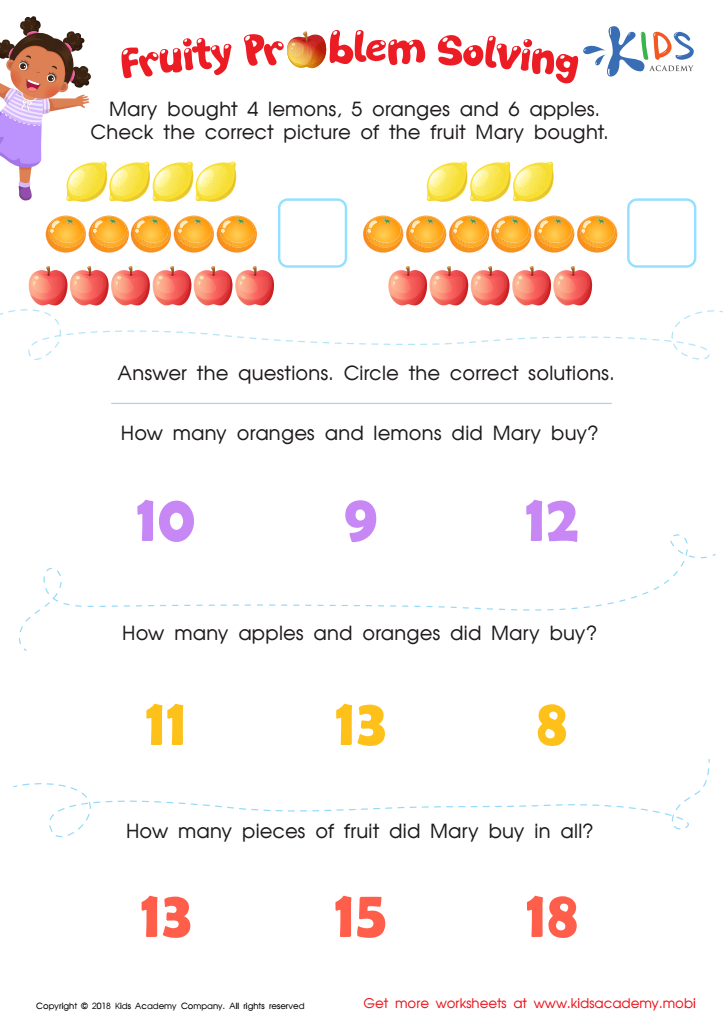
Fruity Problem Solving Worksheet
 Assign to My Students
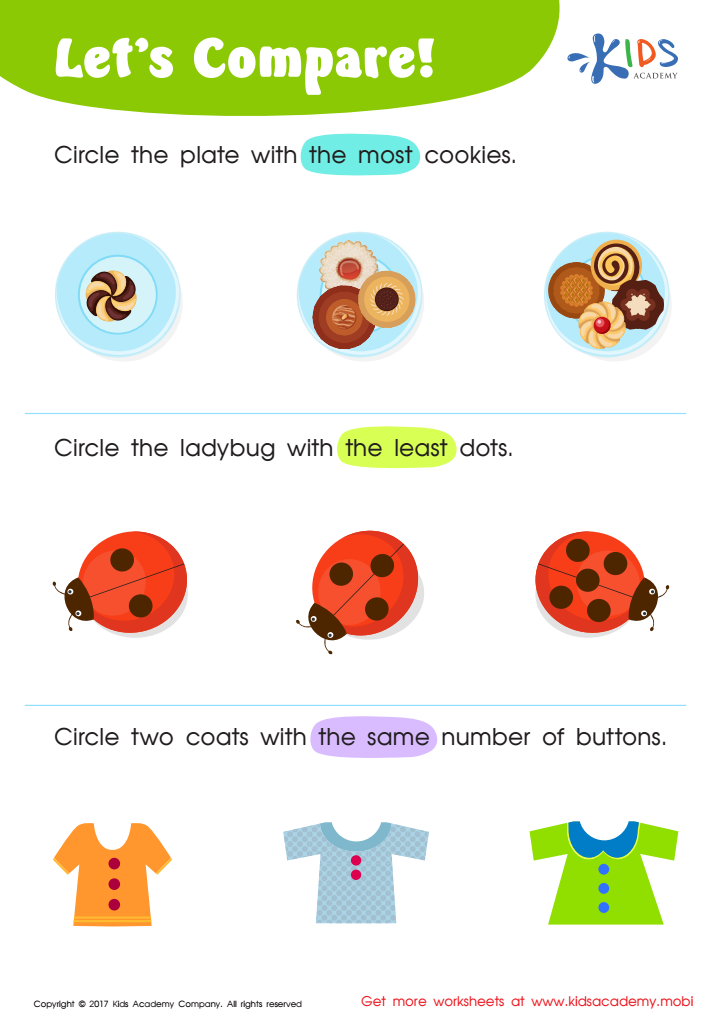
Matching: Classifying Toys by Size Worksheet
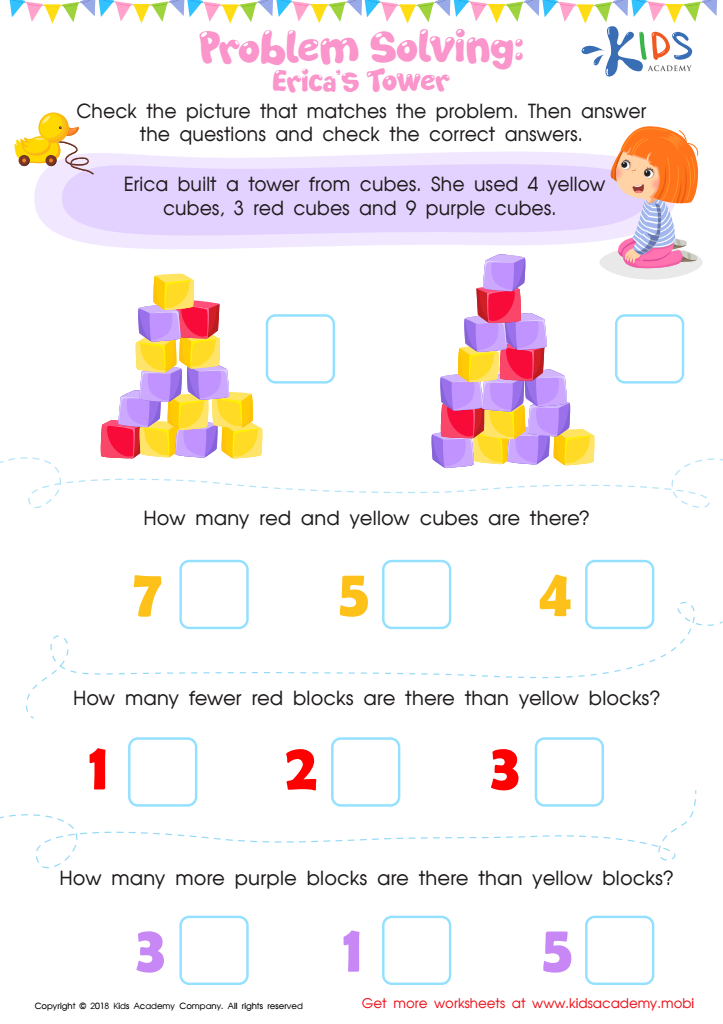
Problem Solving: Erica's Tower Worksheet
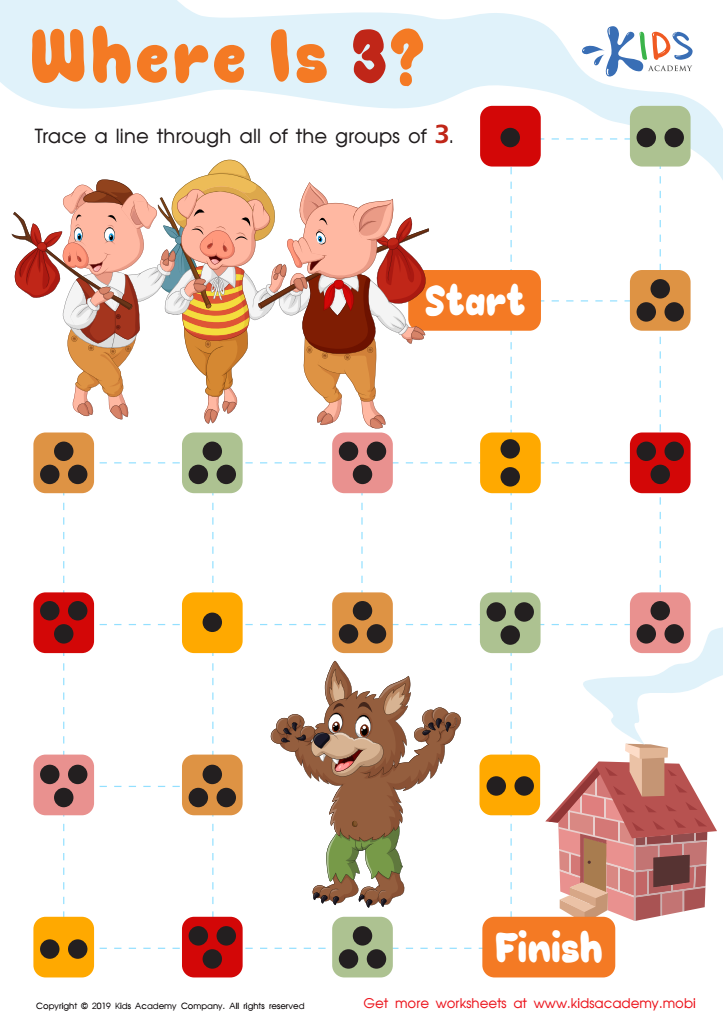
Where Is 3? Worksheet
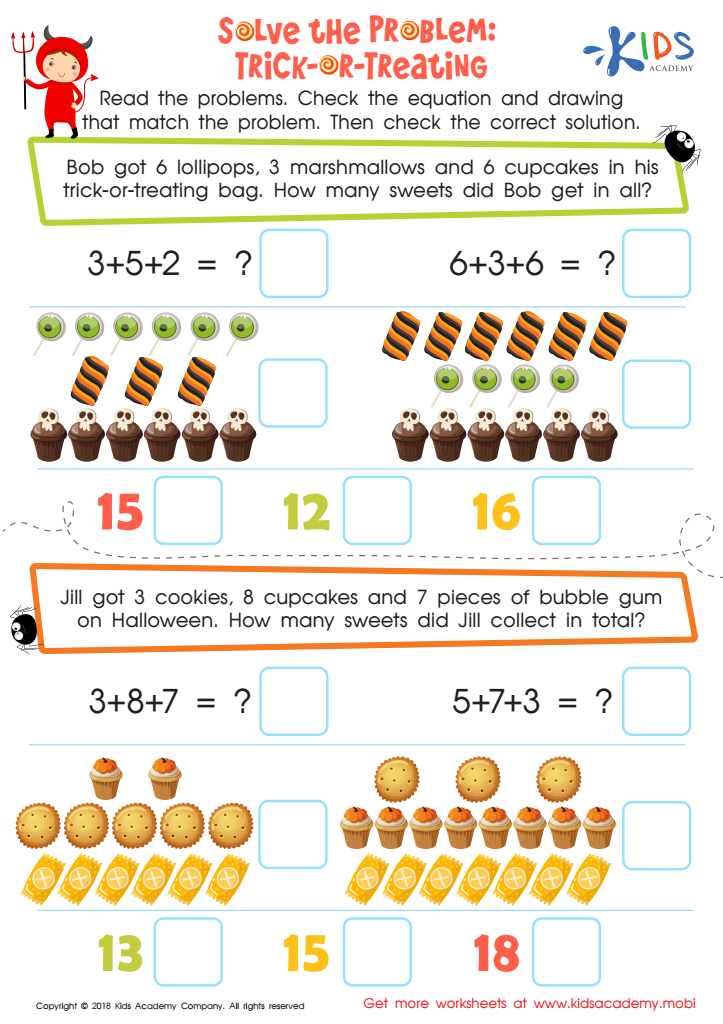
Solve the Problem: Trick–or–treating Worksheet
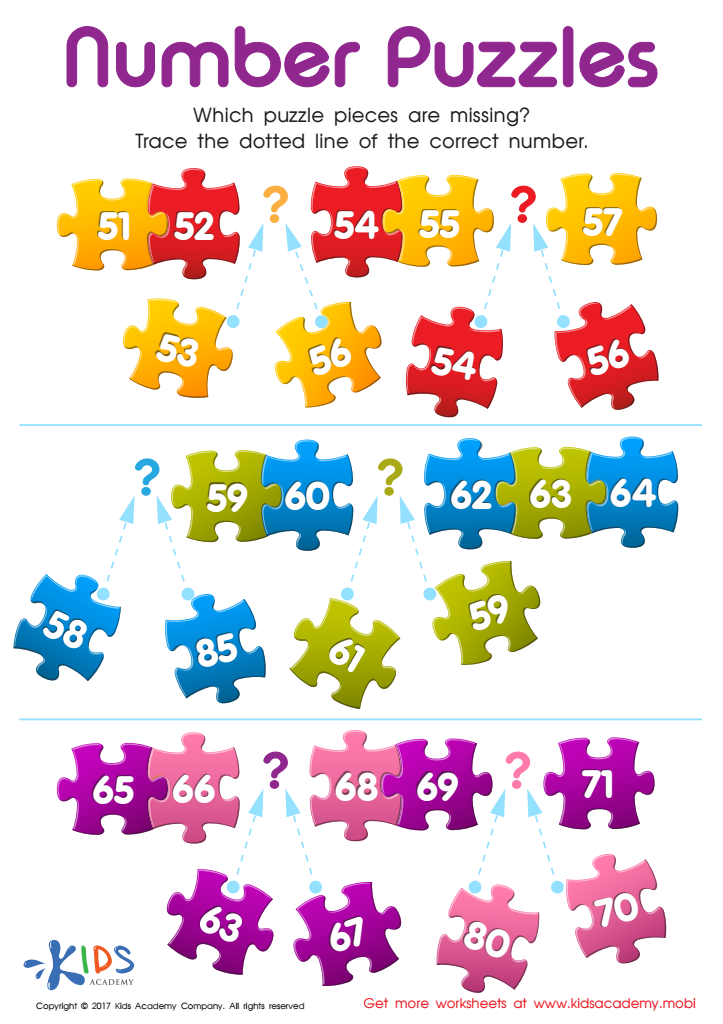
Number Puzzles Worksheet




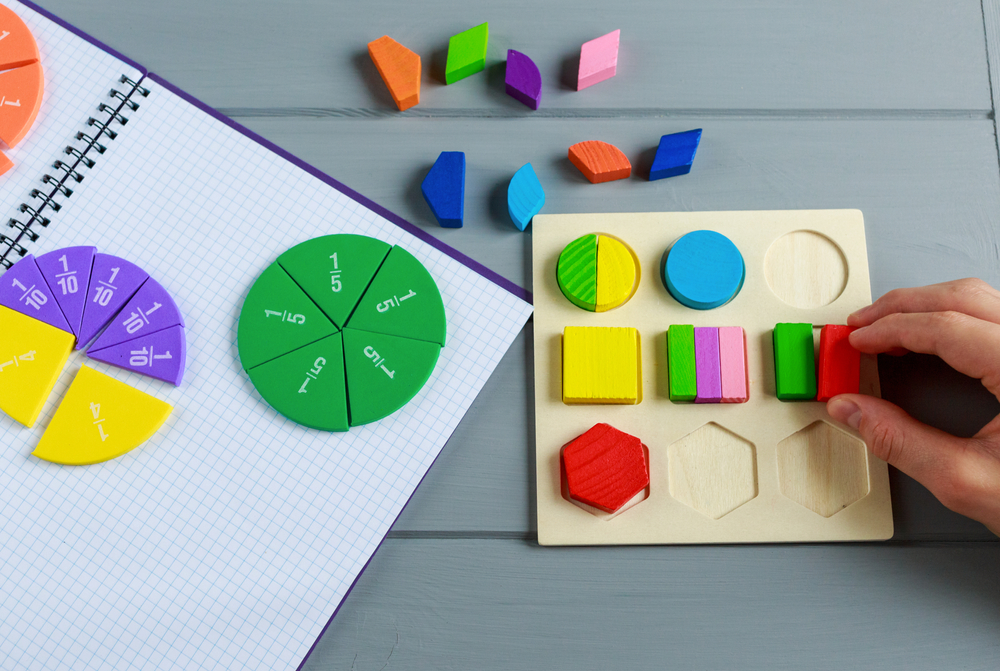



Problem-solving skills are crucial for children aged 3-4 because they lay the foundation for critical thinking, independence, and future academic success. At this tender age, children are naturally curious and eager to explore their surroundings. By introducing problem-solving activities that involve numbers, parents and teachers can channel this curiosity into constructive learning experiences.
Firstly, problem-solving activities that incorporate numbers help children develop early math skills such as counting, recognizing patterns, and understanding basic concepts of addition and subtraction. These skills are essential for their cognitive development and form the building blocks for more complex mathematical concepts in the future.
Secondly, engaging in problem-solving tasks enhances children's cognitive abilities by encouraging them to think logically and make connections between ideas. This mental exercise improves their analytical skills, boosts their confidence in handling challenges, and fosters a growth mindset—the belief that effort leads to improvement.
Additionally, problem-solving with numbers promotes social and emotional development. By working together on tasks, children learn to communicate, take turns, and support each other. These social skills are invaluable as they develop empathy and cooperation, integral components of emotional intelligence.
In essence, nurturing problem-solving skills with numbers in early childhood equips children with essential tools for lifelong learning and adaptability, making it well worth the attention of parents and teachers.