Vocabulary expansion Normal Reading Worksheets for Ages 3-4
12 filtered results
-
From - To
Enhance your child’s language skills with our Vocabulary Expansion Normal Reading Worksheets designed specifically for ages 3-4. These engaging worksheets provide a fun and interactive way to introduce new words and reinforce vocabulary understanding. Each activity is tailored to stimulate creativity and critical thinking, featuring colorful illustrations and relatable themes that captivate young learners. Parents and educators will appreciate the structured approach to vocabulary building, making it easier to track progress. Foster a love for reading and enhance comprehension skills early on with worksheets that prepare kids for a lifetime of learning. Download now to start the vocabulary adventure!
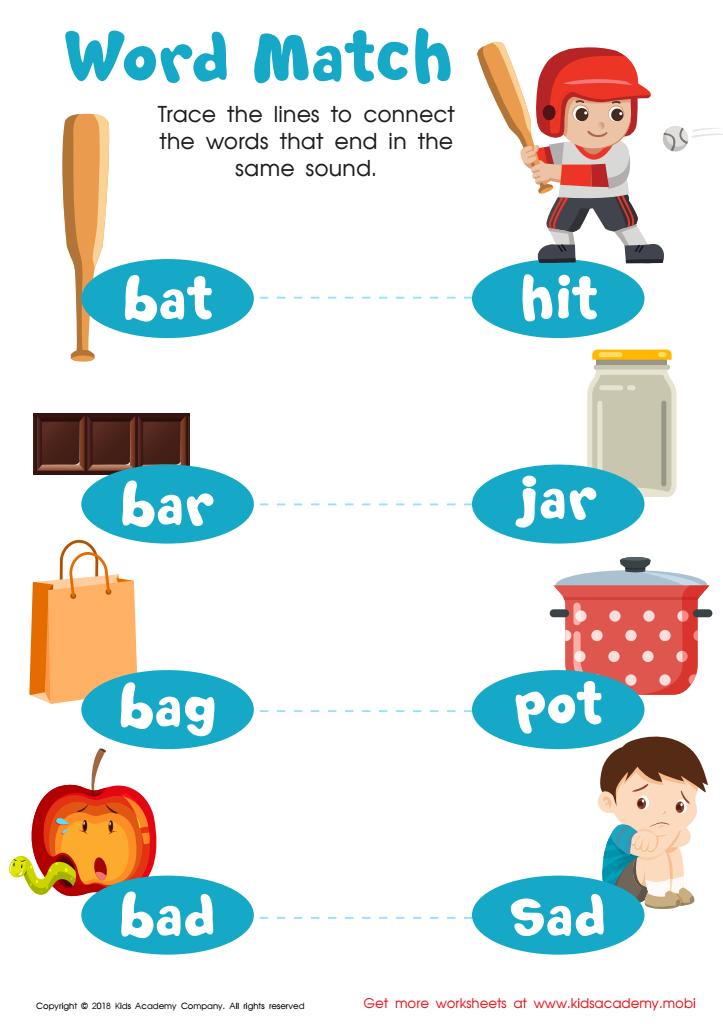
Word Match Reading Worksheet
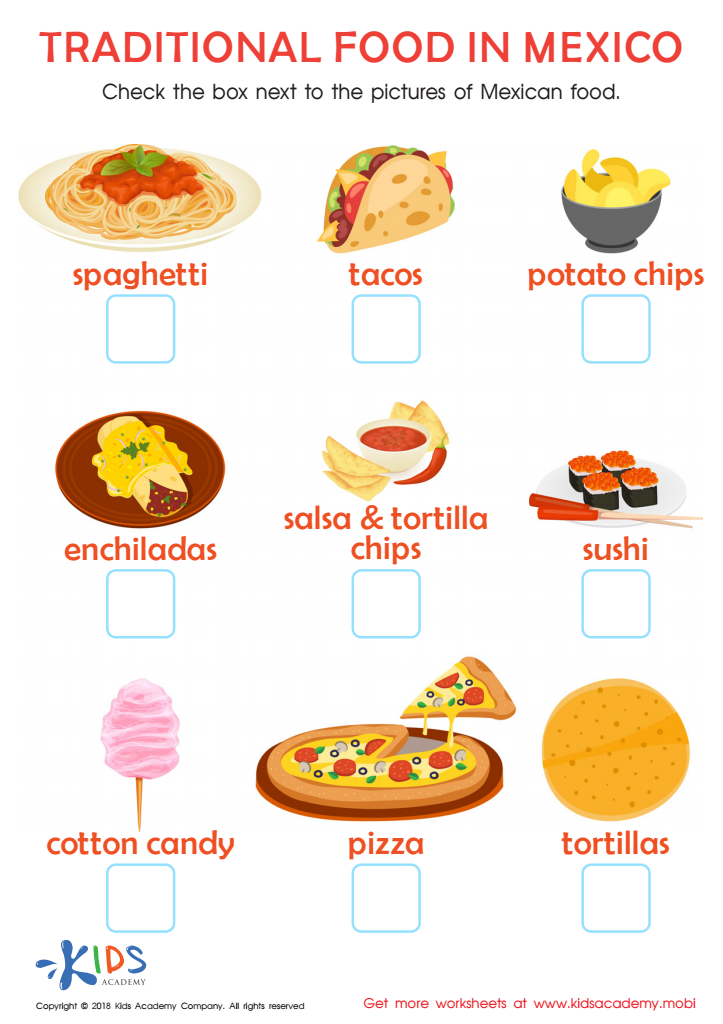
Traditional Food in Mexico Worksheet
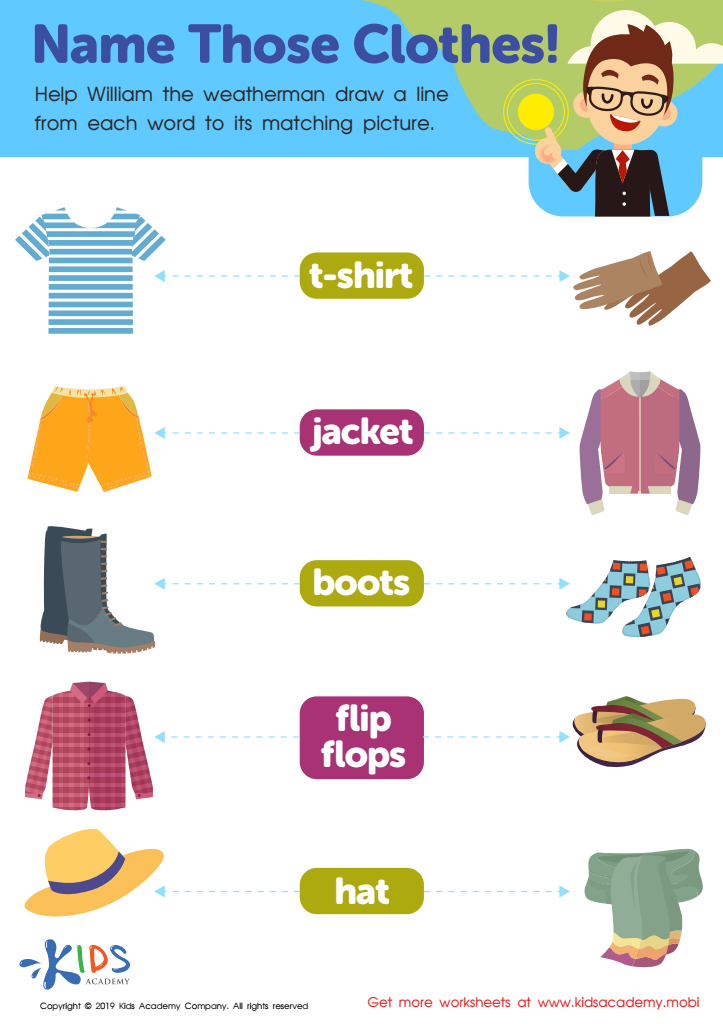
Name Those Clothes Worksheet
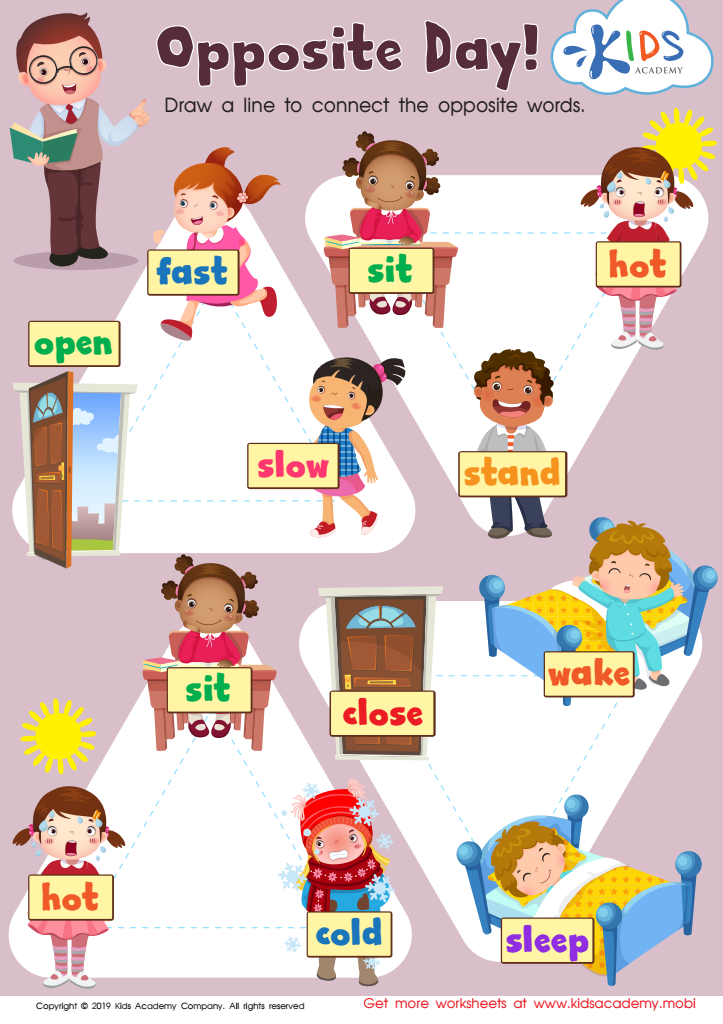
Opposite Day Worksheet
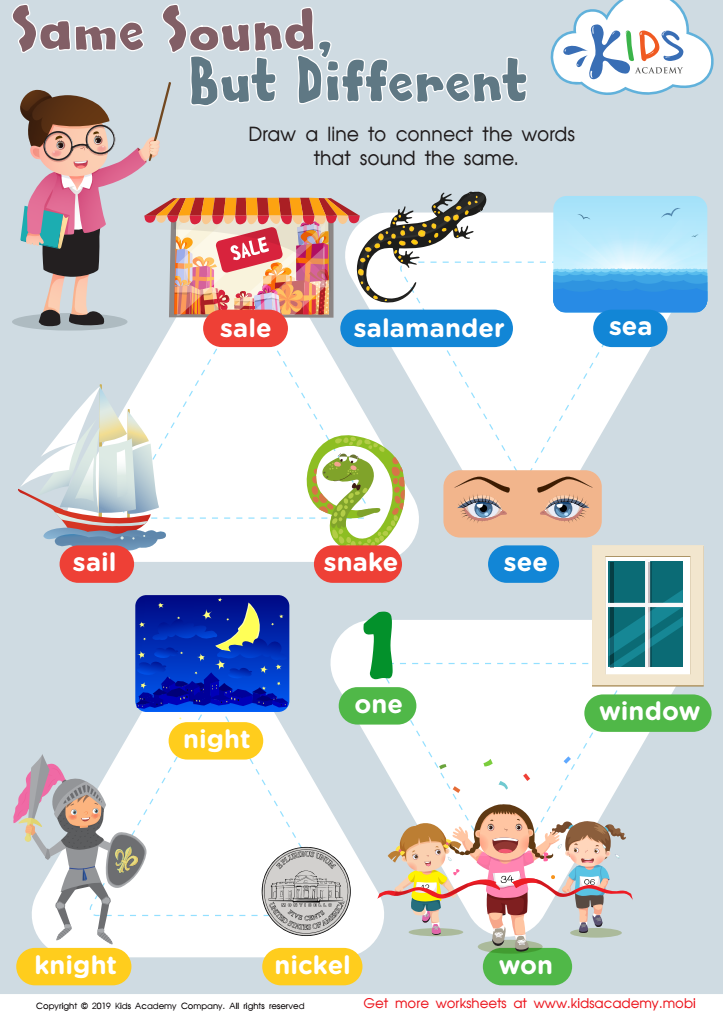
Sound Different Worksheet
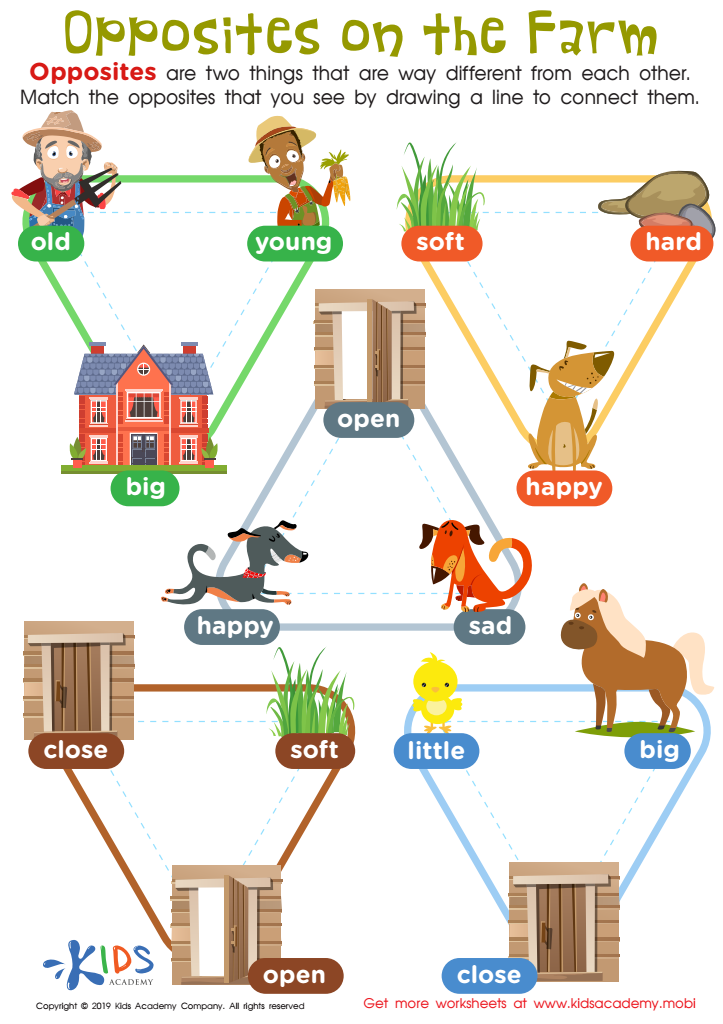
Opposites on the Farm Worksheet

Long and Short U Worksheet
 Assign to My Students
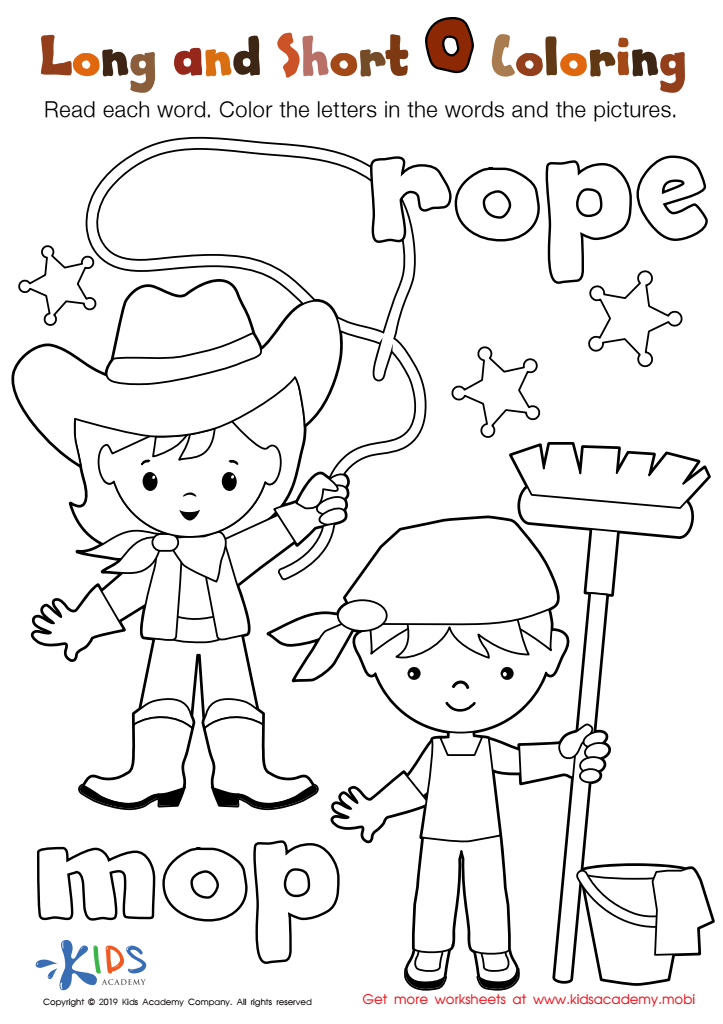
Long and Short O Worksheet
Assign to My Students
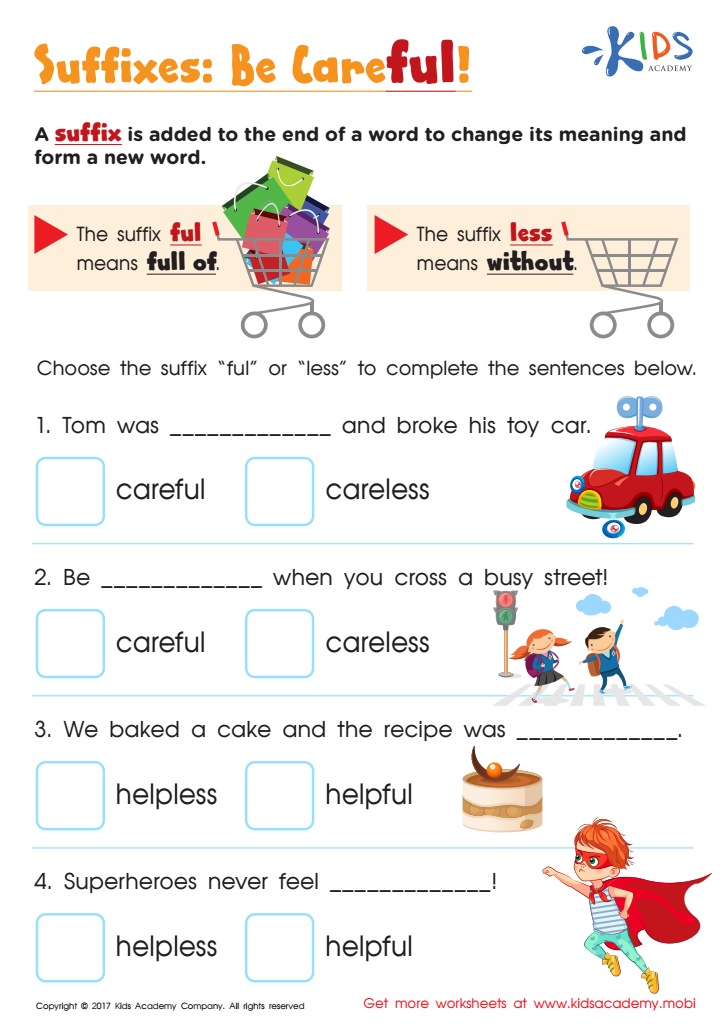
Suffixes Ful and Less Worksheet
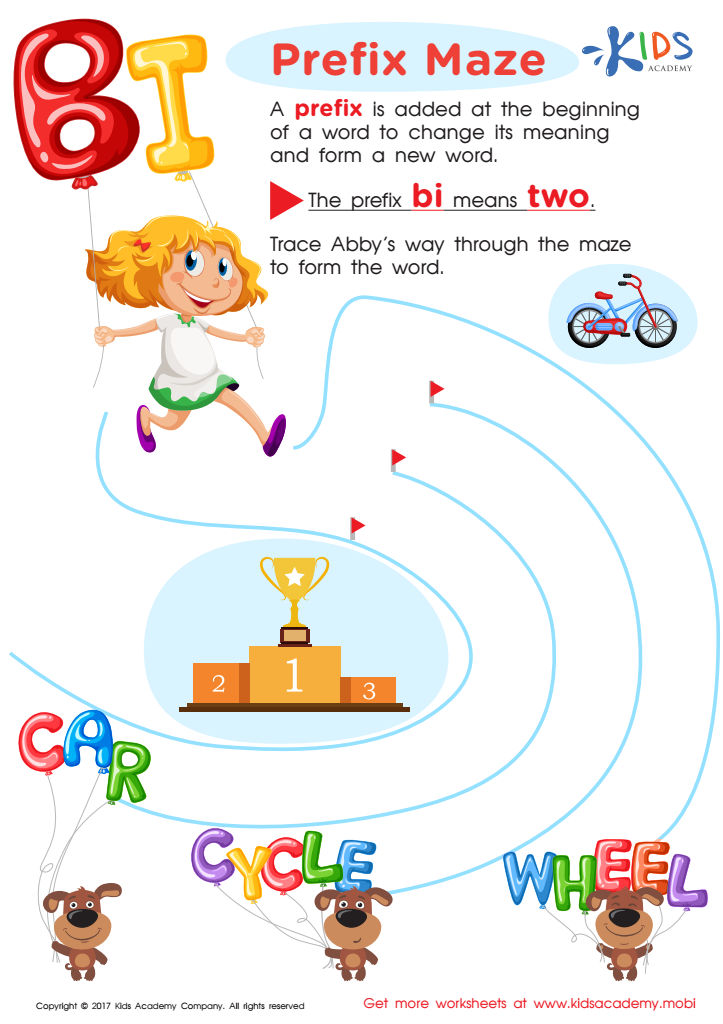
Prefix Bi Words Worksheet
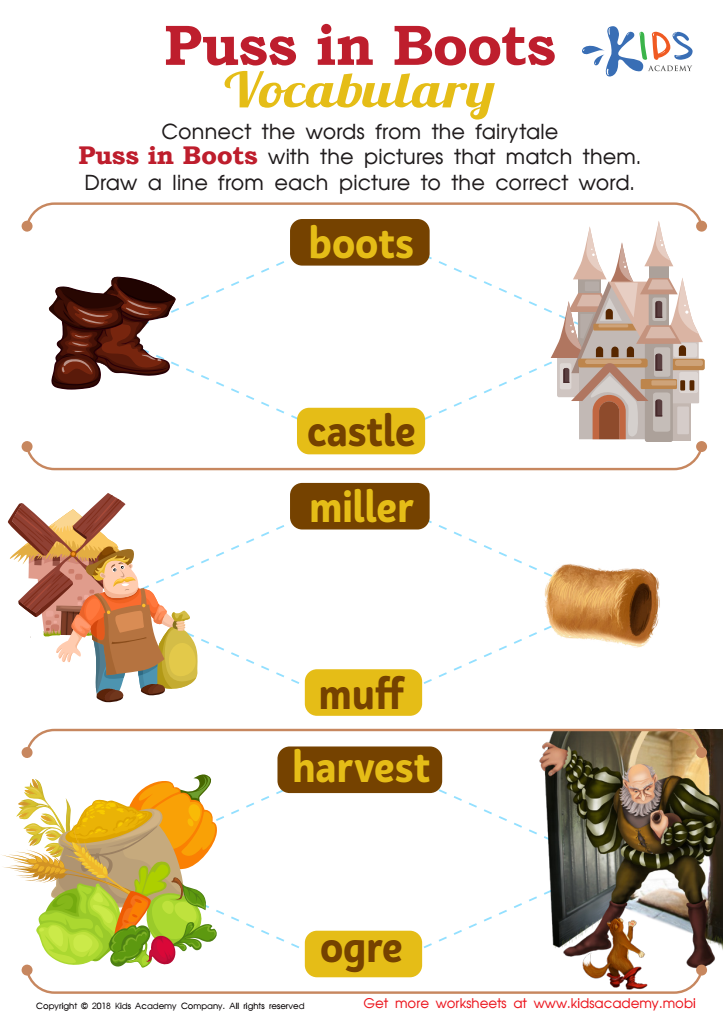
Puss in Boots Vocabulary Worksheet
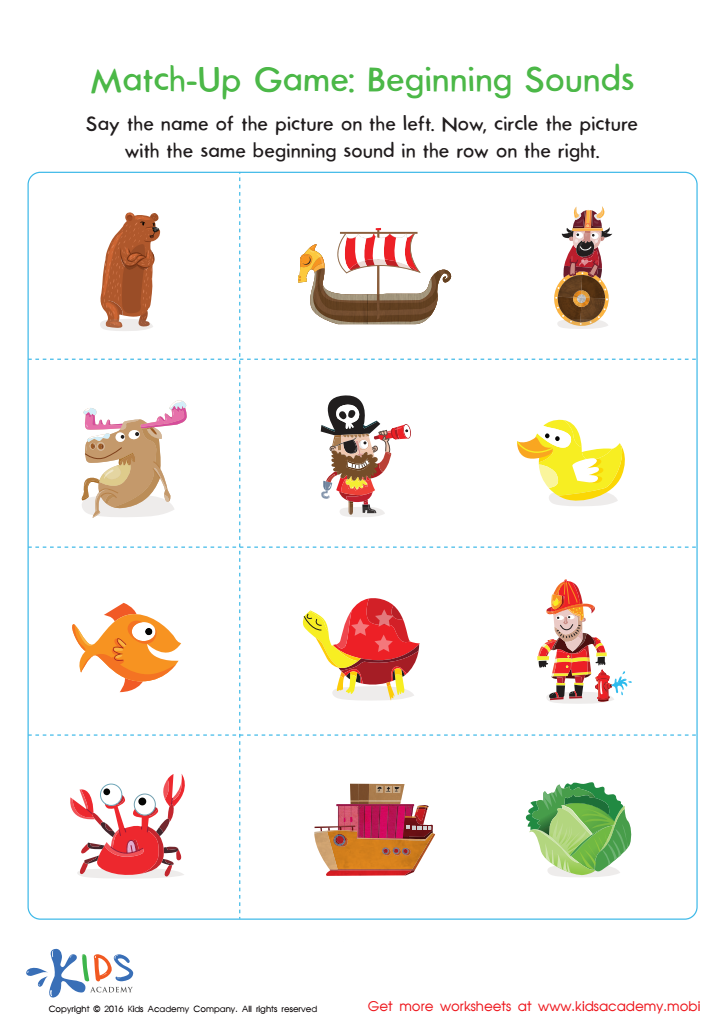
Match–Up Game: Beginning Sounds Worksheet








Vocabulary expansion during the ages of 3 to 4 is crucial for early literacy development and overall cognitive growth, making it a vital focus for both parents and teachers. At this developmental stage, children are highly receptive to language, eagerly absorbing new words and concepts. A rich vocabulary enhances comprehension skills, allowing children to understand stories and instructions better. This facilitates a love for reading, as they are more likely to engage with books and enjoy the process.
Additionally, a strong vocabulary supports effective communication, enabling children to express themselves clearly and confidently. This aids in social interactions, helping them establish relationships and navigate complex emotions. Furthermore, studies show that early vocabulary development is a predictor of future academic success, influencing performance in reading and writing as they progress through school.
For teachers, nurturing vocabulary expansion can create a more interactive and engaging classroom environment. Inclusive language-based activities, like storytelling and word games, foster collaboration and active participation.
Parents play a pivotal role by incorporating vocabulary-rich conversations, reading aloud regularly, and encouraging exploration of language through play. Together, parents and teachers creating supportive language environments help ensure children are well-prepared for the challenges of their educational journey.








