Shape Recognition Normal 2D Shapes Worksheets for Ages 3-5
15 filtered results
-
From - To
Introduce your little learners to the exciting world of shapes with our Shape Recognition Normal 2D Shapes Worksheets for ages 3-5! These engaging and easy-to-follow printables from Kids Academy help children identify and understand basic 2D shapes such as circles, squares, triangles, and rectangles. Through fun activities and colorful illustrations, kids will enhance their cognitive development, improve hand-eye coordination, and build foundational math skills. Ideal for preschool and kindergarten students, our worksheets offer a perfect balance of education and entertainment. Foster a love for learning and boost your child's confidence with these valuable resources today!
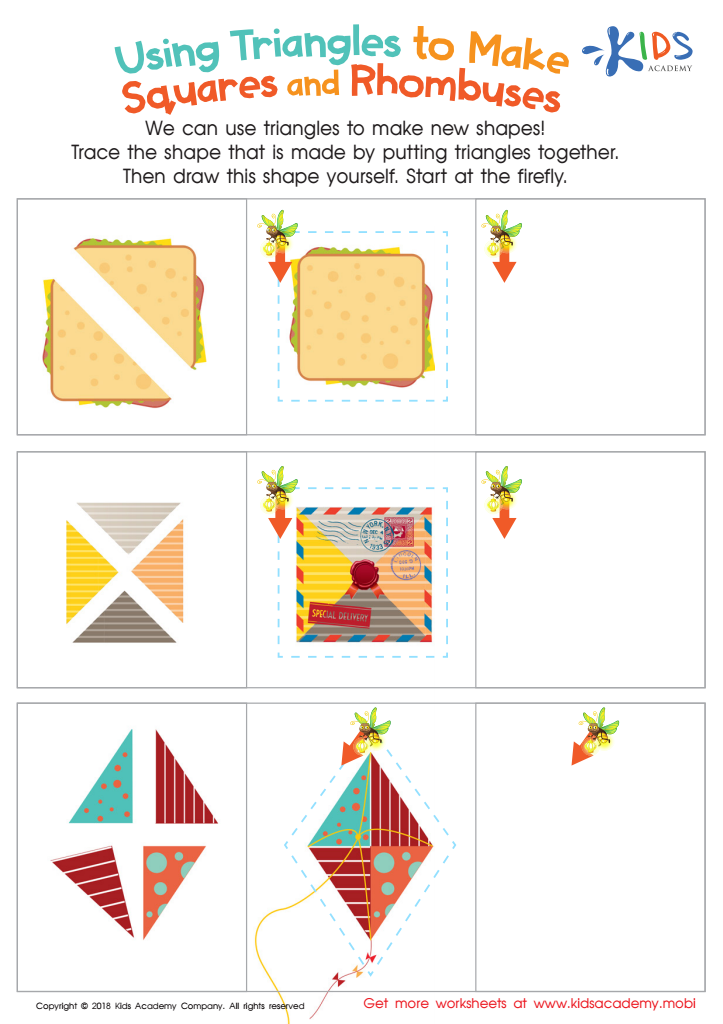
Using Triangles to Make Squares and Rhombuses Worksheet
 Assign to My Students











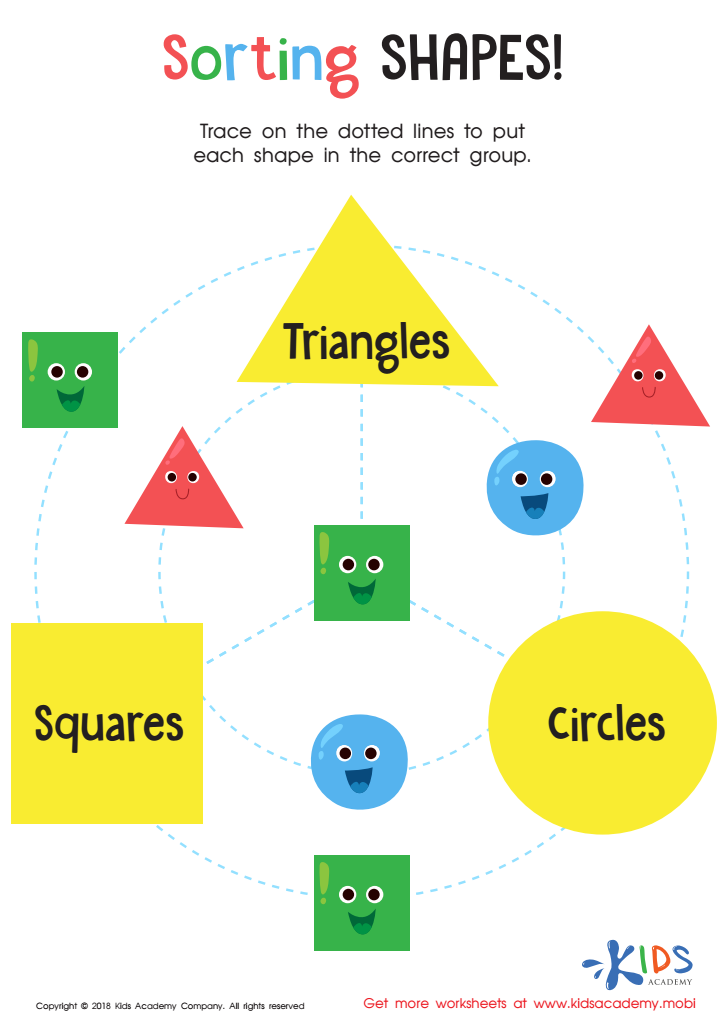
Sorting Shapes - Part 3 Worksheet
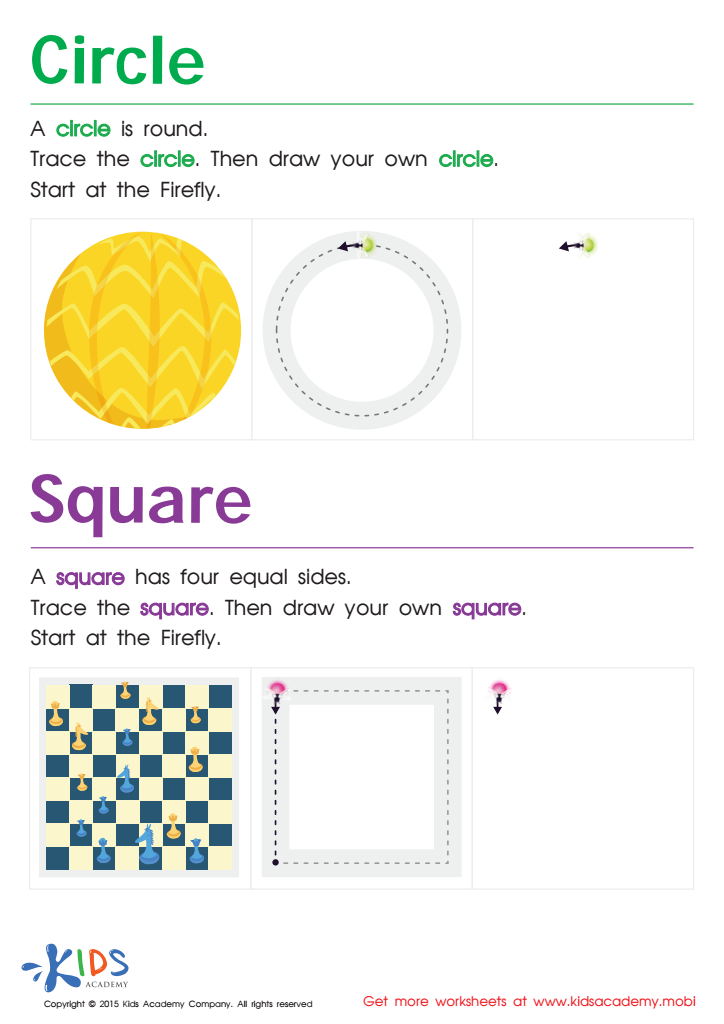
Trace And Draw a Circle And a Square Worksheet
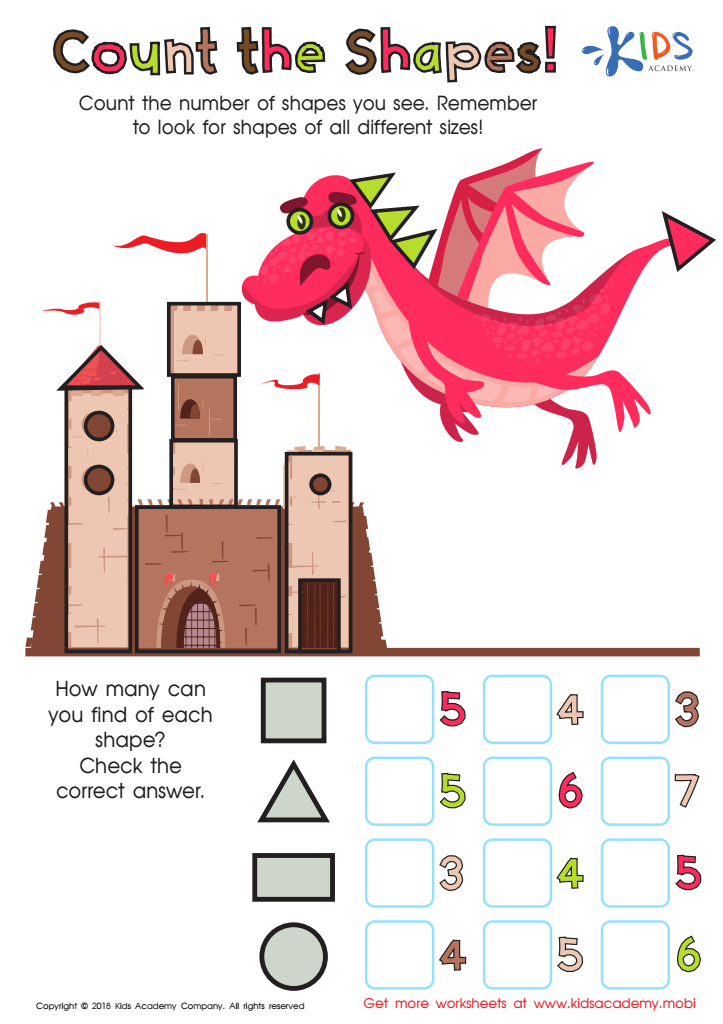
Count the Shapes Worksheet
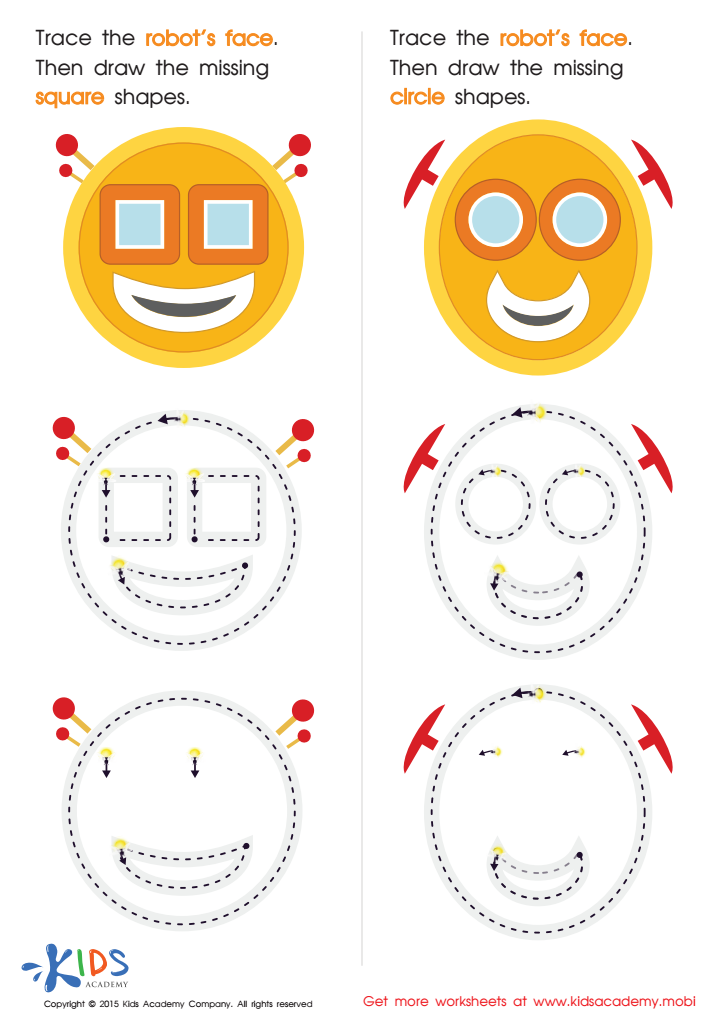
Practicing to Draw Circles And Squares Printable
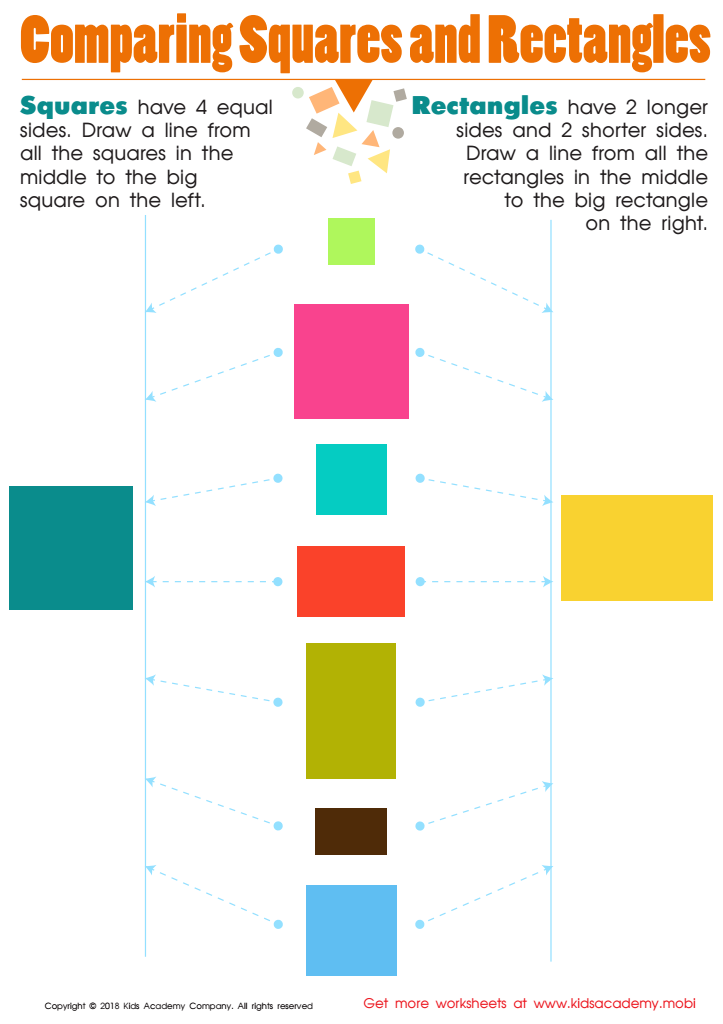
Comparing Squares Rectangles Worksheet
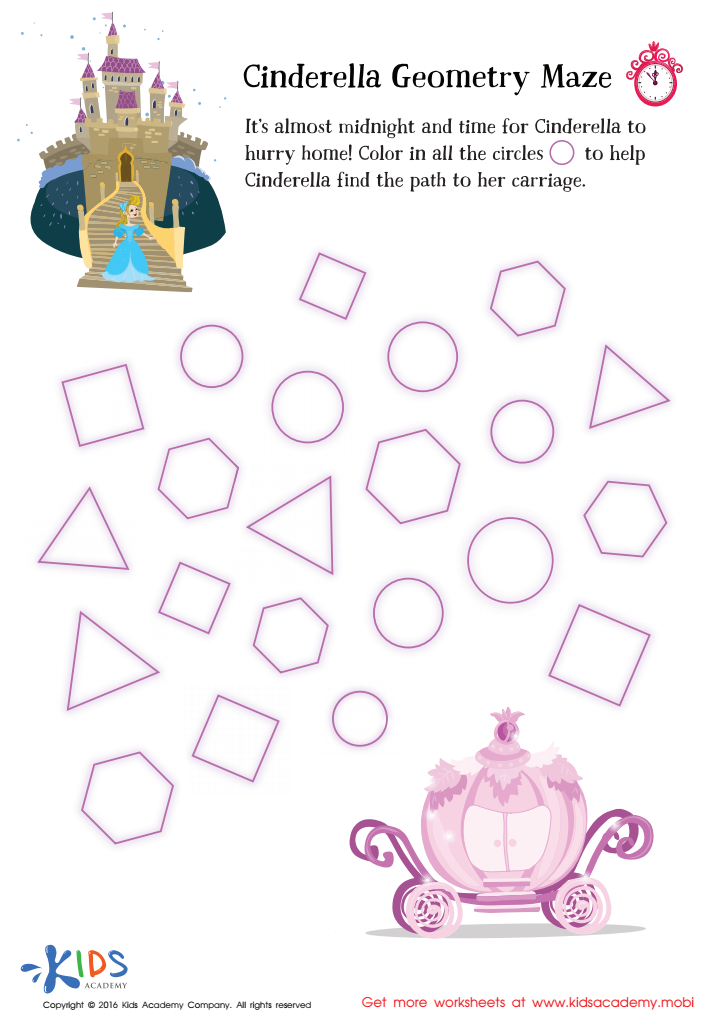
Cinderella Geometry Maze Worksheet
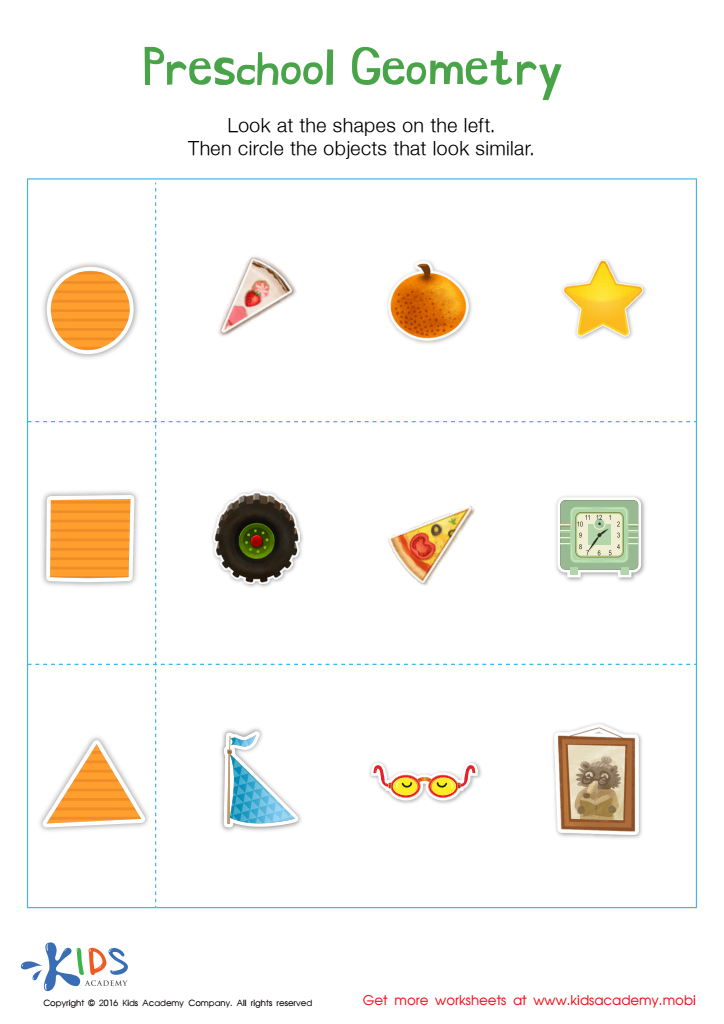
Preschool Geometry Match Up Worksheet
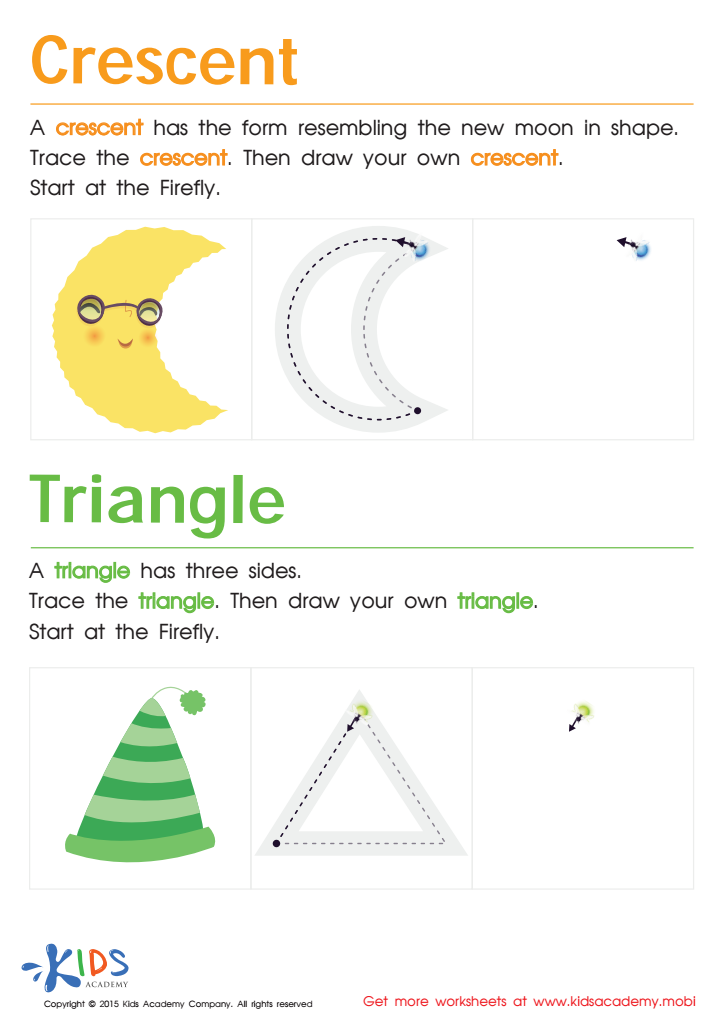
Learning to Draw Crescents And Triangles Worksheet
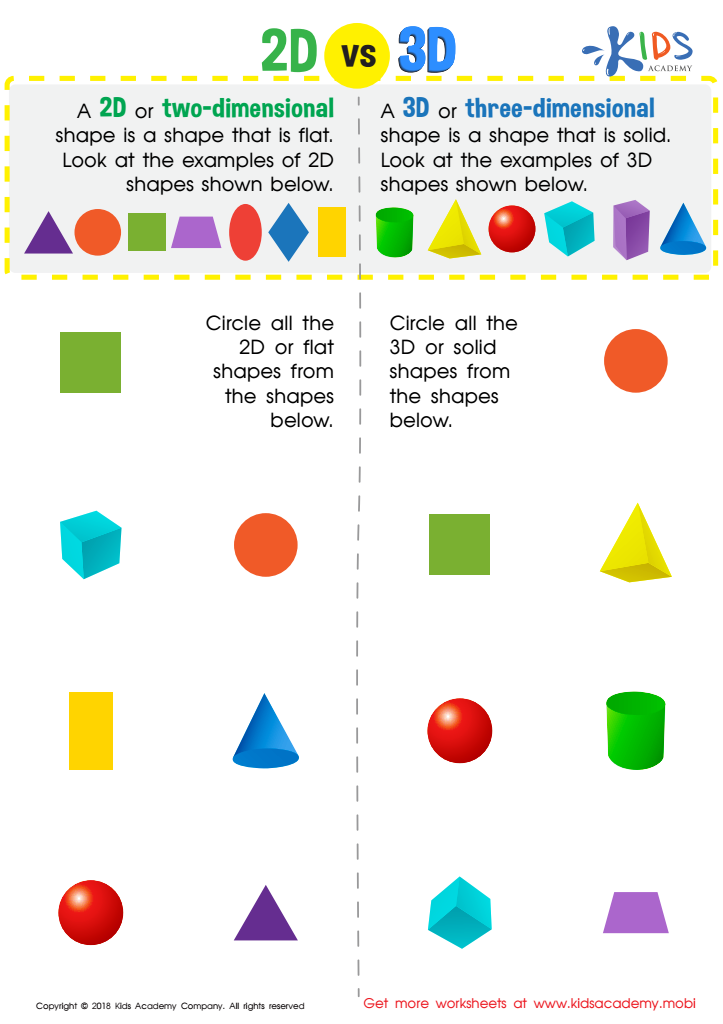
2D vs 3D Shapes Worksheet
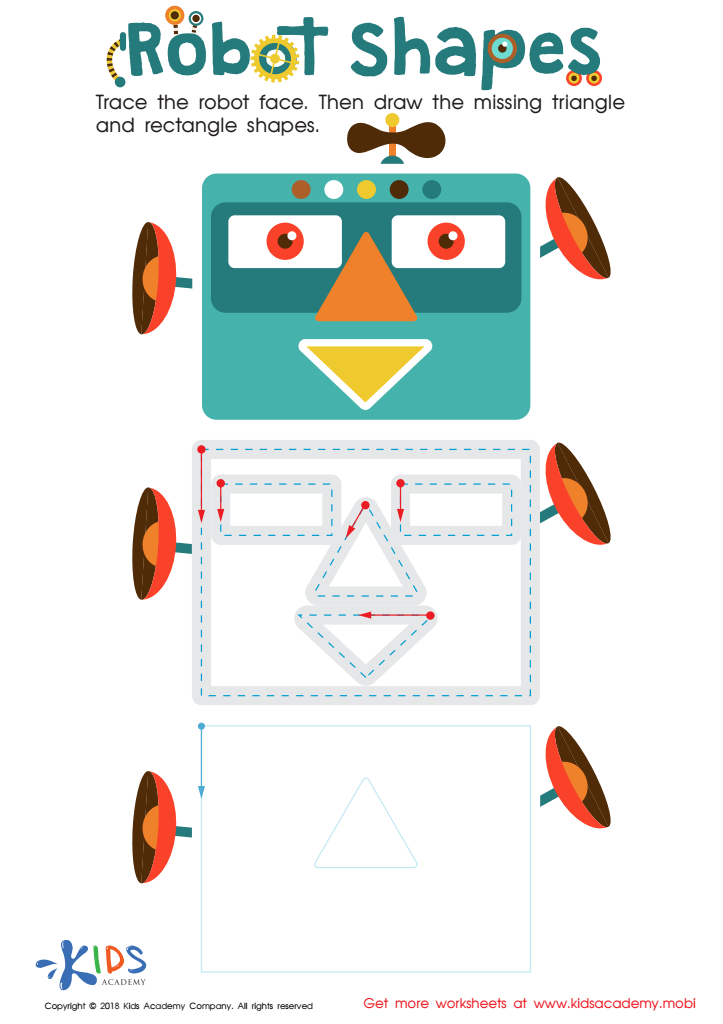
Robot Shapes Worksheet
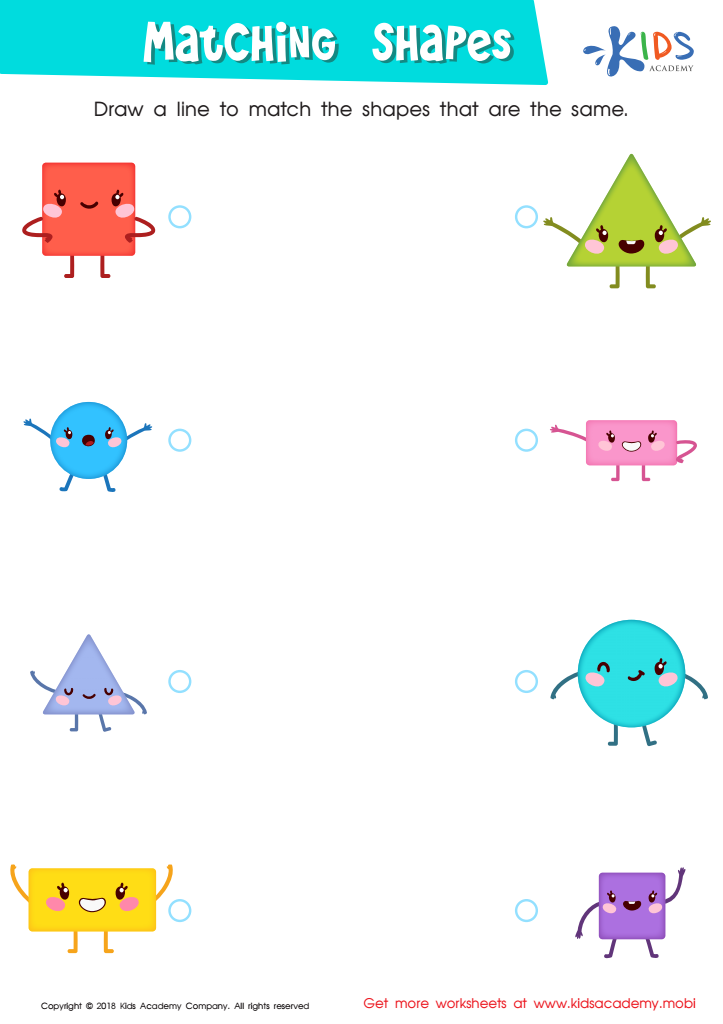
Matching Shapes Worksheet
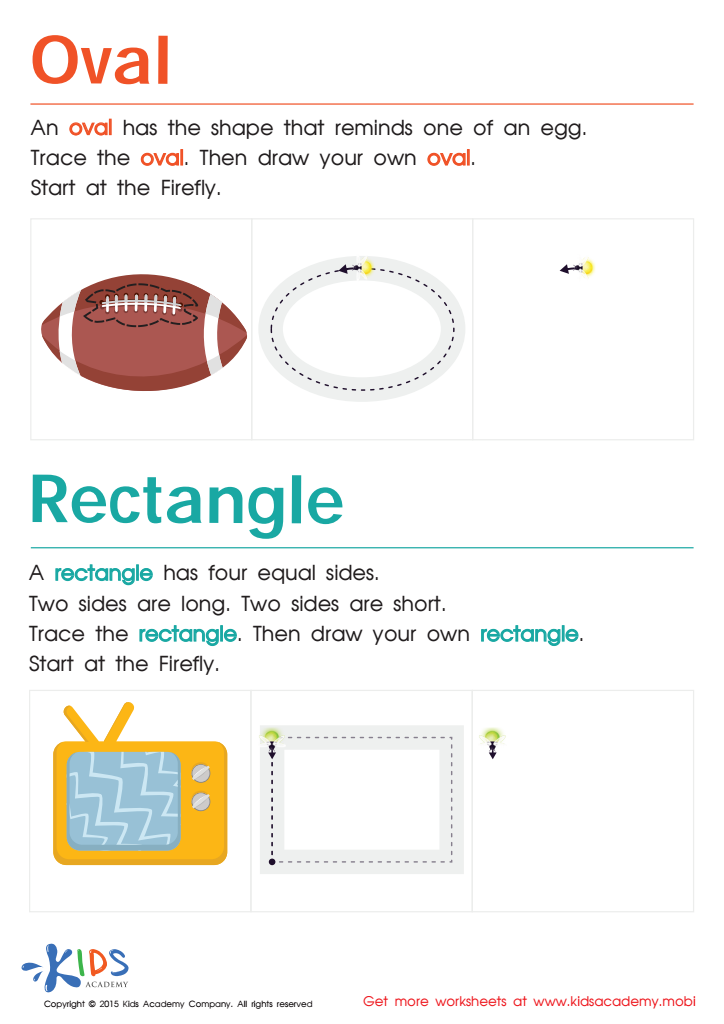
Easy Drawing of Ovals And Rectangles Worksheet
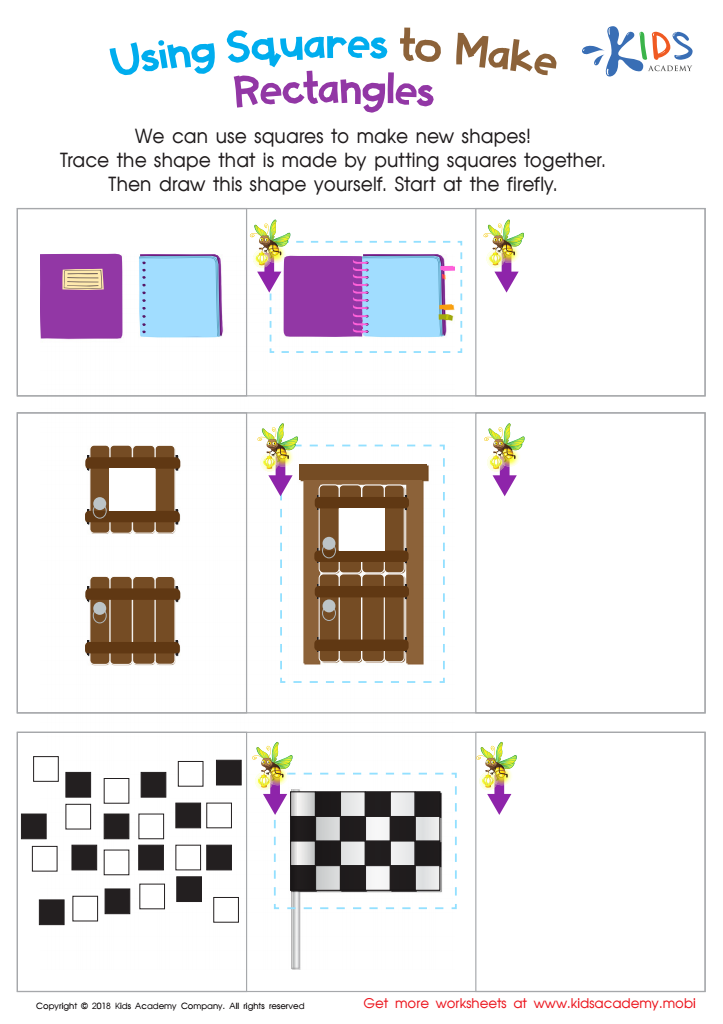
Using Squares to Make Rectangles Worksheet
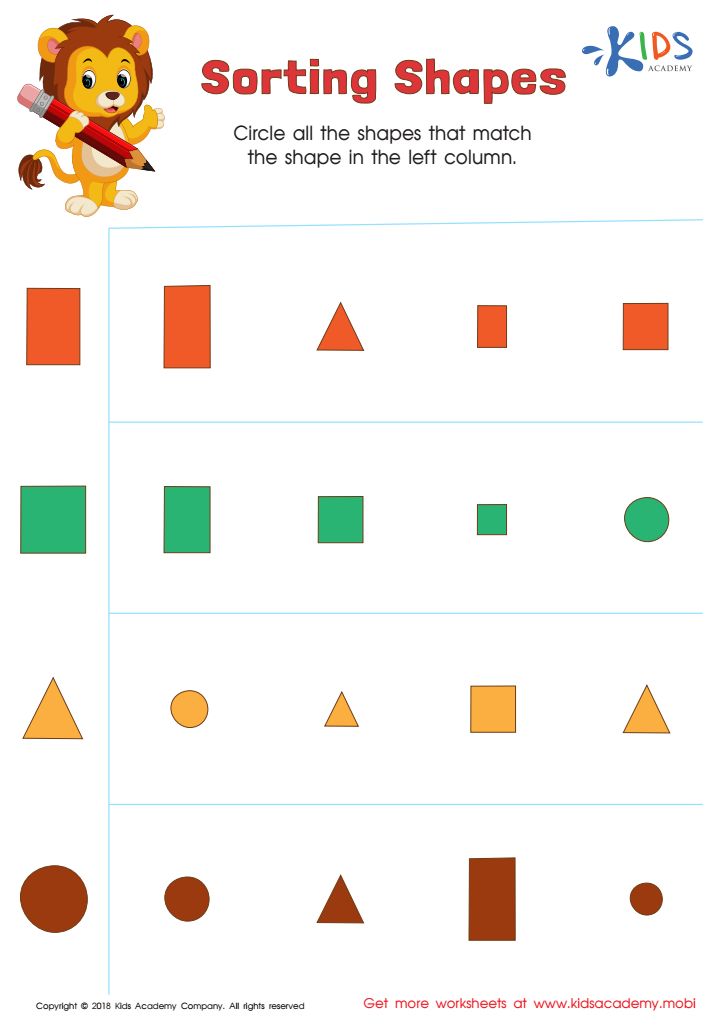
Sorting Shapes - Part 2 Worksheet








Understanding and recognizing shape play a foundational role in a child’s cognitive and educational development, particularly in the crucial early years, ages 3-5. During this formative period, shape recognition contributes significantly to their mathematical, spatial, and language skills.
Firstly, shape recognition aids in the development of early mathematics by introducing children to geometry and providing a basis for further mathematical concepts. Through identifying and distinguishing between shapes like circles, squares, and triangles, children begin to comprehend the basics of geometry, such as sides, angles, and patterns.
Secondly, shape recognition enhances spatial awareness and visual perception, skills vital for problem-solving and understanding the physical world. As kids learn to navigate spaces and assemble shapes, they enhance their ability to organize visual information, which is indispensable for tasks ranging from reading to navigating their environments.
Furthermore, early shape recognition supports language development. As children learn the names and attributes of different shapes, they expand their vocabulary and improve their descriptive language skills. Engaging in conversations about shapes encourages students to articulate their observations and reasoning.
In summary, focusing on shape recognition in early childhood is essential as it lays the groundwork for future academic success and practical life skills, fostering comprehensive development in mathematics, cognitive ability, and expressive language.