Fine Motor Skills Normal Geometry Worksheets for Ages 3-5
6 filtered results
-
From - To
Enhance your child’s fine motor skills with our engaging Normal Geometry Worksheets designed specifically for ages 3-5. These worksheets combine geometry concepts with fun activities that promote dexterity and precision in young learners. Children will enjoy tracing shapes, connecting dots, and coloring while developing essential hand-eye coordination. Perfect for use at home or in the classroom, these resources provide a playful yet educational experience. Helping little ones master shapes and spatial awareness has never been more enjoyable! Explore our collection to give your child a solid foundation in geometry while fostering their motor skills through interactive learning.
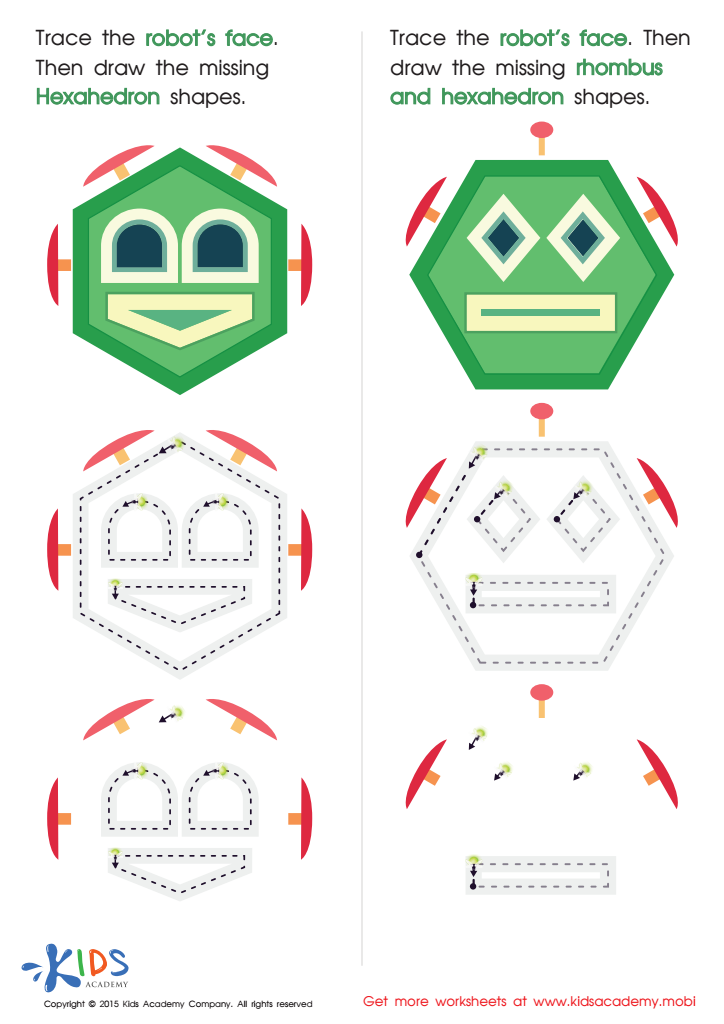
Practice Drawing Hexahedrons And a Rhombus Worksheet
 Assign to My Students











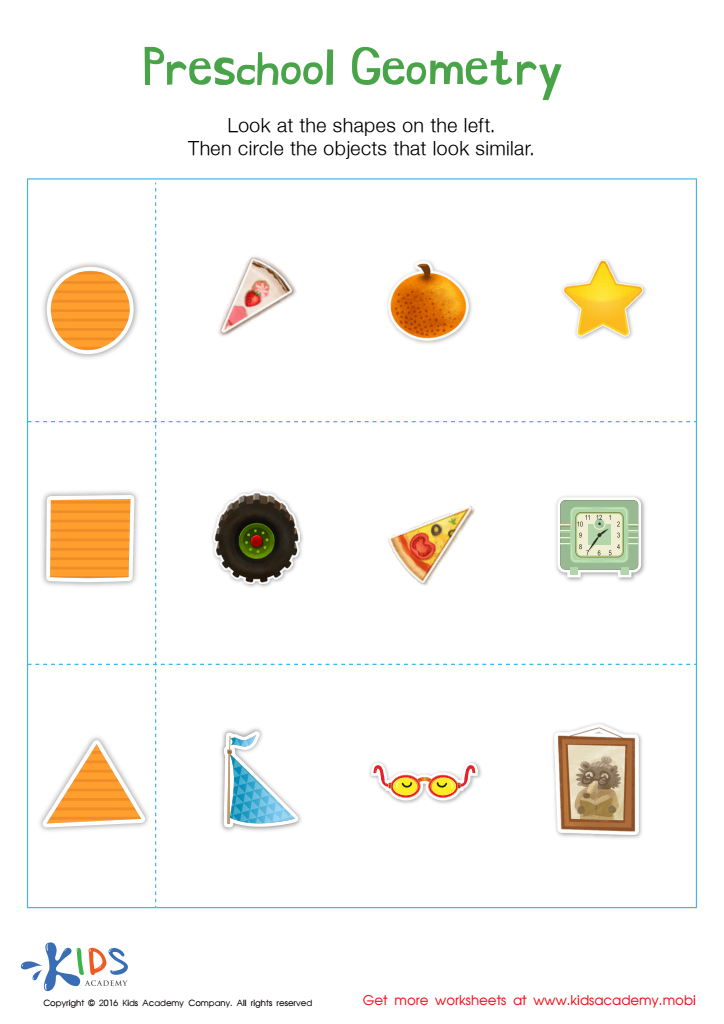
Preschool Geometry Match Up Worksheet
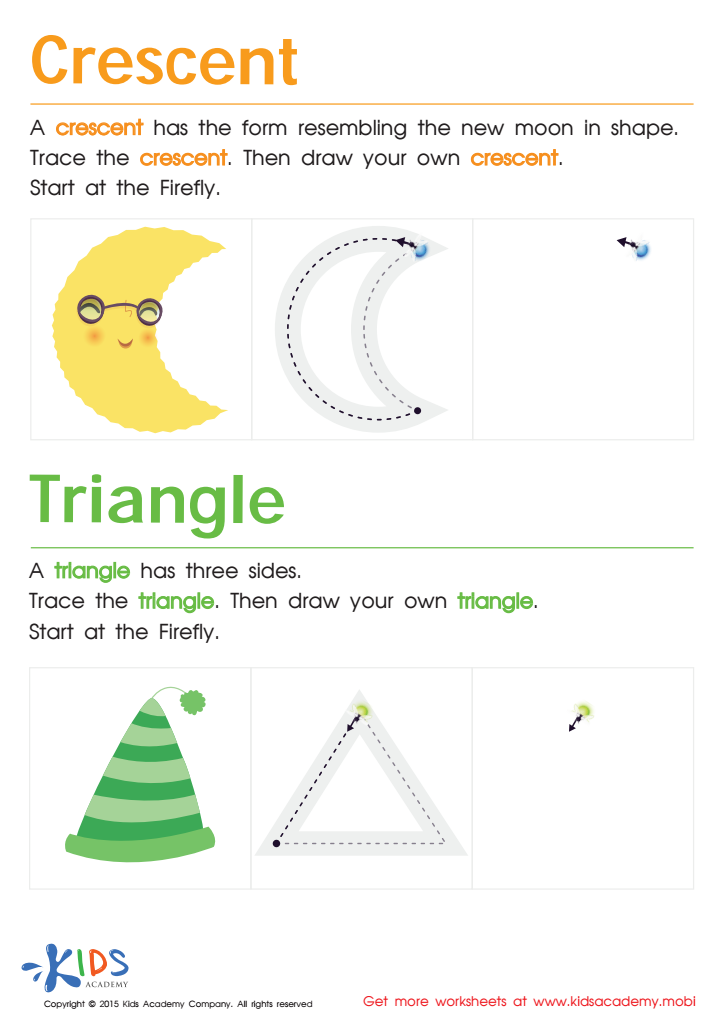
Learning to Draw Crescents And Triangles Worksheet
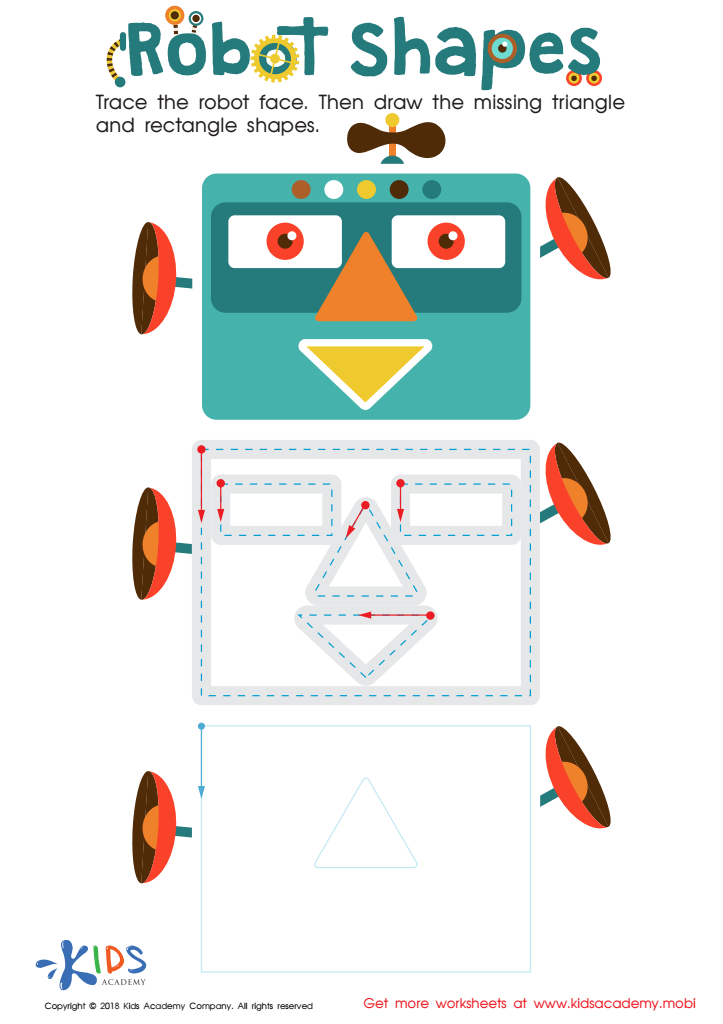
Robot Shapes Worksheet
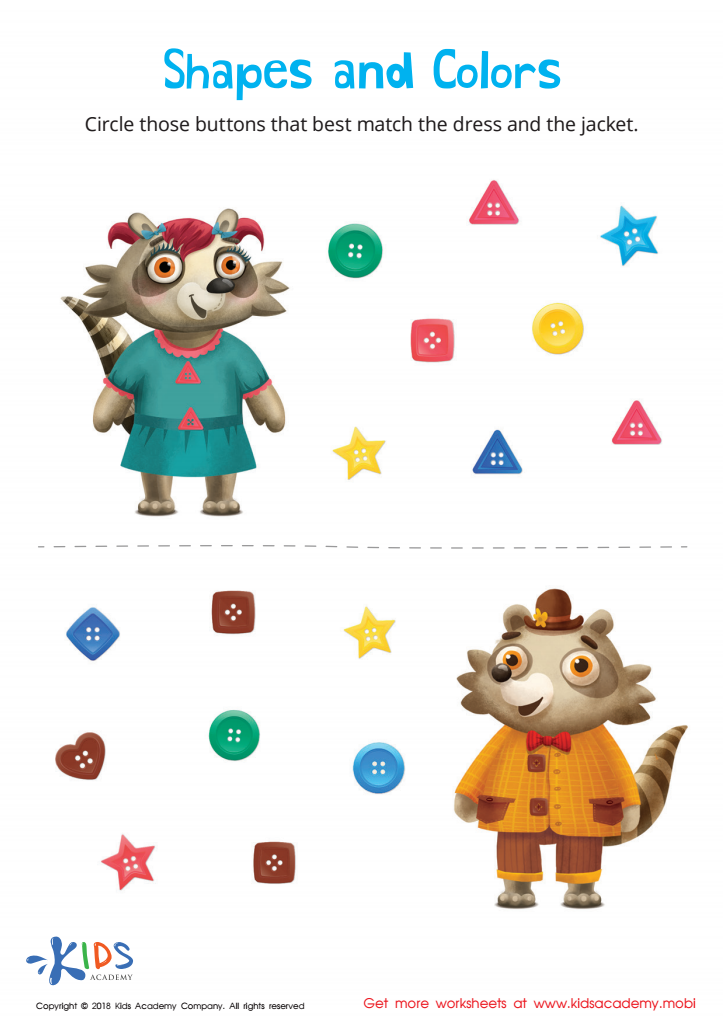
Shapes and Colors Worksheet
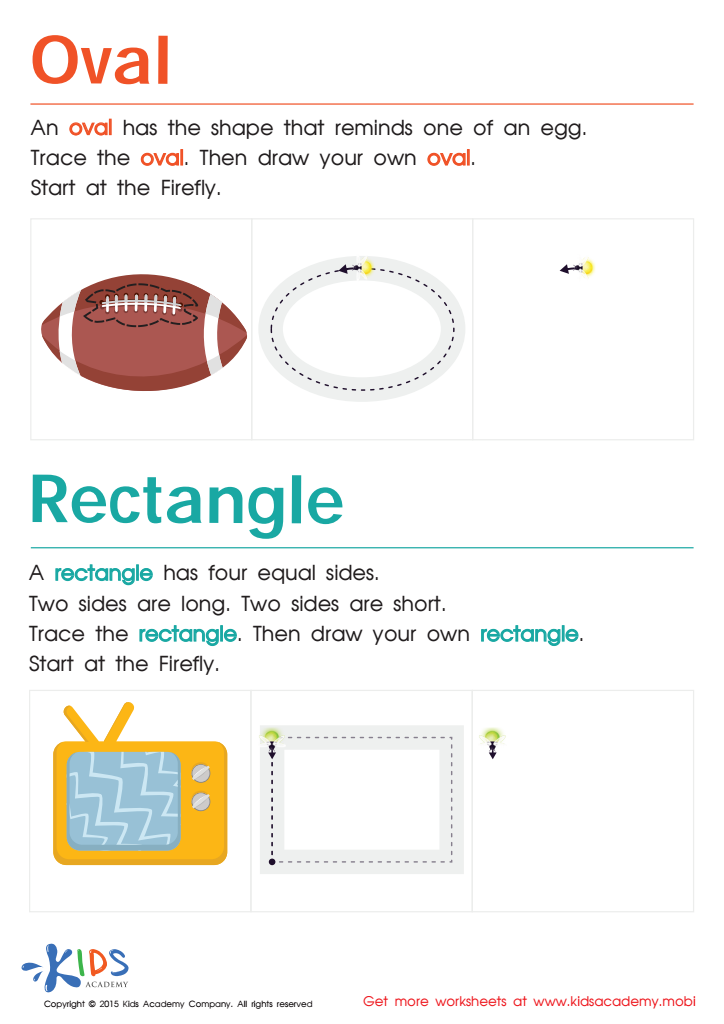
Easy Drawing of Ovals And Rectangles Worksheet








Fine motor skills are crucial for young children's development, particularly in the context of normal geometry for ages 3-5. These skills involve the precise use of small muscles in the hands and fingers, essential for various activities such as drawing, cutting, and manipulating small objects. Parents and teachers should prioritize fine motor skill development because these skills lay the foundation for later academic success and everyday tasks.
Incorporating normal geometry concepts—shapes, patterns, and spatial awareness—during fine motor activities enhances cognitive development. Young learners who engage in hands-on experiences with different geometric shapes improve their visual perception and problem-solving skills. Activities such as threading beads, creating shape collages, or using building blocks foster both fine motor skills and geometric understanding.
Moreover, strong fine motor skills are linked to effective writing abilities, as children who can control their hand movements tend to have better handwriting and coordination. This ability instills confidence as they progress through the educational system. Ultimately, supporting fine motor skill development through age-appropriate geometric learning activities equips children with essential tools for their academic journey, making it important for parents and teachers to actively promote these experiences.








