Normal Upper & Lowercase Letters Worksheets for Ages 3-6 - Page 2
44 filtered results
-
From - To
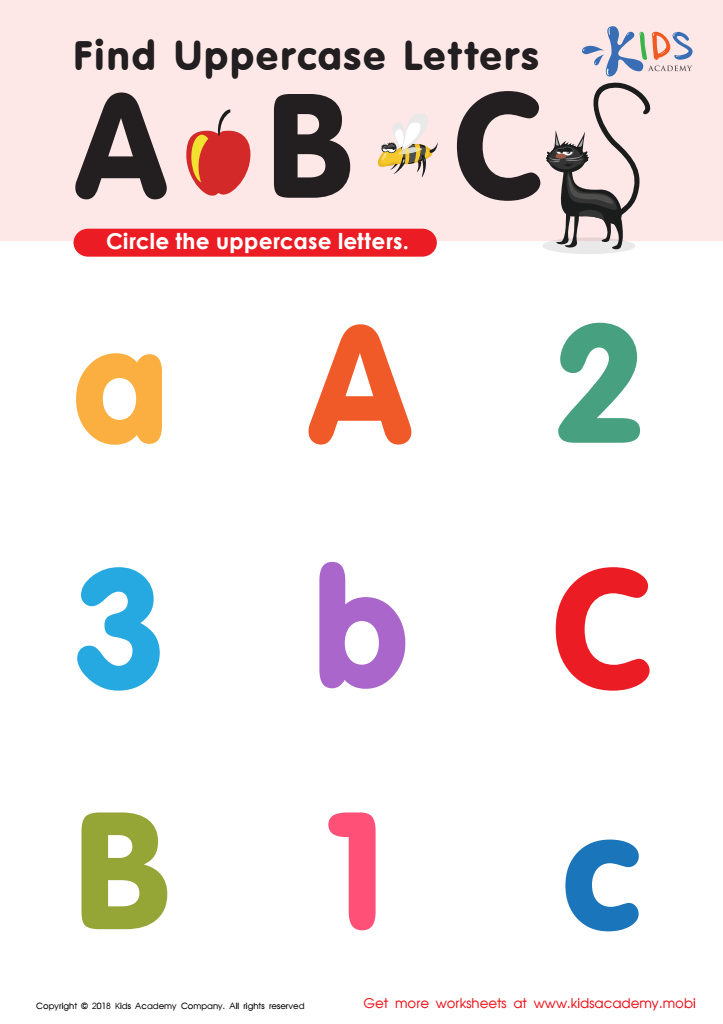
Find Uppercase Letters A, B, and C Worksheet
 Assign to My Students


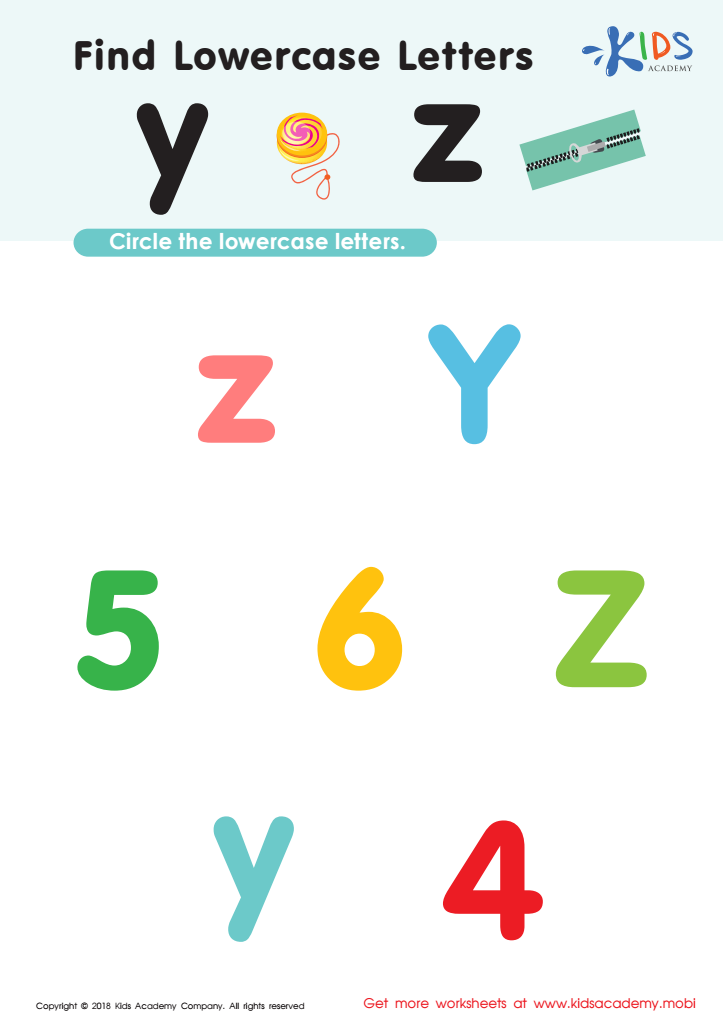
Find Lowercase Letters y z Worksheet
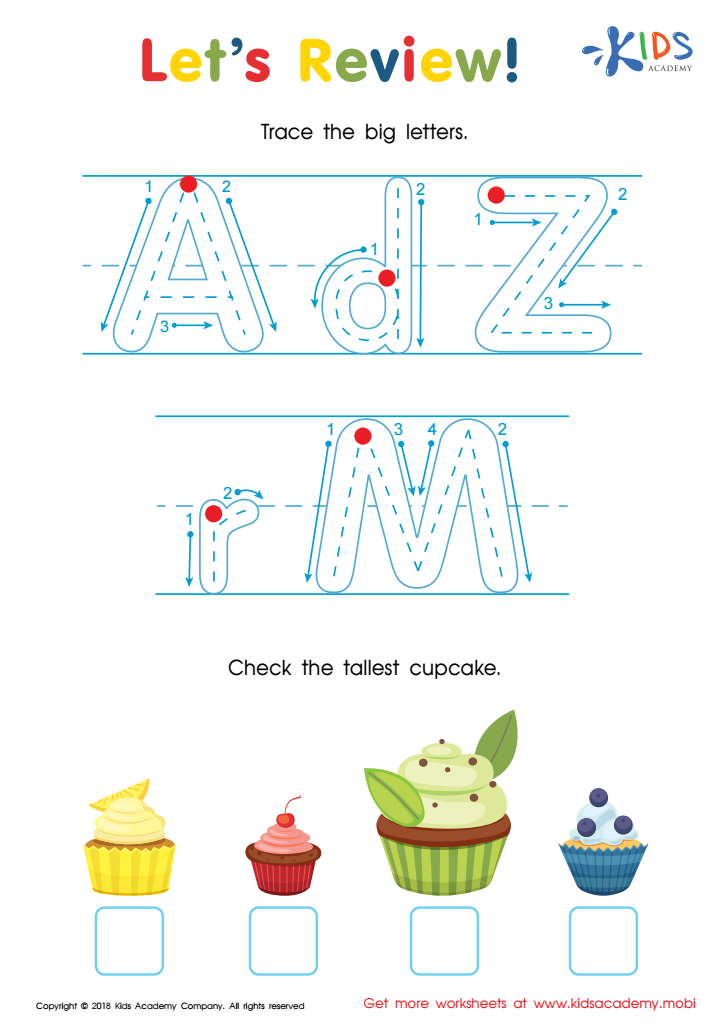
Let's Review! Big Letters Worksheet
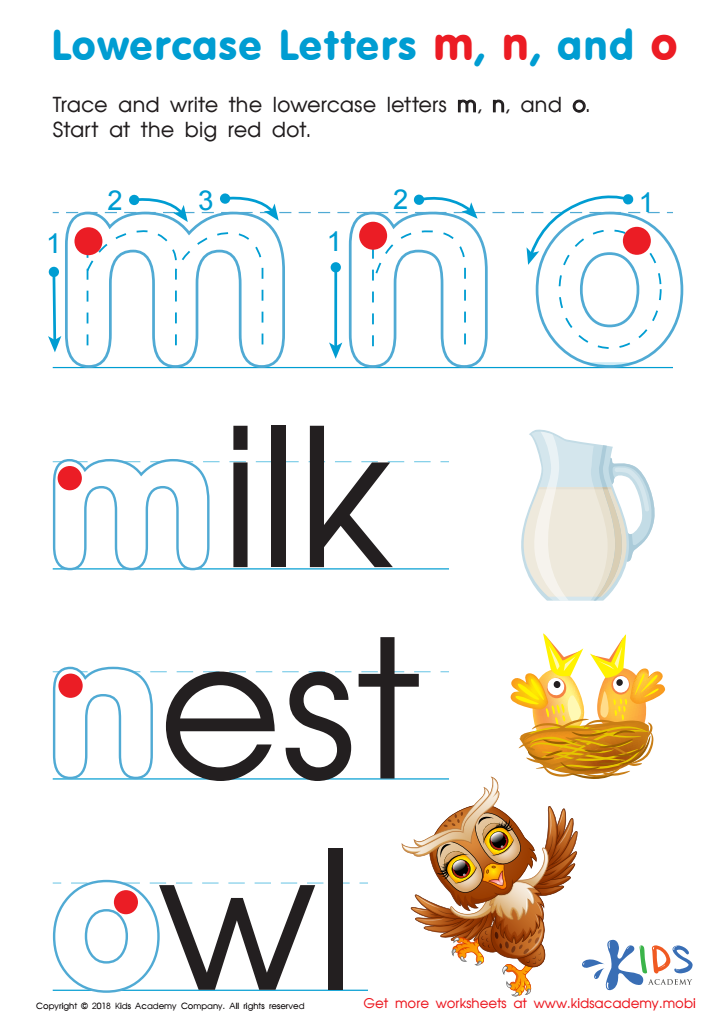
Lowercase Letters m n o Worksheet
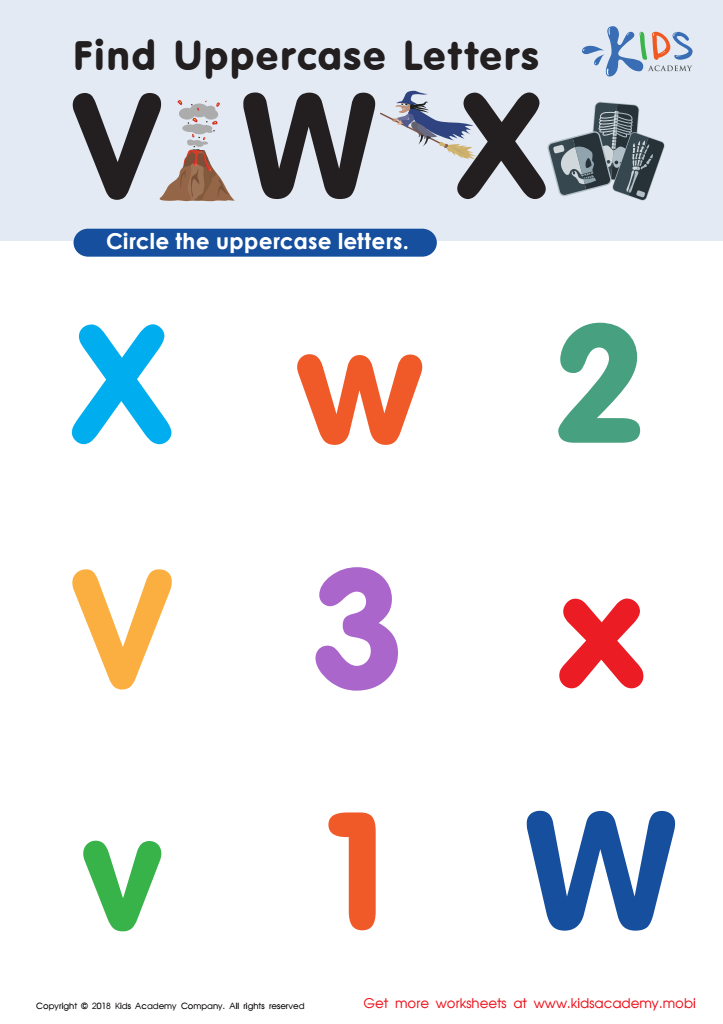
Find Uppercase Letters V, W, X Worksheet
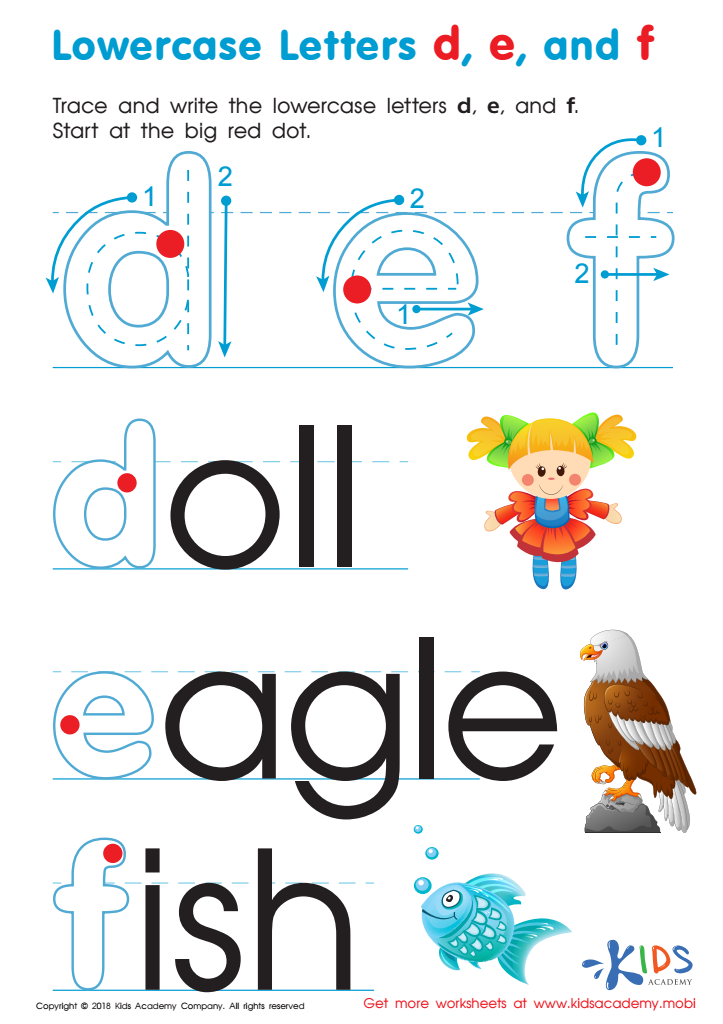
Lowercase Letters d e f Worksheet
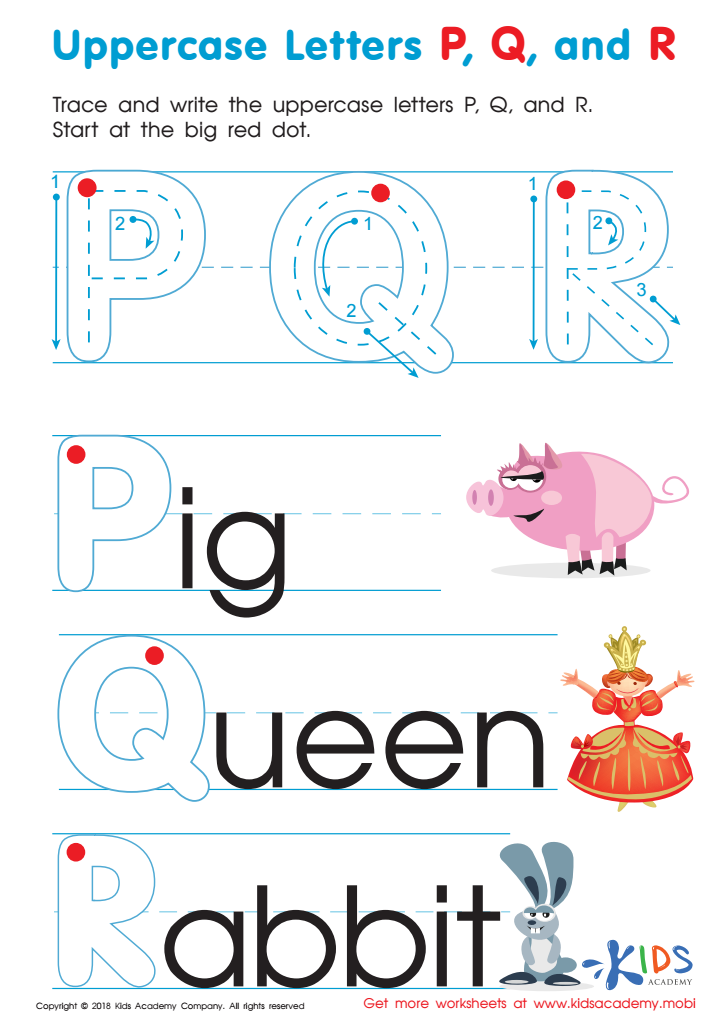
Uppercase Letters P, Q, and R Worksheet
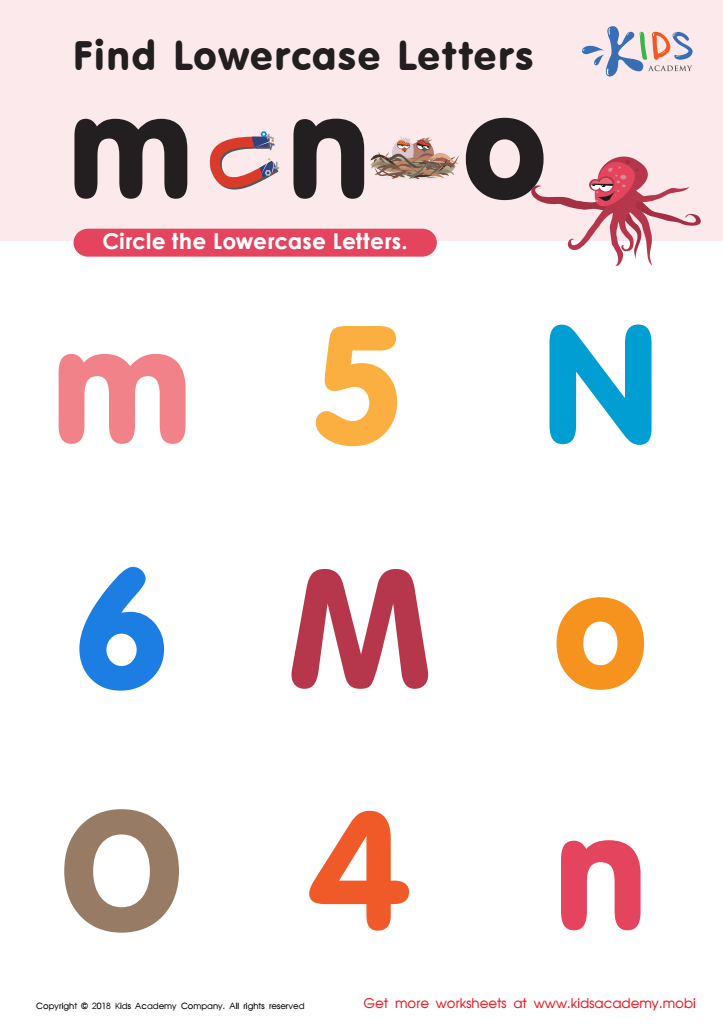
Find Lowercase Letters m n o Worksheet
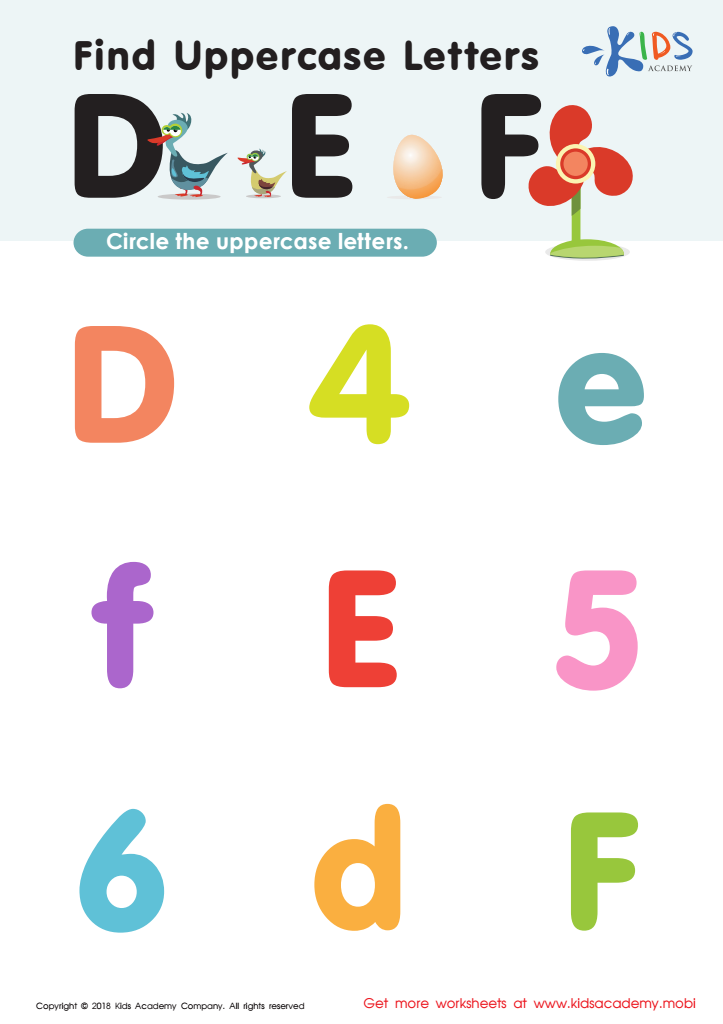
Find Uppercase Letters D, E, and F Worksheet
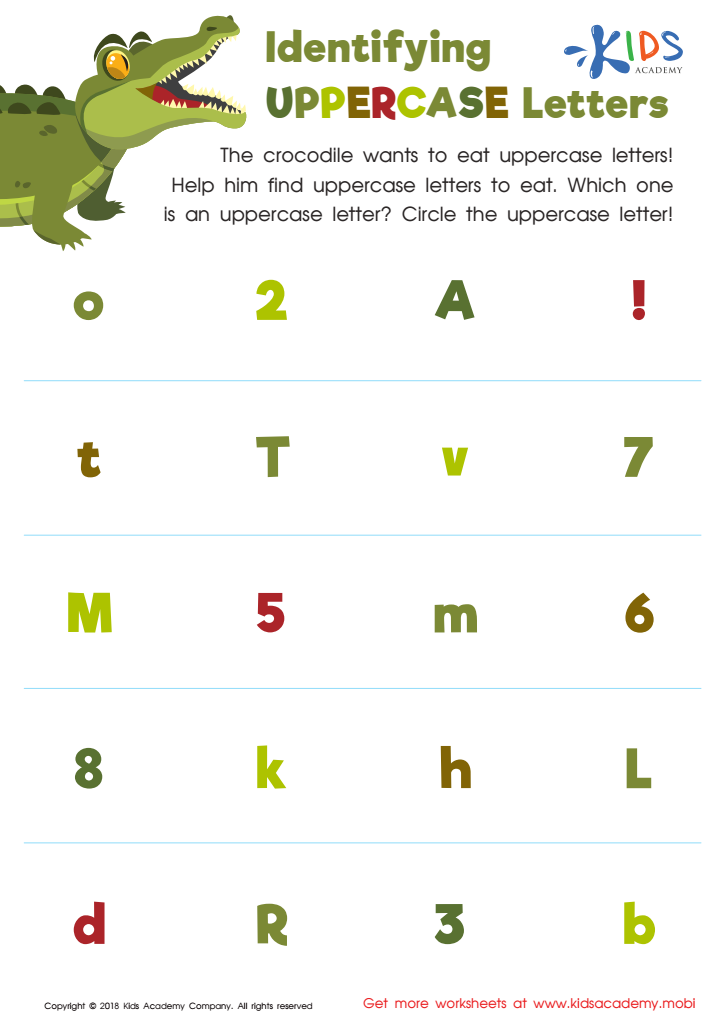
Identifying Uppercase Letters Worksheet

Find lowercase letters a b c Worksheet
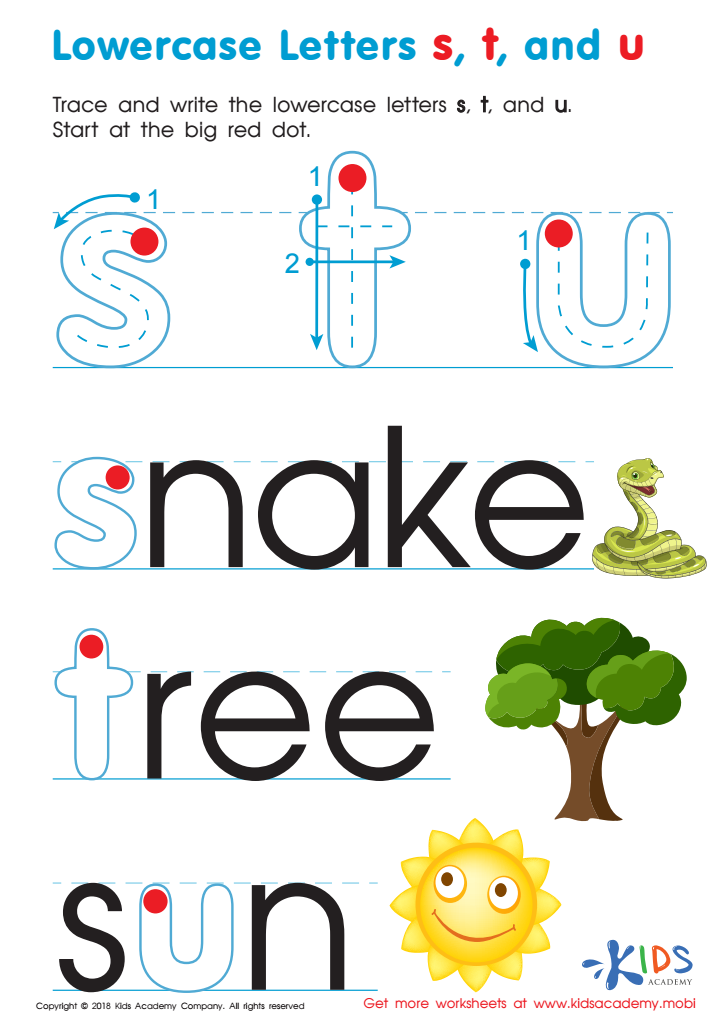
Lowercase Letters s t u Worksheet
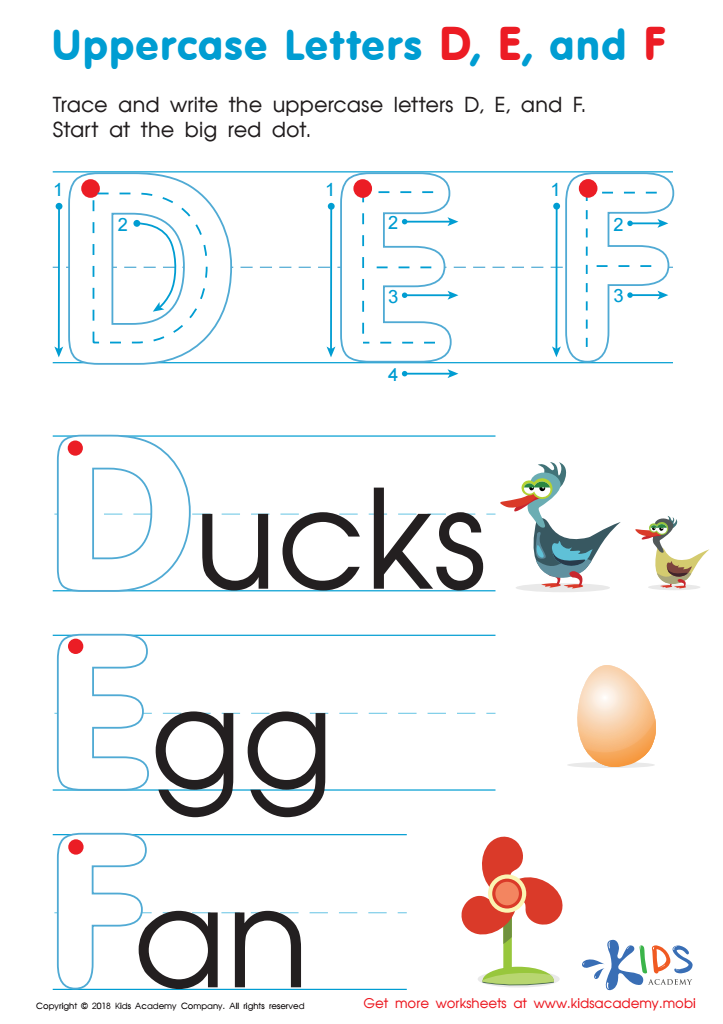
Uppercase Letters D, E, and F Worksheet
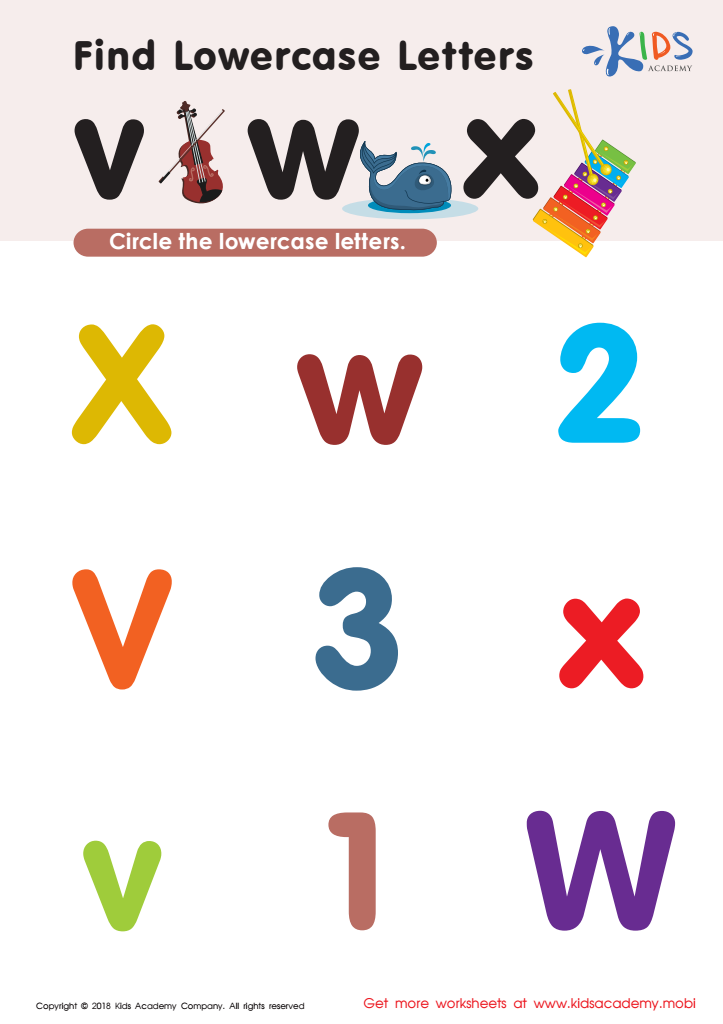
Find Lowercase Letters v w x Worksheet

Uppercase Letters Y Z Worksheet
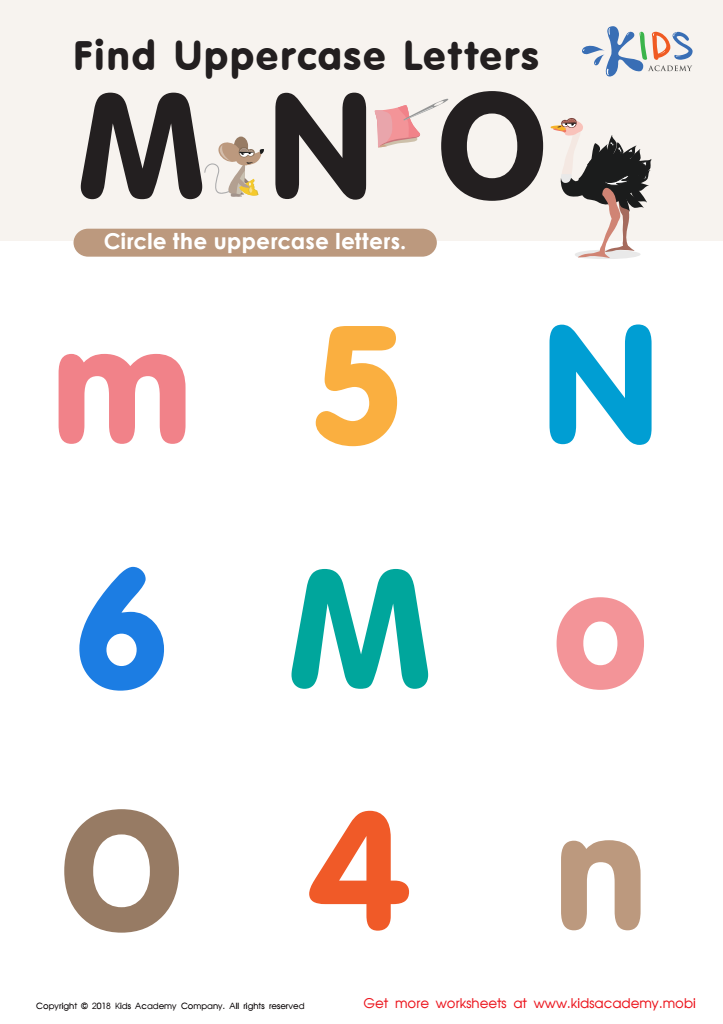
Find Uppercase Letters M, N, and O Worksheet
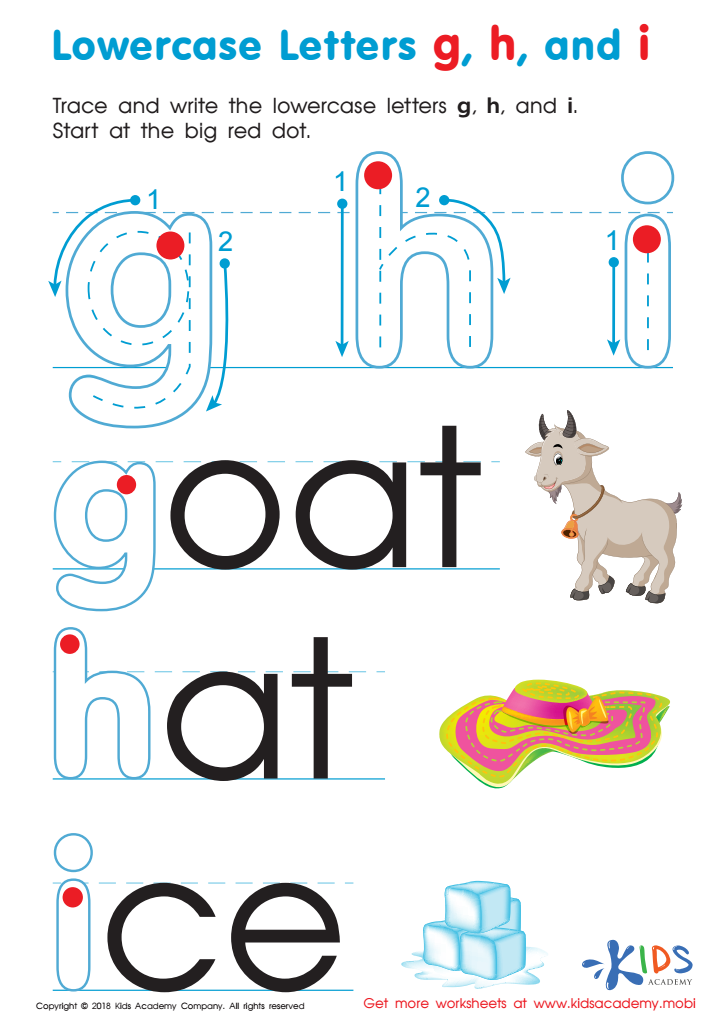
Lowercase Letters g h i Worksheet
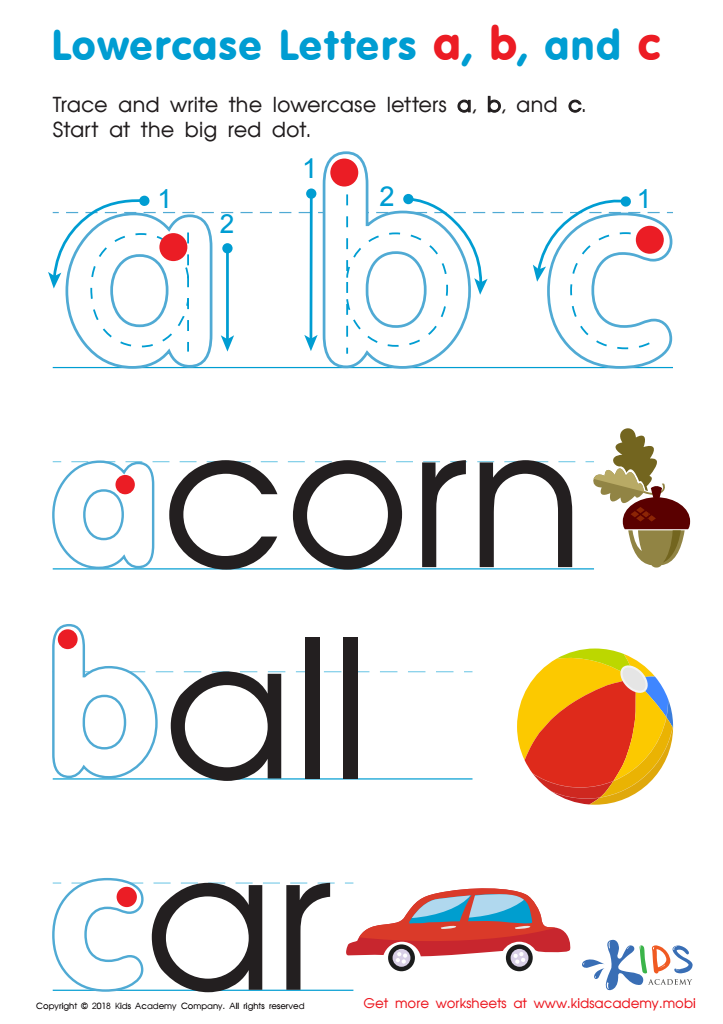
Lowercase Letters a b c Worksheet
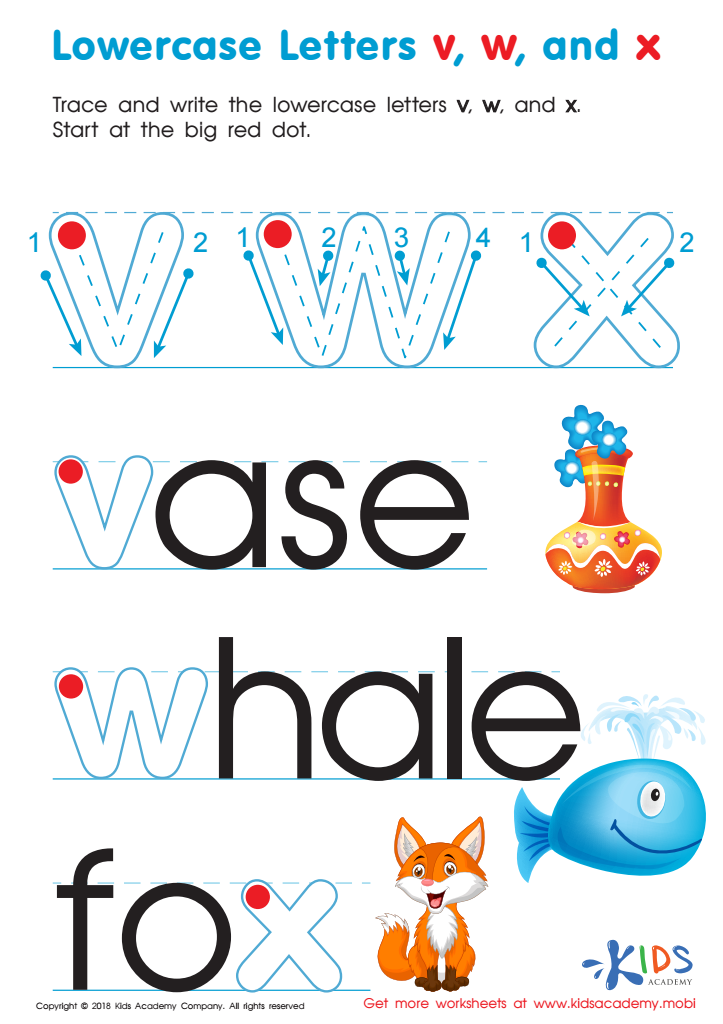
Lowercase Letters v w x Worksheet
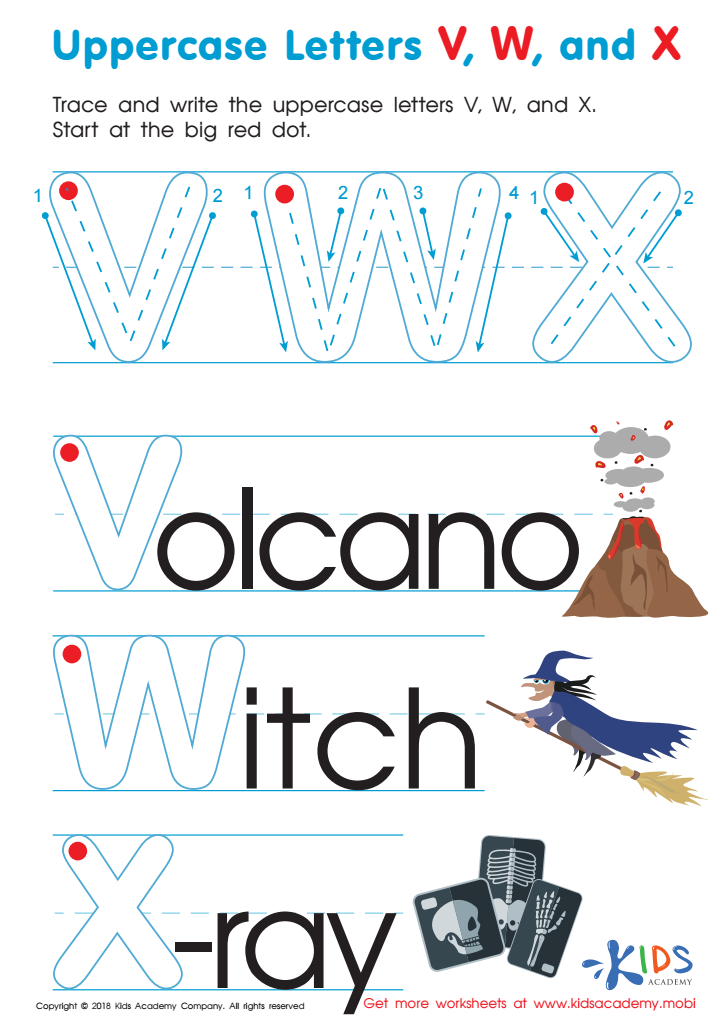
Uppercase Letters V, W, and X Worksheet






Parents and teachers should care about teaching normal upper and lowercase letters to children aged 3-6 because it forms the foundation for literacy skills. At this early developmental stage, children are in a critical period for acquiring language and cognitive skills. Introducing them to both uppercase and lowercase letters helps enhance letter recognition, a key aspect of early reading success.
Uppercase letters are often simpler in form and uniform in height, making them easier for young children to distinguish and identify. These letters are typically introduced first, facilitating early writing and reading efforts. However, lowercase letters are more commonly used in everyday print, such as books, signage, and websites. Mastering lowercase letters enables children to comprehend and interpret written material more fluidly.
Moreover, understanding the relationship between upper and lowercase letters aids in spelling, sentence structure, and word formation. It also supports later learning, where recognizing context within text is crucial. By fostering familiarity with both forms, children build a robust literacy foundation, thereby boosting their confidence and enthusiasm for learning. Early exposure to combined letter forms therefore plays a pivotal role in ongoing educational development, paving the way for academic achievement and lifelong literacy skills.







