Normal Vocabulary Coloring Pages Worksheets for Ages 3-6
5 filtered results
-
From - To
Kids Academy’s Normal Vocabulary Coloring Pages Worksheets for Ages 3-6 offer an engaging way to make learning fun! These printable worksheets combine coloring with vocabulary exercises, helping young learners grasp new words effortlessly. Designed specifically for kids aged 3 to 6, the worksheets feature familiar everyday objects to enhance word recognition and understanding. The delightful illustrations invite little artists to pick up their crayons and get creative while absorbing essential vocabulary effortlessly. Ideal for both classroom and at-home activities, these coloring pages enrich your child's learning journey, making education an enjoyable adventure. Download today and watch their language skills blossom!
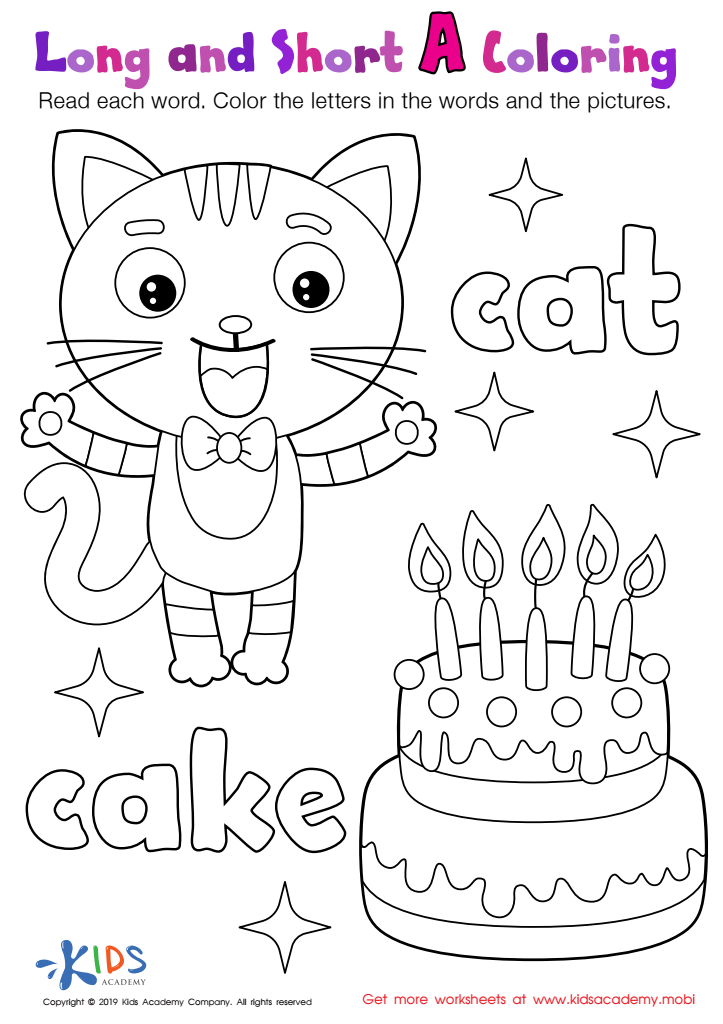
Long and Short A Worksheet
 Assign to My Students

Long and Short U Worksheet
Assign to My Students
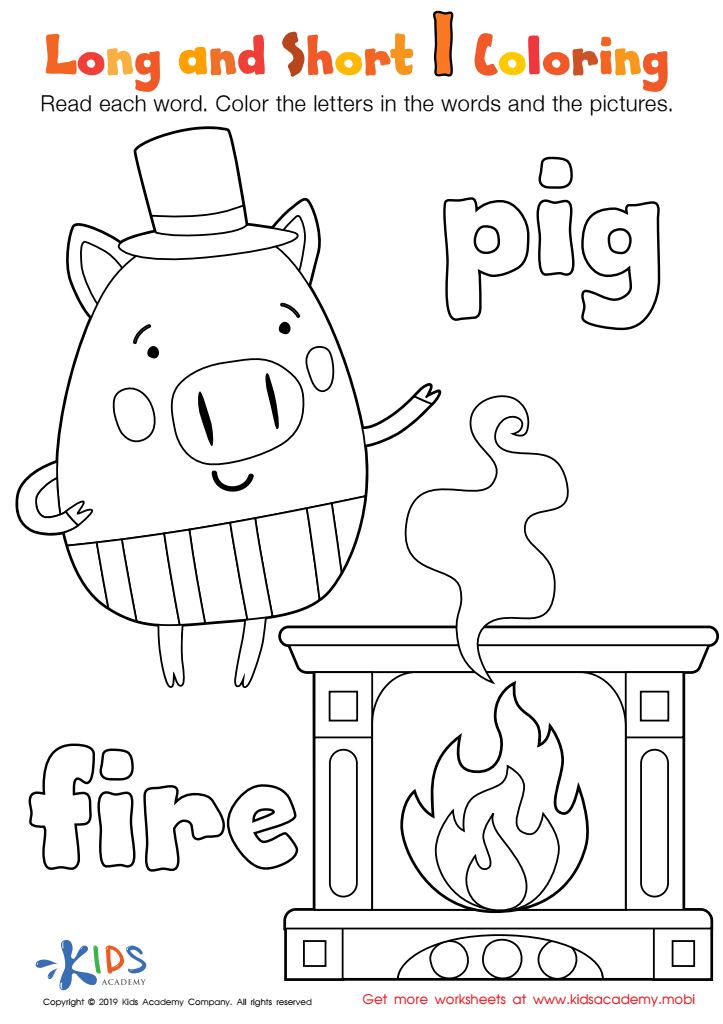
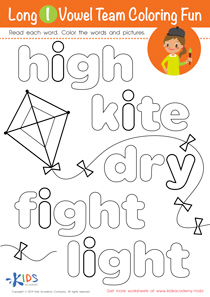
Long and Short I Worksheet
Assign to My Students
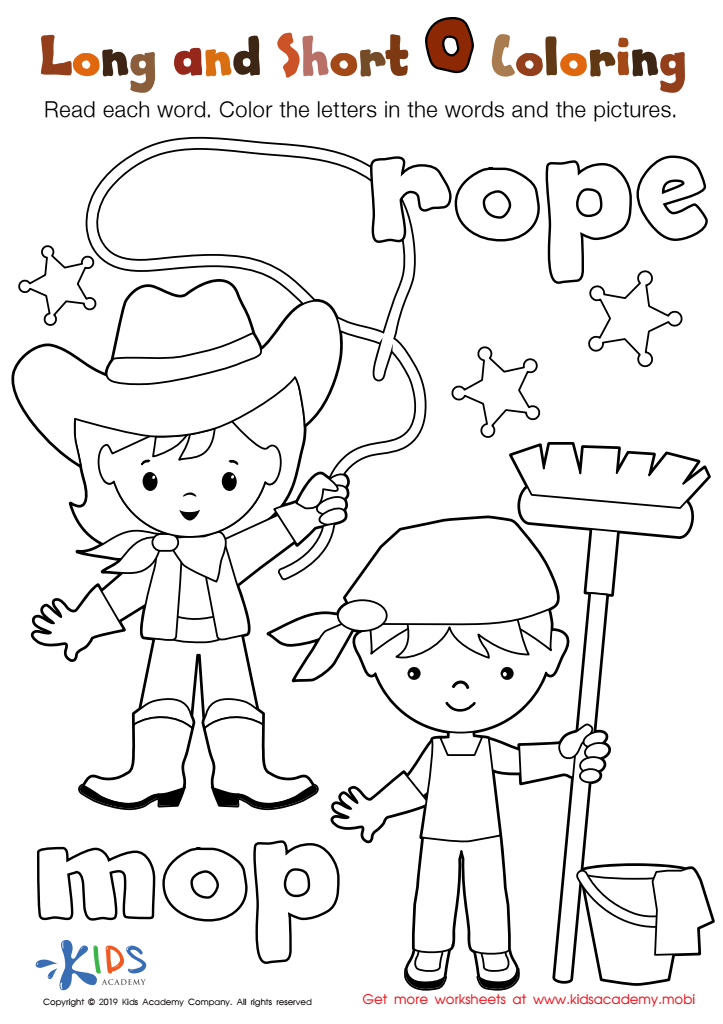
Long and Short O Worksheet
Assign to My Students
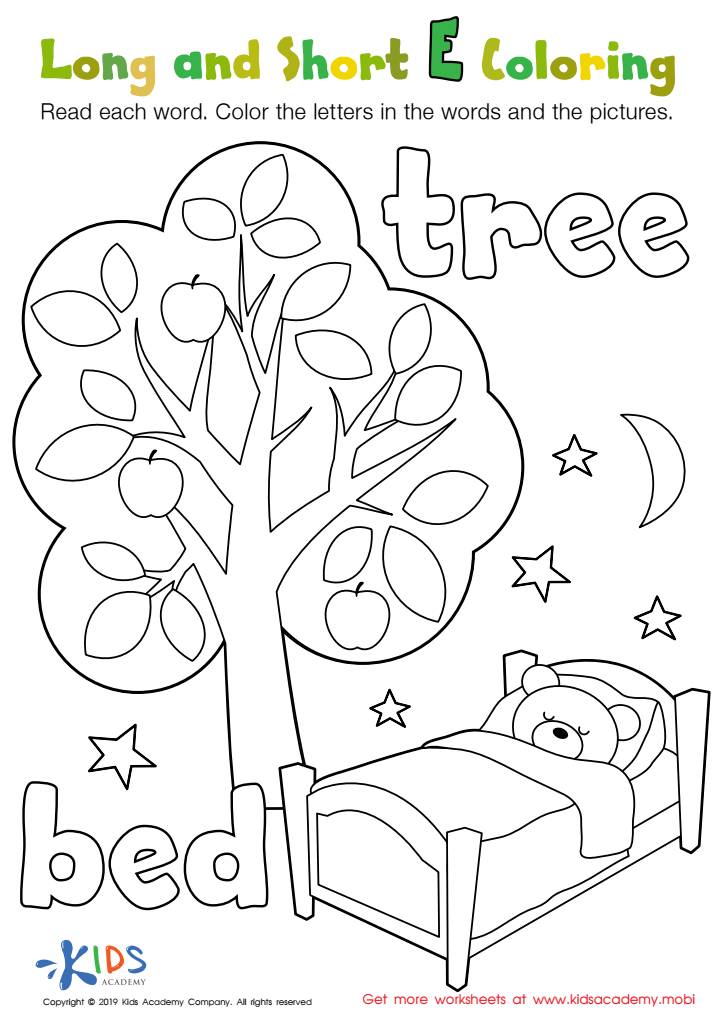
Long and Short E Worksheet
Assign to My Students






Normal Vocabulary Coloring Pages are a valuable resource for children aged 3-6 as they seamlessly combine learning and play. At this critical developmental stage, children are in a prime period for language acquisition and cognitive development. Coloring pages that feature common vocabulary words serve dual purposes: they engage fine motor skills through coloring while simultaneously enriching language skills.
When children color objects or scenes and encounter associated words, they make connections between visual cues and language. For instance, coloring a picture of a "cat" paired with the word helps solidify the child's understanding and retention of the term. This kind of multimodal learning caters to diverse learning styles, including visual and kinesthetic learners.
Moreover, these coloring pages offer a relaxed, pressure-free opportunity for vocabulary expansion. Unlike formal instruction, coloring can be a fun and self-directed activity, encouraging children to explore new words without the stress of meeting specific performance standards. Teachers and parents can further enhance this experience by engaging in conversations with their children about the images, asking questions, and introducing related words, which boosts comprehension and conversational skills.
Therefore, incorporating Normal Vocabulary Coloring Pages into early childhood activities supports key developmental milestones, making learning an enjoyable, effective, and integral part of playtime.