Critical Thinking Normal Worksheets for Ages 3-6 - Page 2
57 filtered results
-
From - To
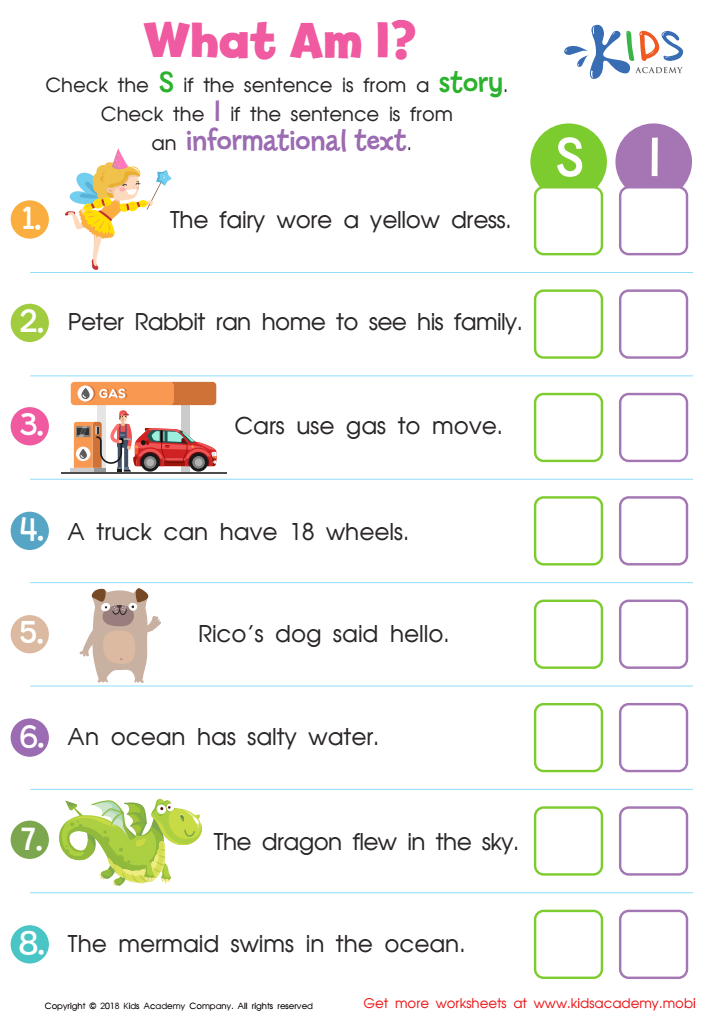
What Am I? Worksheet
 Assign to My Students
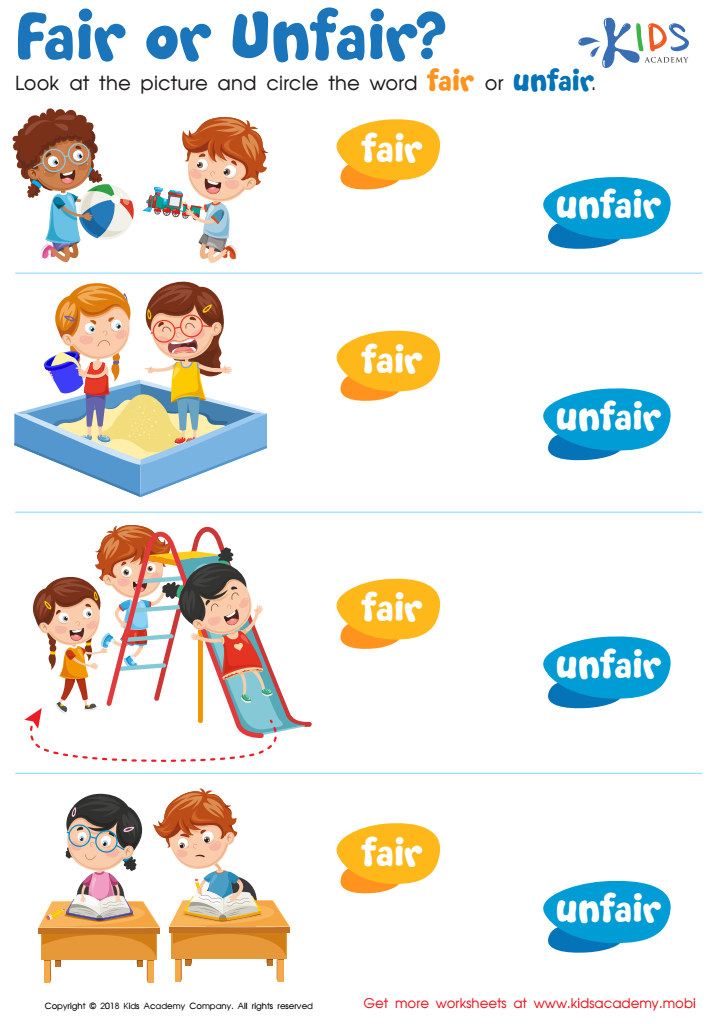
Fair or Unfair Worksheet
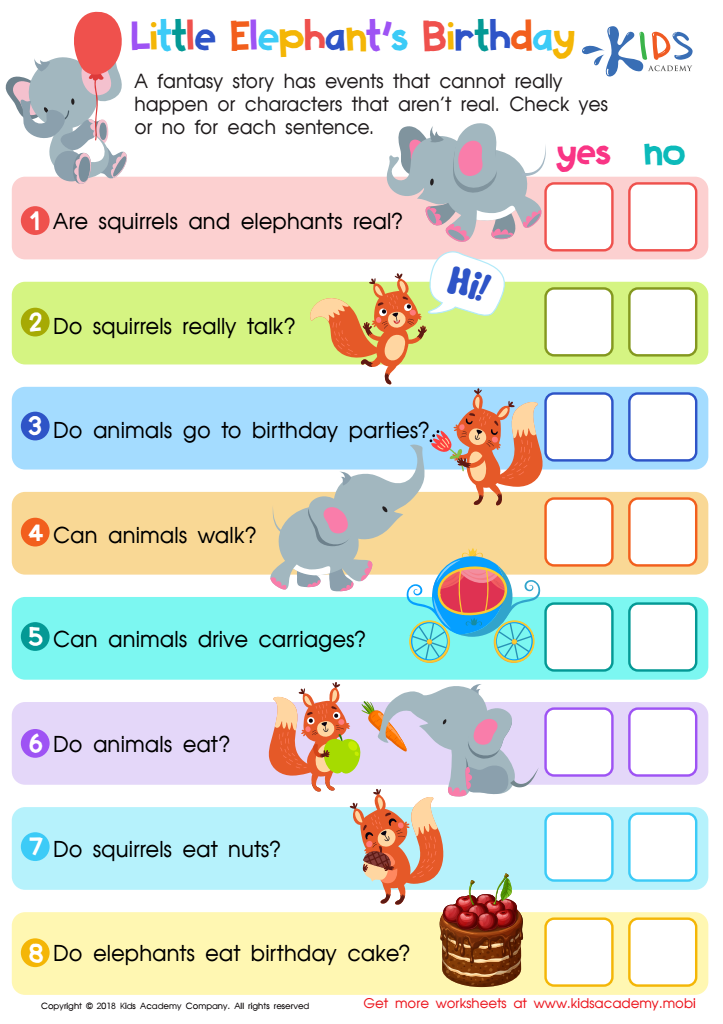
Little Elephant's Birthday Worksheet
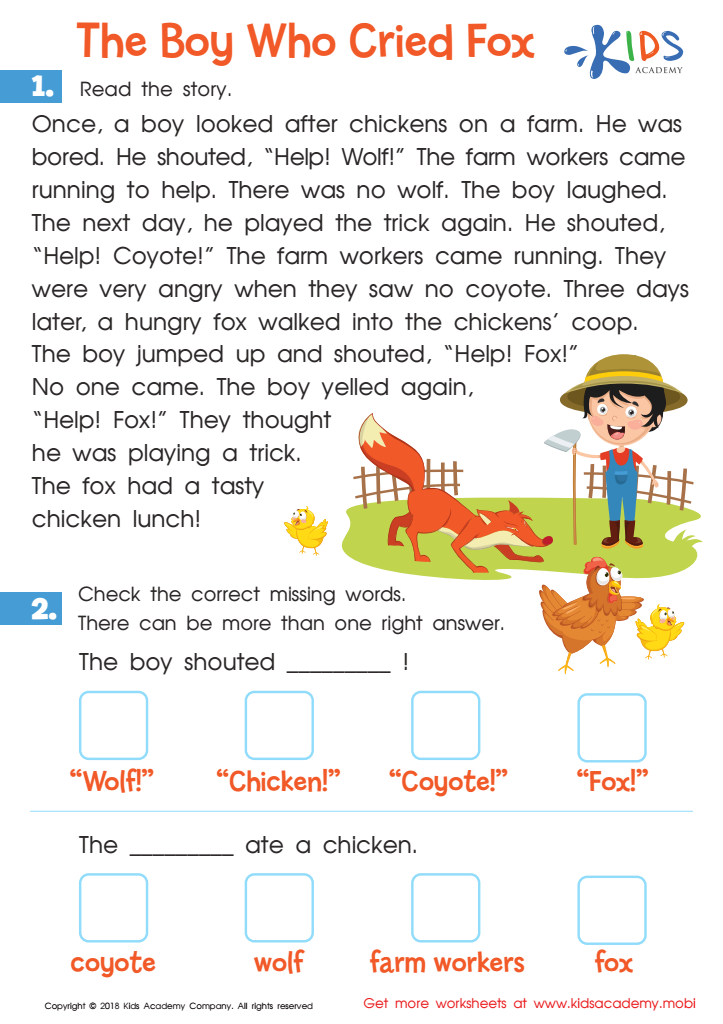
The Boy Who Cried Fox Worksheet
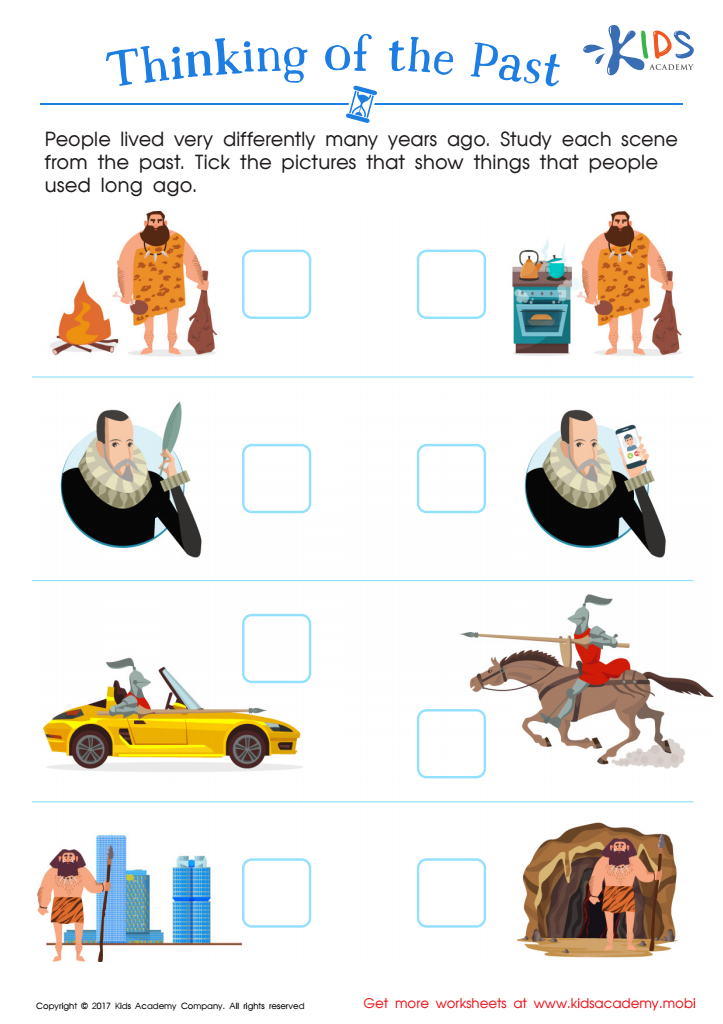
Thinking Past Printable

Thanksgiving Holiday Printable
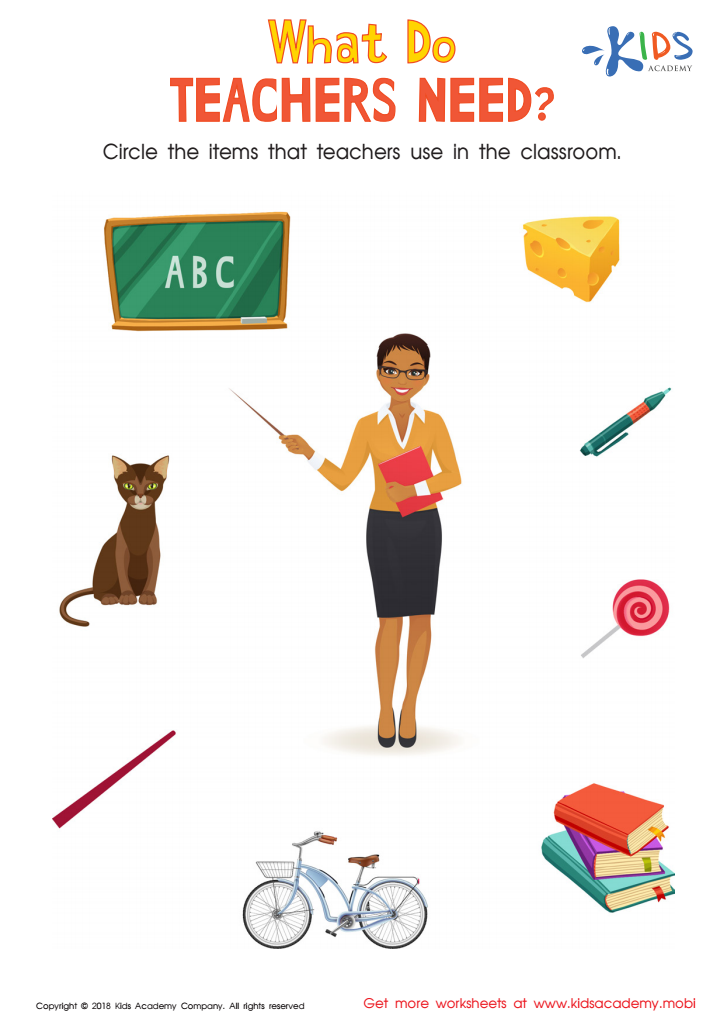
What Do Teachers Need Worksheet
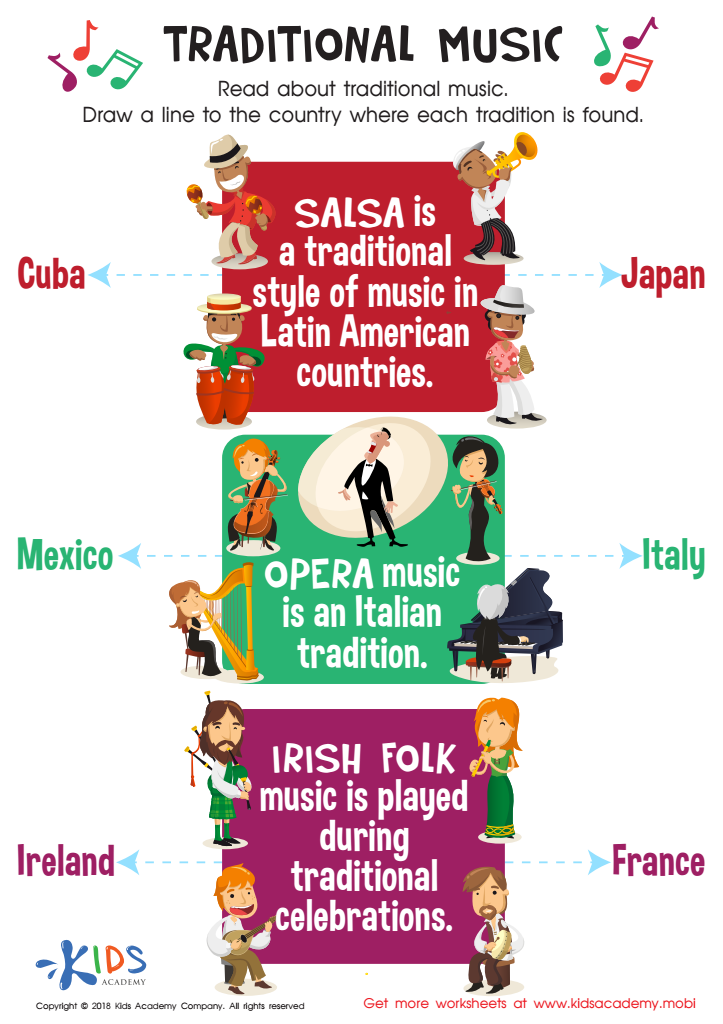
Traditional Music Worksheet
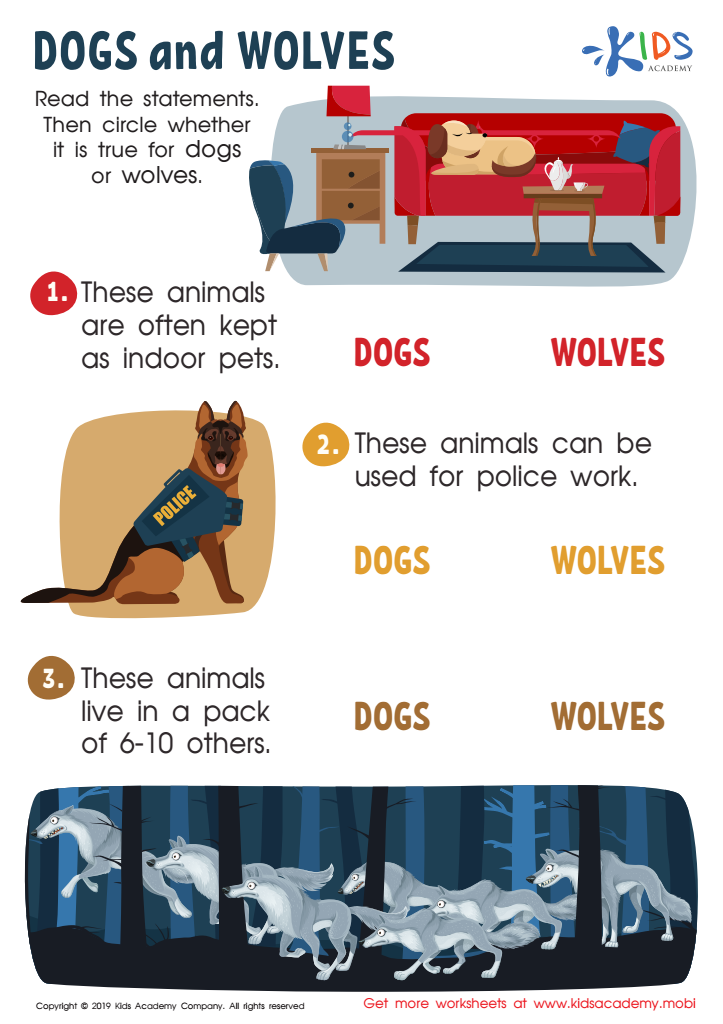
Dogs and Wolves Worksheet
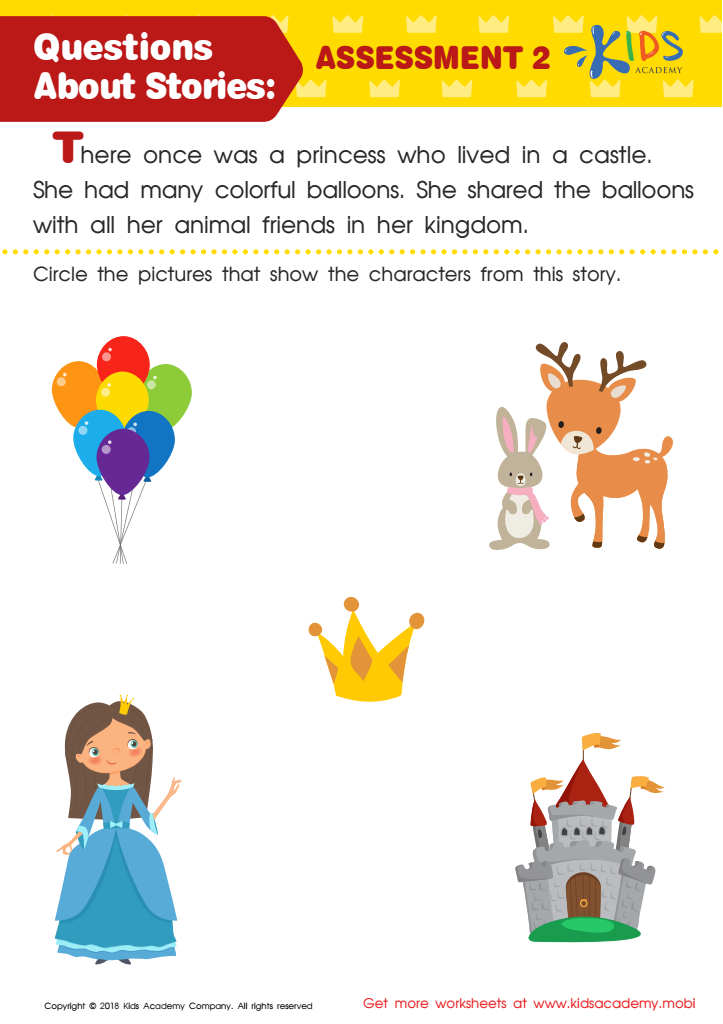
Questions About Stories: Assessment 2 Worksheet
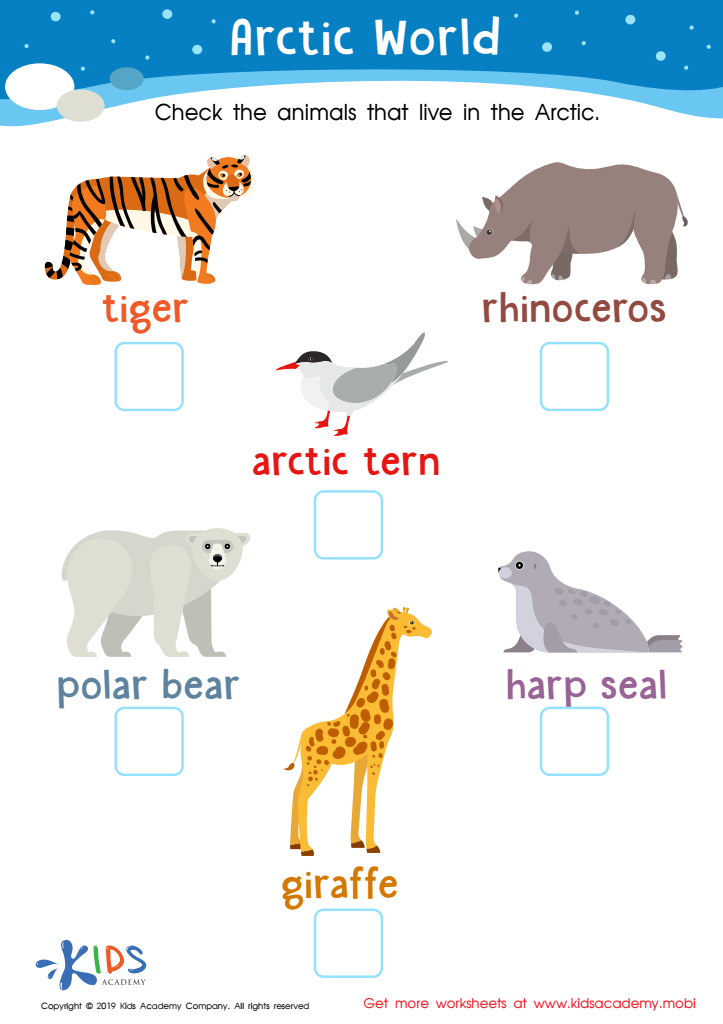
Arctic World Worksheet
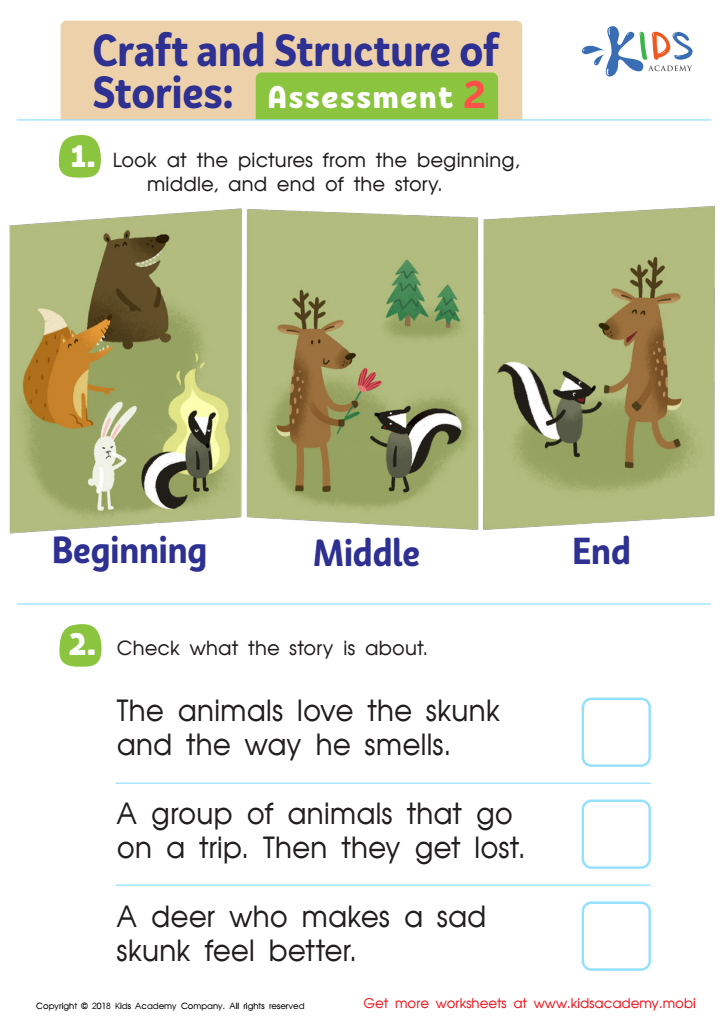
Craft and Structure of Stories: Assessment 2 Worksheet
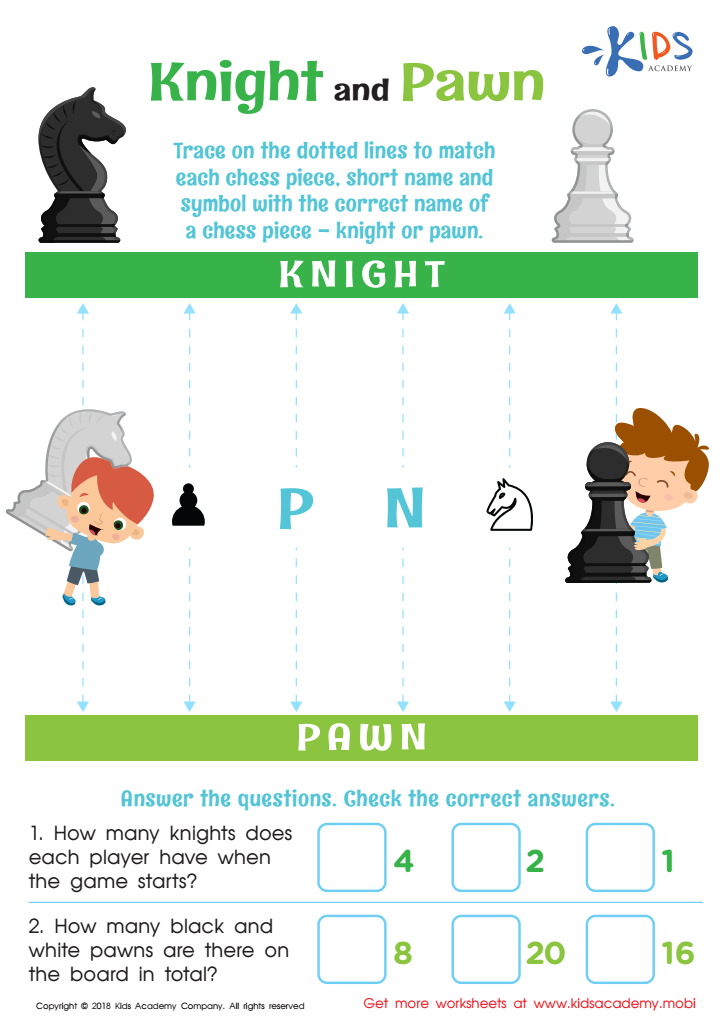
Knight and Pawn Worksheet
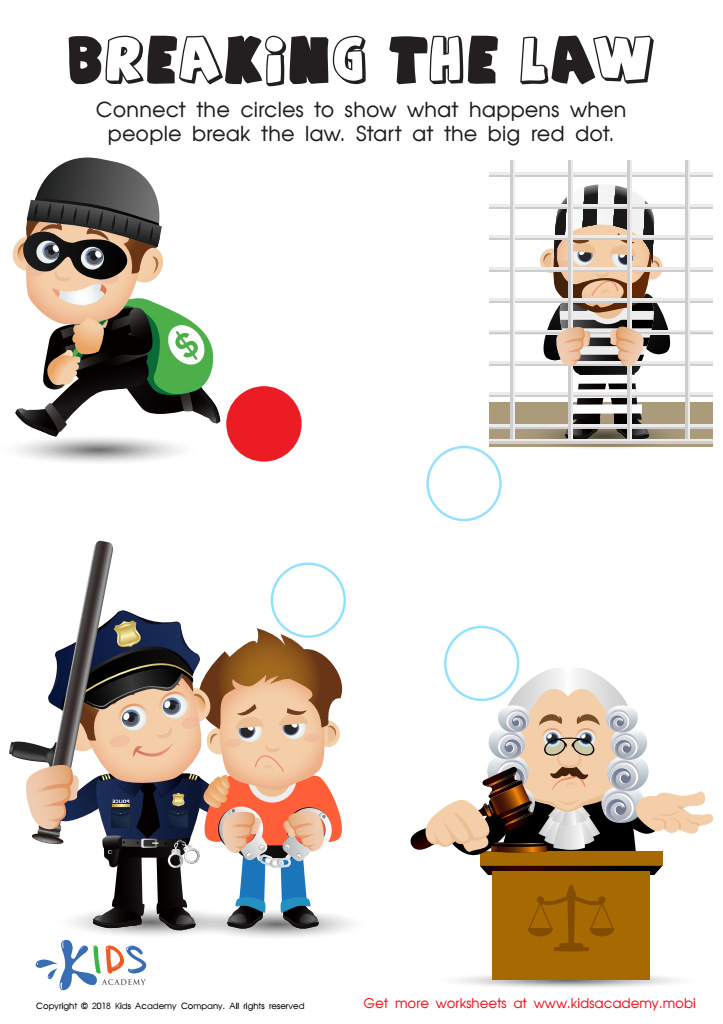
Breaking the Law Worksheet
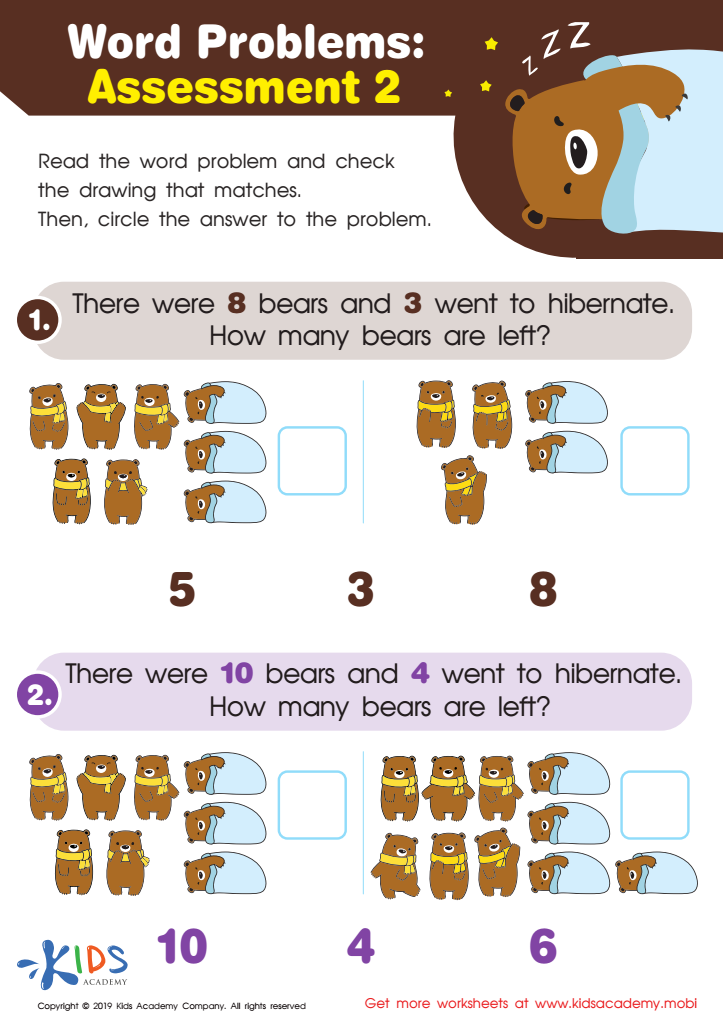
Word Problems: Assessment 2 Worksheet
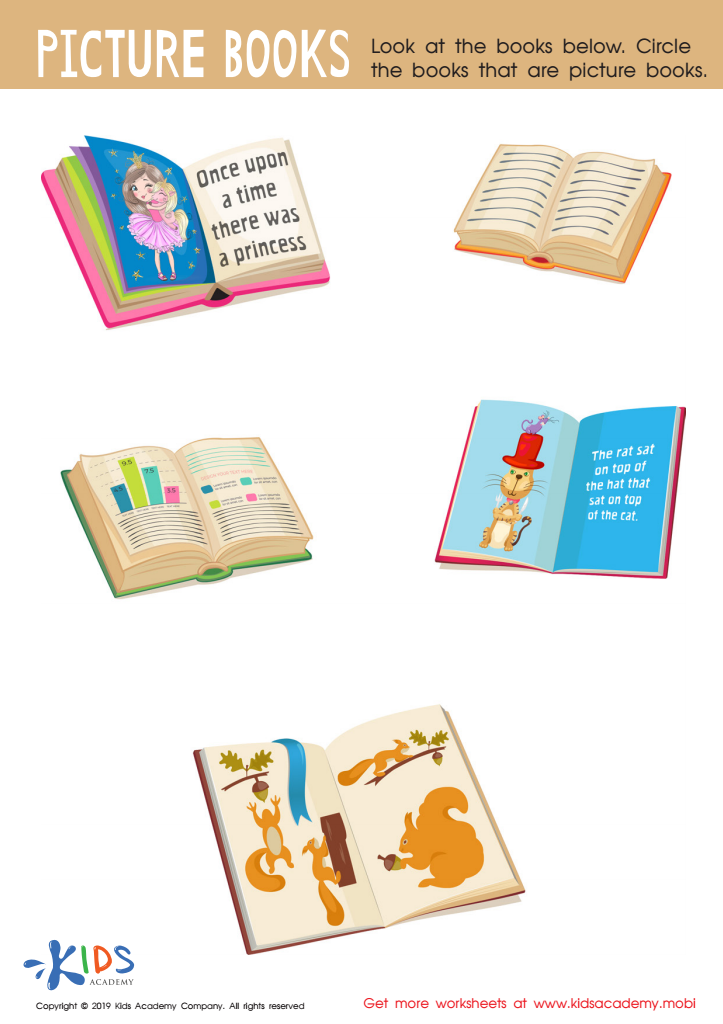
Picture Books Worksheet
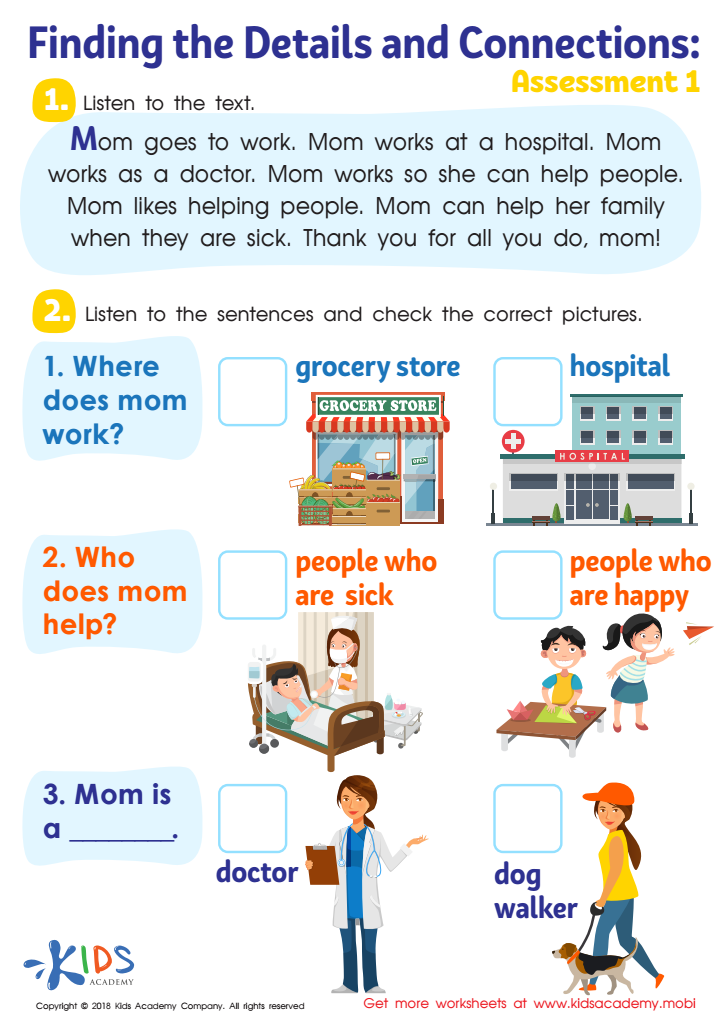
Finding the Details and Connections: Assessment 1 Worksheet
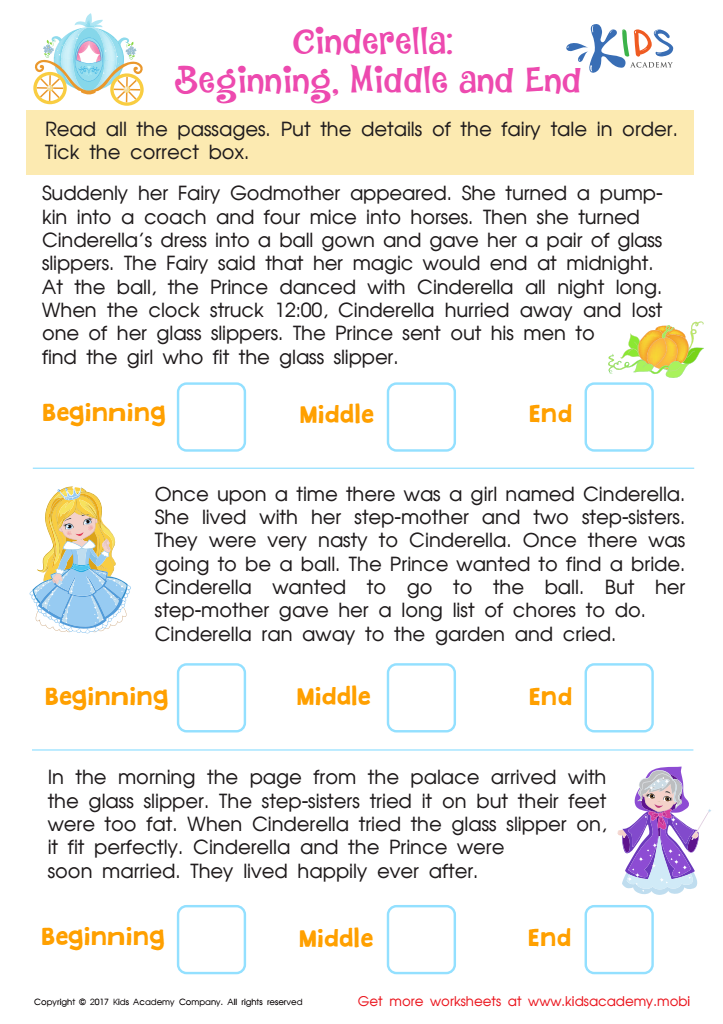
Cinderella: Beginning, Middle and End Worksheet
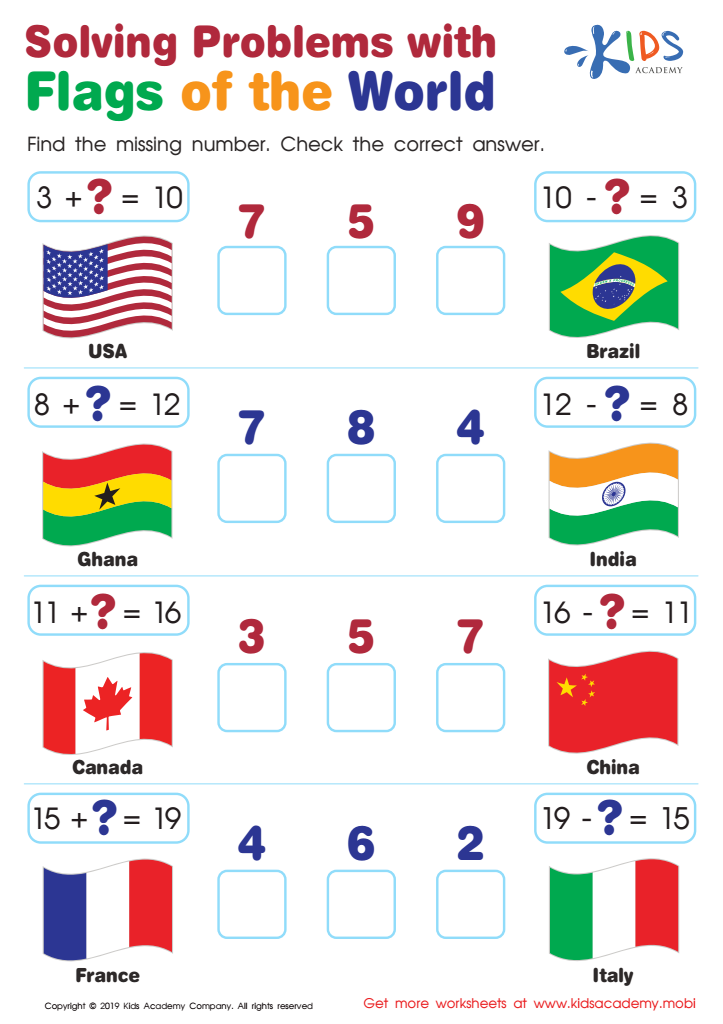
Solving Problems with Flags of the World Worksheet
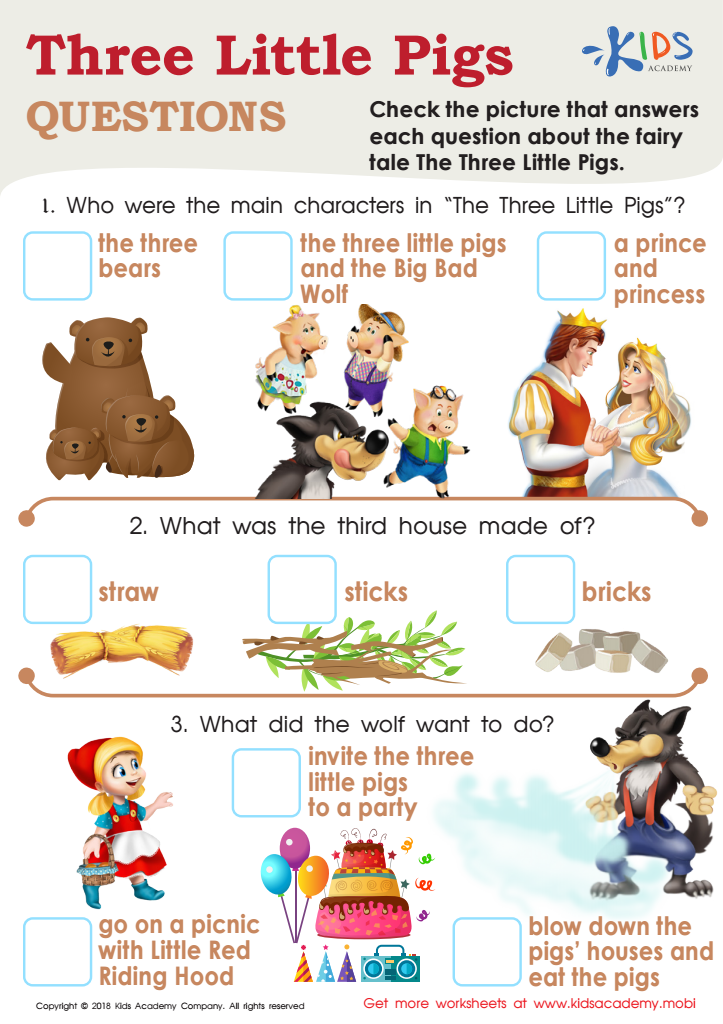
Three Little Pigs Questions Worksheet
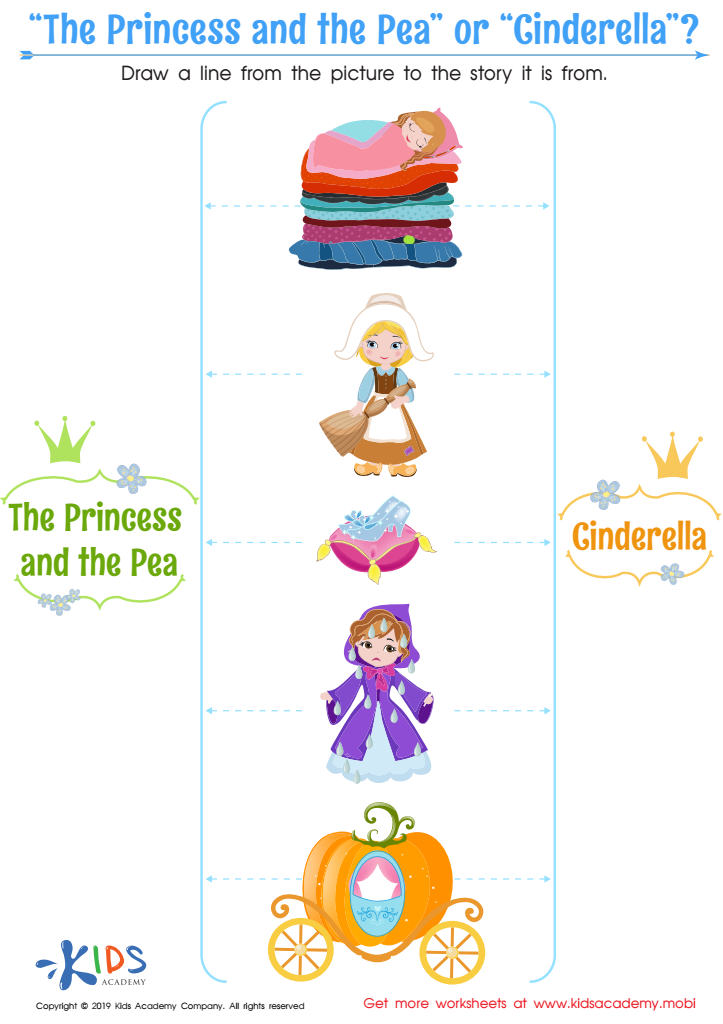
“The Princess and the Pea” or “Cinderella” Worksheet
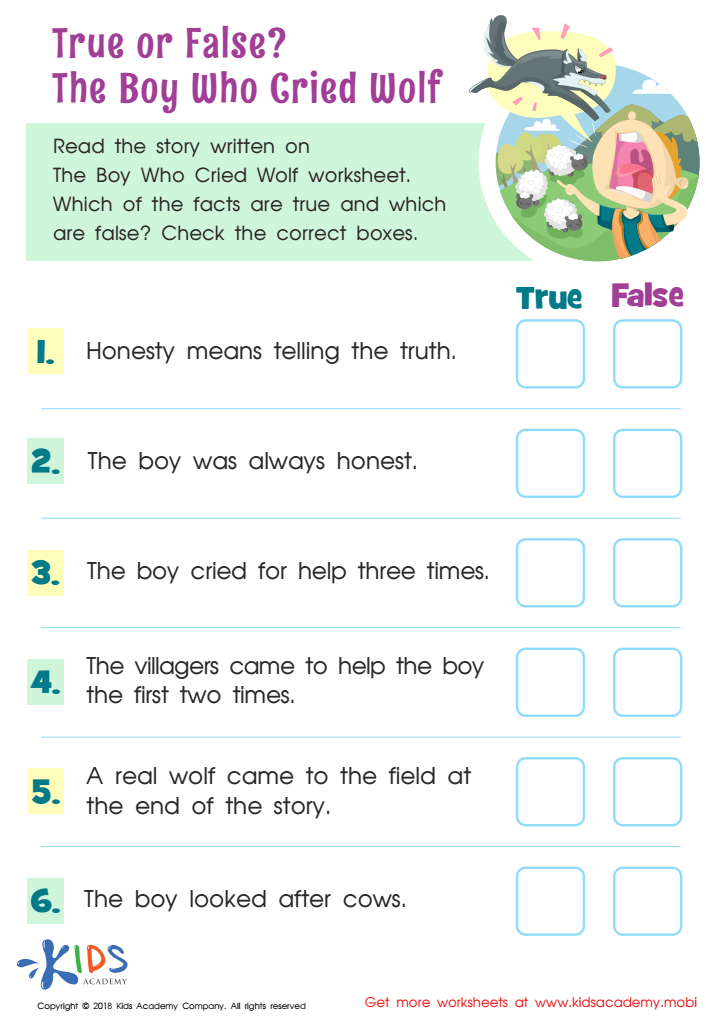
True or False? The Boy Who Cried Wolf Worksheet
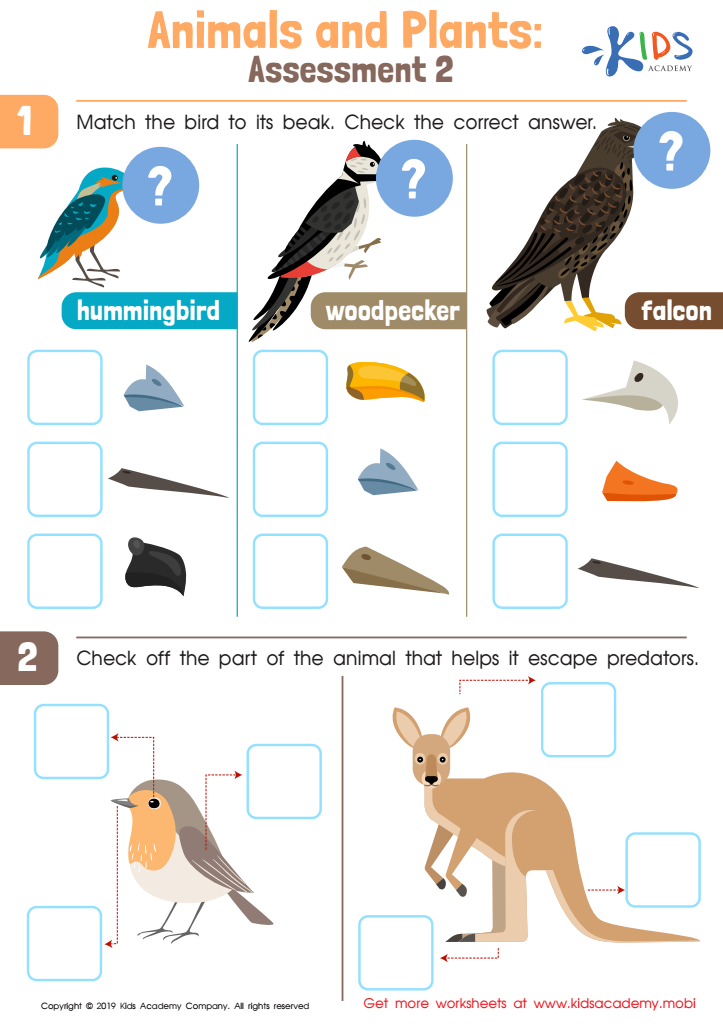
Animals and Plants: Assessment 2 Worksheet
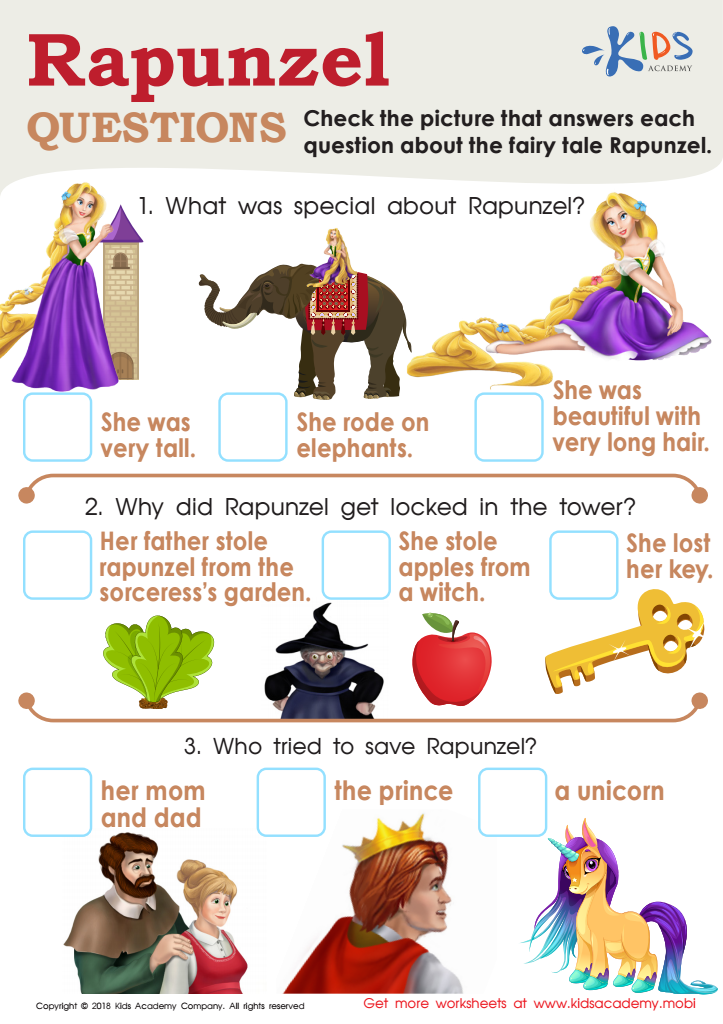
Rapunzel Questions Worksheet








Critical thinking is an essential skill for children aged 3-6, as it lays the foundation for lifelong learning and problem-solving capabilities. At this stage, children are naturally curious and eager to explore their environment. Educators and parents play a crucial role in nurturing this curiosity through activities that encourage questioning, reasoning, and decision-making. By fostering critical thinking, parents and teachers help children learn to analyze information, consider different perspectives, and draw conclusions based on evidence.
Encouraging critical thinking in early childhood supports cognitive development, enhancing language skills, attention span, and creativity. As children learn to articulate their thoughts and engage in discussions, they develop confidence and communication skills essential for interacting with peers and adults.
Furthermore, critical thinking aids children in navigating social situations and conflicts, empowering them to make thoughtful choices and understand the consequences of their actions. In a rapidly changing world, these skills are increasingly vital for adapting to new challenges and opportunities.
By instilling critical thinking early on, parents and teachers can prepare children not just for academic success but also for future personal and professional endeavors, ultimately contributing to their overall growth and development as informed, thoughtful individuals.








