Logical thinking Normal Worksheets for Ages 3-6
9 filtered results
-
From - To
Introduce your child to the world of critical thinking with our “Logical Thinking Normal Worksheets for Ages 3-6” from Kids Academy. Designed to captivate young minds, these worksheets focus on enhancing problem-solving abilities through fun, age-appropriate activities. From identifying patterns and sequences to sorting and matching exercises, each worksheet is carefully crafted to promote logical reasoning skills. Whether your child is just starting to explore these concepts or is ready to tackle more complex challenges, our worksheets provide a solid foundation for future learning. Unlock your child’s potential with engaging activities that make learning both fun and effective.
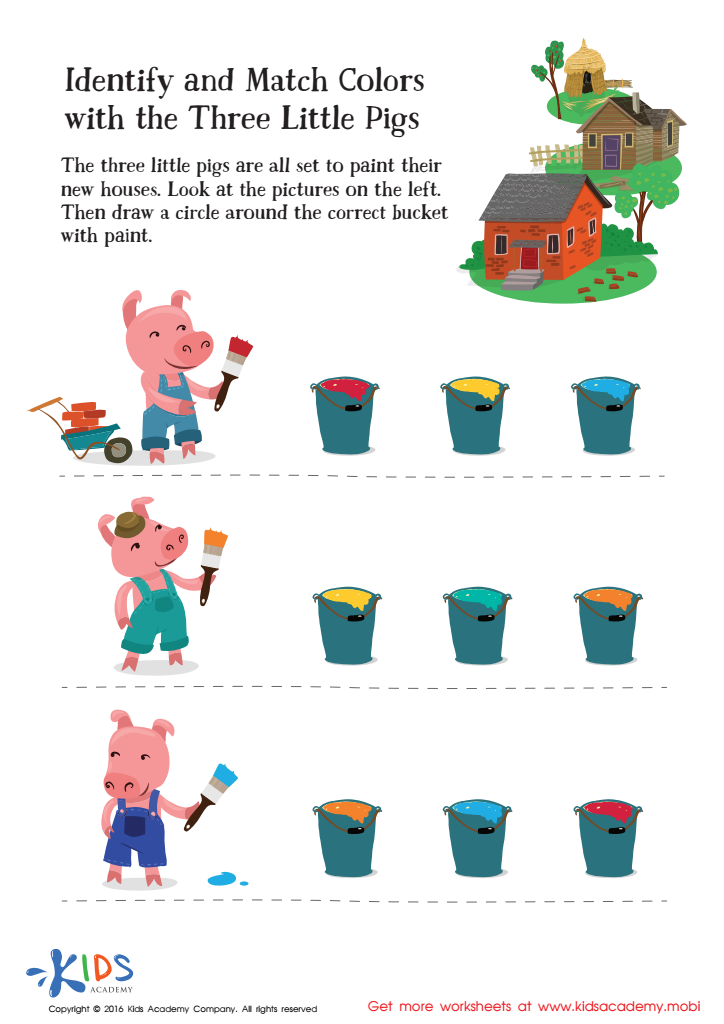
Fairy Tale Worksheet: Identify and Match Colors with Three Little Pigs
 Assign to My Students
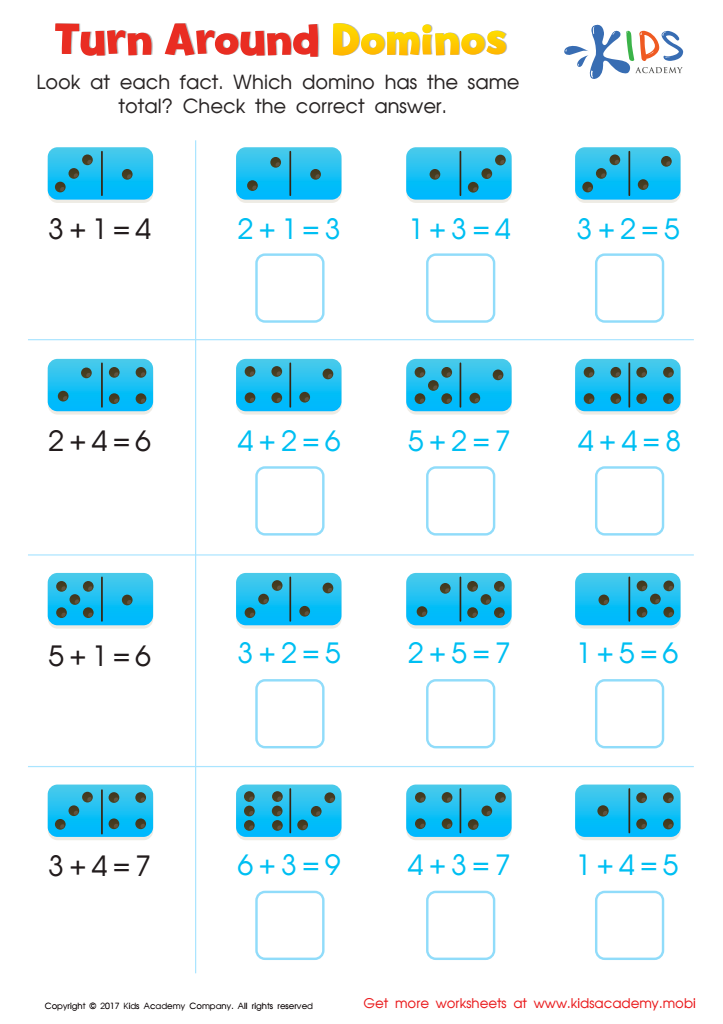
Turn Around Dominos Worksheet
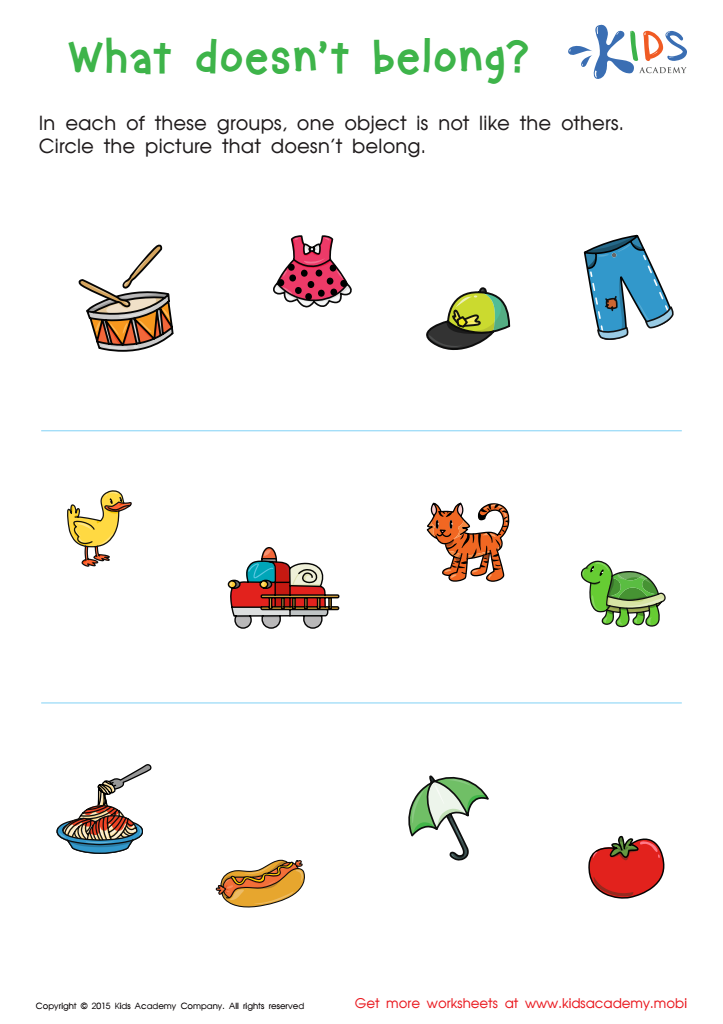
First Words: What Doesn't Belong Worksheet

Cinderella Geometry Maze Worksheet
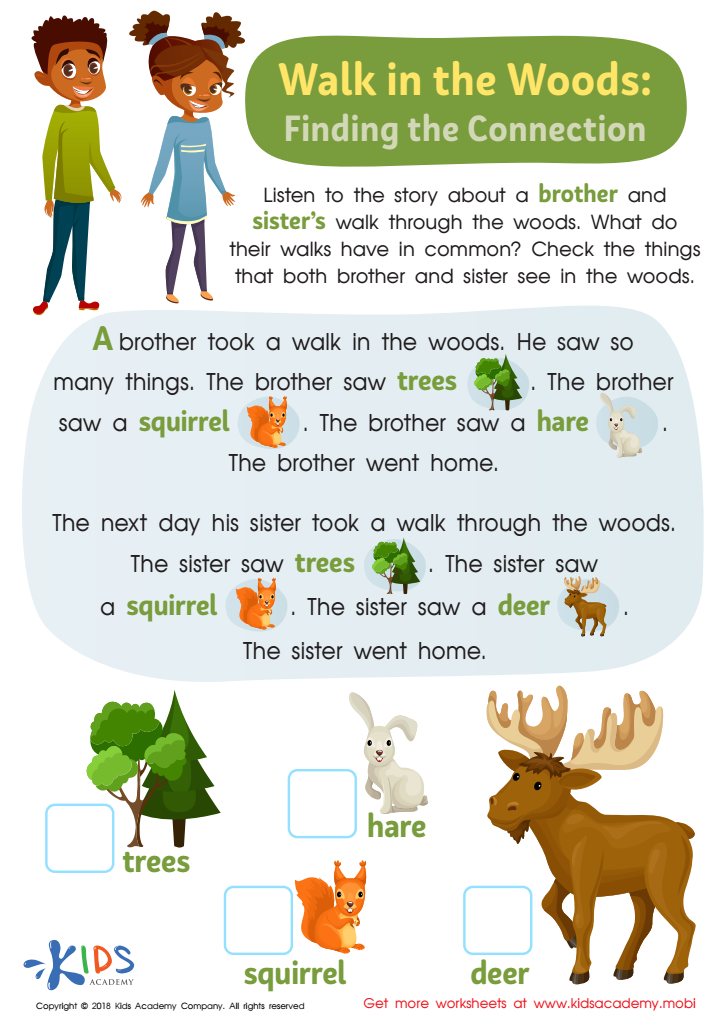
Walk In the Woods: Finding Connections Worksheet
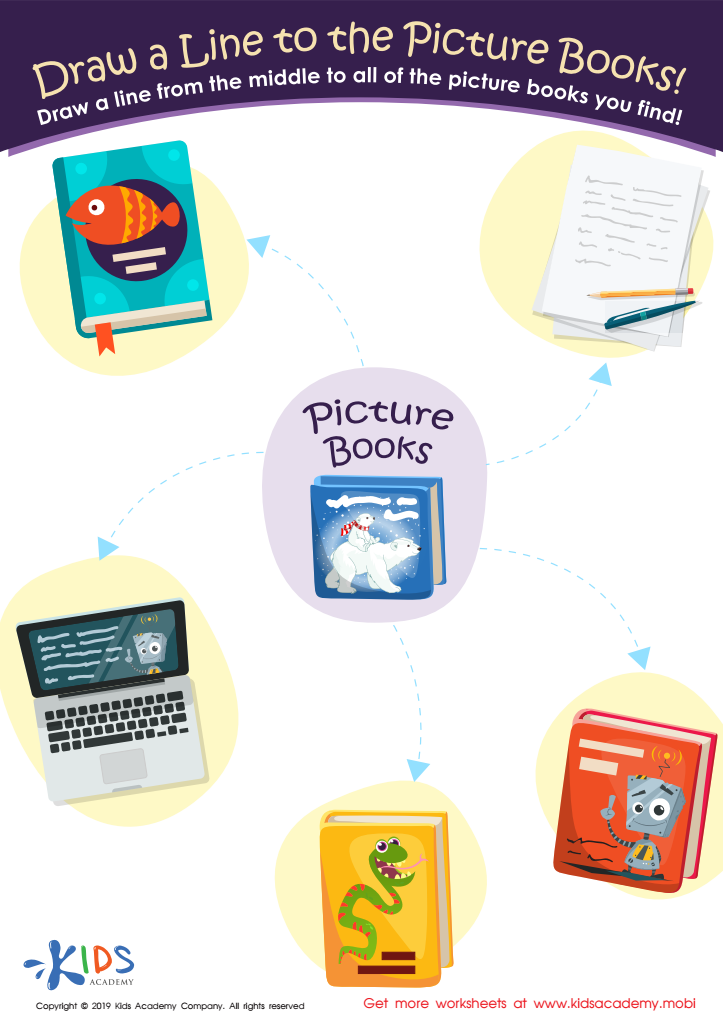
Draw a Line to the Picture Books Worksheet
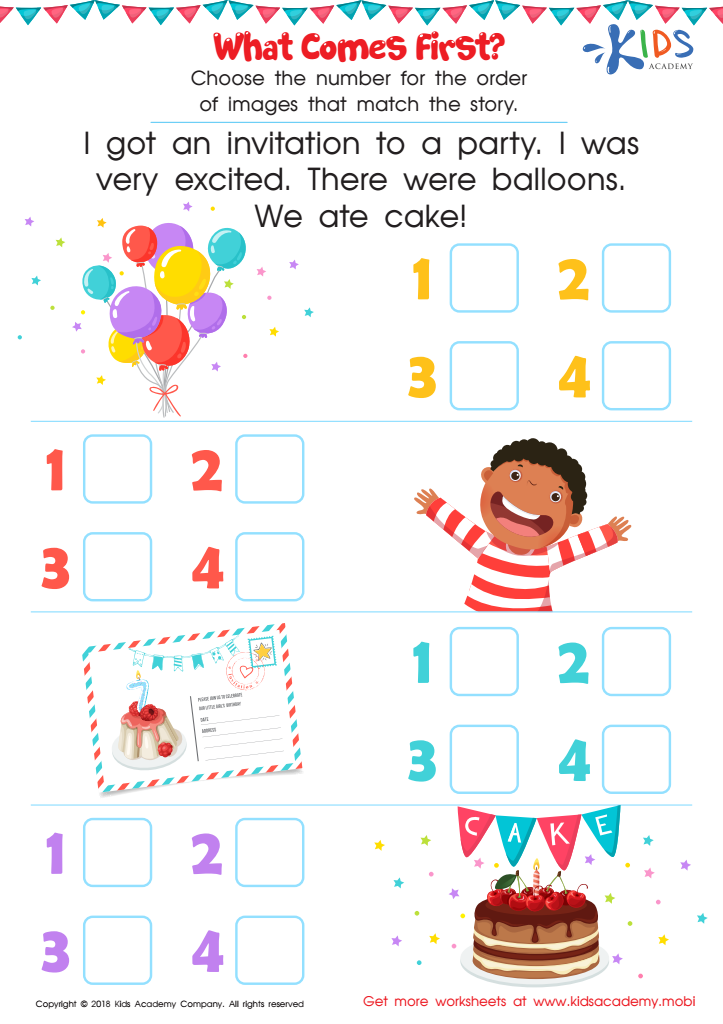
What Comes First Worksheet
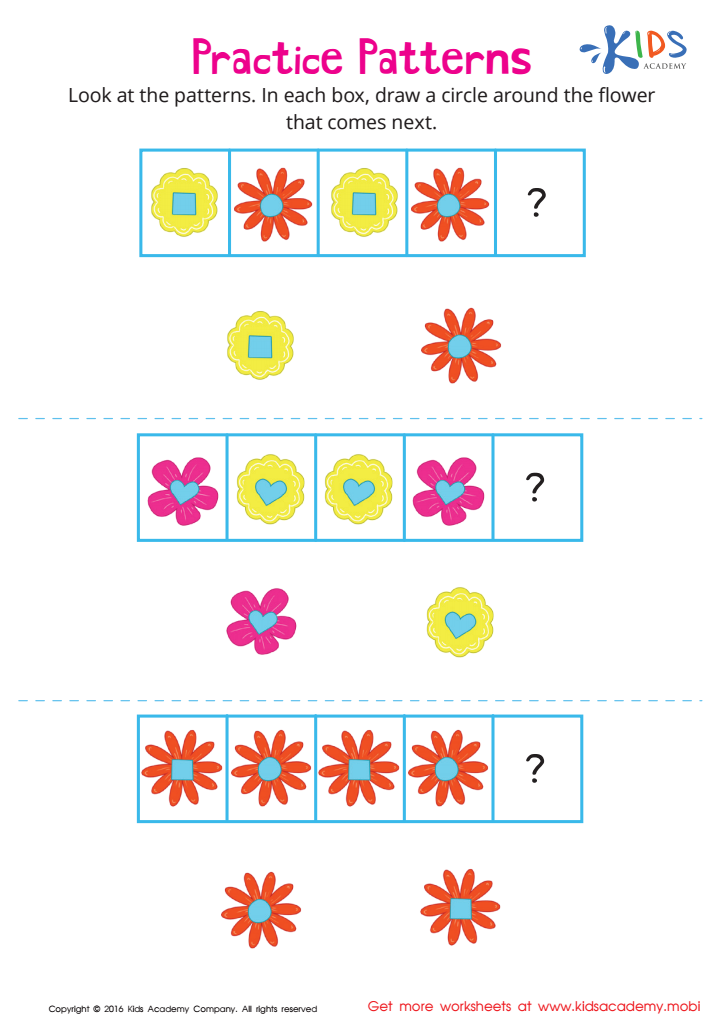
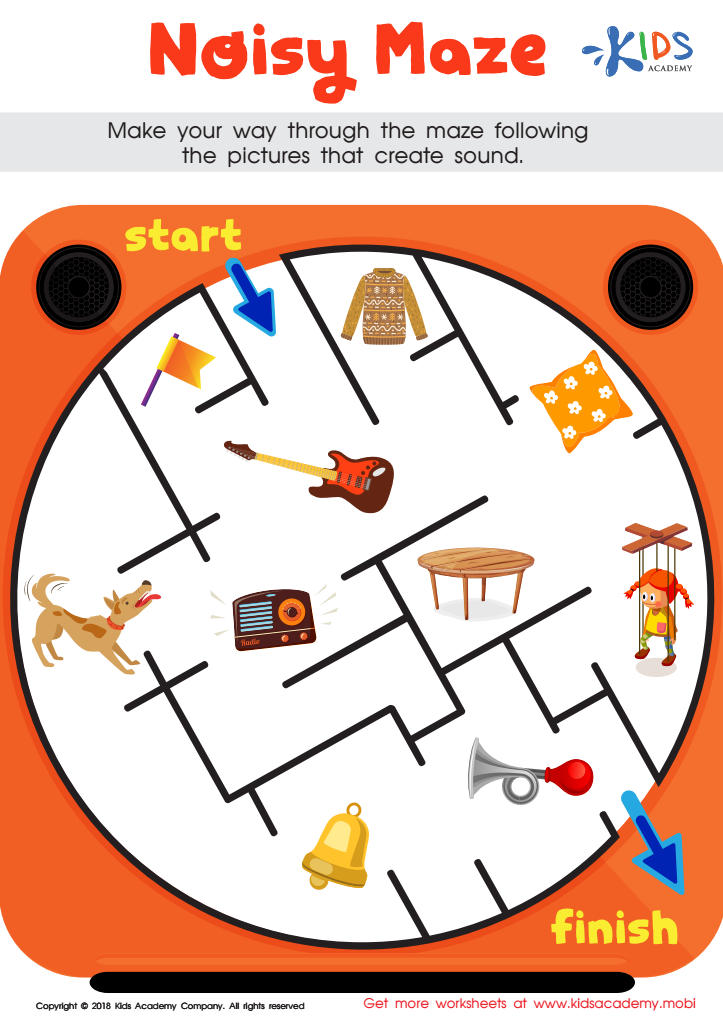
Noisy Maze Worksheet







Logical thinking is a cornerstone of a child's cognitive development, and its nurturing is crucial between the ages of 3-6. During these formative years, children are particularly receptive to learning new concepts that shape their ability to reason, solve problems, and understand cause and effect. Cultivating logical thinking at this stage helps strengthen their mental faculties and sets a solid foundation for academic success.
Parents and teachers play a pivotal role in guiding children through activities that boost their logical reasoning skills. Games that involve sorting objects by color, size, or shape, simple puzzles, and even everyday decisions, help sharpen their ability to classify and sequence. This not only aids in mathematics but also enhances language skills as children learn to articulate their thought processes clearly.
Moreover, fostering logical thinking nurtures independence and confidence in young learners. When children understand how to approach a problem systematically, they become more self-sufficient and resilient when faced with challenges. These early skills are essential for building a lifelong aptitude for learning, collaborating with others, and adapting to new environments.
Investing time and effort into developing logical thinking in early childhood is a critical step towards nurturing well-rounded, inquisitive, and capable individuals. Thus, parents and teachers should thoughtfully integrate logical reasoning activities into daily routines and educational frameworks.








