Spelling practice Normal Worksheets for Ages 3-6 - Page 3
62 filtered results
-
From - To
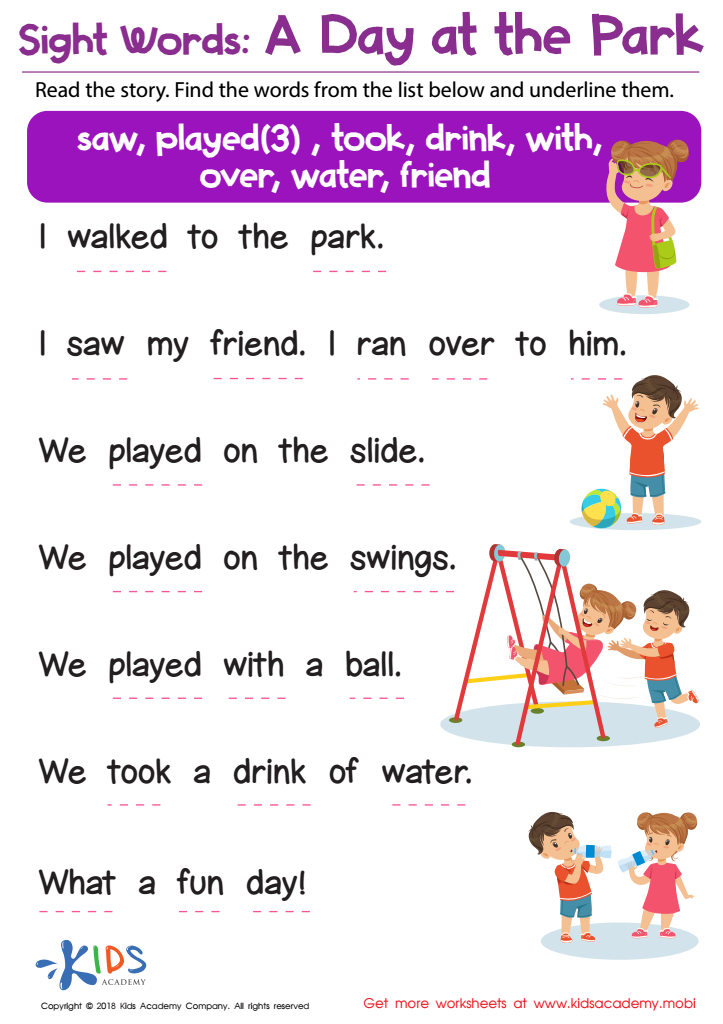
Sight Words: A Day at the Park Worksheet
 Assign to My Students
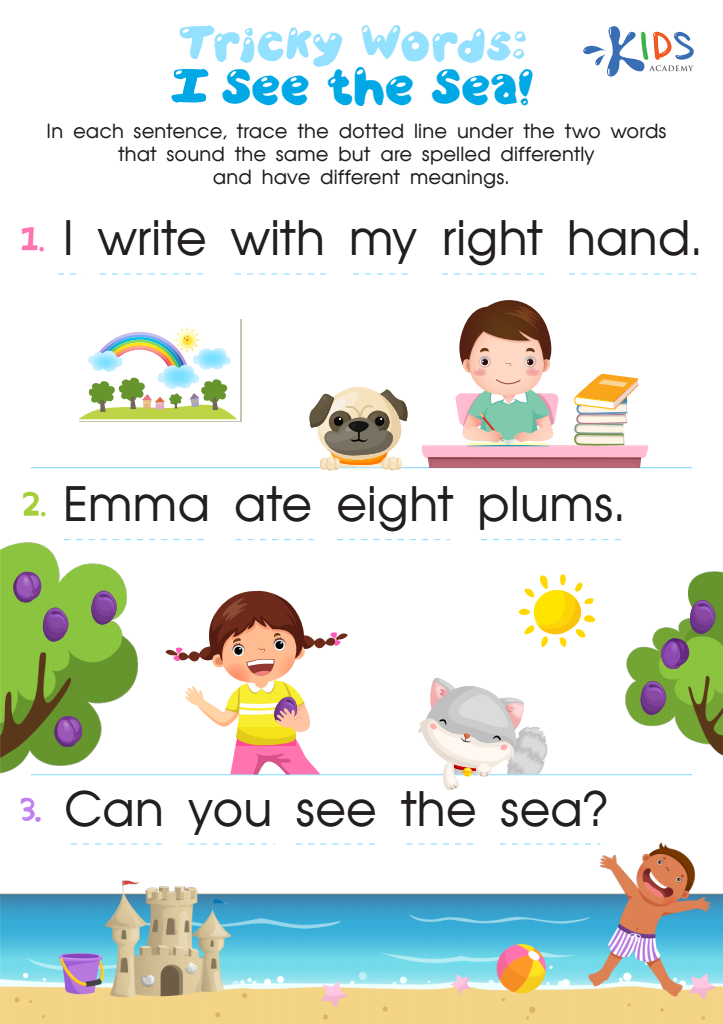
Tricky Words Worksheet
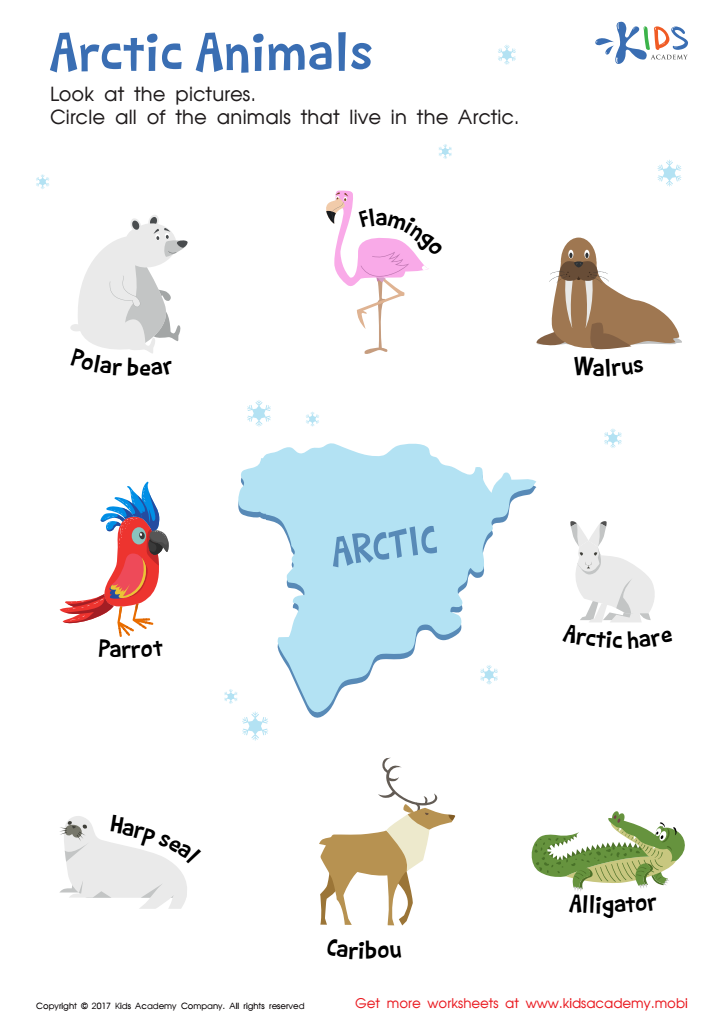
Arctic Animals Worksheet
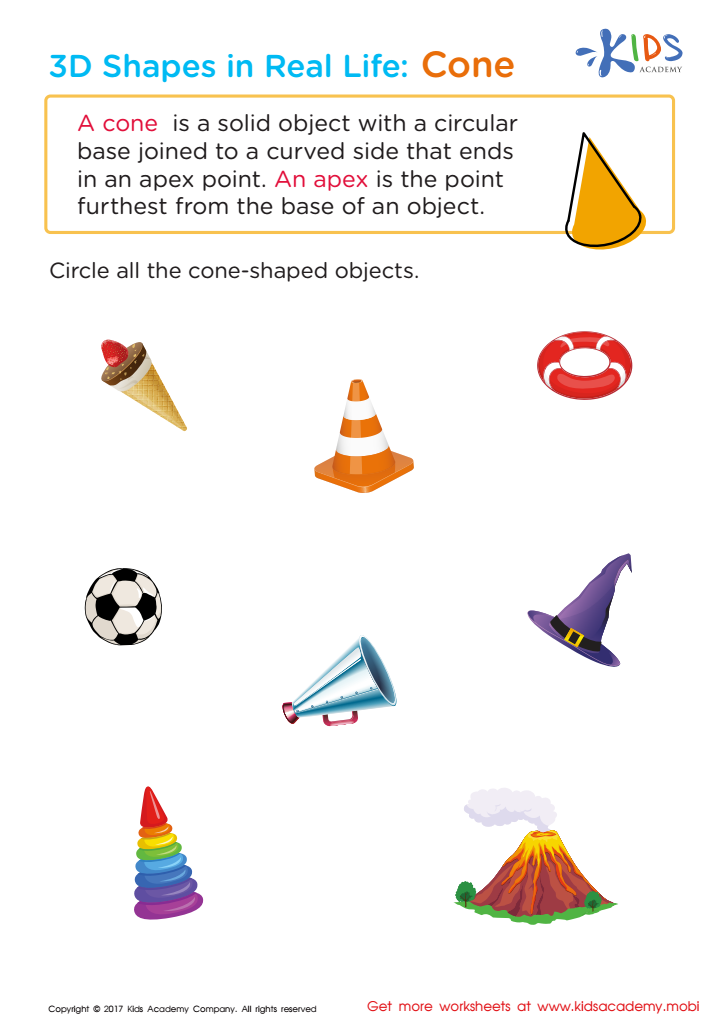
Shapes in Real Life: Cone Worksheet
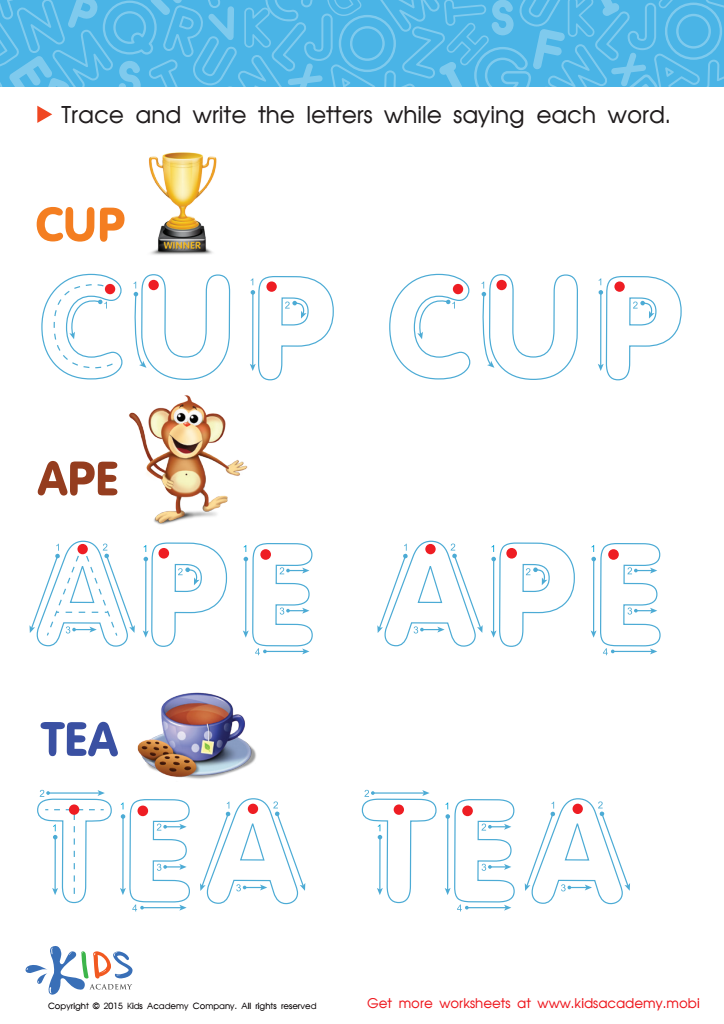
A Cup, an Ape and Tea Spelling Worksheet
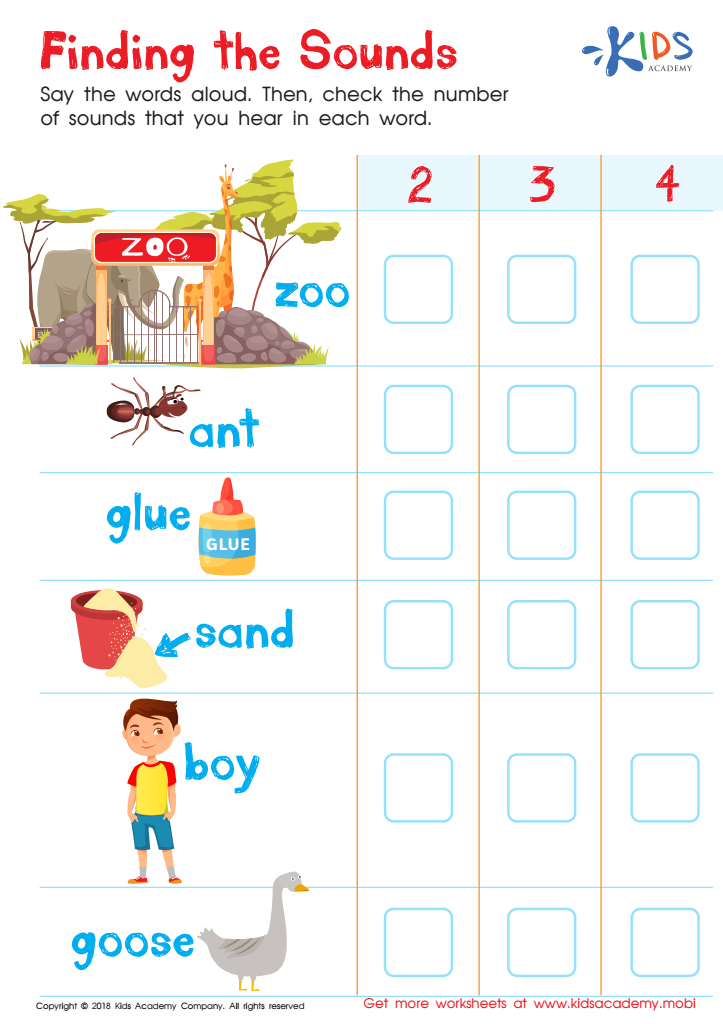
Finding the Sounds Worksheet
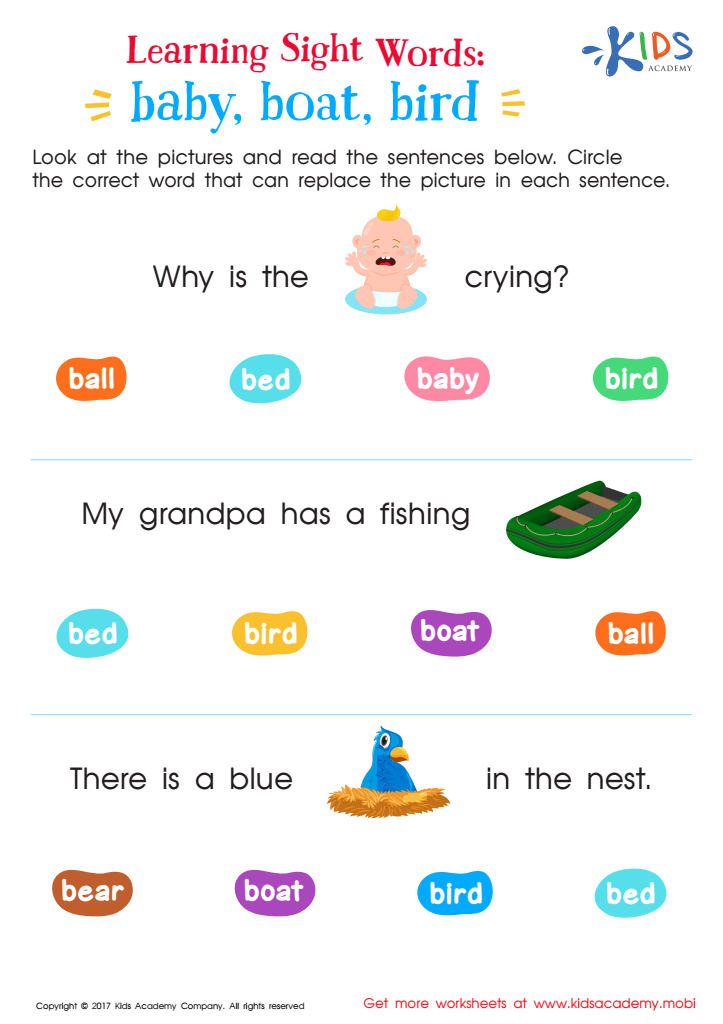
Baby, Boat, Bird Worksheet Sight Words Worksheet
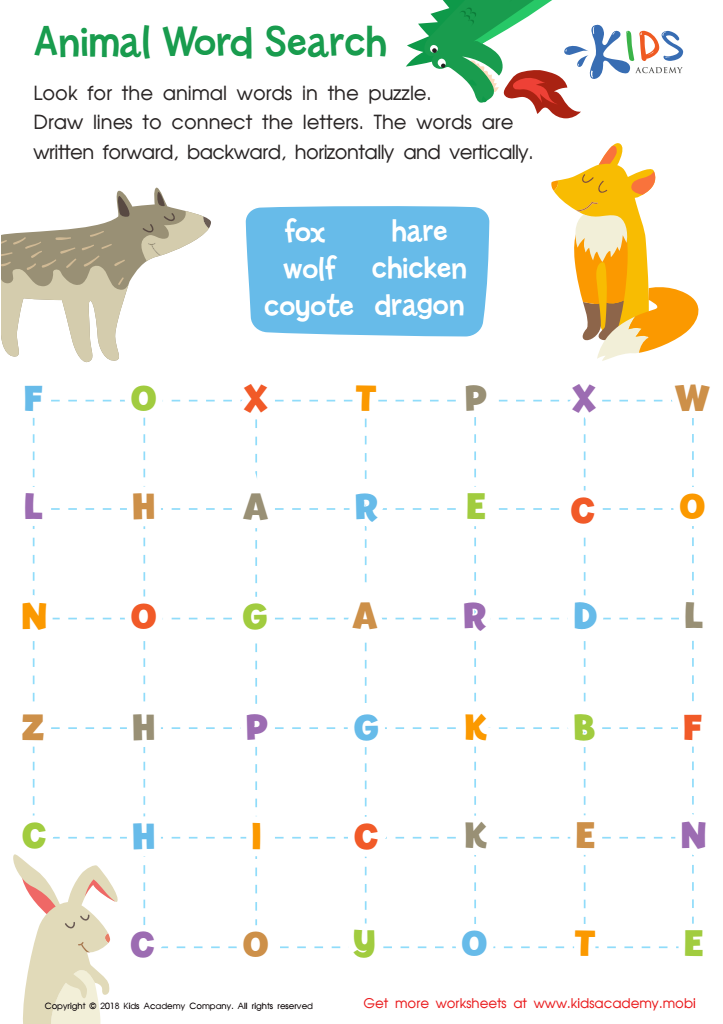
Animal Word Search Worksheet
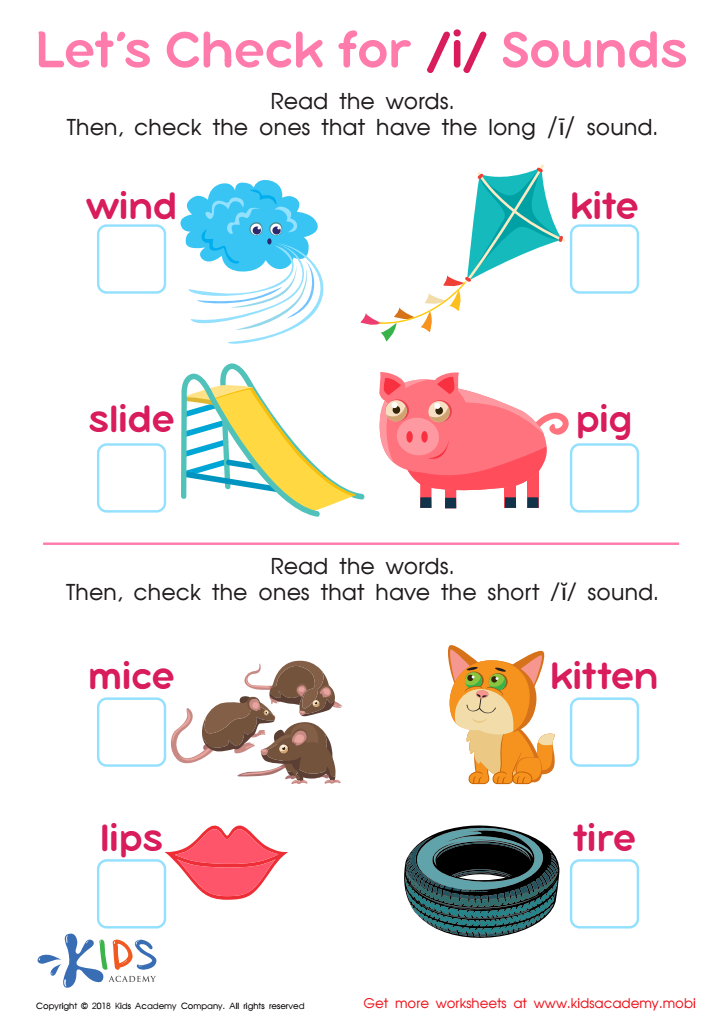
Let's Check for «i» Sounds Worksheet
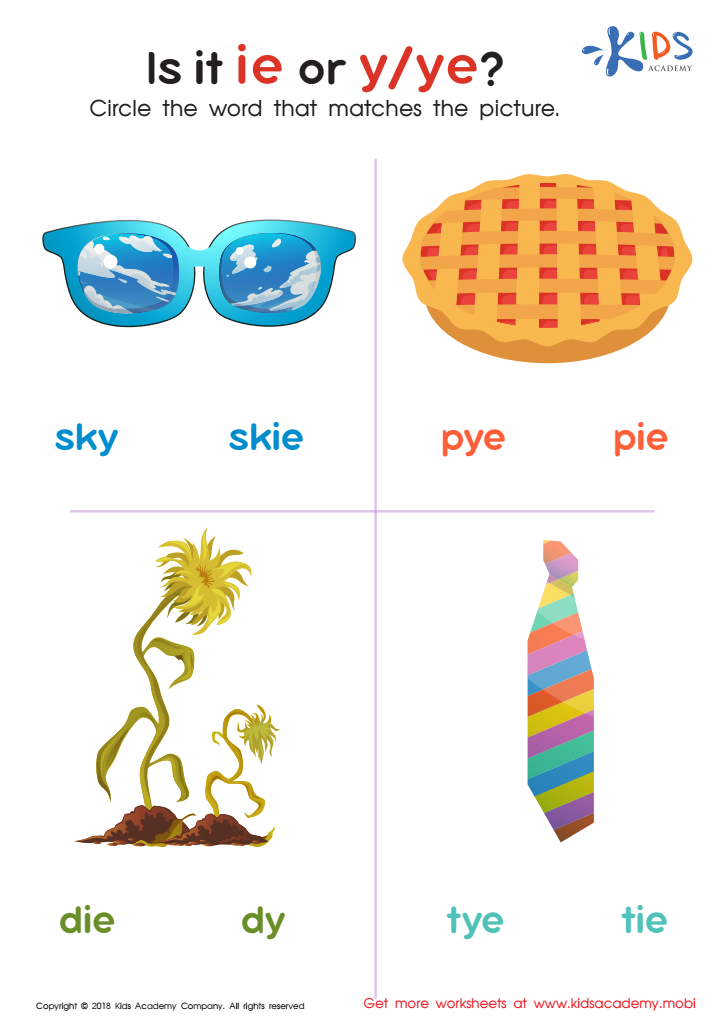
Is It IE or Y/Ye? Worksheet
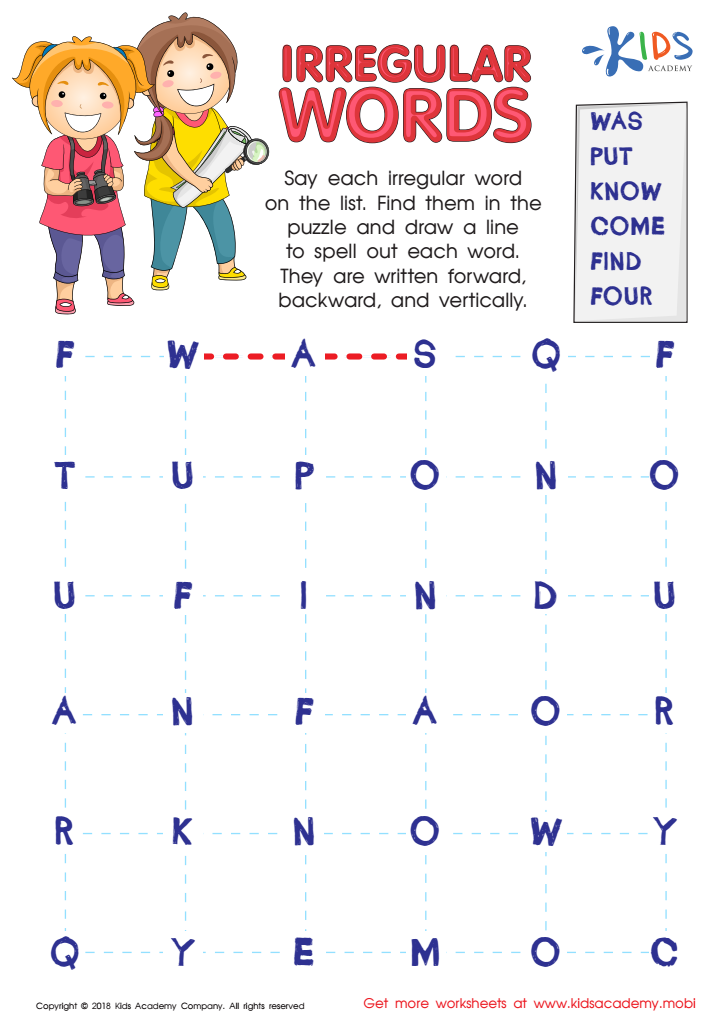
Irregular Words Worksheet
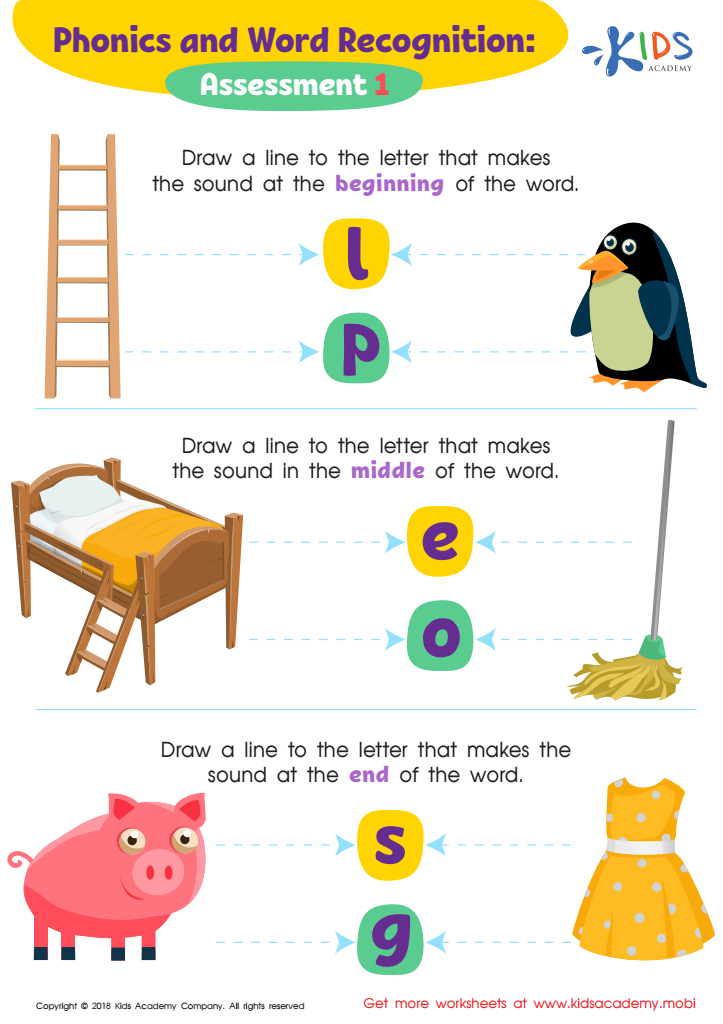
Phonics and Word Recognition: Assessment 1 ELA Worksheet
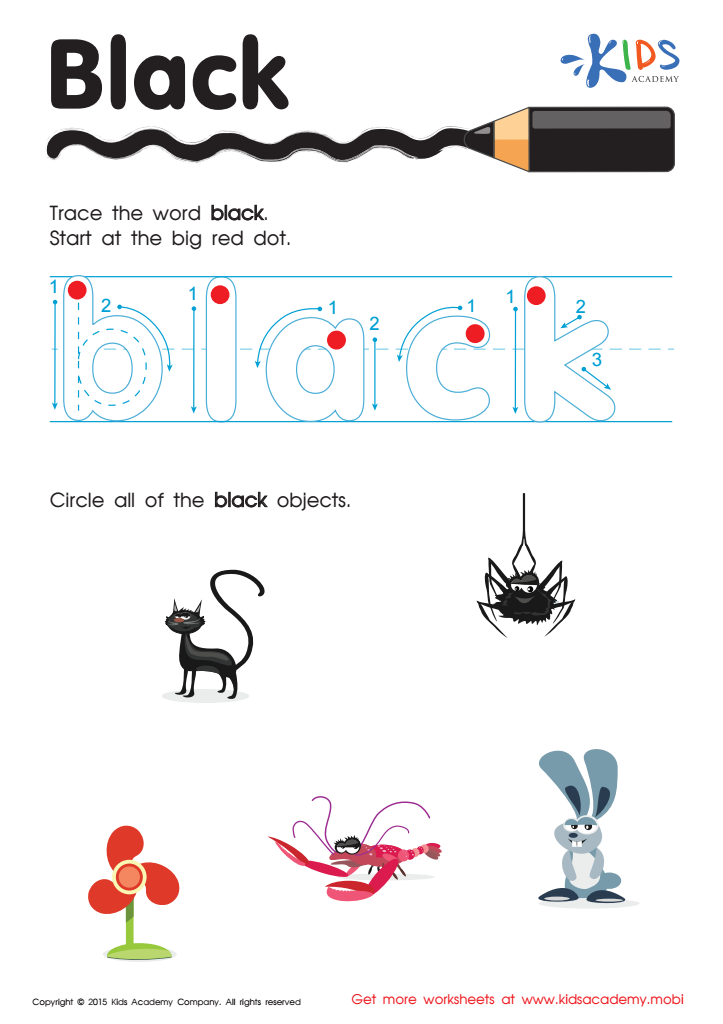
Black Tracing Color Words Printable








Spelling practice is crucial for children aged 3-6 because it lays the groundwork for essential literacy skills, which are fundamental for success in all areas of education. At this formative stage, children's brains are particularly receptive to language development, making it the ideal time to introduce spelling. Engaging in spelling activities enhances phonemic awareness, helping children understand the relationship between letters and sounds, which is a core component of reading skills.
Additionally, early spelling practice fosters vocabulary development and language comprehension. As children learn to spell, they naturally expand their knowledge of words, enhancing their ability to express themselves clearly and confidently. This expanded vocabulary also supports their ability to grasp more complex concepts across different subjects, including math and science.
Moreover, spelling practice develops fine motor skills through writing, which is critical for young children as they prepare for more advanced writing tasks. The discipline and cognitive skills required for spelling—such as memory and pattern recognition—also improve overall cognitive development.
By investing time in spelling practice for children aged 3-6, parents and teachers provide them with a strong foundation for future academic performance, ensure better communication abilities, and promote lifelong learning habits. This early support can ignite a child’s interest in reading and writing, setting them on a path to academic and personal success.








