Visual perception improvement Normal Worksheets for Ages 3-6
11 filtered results
-
From - To
Boost your child's visual perception skills with our expertly designed Normal Worksheets for Ages 3-6. These engaging, fun, and educational worksheets offer a variety of activities that enhance visual discrimination, pattern recognition, and spatial awareness. Perfectly tailored for preschoolers and kindergarteners, these exercises help young learners develop critical eye-hand coordination and observation skills. Whether at home or in a classroom setting, our worksheets provide a solid foundation for good reading and math skills. Spark your preschooler's love for learning with our specially crafted visual perception improvement resources and watch them thrive academically.
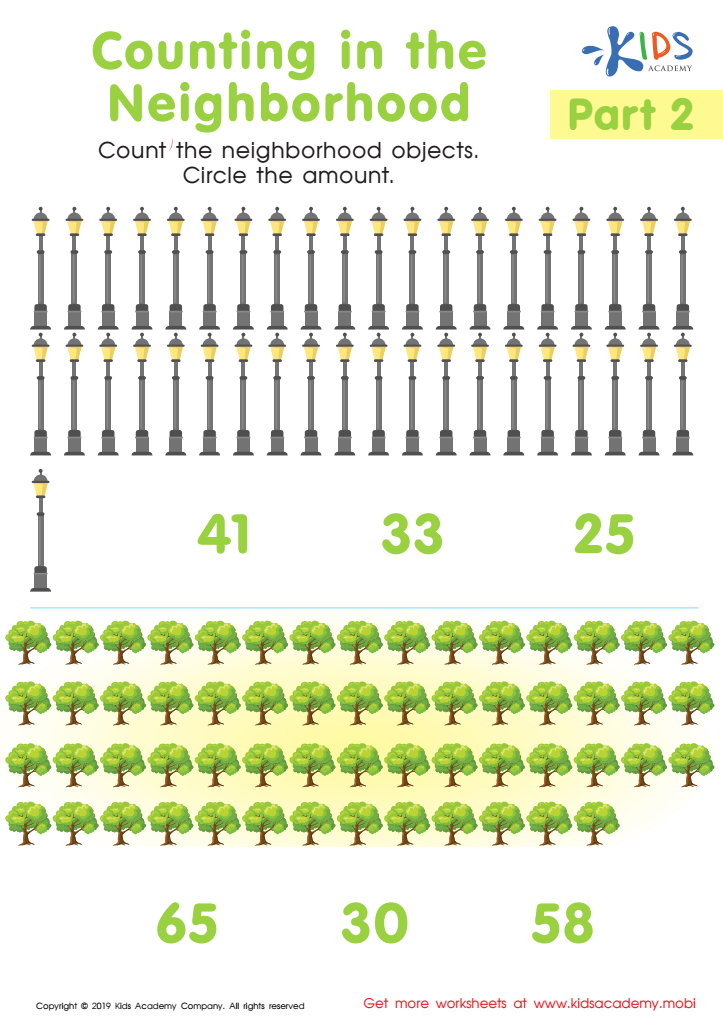
Counting In The Neighborhood Part 2 Worksheet
 Assign to My Students
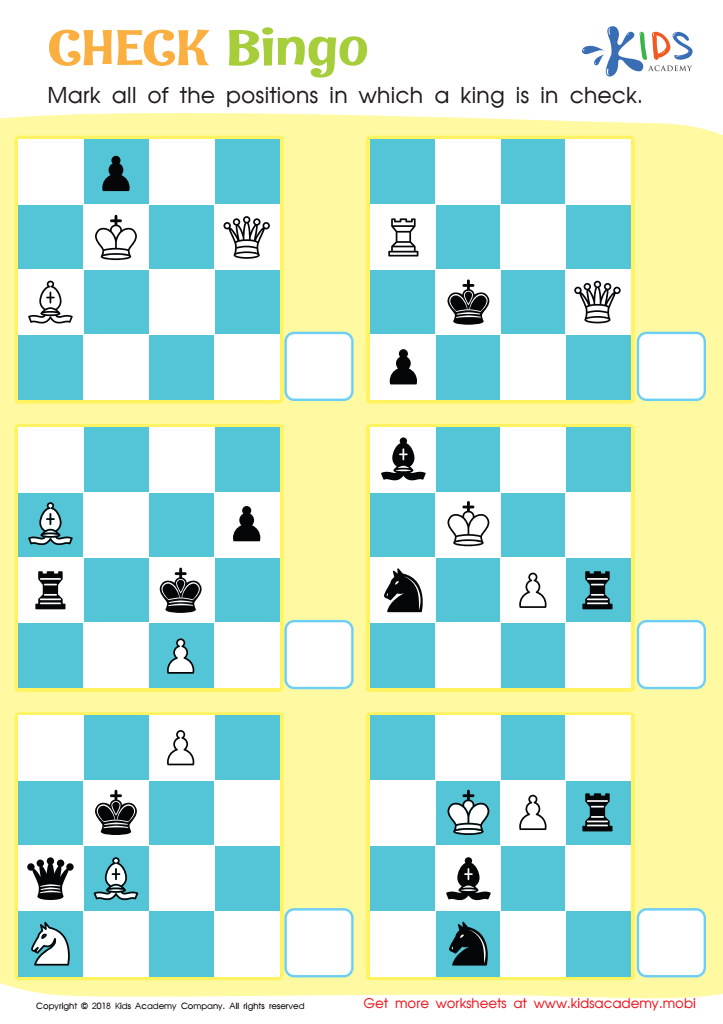
Check Bingo Worksheet
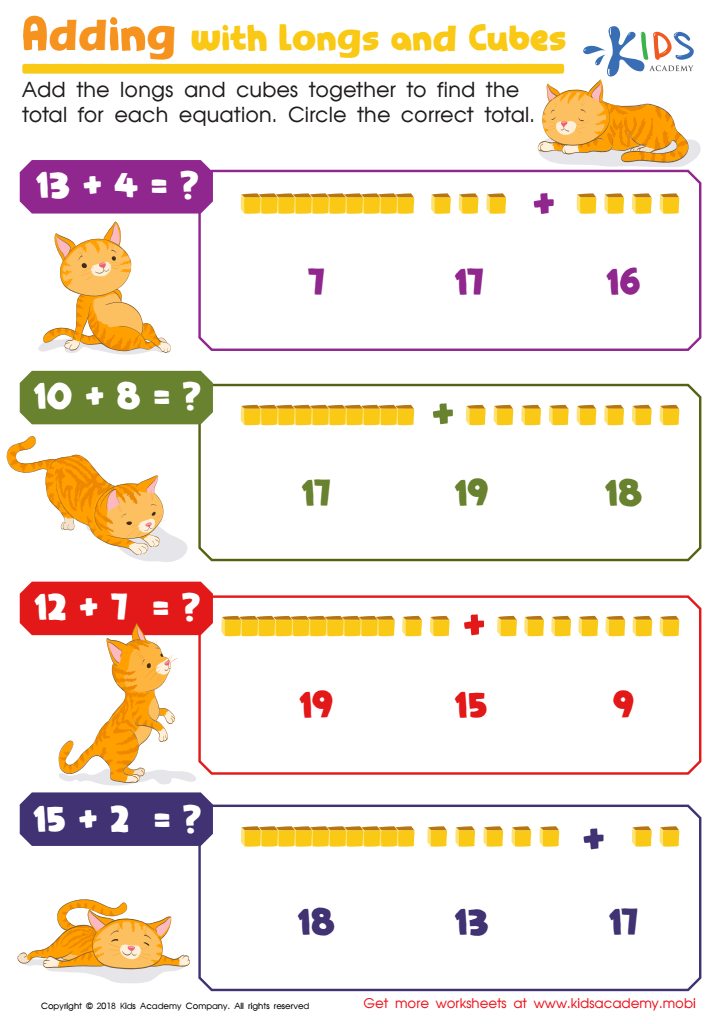
Adding With Longs and Cubes Worksheet
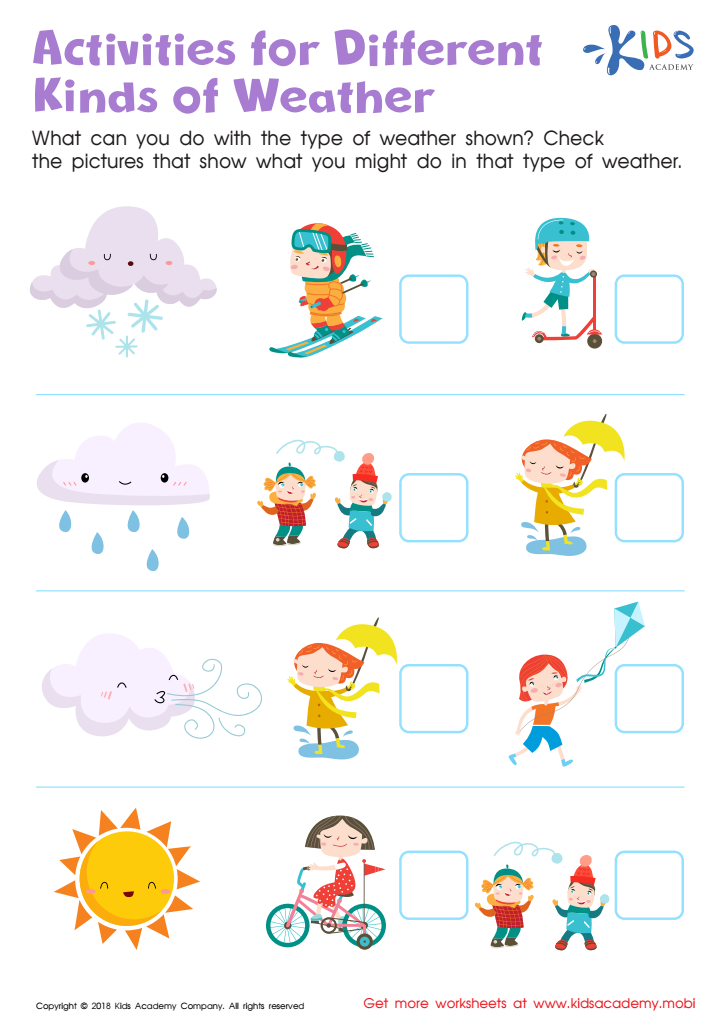
Activities for Different Kinds of Weather Worksheet
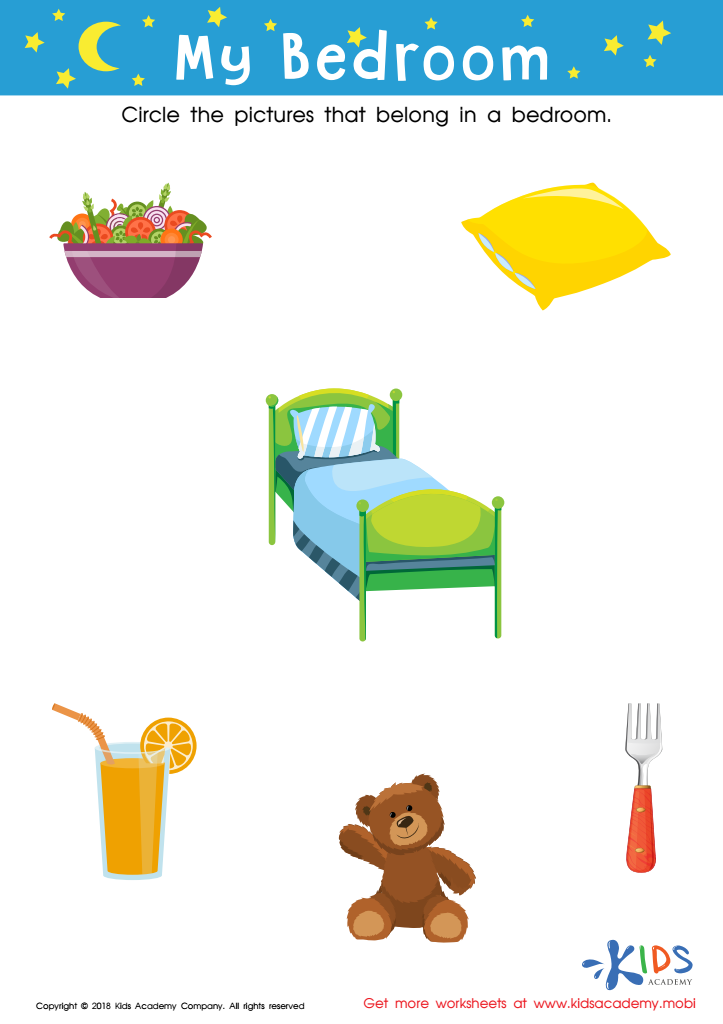
My Bedroom Worksheet
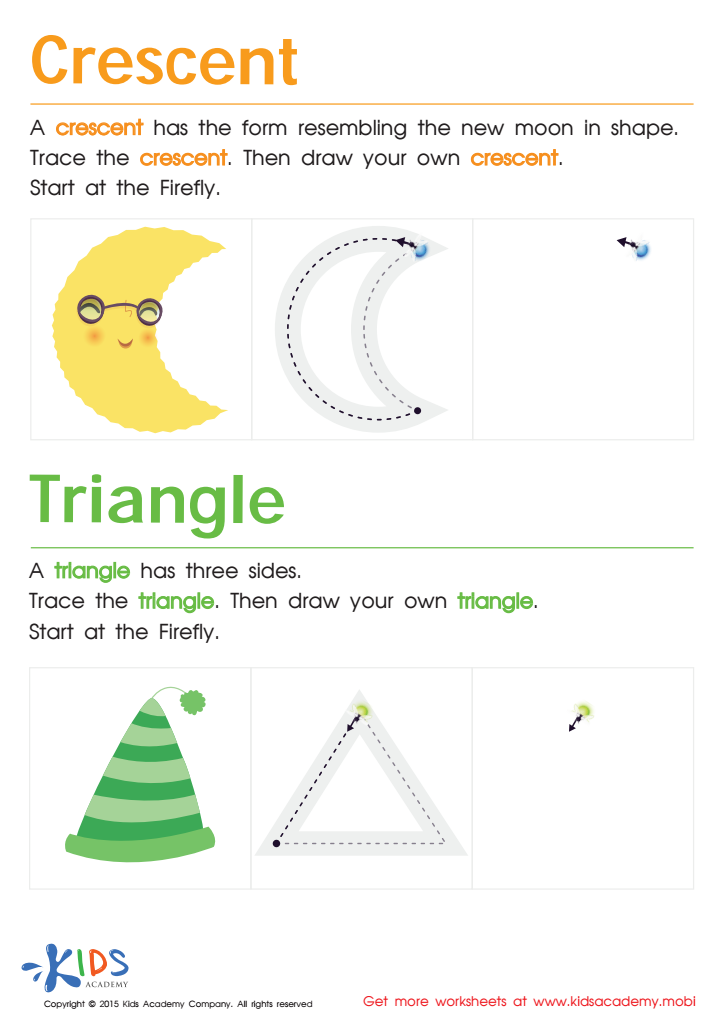
Learning to Draw Crescents And Triangles Worksheet
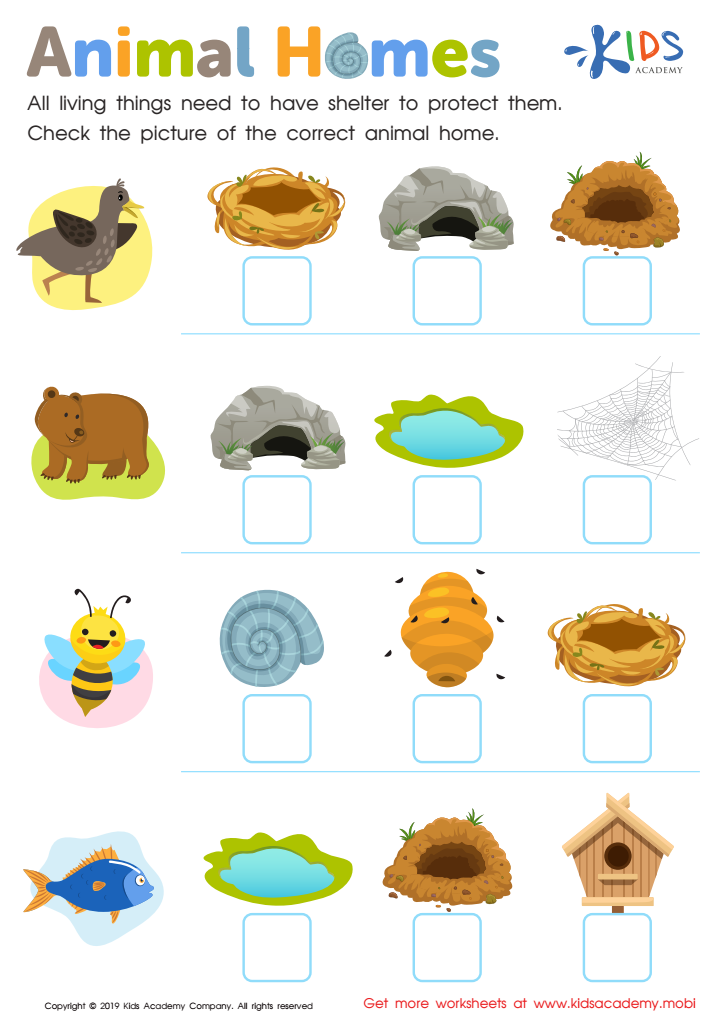
Animal Homes Worksheet
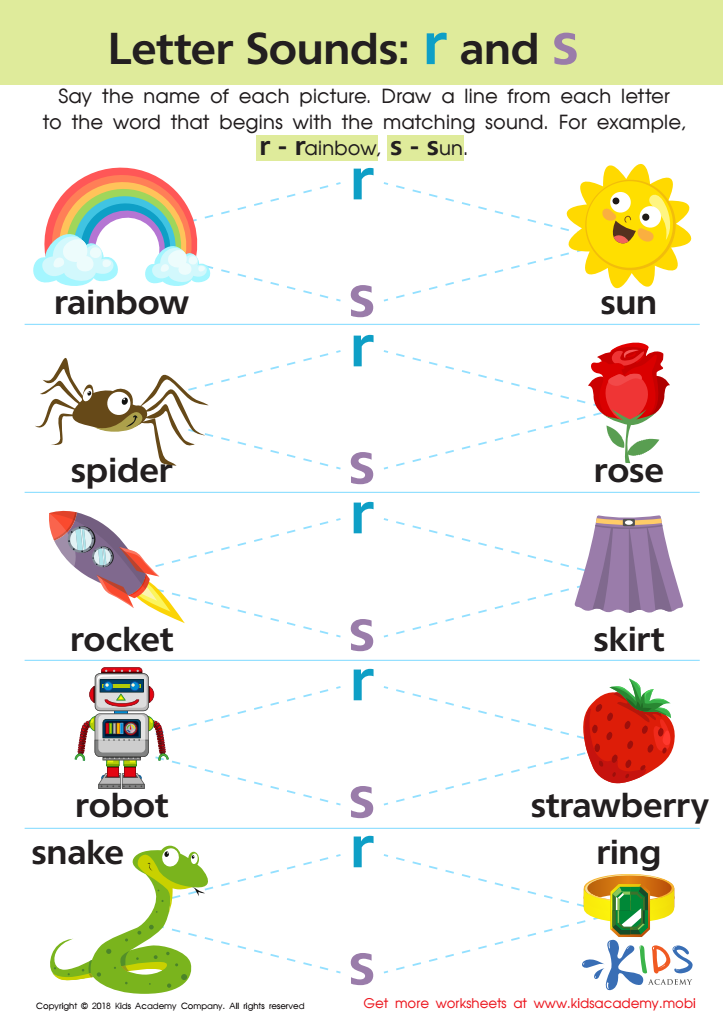
Letter R and S Sounds Worksheet
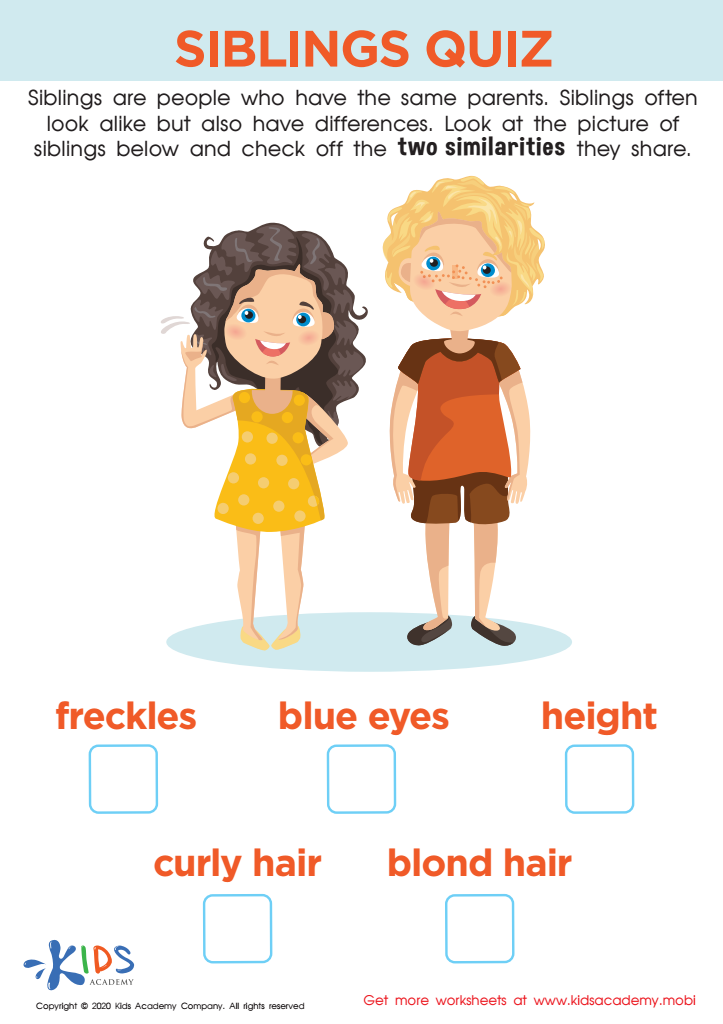
Siblings Quiz Worksheet
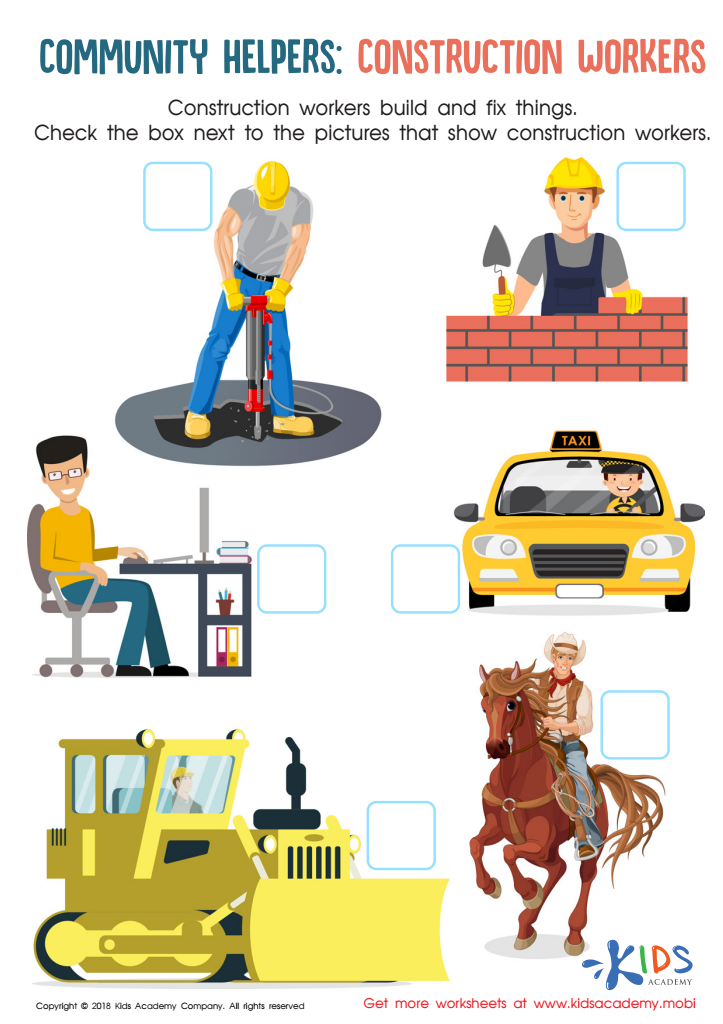
Construction Workers Community Helpers Worksheet
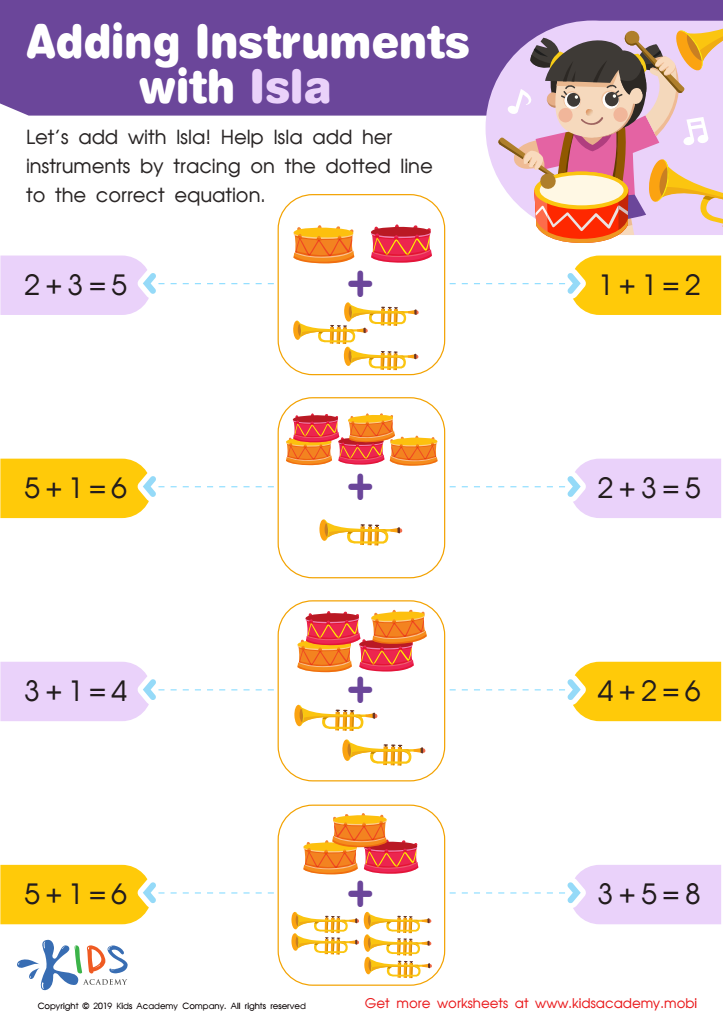
Adding Instruments with Isla Worksheet


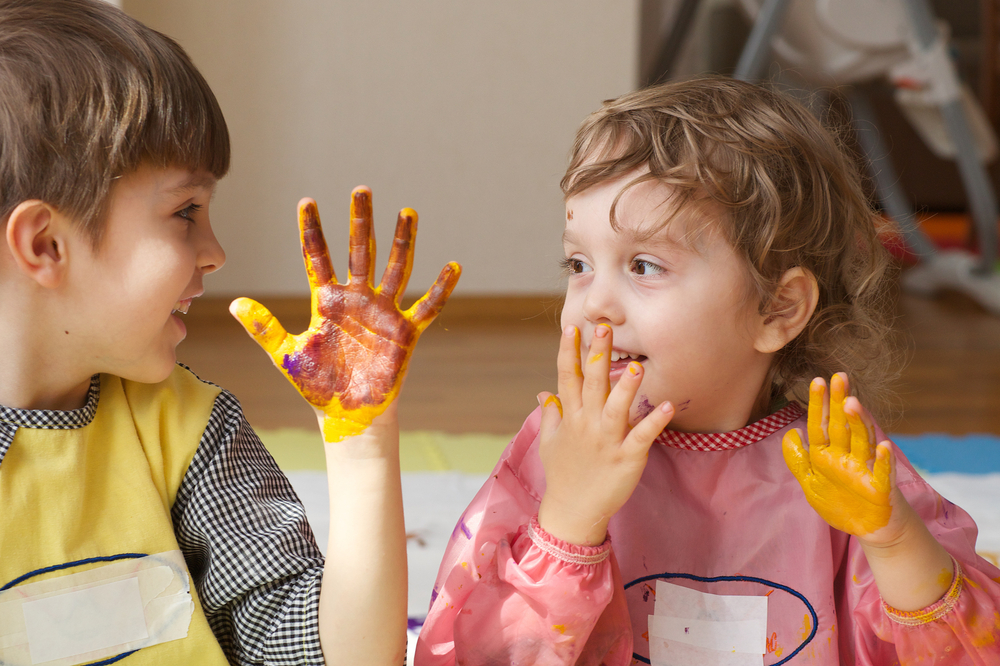




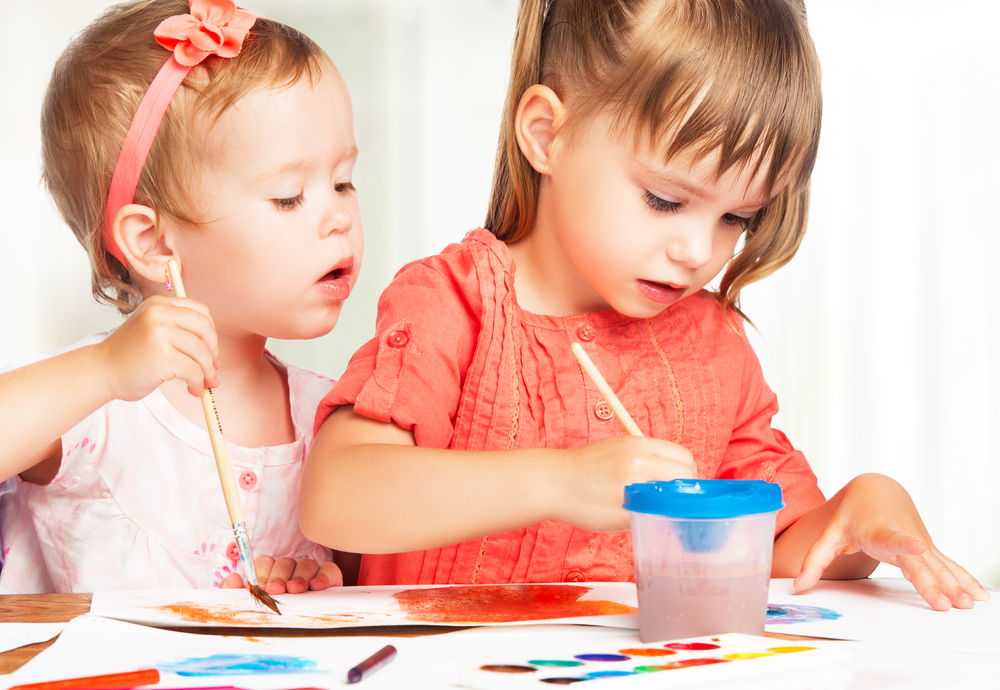
Visual perception is a critical developmental skill for children between the ages of 3 and 6. At this young age, visual perception supports nearly all learning activities, from reading and writing to understanding spatial relationships and recognizing patterns. When parents and teachers focus on enhancing visual perception, they lay the groundwork for future academic success and cognitive development.
Firstly, improved visual perception aids in reading readiness. Skills like letter and number recognition, distinguishing between different shapes, and understanding left-to-right progression are all rooted in strong visual perception. Early readers benefit significantly from these skills as they learn to decode text and comprehend what they read.
Secondly, good visual perception is essential for fine motor tasks like drawing, cutting, and writing. Children better succeed in these activities when they can accurately judge distances, recognize boundaries, and replicate shapes and patterns, thereby improving their overall coordination.
Furthermore, early visual perception skills impact social competence. Recognizing facial expressions, understanding body language, and predicting the outcomes of social interactions depend in large part on visual cues.
By prioritizing visual perception, parents and teachers support a holistic approach to a child’s development. Interactive activities like puzzles, matching games, and drawing not only make learning enjoyable but also lay a strong foundation for essential life skills.








