Fine Motor Skills Normal 2D Shapes Worksheets for Ages 3-6
5 filtered results
-
From - To
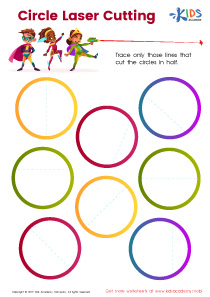
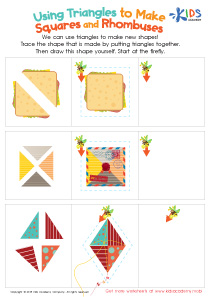
Discover engaging Fine Motor Skills Normal 2D Shapes Worksheets designed specifically for children ages 3-6. Our worksheets combine the fun of learning with essential skill development, enabling preschool and kindergarten students to enhance their hand-eye coordination while exploring a variety of shapes. Each worksheet encourages creative expression through coloring, tracing, and engaging activities that solidify shape recognition. Perfect for home or classroom use, these resources make learning enjoyable and interactive. Help your little ones build their fine motor skills while they explore the exciting world of 2D shapes. Start their journey of learning and creativity today!
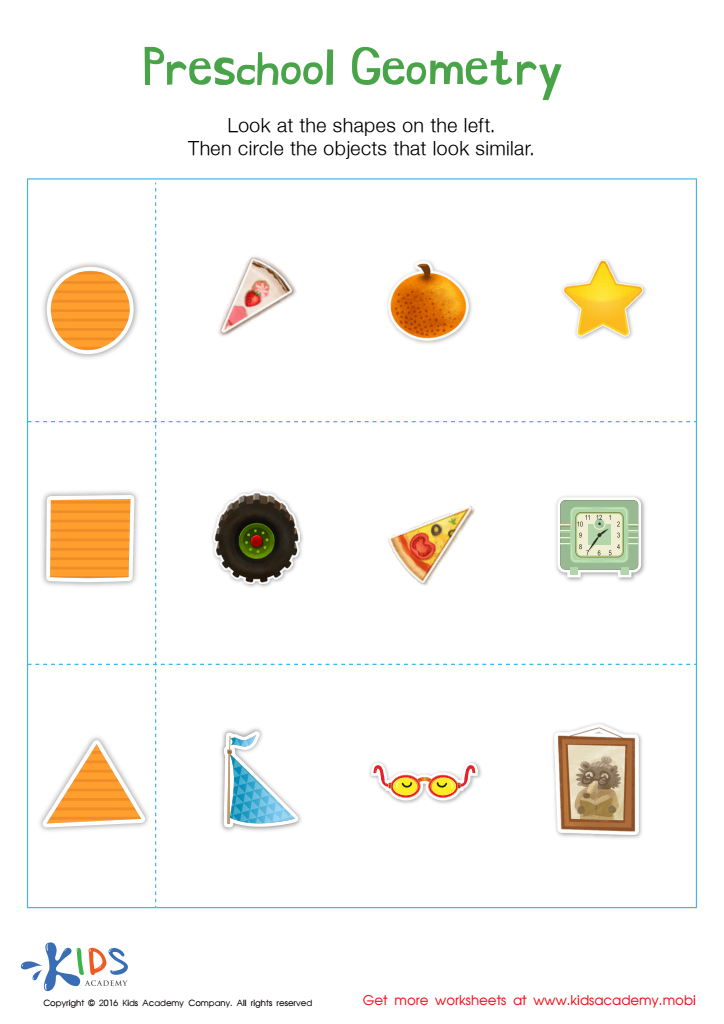
Preschool Geometry Match Up Worksheet
 Assign to My Students


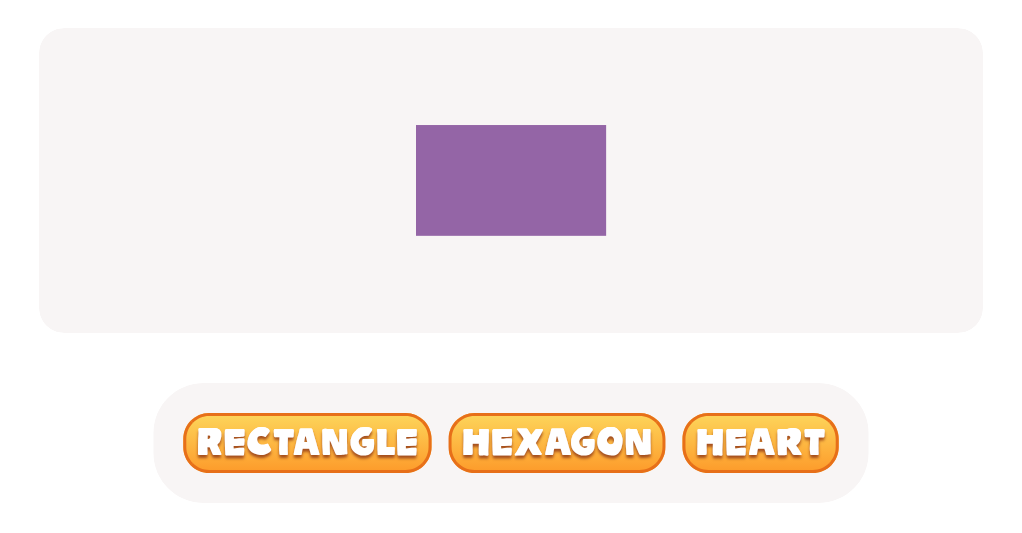



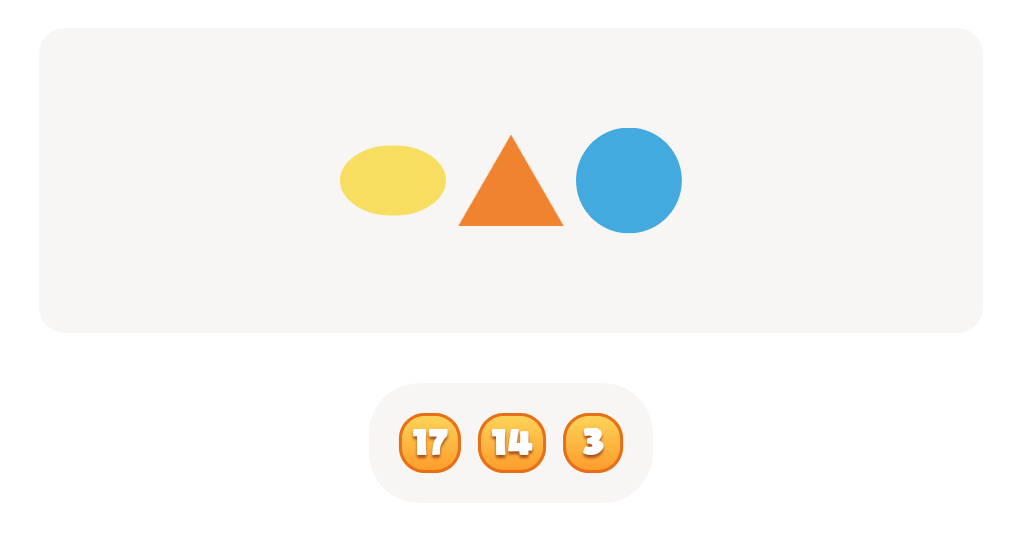
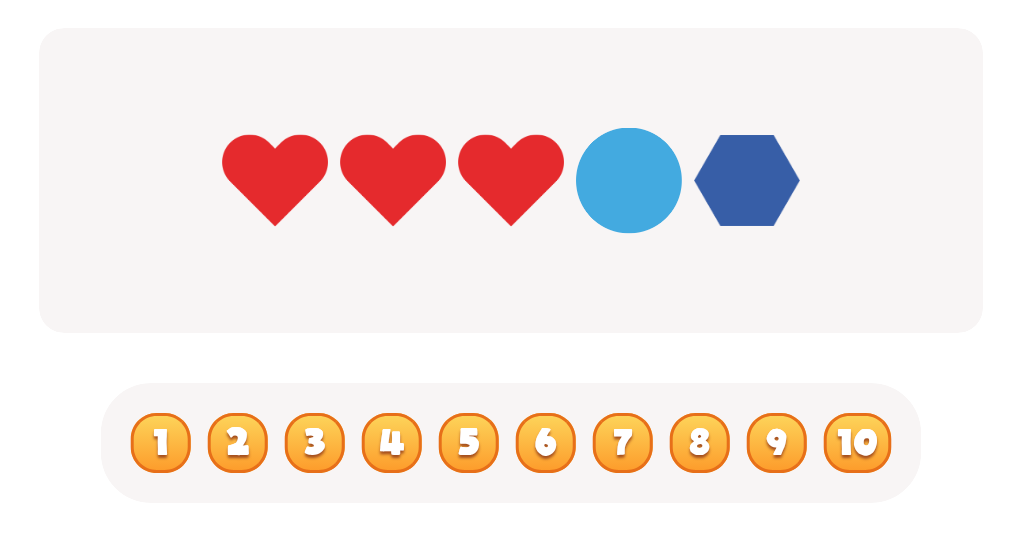

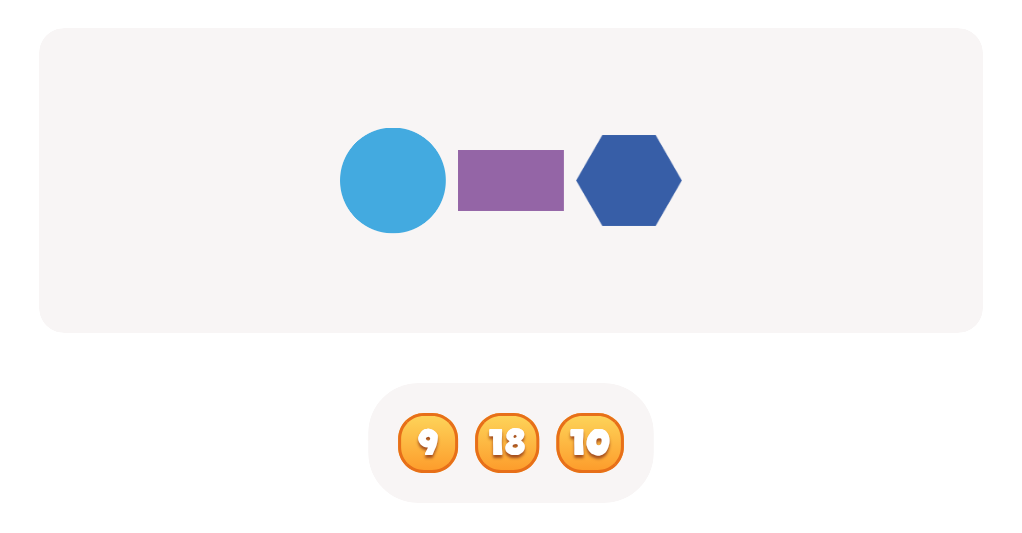

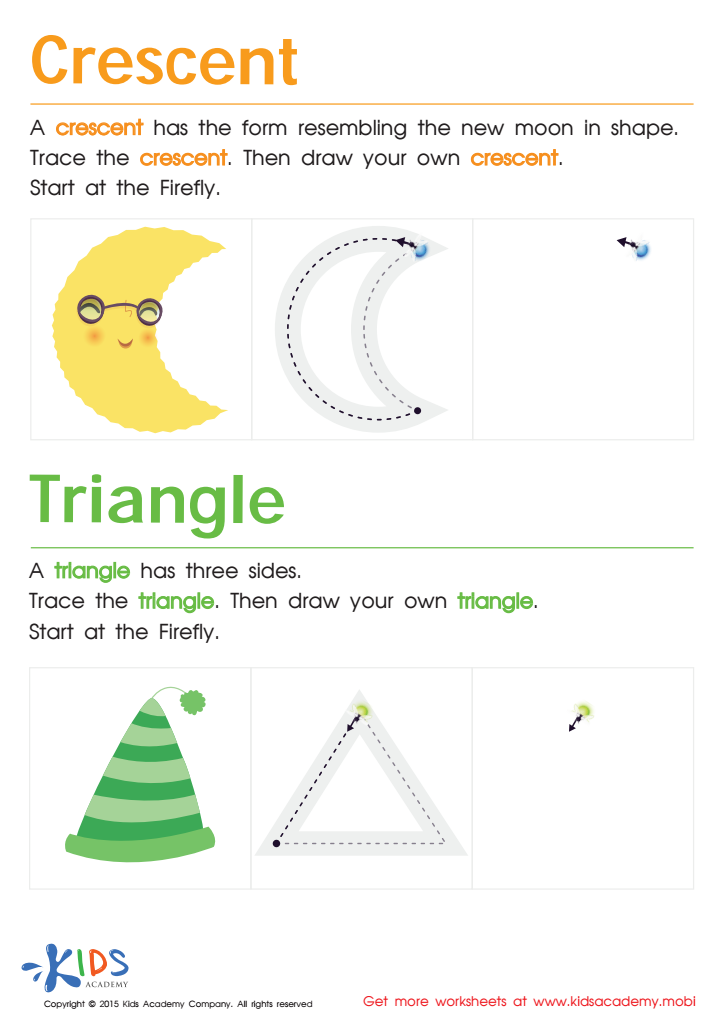
Learning to Draw Crescents And Triangles Worksheet
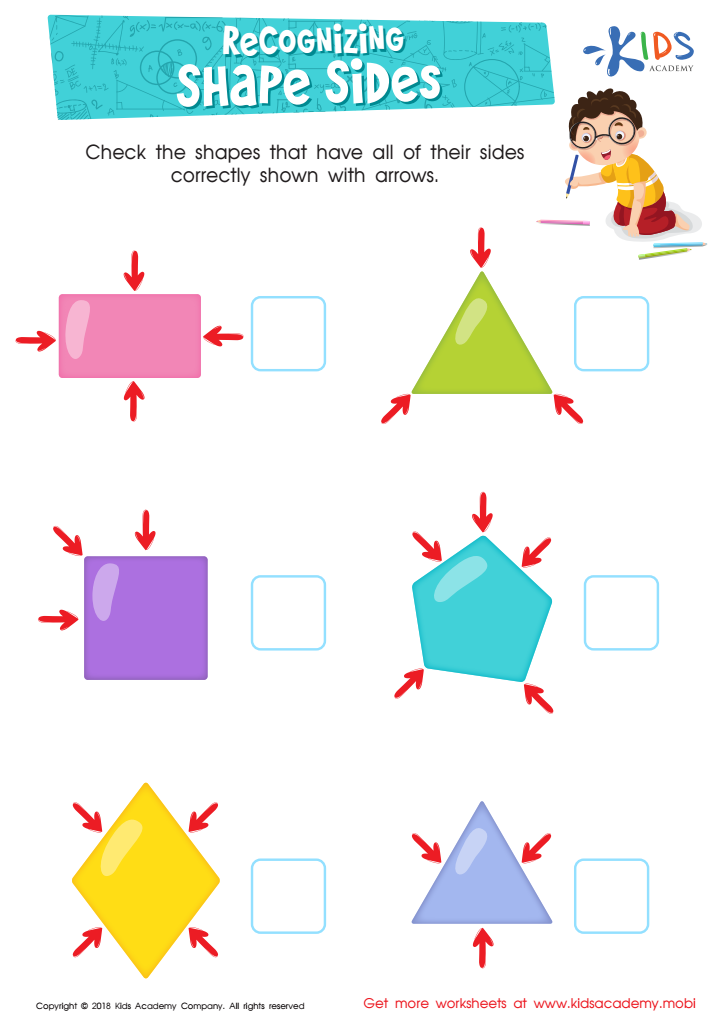
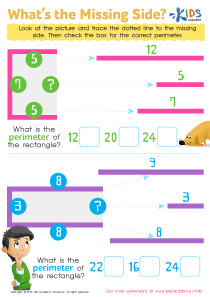
Recognizing Shape Sides Worksheet
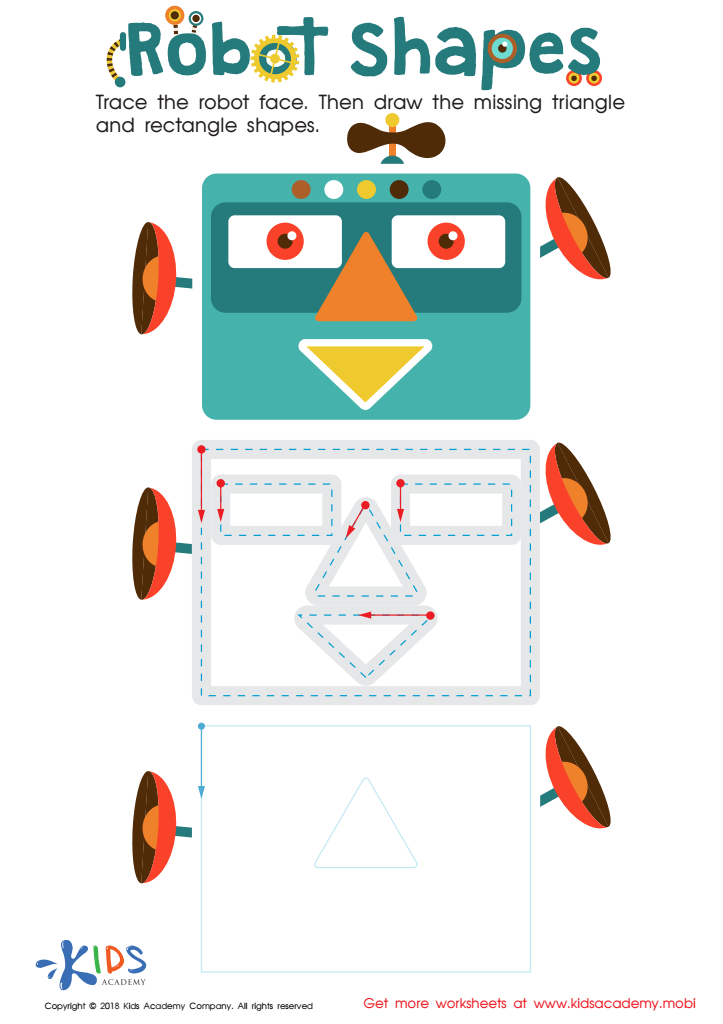
Robot Shapes Worksheet
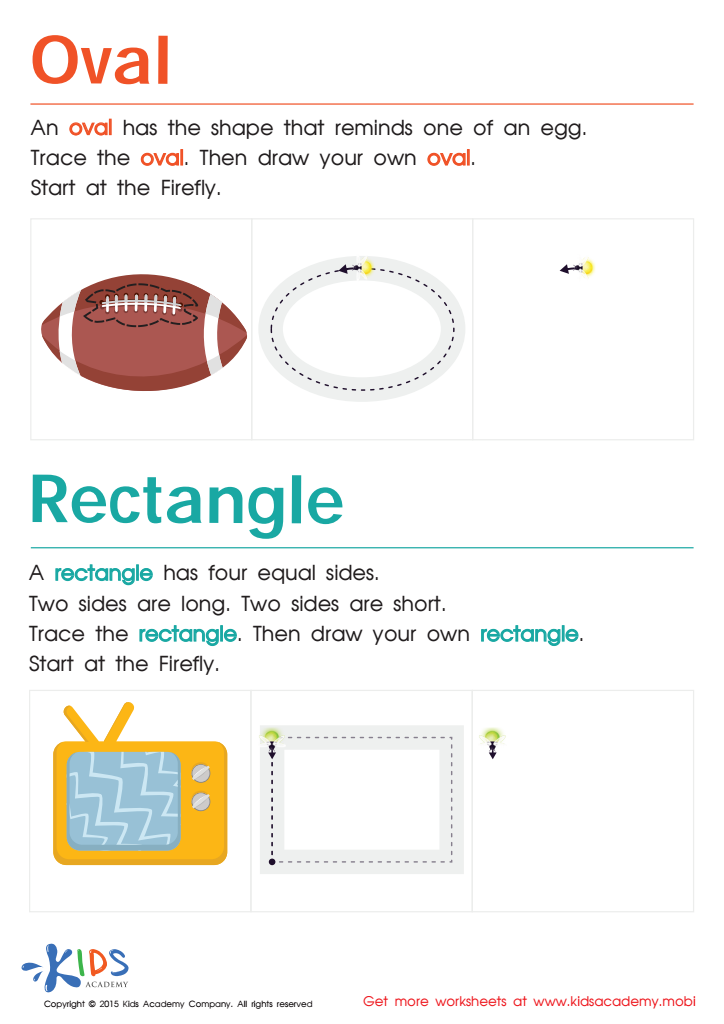
Easy Drawing of Ovals And Rectangles Worksheet








Fine motor skills and the understanding of normal 2D shapes are crucial for children aged 3-6 as they lay the foundation for future learning and development. Fine motor skills involve the use of small muscles in the hands and fingers, which are essential for tasks like writing, buttoning clothes, and using utensils. By practicing these skills, children enhance their hand-eye coordination, dexterity, and spatial awareness.
Understanding normal 2D shapes is equally important as it reinforces our understanding of geometry and lays the groundwork for mathematical concepts. When children learn to identify, draw, and manipulate shapes like squares, circles, and triangles, they develop critical thinking and problem-solving skills. Moreover, incorporating shape-based activities promotes creativity as children engage in art projects, block play, and puzzles.
Parents and teachers should care about fostering these skills because they are instrumental in a child’s overall growth and preparedness for formal education. Early mastery of fine motor skills and shape recognition not only builds confidence but also empowers children to become more independent and successful learners in the classroom. Supporting these areas helps ensure that children are equipped with the essential tools needed for a bright academic future.