Color Identification Normal Math Worksheets for Ages 3-6
10 filtered results
-
From - To
Discover a vibrant collection of color identification math worksheets specifically designed for children aged 3-6! Our engaging resources foster early learning by combining essential math skills with the joy of color recognition. Featuring colorful illustrations and interactive activities, these worksheets help young learners explore numbers, shapes, and the basics of counting while enhancing their ability to identify and name various colors. Perfect for parents and educators, our printable worksheets are a valuable tool for preschool and kindergarten classrooms. Encourage creativity and cognitive development while making learning fun and exciting with our Color Identification Normal Math Worksheets! Start printing and let the learning begin!
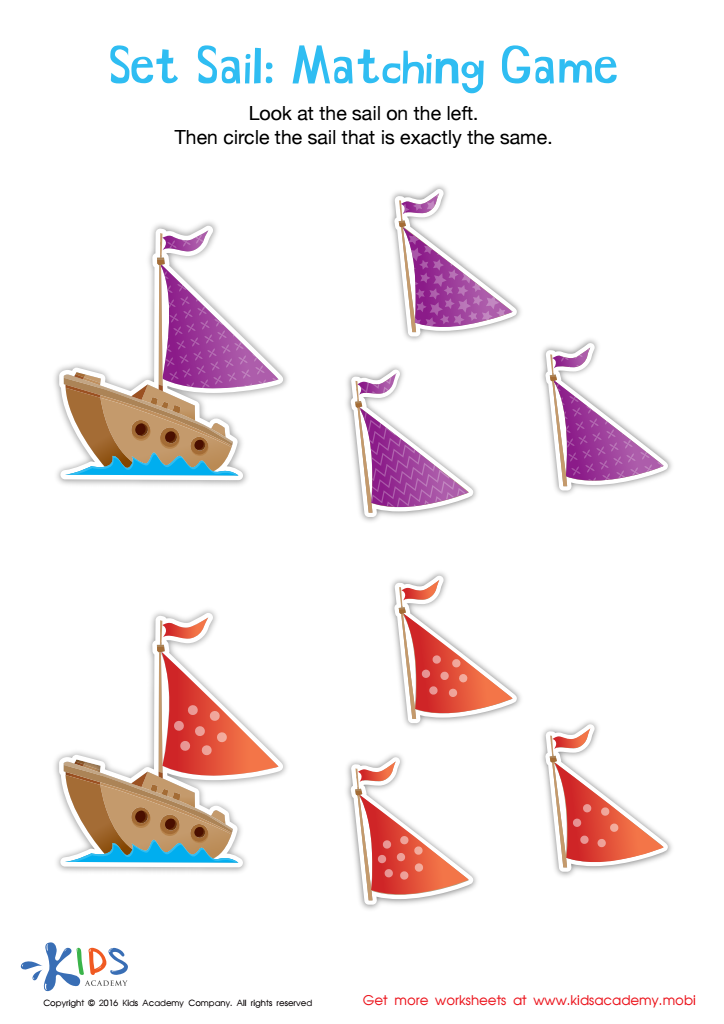
Set Sail Worksheet
 Assign to My Students
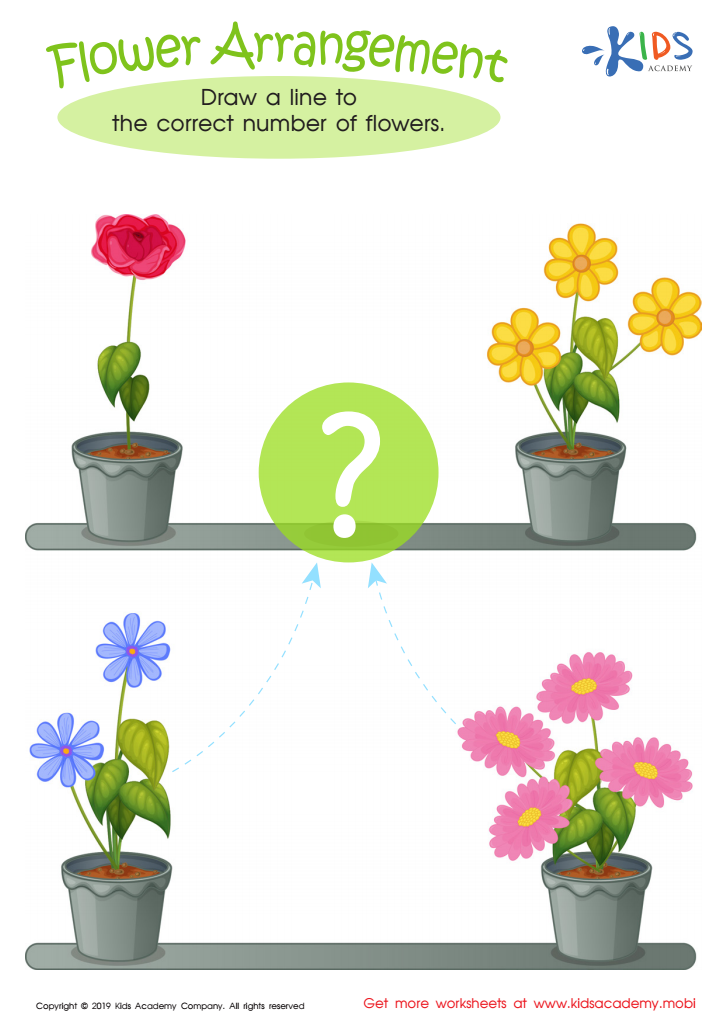
Flower Arrangement Worksheet
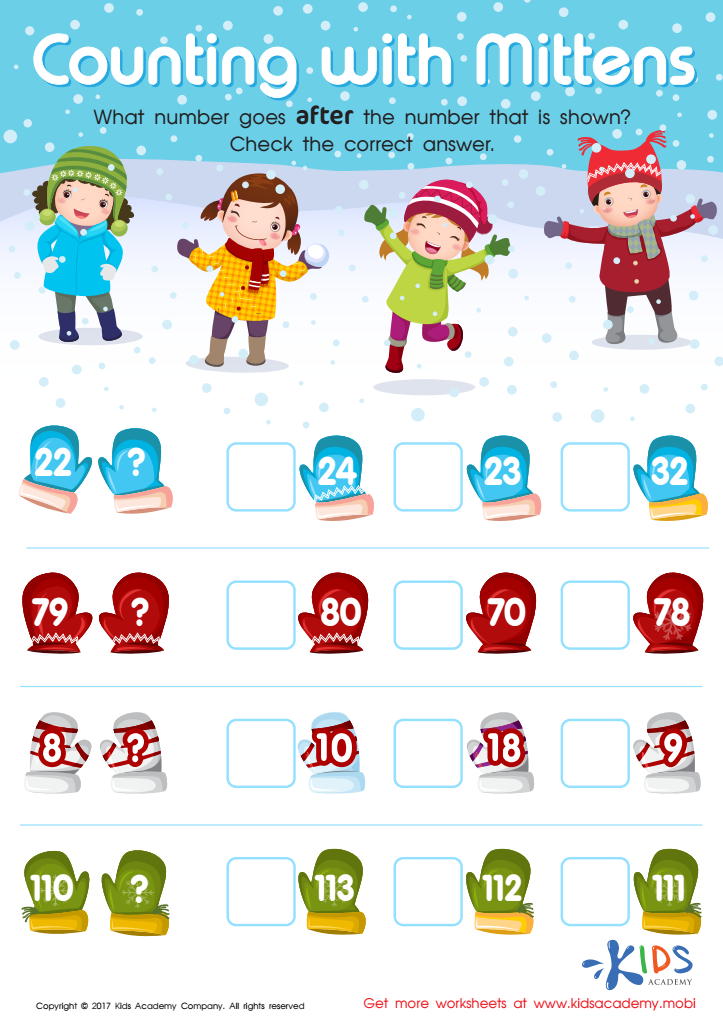
Counting with Mittens Worksheet
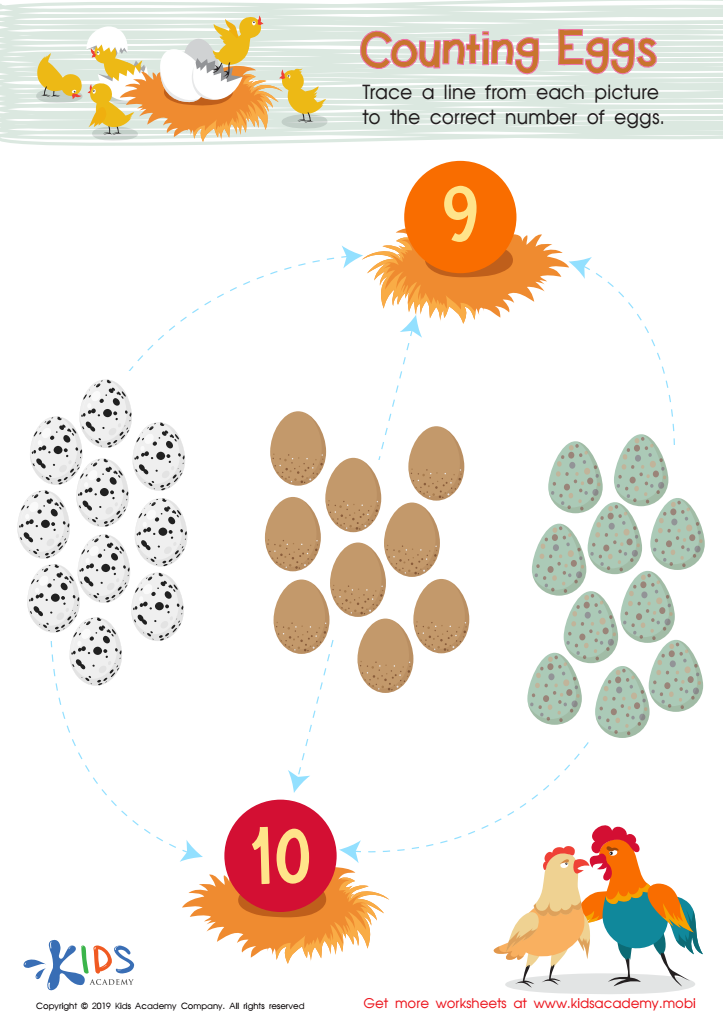
Counting Eggs Worksheet
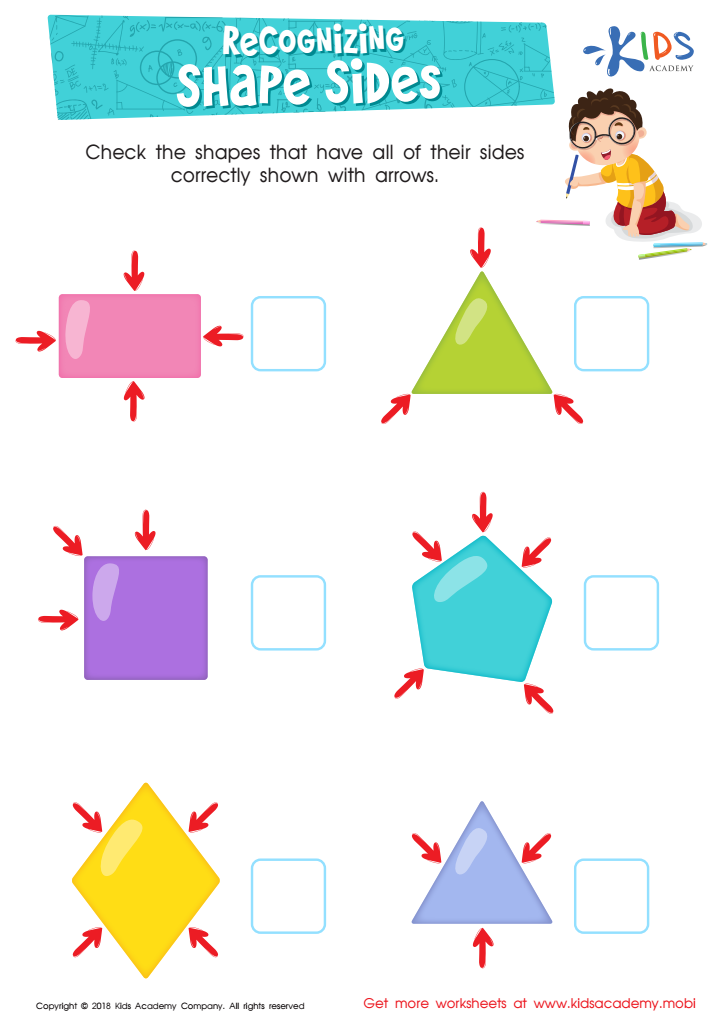
Recognizing Shape Sides Worksheet
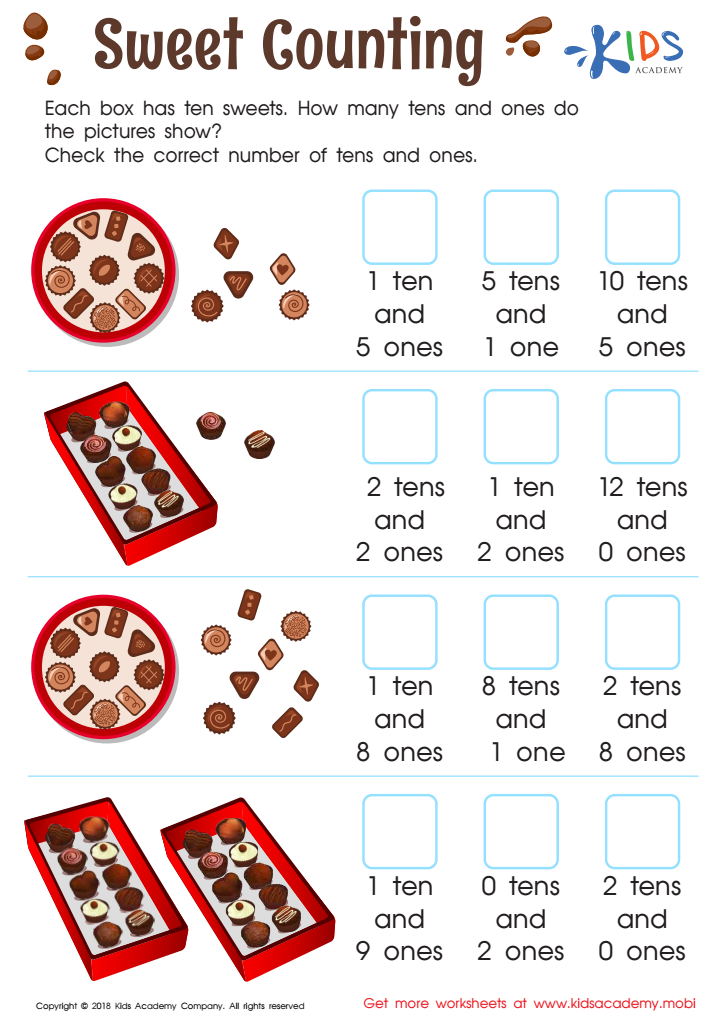
Sweet Counting - Part 2 Worksheet
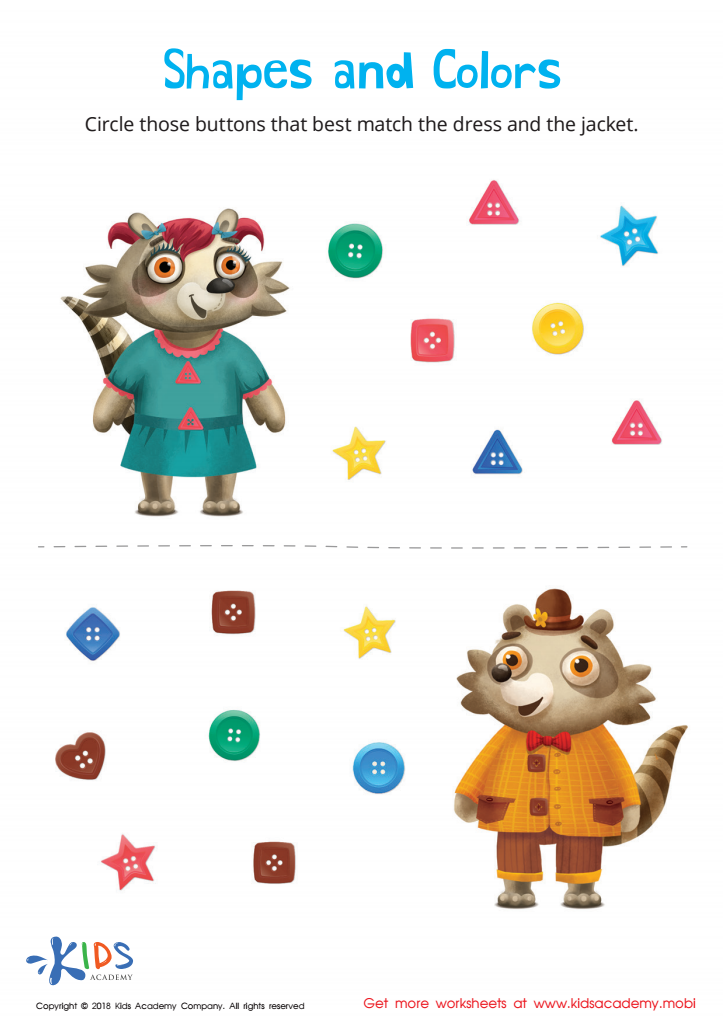
Shapes and Colors Worksheet
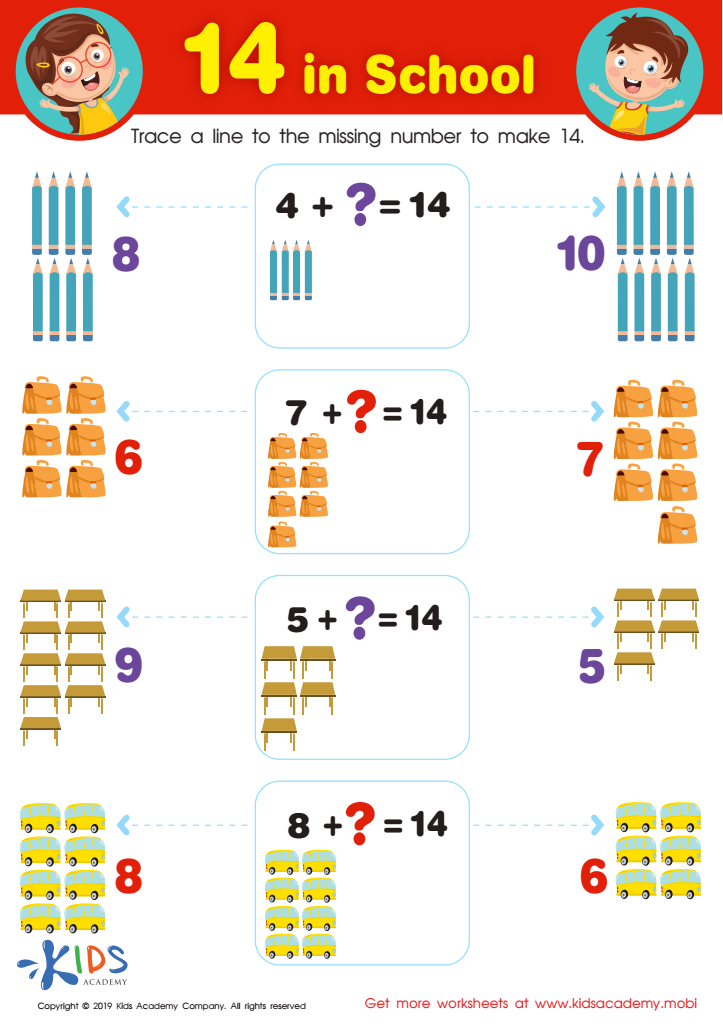
14 in School Worksheet
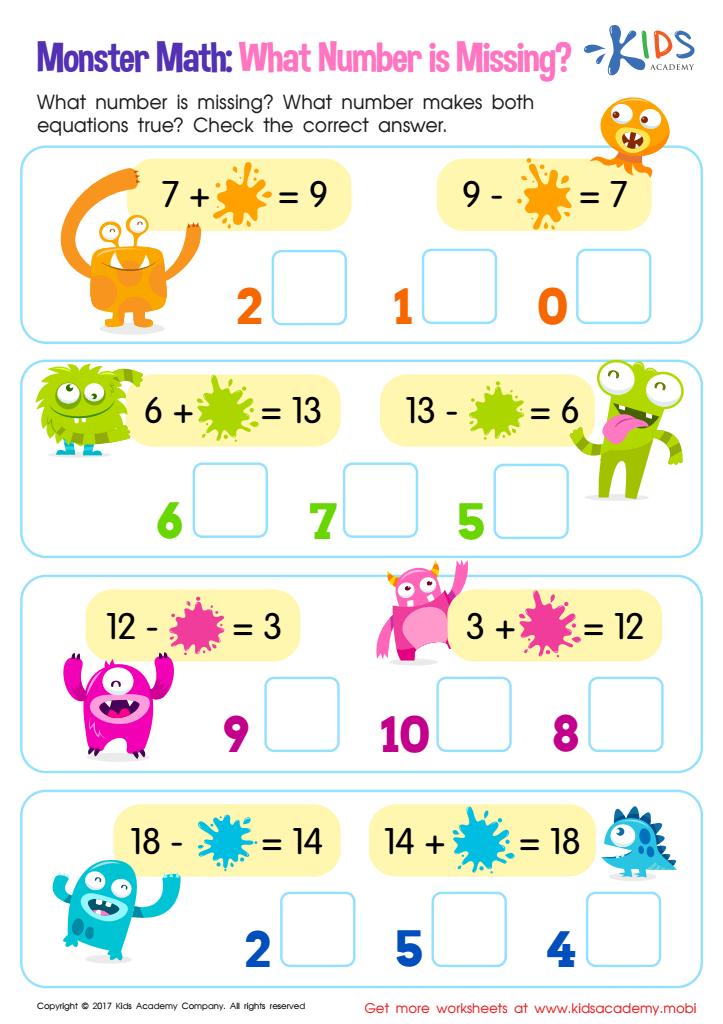
Missing Number: Monster Math Worksheet








Color identification is a foundational skill for young children, particularly those aged 3-6, and it plays a vital role in early math development. Recognizing colors not only enhances a child's ability to describe the world around them, but it also supports cognitive development and encourages creativity. When children learn to identify colors, they are simultaneously developing their observational skills, which are essential for understanding patterns, sorting, and categorizing—key concepts in mathematics.
Furthermore, incorporating color identification into mathematical activities can make learning more engaging and enjoyable. For instance, using colored objects for counting, sorting, or simple addition and subtraction introduces a visual and interactive dimension to mathematics. This approach helps children grasp abstract mathematical concepts through tangible experiences.
Parents and teachers should care about color identification as it fosters a foundational skill set that promotes confidence in math and geometry, essential areas in later education. By strengthening color recognition, adults support children's overall learning by creating bold, memorable learning experiences that stimulate curiosity and enhance their innate love for learning. Early proficiency in identifying colors sets the stage for smoother transitions into more complex mathematical tasks as children grow.








