Normal Reading Worksheets for Ages 3-6 - Page 2
186 filtered results
-
From - To
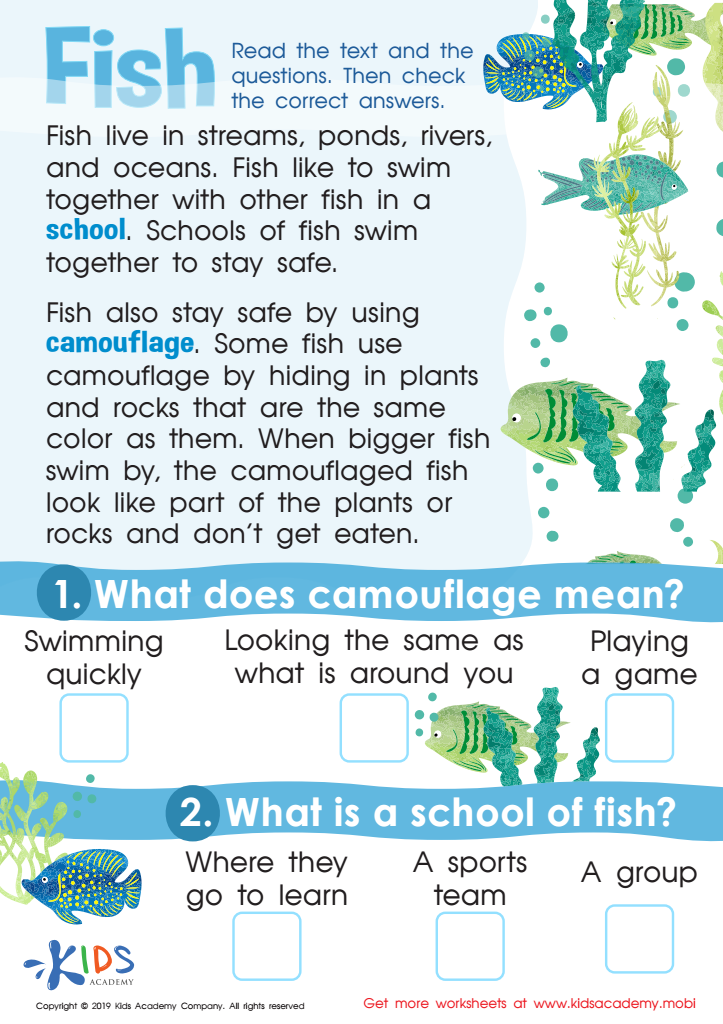
Fish Worksheet
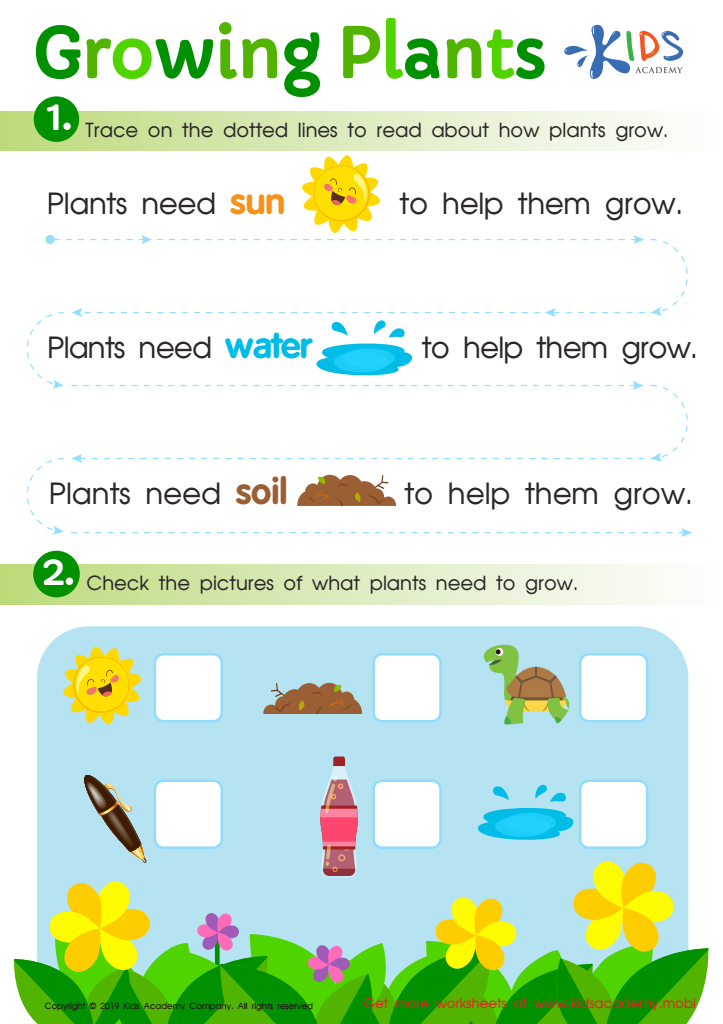
Growing Plants Worksheet
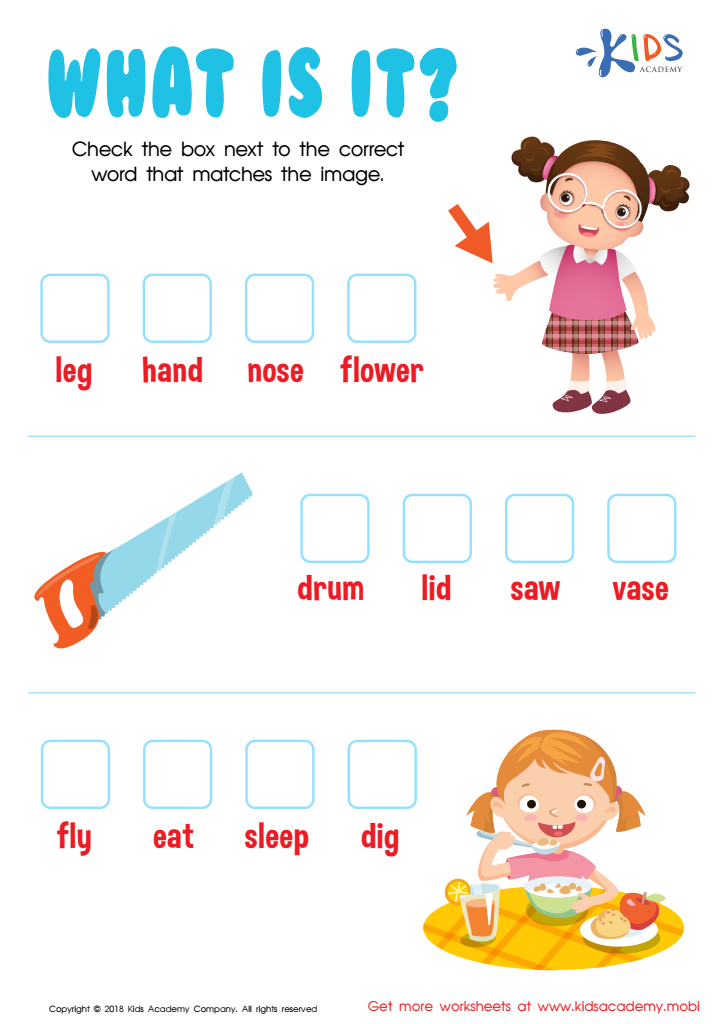
What Is It? Worksheet
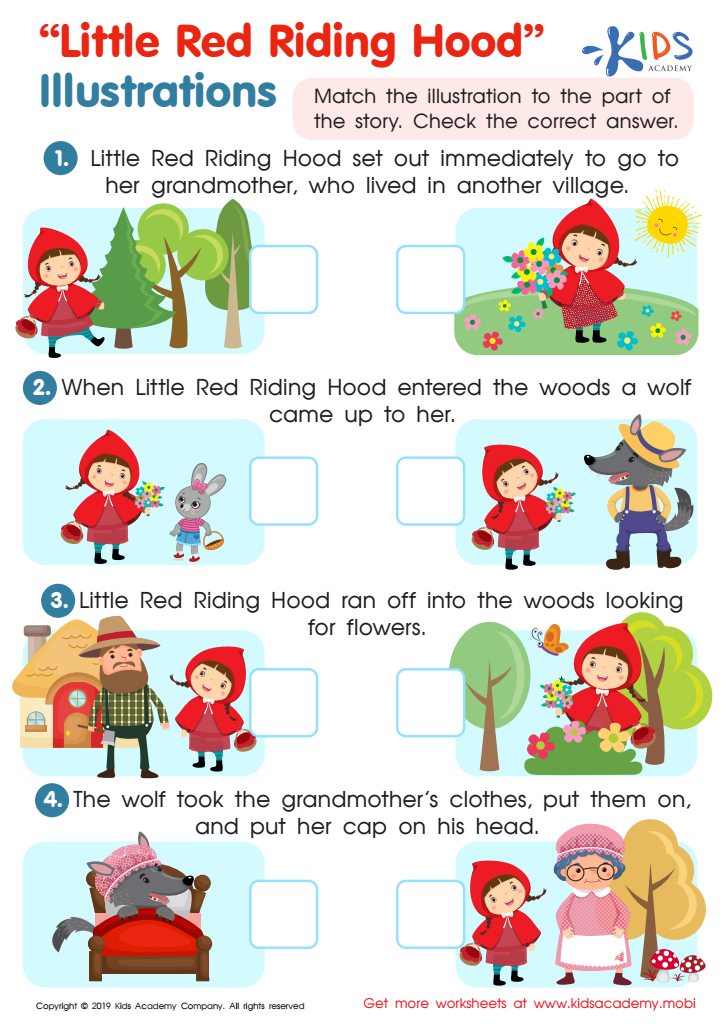
Little Red Riding Hood: Illustrations Worksheet
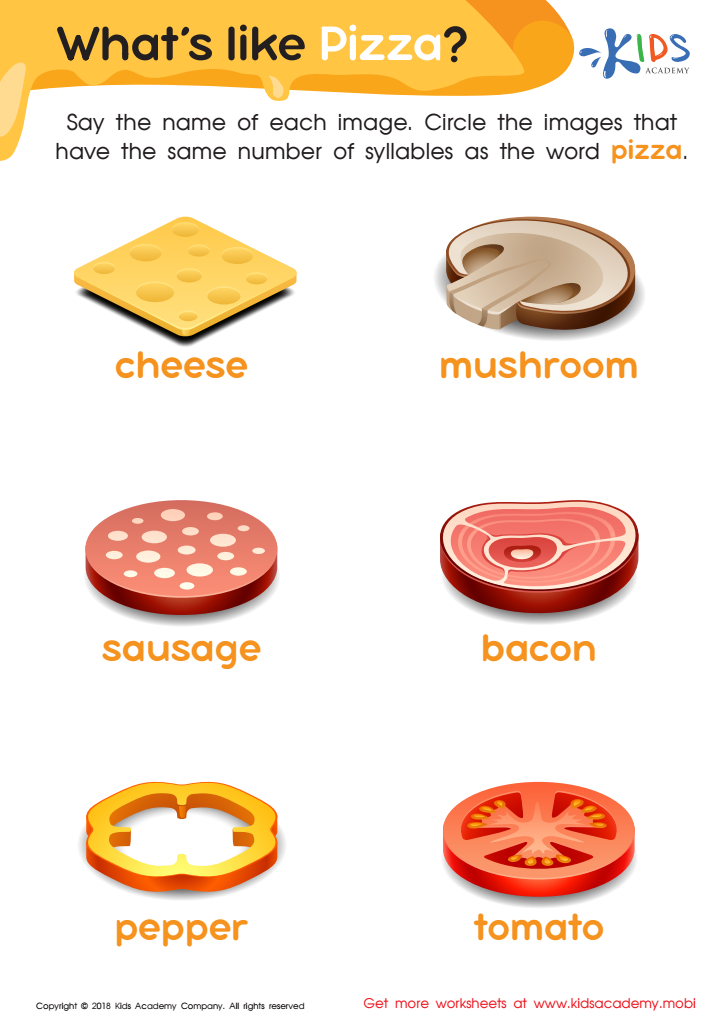
What's Like Pizza? Worksheet
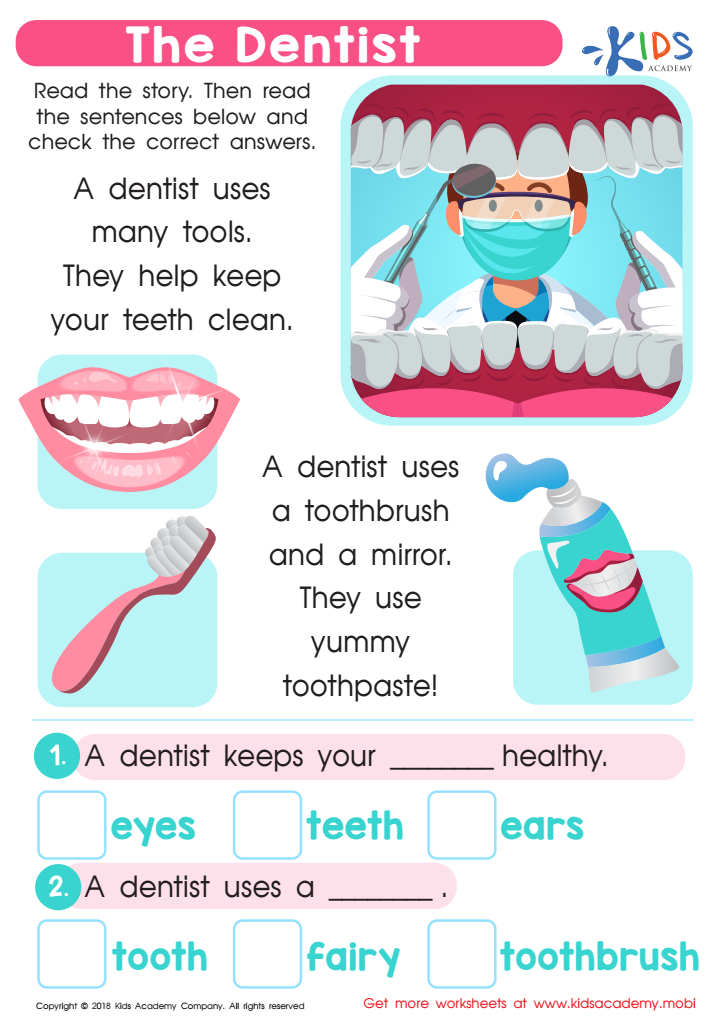
The Dentist Worksheet
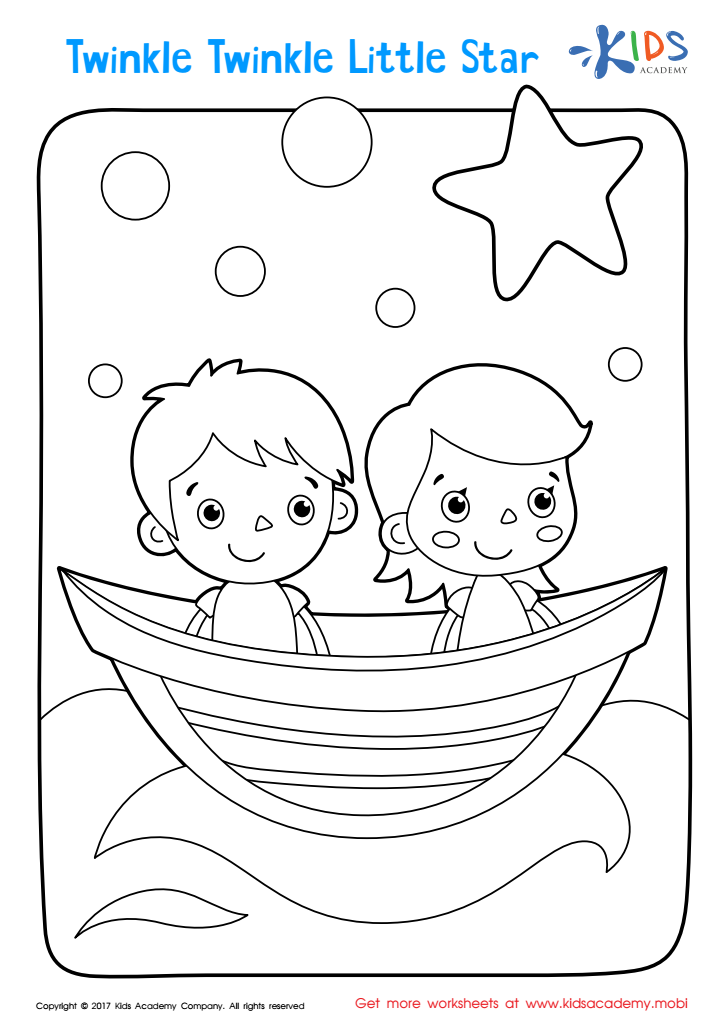
Twinkle Twinkle Little Star Coloring Page
 Assign to My Students
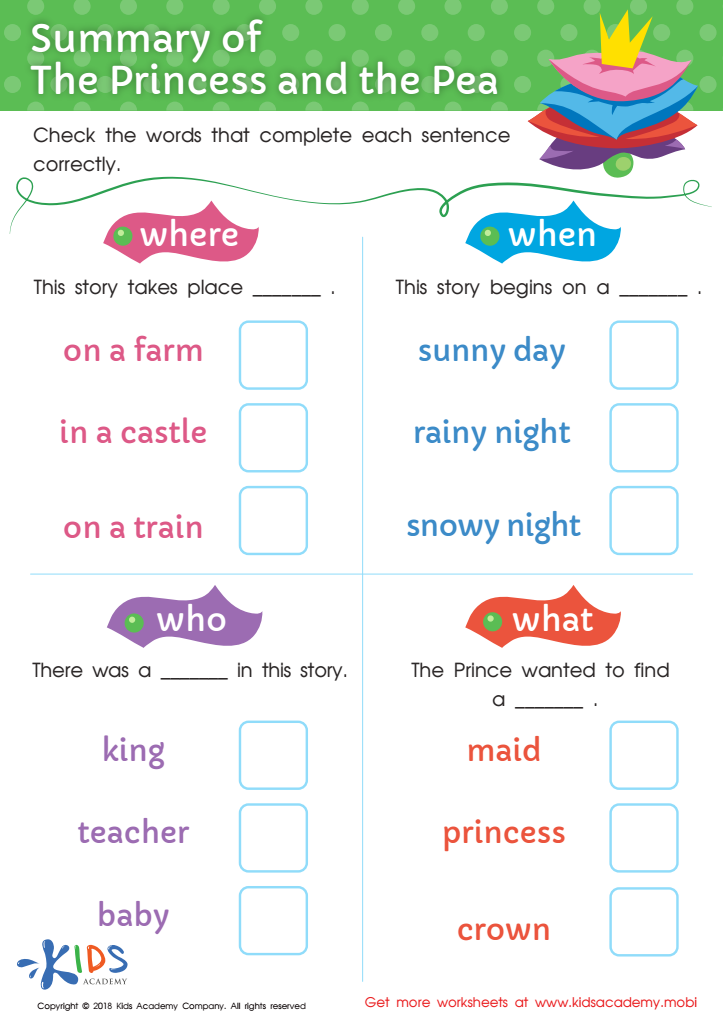
The Summary of the Princess and the Pea Worksheet
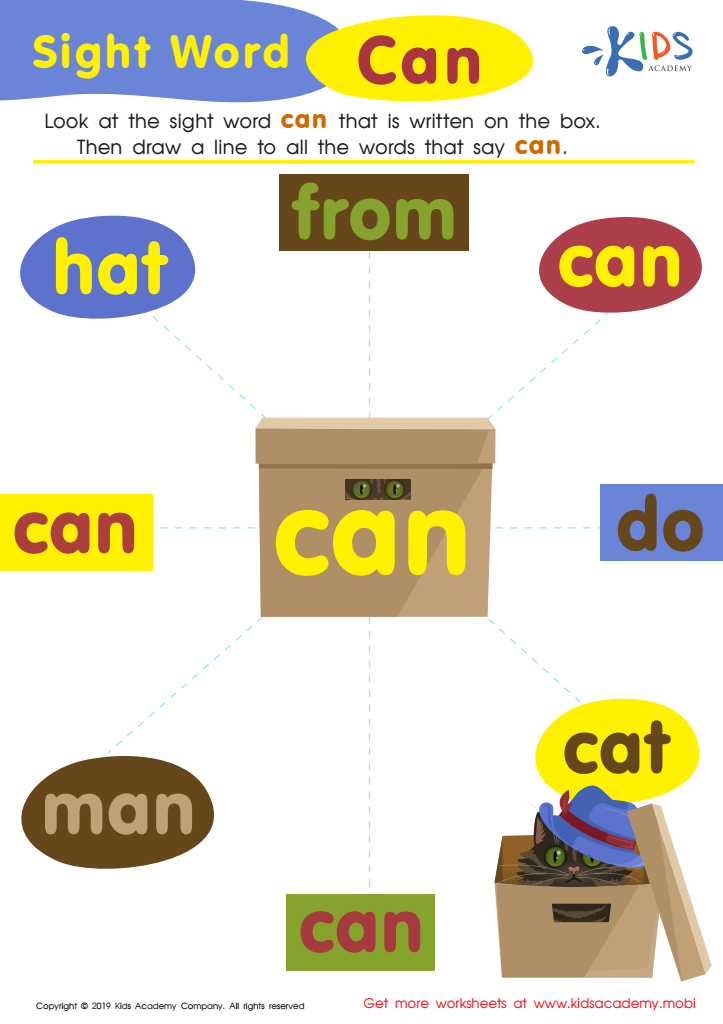
Sight Word Can Worksheet
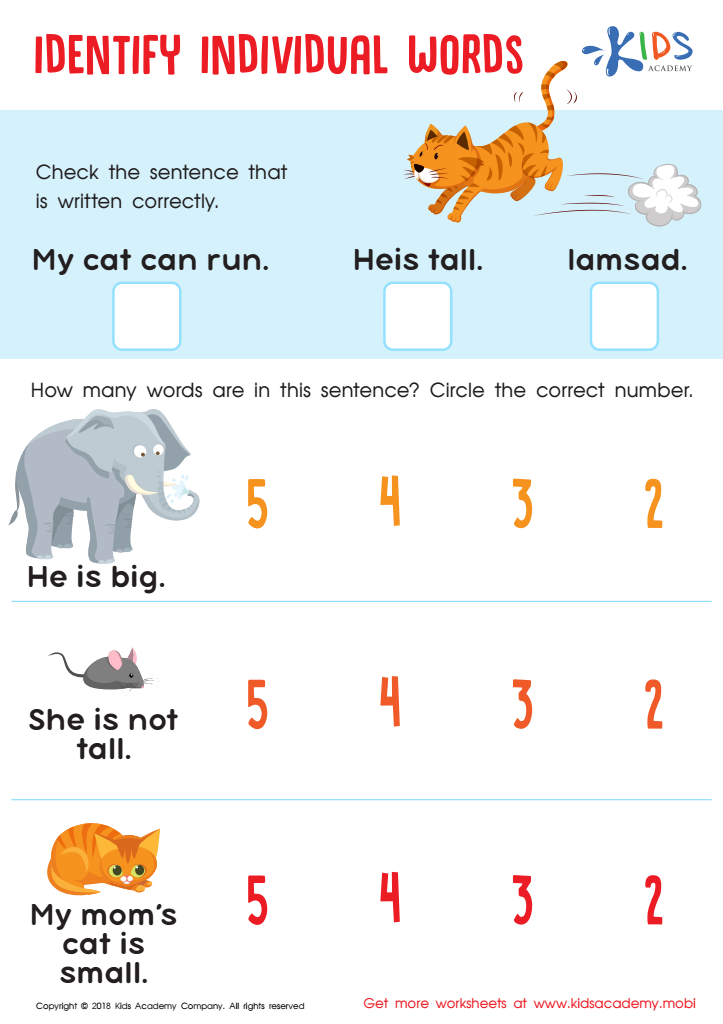
Identify Individual Words Worksheet
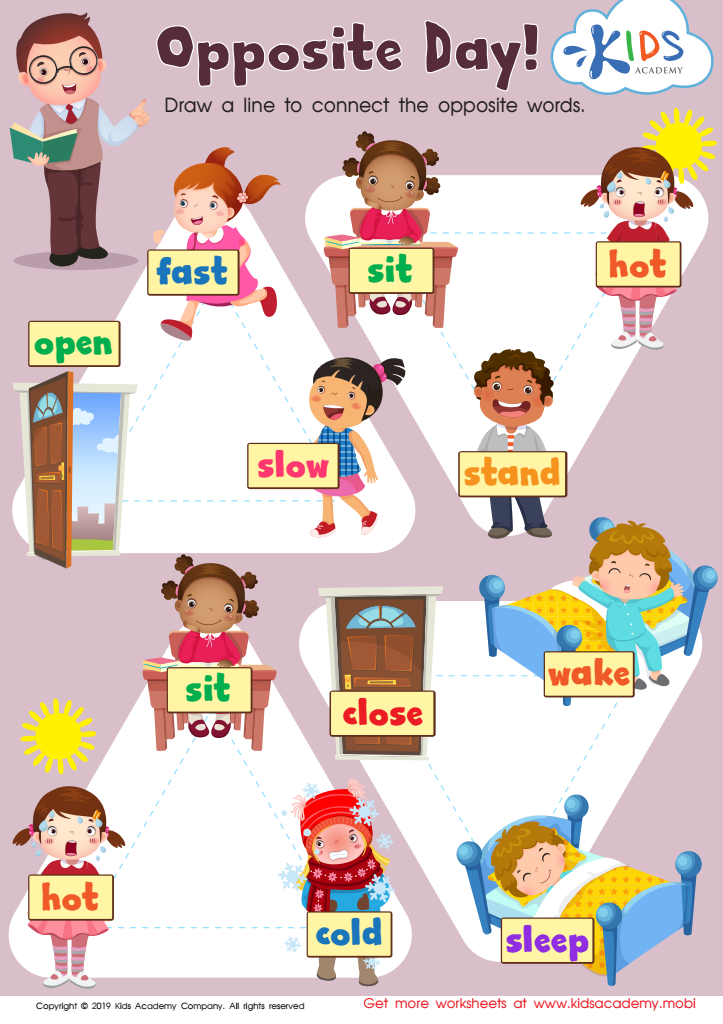
Opposite Day Worksheet
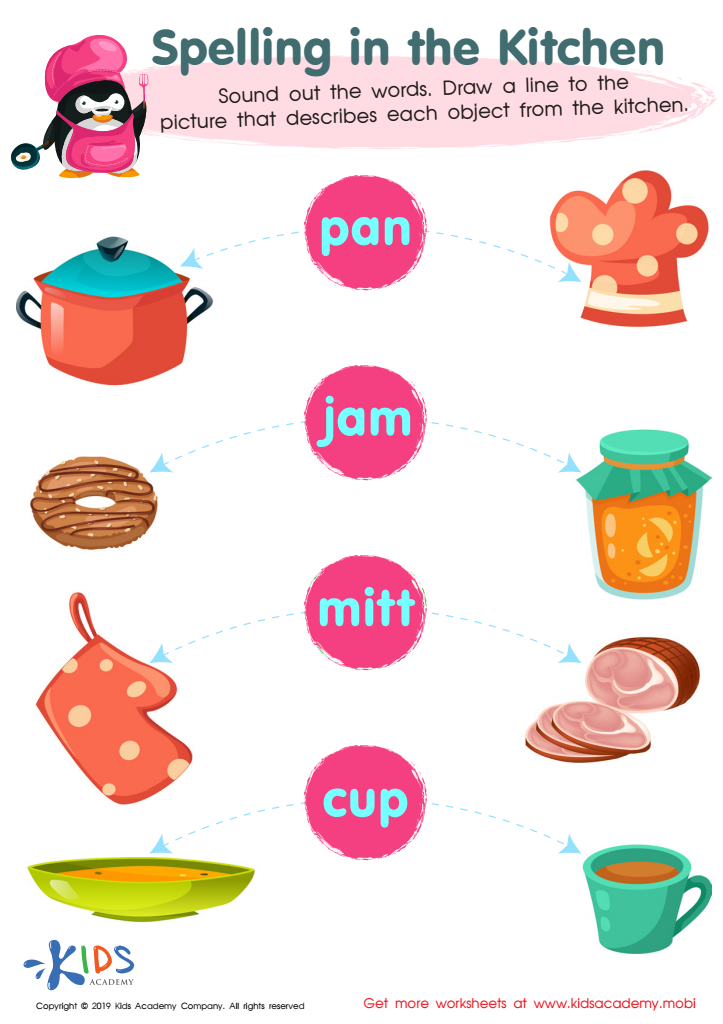
Spelling in the Kitchen Worksheet
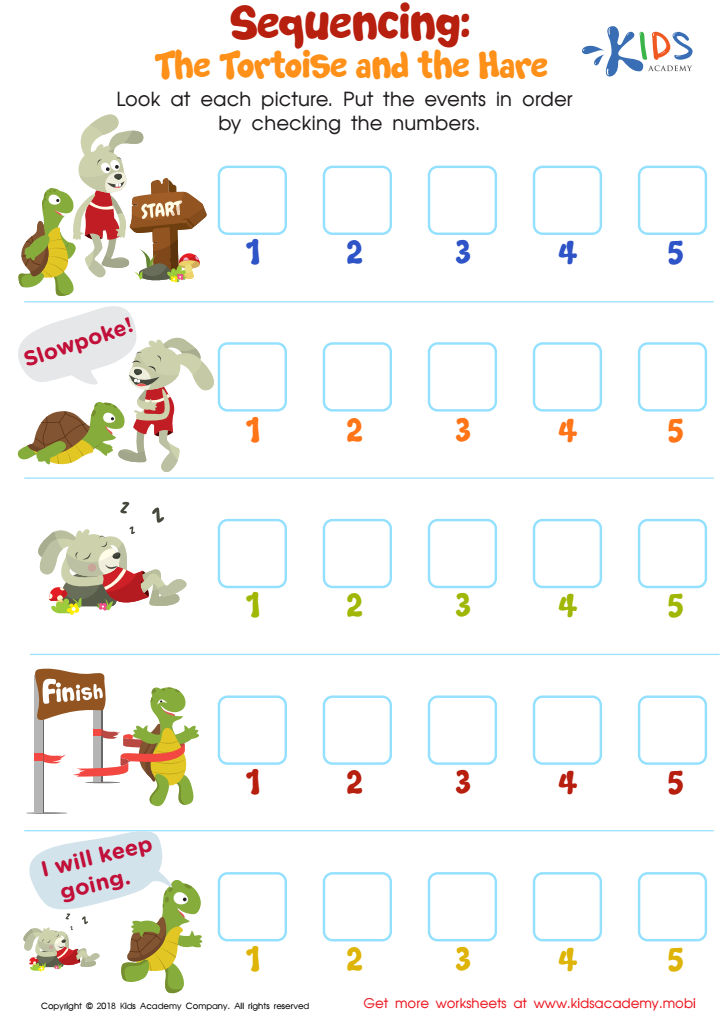
Sequencing: The Tortoise and the Hare Worksheet
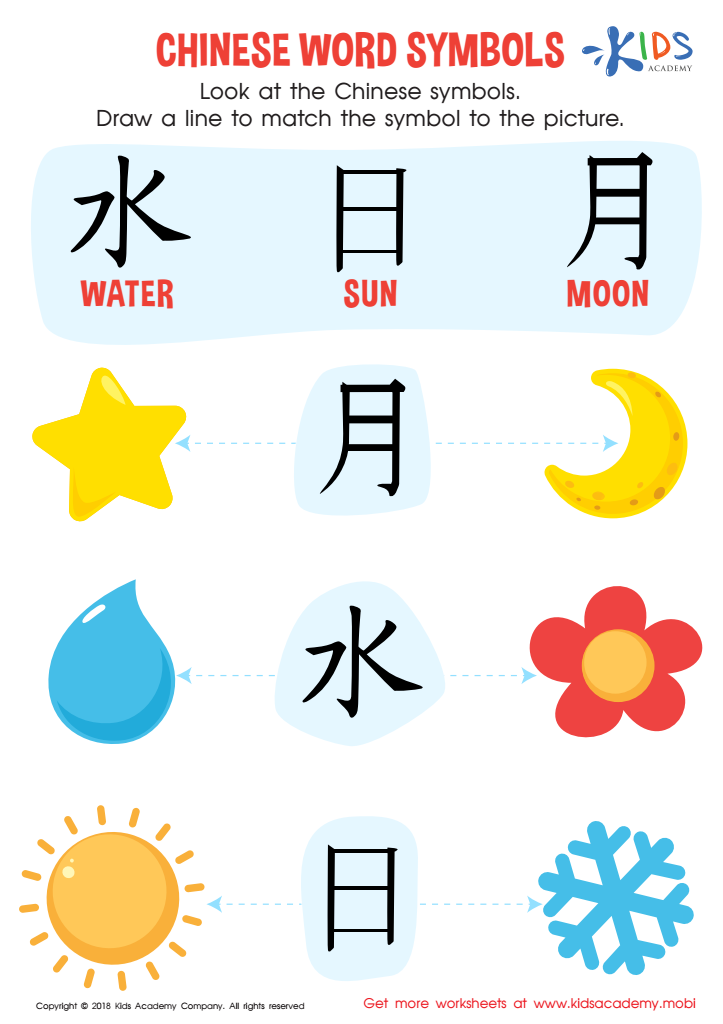
Chinese Word Symbols Worksheet
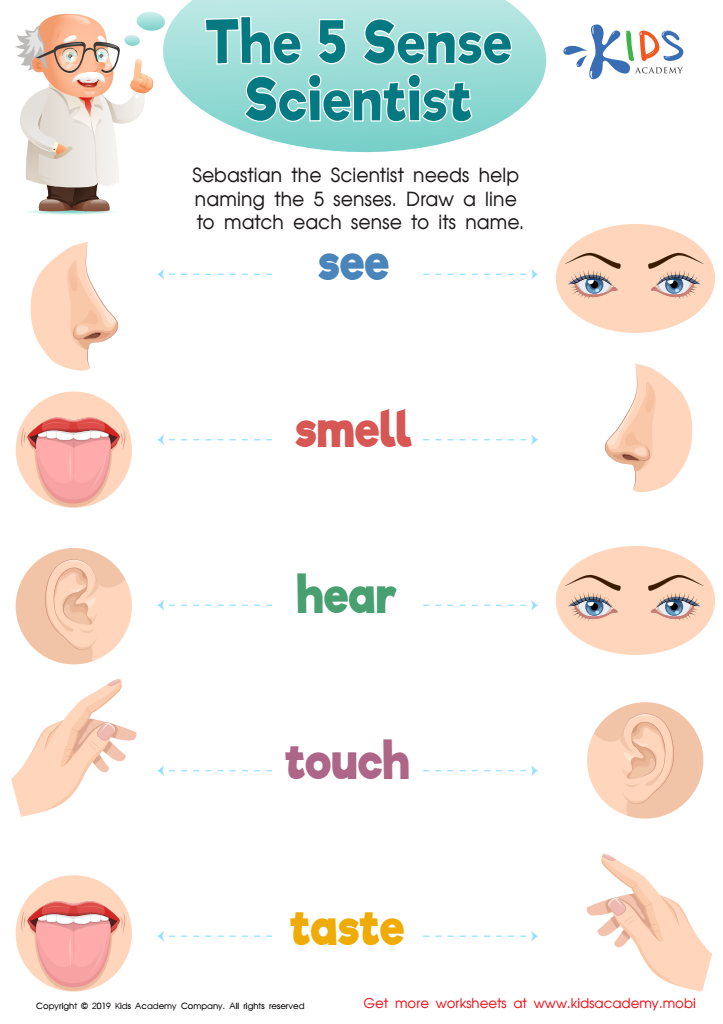
The 5 Sense Scientist Worksheet
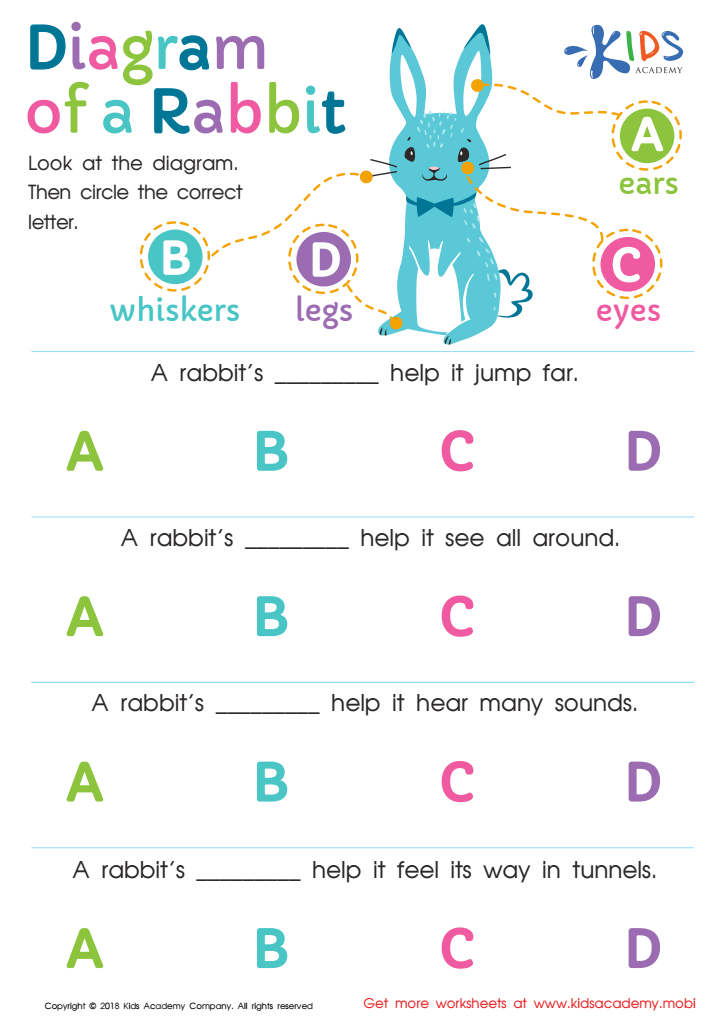
Diagram of a Rabbit Worksheet
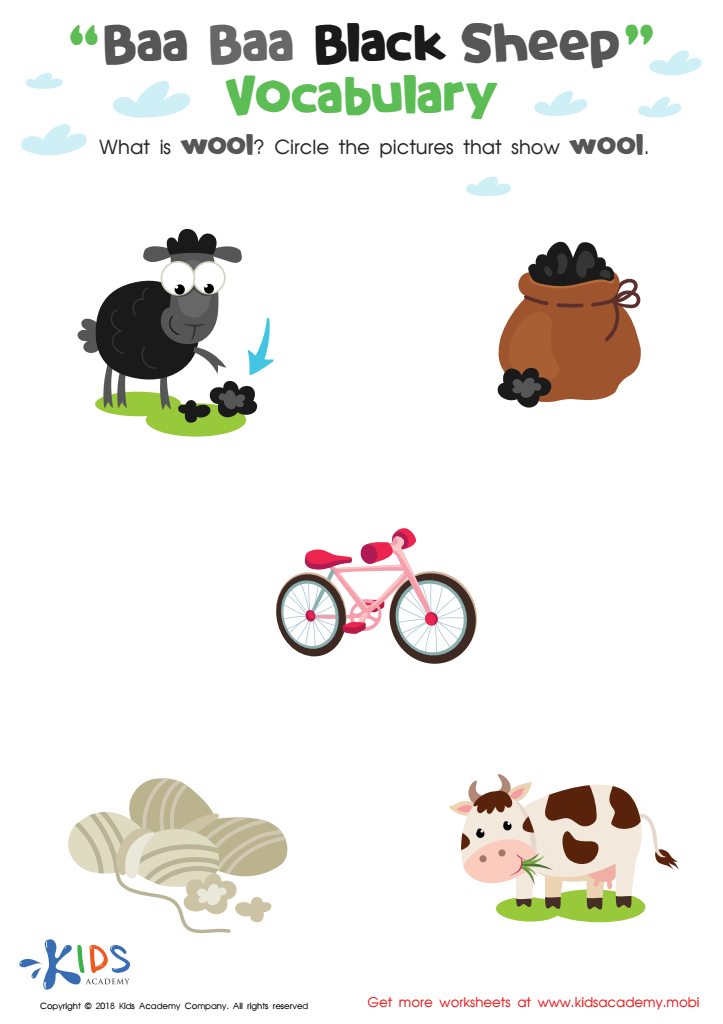
Baa Baa Black Sheep: Vocabulary Worksheet
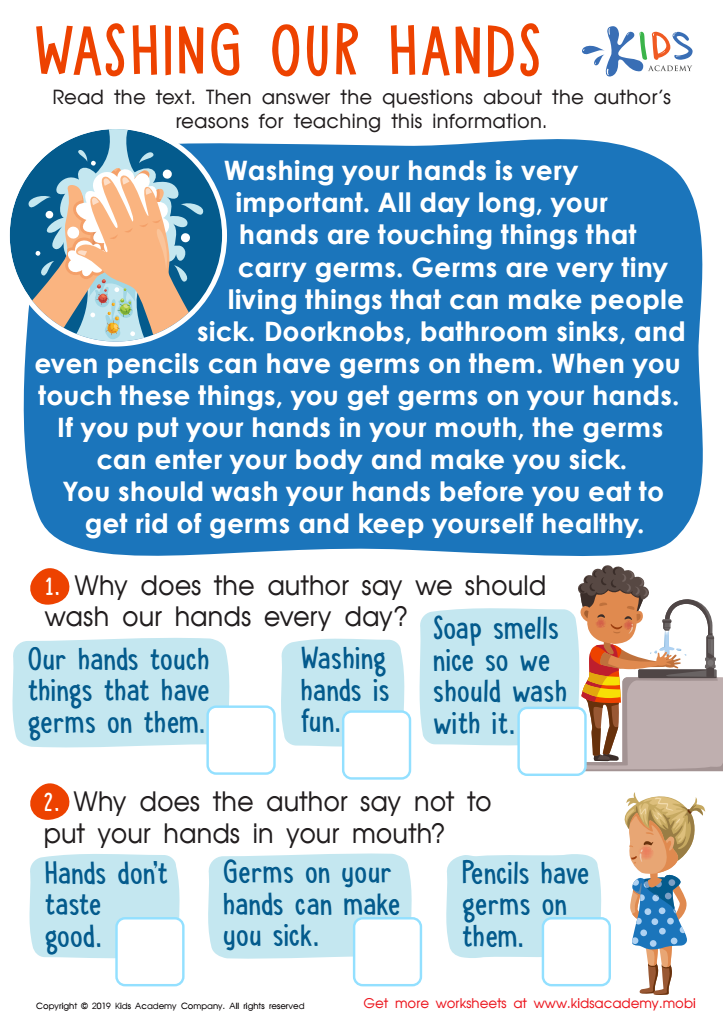
Washing Our Hands Worksheet
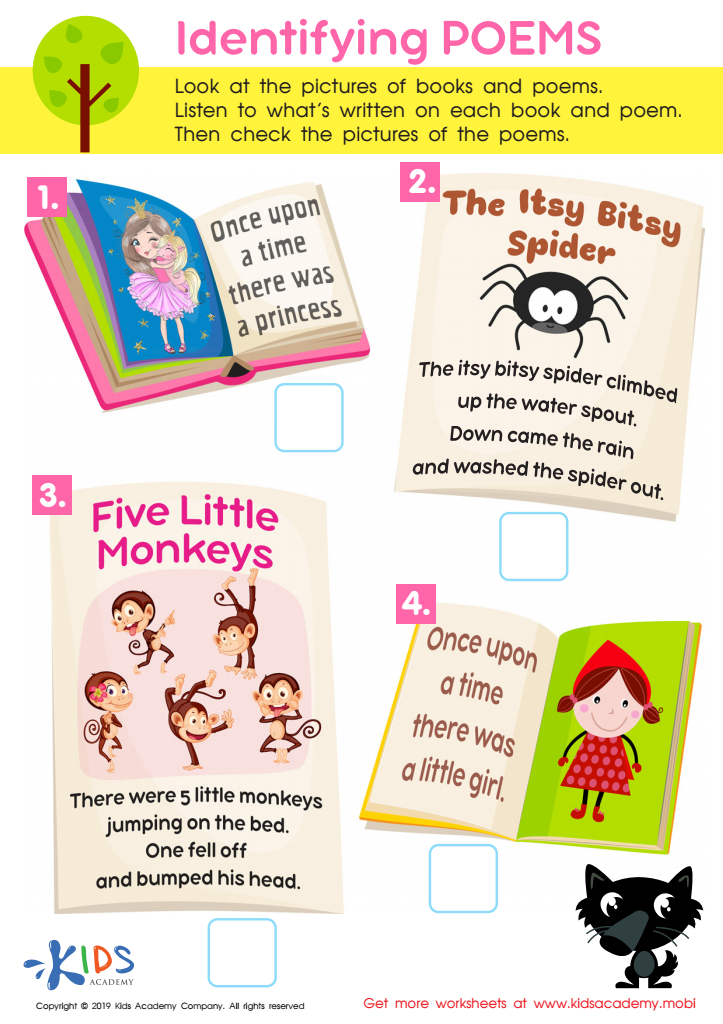
Identifying Poems Worksheet
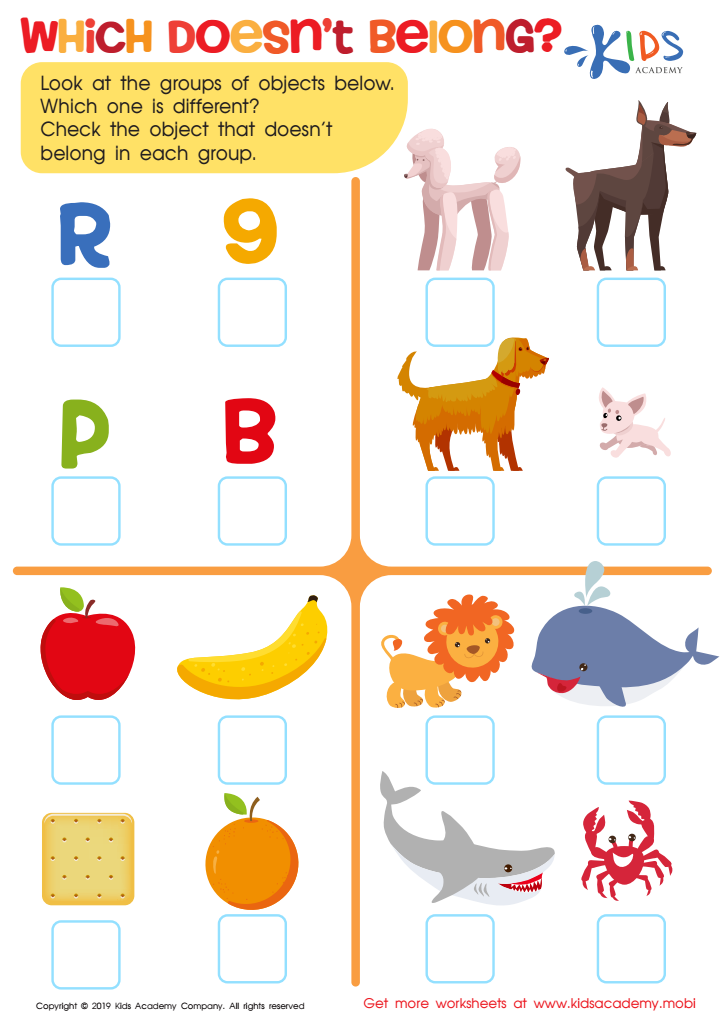
Which Doesn't Belong? Worksheet
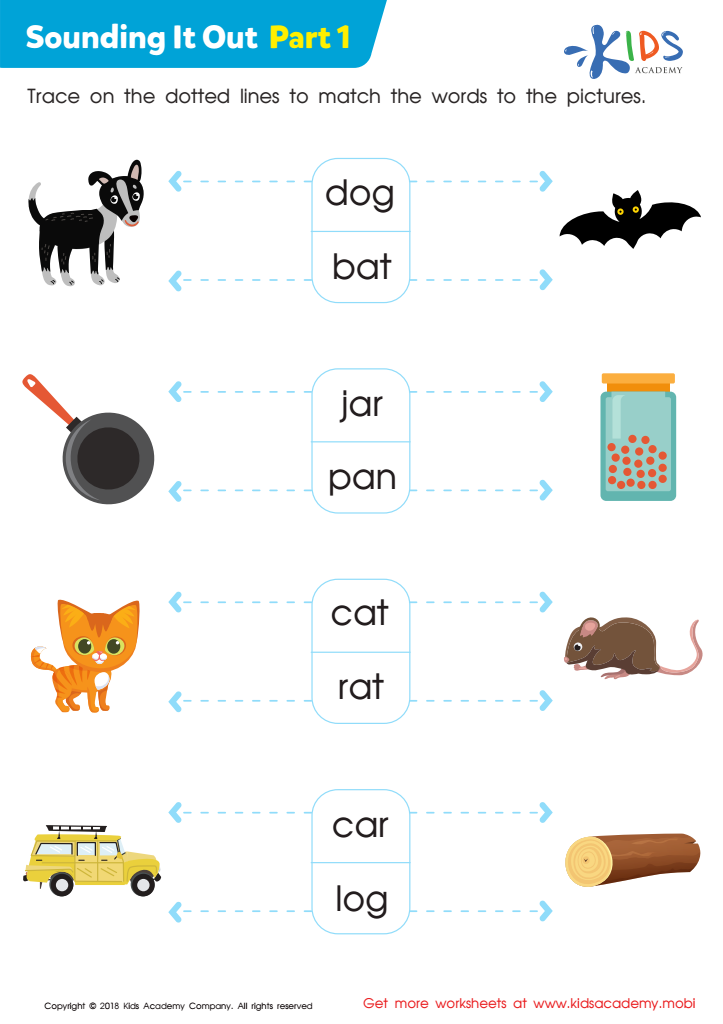
Sounding it Out: Part 1 Worksheet
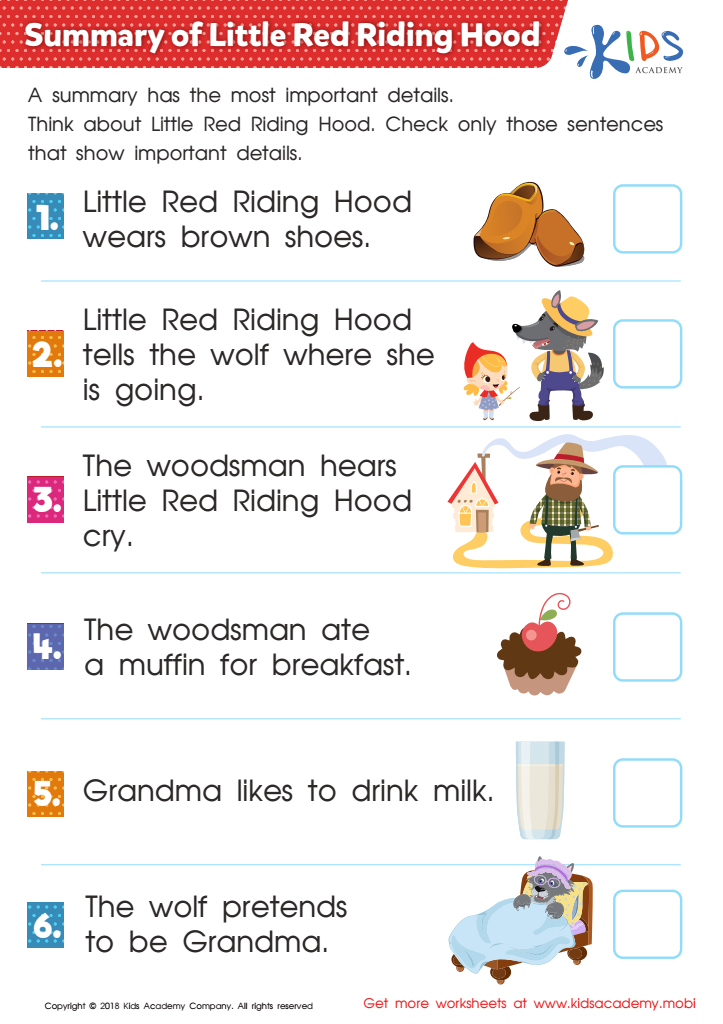
Summary of Little Red Riding Hood Worksheet
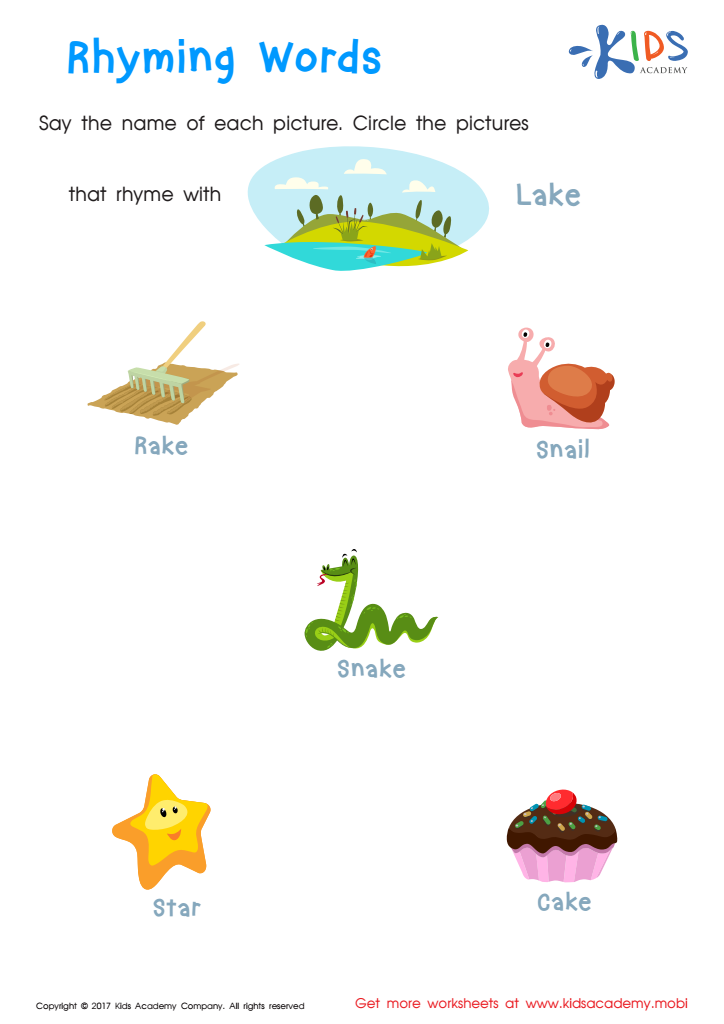
Rhyming Words Rhyming Worksheet
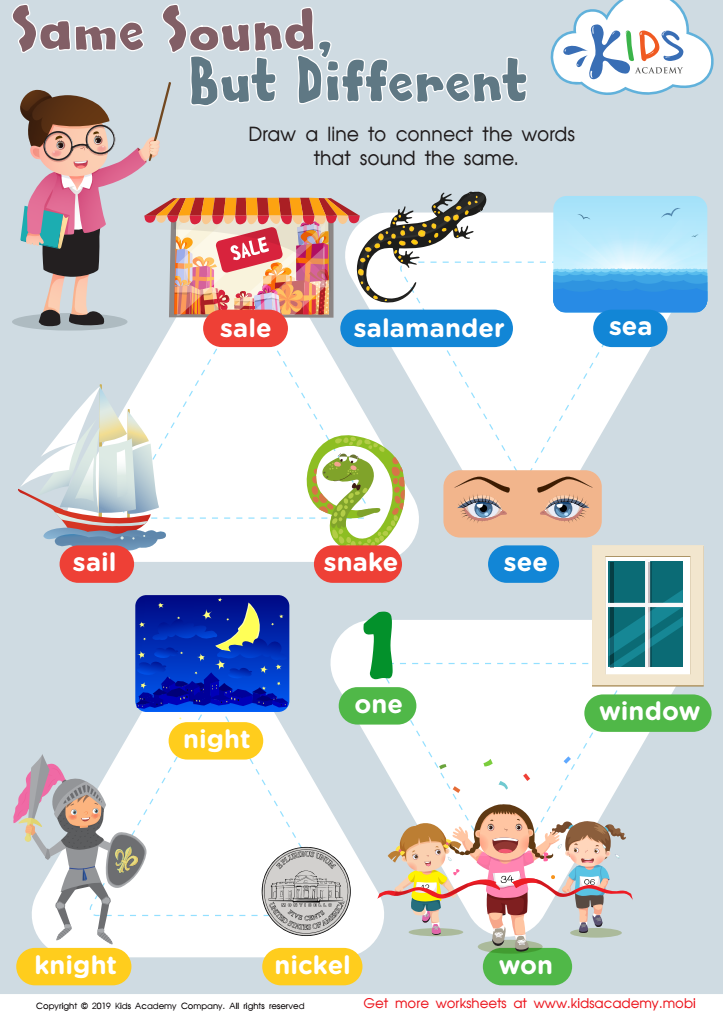
Sound Different Worksheet







Understanding normal reading development for children ages 3-6 is essential for both parents and teachers. This period, often referred to as early childhood, is a foundational stage for cognitive and language skills. During these years, children's brains are highly adaptable and responsive to learning new skills, including reading.
Ensuring children have access to appropriate reading opportunities at this age fosters crucial skills such as vocabulary development, phonemic awareness, and comprehension abilities. These skills are indispensable for later academic success. When kids are exposed to books, storytelling, and other literacy activities, they also develop a positive attitude toward learning and reading, which can persist throughout their educational journey.
Moreover, early reading experiences significantly impact a child's emotional and social development. They provide opportunities for bonding with caregivers and enhance communication skills. For children encountering difficulties, early detection and intervention can prevent more severe learning challenges later.
Overall, recognizing and supporting normal reading development in early childhood sets the stage for academic achievement and lifelong learning. Ensuring children become confident, competent readers requires active involvement from parents and teachers during these formative years. This investment reaps substantial long-term benefits, including better school performance, increased self-esteem, and a long-lasting love of learning.








