Vocabulary enhancement Normal Reading Worksheets for Ages 3-6 - Page 2
44 filtered results
-
From - To
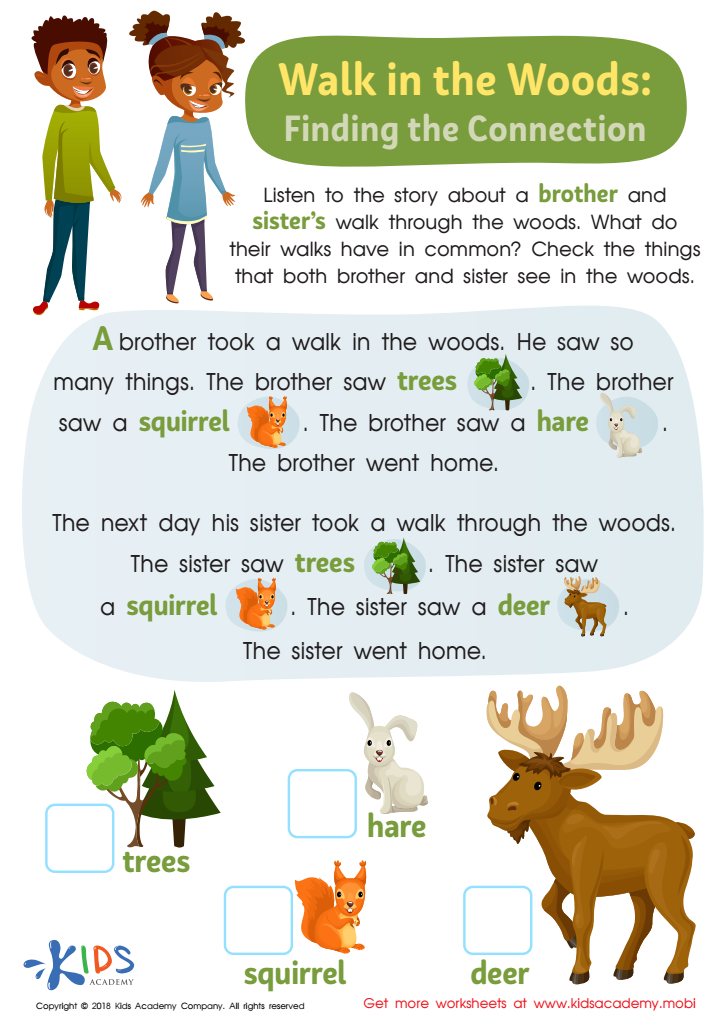
Walk In the Woods: Finding Connections Worksheet
 Assign to My Students
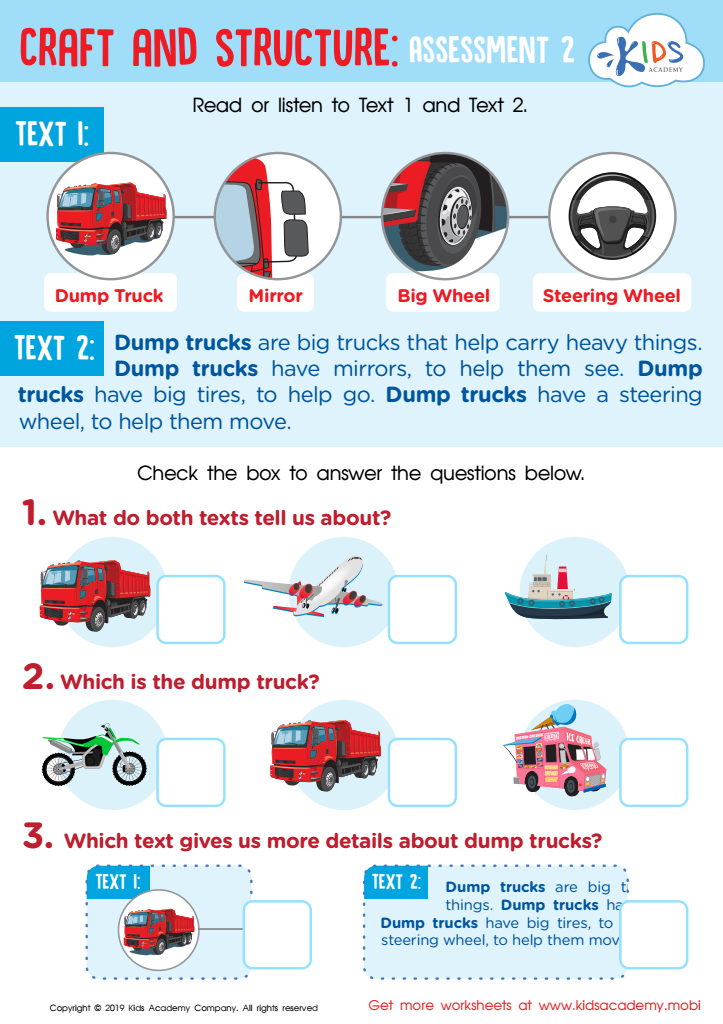
Craft and Structure: Assessment 2 Worksheet
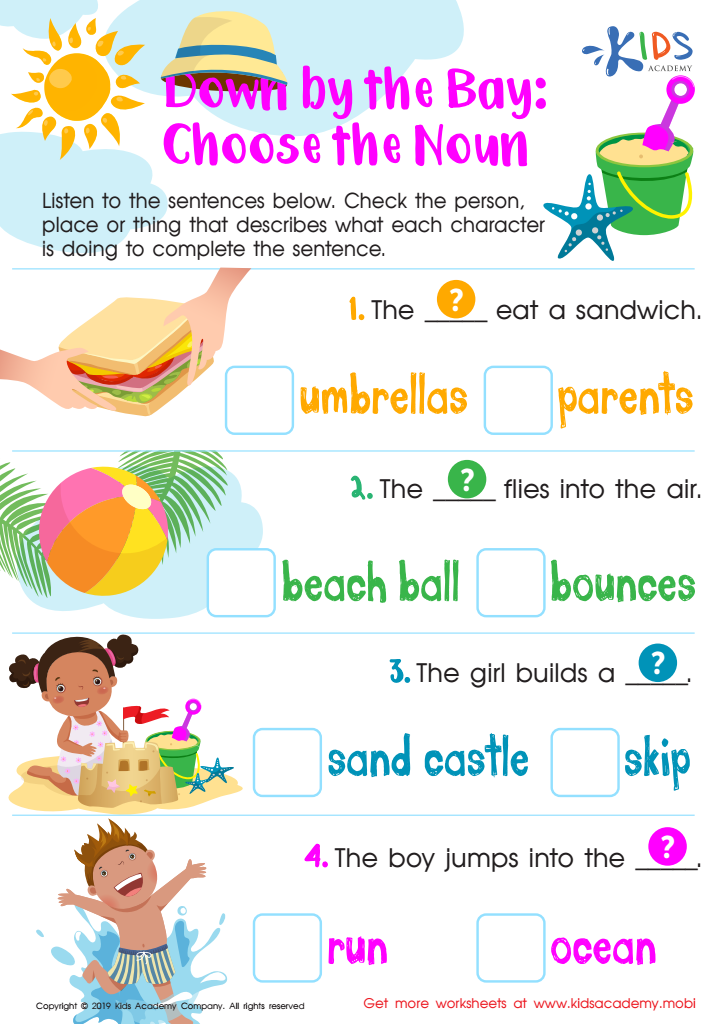
Down by the Bay: Choose the Noun Worksheet
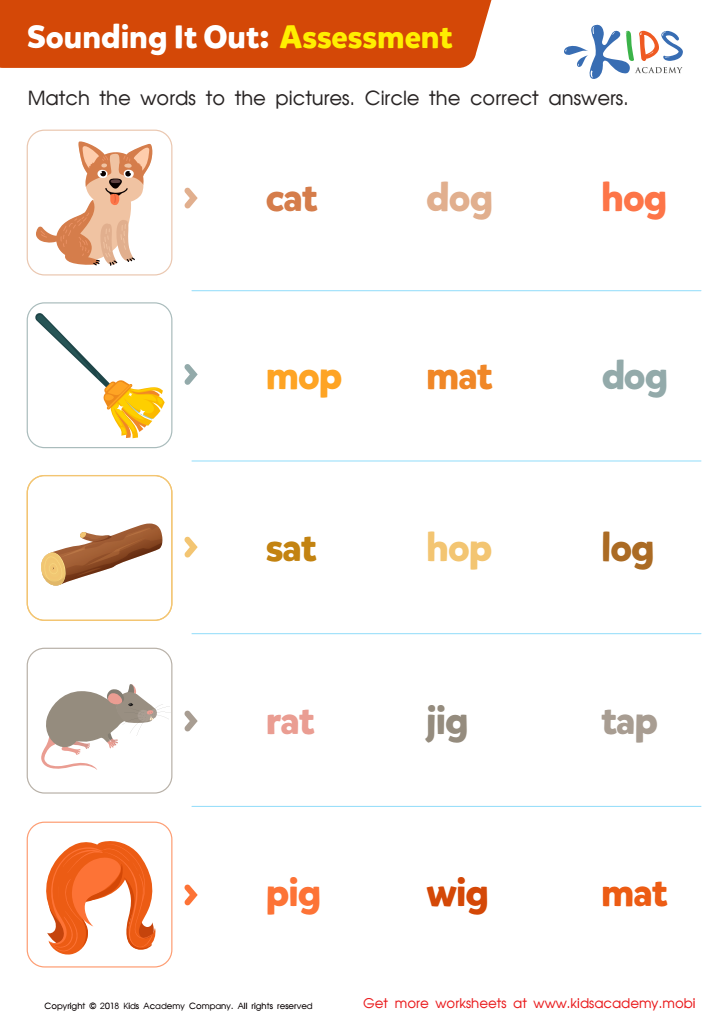
Sounding it Out: Assessment Worksheet
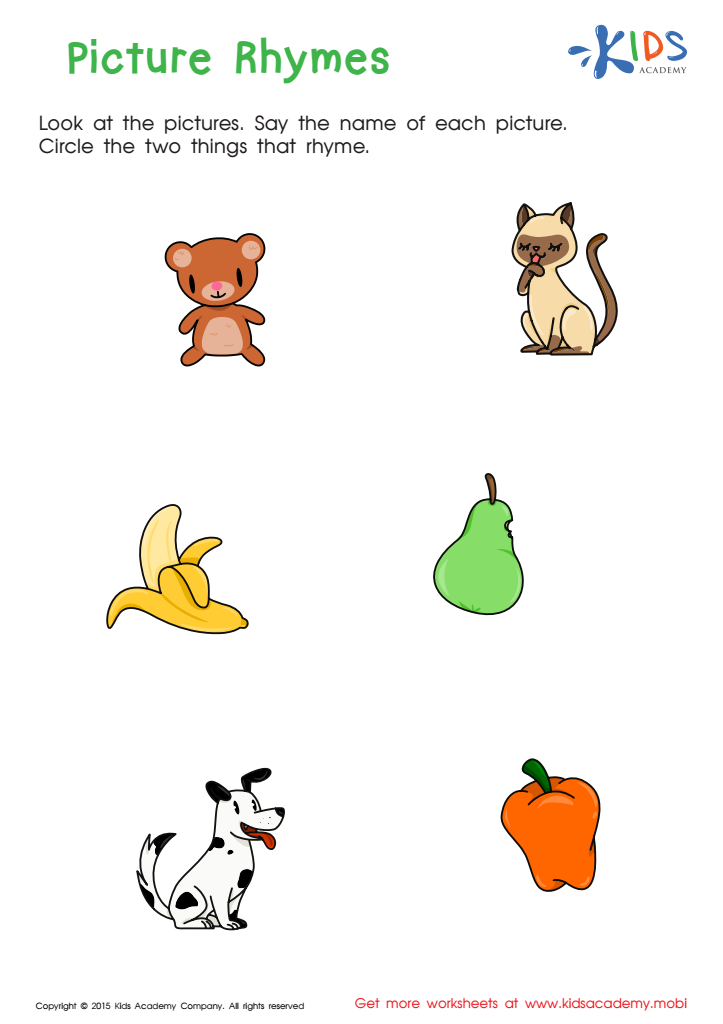
First Words: Picture Rhymes Worksheet
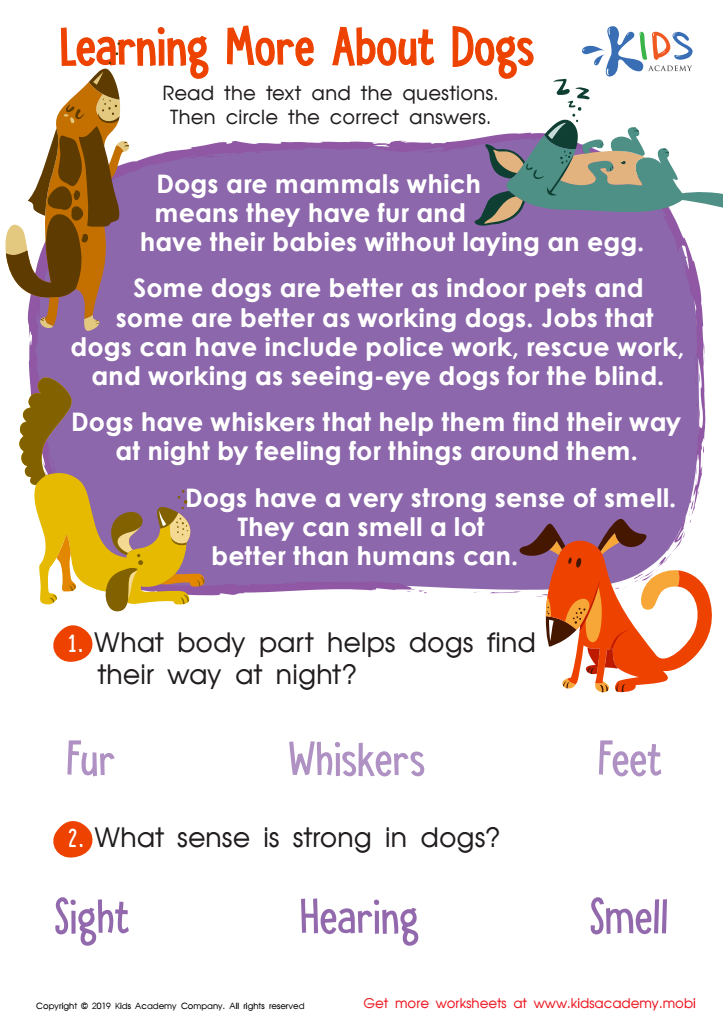
Learning More About Dogs Worksheet
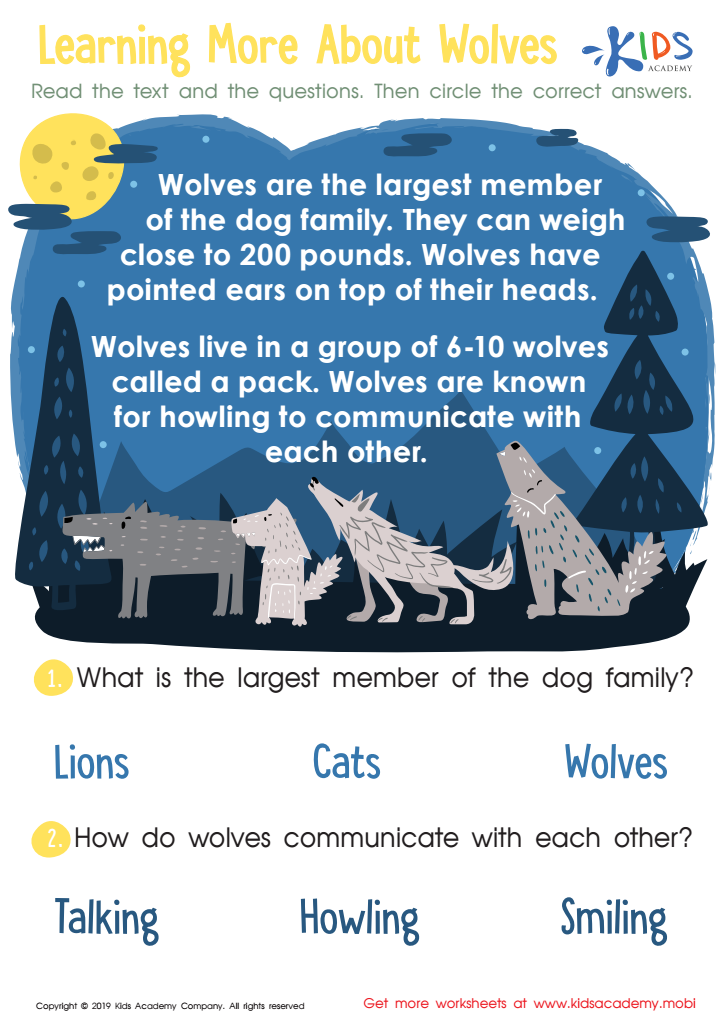
Learning More About Wolves Worksheet
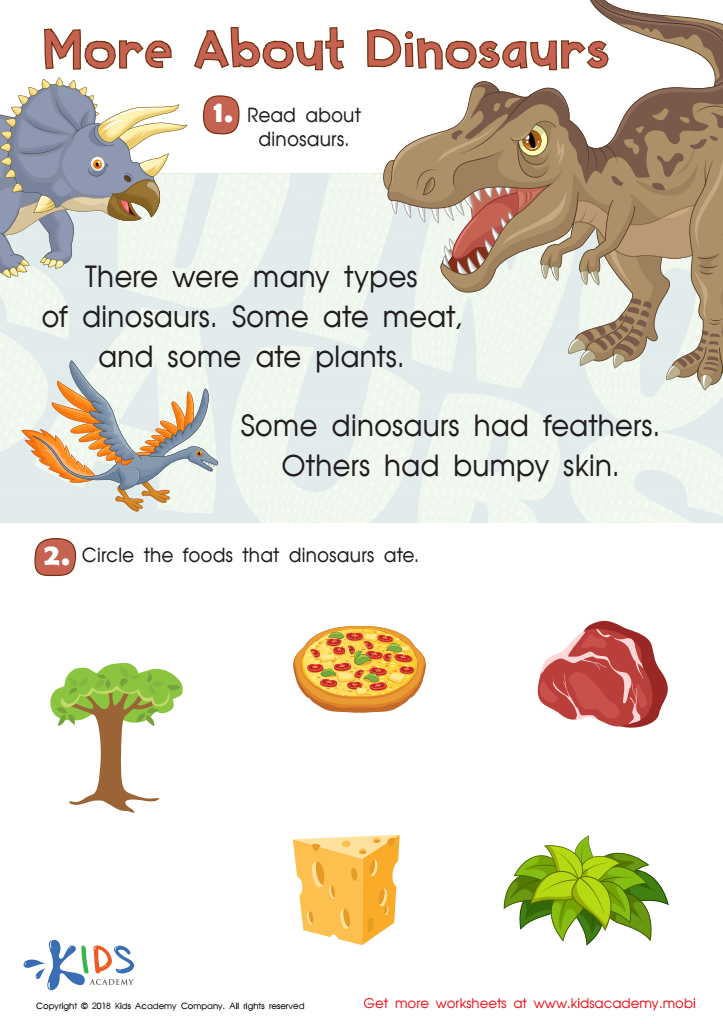
More About Dinosaurs Worksheet
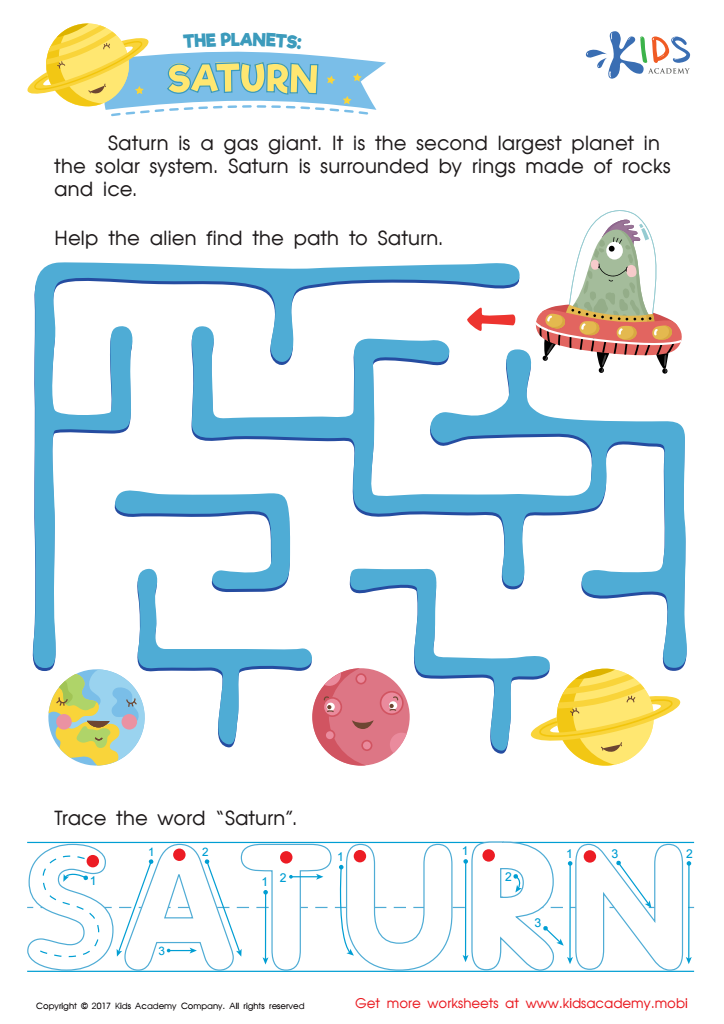
The Planets: Saturn Printable
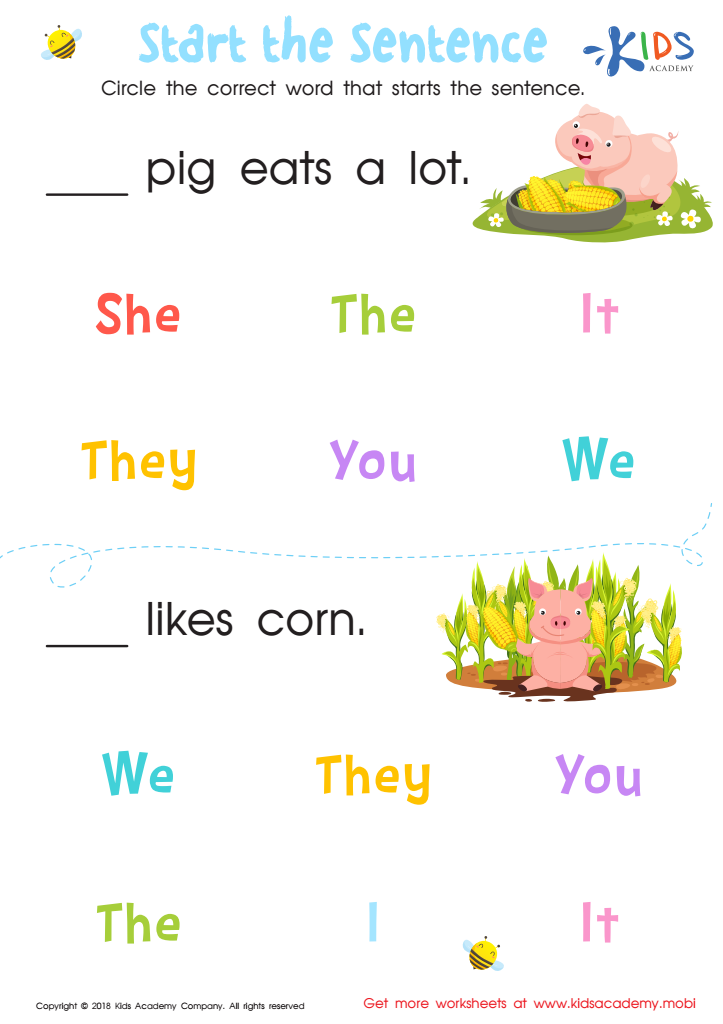
Start the Sentence Worksheet
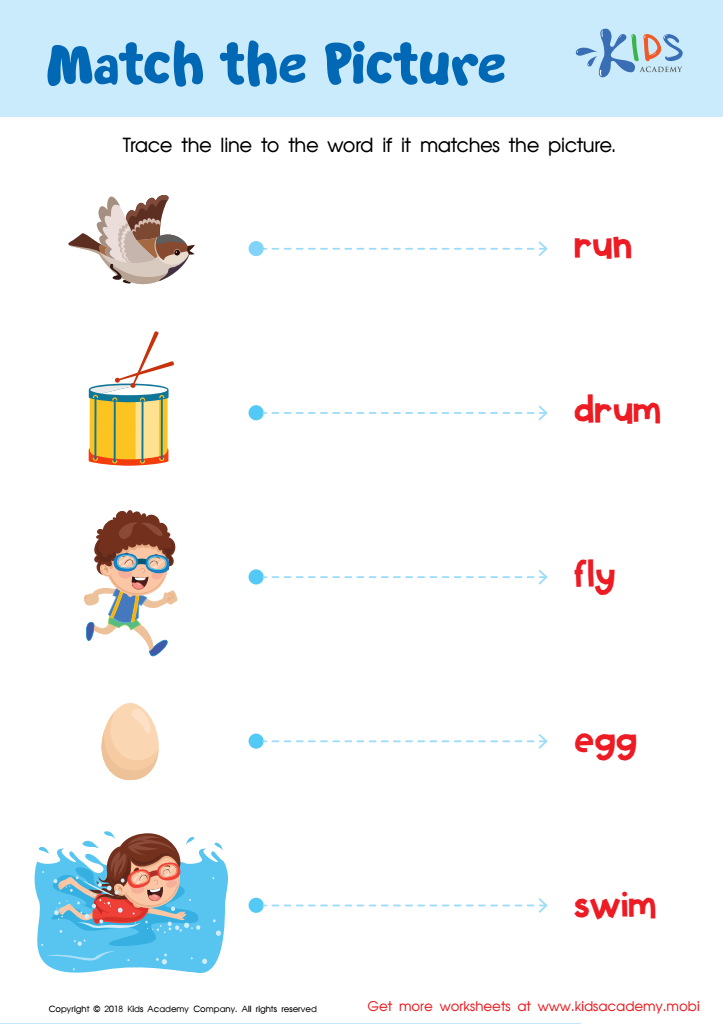
Match the Picture Worksheet
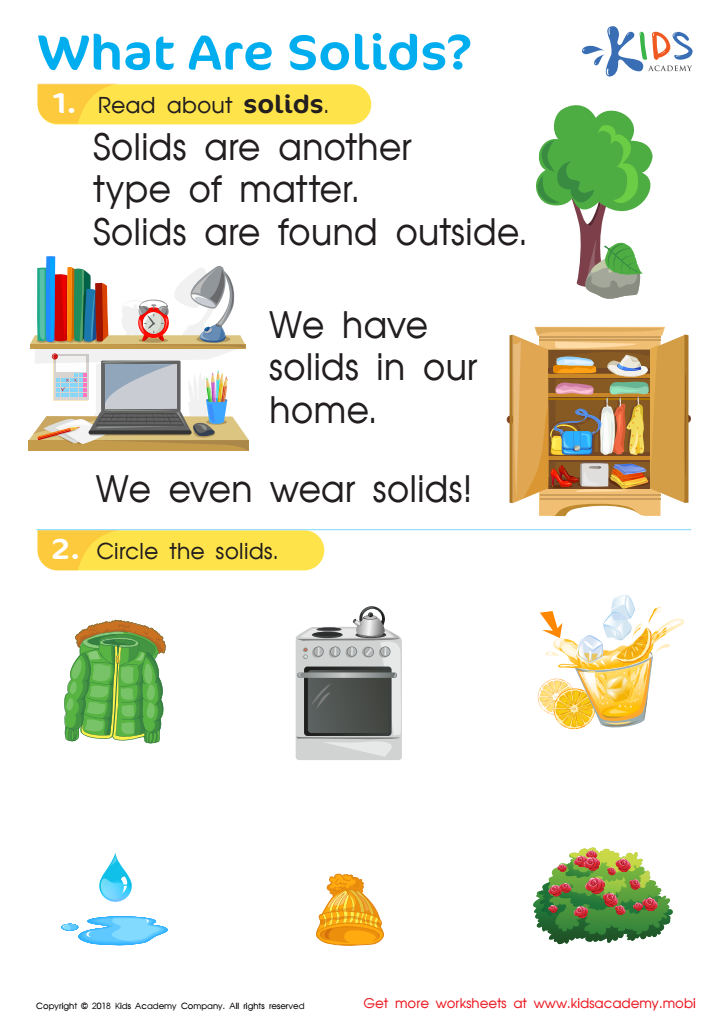
What Are Solids? Worksheet
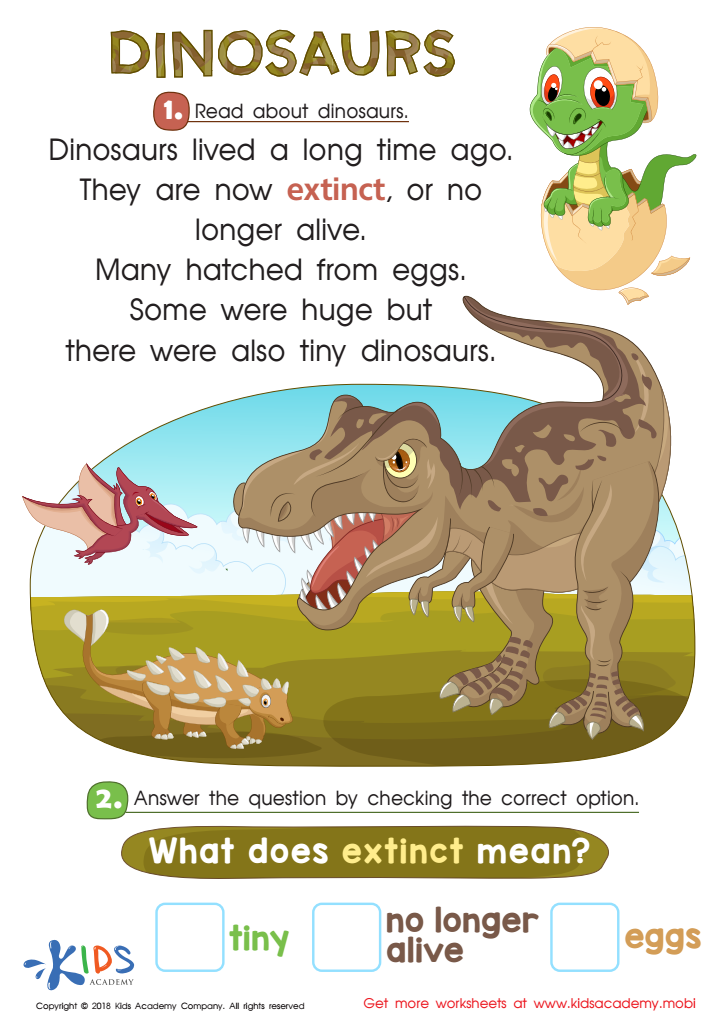
Dinosaurs Worksheet
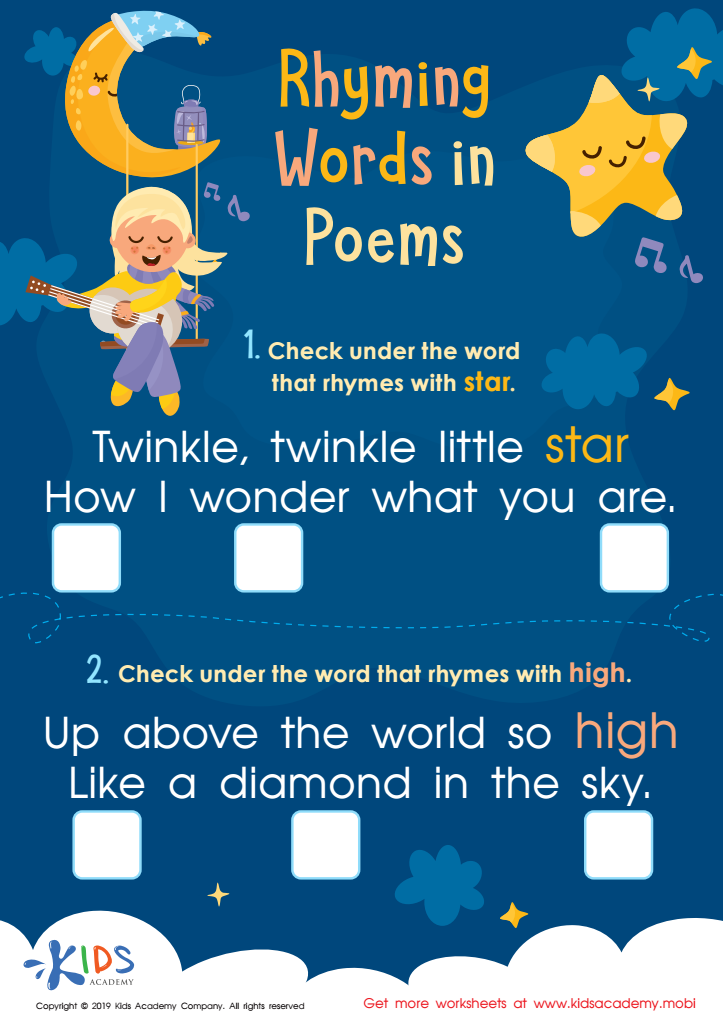
Rhyming Words in Poems Worksheet
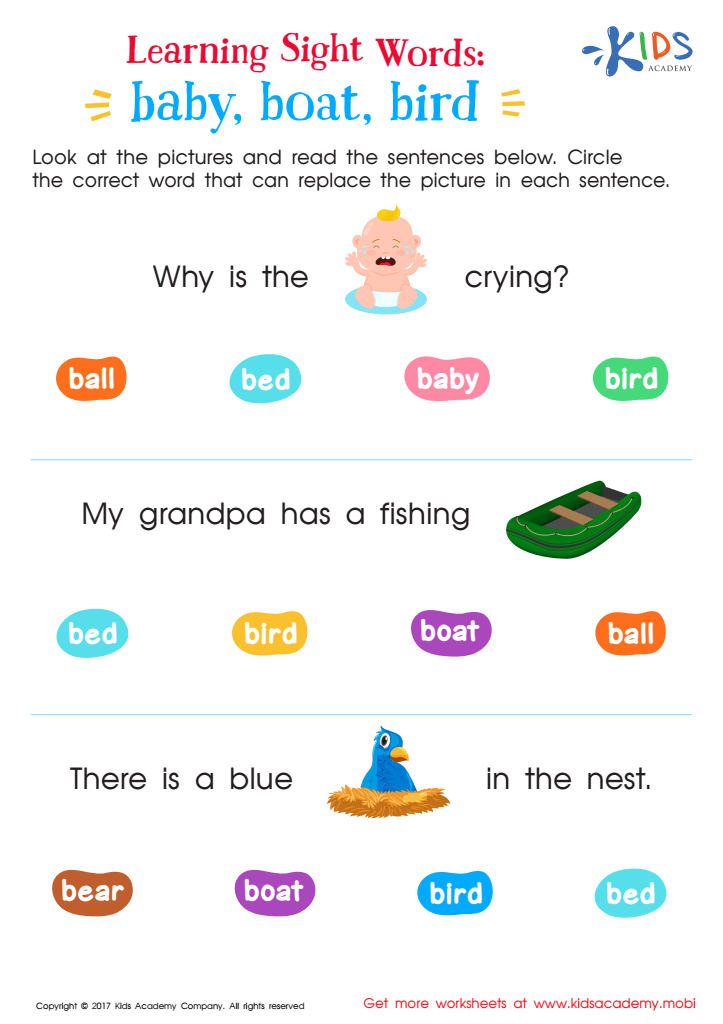
Baby, Boat, Bird Worksheet Sight Words Worksheet
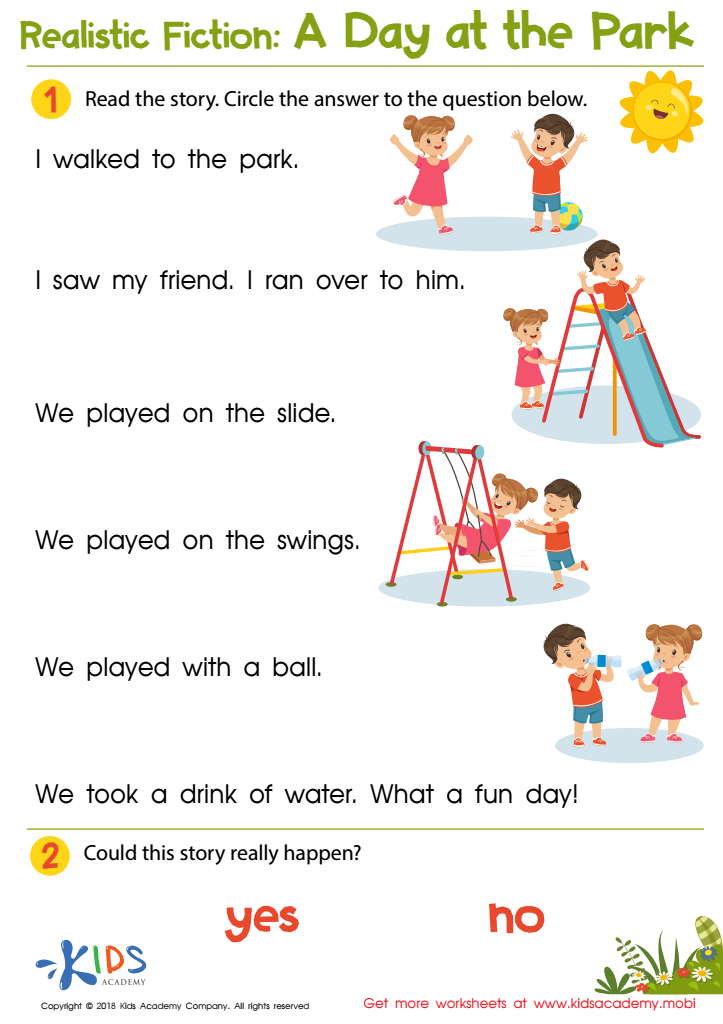
A Day at the Park Worksheet
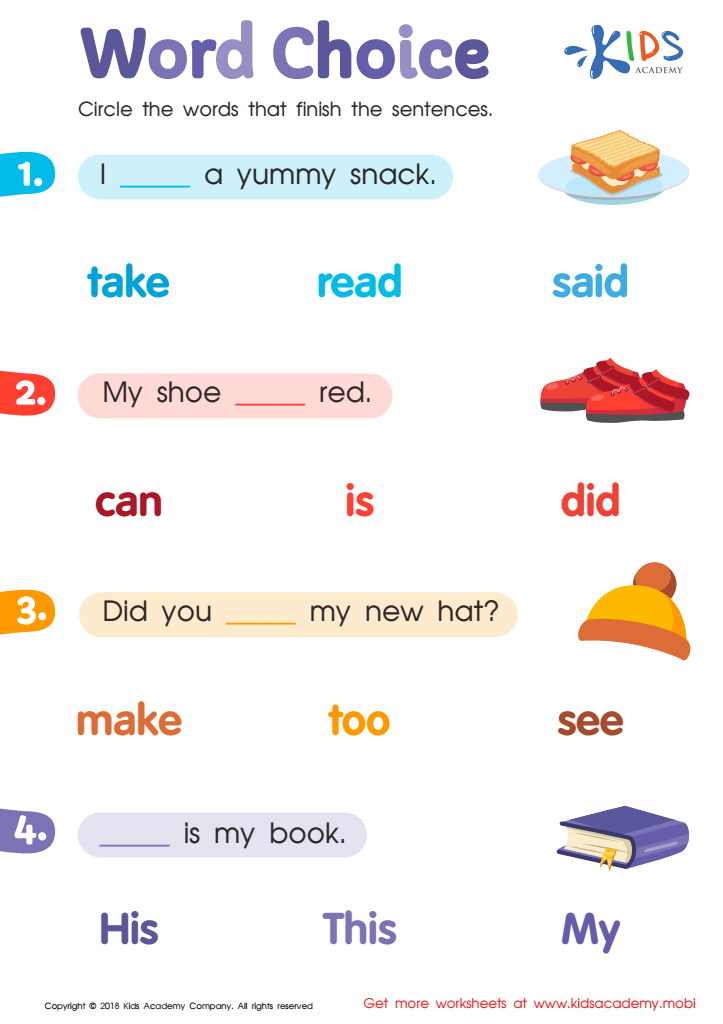
Word Choice Worksheet
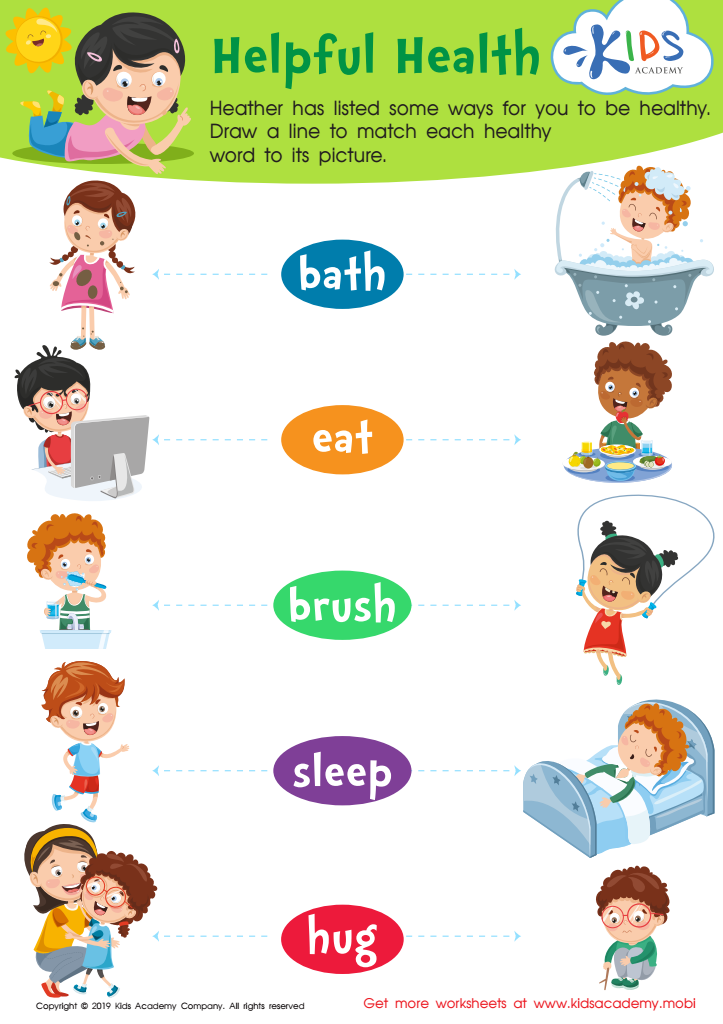
Helpful Health Worksheet
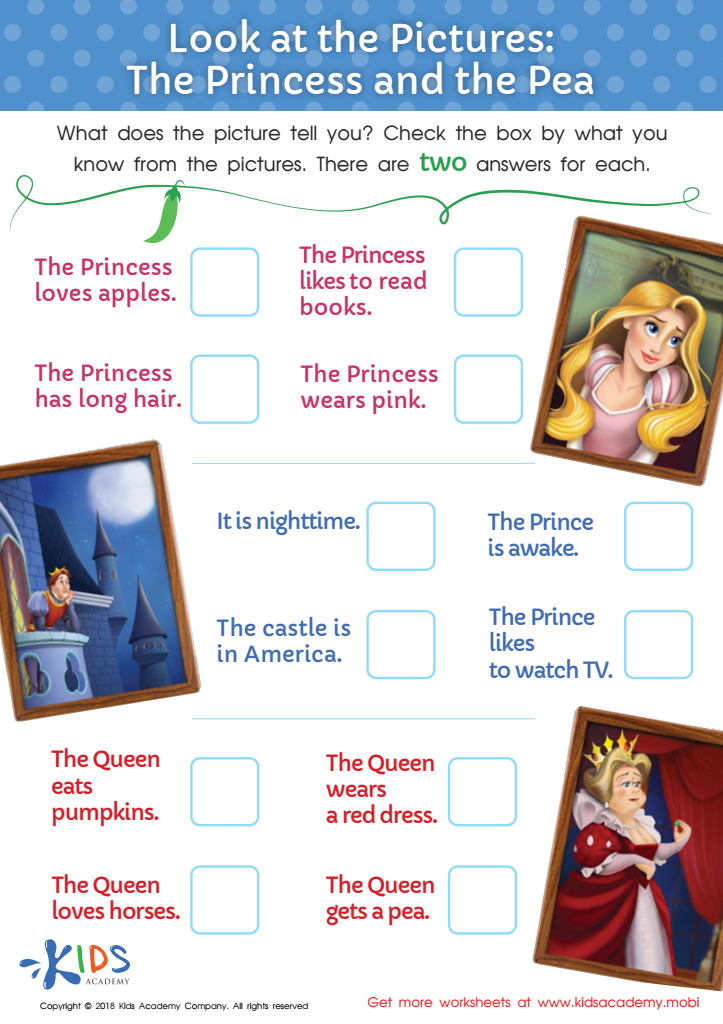
Look at the Pictures: The Princess and the Pea Worksheet
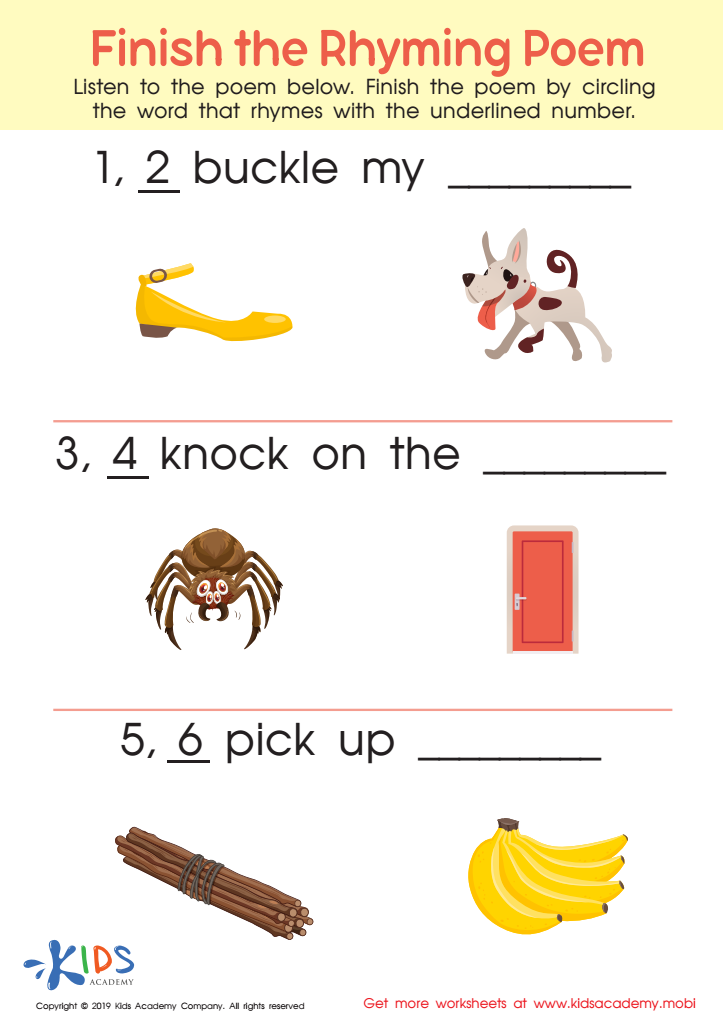
Finish Rhyming Poem Worksheet








Vocabulary enhancement and normal reading for children ages 3-6 are crucial components of early childhood education. At this formative stage, young minds are incredibly receptive and capable of absorbing new information at a rapid pace. Prioritizing vocabulary development and regular reading can have lasting benefits for a child’s cognitive, social, and emotional growth.
Firstly, a robust vocabulary is a foundational element for effective communication. It enables children to express their feelings, needs, and thoughts clearly, enhancing social interactions with peers and adults. Reading regularly exposes children to new words and sentence structures, fostering both their listening and speaking skills.
Moreover, enriched vocabulary and regular storytime can significantly boost cognitive abilities. Skills such as critical thinking, problem-solving, and sequencing are honed as children understand and predict story narratives. This mental exercise is pivotal for academic success in various subjects, including math, science, and social studies.
Lastly, emotional growth cannot be overlooked. Stories often convey moral lessons and cultural values, helping young children develop empathy and ethical reasoning. Being read to by parents or teachers strengthens bonds and provides a sense of security, contributing positively to a child’s emotional well-being.
Investing time in vocabulary enhancement and normal reading fosters an environment ripe for lifelong learning and personal development, giving children a head start in life.








