Normal Geography Worksheets for Ages 3-6 - Page 2
37 filtered results
-
From - To
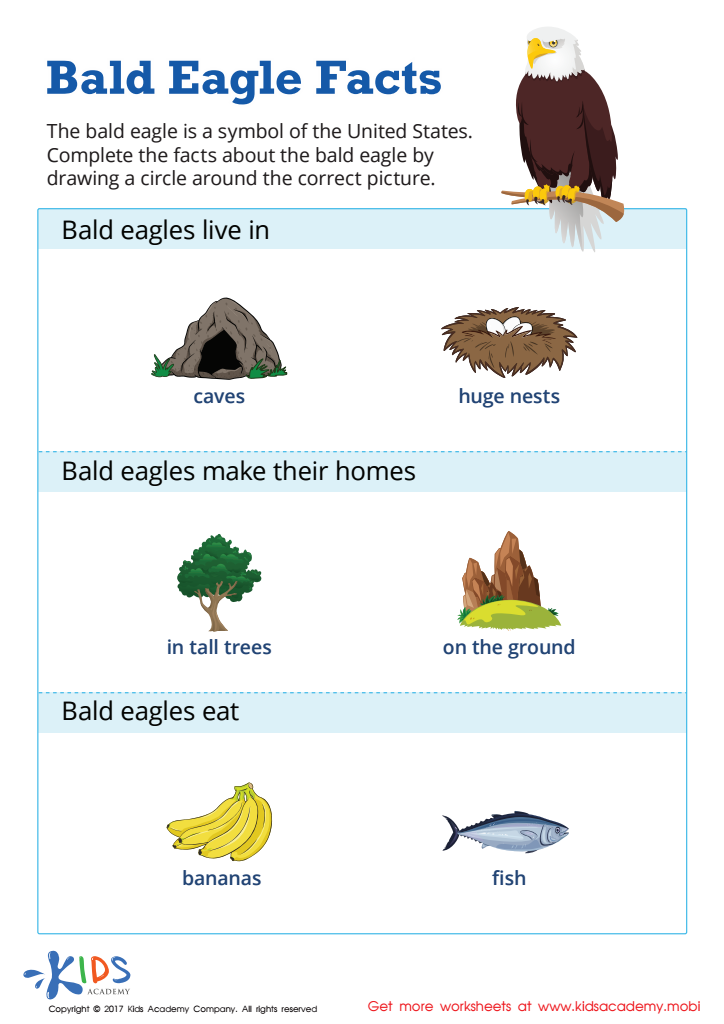
Bald Eagle Facts Worksheet
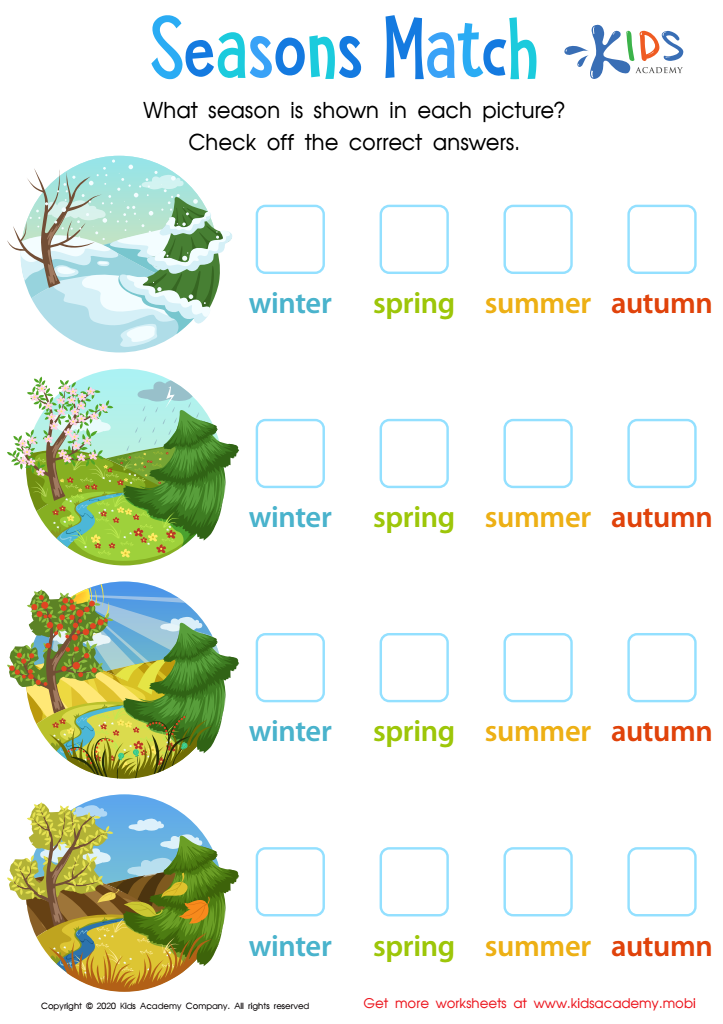
Seasons Match Worksheet
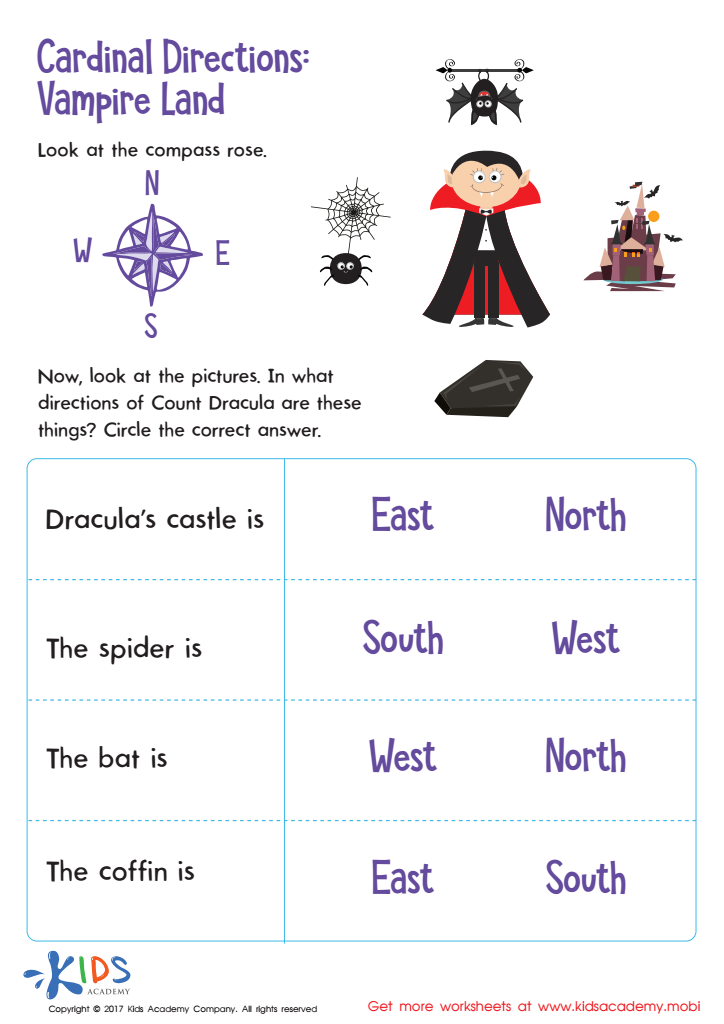
Cardinal Directions Printable
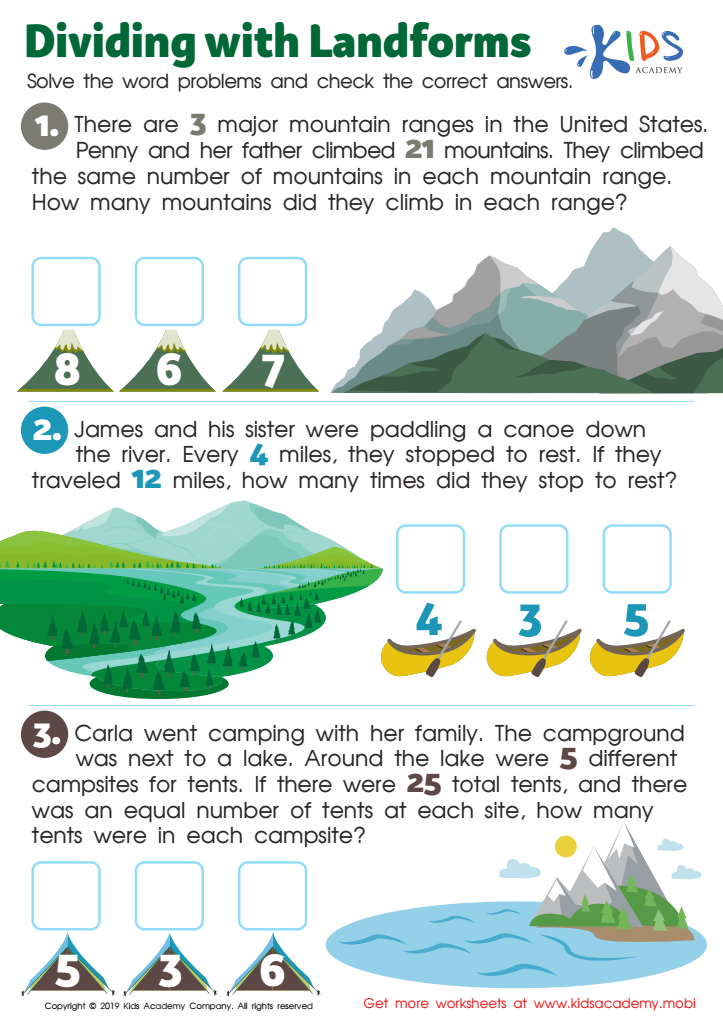
Dividing with Landforms
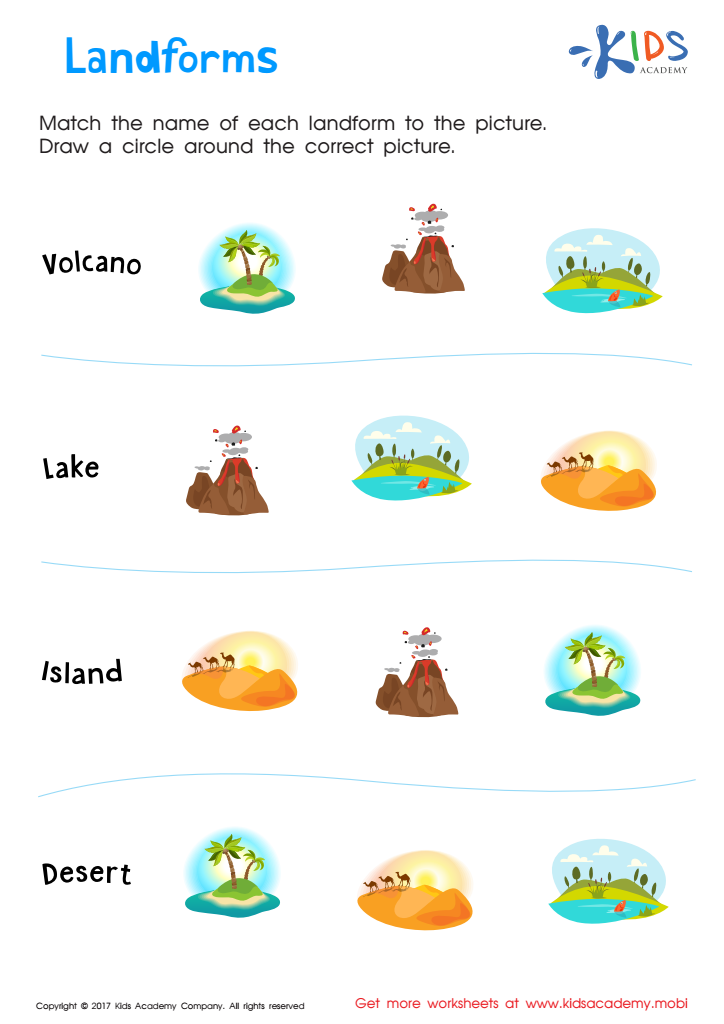
Landforms Printable
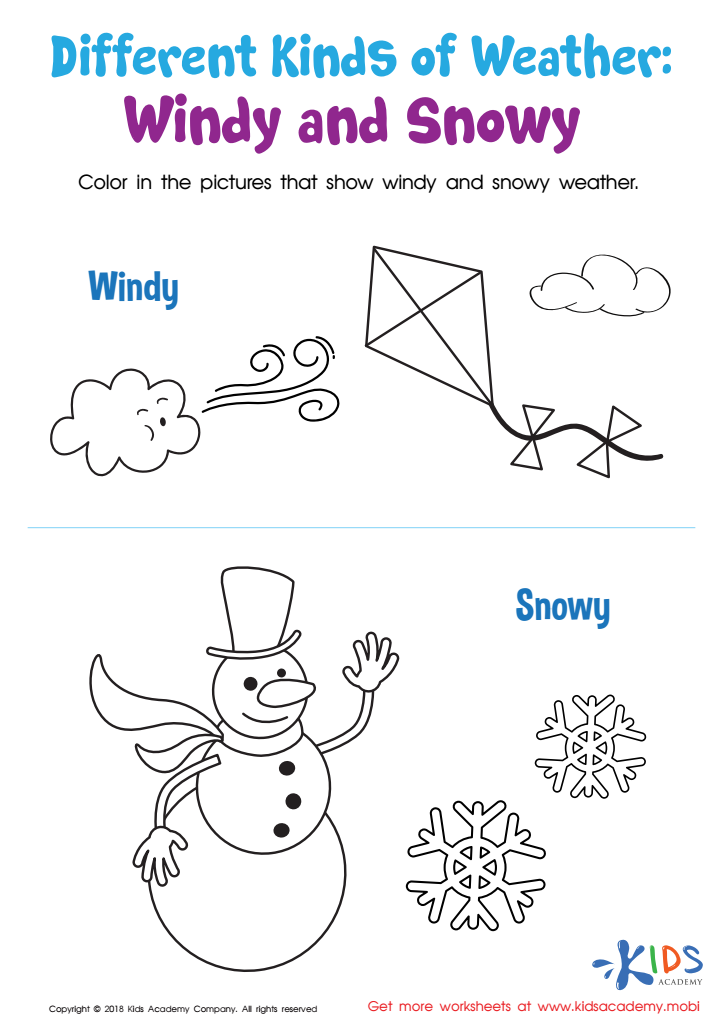
Different Kinds of Weather: Windy and Snowy Worksheet
 Assign to My Students
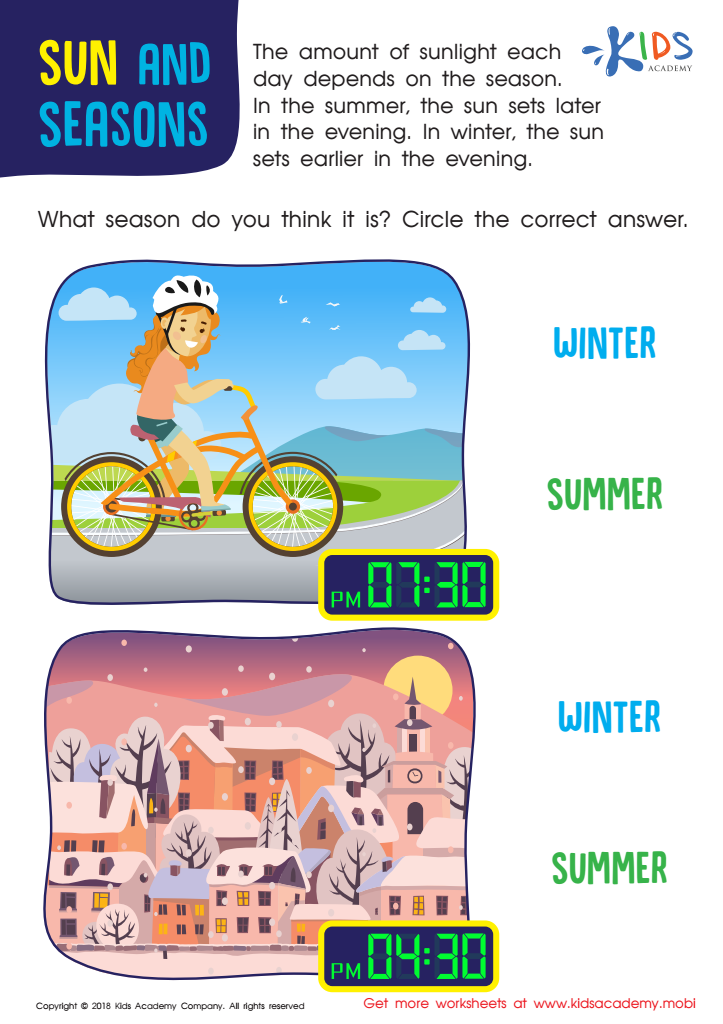
Sun and Seasons Worksheet
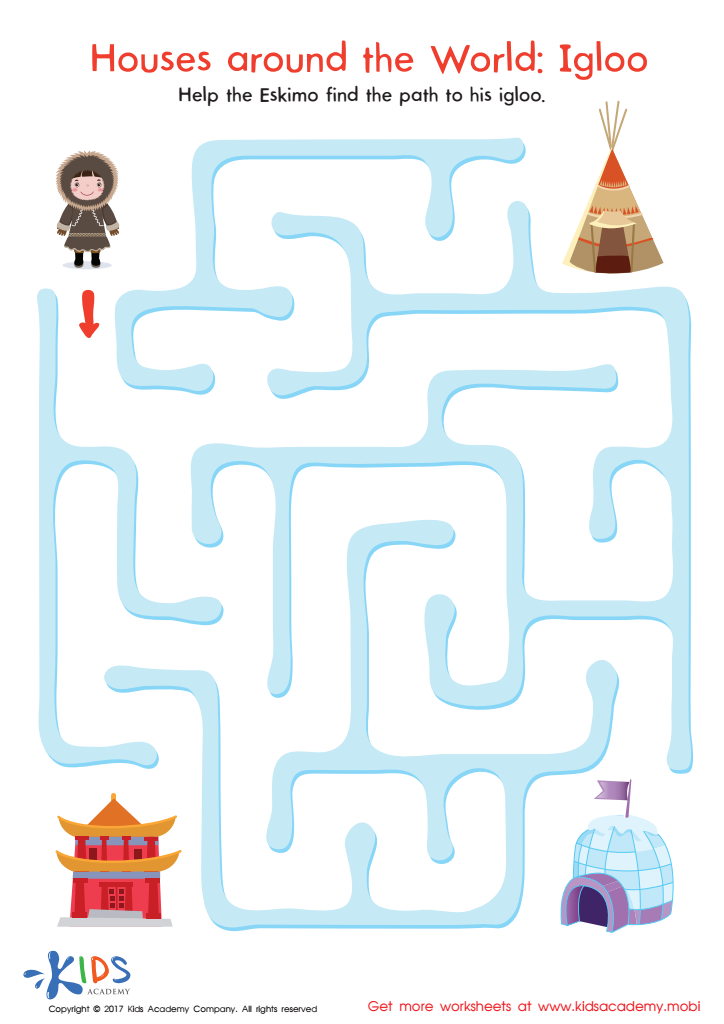
Houses Around the World: Igloo Printable
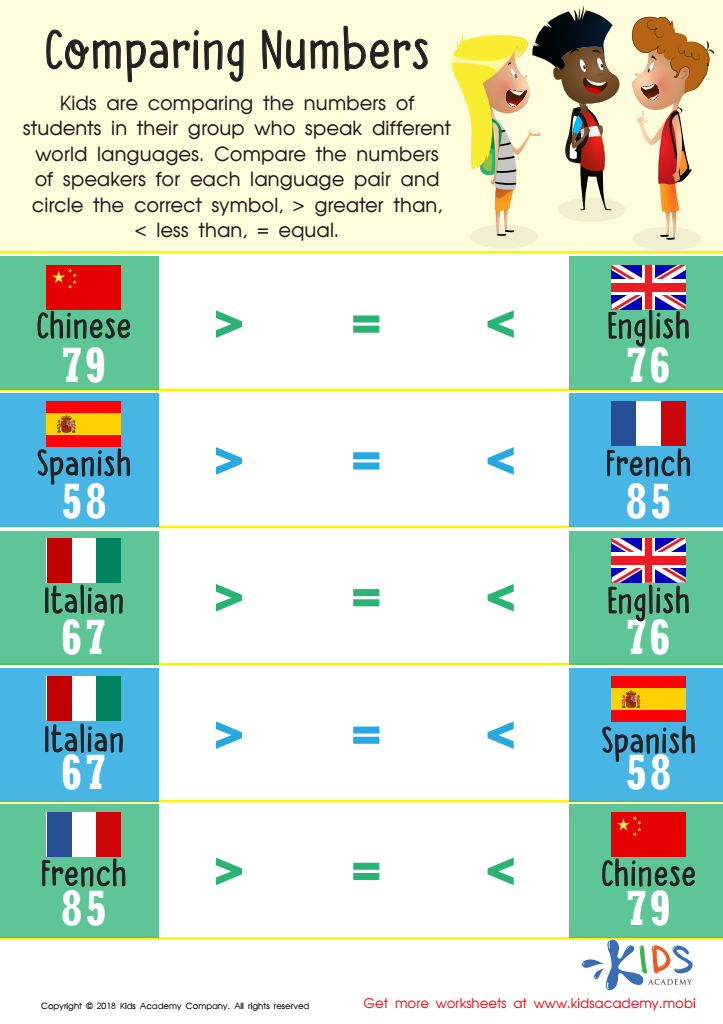
Comparing Numbers Worksheet for 1st Grade
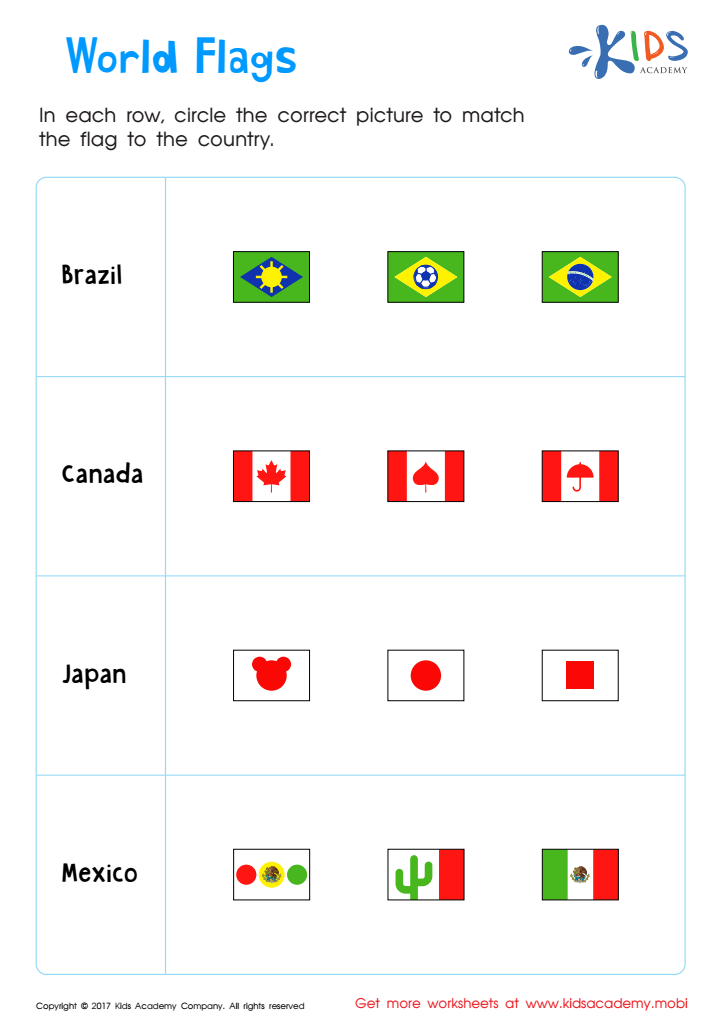
World Flags Printable
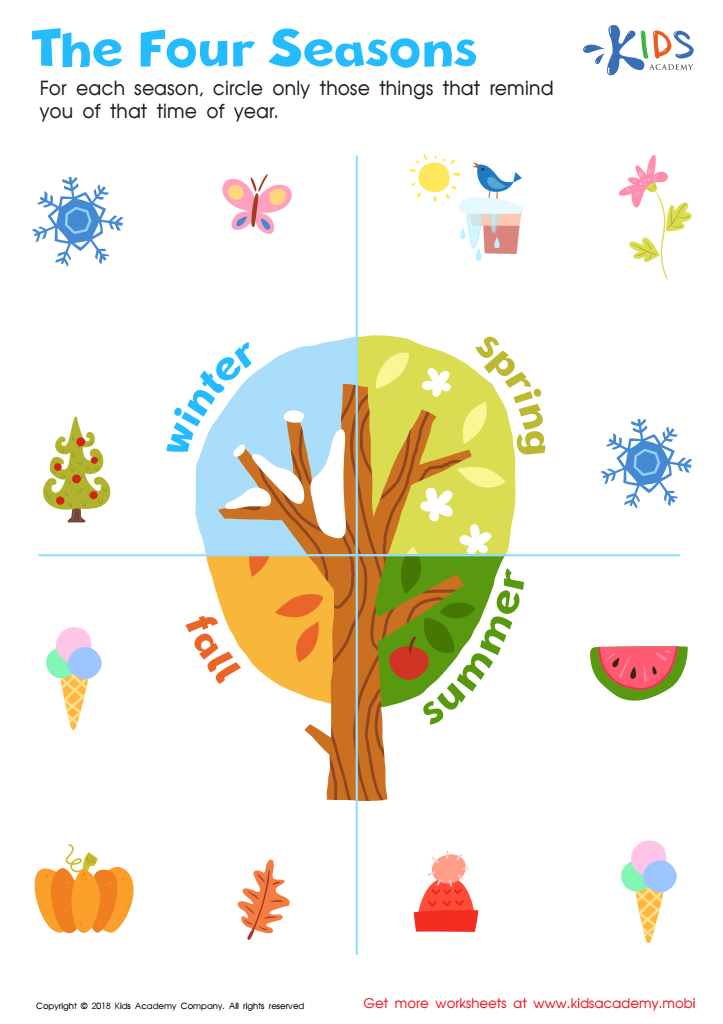
The Four Seasons Worksheet
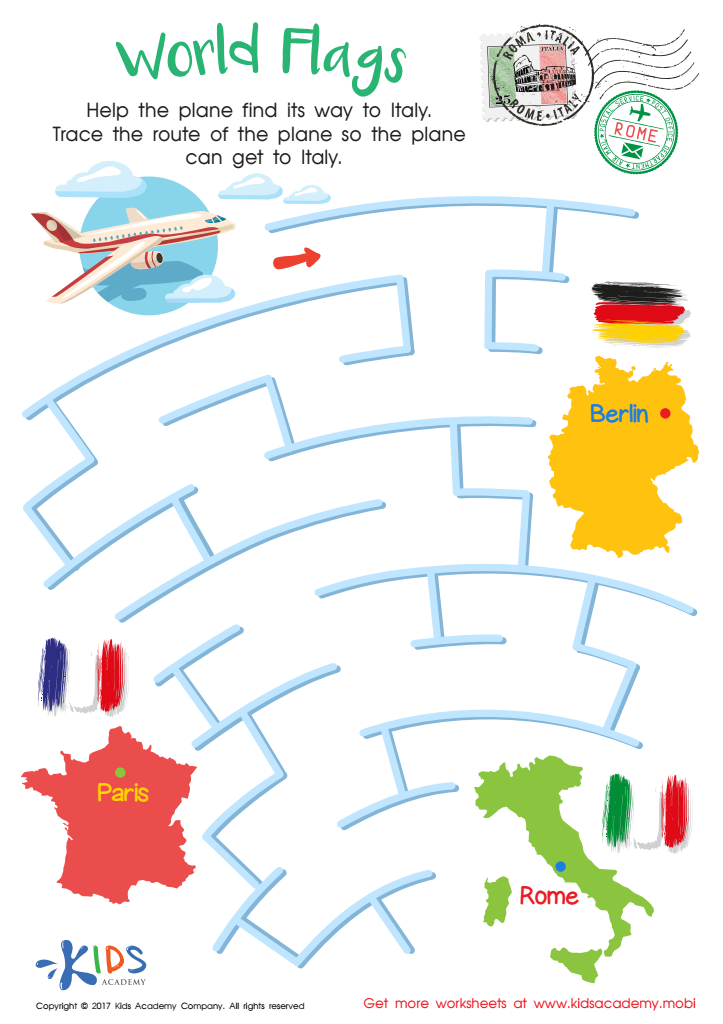
World Flags Maze Worksheet
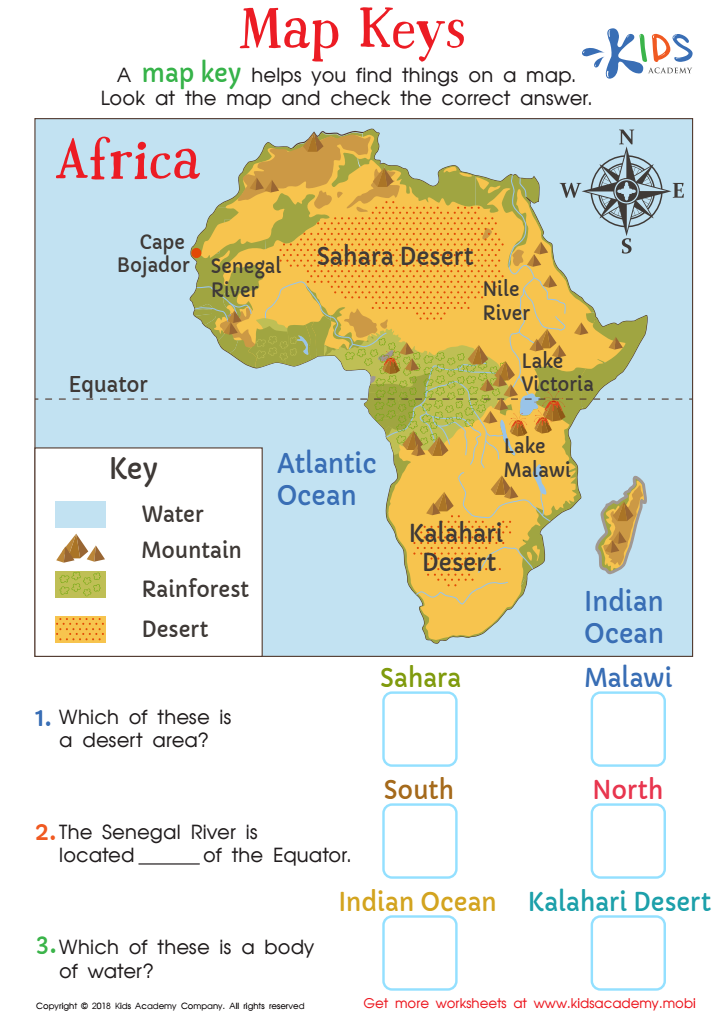
Map Keys Worksheet





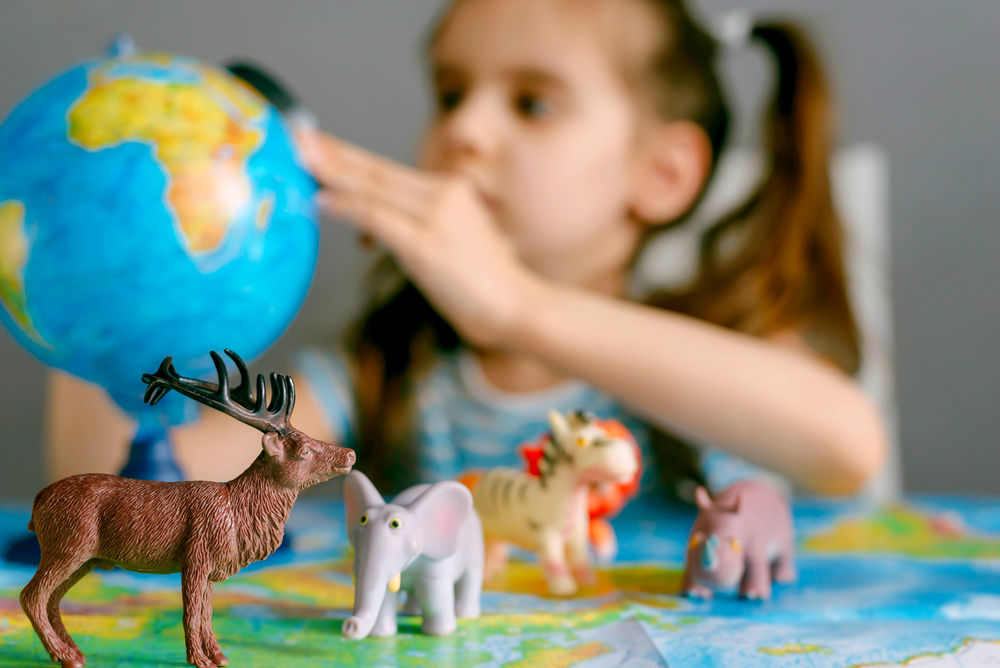

Normal Geography for children aged 3-6 is fundamental for several reasons. First, it provides a foundational understanding of the world around them. At this age, young learners are naturally curious, and introducing basic geographic concepts helps nurture their inquisitiveness about different places, cultures, and environments.
Second, this early exposure enhances critical thinking and cognitive skills. Through activities such as exploring maps and globes, children begin to develop spatial awareness, which is essential for problem-solving in various areas of learning. They learn to observe, compare, and make connections between their immediate surroundings and distant lands.
Additionally, geography fosters global awareness. In an increasingly interconnected world, teaching children about diversity—be it through landscapes, people, or customs—can cultivate empathy and an understanding of global citizenship from an early age.
Lastly, engaging in geography-themed activities encourages social skills and teamwork. When children collaborate on projects related to maps or community exploration, they learn to communicate, share ideas, and respect different perspectives.
In summary, grasping Normal Geography at a young age enriches children's lives by shaping their understanding, appreciation, and respect for the diversity of the world they inhabit.








