Normal Vowel Team Worksheets for Ages 3-7
17 filtered results
-
From - To
Our "Normal Vowel Team Worksheets for Ages 3-7" offer engaging and interactive activities designed to enhance early literacy skills. Perfect for preschool and kindergarten classrooms, these worksheets focus on recognizing and practicing vowel teams, crucial for mastering reading and writing. Each worksheet features colorful illustrations and imaginative exercises that make learning fun and effective. Children will develop their phonics skills while reinforcing their understanding of vowel combinations through activities like fill-in-the-blanks, matching games, and sound recognition. Ideal for homeschooling or classroom use, these worksheets provide a solid foundation for young learners eager to become confident readers. Download and start exploring today!
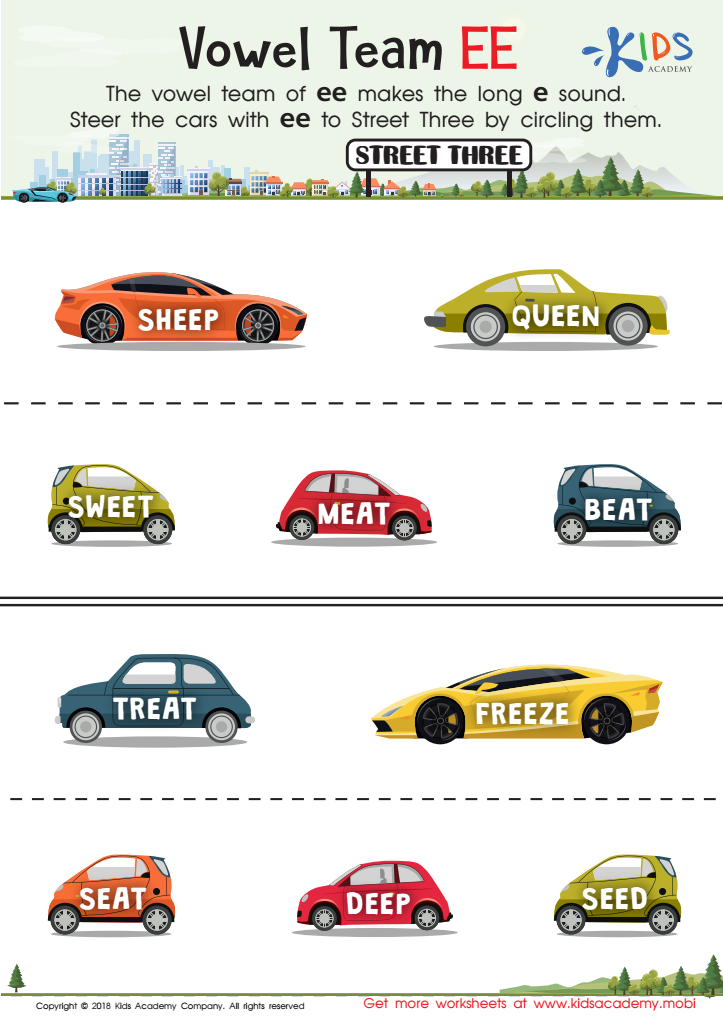
Vowel team ee Worksheet
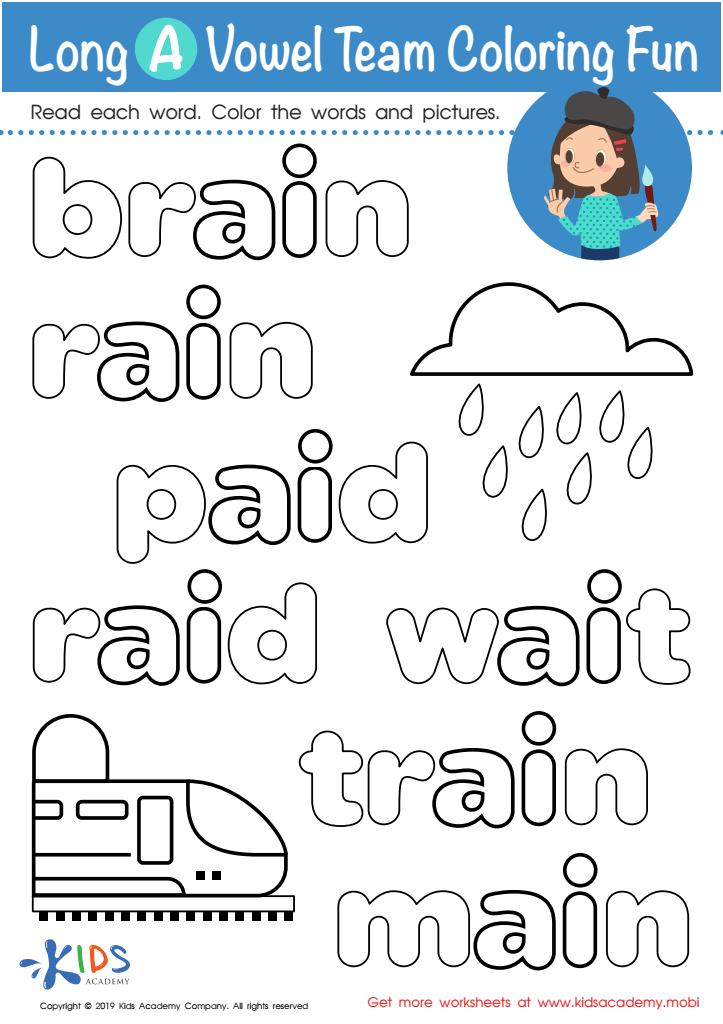
Long A Vowel Team Coloring Fun Worksheet
 Assign to My Students
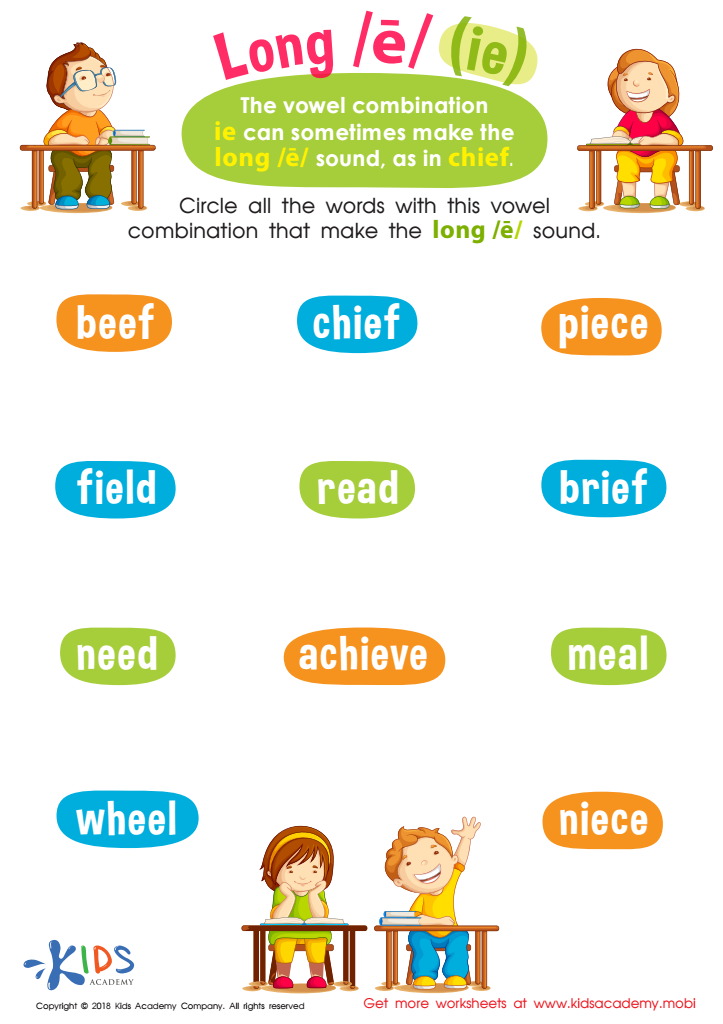
Reading: Long E and IE Worksheet
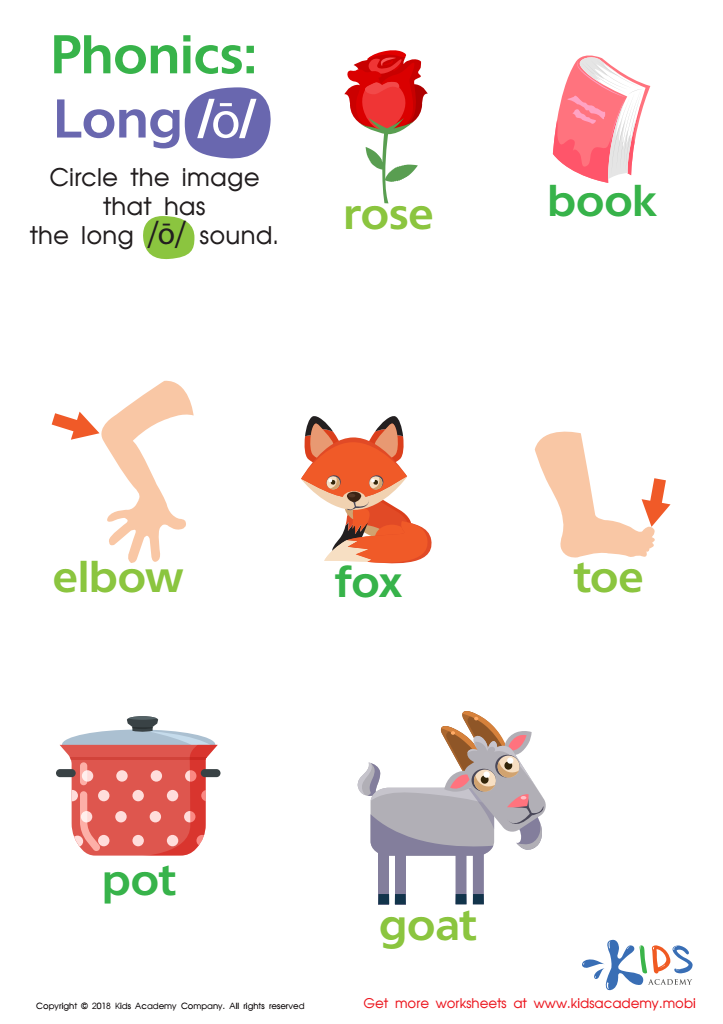
Phonics Long O Reading Worksheet
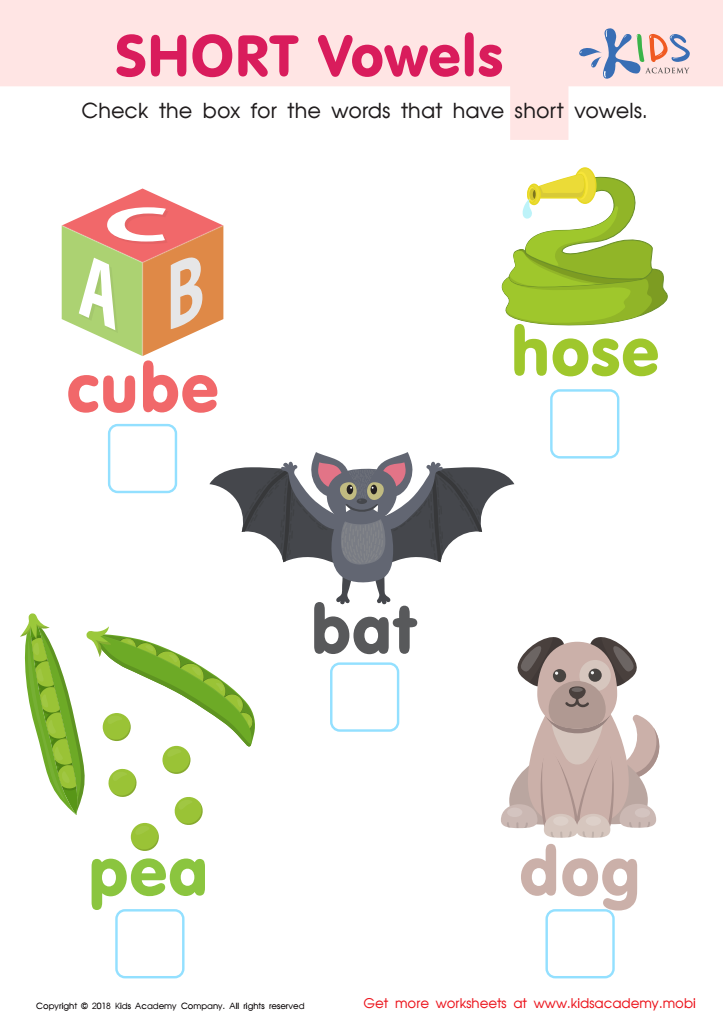
short vowels Worksheet
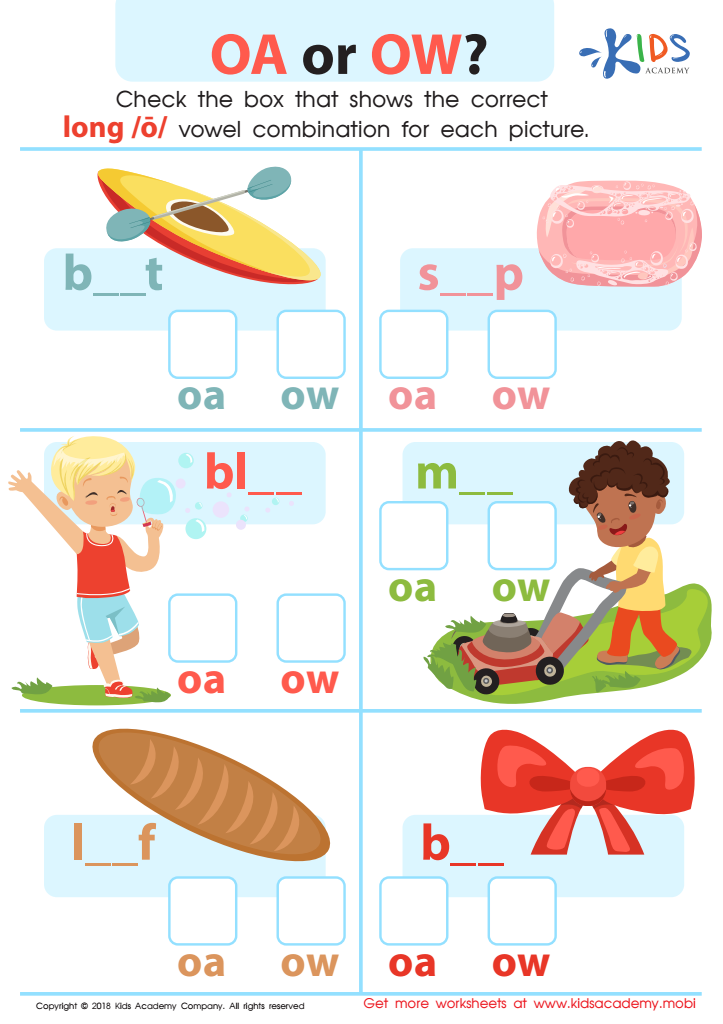
Reading: OA or OW Worksheet
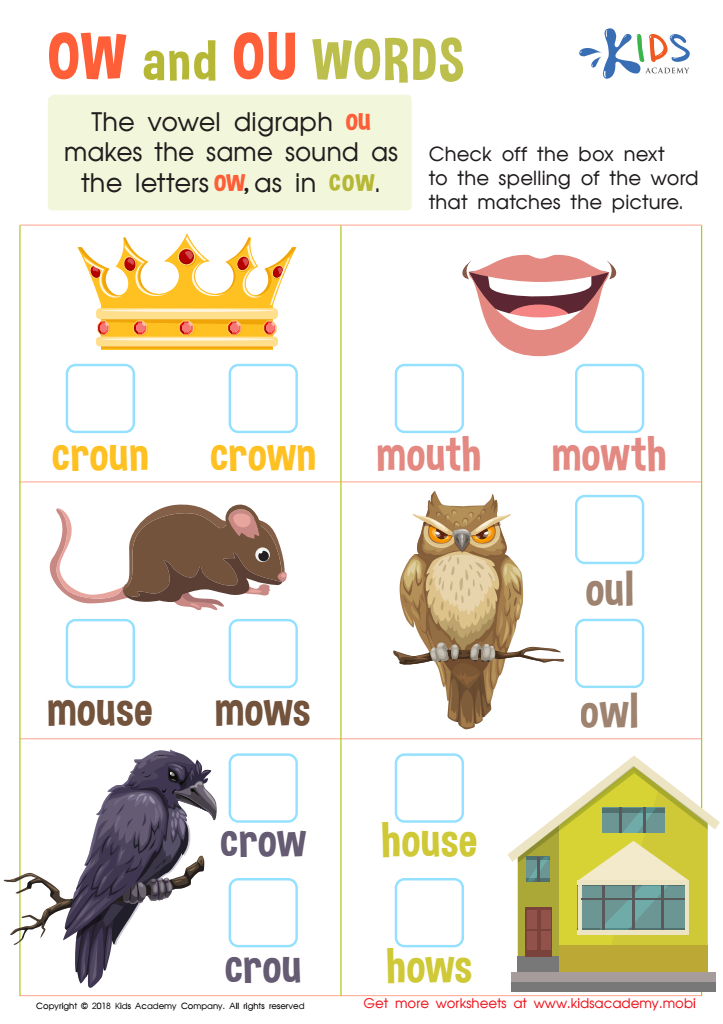
Reading: OW and OU Words Worksheet
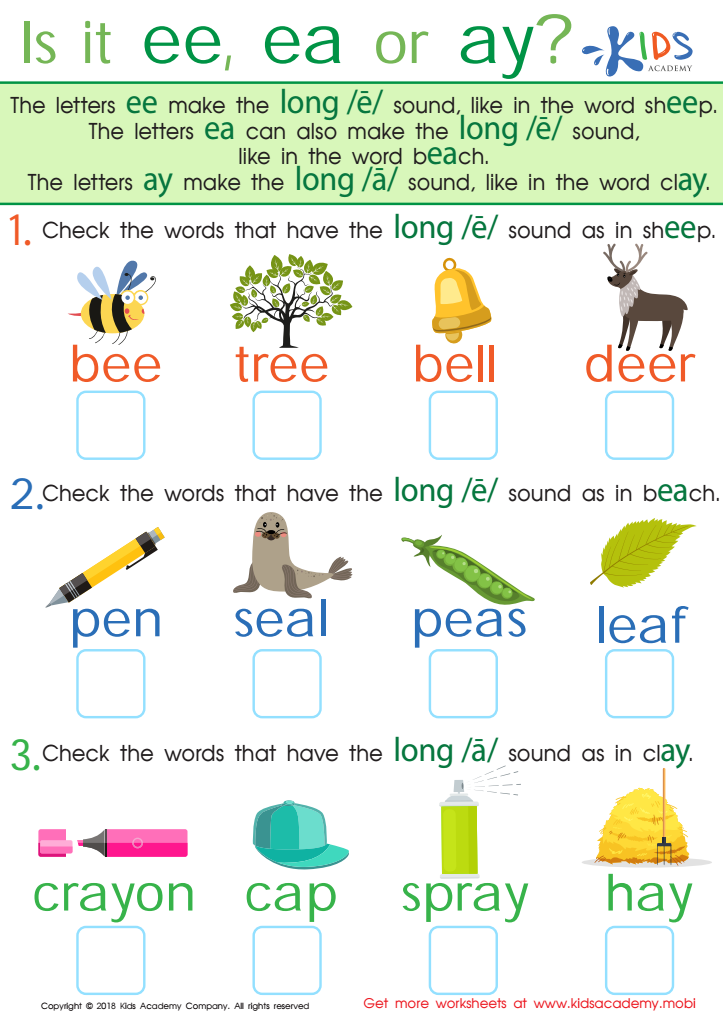
Is It EE, EA, or AY? Worksheet
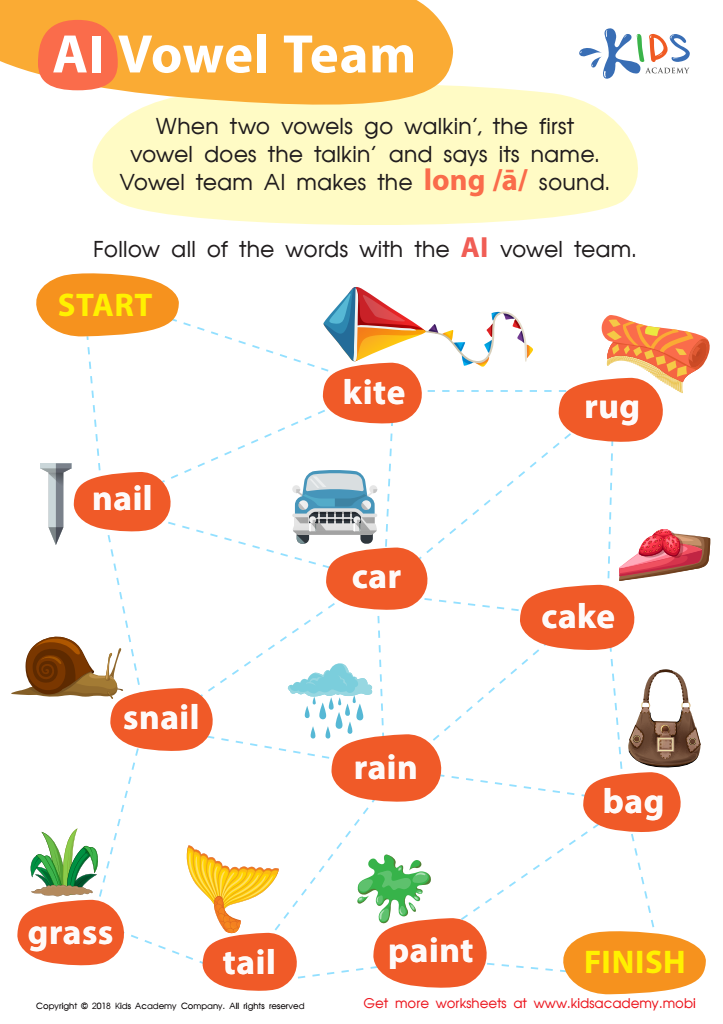
Reading: AI Vowel Team Worksheet
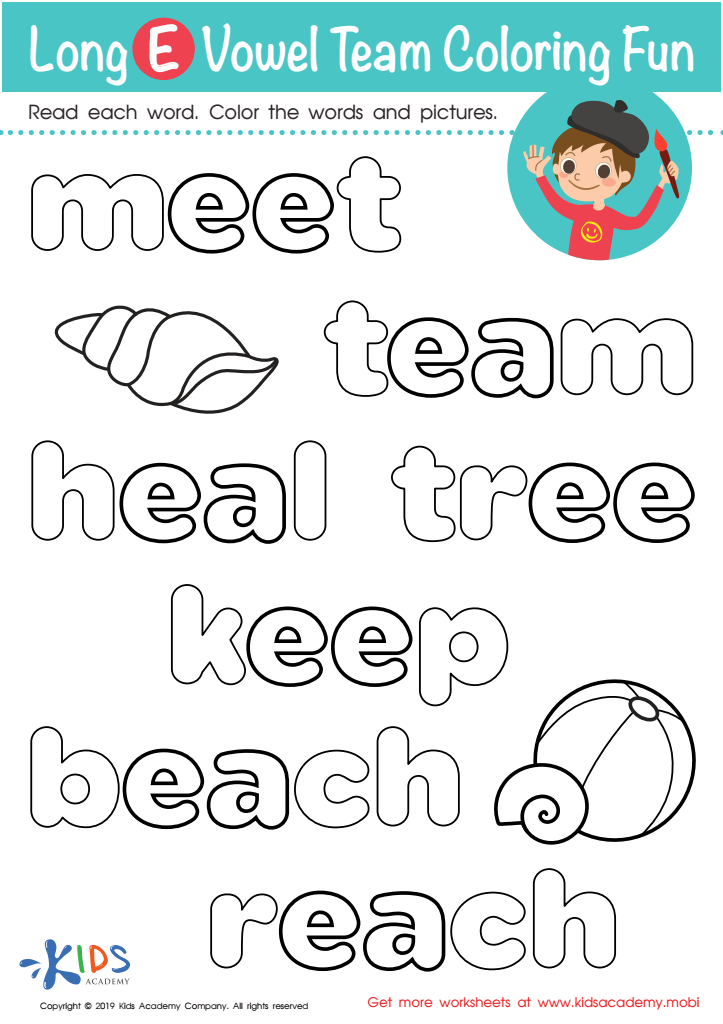
Long E Vowel Team Coloring Worksheet
Assign to My Students
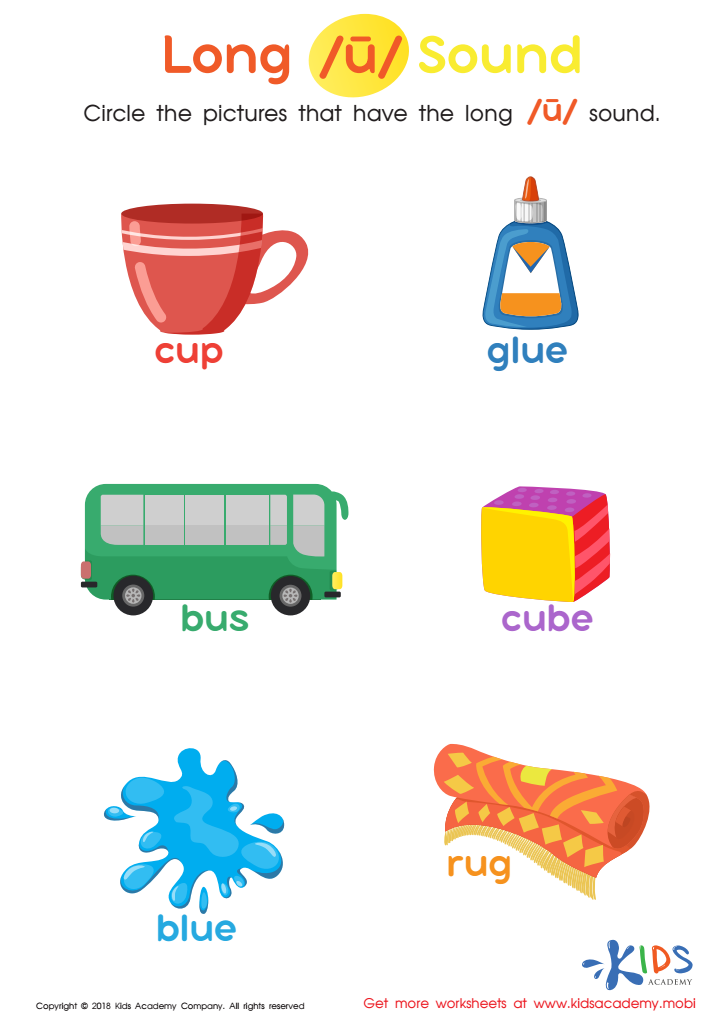
Long «u» Sound Worksheet
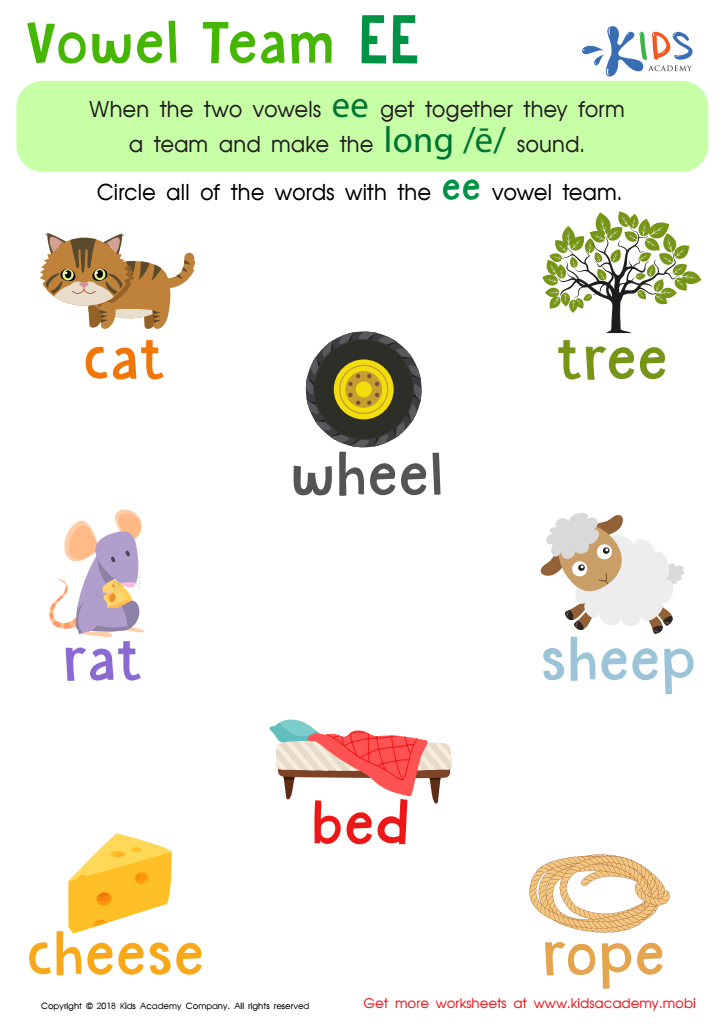
Reading: Vowel Team EE Worksheet
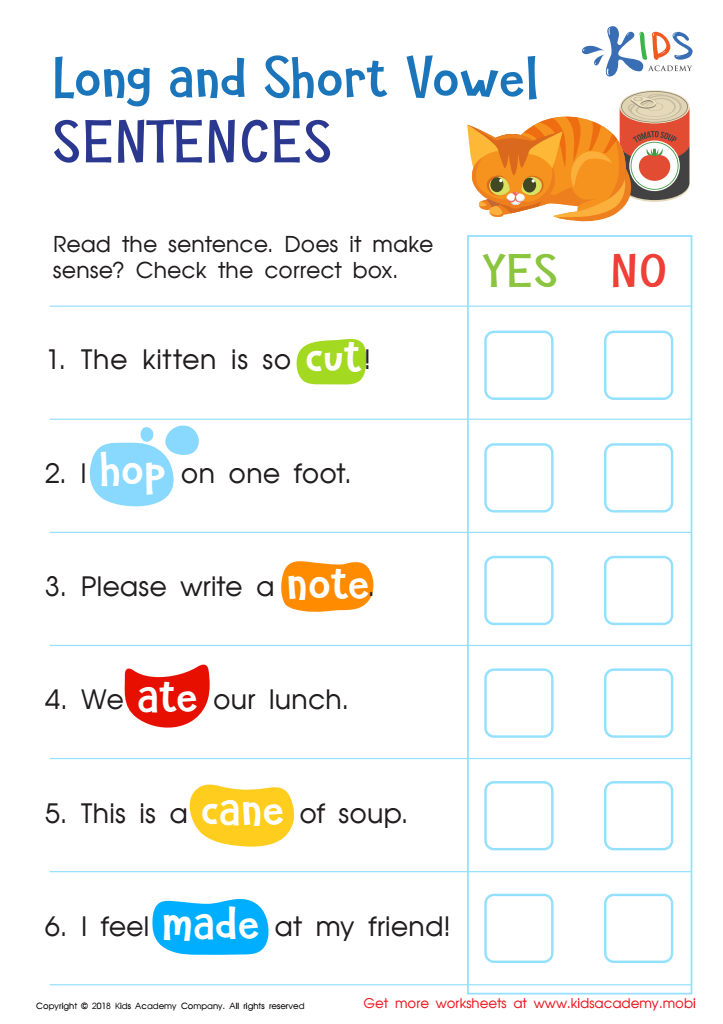
Long and Short Vowel Sentences: Assessment Worksheet
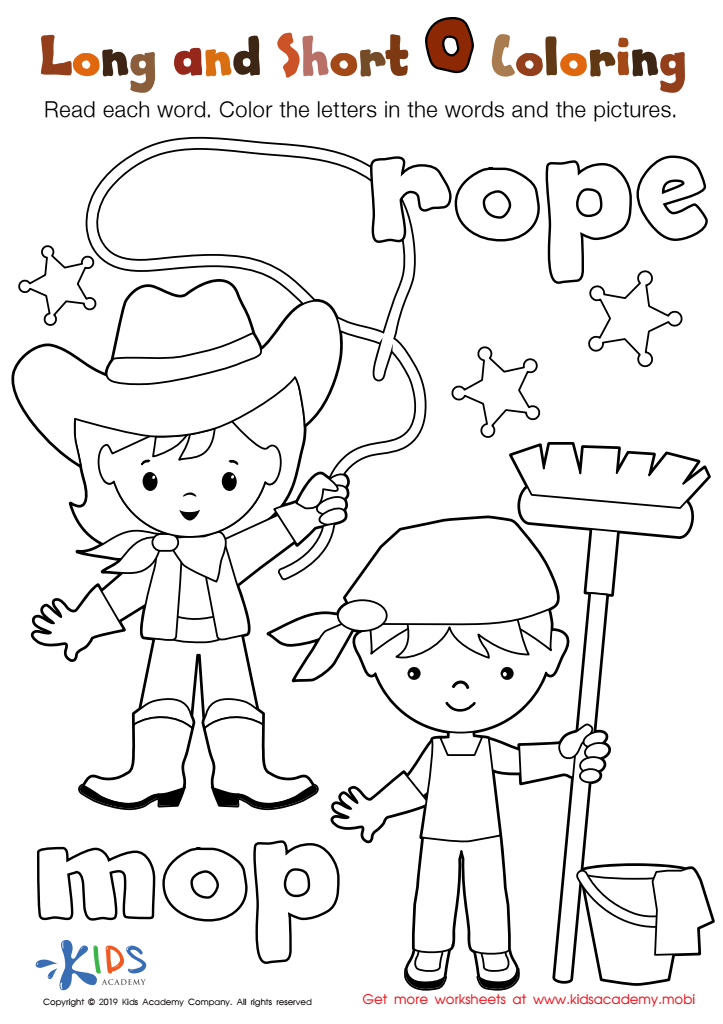
Long and Short O Worksheet
Assign to My Students
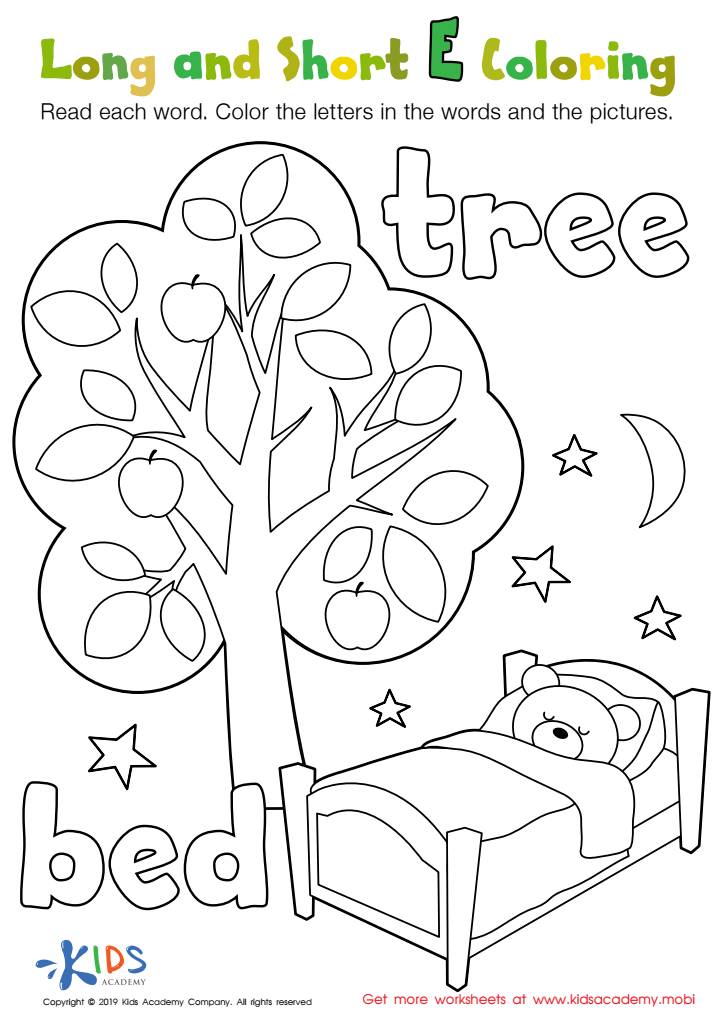
Long and Short E Worksheet
Assign to My Students
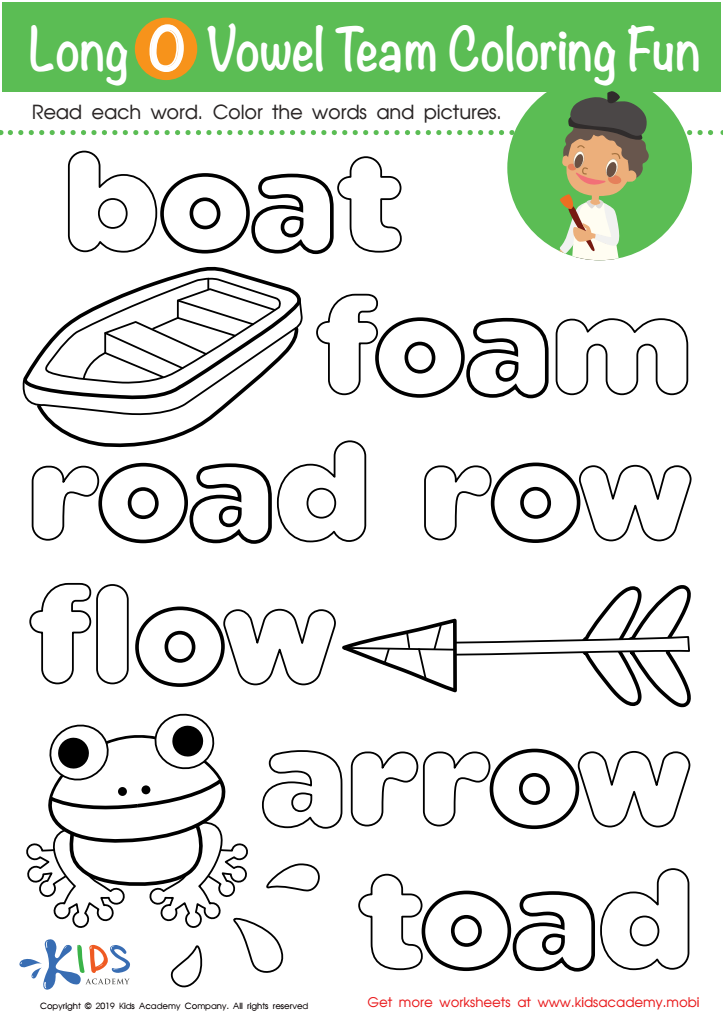
Long O Vowel Team Coloring Worksheet
Assign to My Students
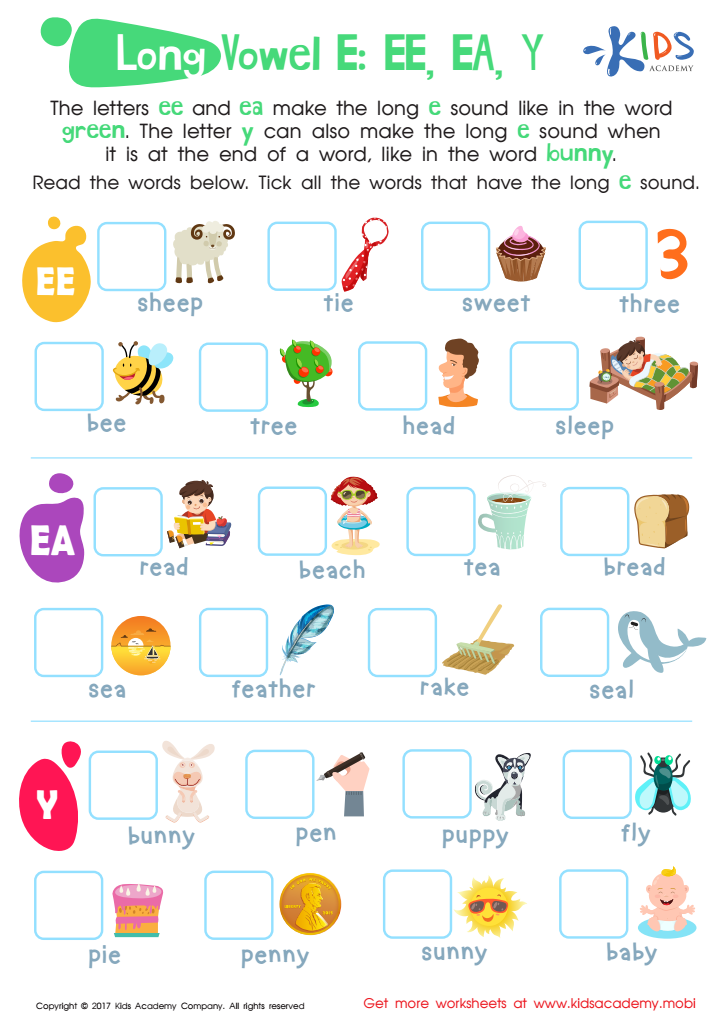
Long Vowel E Printable



Understanding Normal Vowel Teams is crucial for parents and teachers of children aged 3-7, as these phonetic patterns play a significant role in early literacy development. Normal Vowel Teams consist of two or more vowels that work together to create specific sounds, such as "ai" in "rain" or "ea" in "seat." By recognizing and mastering these vowel combinations, children develop the phonemic awareness necessary for reading fluency.
Supporting children's familiarity with Normal Vowel Teams enhances their decoding skills, allowing them to read more complex words confidently. This skill significantly contributes to their overall literacy, which not only impacts their academic success but also shapes their lifelong relationship with reading.
Furthermore, integrating vowel teams into phonics instruction engages young learners with enjoyable and effective strategies. Through songs, games, and interactive activities, educators can make learning fun and meaningful, fostering a love for reading. Additionally, parents can reinforce these concepts at home, enhancing their child’s educational progress.
Ultimately, by emphasizing Normal Vowel Teams, parents and teachers equip young learners with essential tools for effective communication, paving the way for academic achievement and personal growth. Supporting these skills early on lays a strong foundation for a child's future learning journey.