Strategic thinking development Normal Chess Worksheets for Ages 3-7
7 filtered results
-
From - To
Ignite your child's strategic thinking development with our engaging Normal Chess Worksheets designed for ages 3-7! These thoughtfully crafted worksheets from Kids Academy help young learners build essential decision-making and problem-solving skills through the timeless game of chess. Each activity is tailored to their developmental stage, promoting cognitive growth while having fun. Our printable resources guide children to understand chess basics, anticipate opponents' moves, and devise early strategies. Ideal for parents and educators, these worksheets offer an enriching, playful way to nurture young minds toward sharper thinking and better learning outcomes. Start your child's chess journey now!
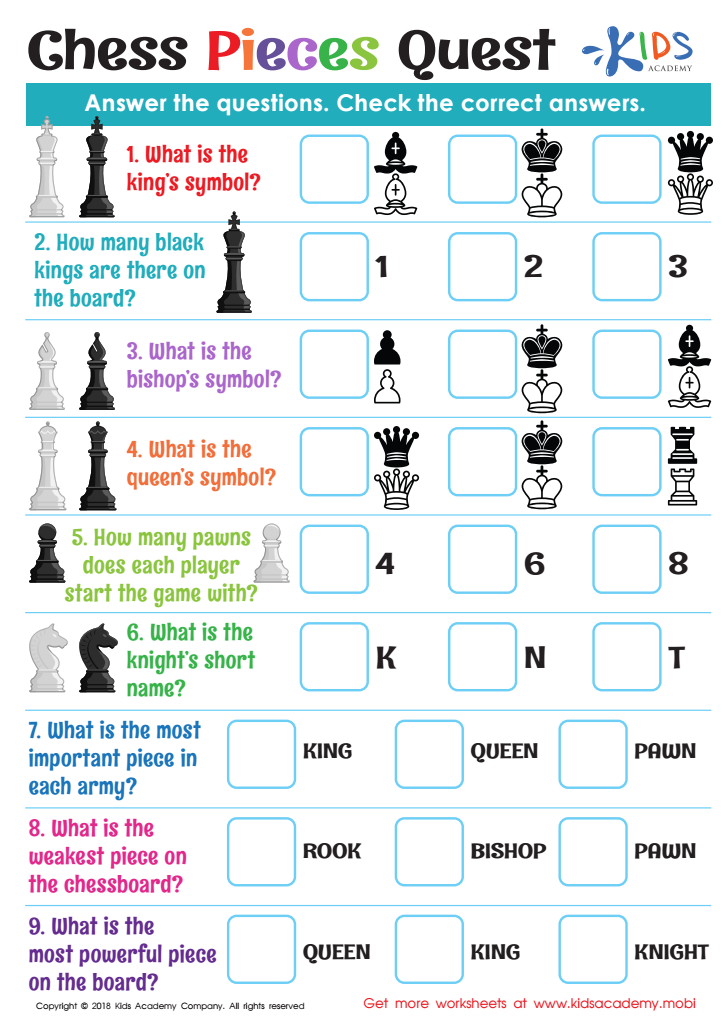
Chess Pieces Quest Worksheet
 Assign to My Students
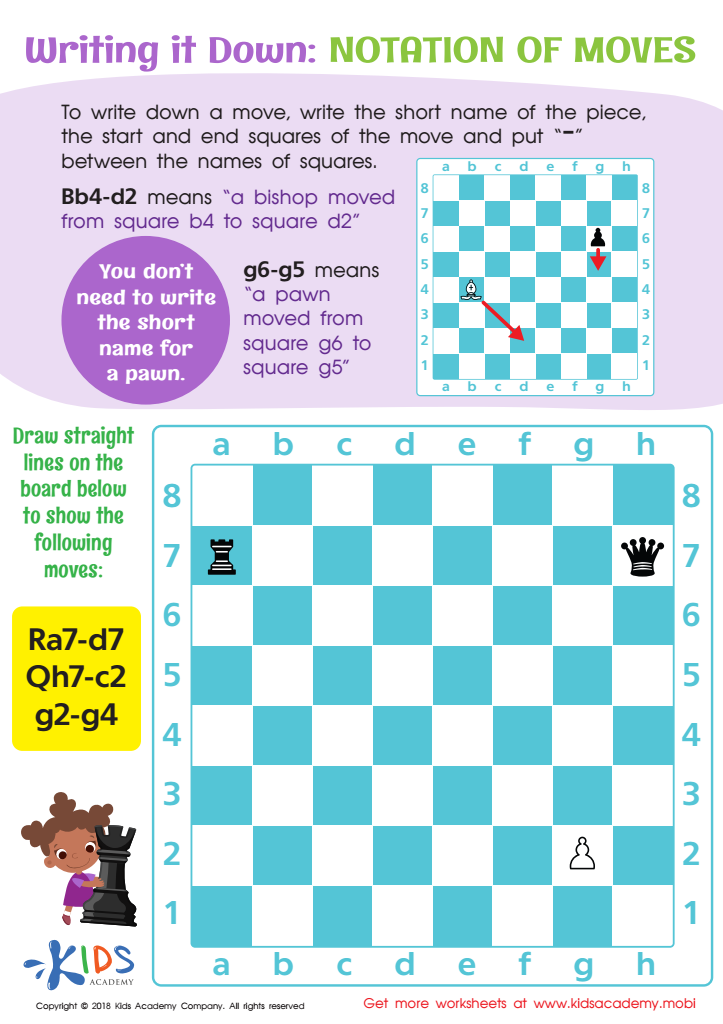
Notation of Moves Writing it Down Worksheet
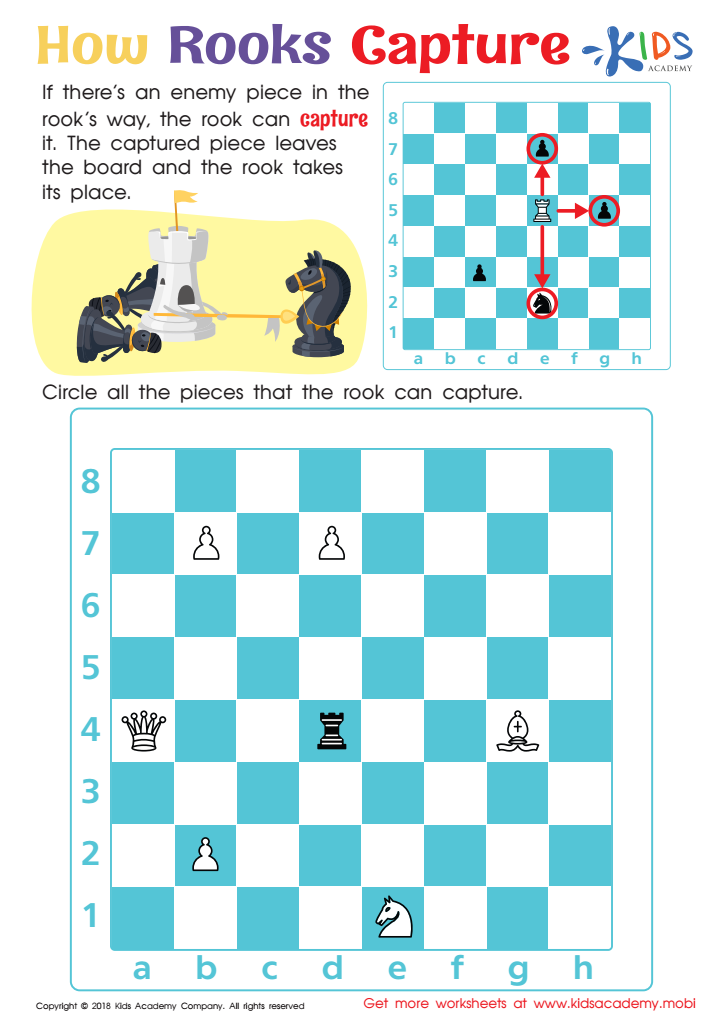
How Rooks Capture Worksheet
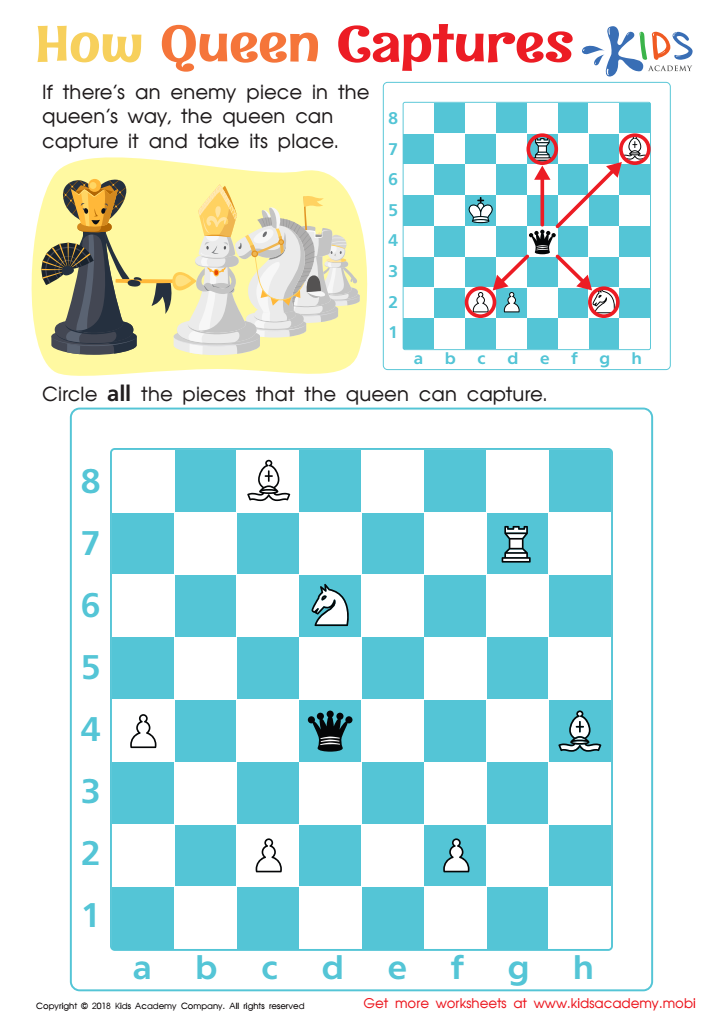
How Queen Captures Worksheet
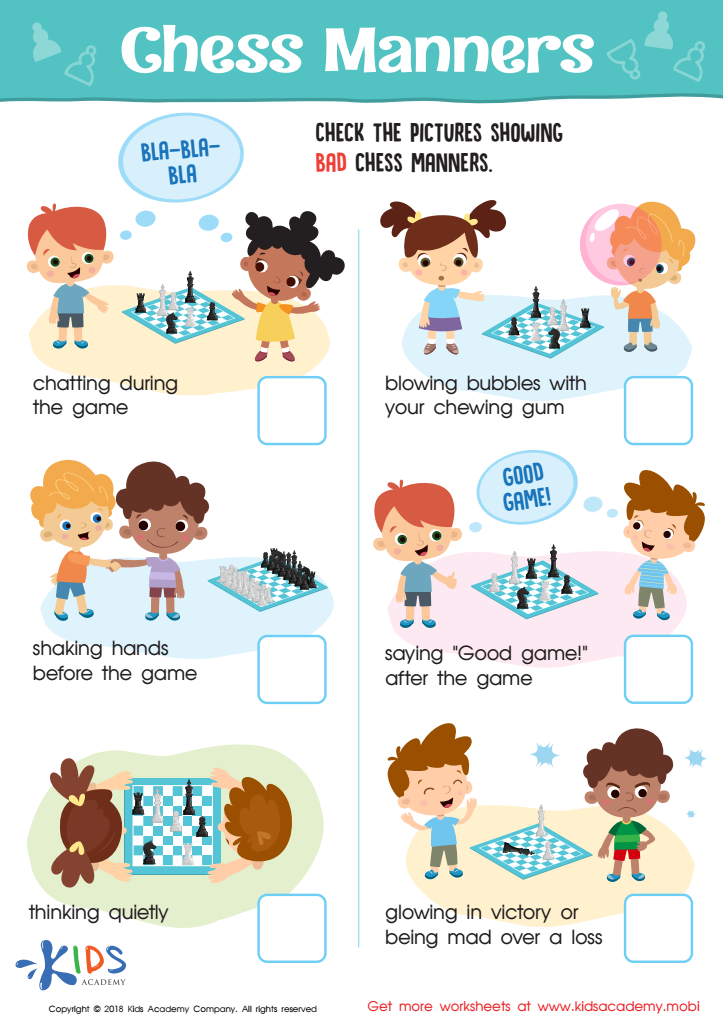
Chess Manners Worksheet
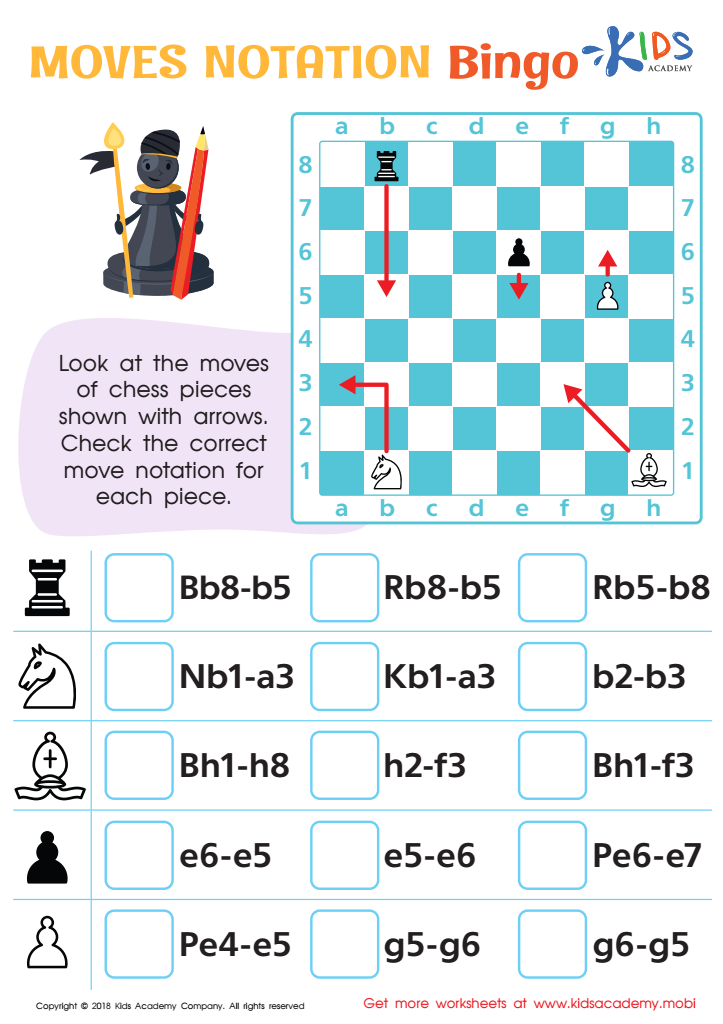
Moves Notation Bingo Worksheet
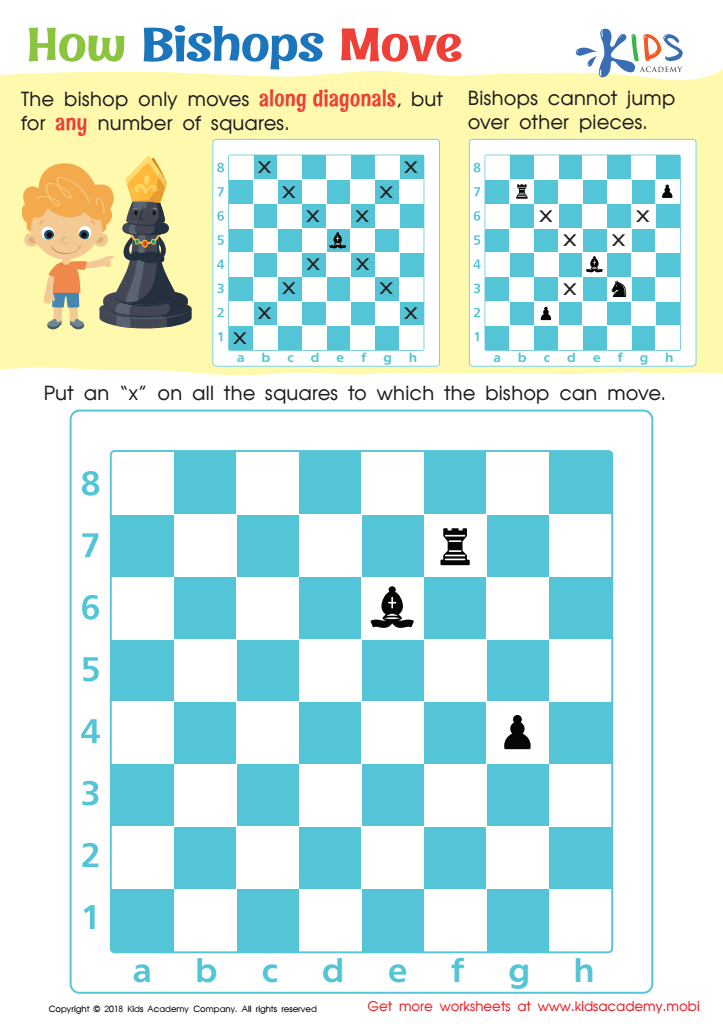
How Bishops Move Worksheet




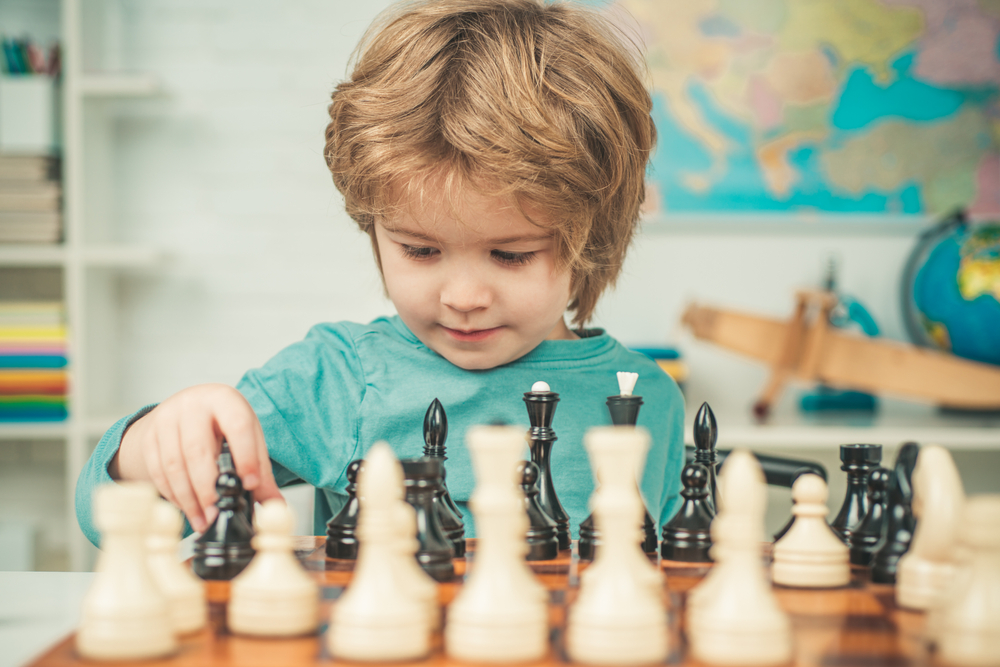
Strategic thinking is a crucial skill that benefits individuals throughout their lives, and introducing children aged 3-7 to chess can be a powerful way to develop this ability early on. Parents and teachers should care about fostering strategic thinking through chess because it enhances cognitive development, problem-solving abilities, and patience.
Firstly, chess challenges young minds to think ahead, anticipate consequences, and plan several moves in advance. These activities stimulate brain development and improve memory, concentration, and analytical skills. Strategic thinking nurtured through chess helps children understand the importance of considering various possibilities and outcomes before making decisions.
Moreover, chess teaches valuable life skills, including patience and resilience. Young children learn to pause, reflect, and approach problems methodically rather than seeking immediate gratification. When faced with setbacks during the game, they practice perseverance and resilience, understanding that mistakes can lead to valuable learning experiences.
Additionally, chess provides a structured yet fun environment for children to develop social skills and emotional intelligence. Playing chess with peers or adults encourages respectful interaction, turn-taking, and sportsmanship.
During these formative years, embedding strategic thinking through engaging activities like chess lays a strong foundation for future learning and personal growth, equipping children with tools to navigate academic challenges and life decisions thoughtfully and effectively.