Handwriting practice Normal Worksheets for Ages 3-7 - Page 2
63 filtered results
-
From - To
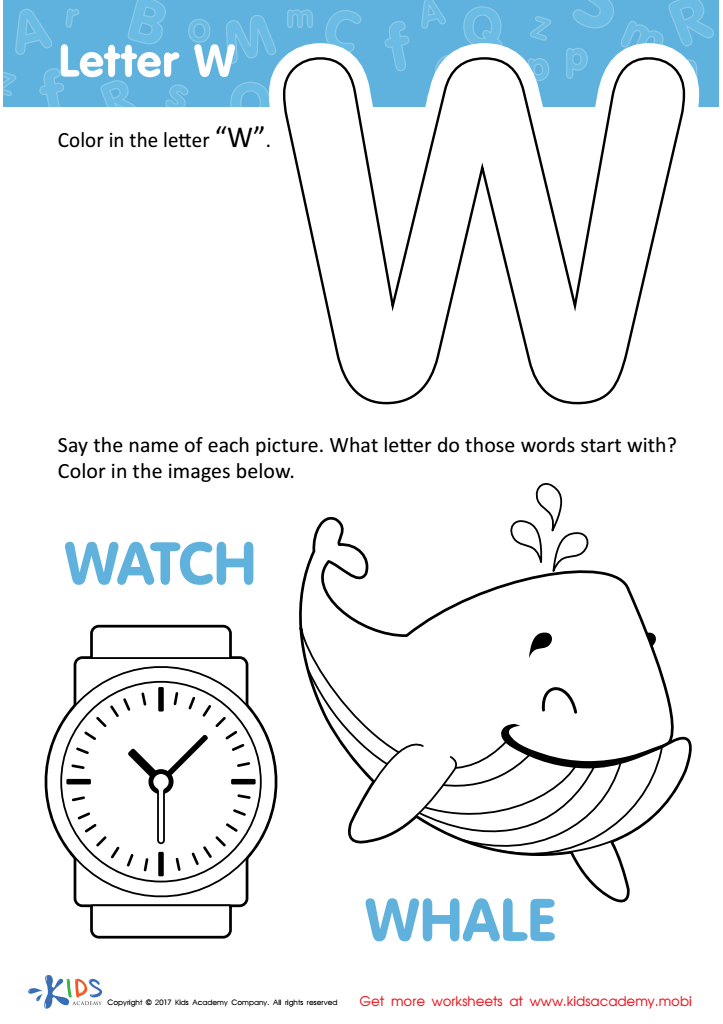
Letter W Coloring Sheet
 Assign to My Students
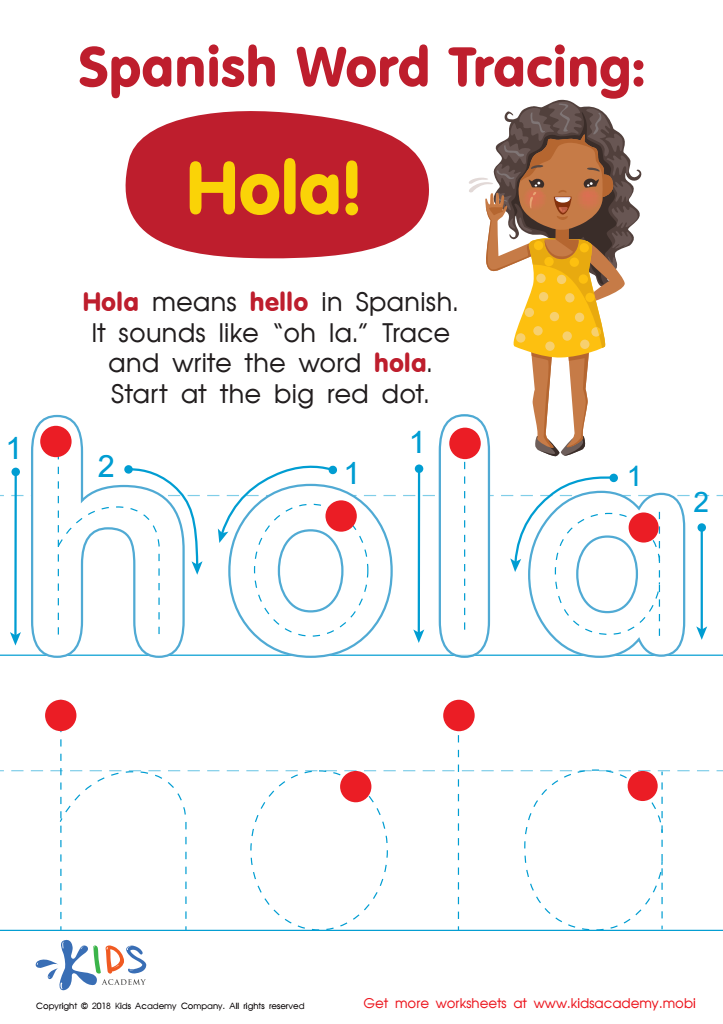
Spanish Word Tracing: Hola Worksheet
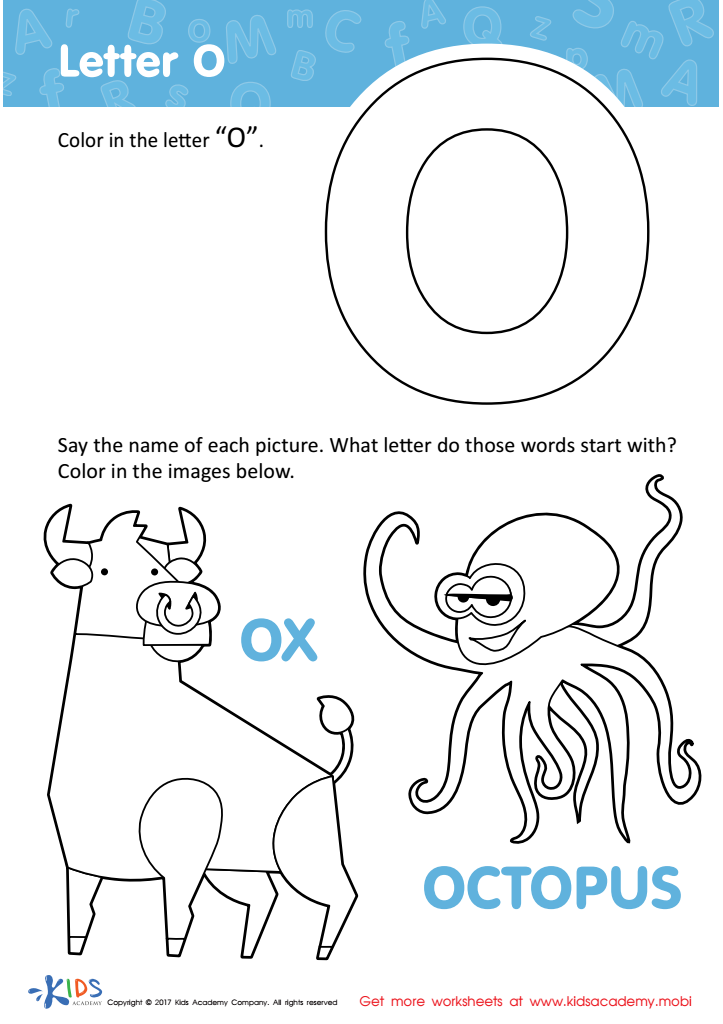
Letter O Coloring Sheet
Assign to My Students

Lowercase Letters m n o Worksheet
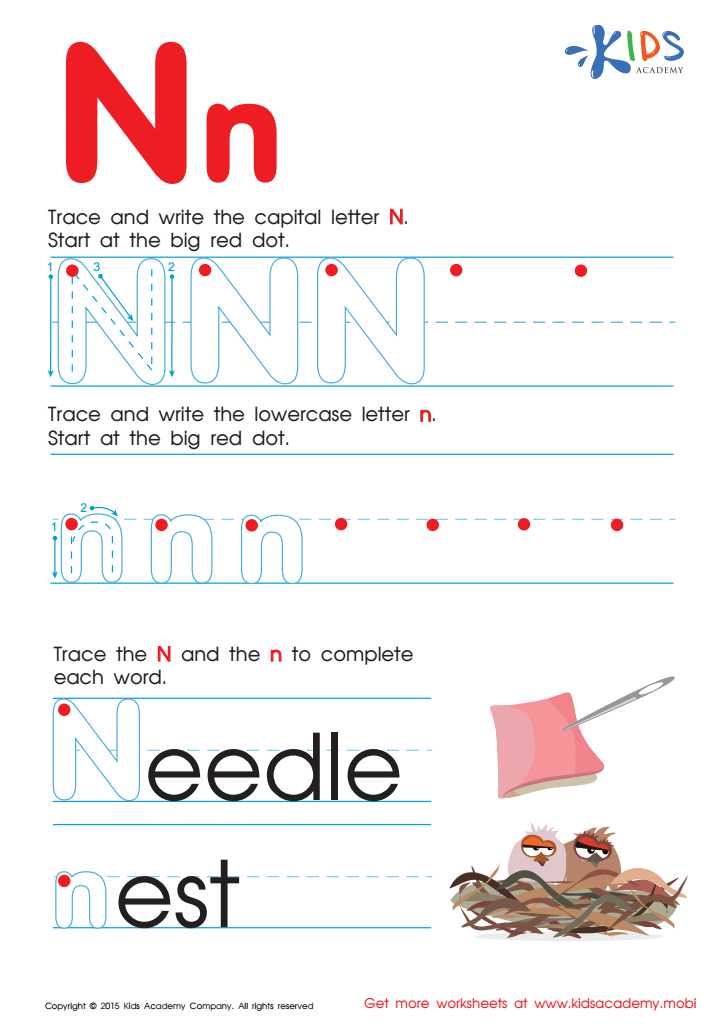
Letter N Tracing Page
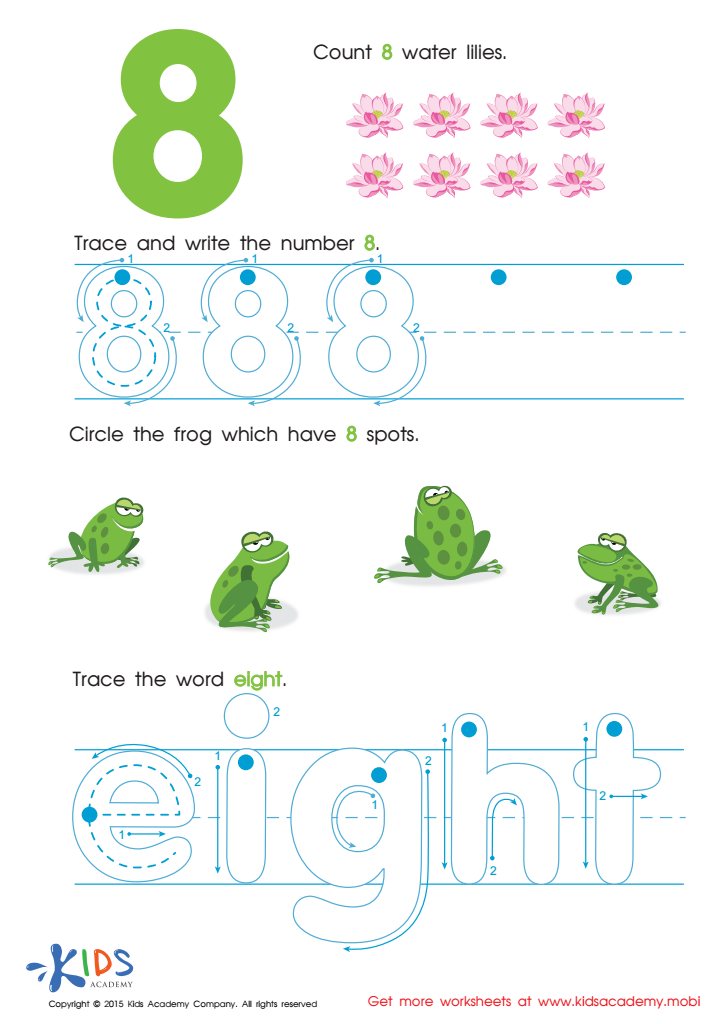
Learn Number 8 Easily Worksheet
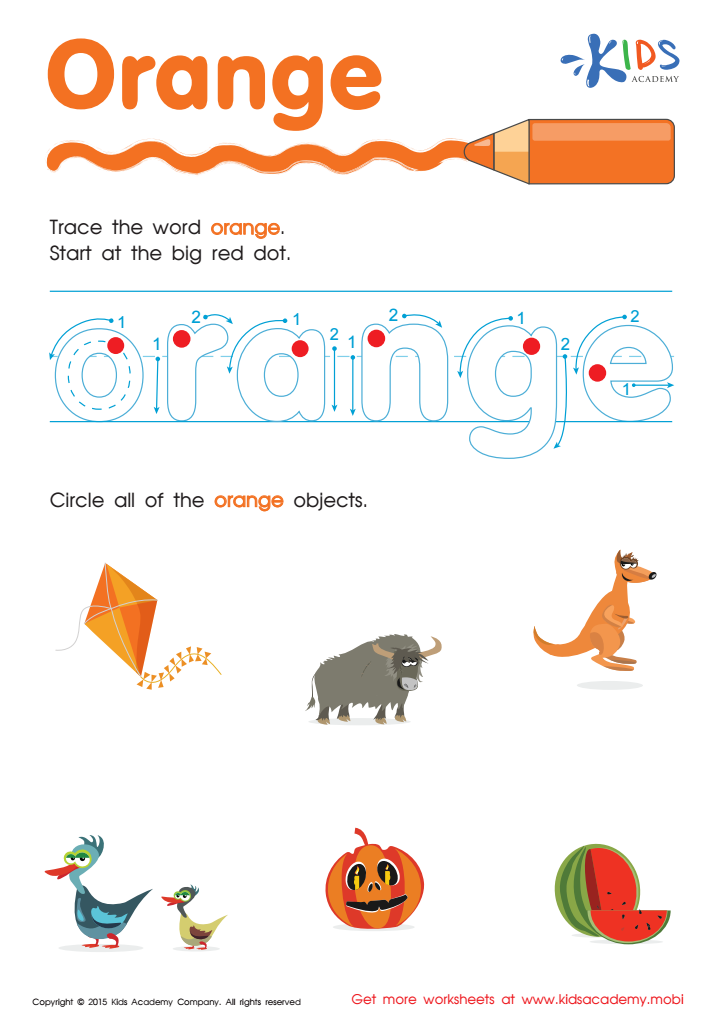
Orange Tracing Color Words Worksheet
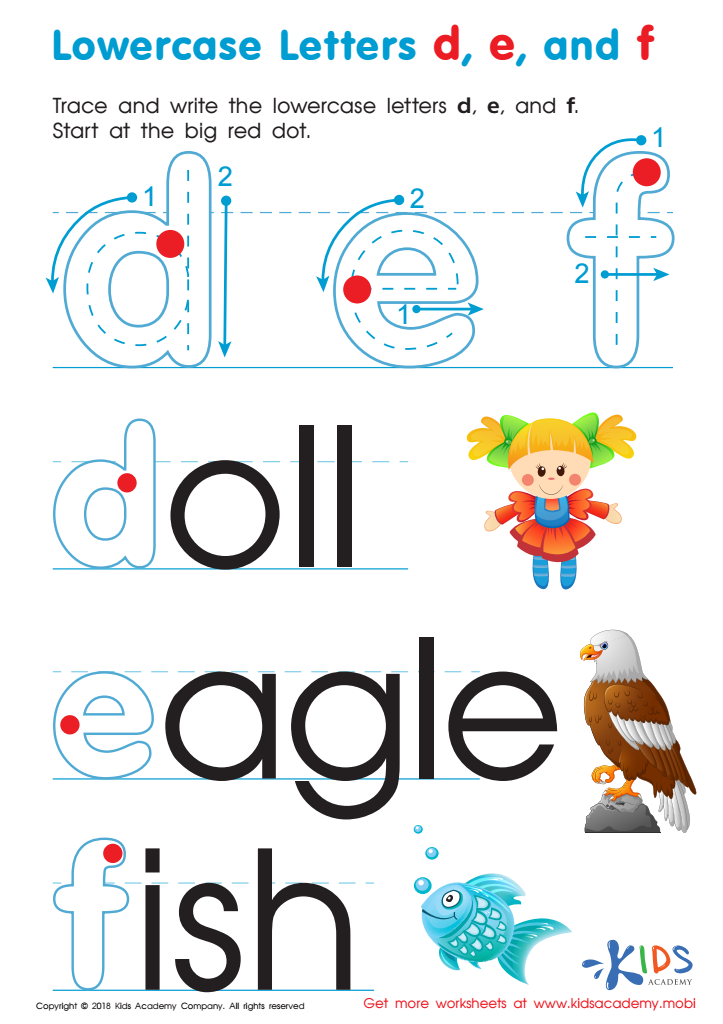
Lowercase Letters d e f Worksheet
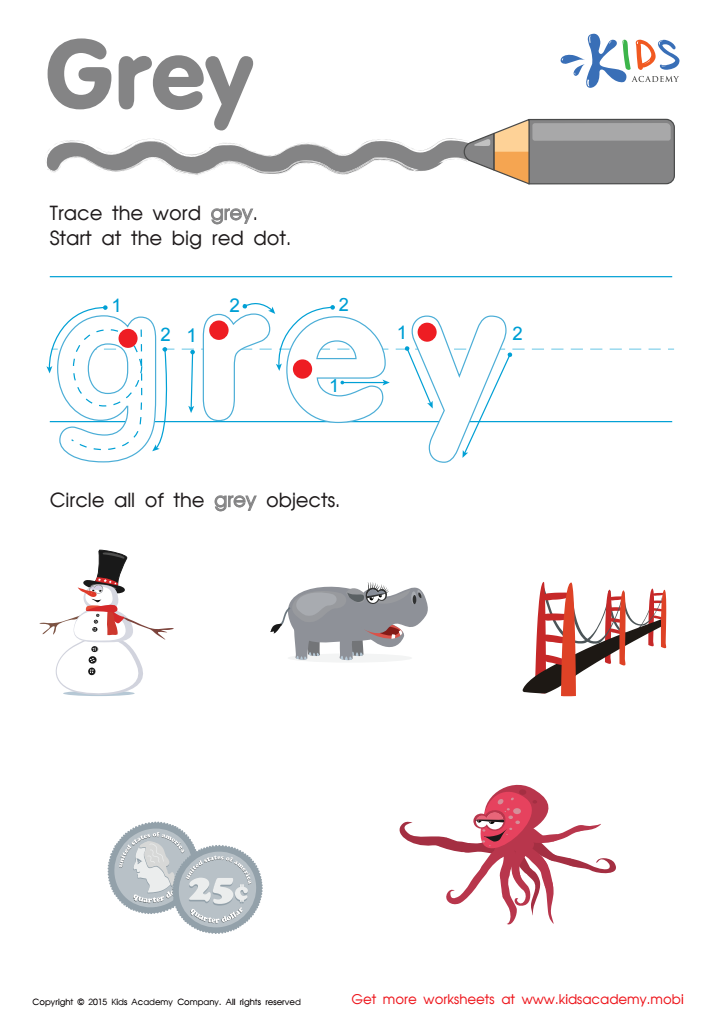
Grey Tracing Color Words Worksheet
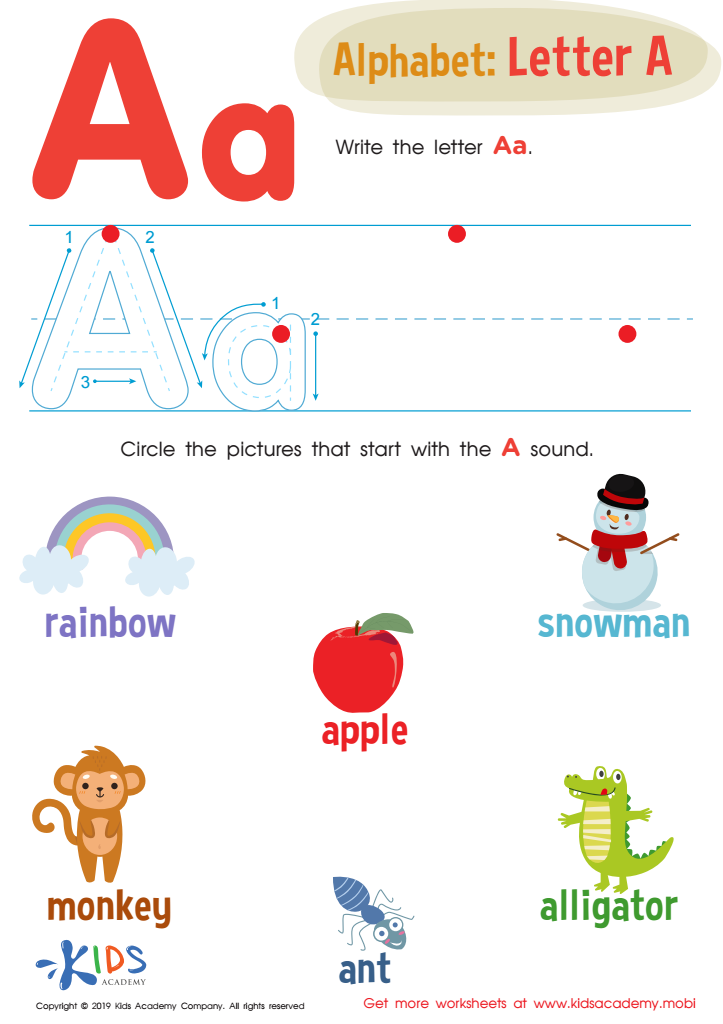
Letter A Tracing Worksheet
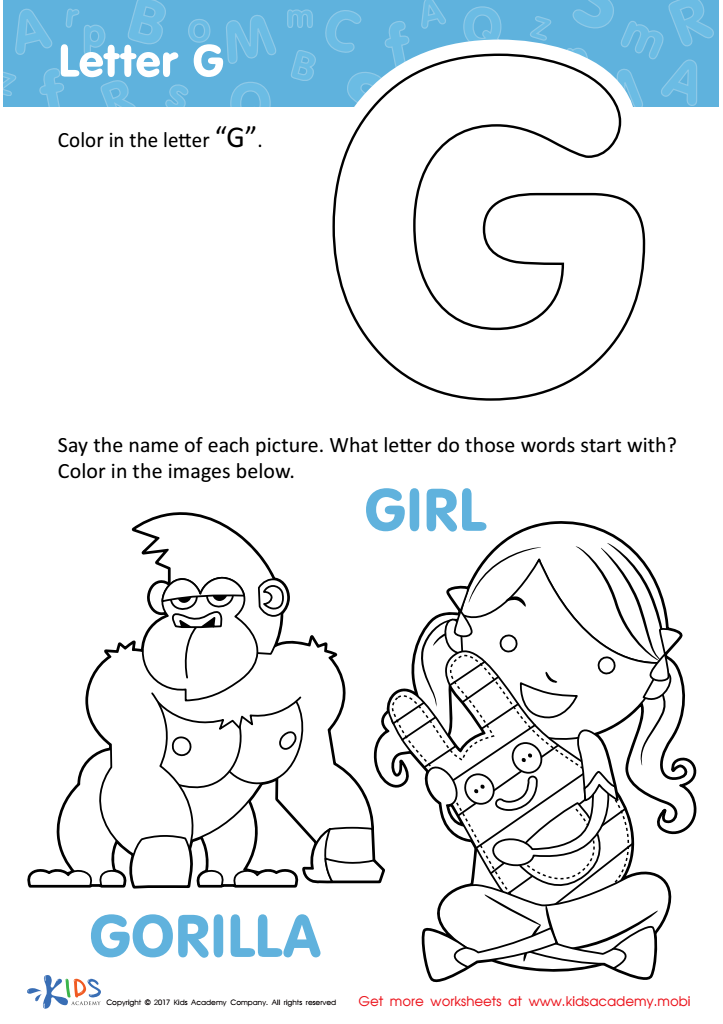
Letter G Coloring Sheet
Assign to My Students
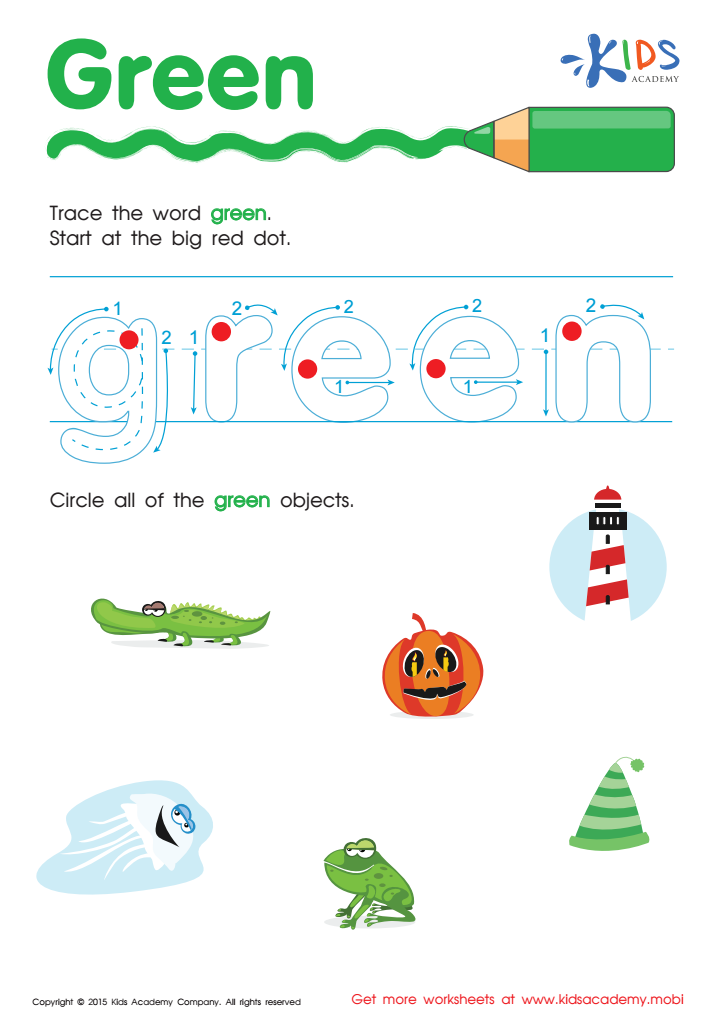
Green Tracing Color Words Worksheet
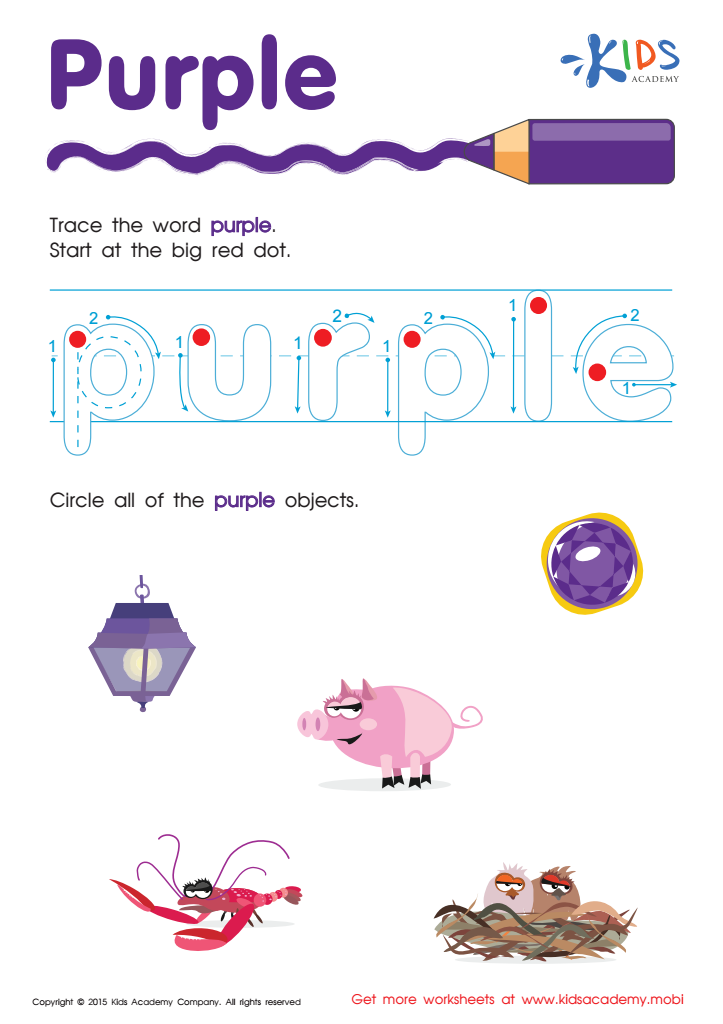
Purple Tracing Color Words Worksheet
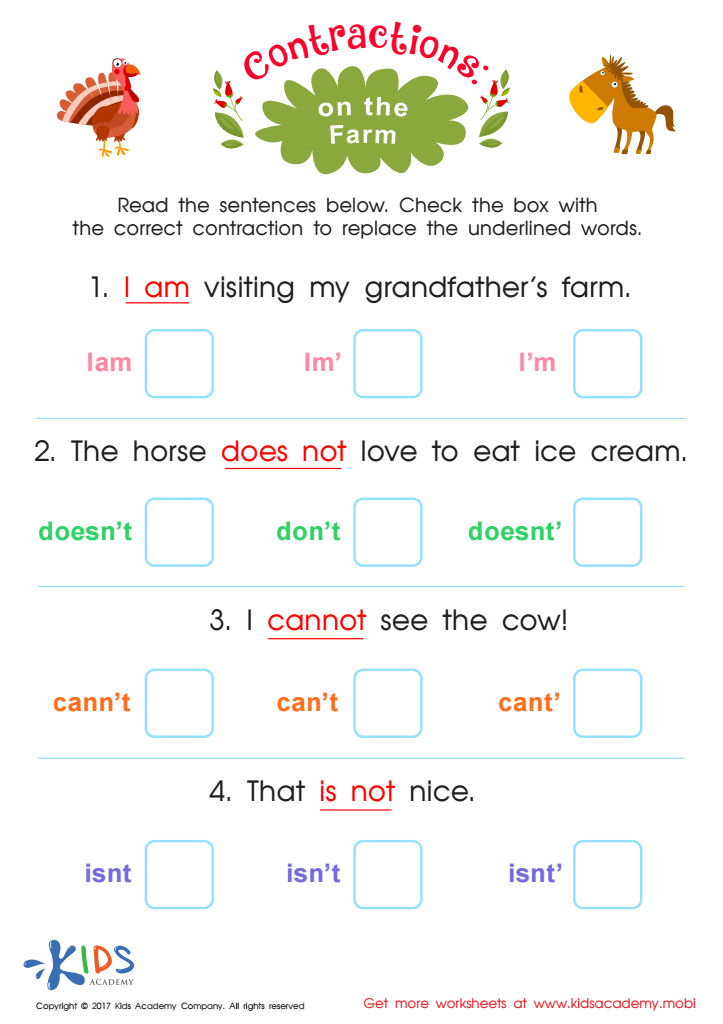
Contractions: On the Farm Printable
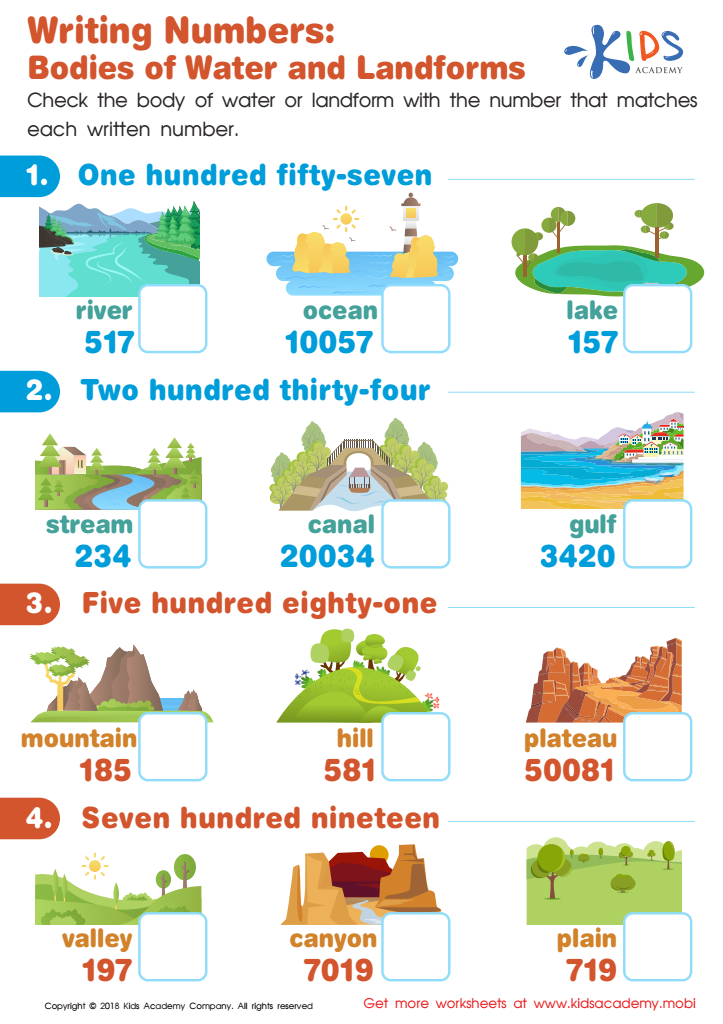
Bodies of Water and Landforms Writing Numbers Worksheet
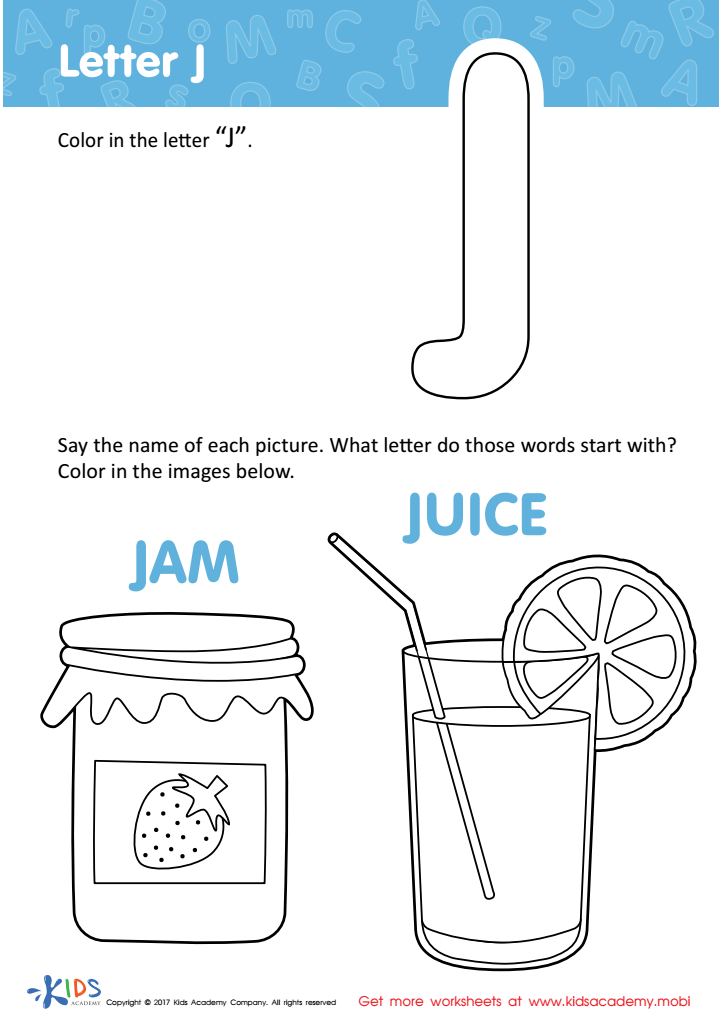
Letter J Coloring Sheet
Assign to My Students
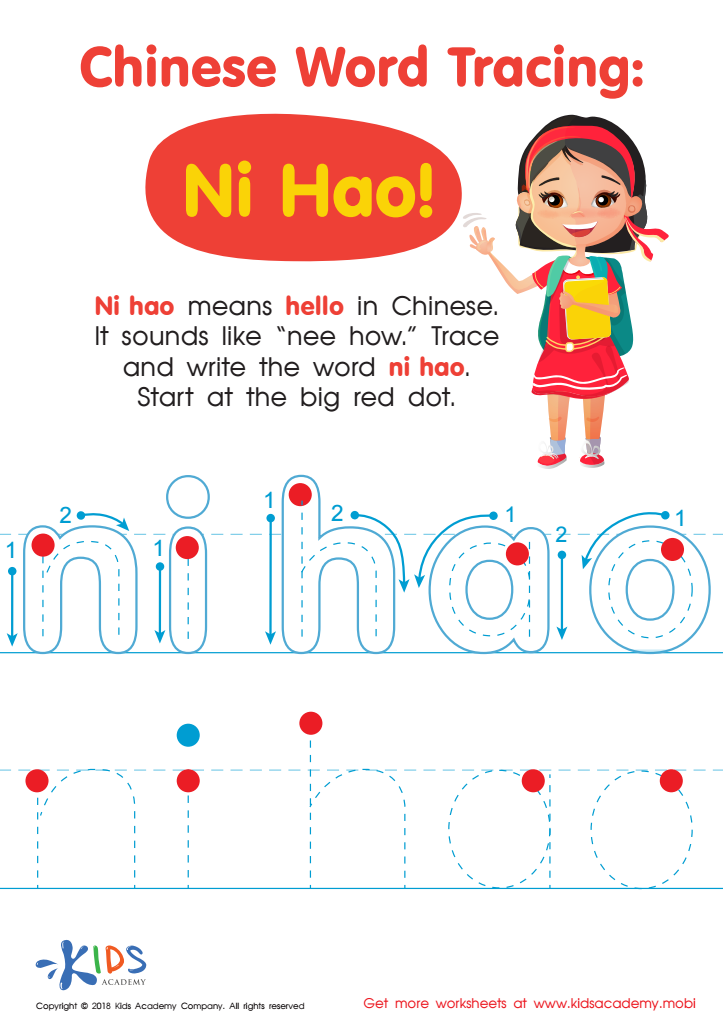
Chinese Word Tracing: Ni Hao Worksheet
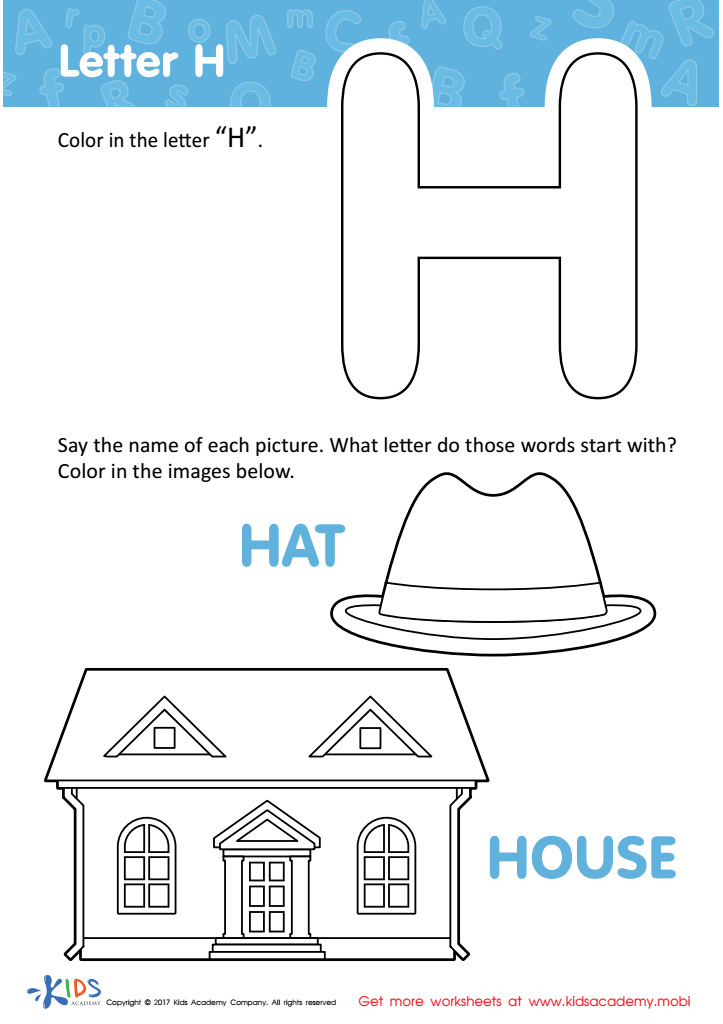
Letter H Coloring Sheet
Assign to My Students
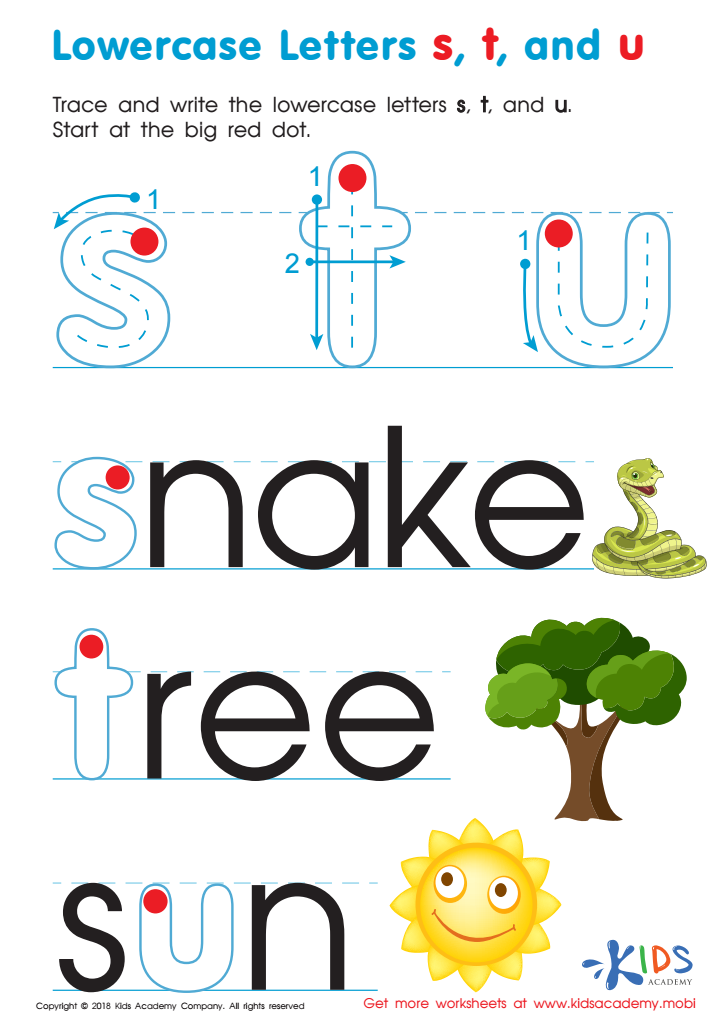
Lowercase Letters s t u Worksheet
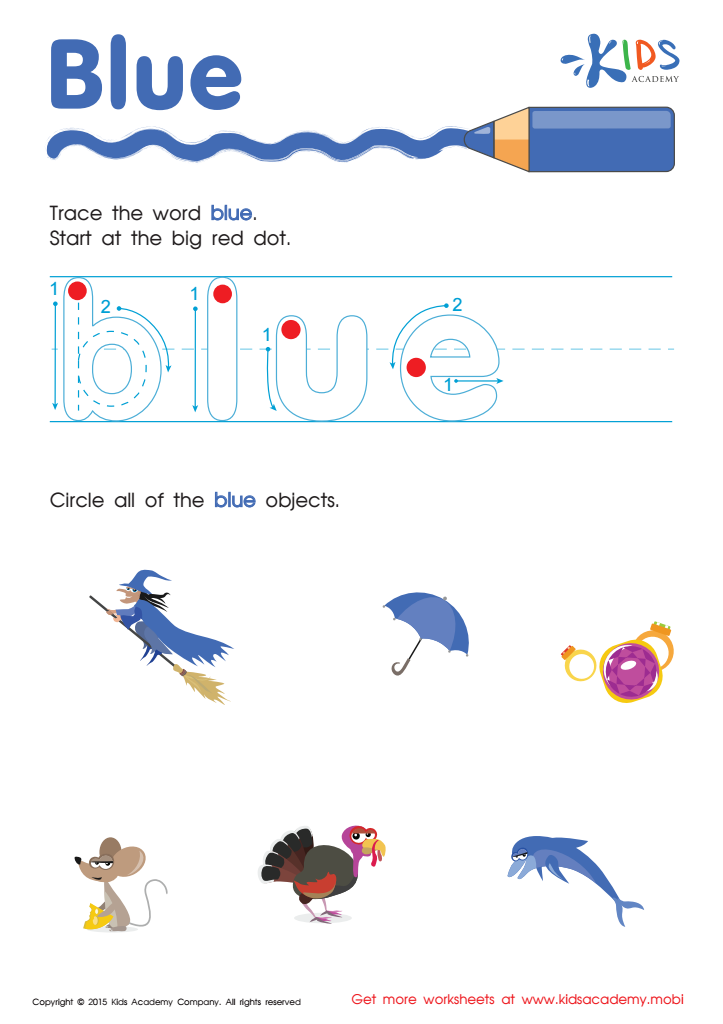
Blue Tracing Color Words Printable
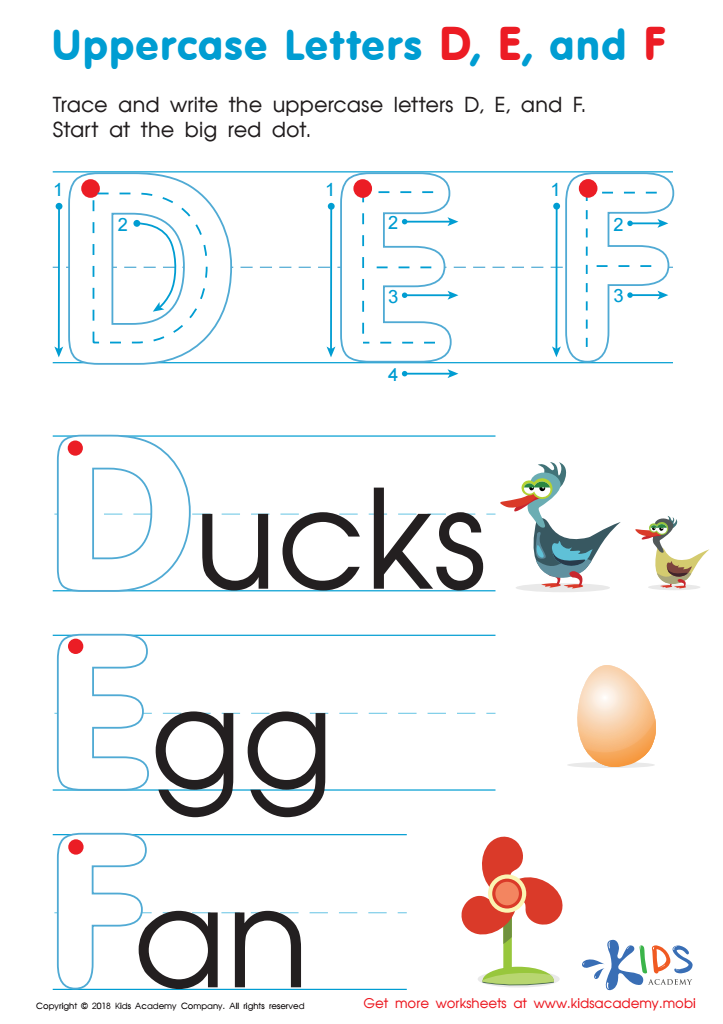
Uppercase Letters D, E, and F Worksheet
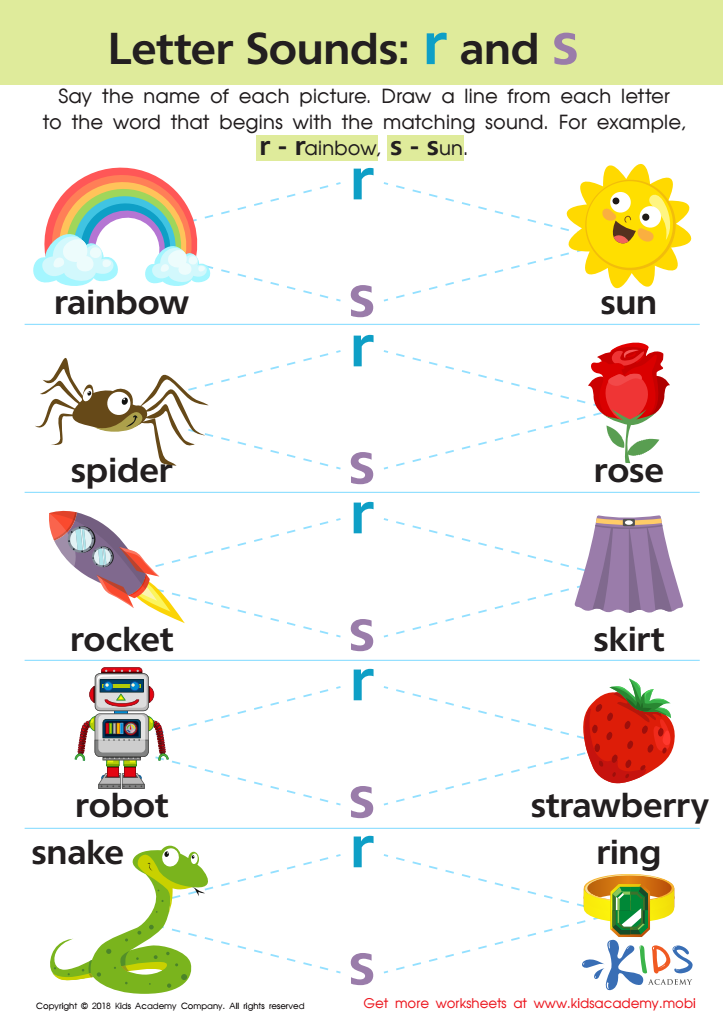
Letter R and S Sounds Worksheet
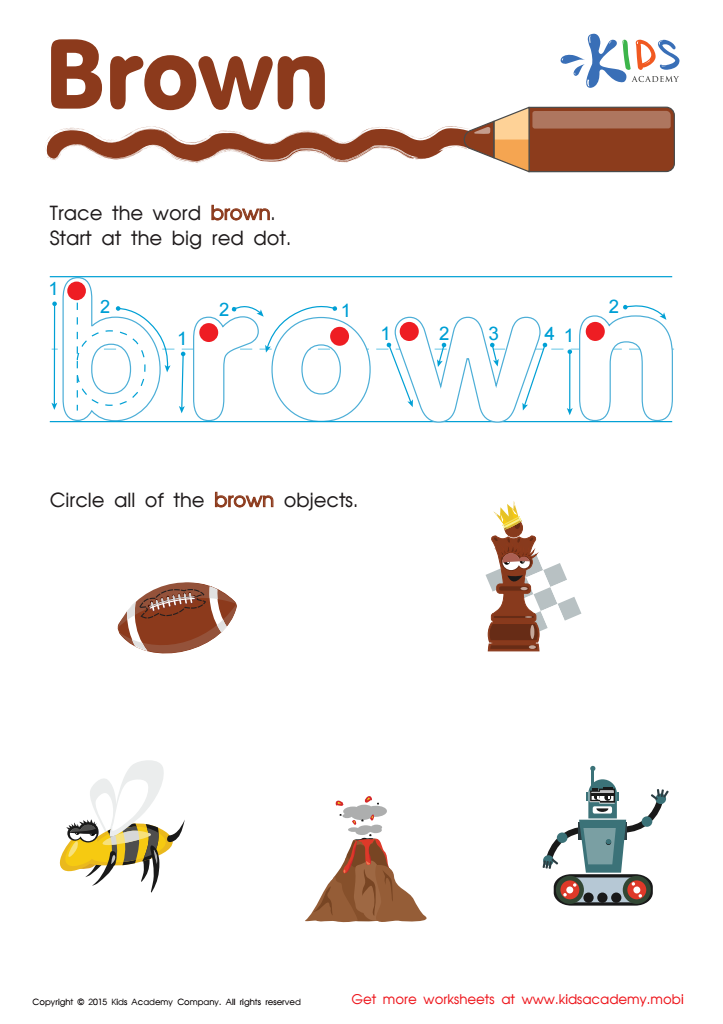
Brown Tracing Color Words Worksheet
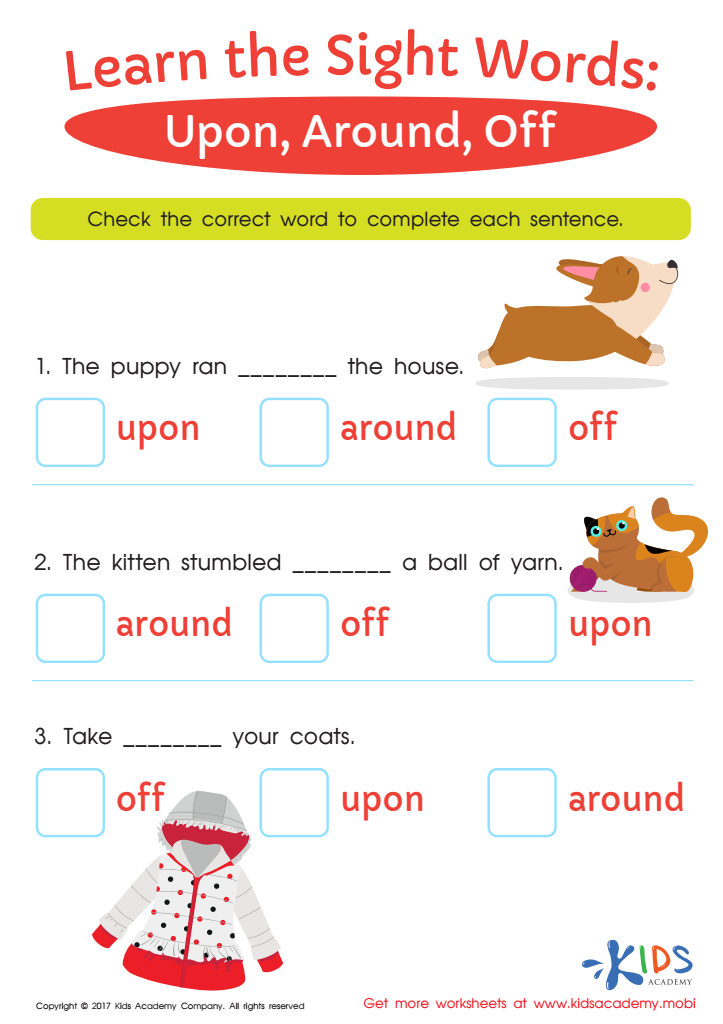
Upon, Around, Off Sight Words Worksheet








Handwriting practice is a crucial developmental milestone for children aged 3-7, and parents and teachers should prioritize it for several compelling reasons. Firstly, the act of writing enhances fine motor skills, which are essential for children’s overall physical development. These skills not only support handwriting but also influence a child’s ability to manage various day-to-day tasks, such as buttoning clothes or using utensils.
Secondly, handwriting helps with cognitive development. The brain is actively engaged while learning to form letters and words, reinforcing memory and comprehension skills. Practicing handwriting encourages focus and discipline, fostering a lifelong learning habit.
Moreover, children gain confidence as they develop their writing skills. Being able to express thoughts and feelings on paper can lead to greater self-esteem, enabling even shy children to communicate more effectively. This early writing ability often translates into improved literacy skills, such as reading and spelling.
Lastly, in an increasingly digital world, handwritten communication remains significant. The ability to write legibly is an essential skill for future academic and professional success. Encouraging handwriting practices from a young age equips children with the necessary tools to navigate their educational journey successfully.








