Vocabulary development Normal Worksheets for Ages 3-7 - Page 2
47 filtered results
-
From - To
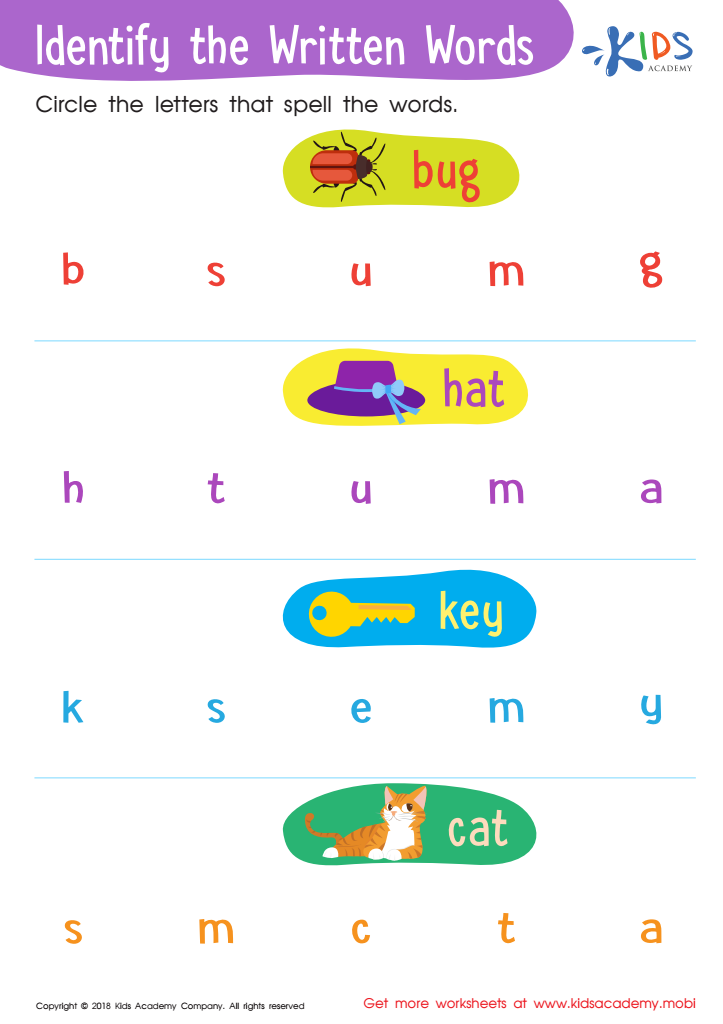
Identify the Written Words Worksheet

Beach Maze: Sun Safe Worksheet
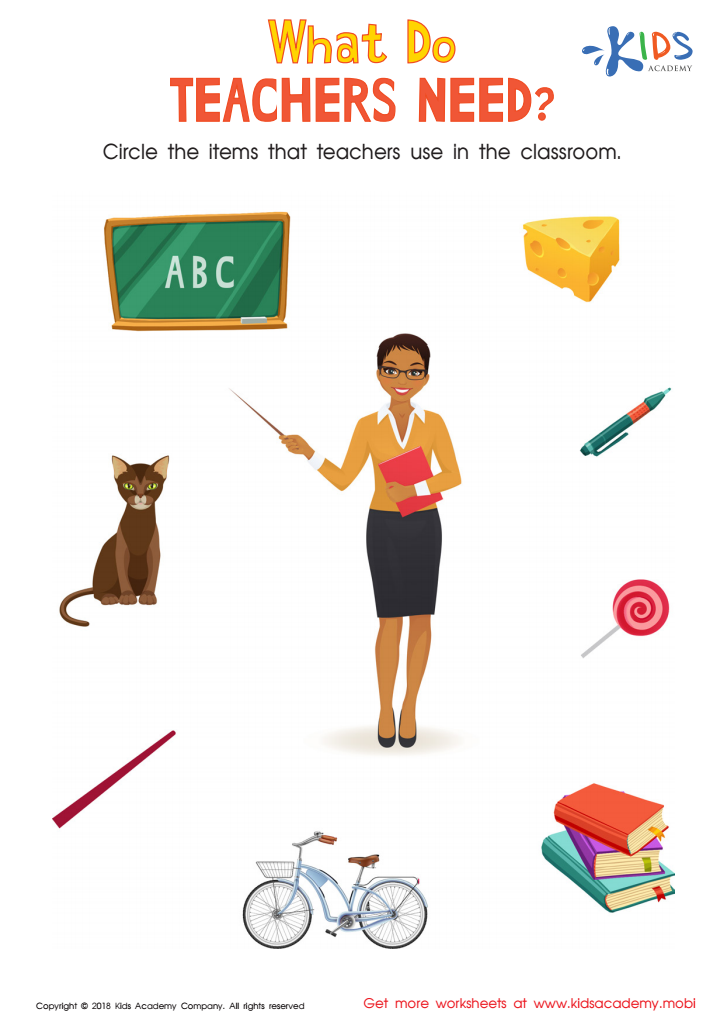
What Do Teachers Need Worksheet
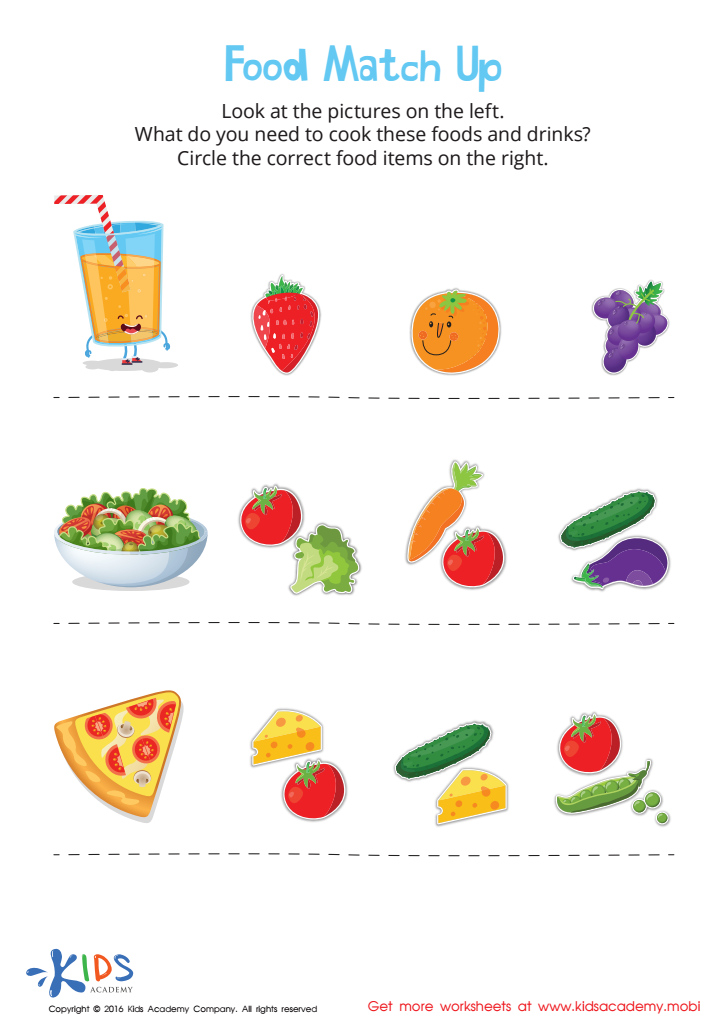
Food Match Up Worksheet
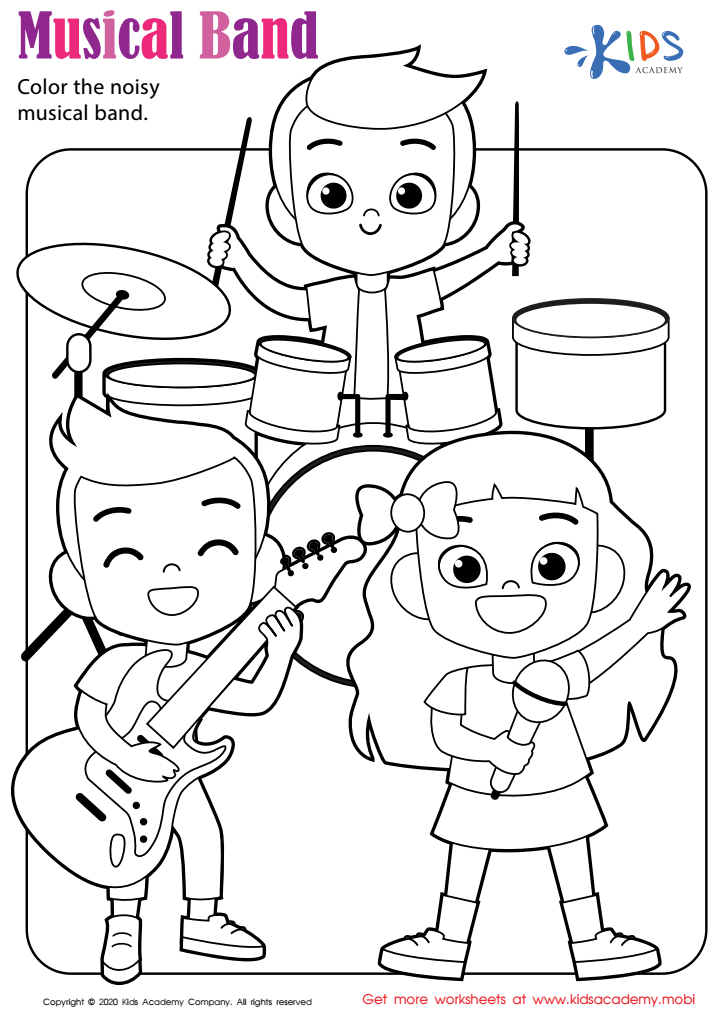
Musical Band Worksheet
 Assign to My Students
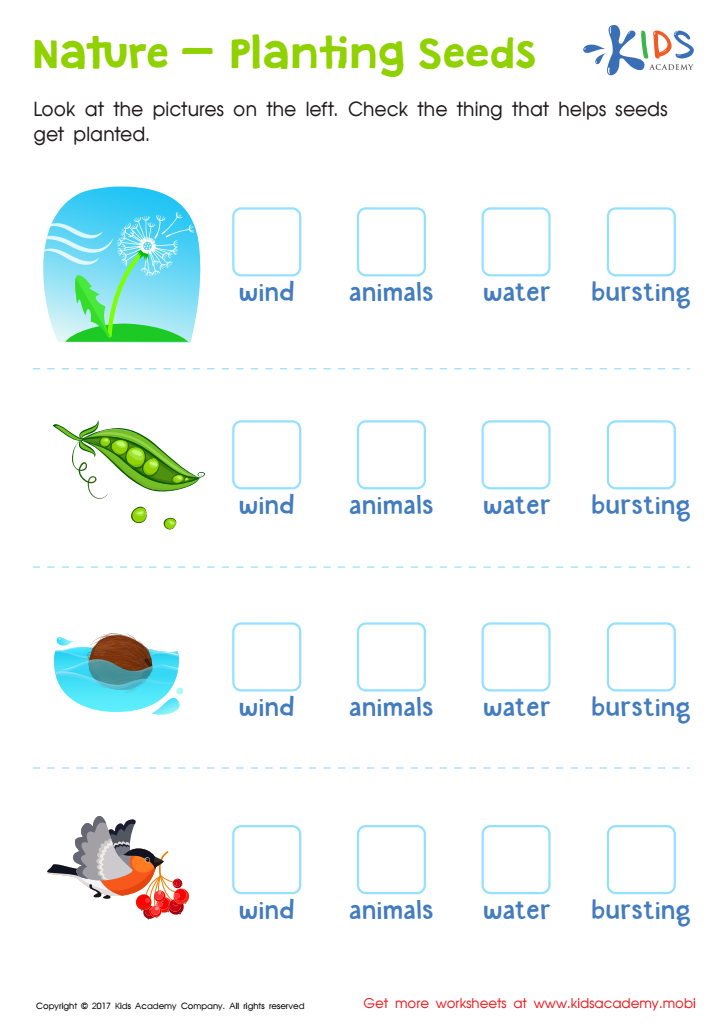
Nature Planting Seeds Worksheet
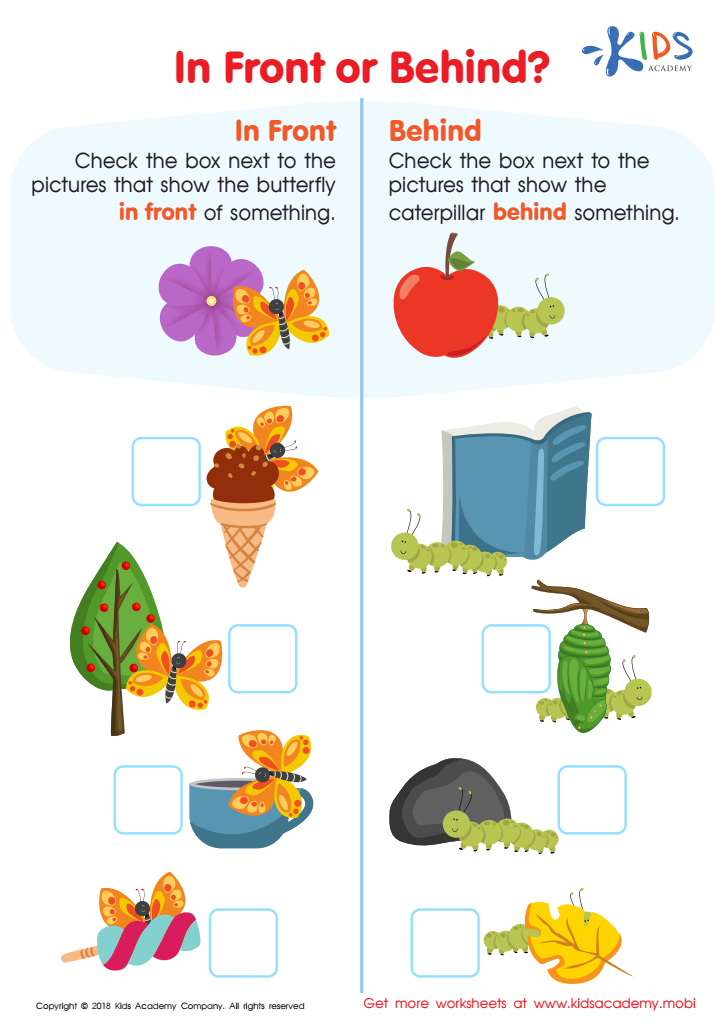
In Front or Behind Worksheet
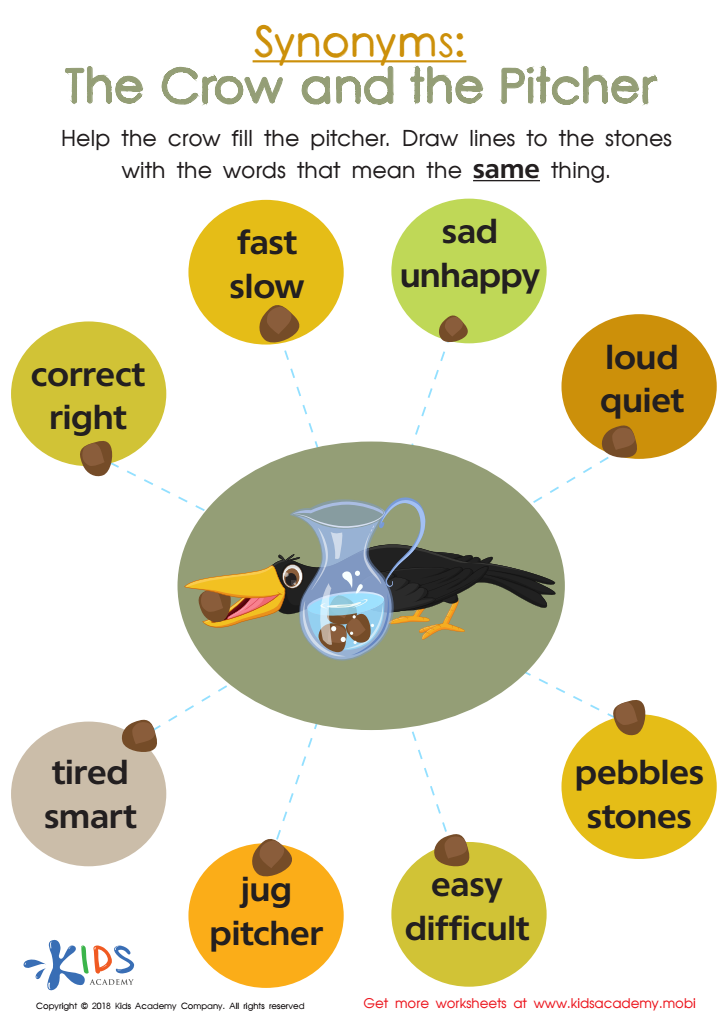
The Crow and the Pitcher Synonyms Worksheet
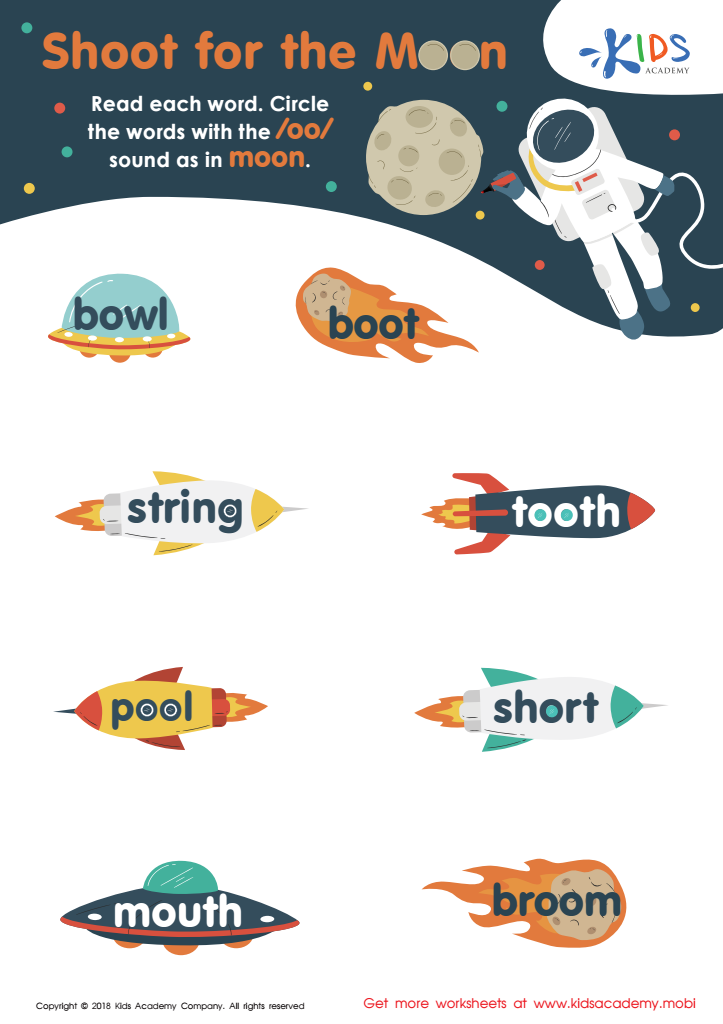
Reading: Shoot for the Moon Worksheet
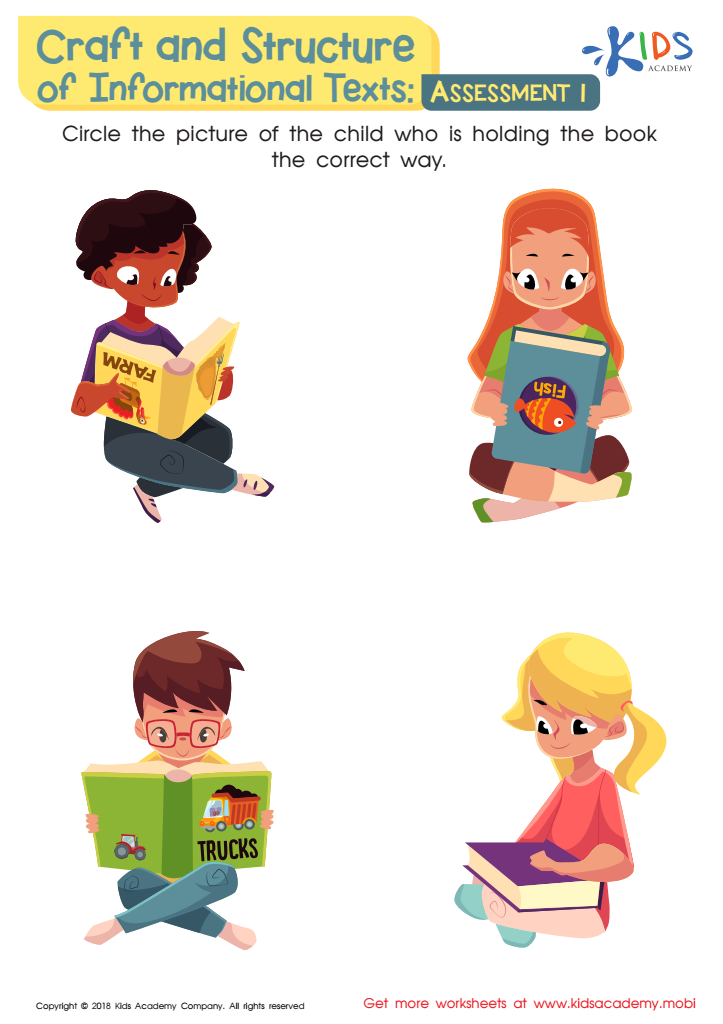
Craft and Structure of Informational Texts: Assessment 1 Worksheet

Turkey Thanksgiving Day Worksheet
Assign to My Students
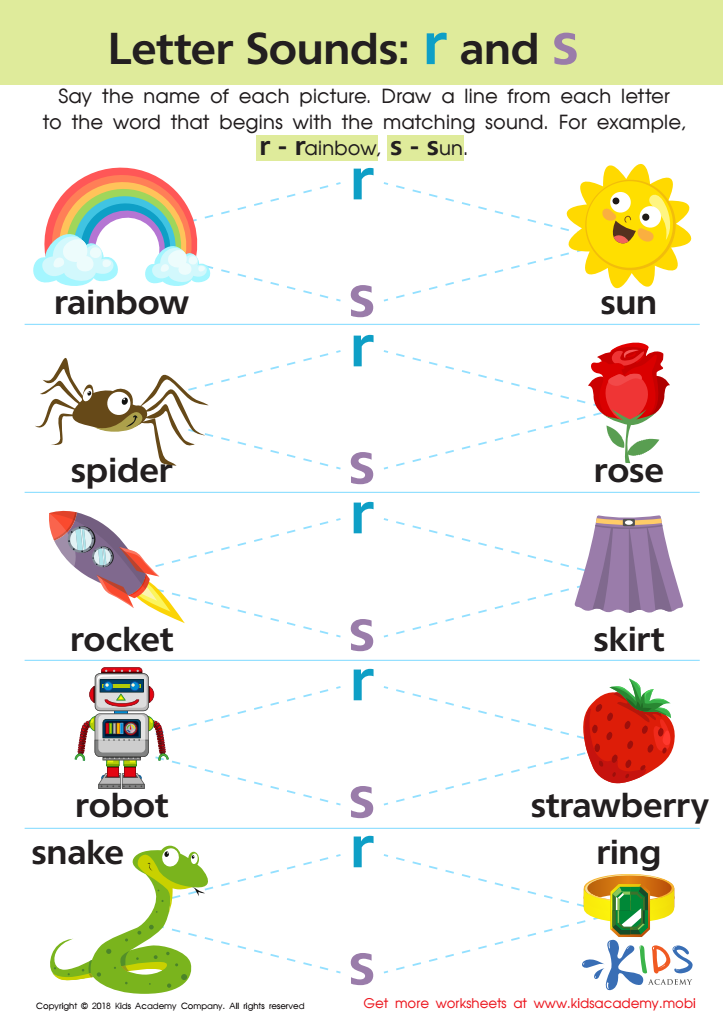
Letter R and S Sounds Worksheet
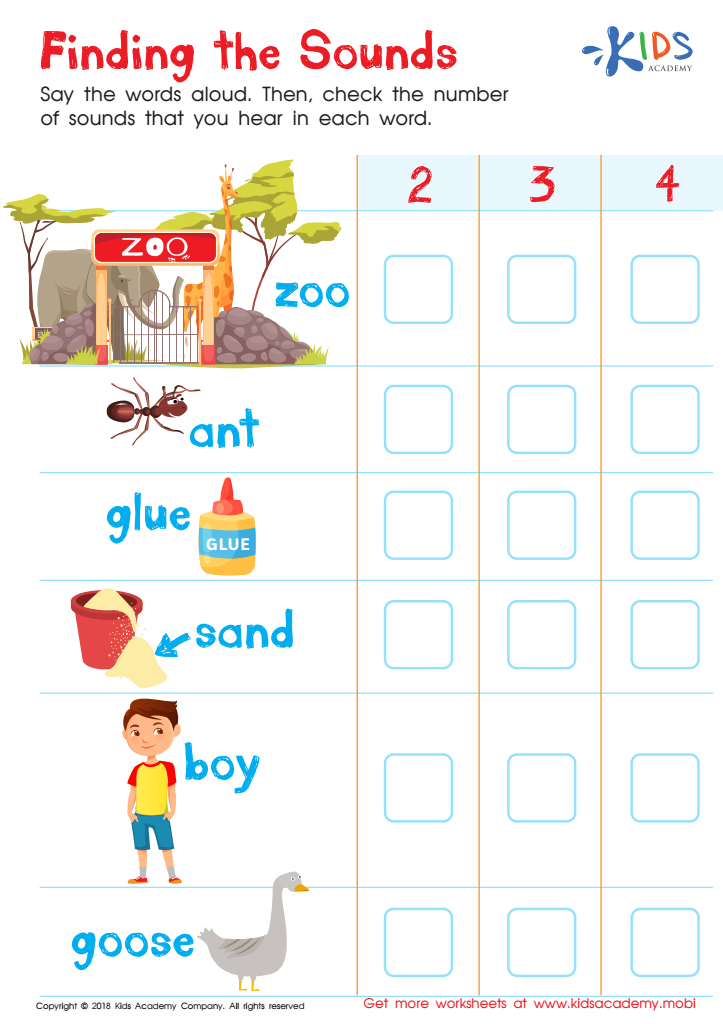
Finding the Sounds Worksheet
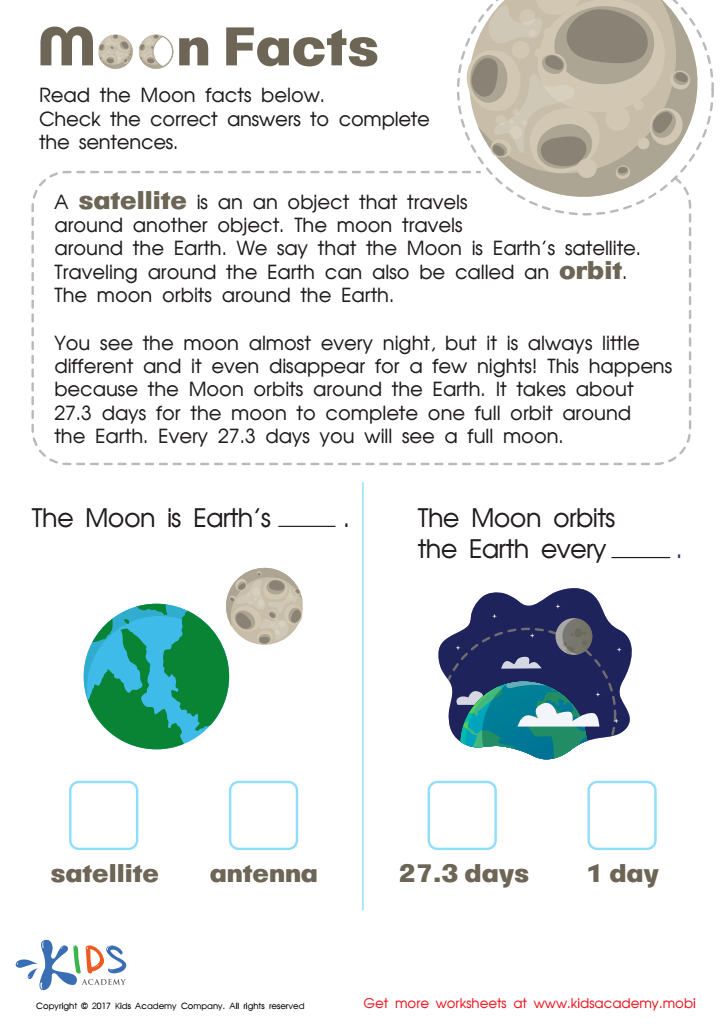
Moon Facts Worksheet
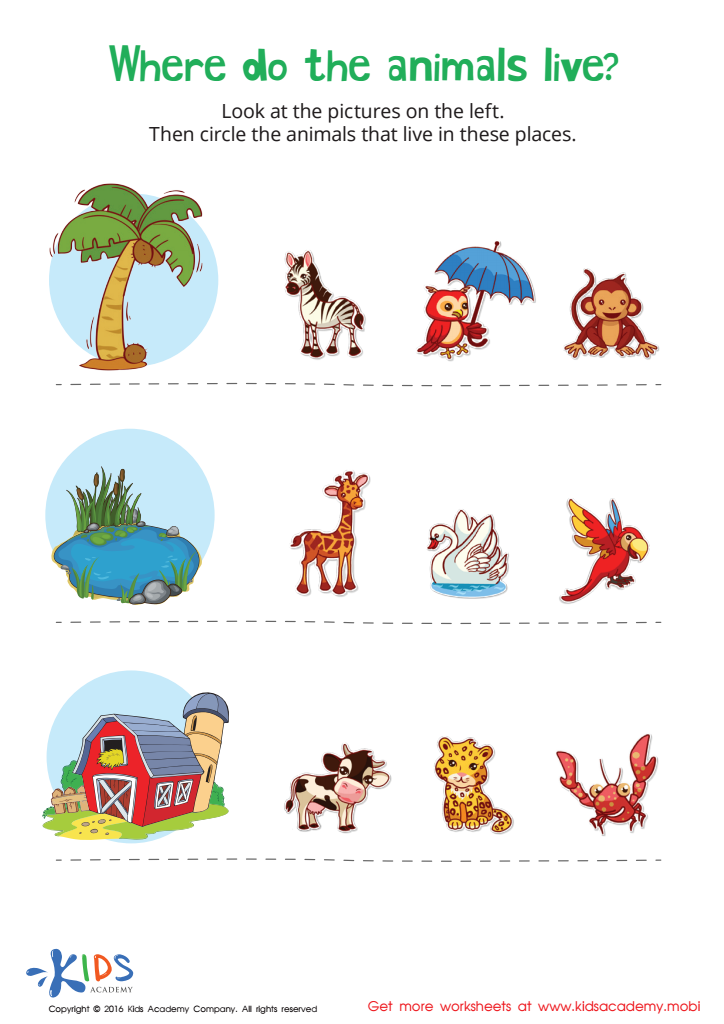
Where Animals Live Worksheet
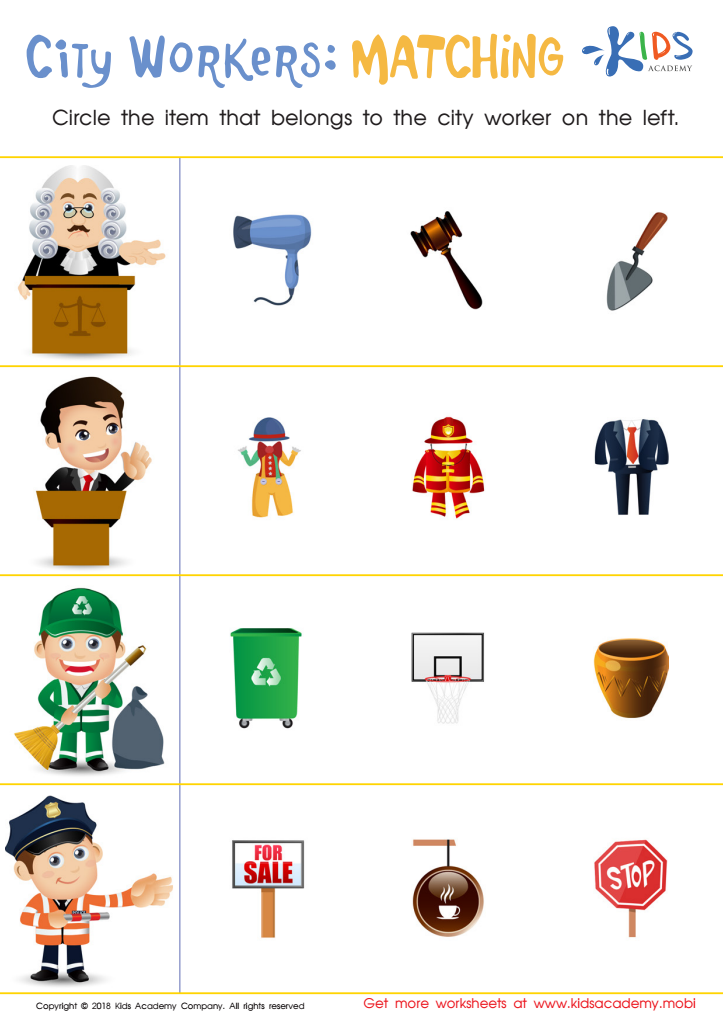
City Workers: Matching Worksheet
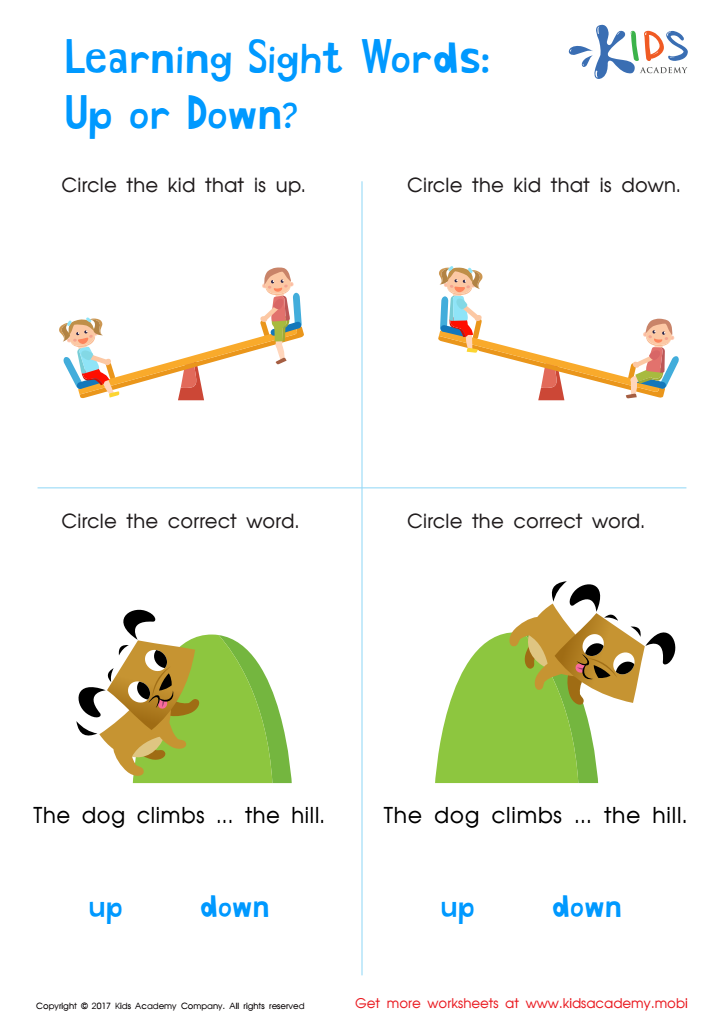
Up or Down Printable Sight Words Worksheet
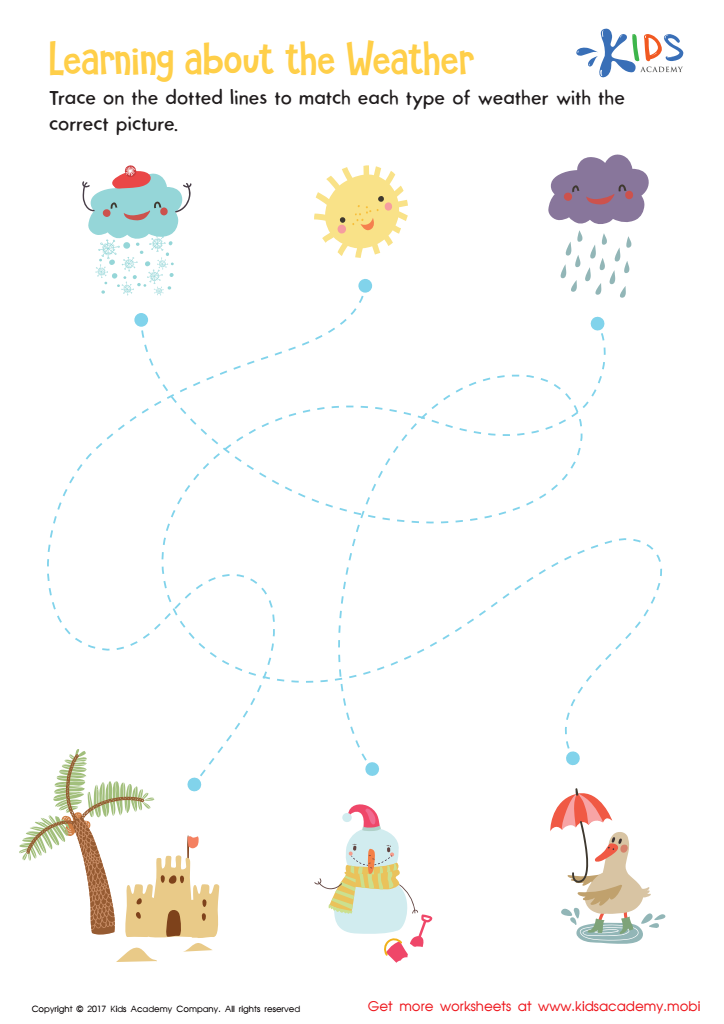
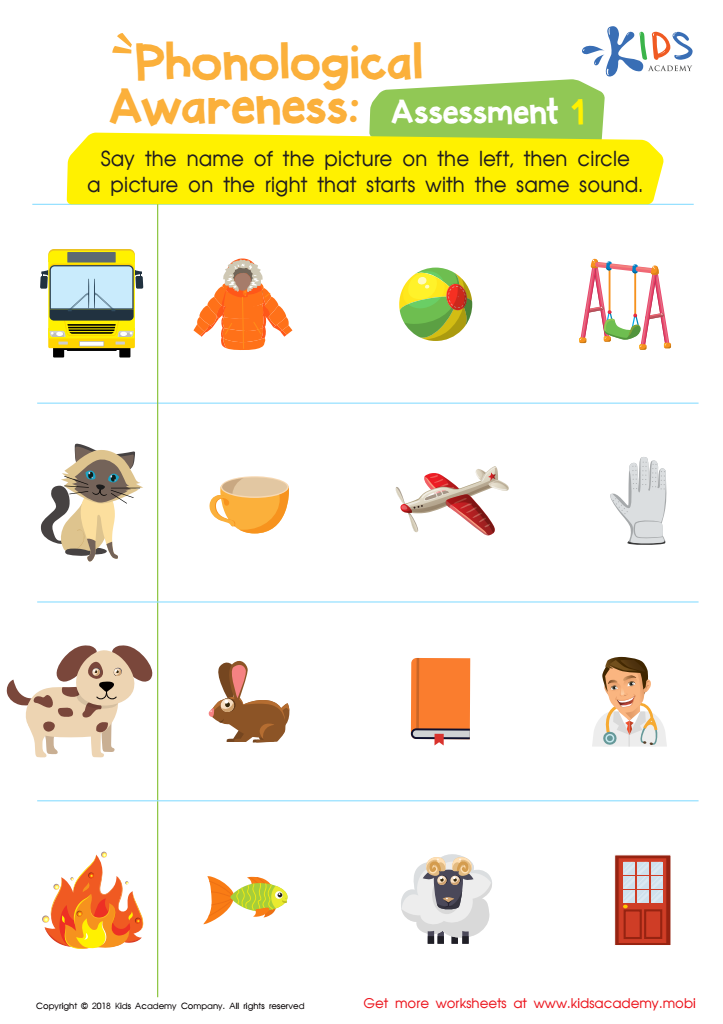
Phonological Awareness: Assessment 1 Worksheet
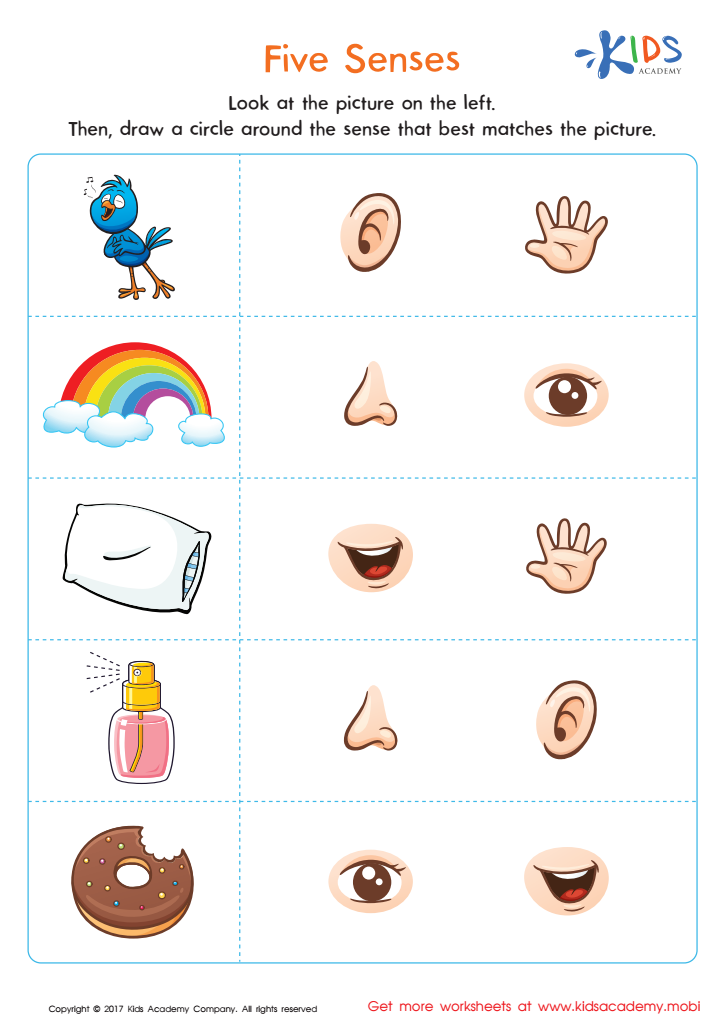
Five Senses Printable
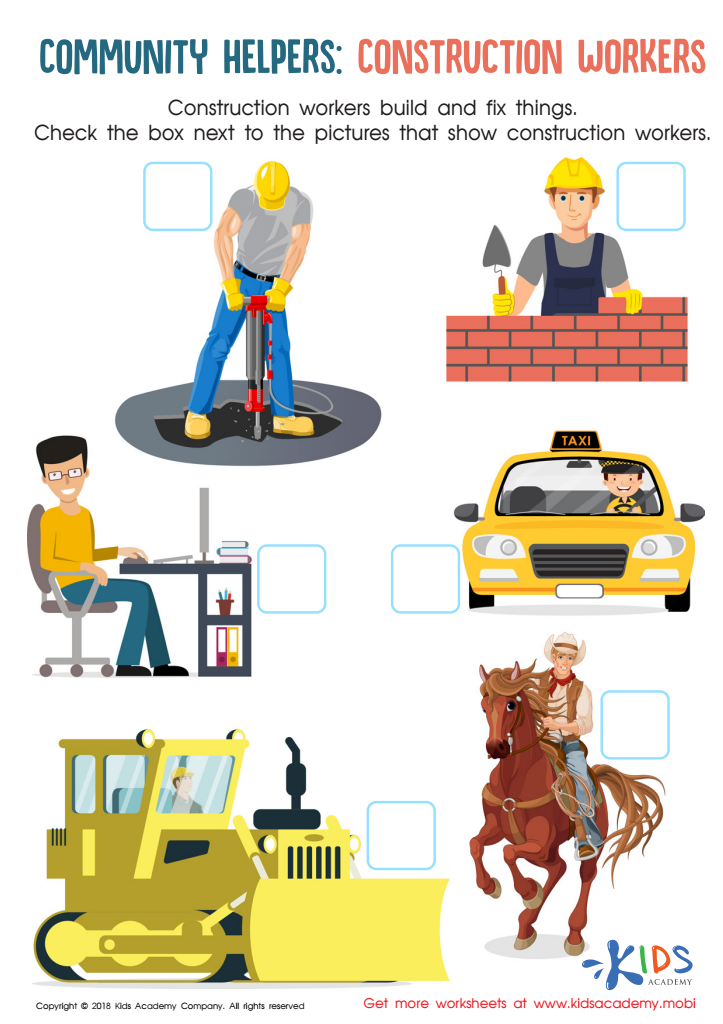
Construction Workers Community Helpers Worksheet
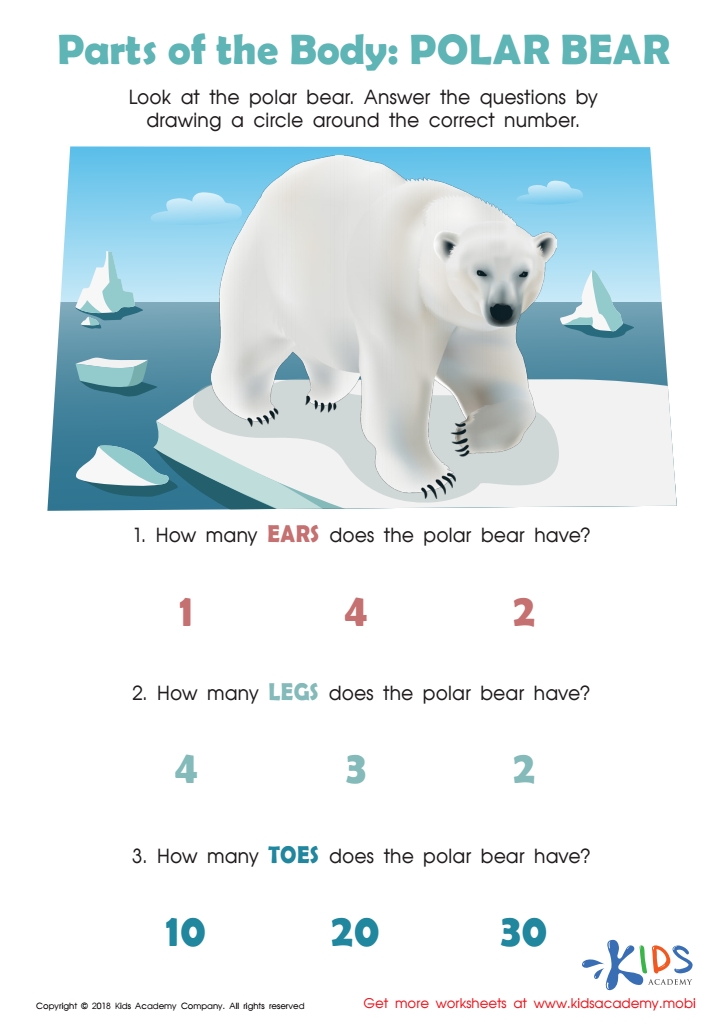
Parts of the Body: Polar Body Worksheet
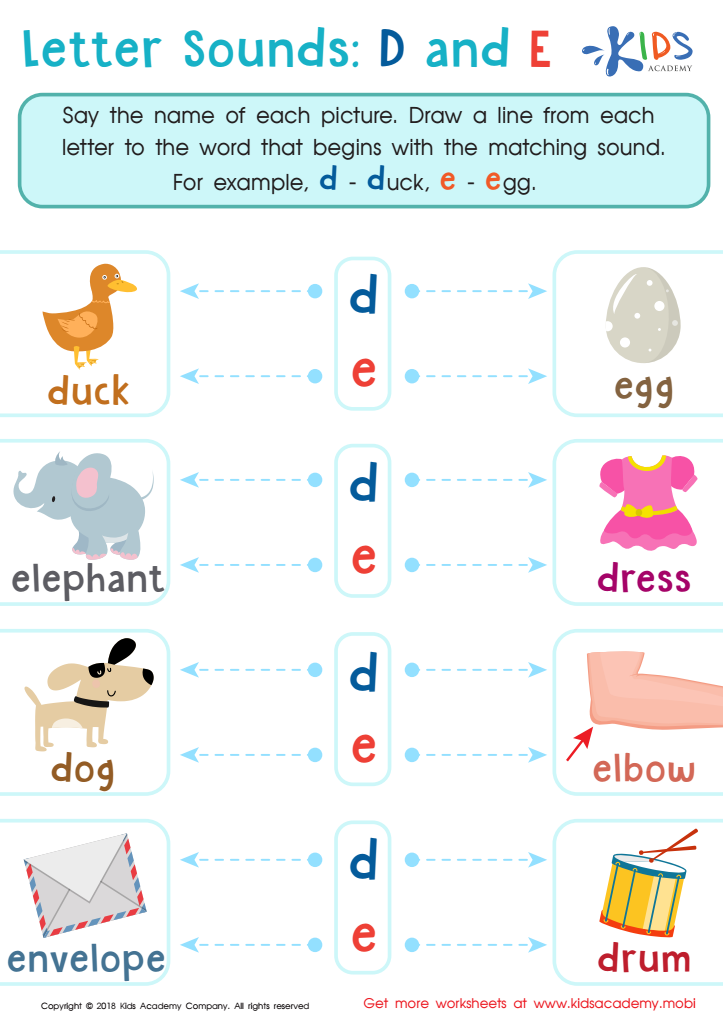
Letter D and E Sounds Worksheet








Vocabulary development is a critical aspect of early childhood that significantly impacts future academic and social success. For children between the ages of 3 and 7, this period, often termed the "critical period," lays the groundwork for language proficiency and cognitive development.
Firstly, a robust vocabulary fosters better communication skills. When children can express their thoughts and emotions clearly, they experience improved interactions with peers and adults, leading to stronger relationships and enhanced social skills. Secondly, vocabulary development is intricately tied to reading readiness and literacy. A rich vocabulary provides a foundation for understanding written texts, paving the way for successful reading and comprehension, which are essential for academic achievement in all subjects.
Moreover, children who develop a strong vocabulary early on tend to perform better in school. They are more adept at understanding and retaining new information, solving problems, and thinking critically. Furthermore, during this age, children are naturally curious and absorb new words rapidly, making it an ideal time for parents and teachers to introduce diverse and rich language experiences.
Lastly, vocabulary development also enhances emotional intelligence. When children have the words to label their feelings and experiences, they can better manage their emotions and navigate social situations effectively.
In summary, focusing on vocabulary development between ages 3 and 7 sets the stage for a child's future academic success, effective communication, and emotional well-being, making it a priority for both parents and teachers.








