Normal Numbers Worksheets for Ages 3-7 - Page 8
193 filtered results
-
From - To
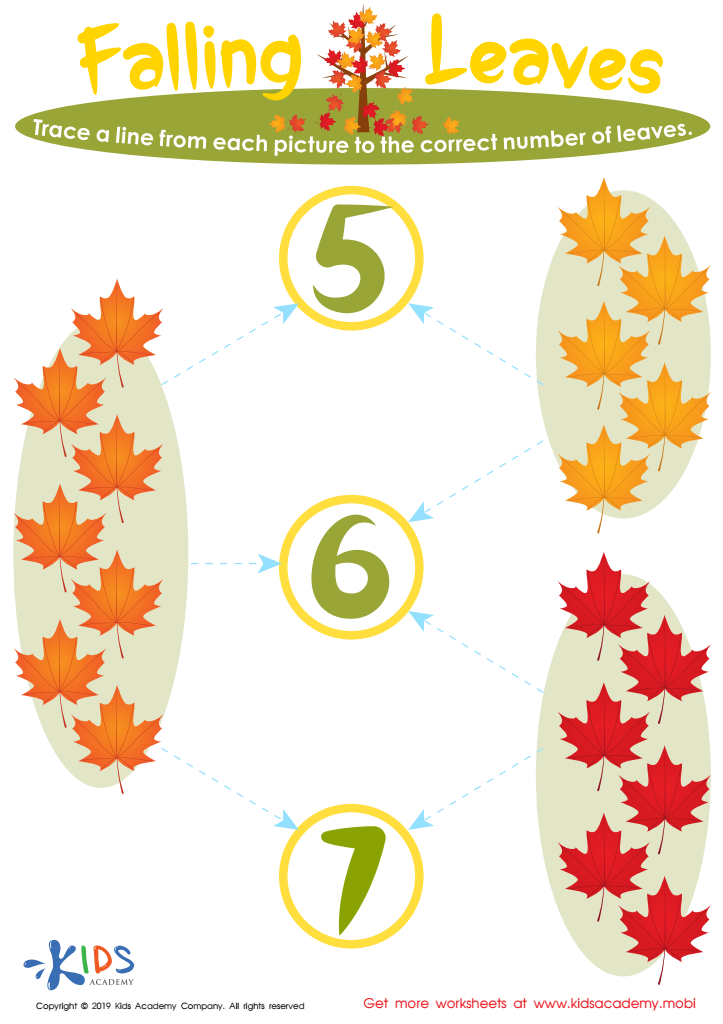
Falling Leaves Worksheet
 Assign to My Students
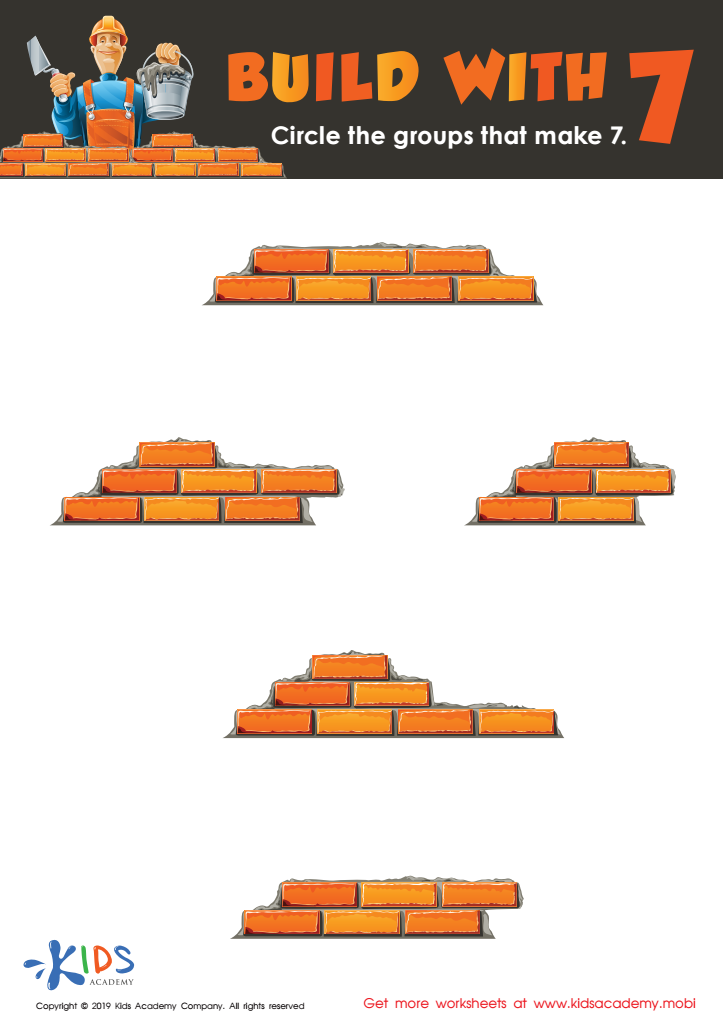
Build with 7 Worksheet
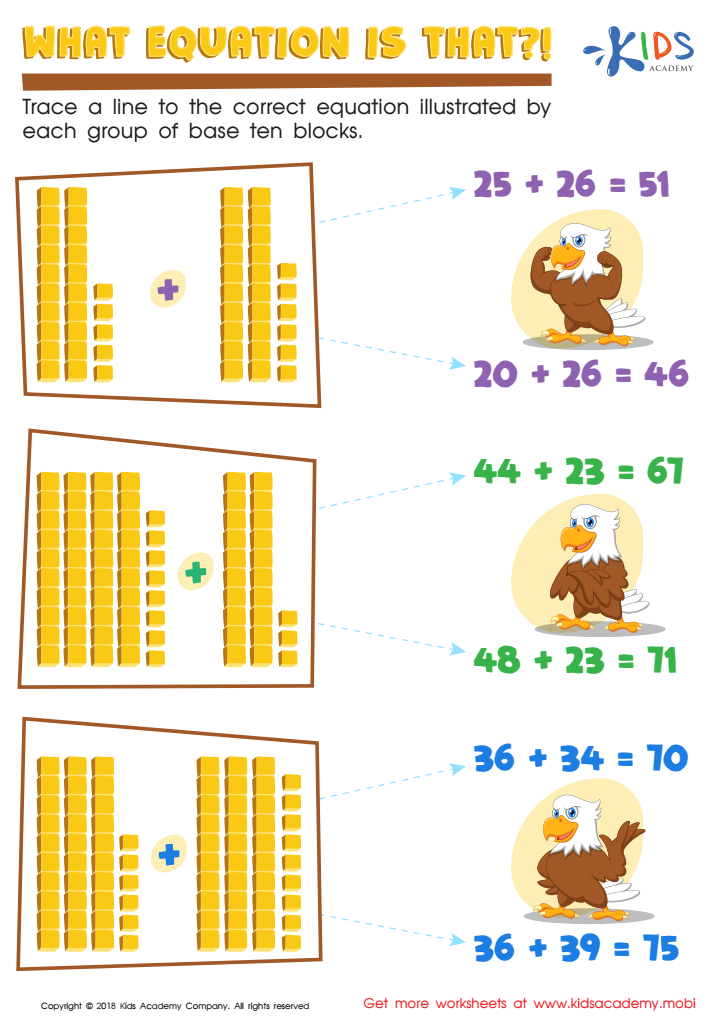
What Equation Is That? Worksheet
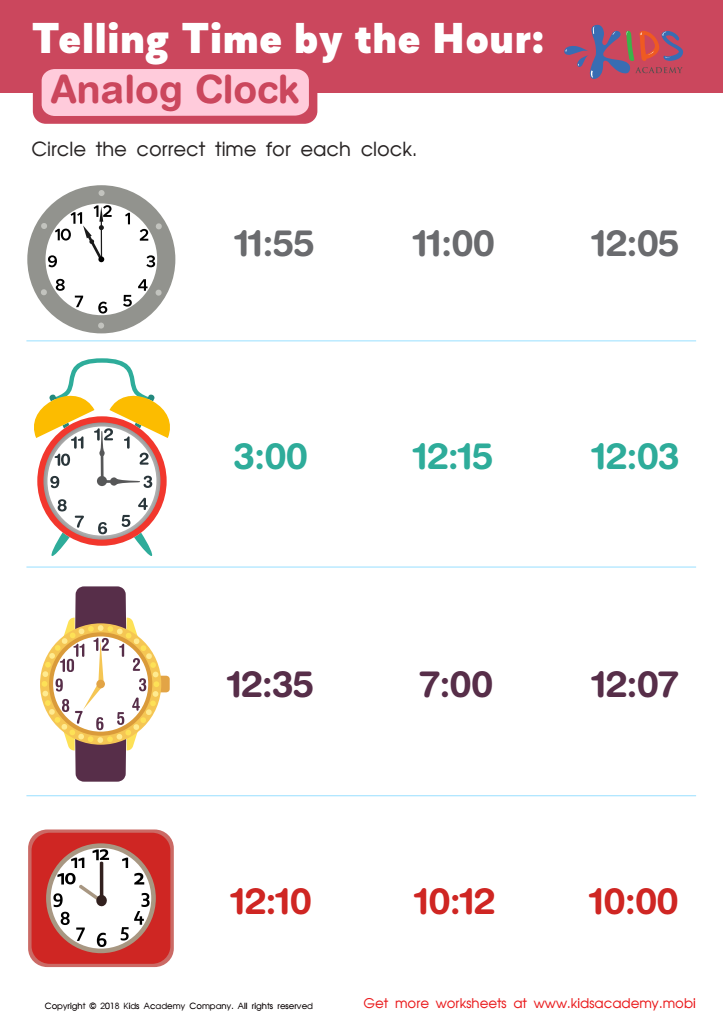
Telling Time by the Hour: Analog Clock Worksheet

Count and Match Vegetables 1 – 5 Math Worksheet
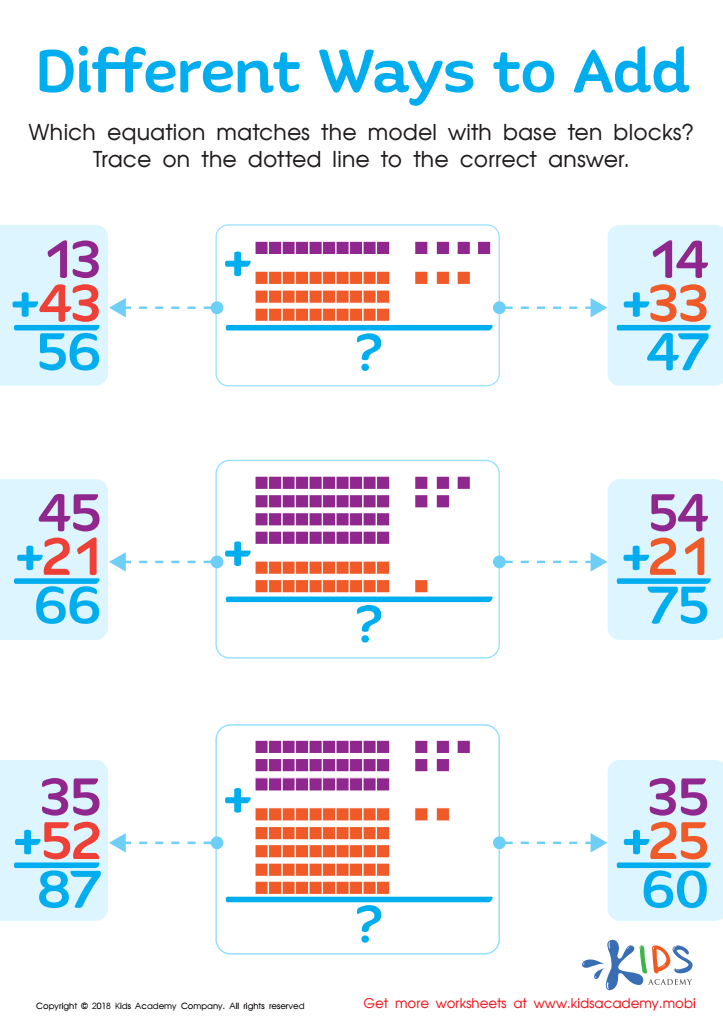
Different Ways to Add Worksheet
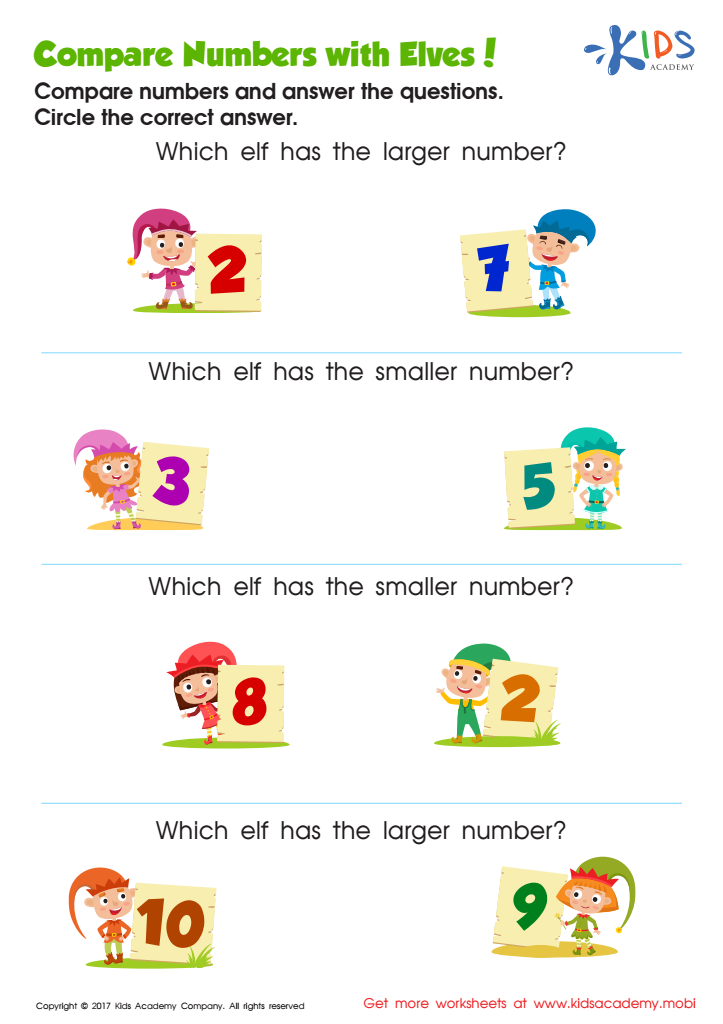
Comparing Numbers Worksheet for Kindergarten
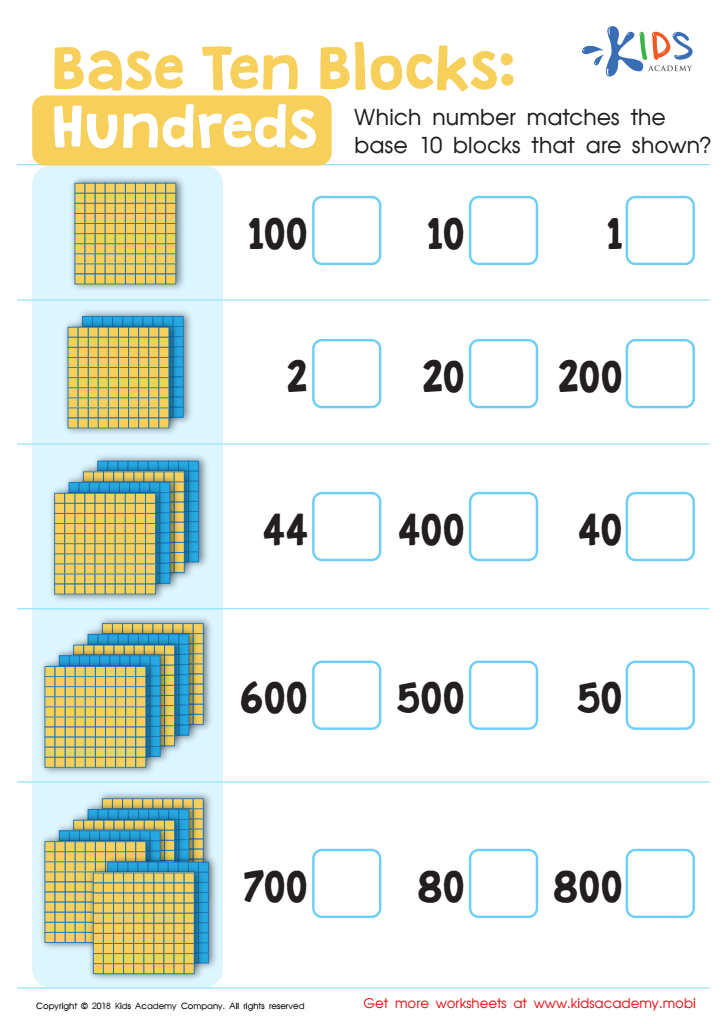
Base Ten Blocks: Hundreds Worksheet
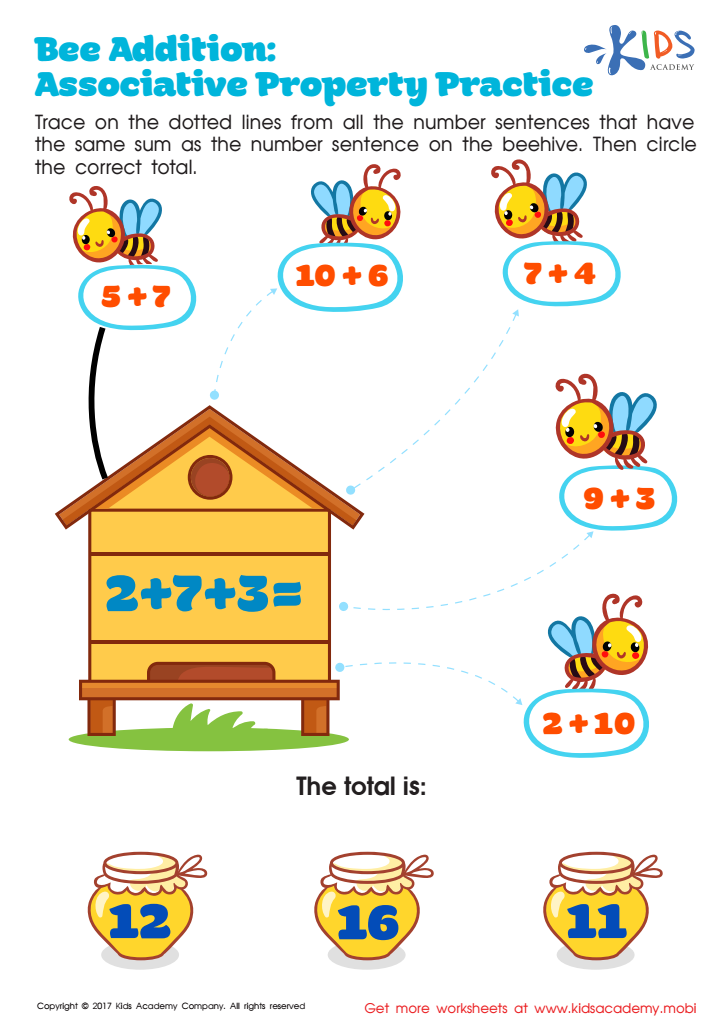
Bee Addition: Associative Property Practice Worksheet
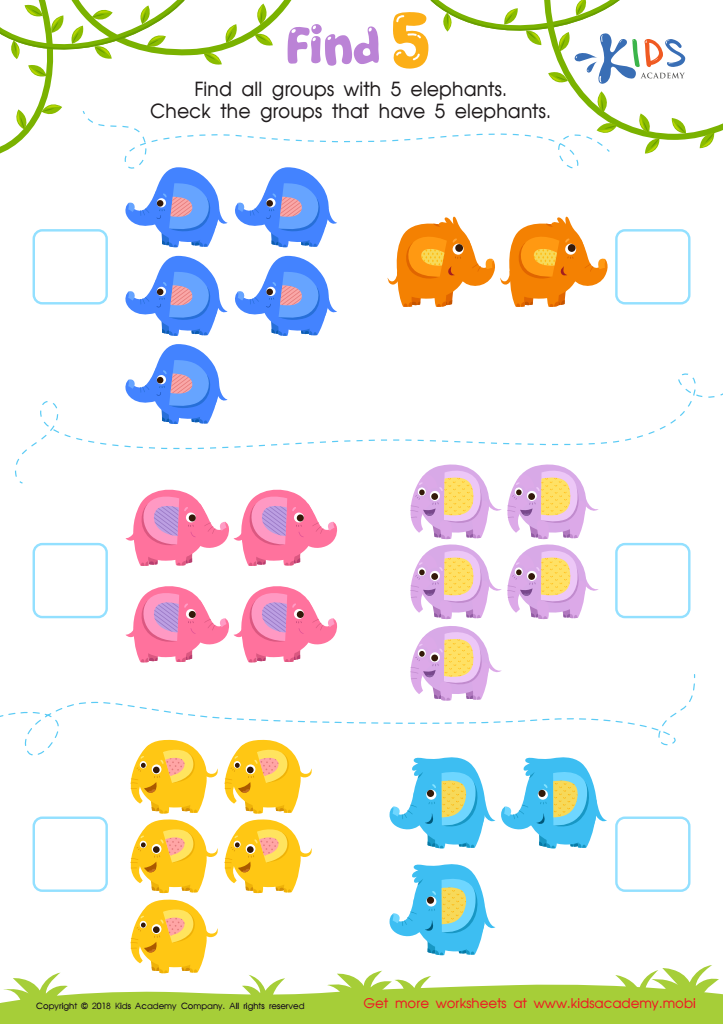
Find 5 Worksheet
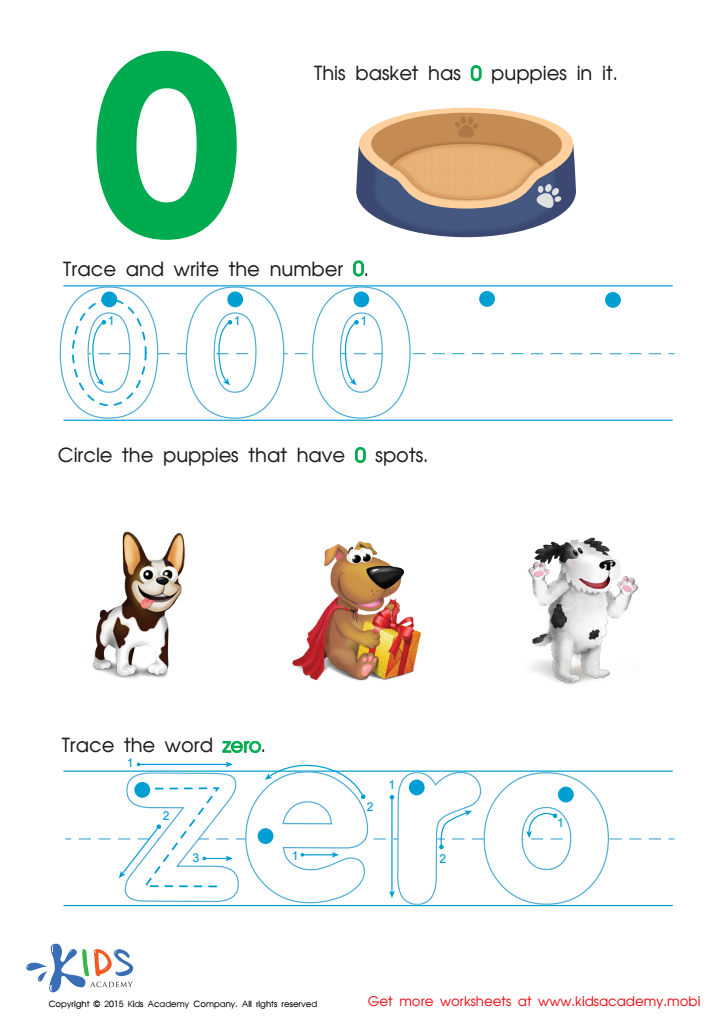
Trace And Write Number 0 Worksheet
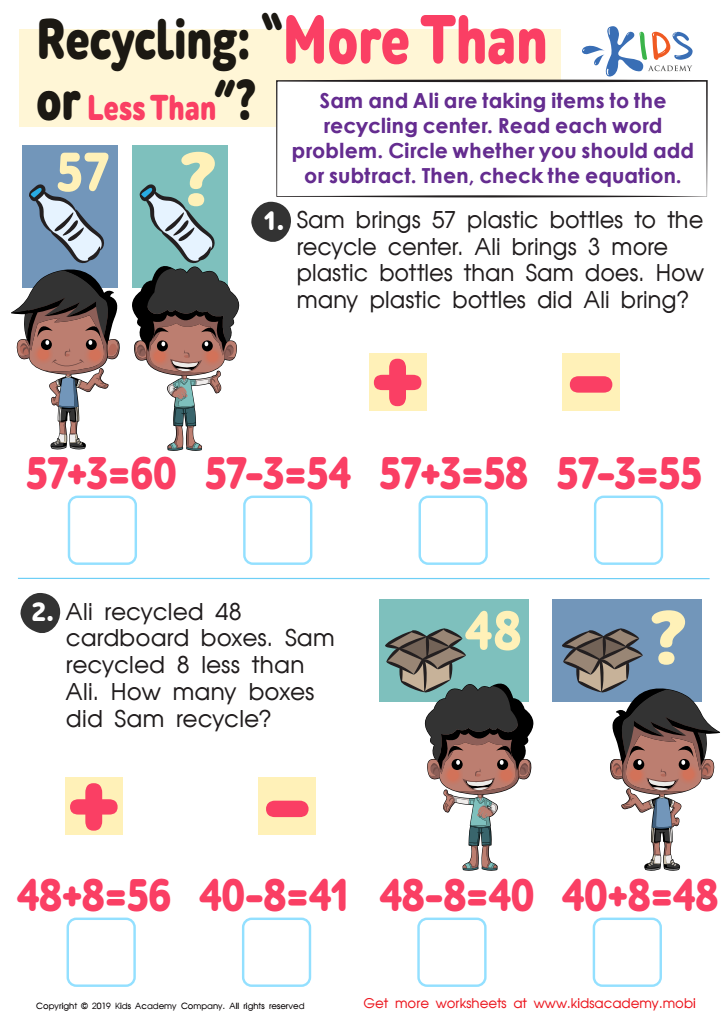
Recycling - More or Less Worksheet
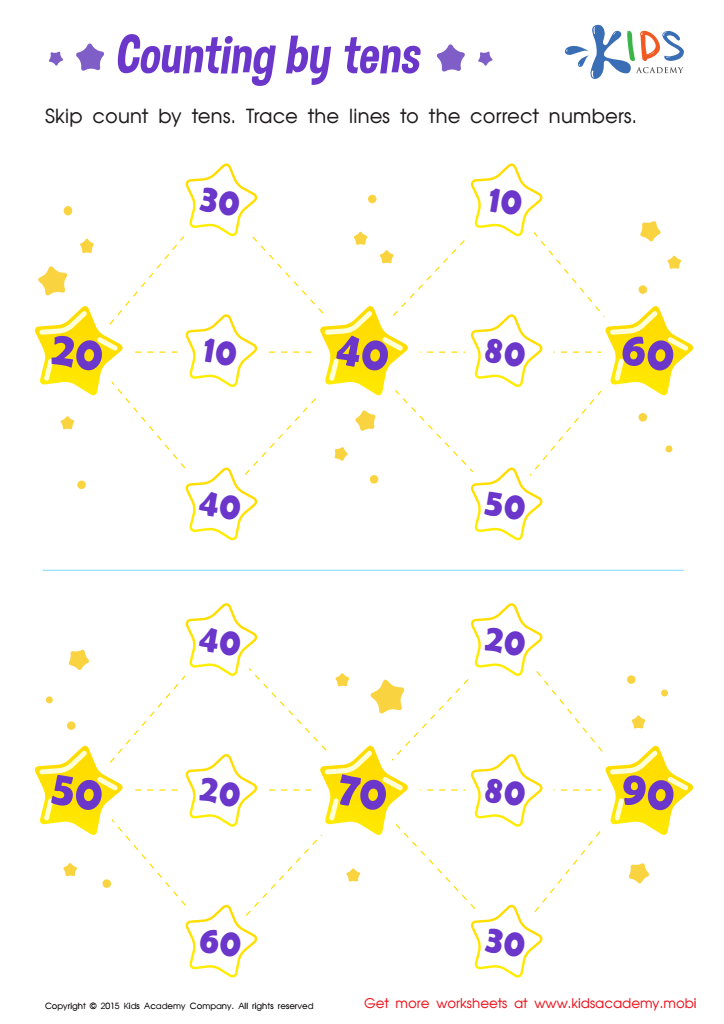
Learn Dozens: Counting by Tens Printable
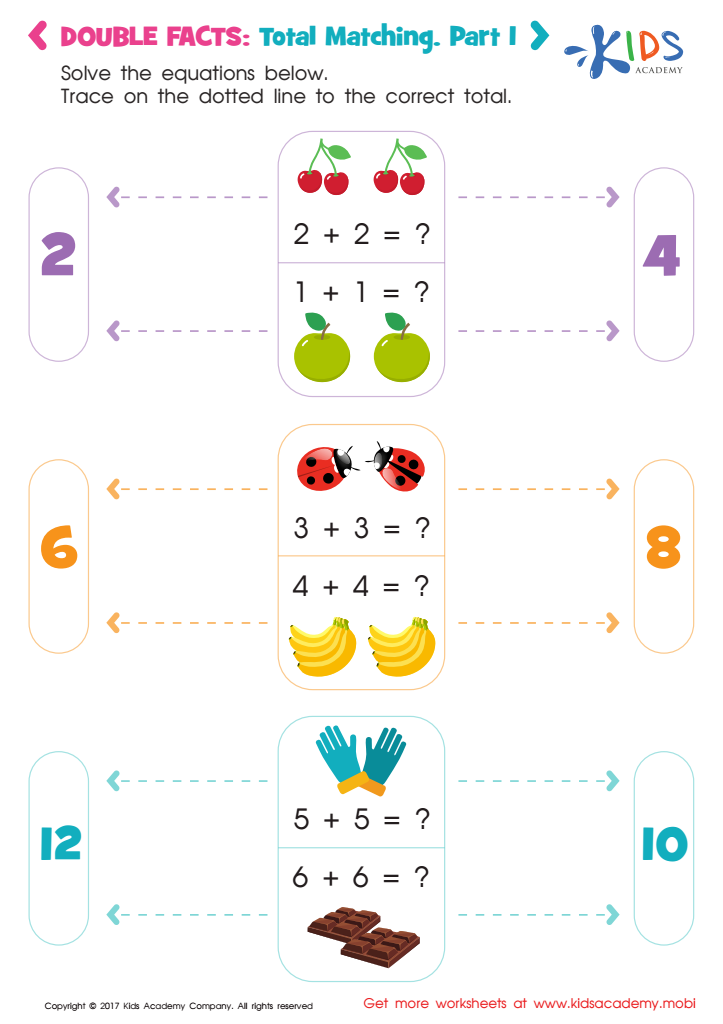
Double Facts: Total Matching Worksheet: Part 1
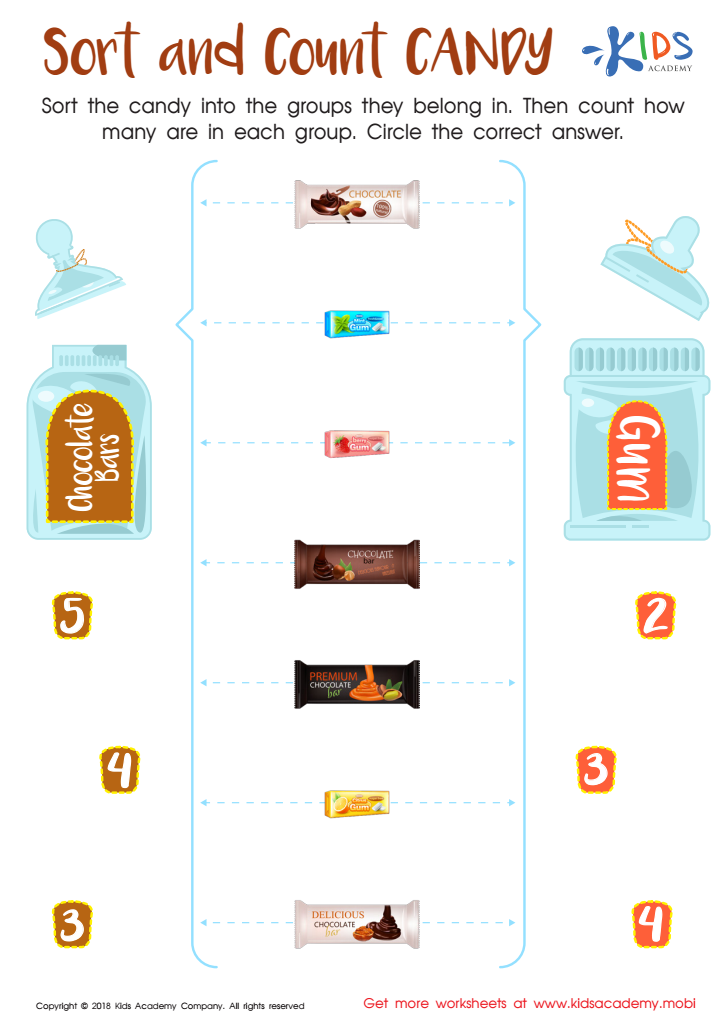
Sort and Count Candy Worksheet
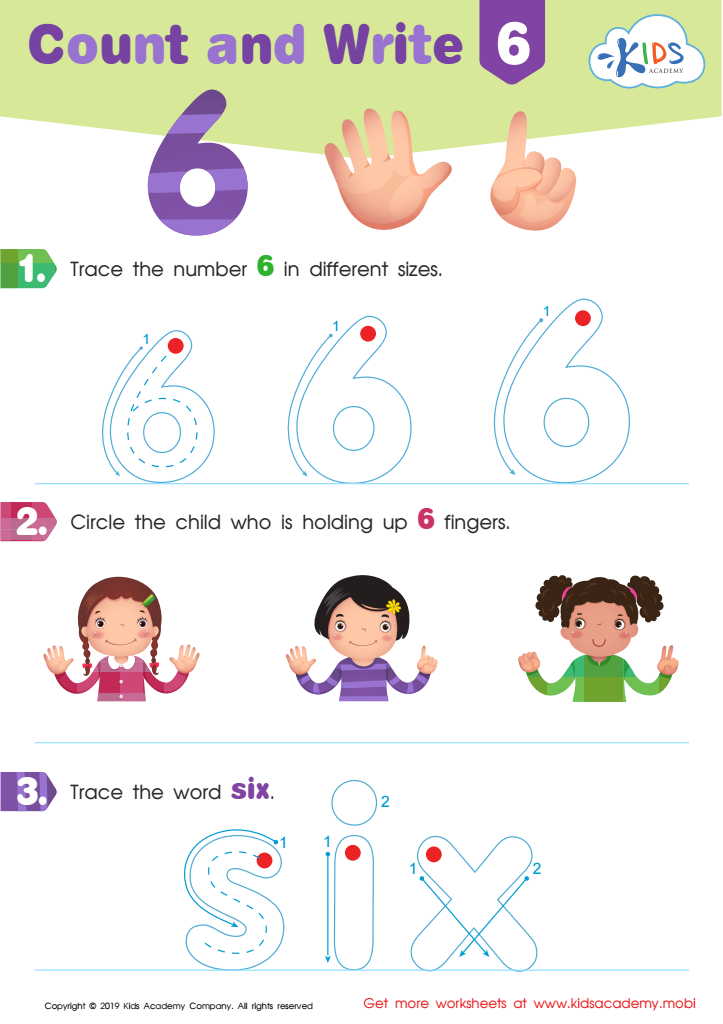
Count and Write 6 Worksheet
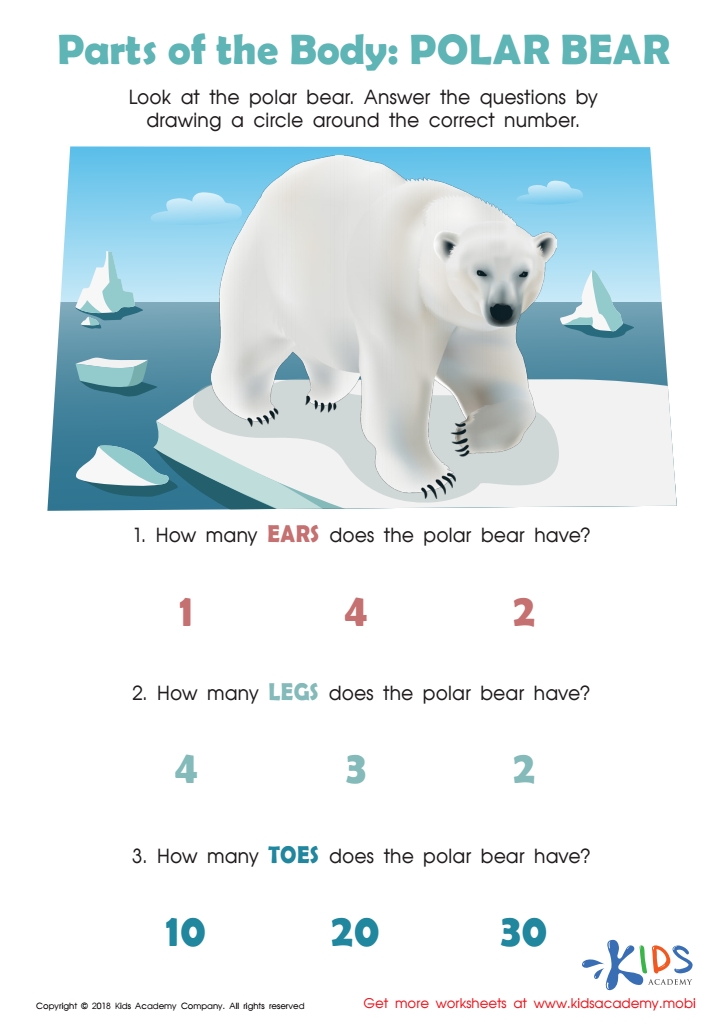
Parts of the Body: Polar Body Worksheet
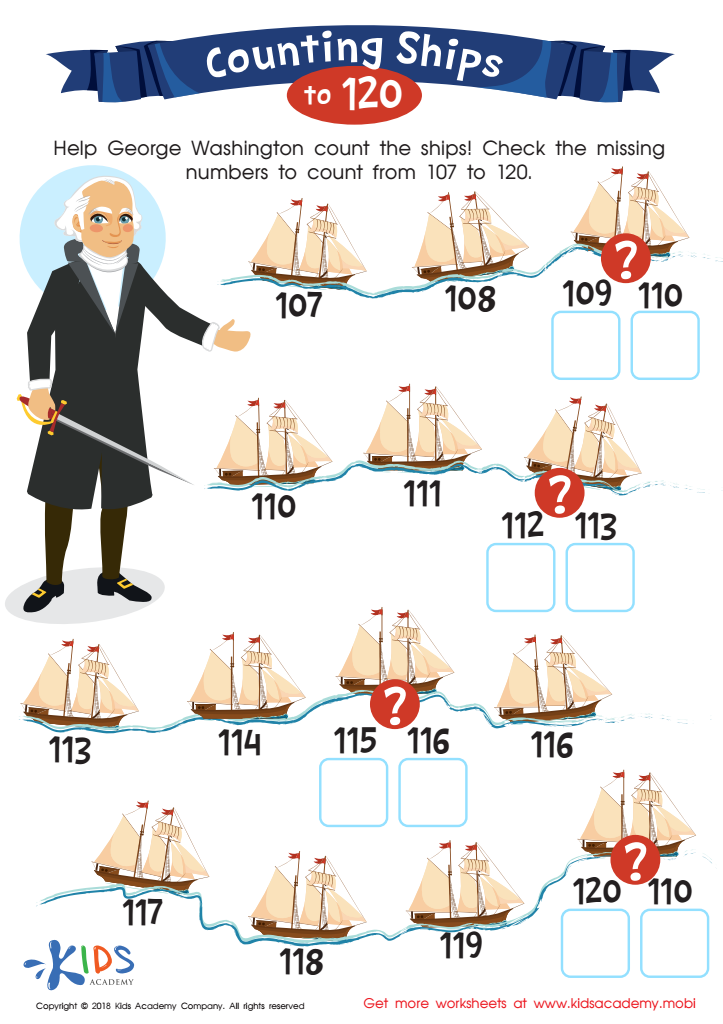
Counting Ships to 120 Worksheet
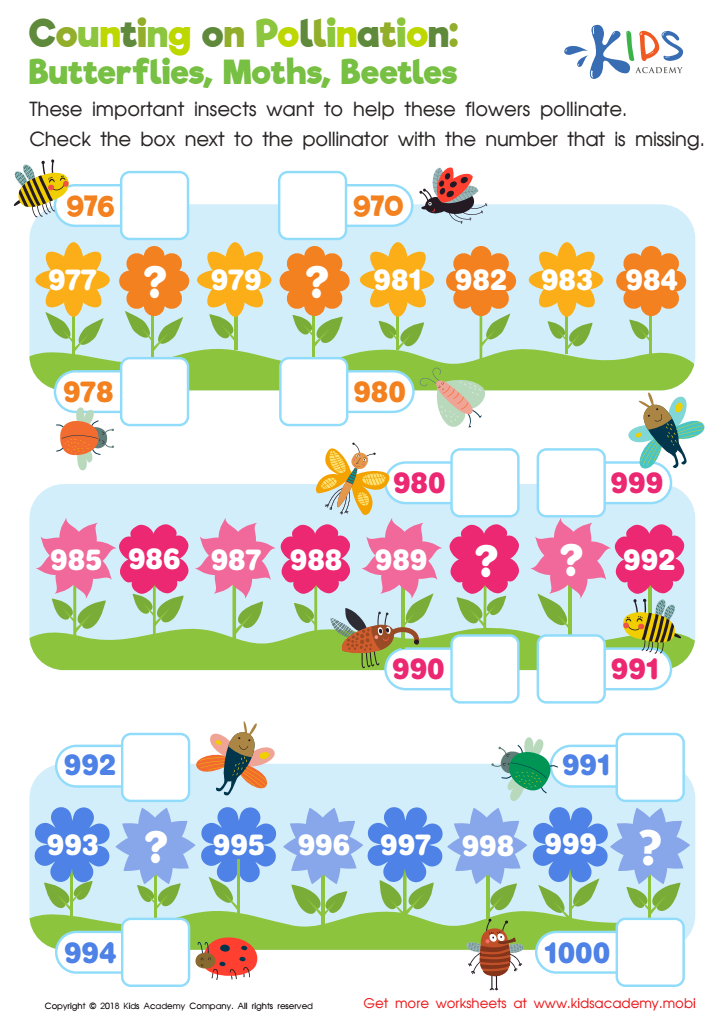
Counting on Pollination: Butterflies, Moths, Beetles Worksheet
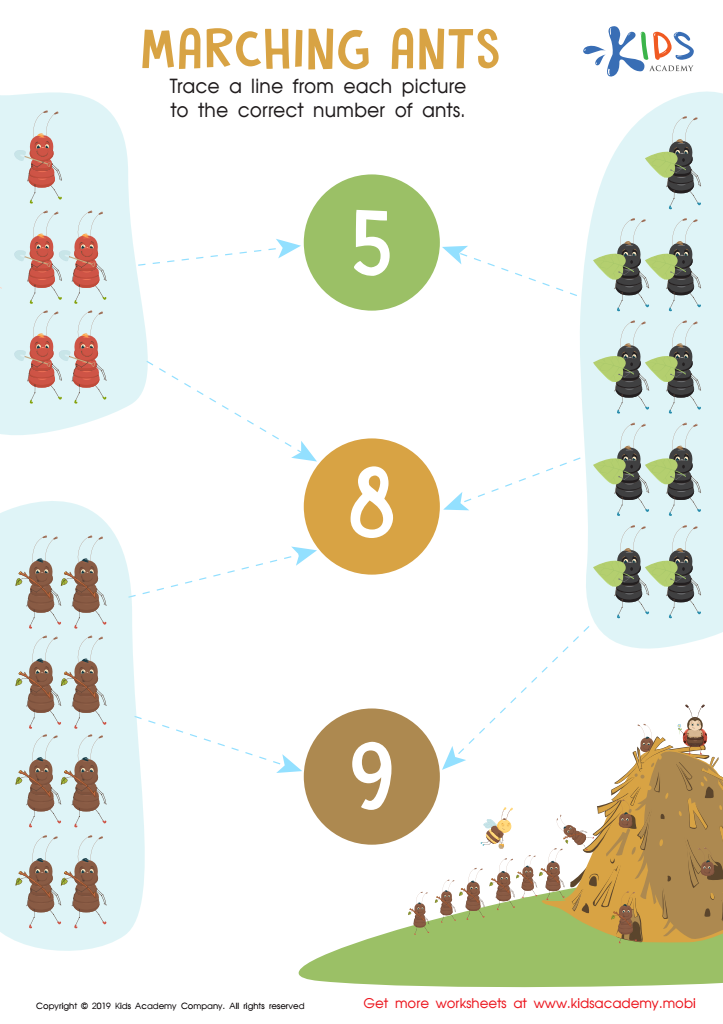
Marching Ants Worksheet
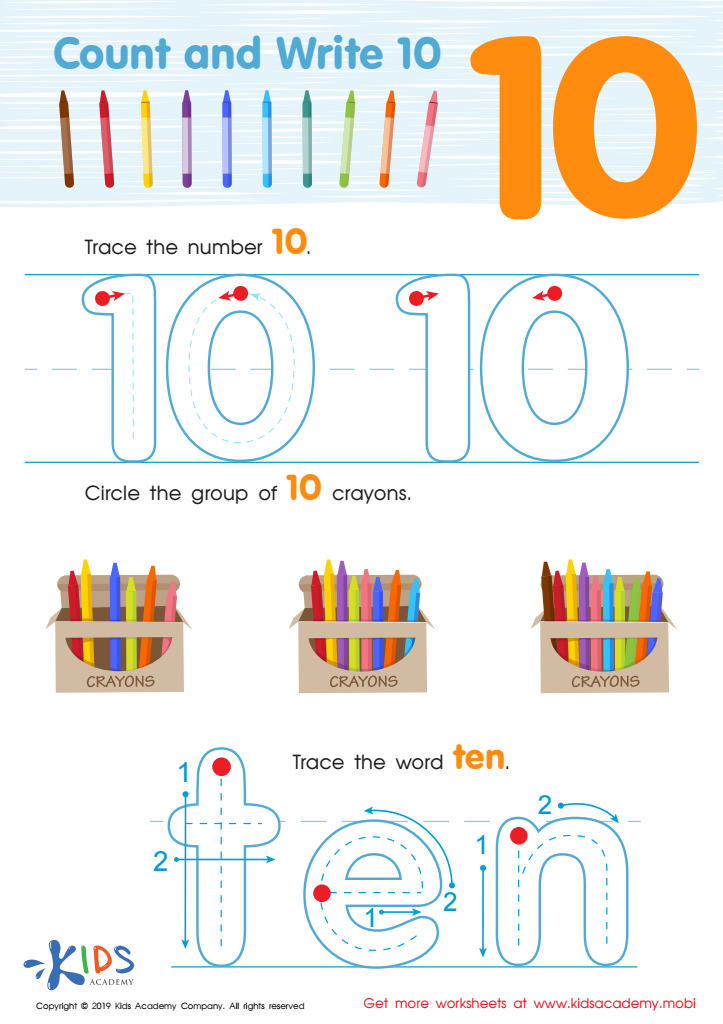
Count and Write 10 Worksheet
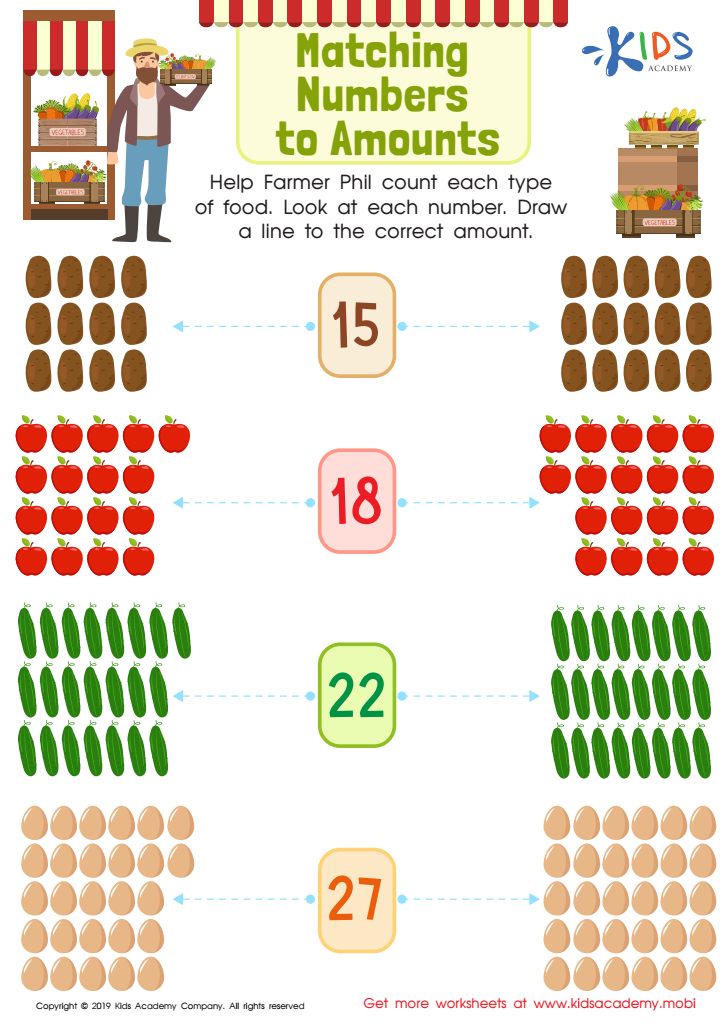
Matching Numbers to Amounts Worksheet
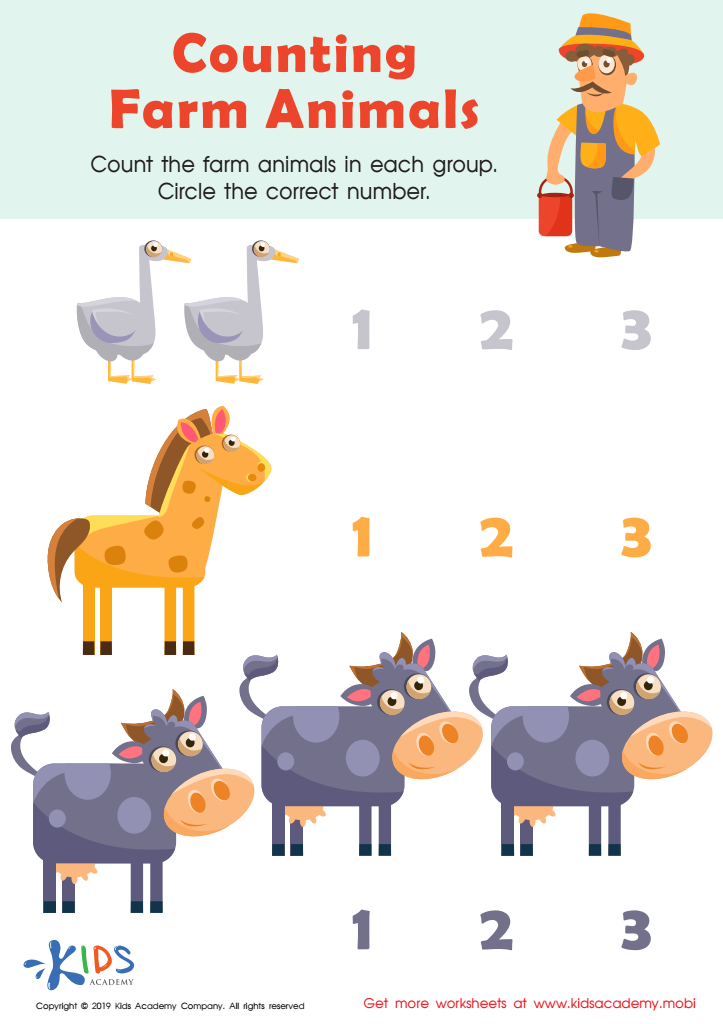
Counting Farm Animals Worksheet
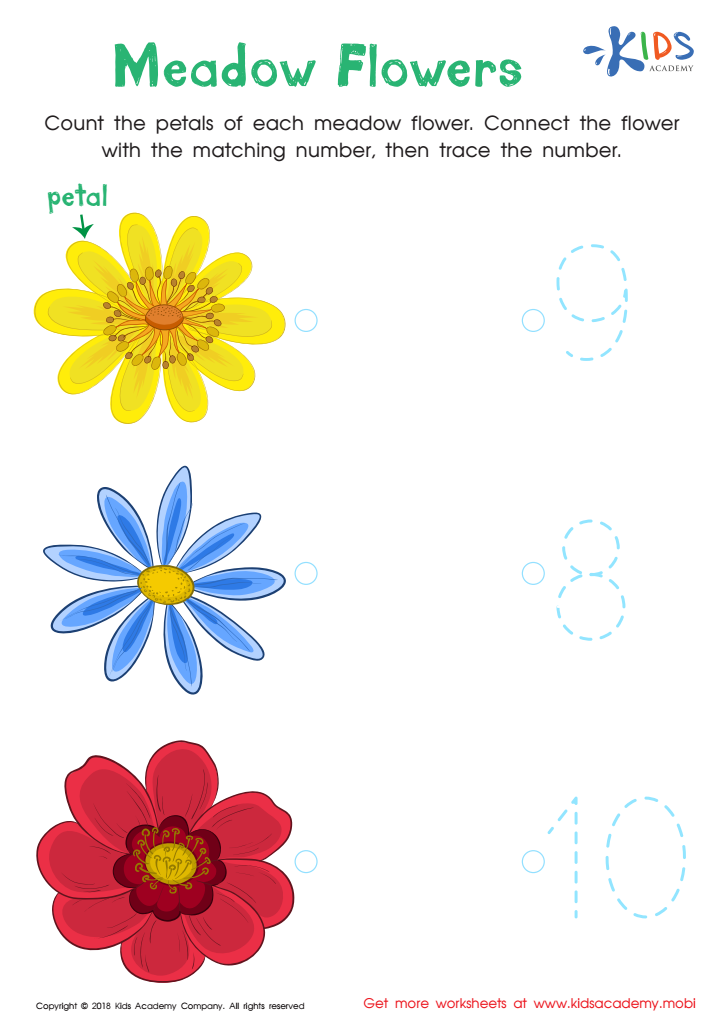
Kindergarten Number Tracing: Medow Flowers Worksheet



%20(1).jpg)



Normal numbers, in the context of early childhood education for ages 3-7, refer to the common patterns and foundational skills in numeracy that children develop. Understanding these concepts is crucial for both parents and teachers as they provide the groundwork for mathematical literacy and critical thinking.
At this developmental stage, children begin to recognize and compare quantities, understand basic arithmetic operations, and identify numerical patterns. When parents and teachers engage with these foundational skills, it nurtures children's confidence and curiosity about numbers, making learning an enjoyable process.
By fostering a strong numeracy foundation, adults can help children develop problem-solving abilities and quantitative reasoning skills that are essential for later learning. Normal numbers also correlate to broader cognitive development such as logic and spatial awareness.
Moreover, encouraging exploration of numbers through play, storytelling, and real-life scenarios enriches children's experiences, creating meaningful connections among mathematical concepts. When adults value and prioritize normal numbers, they contribute to a more robust learning environment that sets children up for success in school and beyond. Investing time in these skills supports lifelong learning habits and sets the tone for children's academic journeys.








