Number Recognition Normal Math Worksheets for Ages 3-7 - Page 3
116 filtered results
-
From - To
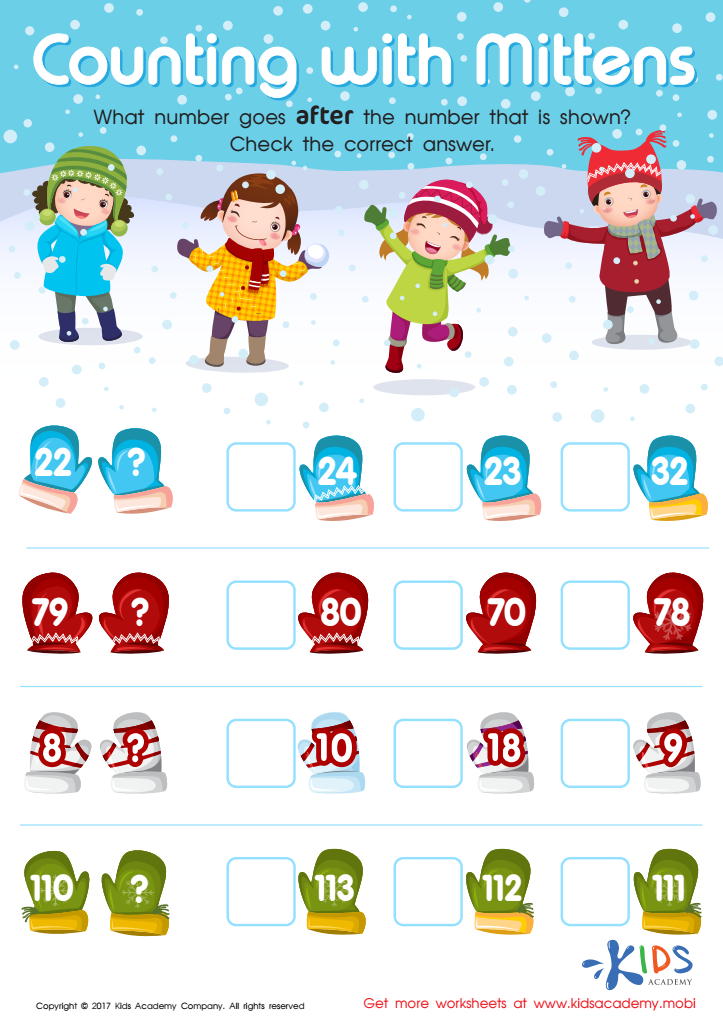
Counting with Mittens Worksheet
 Assign to My Students
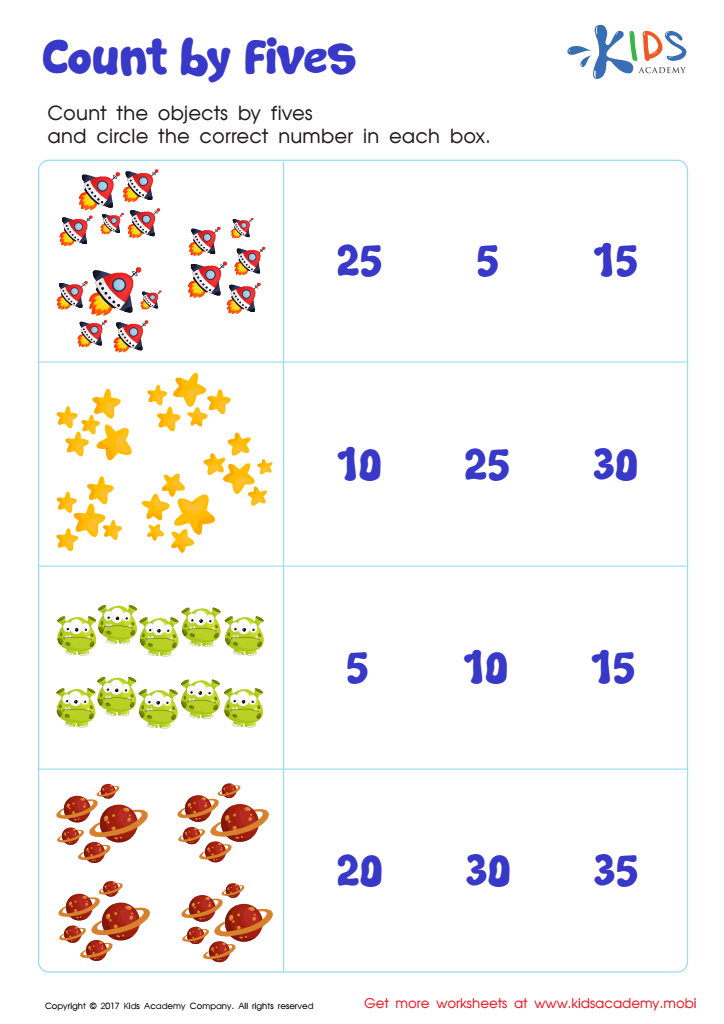
Skip Counting by 5s: Space Math Printable
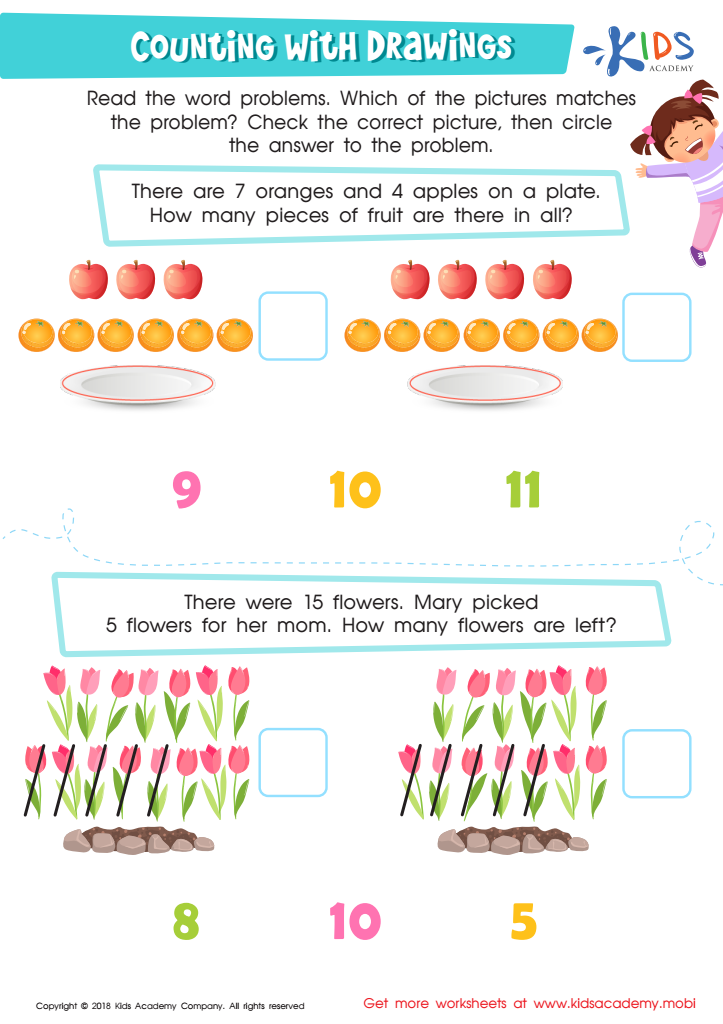
Counting with Drawings: Fruits & Chocolates Worksheet
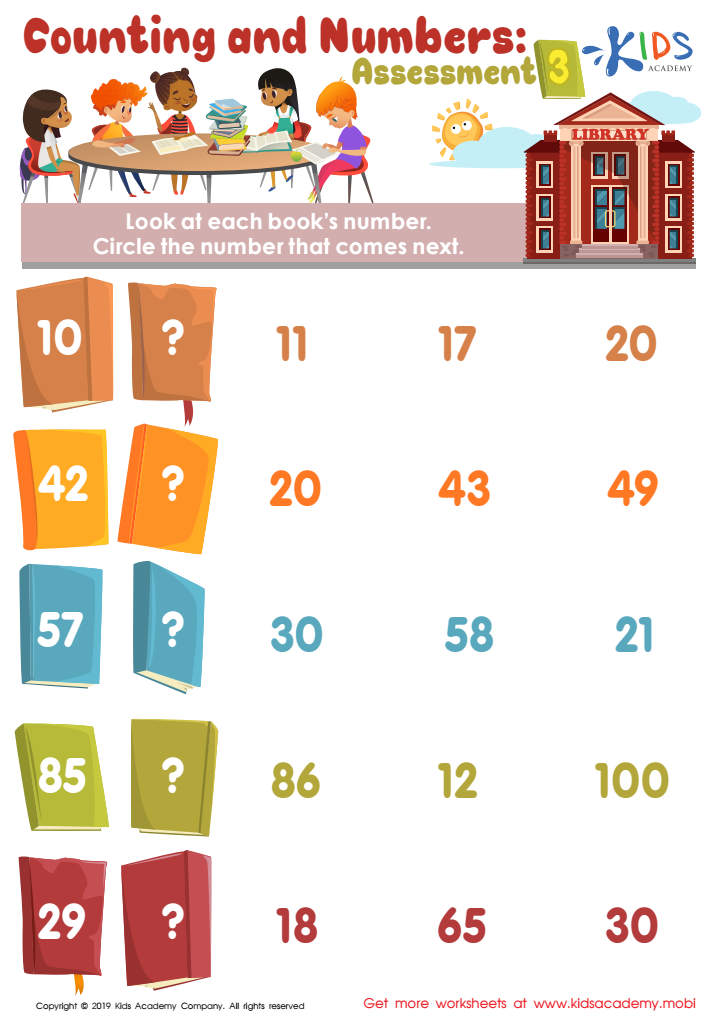
Counting and Numbers: Assessment Worksheet
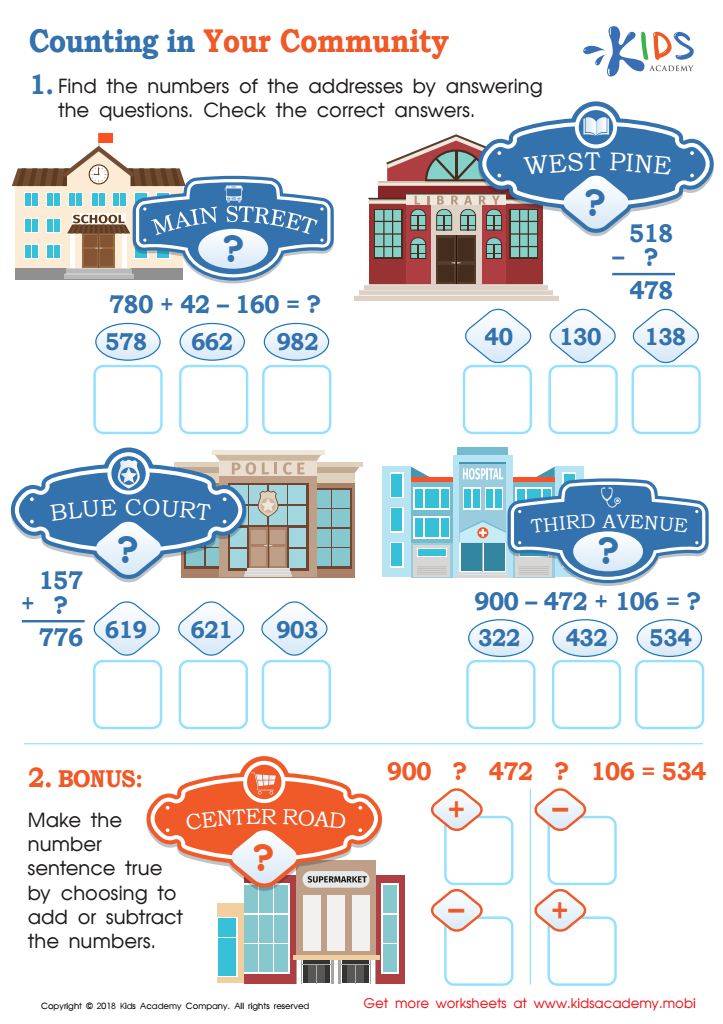
Counting in Your Community Worksheet
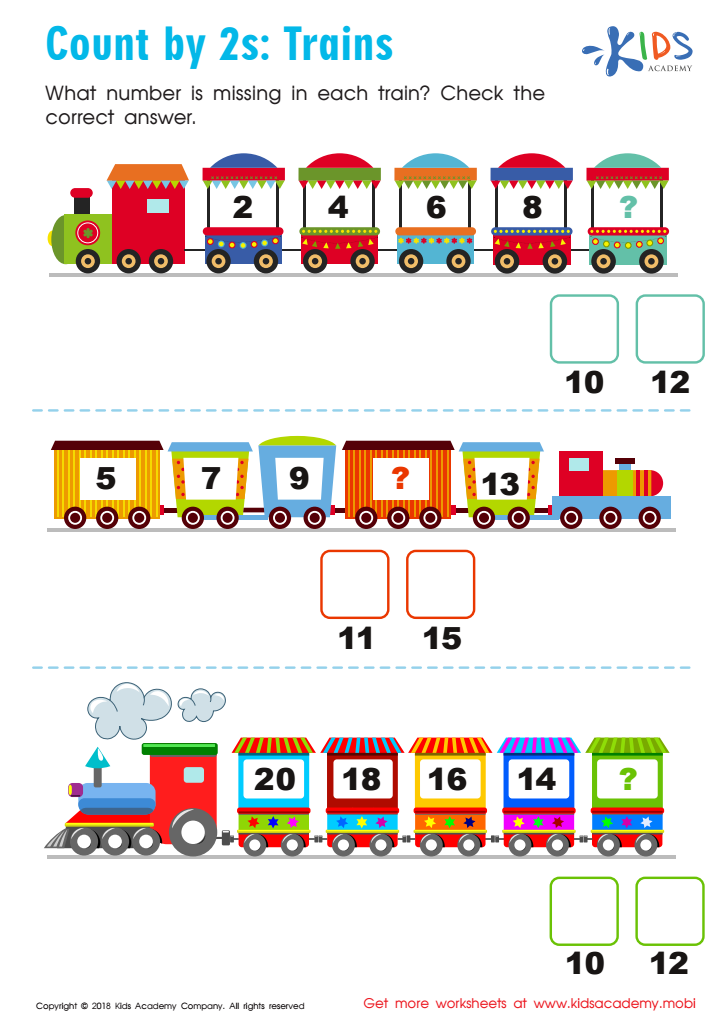
Count by 2's: Trains Worksheet
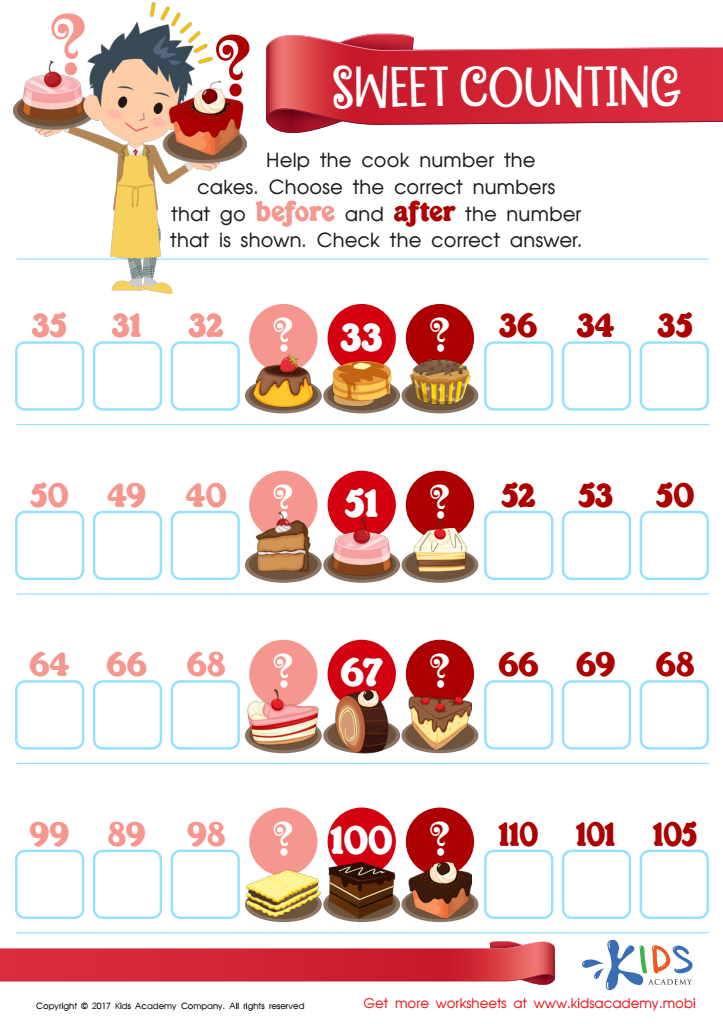
Sweet Counting - Part 1 Worksheet
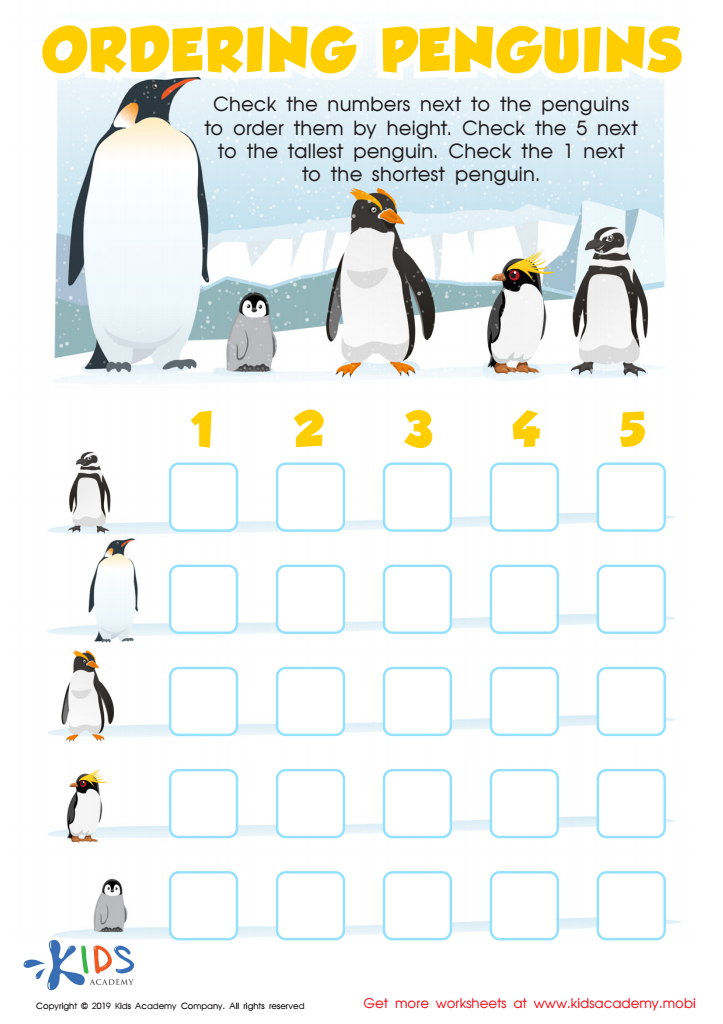
Ordering Penguins Worksheet
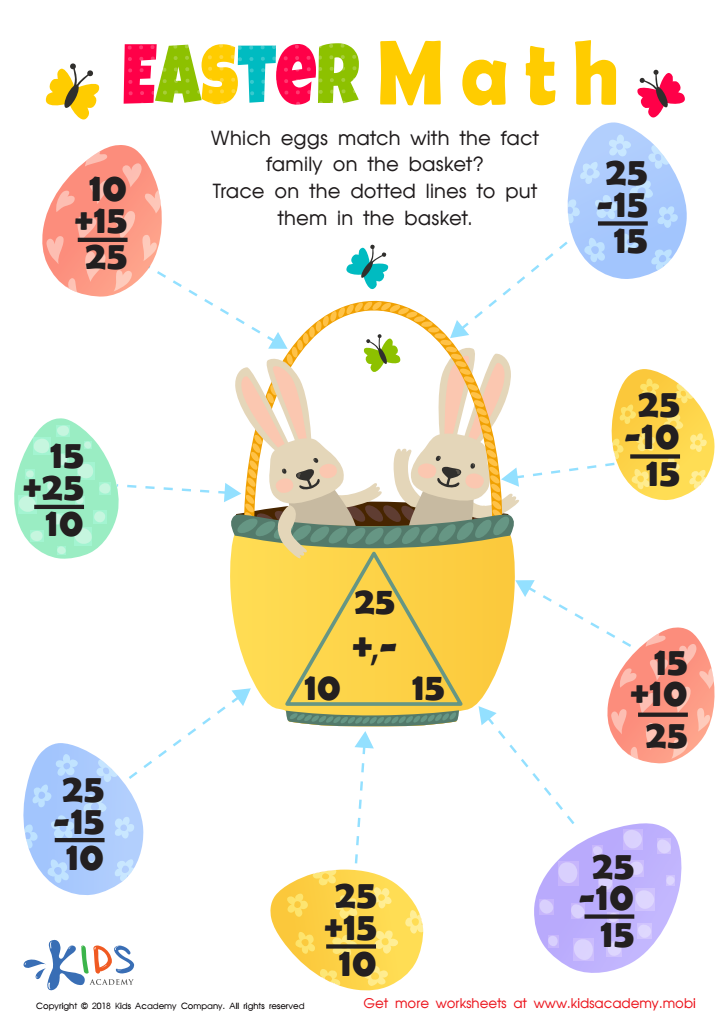
Fact Families: Easter Math Worksheet
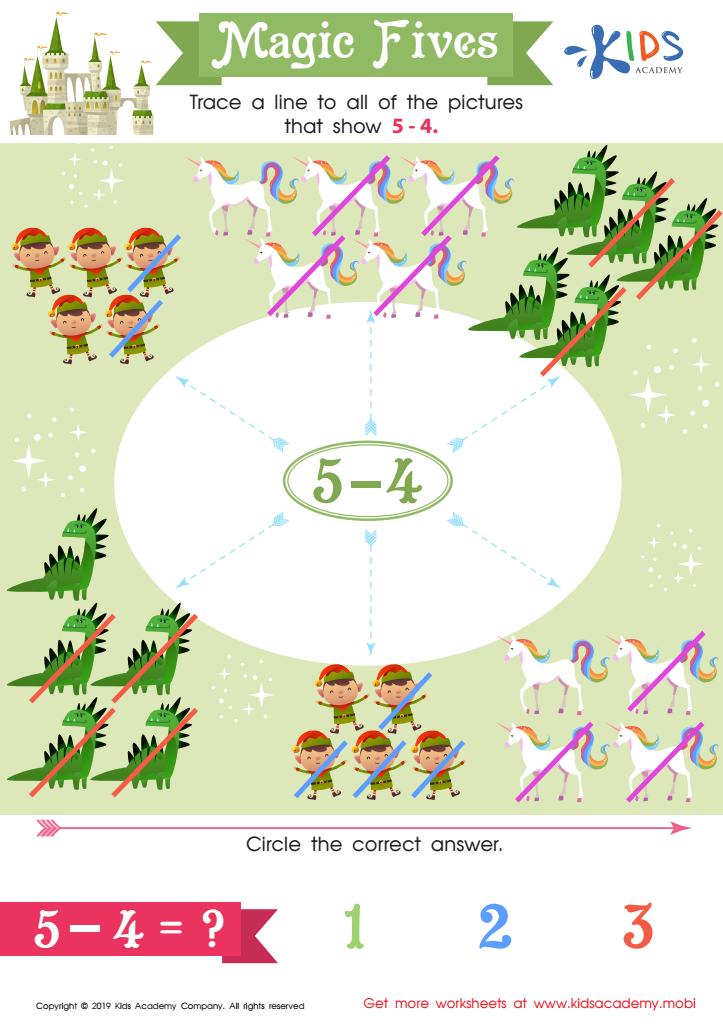
Magic Fives Worksheet
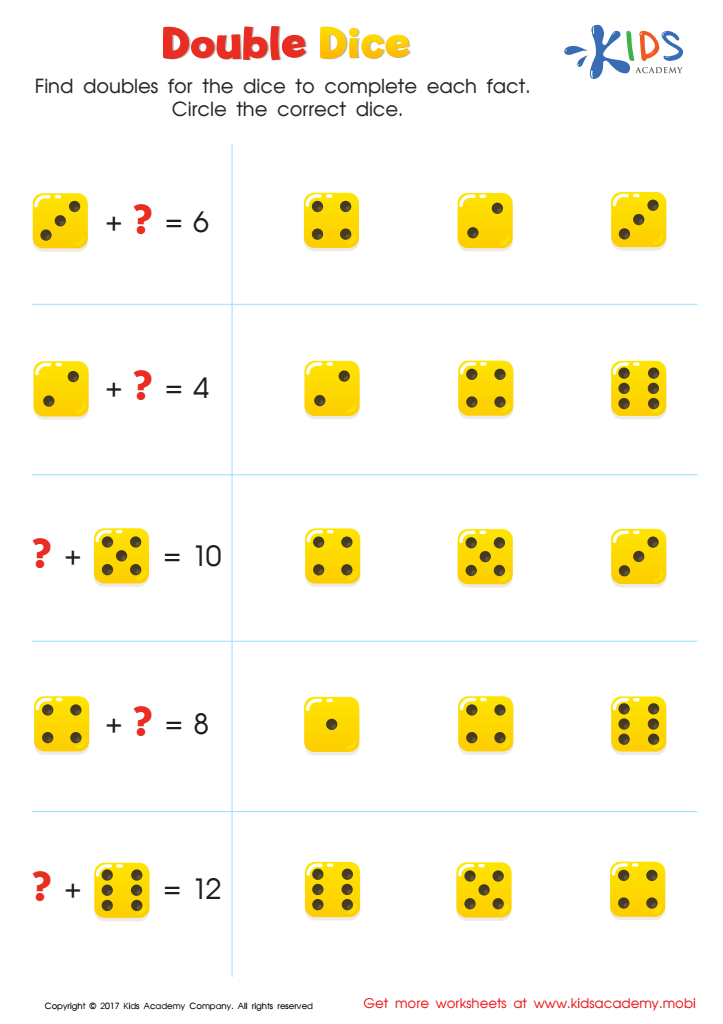
Addition Facts: Double Dice Worksheet
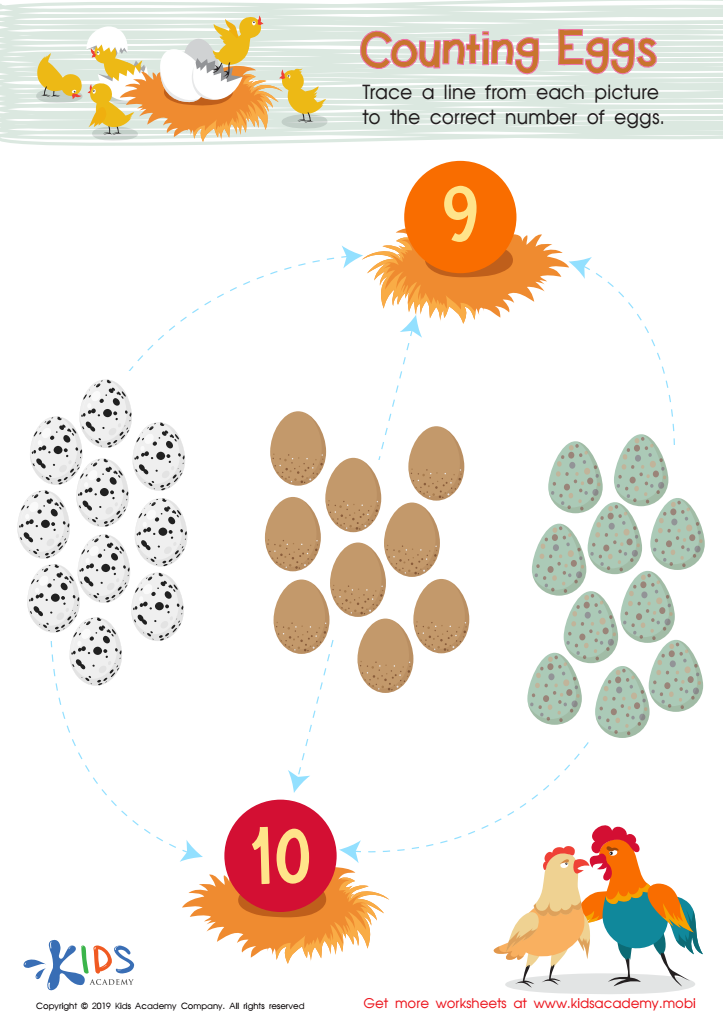
Counting Eggs Worksheet

Lily Pad Pond Counting Worksheet
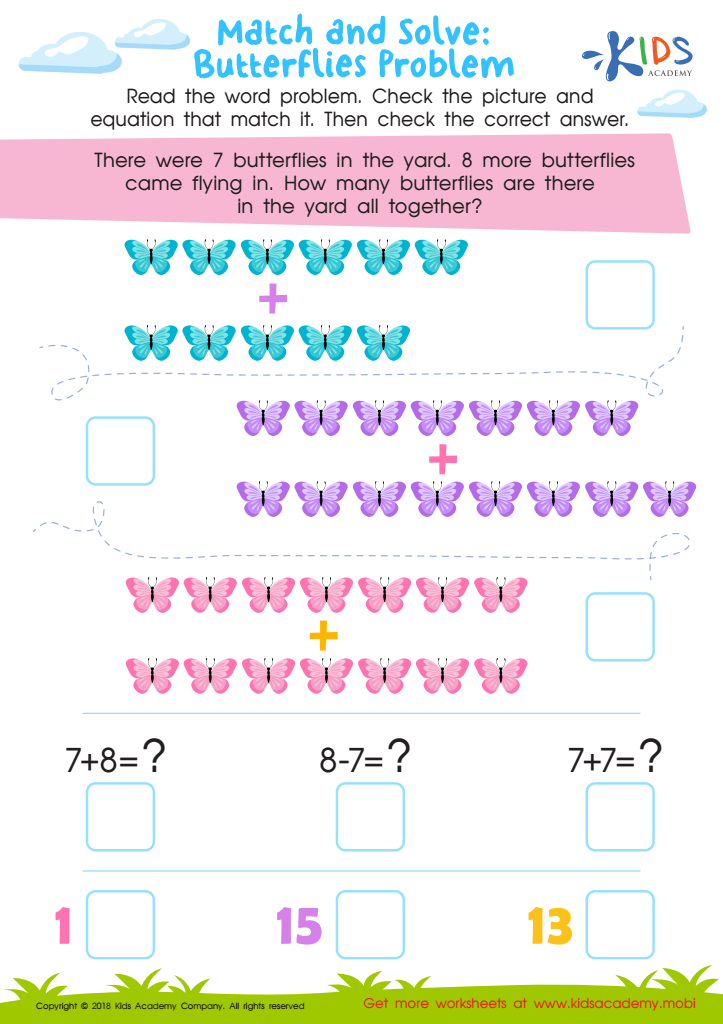
Match and Solve: Butterfly Problem Worksheet
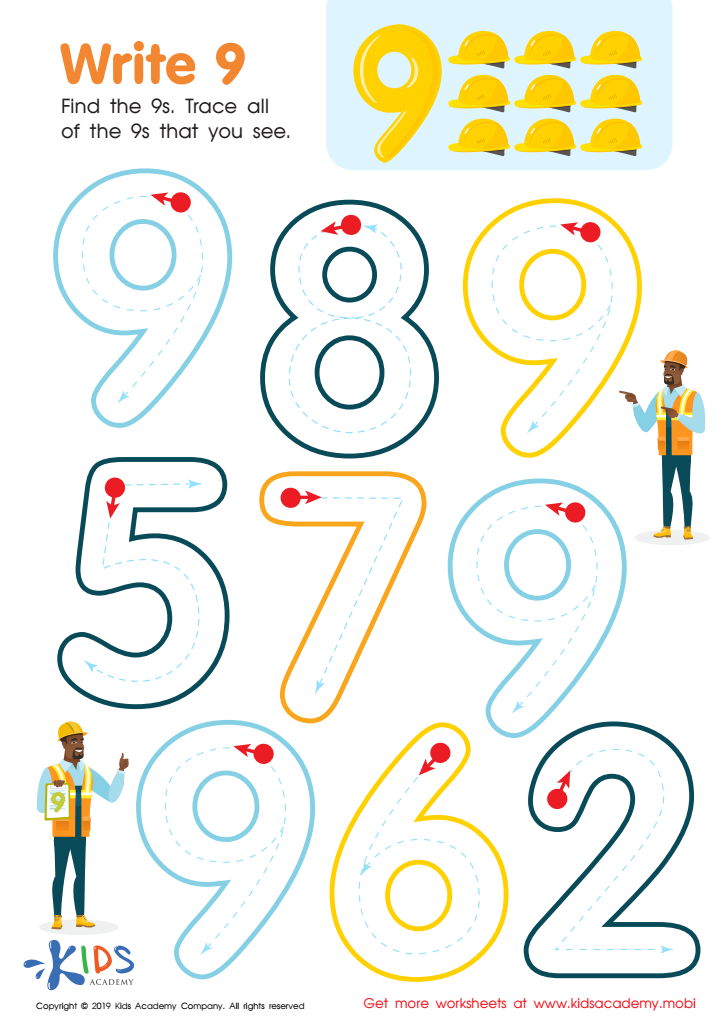
Write 9 Worksheet
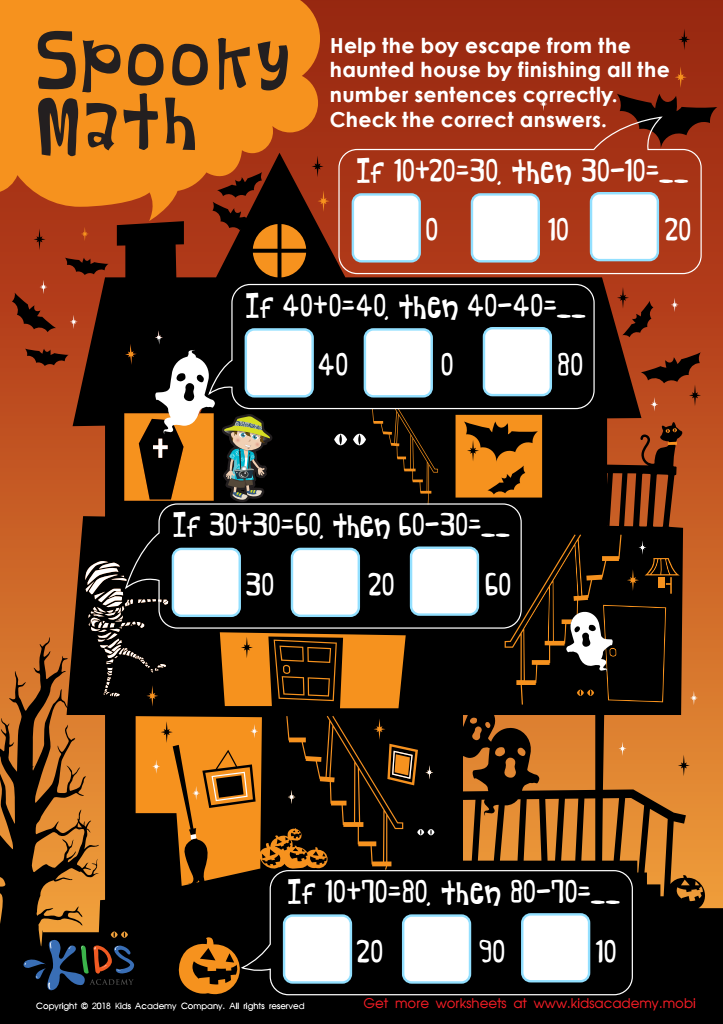
Subtract Tens: Spooky Math Worksheet
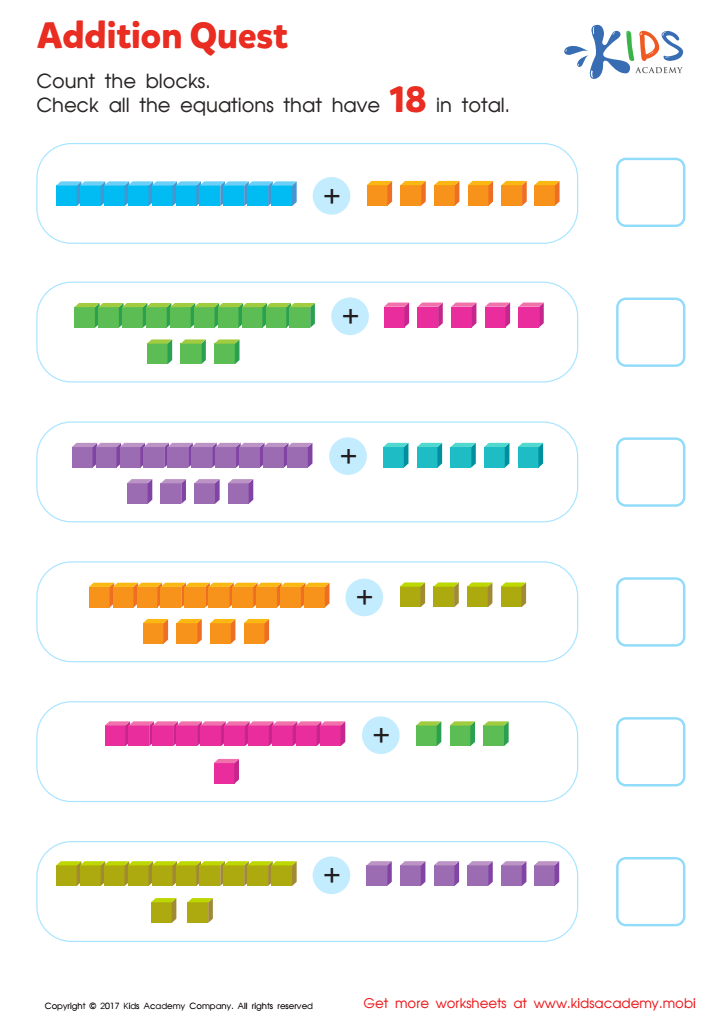
Addition Quest Worksheet: Part 2
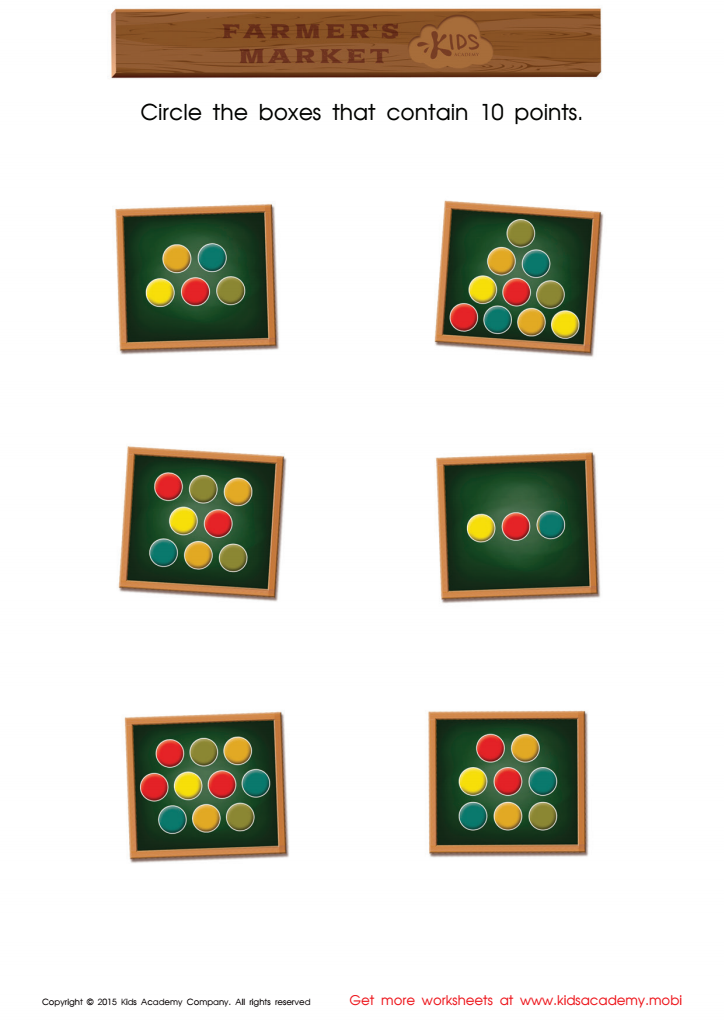
Count and Match Points 10 Math Worksheet
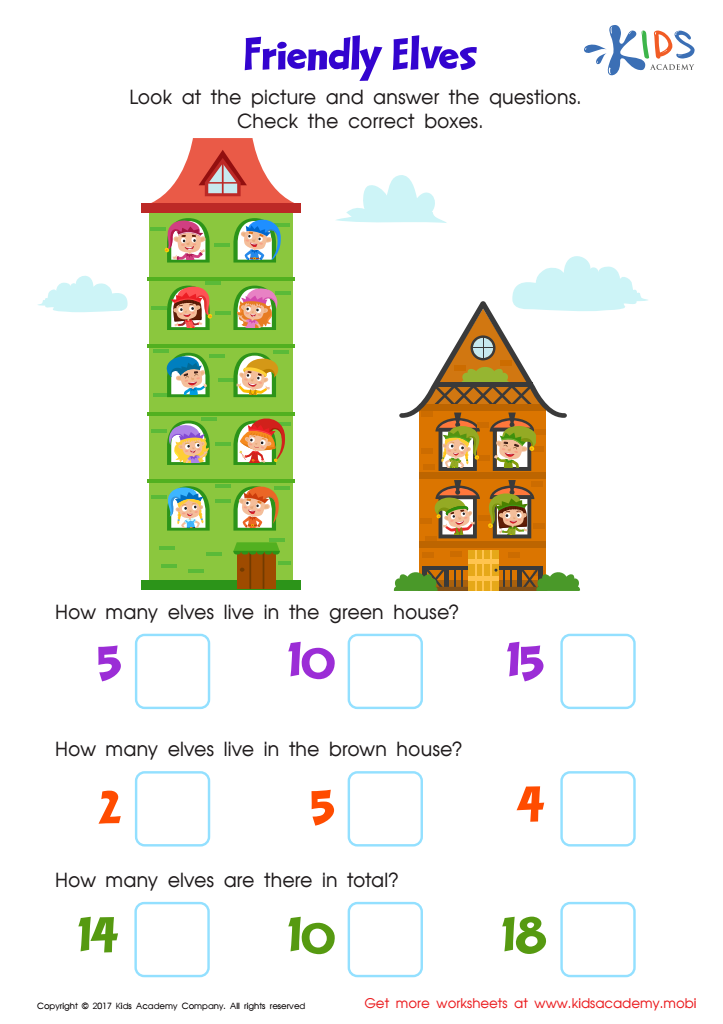
Place Value: Friendly Elves Worksheet
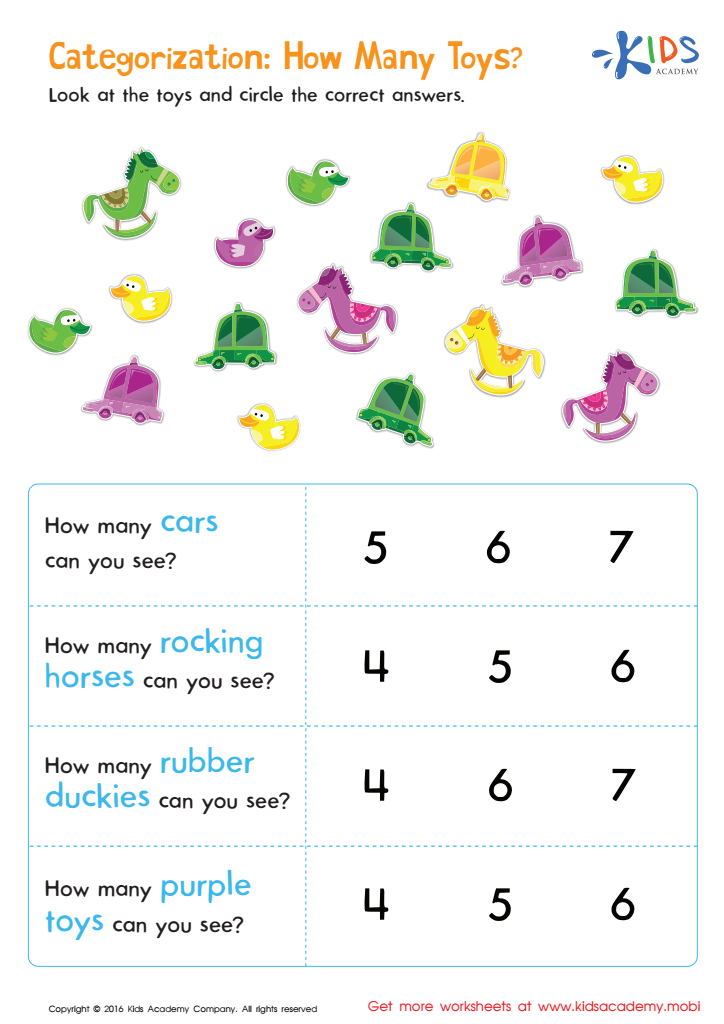
Classifying Toys by Type and Color Sorting Worksheet
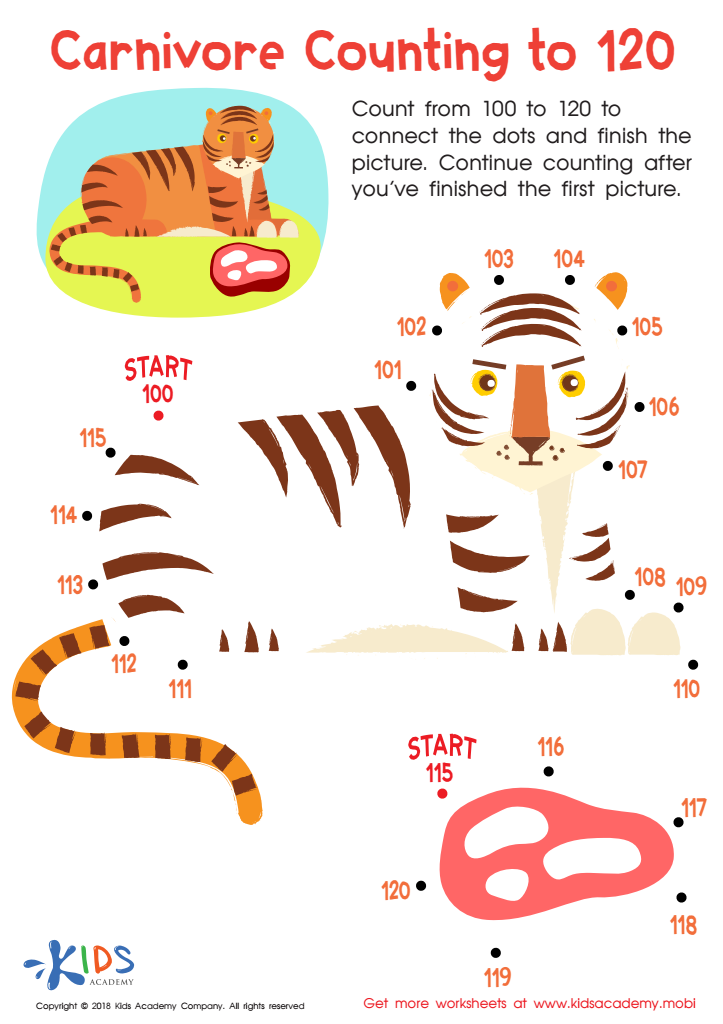
Carnivore Counting to 120 Worksheet
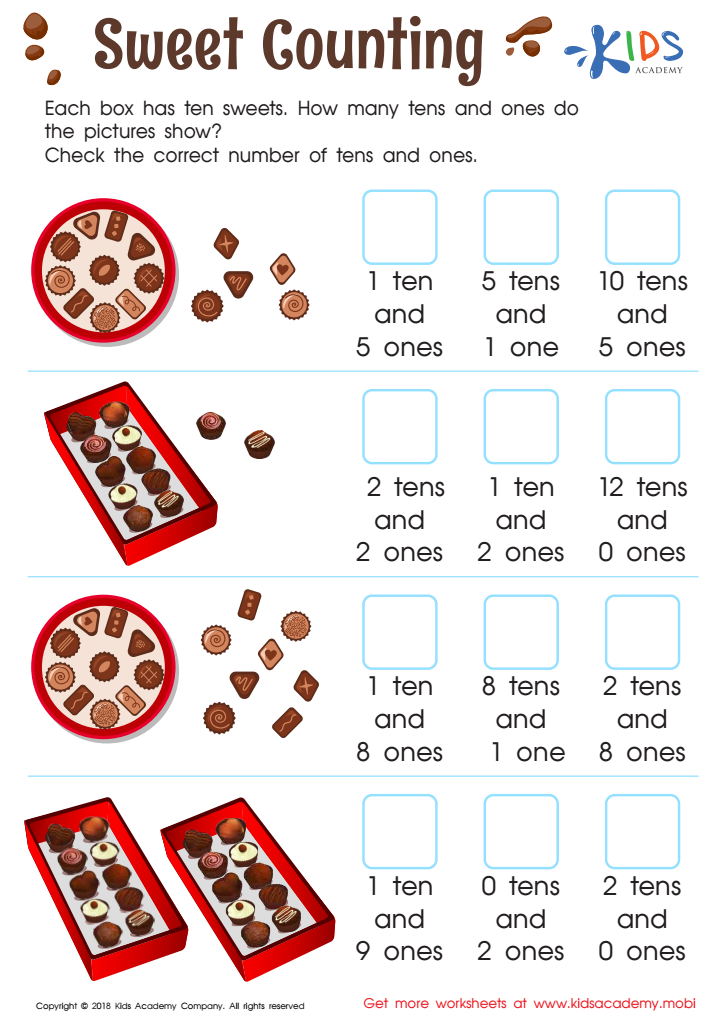
Sweet Counting - Part 2 Worksheet
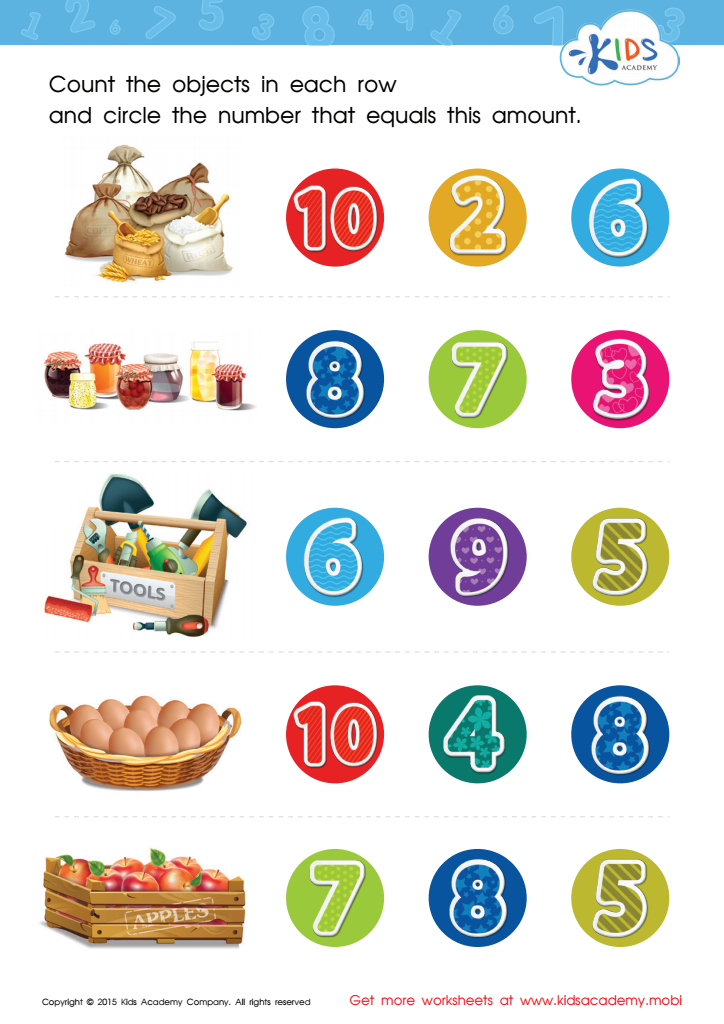
Count and Match 6 – 10 Math Worksheet
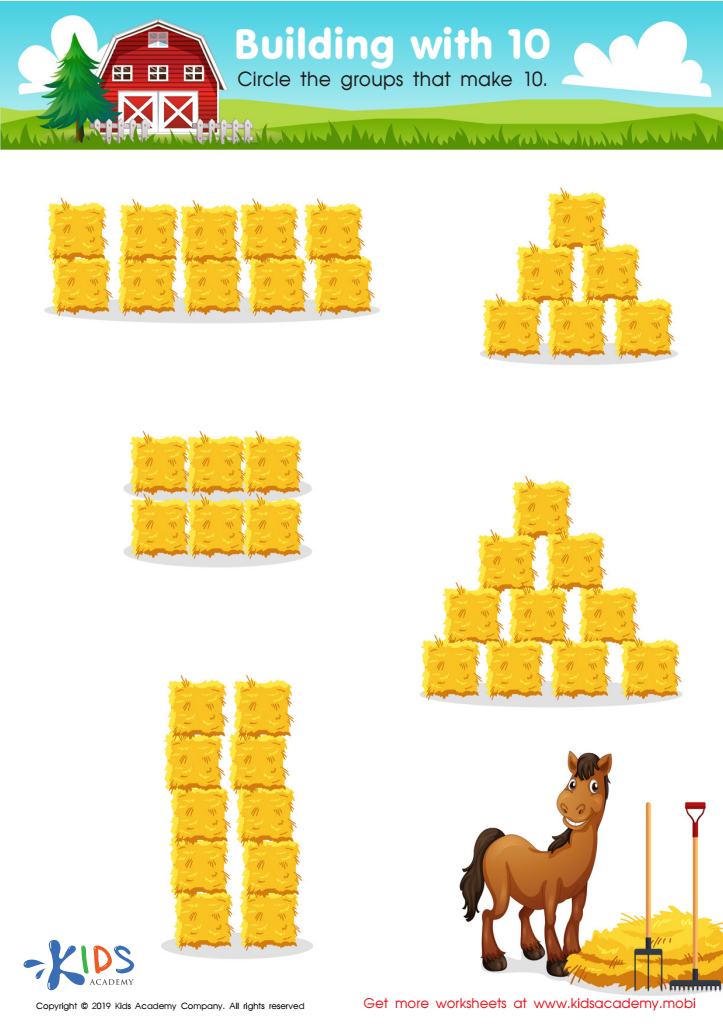
Building with 10 Worksheet







Number recognition is foundational to a child's early mathematics development and serves as the building block for all future mathematical learning. For parents and teachers of children ages 3-7, investing time and effort into fostering number recognition skills is crucial. This early competence allows young learners to understand and make sense of numbers, initializing their ability to count, compare, and perform basic arithmetic operations.
Recognizing numbers helps children to quickly grasp more complex concepts, such as addition, subtraction, and pattern recognition, which are vital for success in both school and everyday life. For instance, when a child can easily identify numbers, they can better understand quantities, which is essential for sharing, measuring, and problem-solving. Early mastery of these basic skills can also lead to greater confidence and a positive attitude towards math as they progress through their educational journey.
Moreover, number recognition is closely tied to other cognitive skills such as memory, language, and executive function. It encourages children to develop their visual and auditory processing abilities, which are essential for following instructions and learning new concepts efficiently. Therefore, parents and teachers should prioritize number recognition in early childhood, understanding its profound impact on the overall academic and developmental trajectory of a child.








