Pattern recognition Normal Worksheets for Ages 3-8
13 filtered results
-
From - To
Discover our engaging Pattern Recognition Worksheets designed for children ages 3 to 8! These carefully crafted resources help young learners develop critical thinking and observation skills through fun exercises that involve identifying, completing, and creating patterns. Perfect for home or classroom use, our worksheets encourage creativity while enhancing math readiness. Featuring colorful illustrations and age-appropriate challenges, these printables make learning enjoyable and interactive. Explore shape, color, and number patterns to boost cognitive development. Ideal for preschoolers and early grade students, these normal worksheets are easy to use and effective, ensuring every child can master the essential skill of pattern recognition. Download yours today!
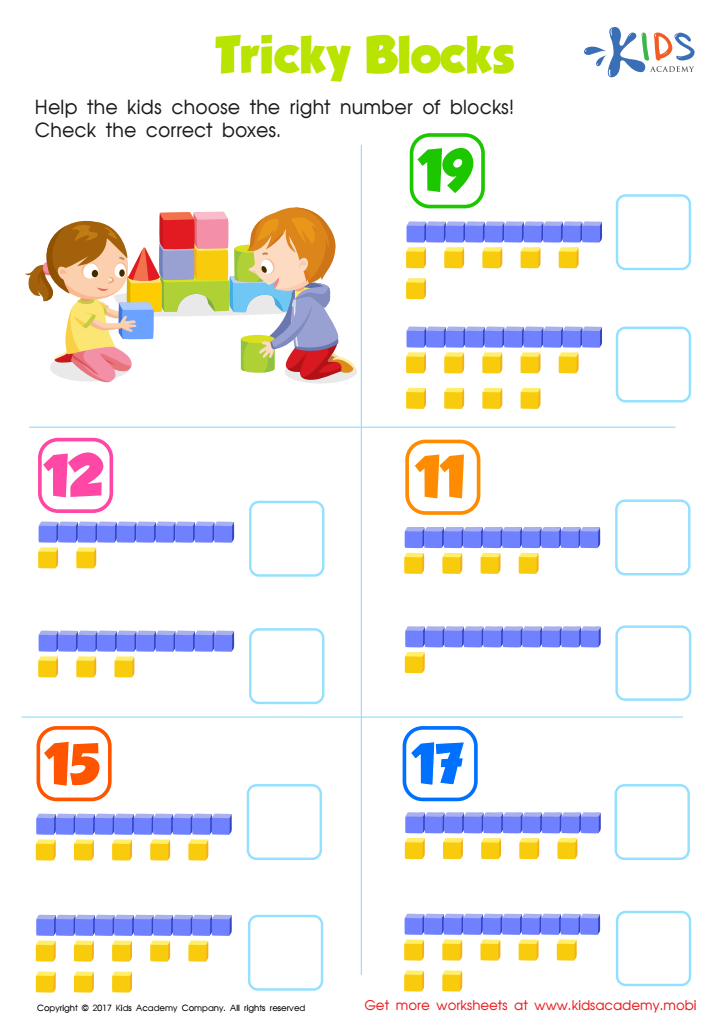
Tricky Blocks Worksheet
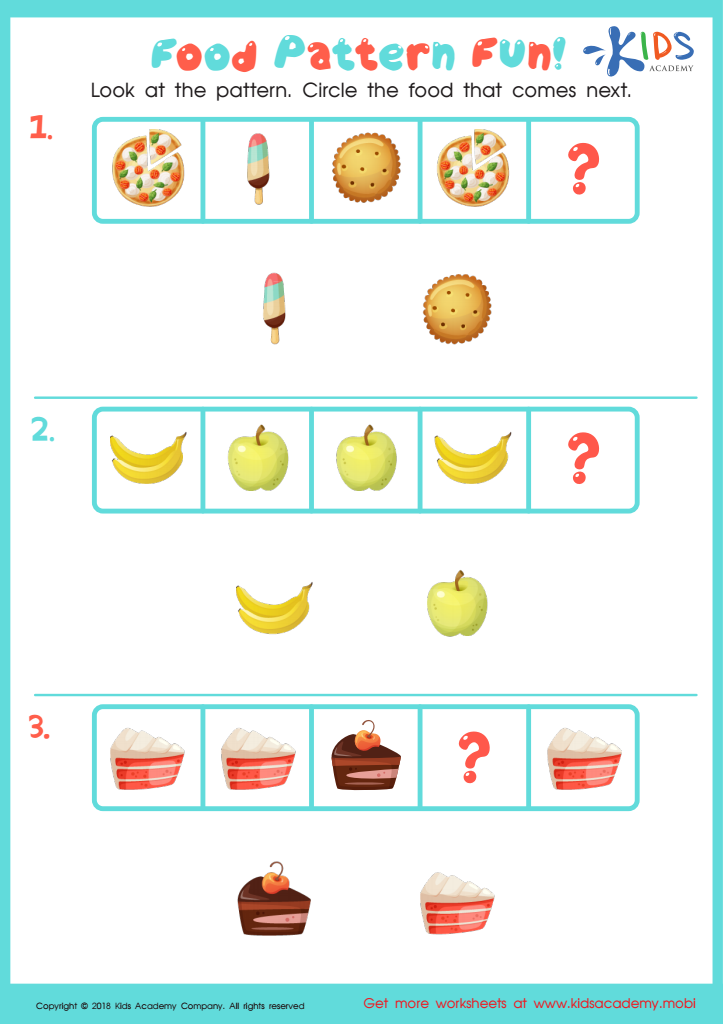
Food Pattern Fun Worksheet
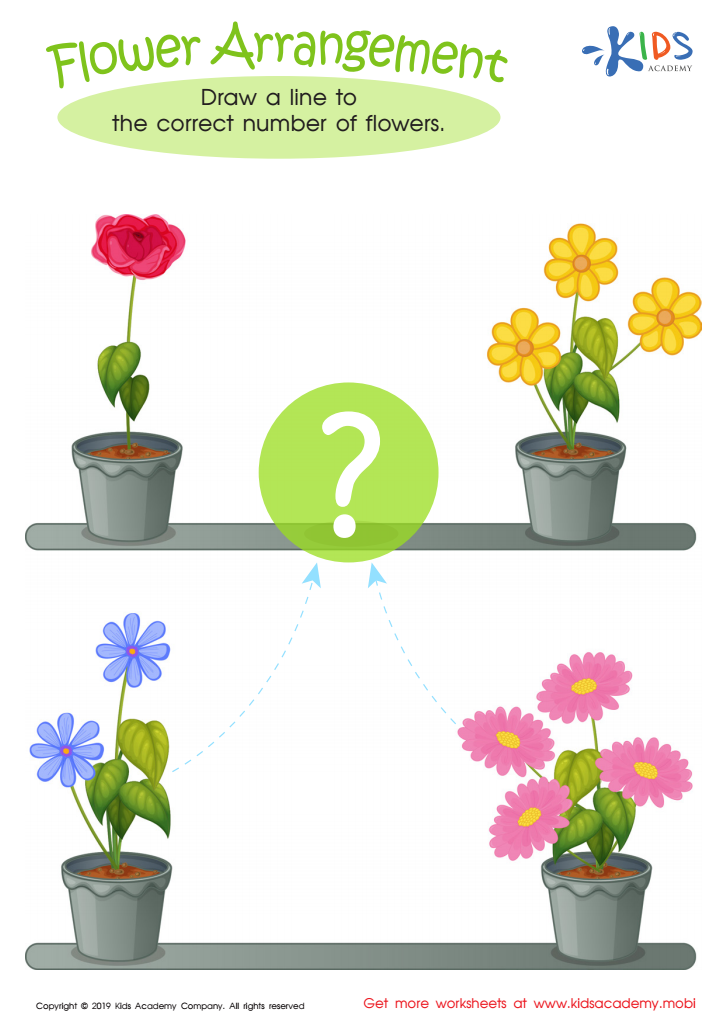
Flower Arrangement Worksheet
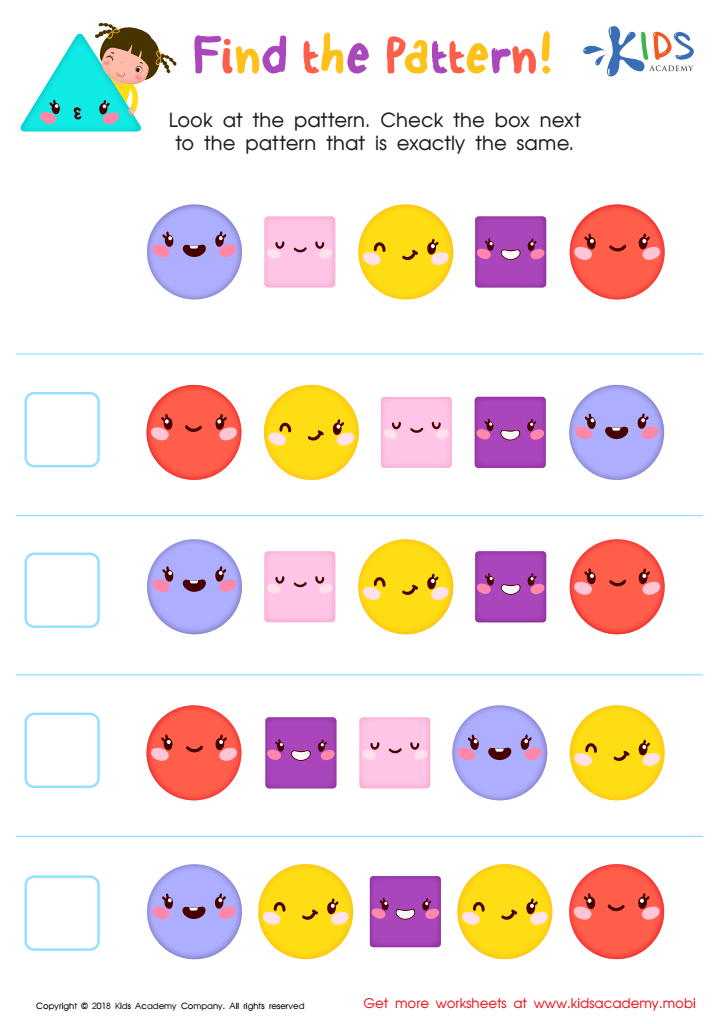
Find the Pattern Worksheet
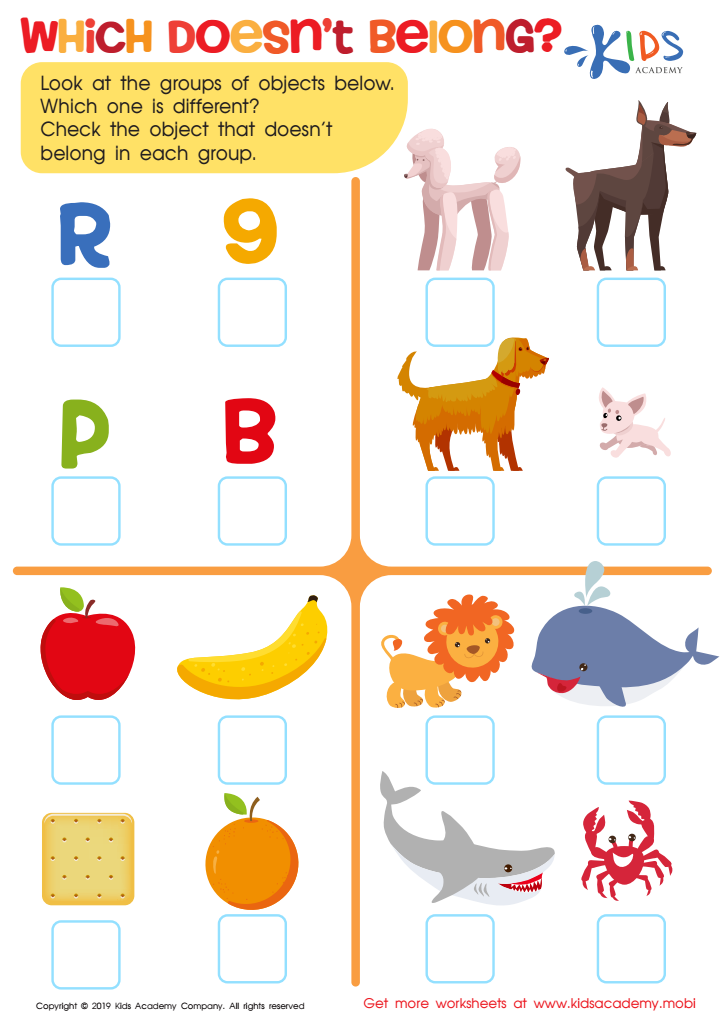
Which Doesn't Belong? Worksheet
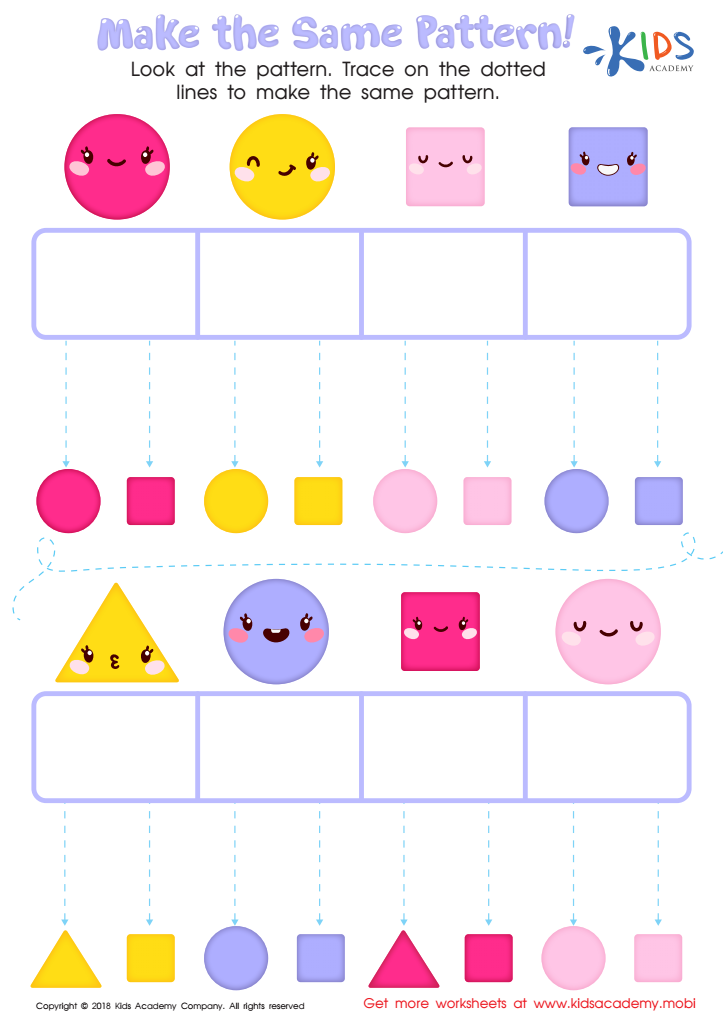
Make the Same Pattern Worksheet
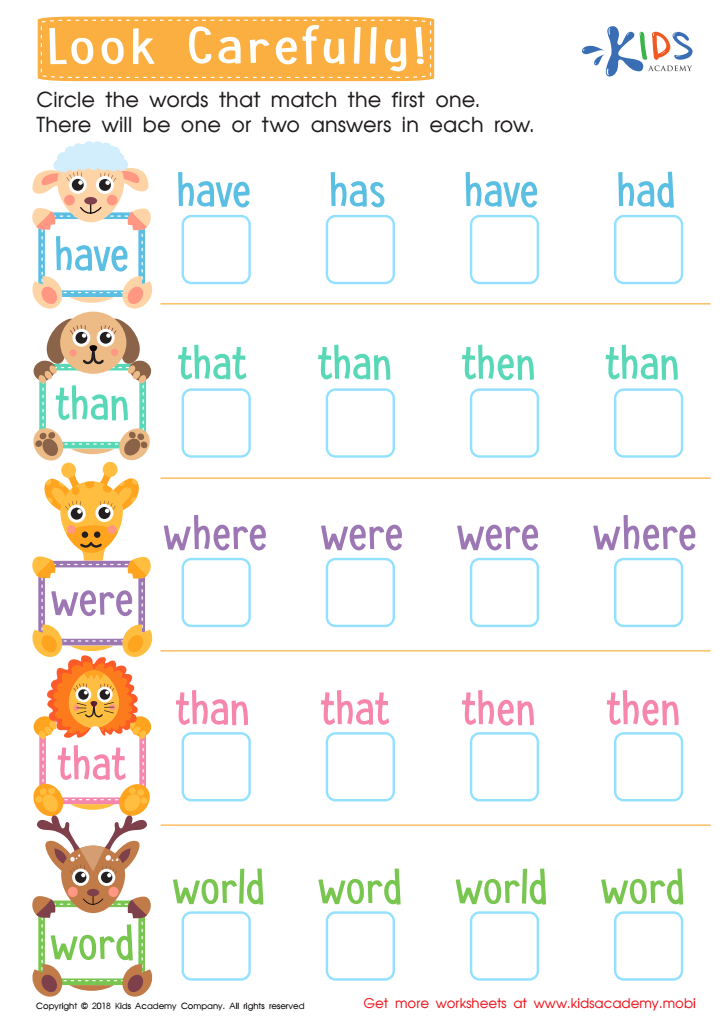
Look Carefully Worksheet
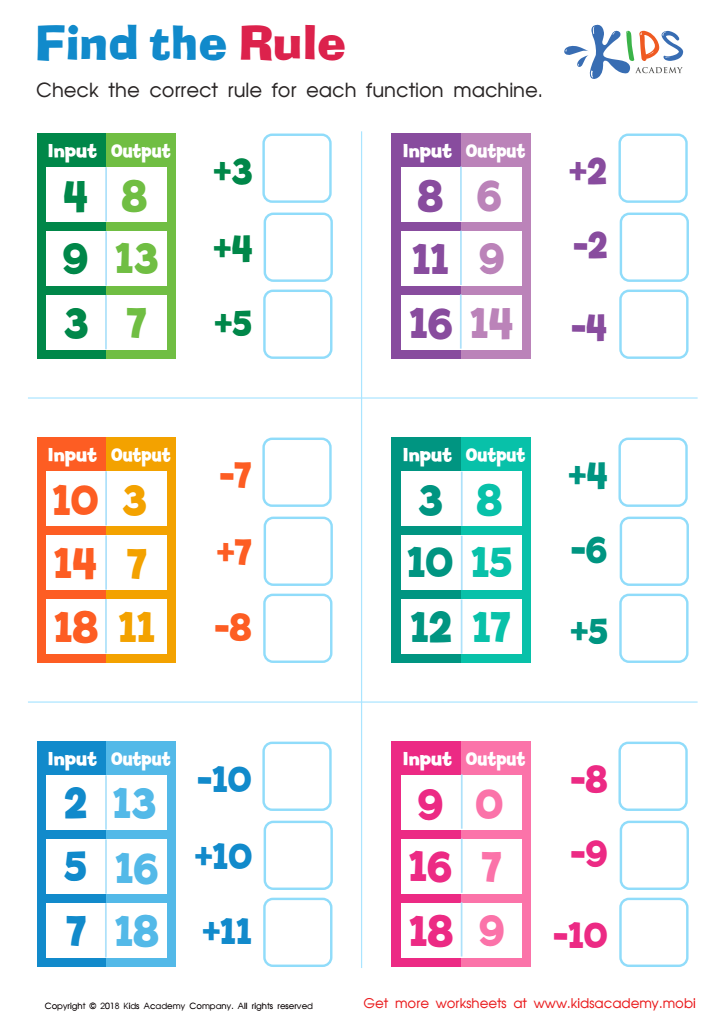
Find the Rule Worksheet
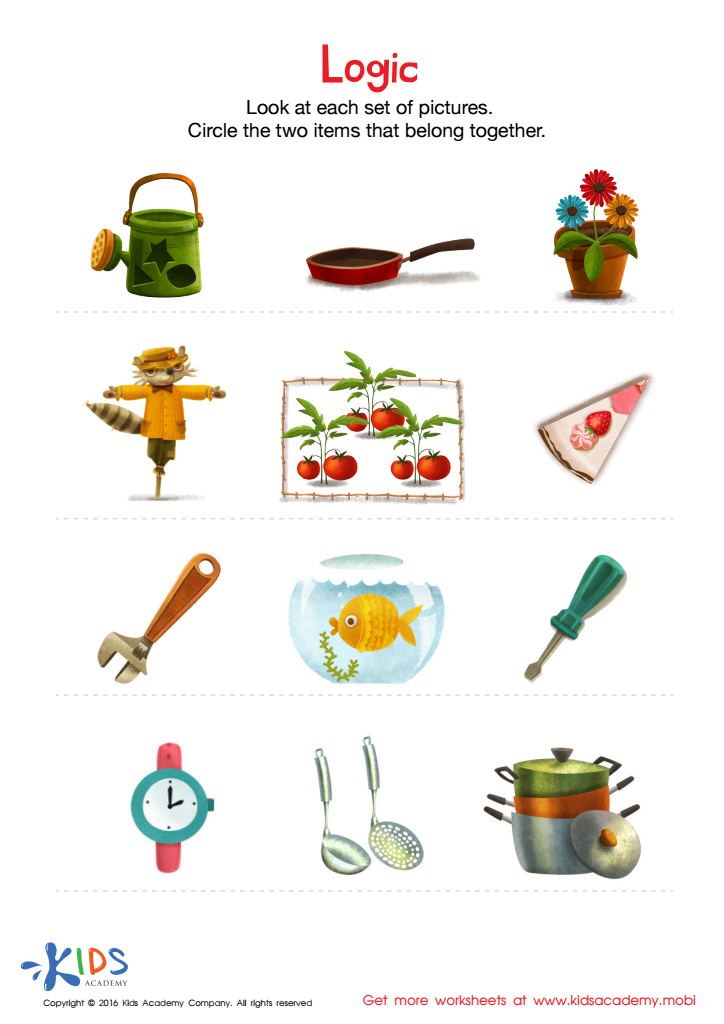
Logic Game Sorting Worksheet
Christmas: Christmas Tree Printable
 Assign to My Students
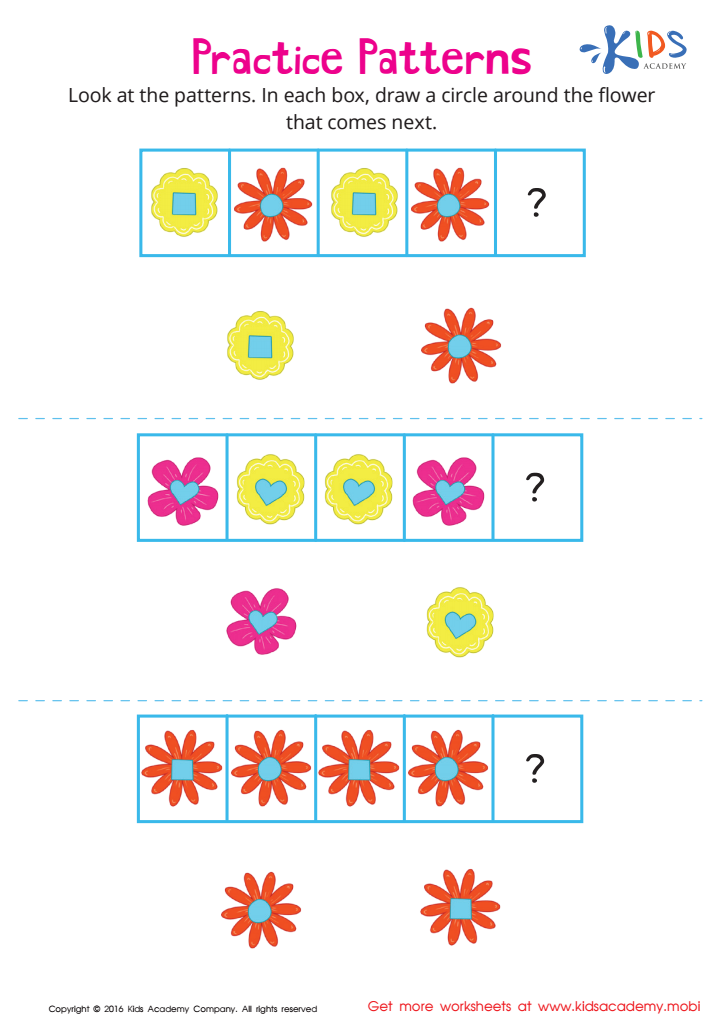
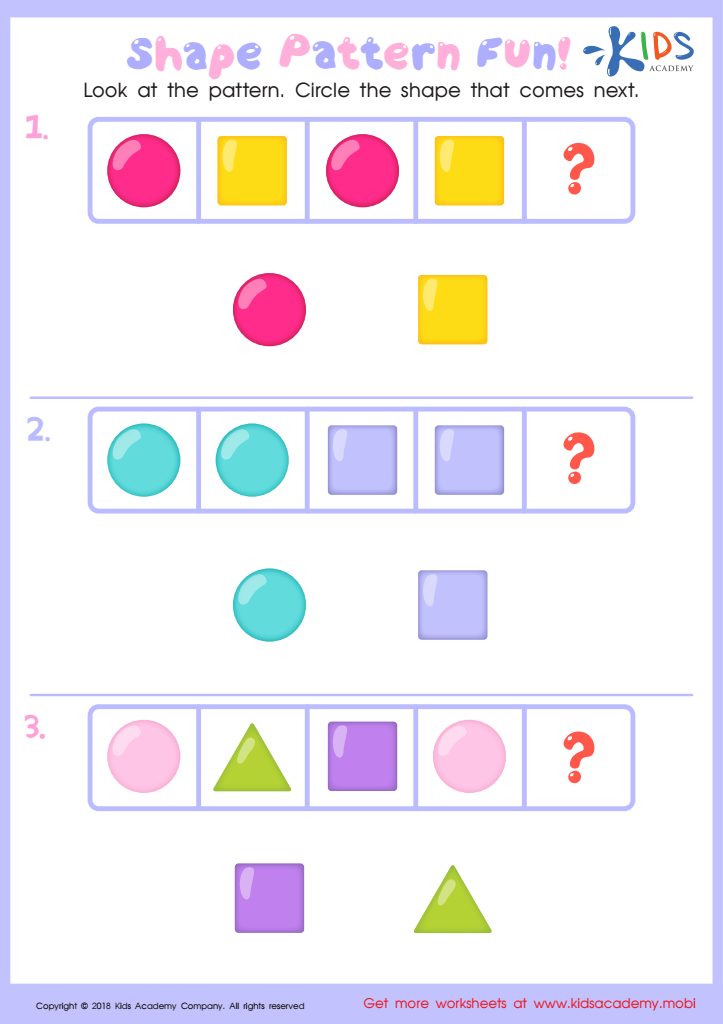
Shape Pattern Fun Worksheet
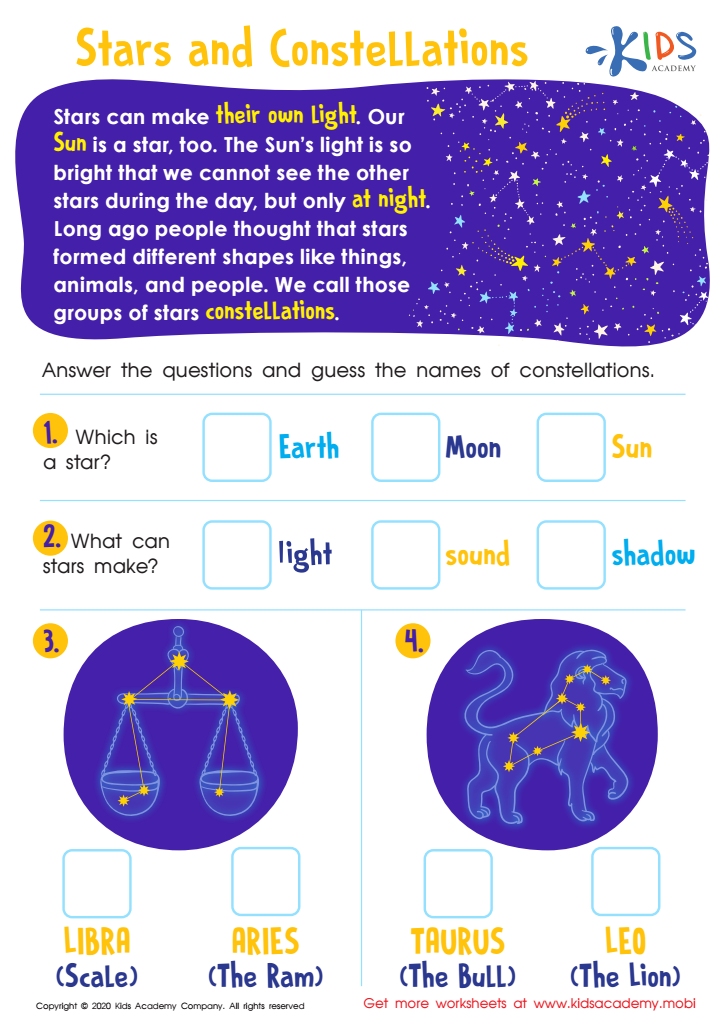
Stars and Constellations Worksheet








Pattern recognition is a fundamental cognitive skill that plays a crucial role in children's development, particularly for ages 3-8. During these formative years, children begin to make sense of the world around them through identifying and interpreting patterns, whether in numbers, shapes, language, or social interactions.
Parents and teachers should care because pattern recognition is foundational to various areas of learning. It lays the groundwork for math skills such as addition, subtraction, geometry, and algebra. Recognizing patterns in math helps children predict outcomes and solve problems efficiently. For example, understanding a sequence can aid in grasping more complex mathematical concepts down the line.
Moreover, pattern recognition fosters critical thinking and creativity. As kids learn to identify and manipulate patterns, they develop the ability to think abstractly and make connections between different concepts. This practice also enhances literacy skills, as children grasp the rhythm and structure of language.
Engaging children in activities that promote pattern recognition—like puzzles, games, and songs—can ignite curiosity and exploration. Therefore, by supporting pattern recognition, parents and teachers equip children with essential tools for success in academics and everyday life, nurturing their overall intellectual growth and paving the way for future learning opportunities.








