Visual perception Normal Worksheets for Ages 3-8
18 filtered results
-
From - To
Discover our exciting collection of Visual Perception Normal Worksheets designed specifically for children aged 3-8! These engaging resources promote crucial visual skills such as shape recognition, pattern identification, and spatial awareness. Each worksheet is tailored to enhance learning through playful activities that captivate young minds. Ideal for home or classroom use, our worksheets provide a fun way for children to develop their cognitive abilities while enjoying visual challenges. With easy-to-follow instructions and vibrant illustrations, these worksheets are perfect for early learners aiming to improve their perception skills in an enjoyable and stimulating environment. Explore our collection today to make learning an adventure!
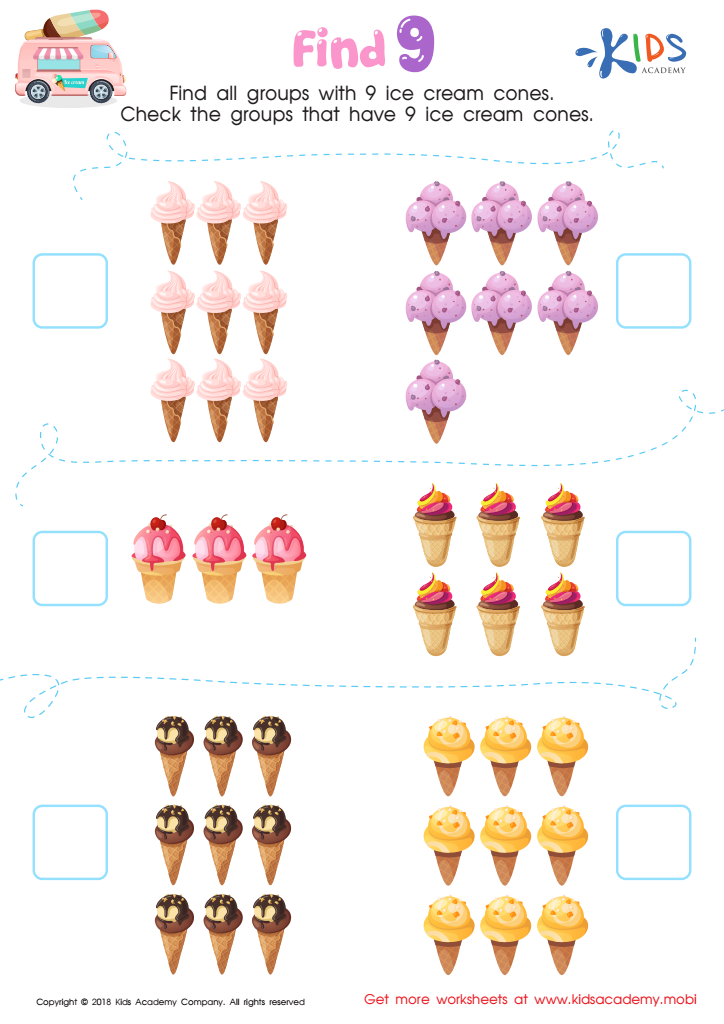
Find 9 Worksheet
 Assign to My Students
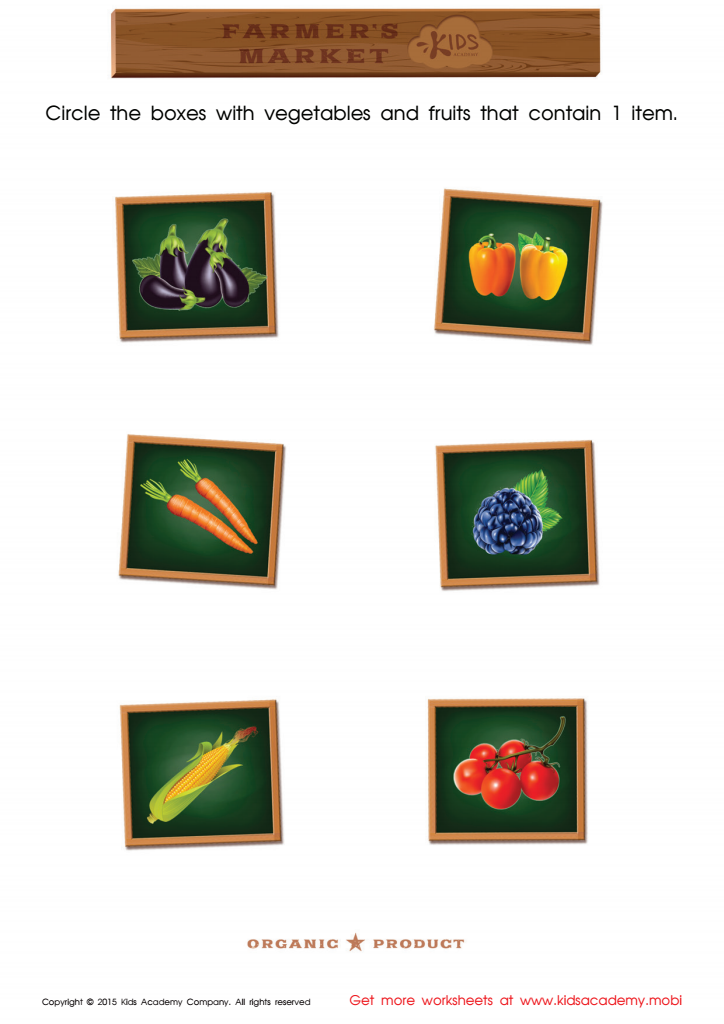
Count and Match Boxes with Vegetables
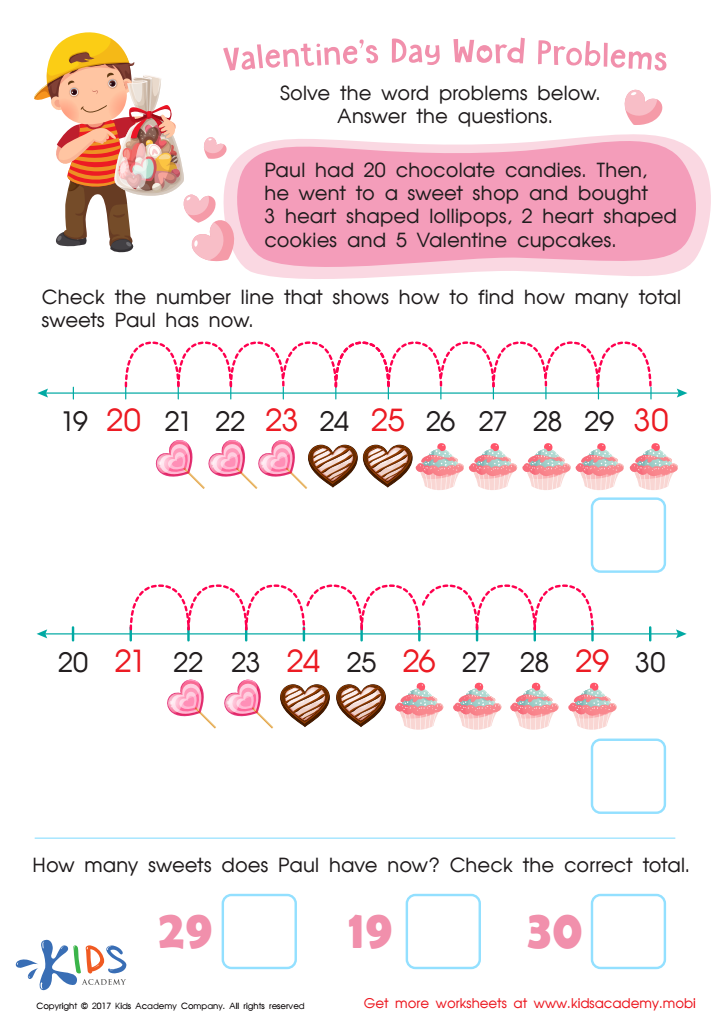
Valentines Day 2 Printable
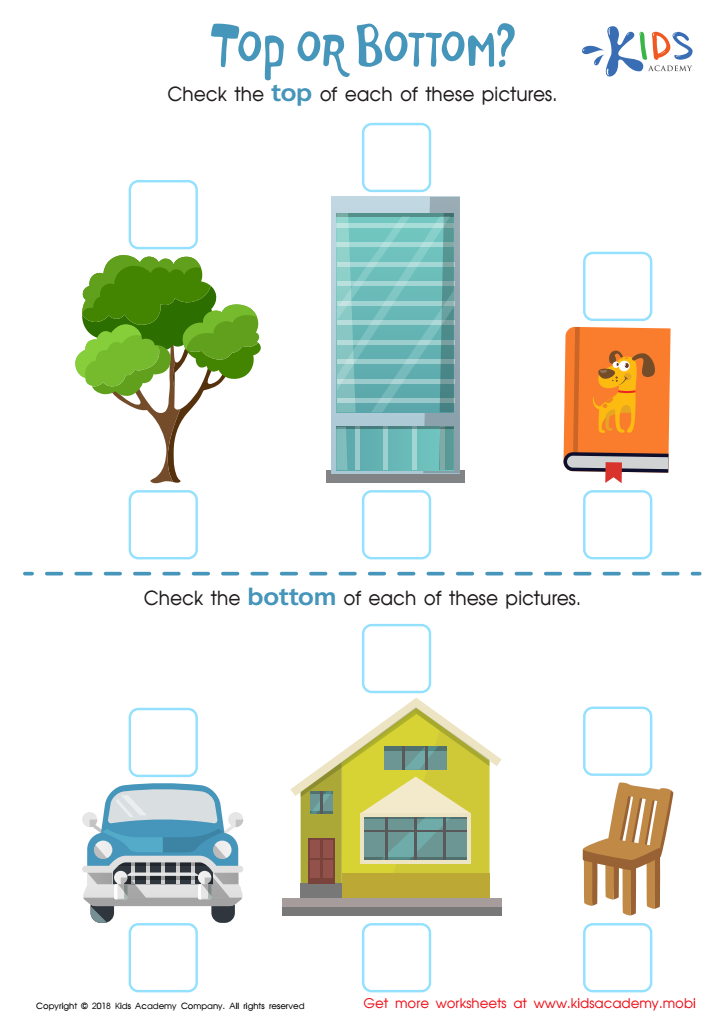
Top or Bottom Worksheet
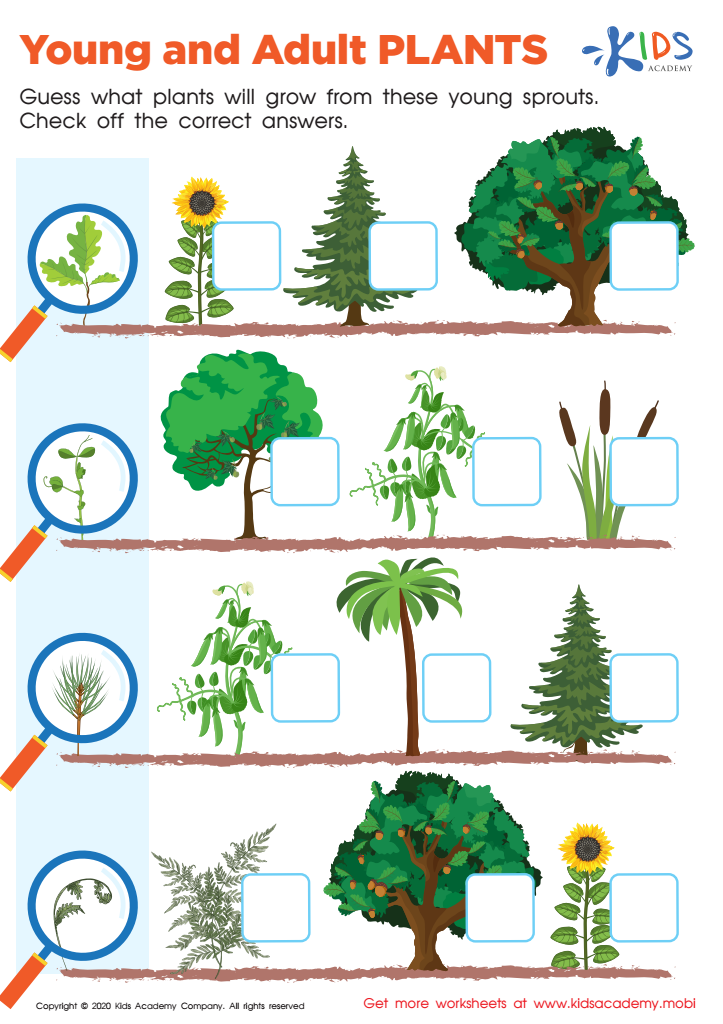
Young and Adult Plants Worksheet
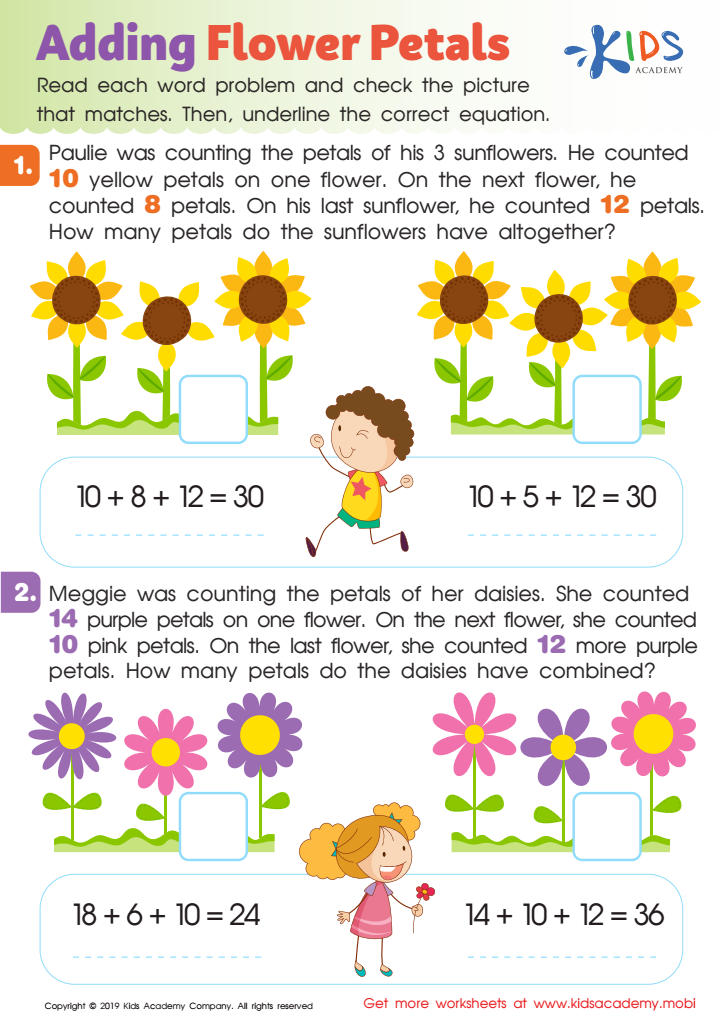
Adding Flower Petals Worksheet
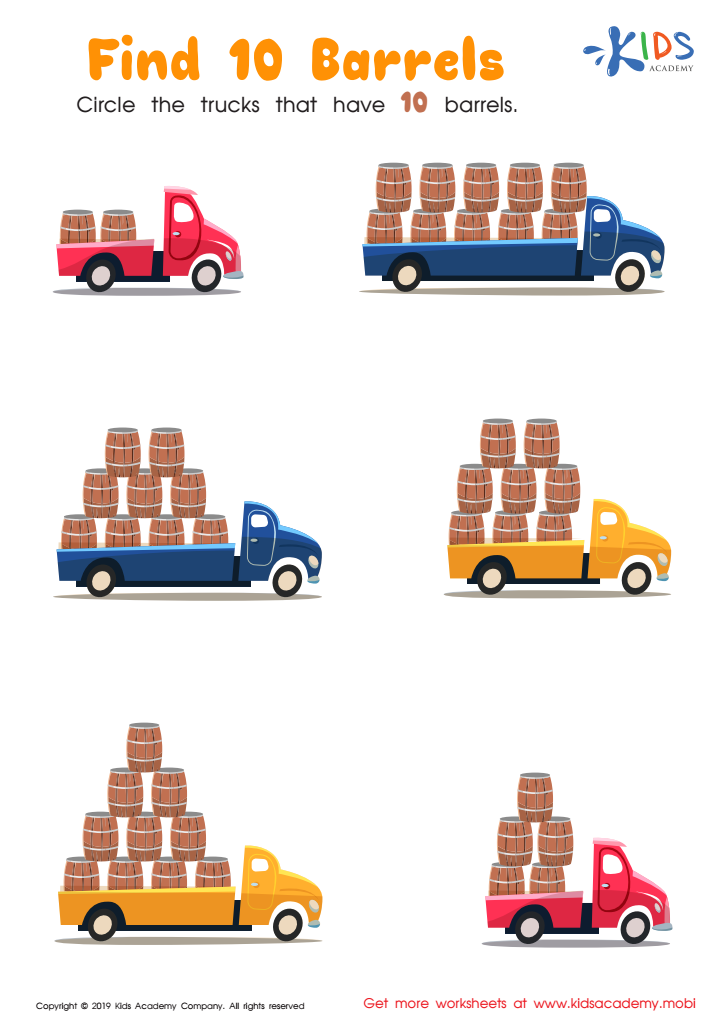
Find 10 Barrels Worksheet
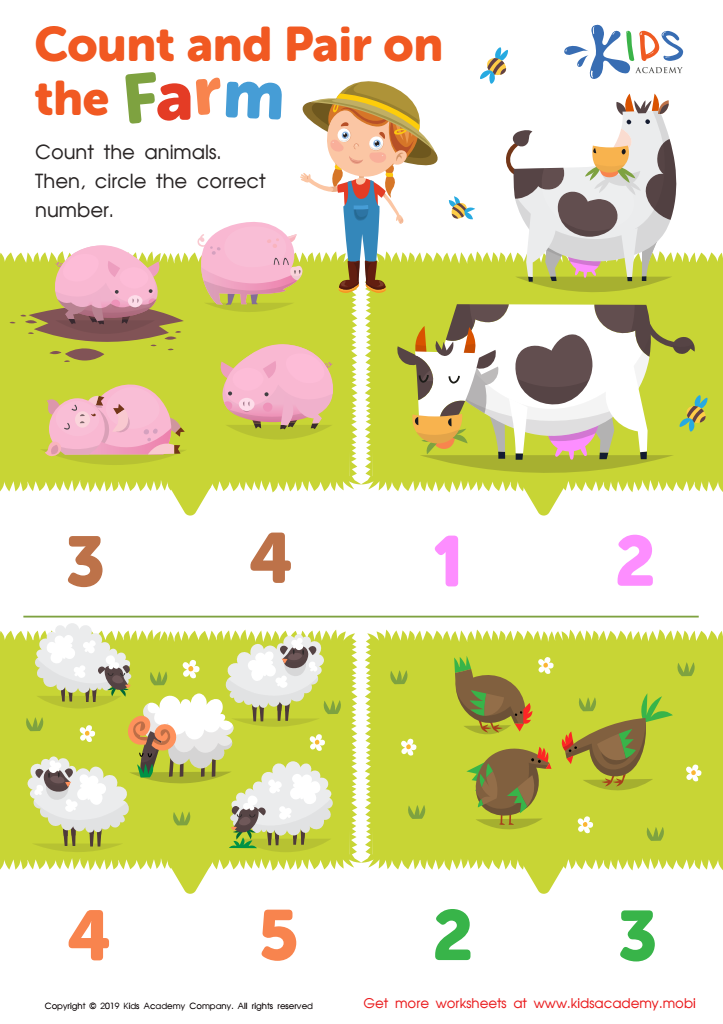
Count and Pair on the Farm Worksheet
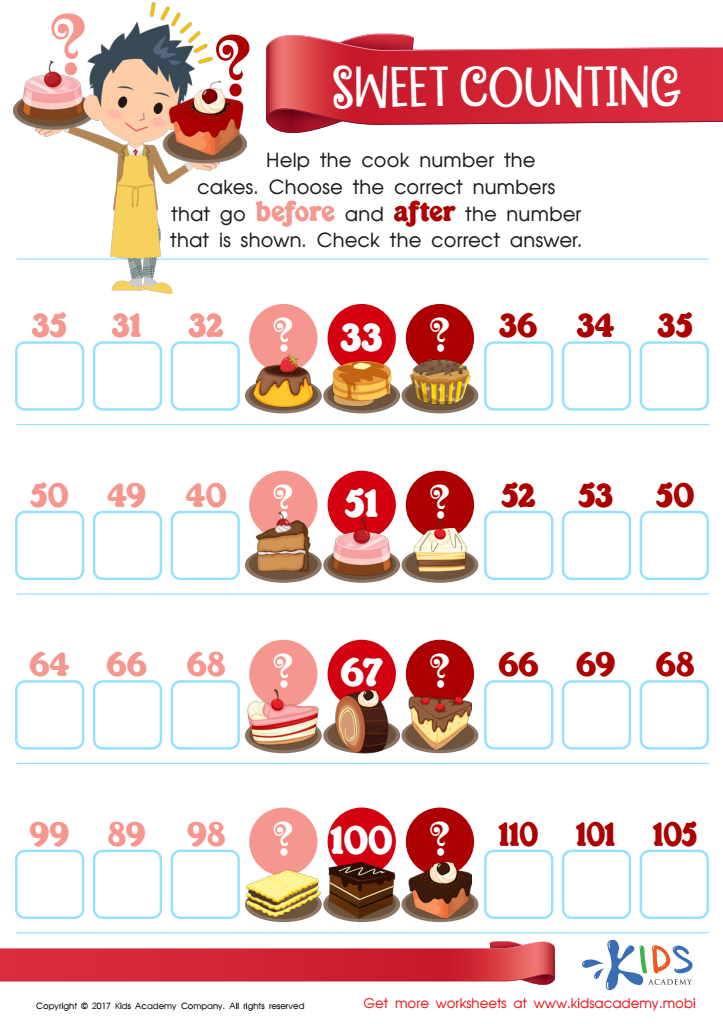
Sweet Counting - Part 1 Worksheet
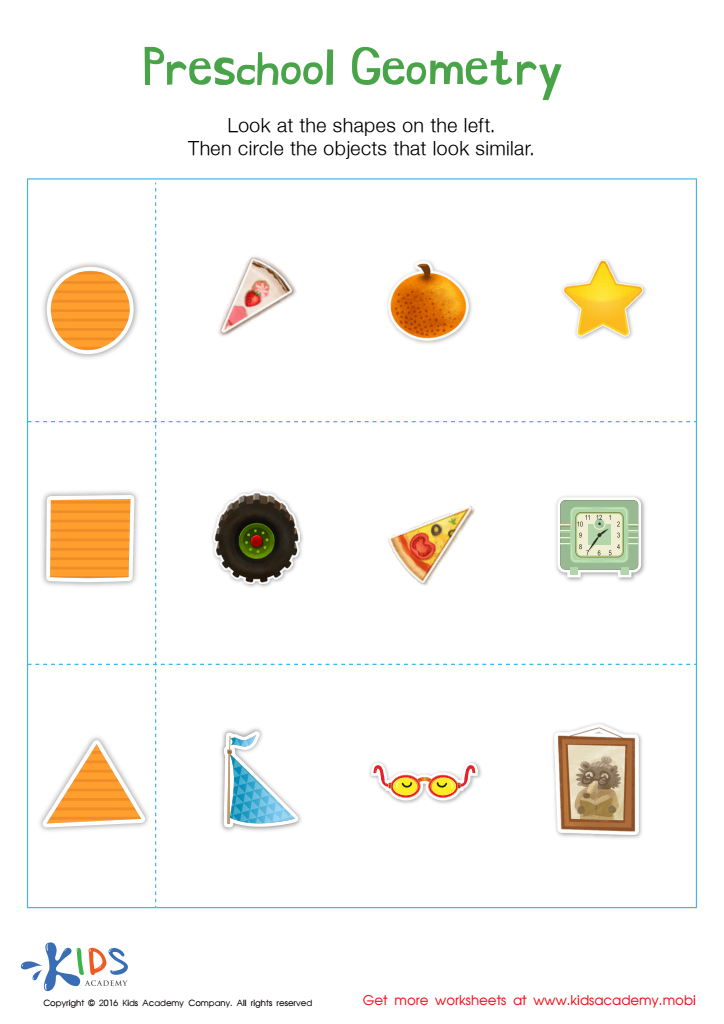
Preschool Geometry Match Up Worksheet
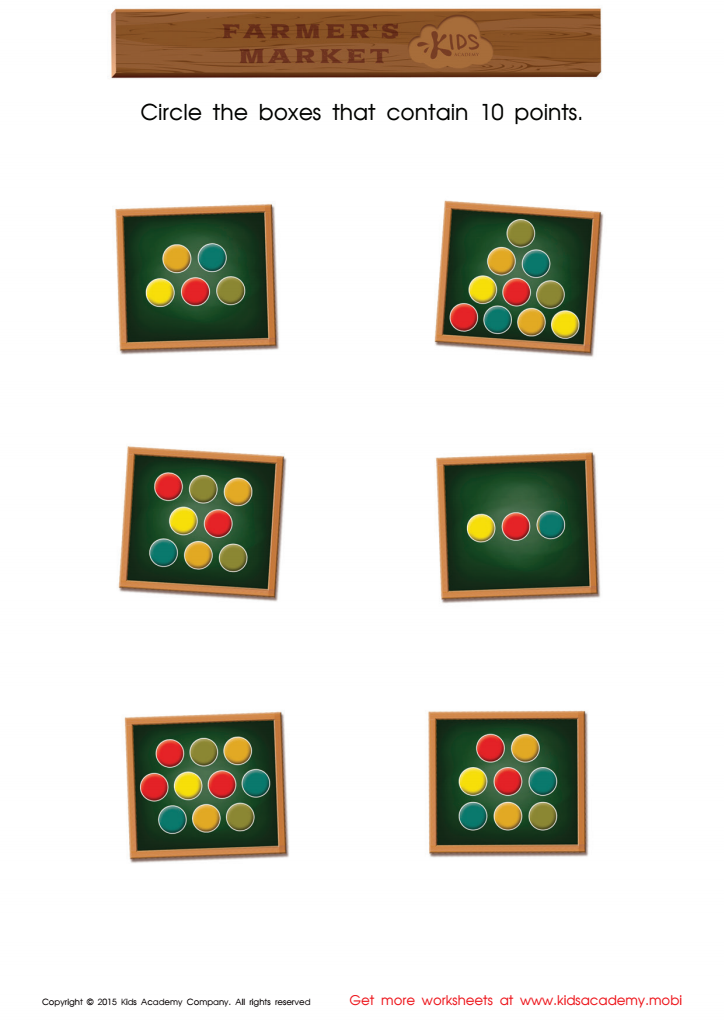
Count and Match Points 10 Math Worksheet
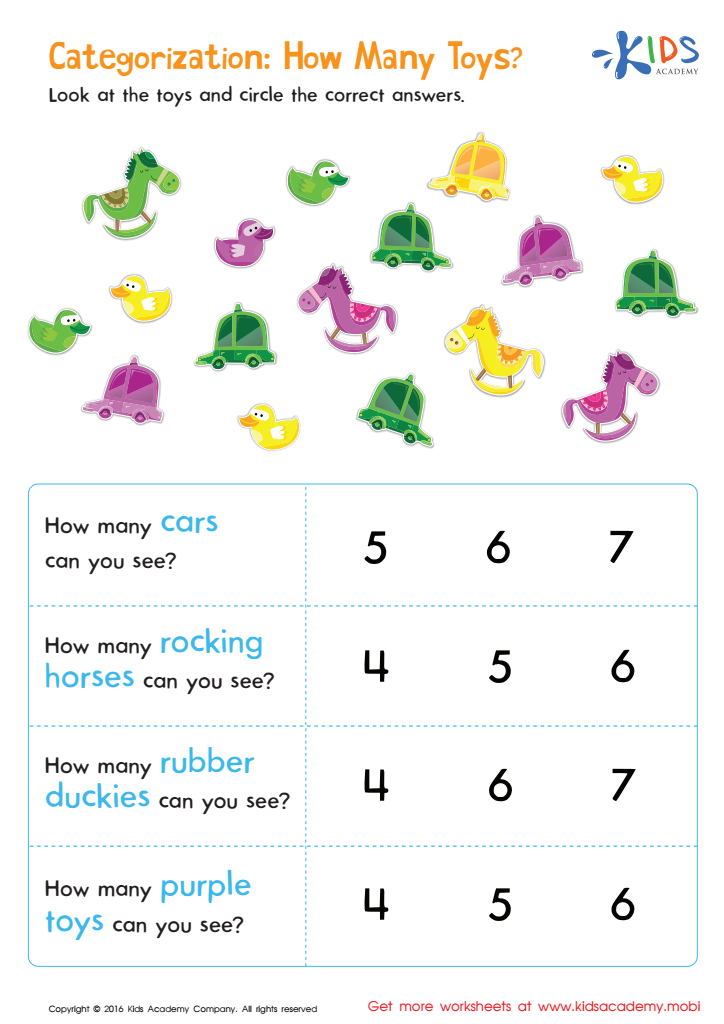
Classifying Toys by Type and Color Sorting Worksheet
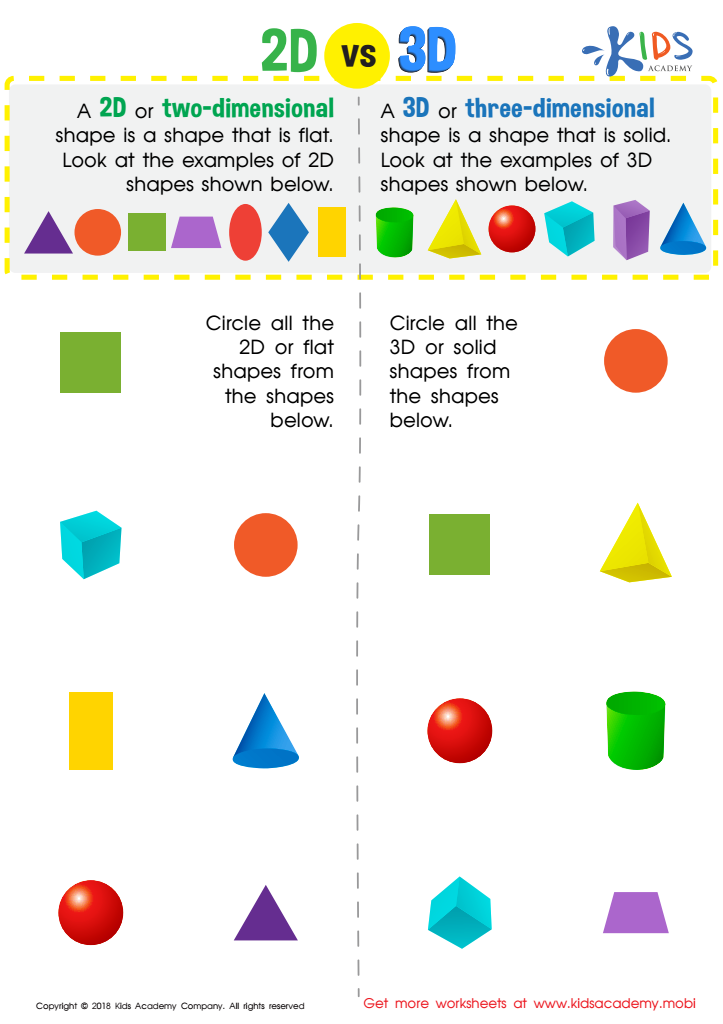
2D vs 3D Shapes Worksheet
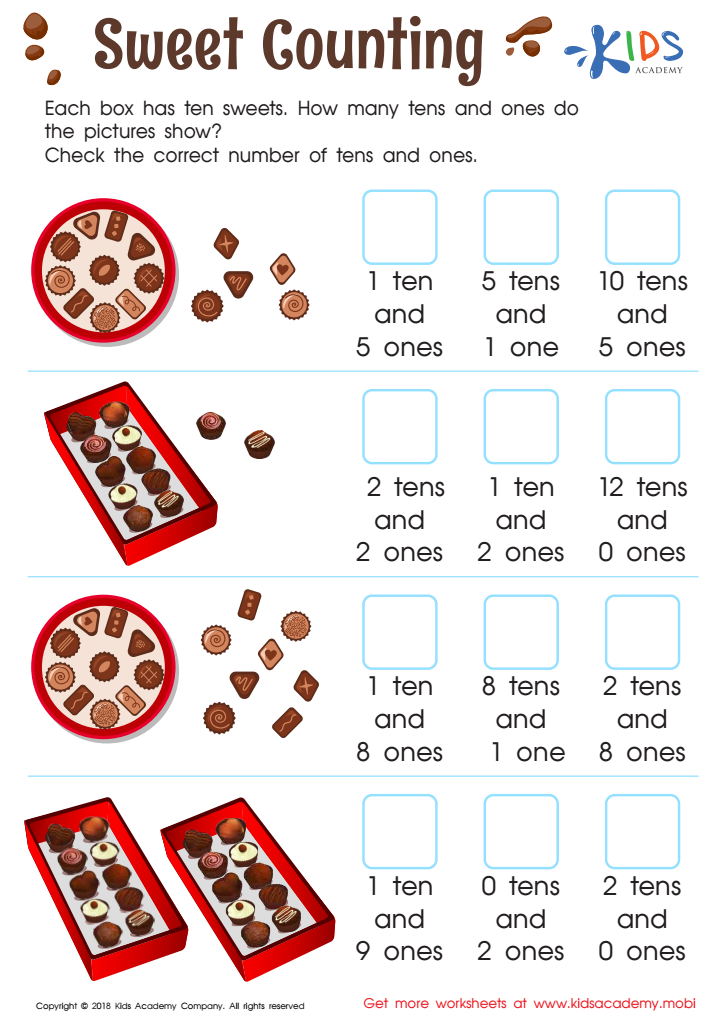
Sweet Counting - Part 2 Worksheet
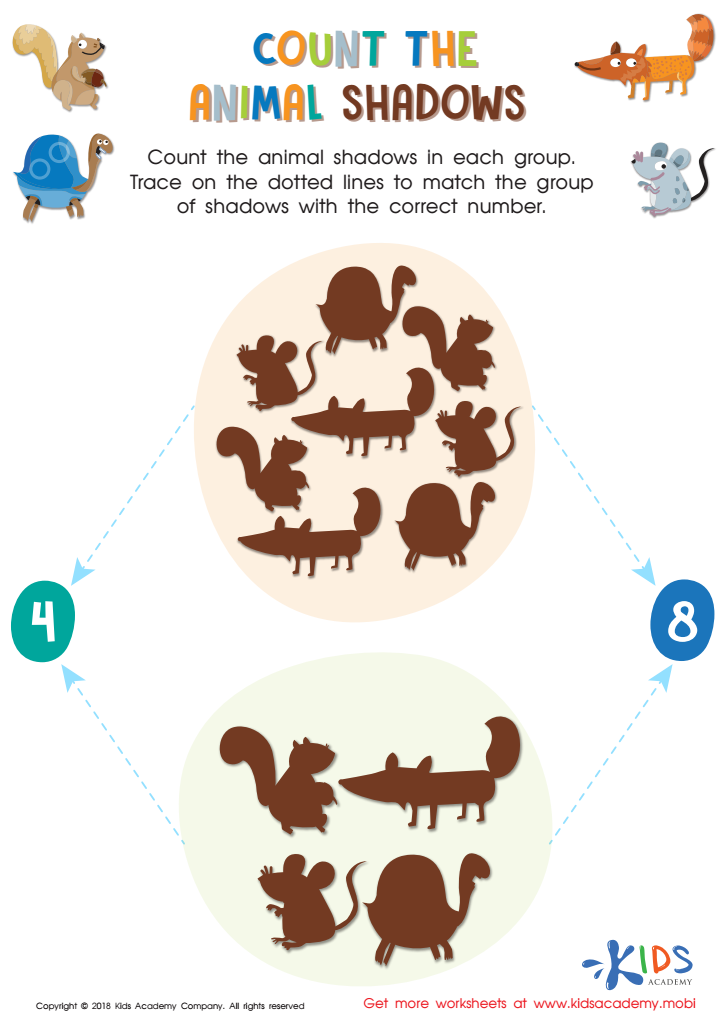
Count the Animal Shadows Worksheet
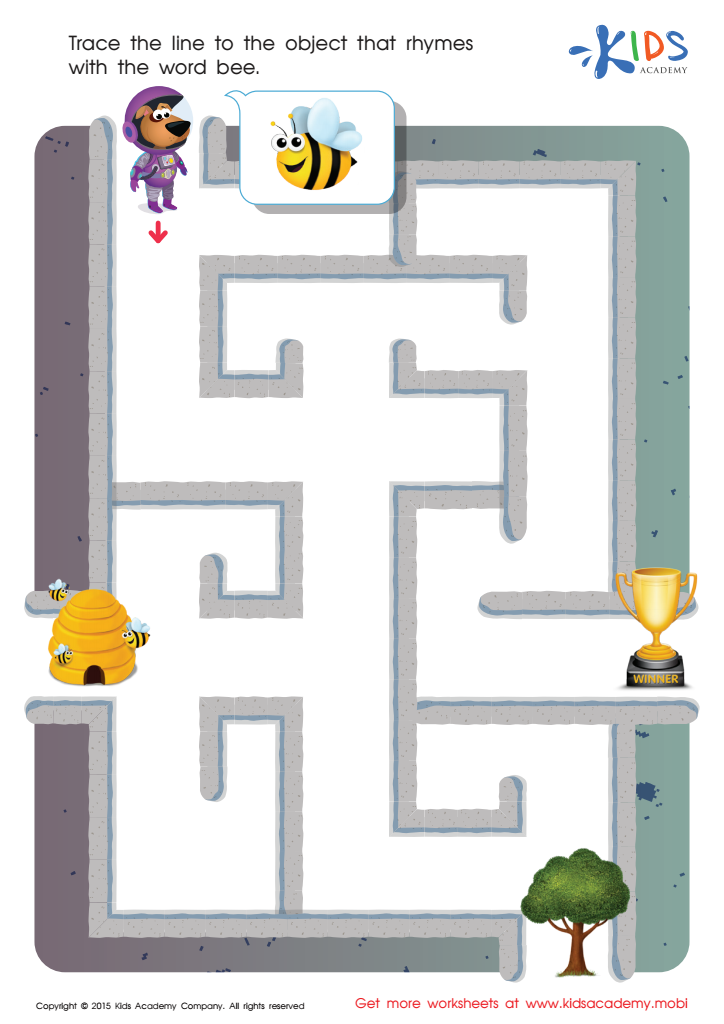
Bee Rhyming Words Worksheet

Count and Match Vegetables 1 – 5 Math Worksheet
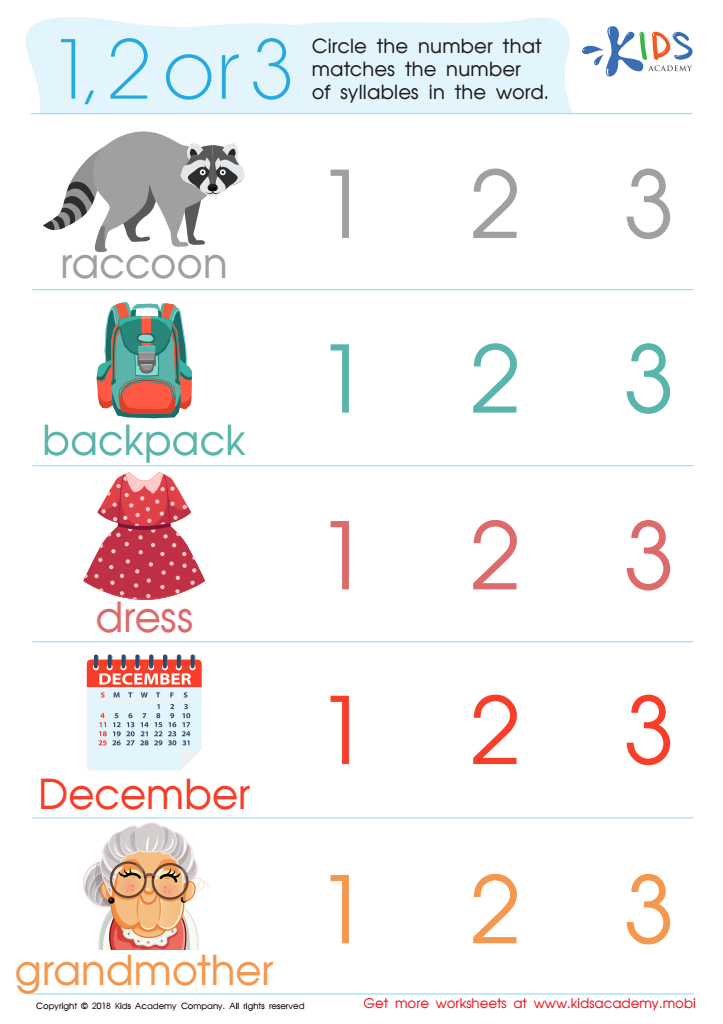
1, 2 or 3? Worksheet


.jpg)


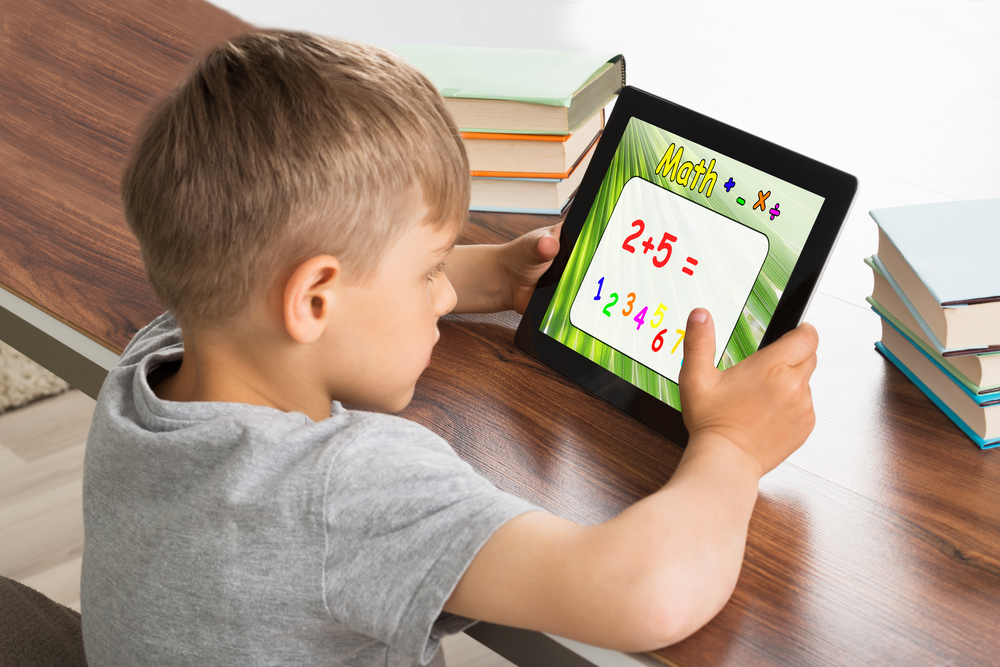


Visual perception is a crucial skill for children aged 3-8, impacting their learning and everyday interactions. It encompasses the ability to interpret and make sense of visual stimuli, allowing children to recognize letters, numbers, shapes, and spatial relationships. Strong visual perception is foundational for academic skills, such as reading, writing, and math, making it essential for educational growth.
Parents and teachers should prioritize visual perception because it directly influences a child's ability to process information effectively. Children with advanced visual perception skills are better equipped to understand classroom instructions, follow multi-step directions, and engage in activities like drawing or puzzles, which are pivotal during early development.
Moreover, difficulties in visual perception can lead to challenges in school, affecting a child's self-esteem and motivation to learn. By identifying and addressing any potential visual perception issues early, parents and teachers can provide appropriate interventions and support, laying the groundwork for a child's academic success and overall well-being.
Ultimately, investing attention in visual perception is an investment in a child's future, fostering a love for learning, enhancing social interactions, and promoting confidence. It is vital for helping them develop the skills necessary for lifelong success.








