Vocabulary Building Normal Worksheets for Ages 3-8 - Page 2
51 filtered results
-
From - To
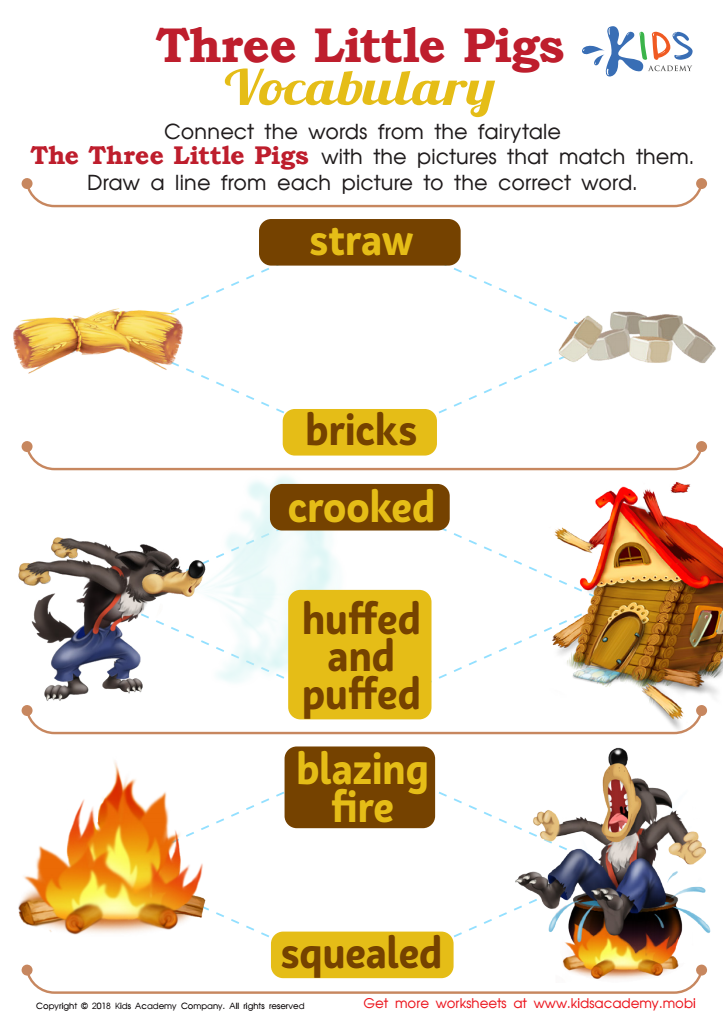
Three Little Pigs Vocabulary Worksheet
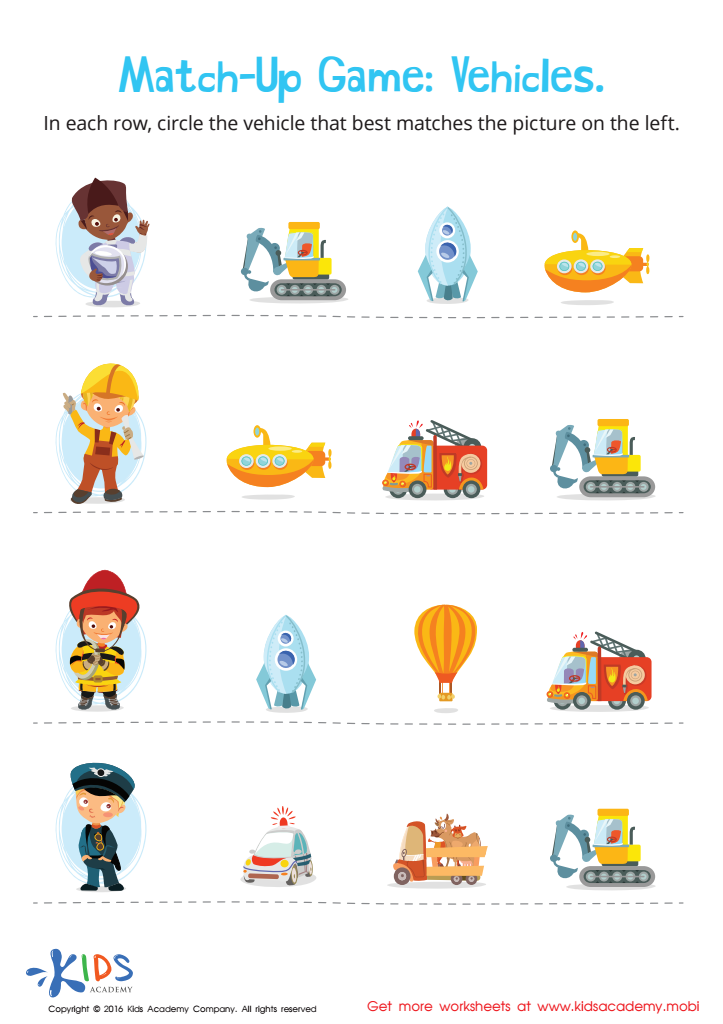
Vehicles Worksheet
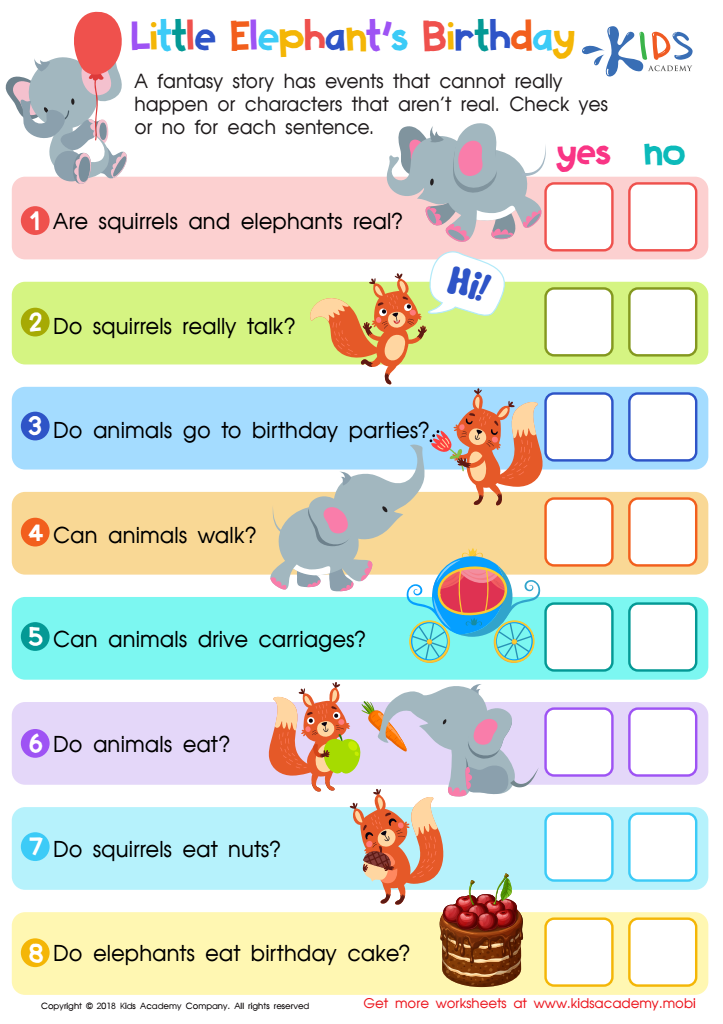
Little Elephant's Birthday Worksheet
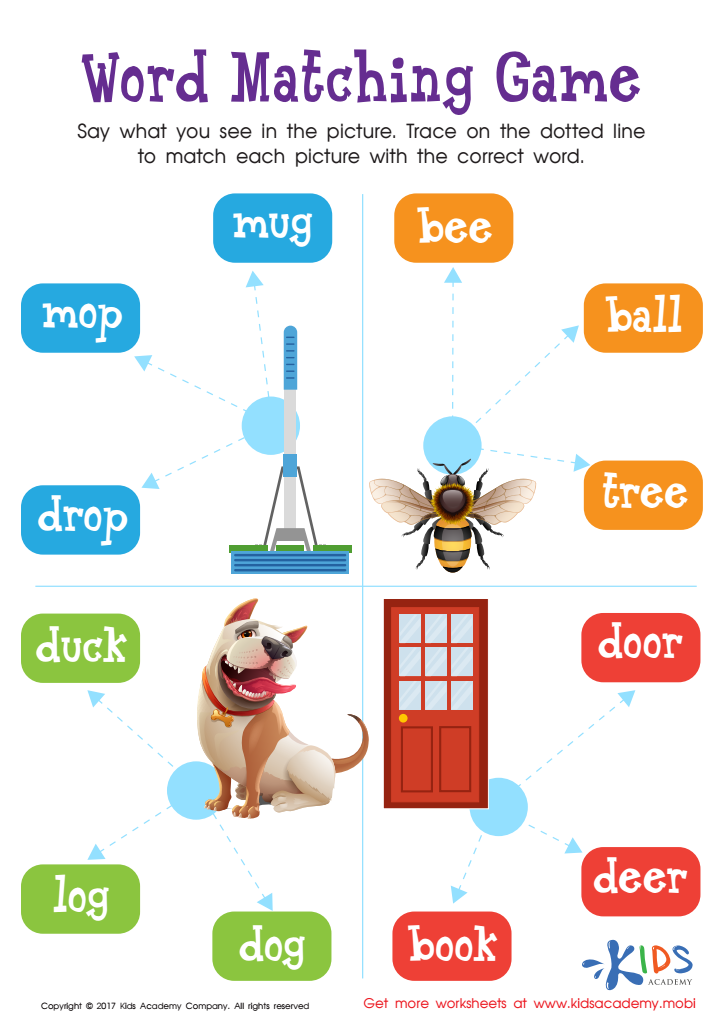
Word Matching Game Worksheet
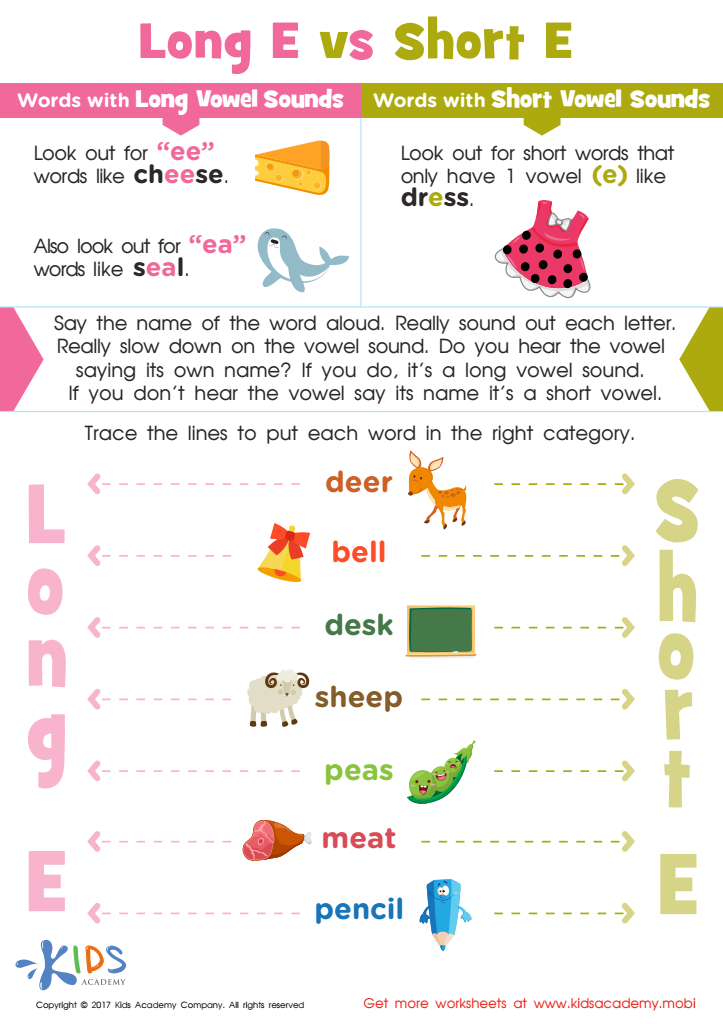
Long and Short Vowel E Spelling Worksheet
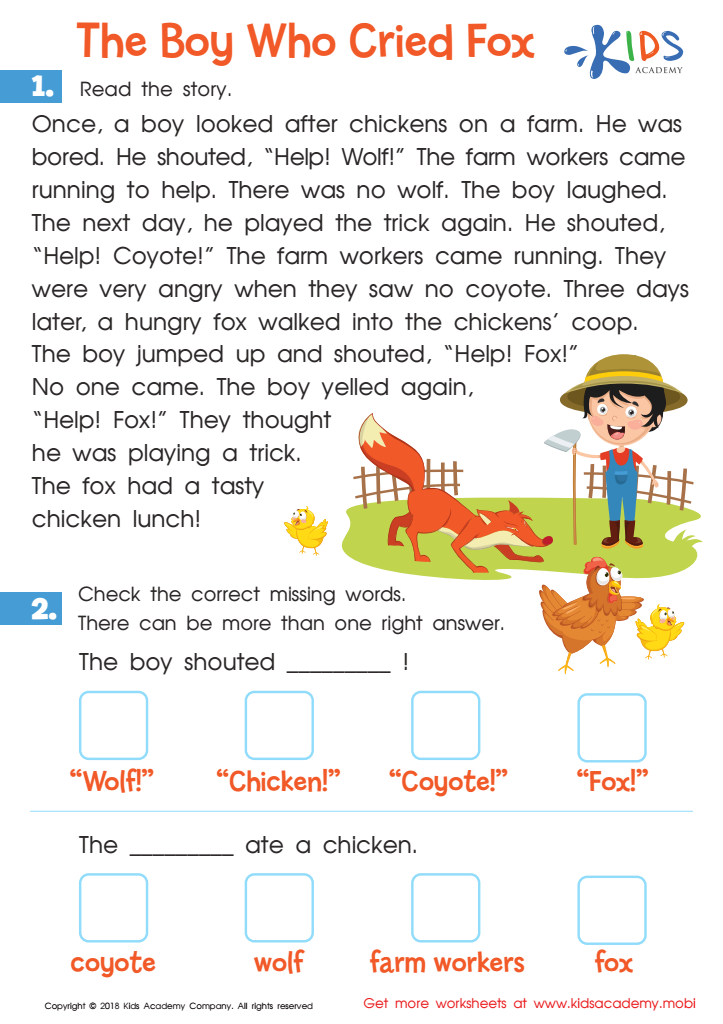
The Boy Who Cried Fox Worksheet
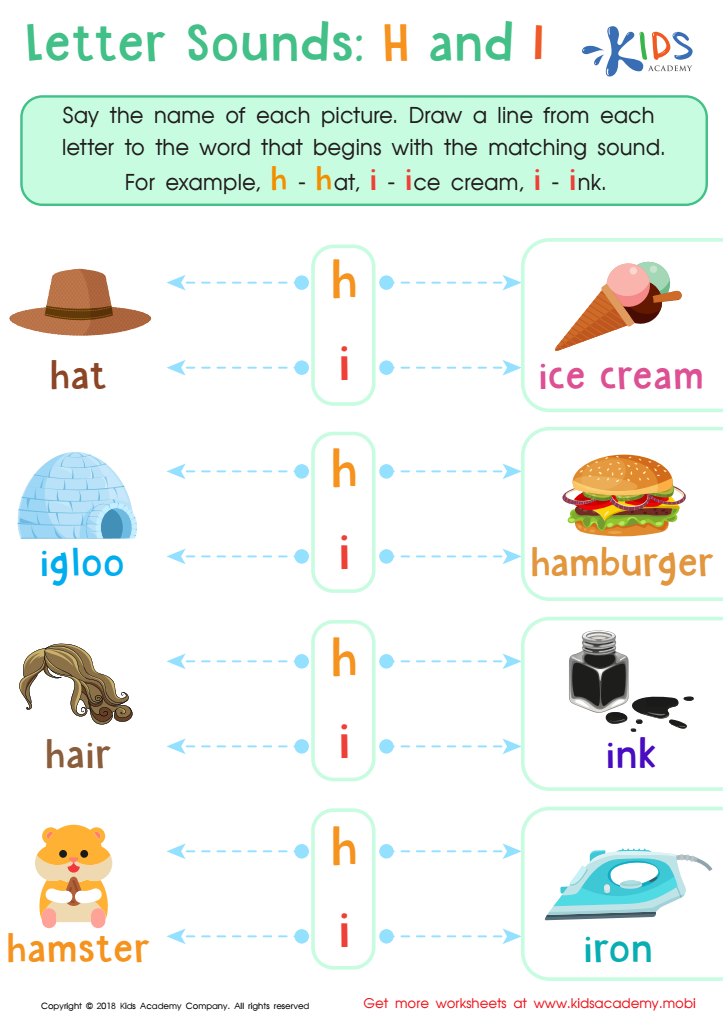
Letter H and I Sounds Worksheet
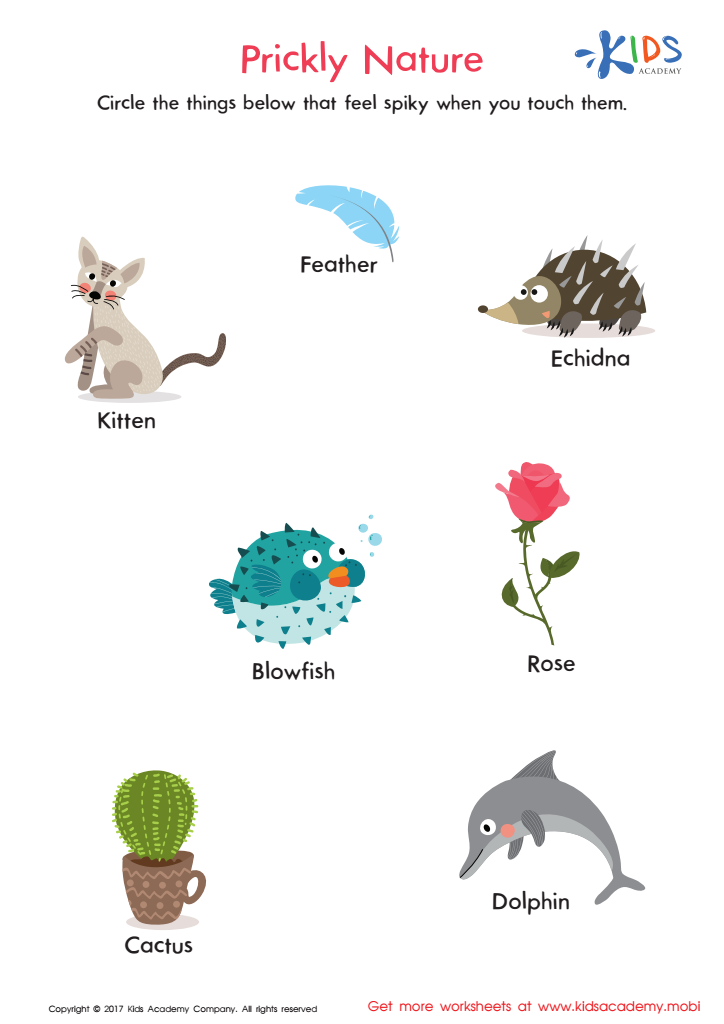
Prickly Nature Worksheet
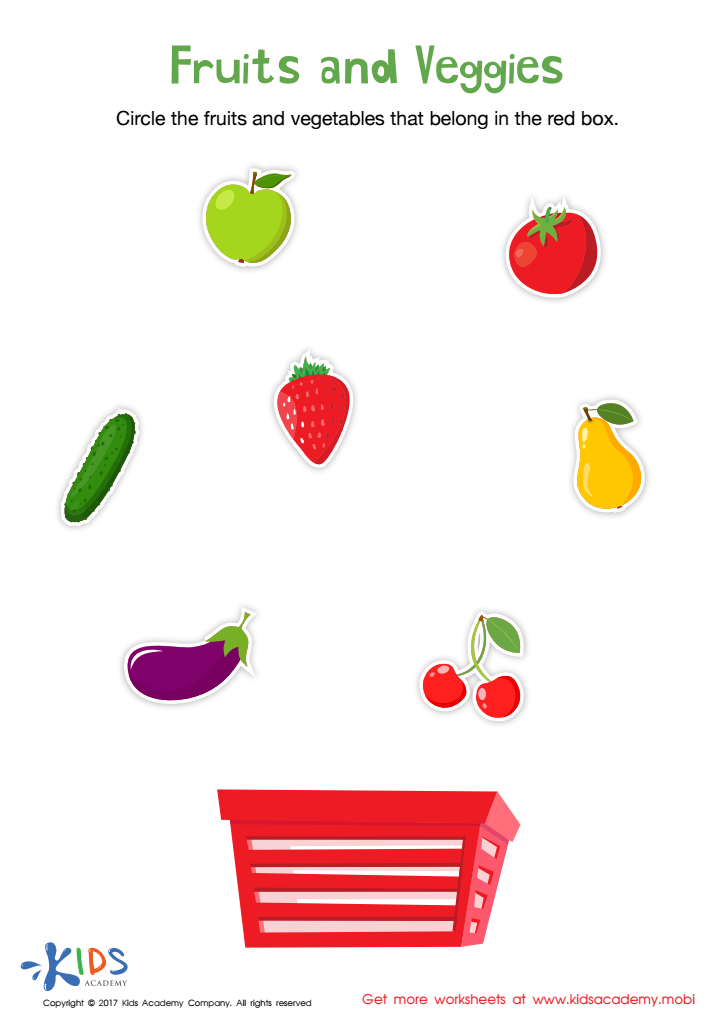
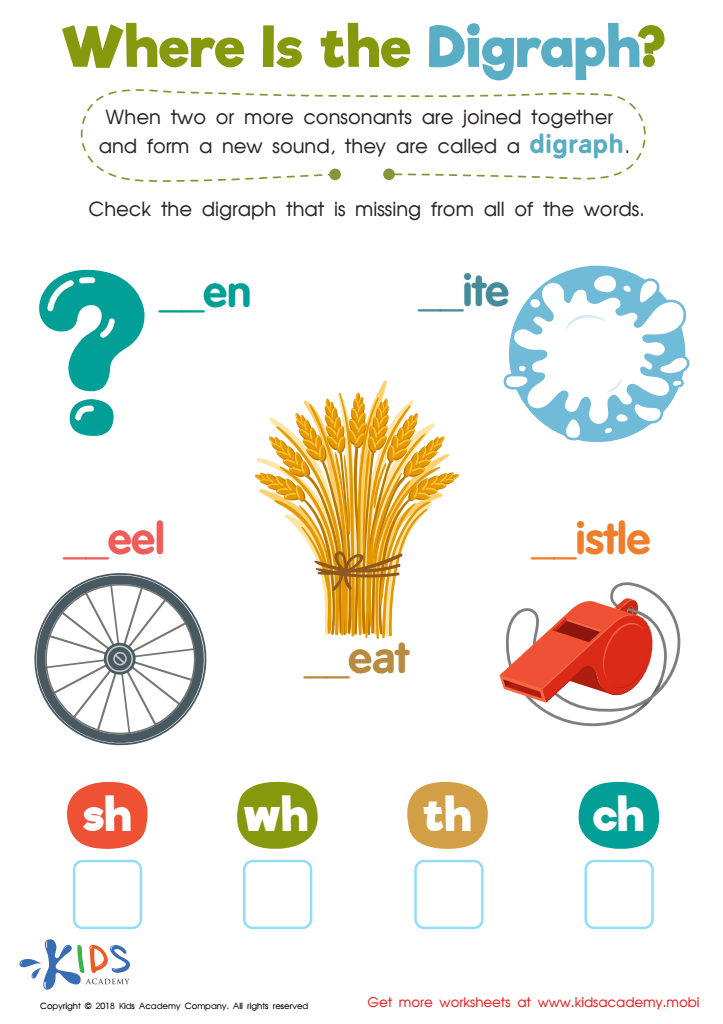
Where Is the Digraph? Worksheet
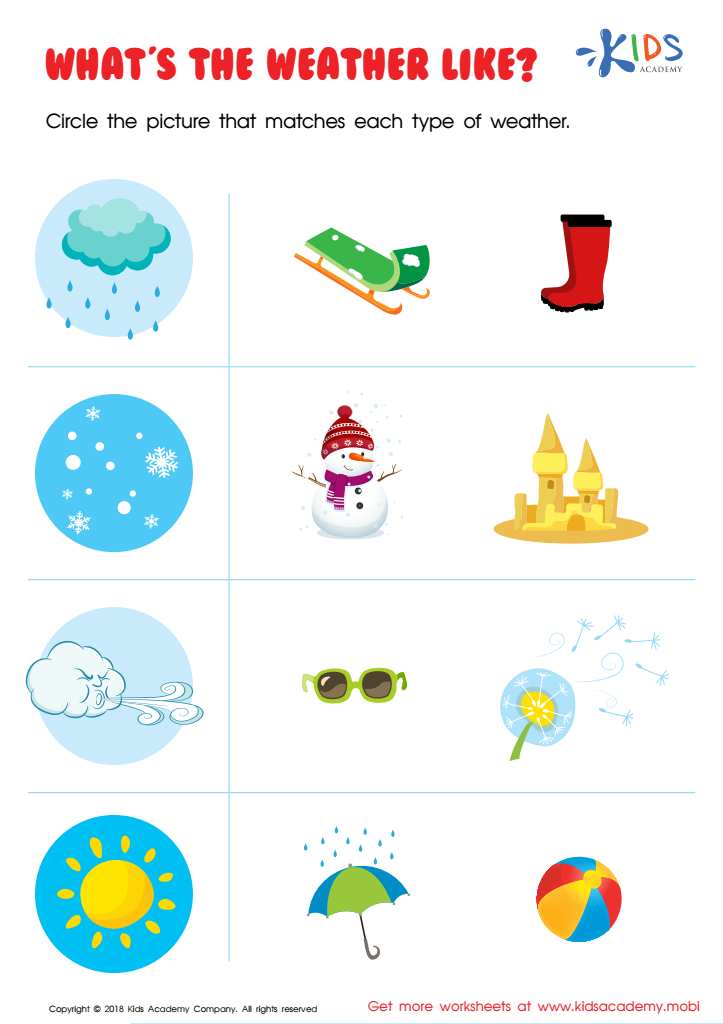
What's the Weather Like? Worksheet
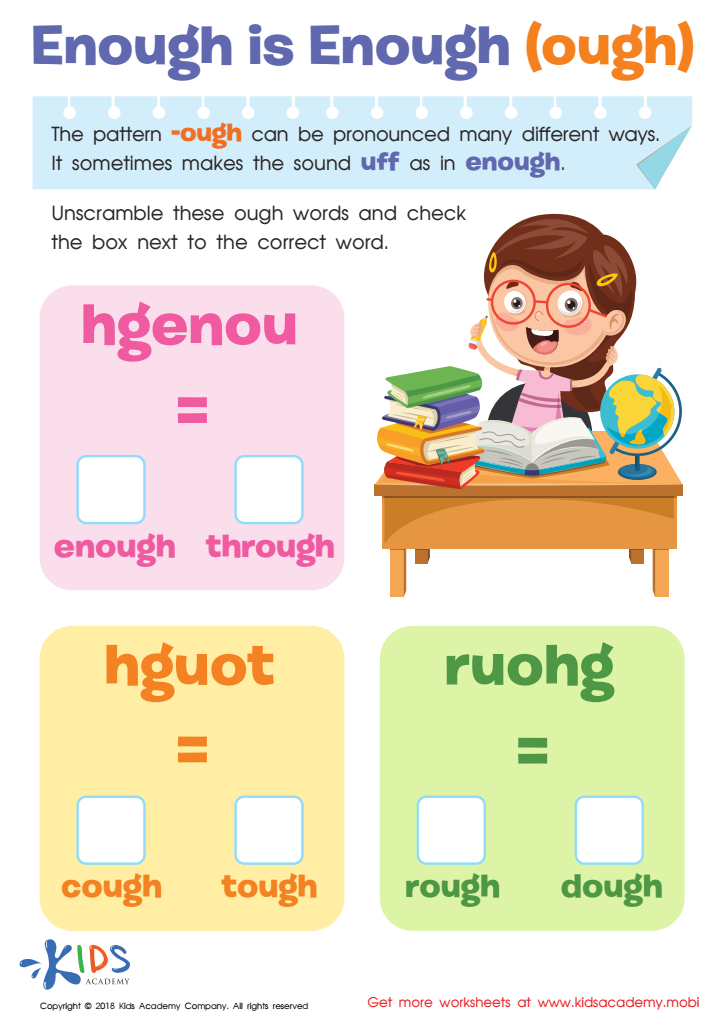
Enough Is Enough (ough) Worksheet
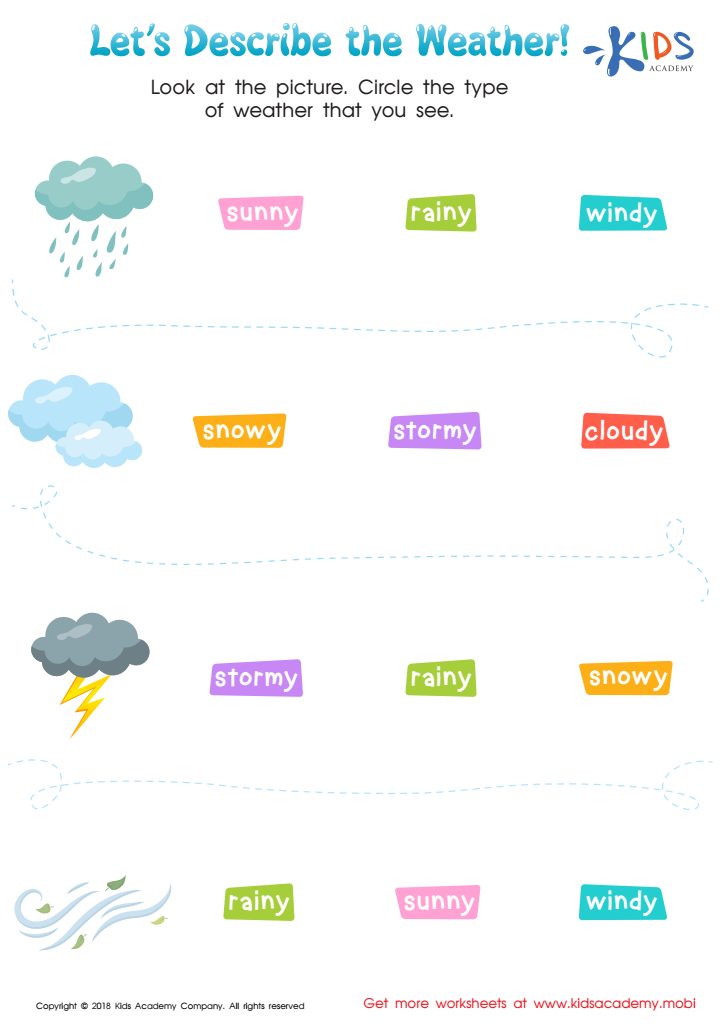
Let's Describe the Weather! Worksheet
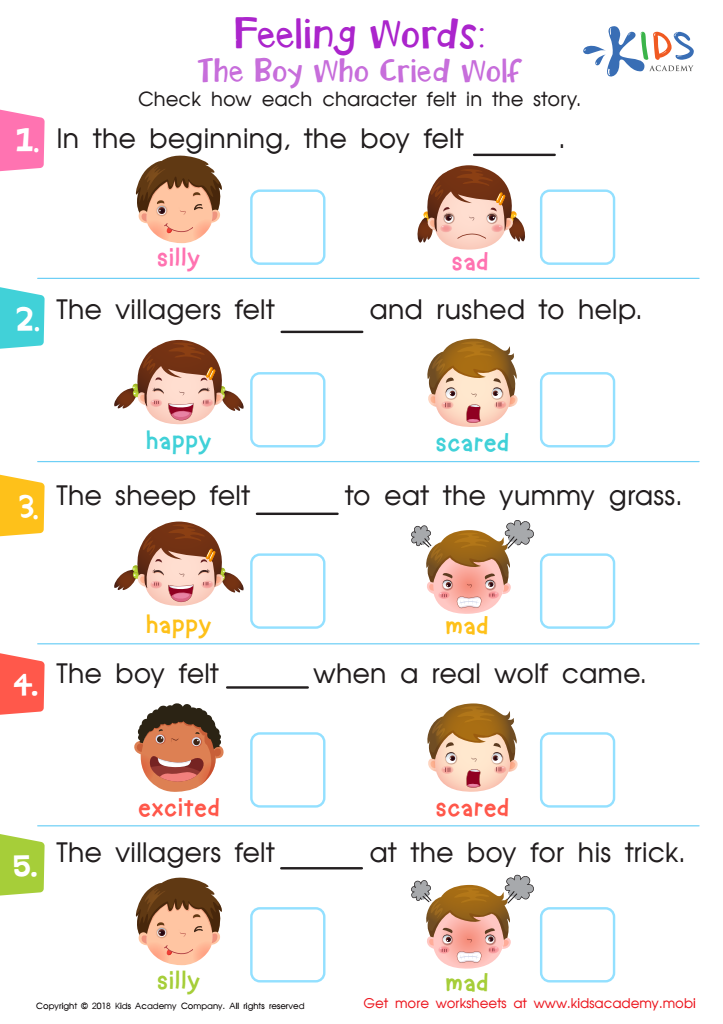
Feeling Words: The Boy Who Cried Wolf Worksheet

Golden Eagles Worksheet
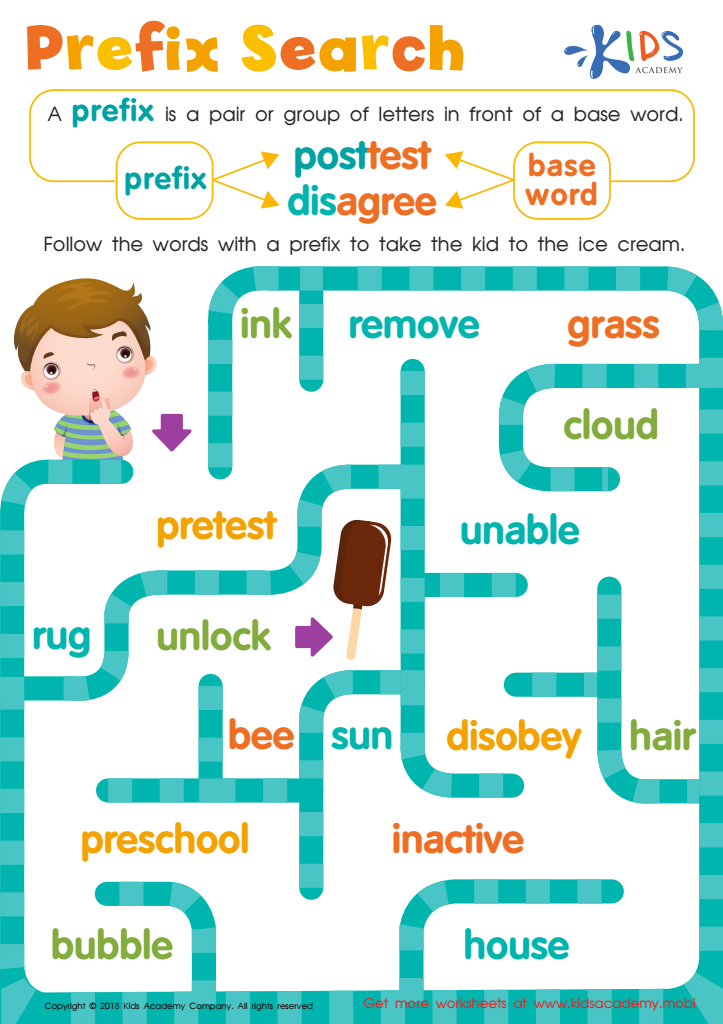
Reading: Prefix Search Worksheet
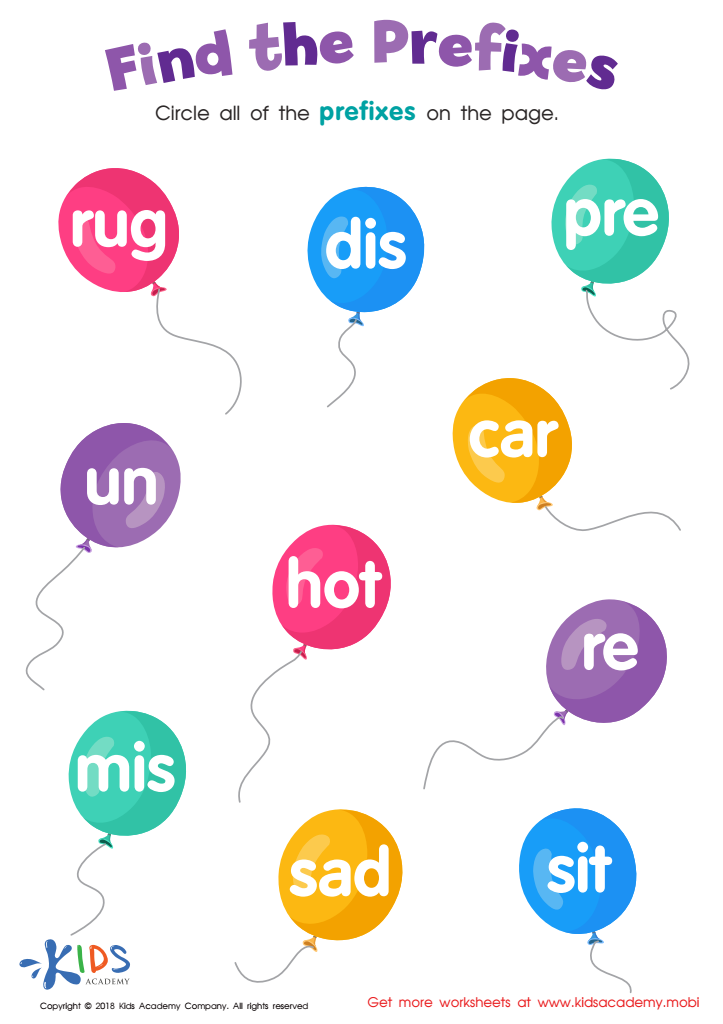
Reading: Find the Prefixes Worksheet
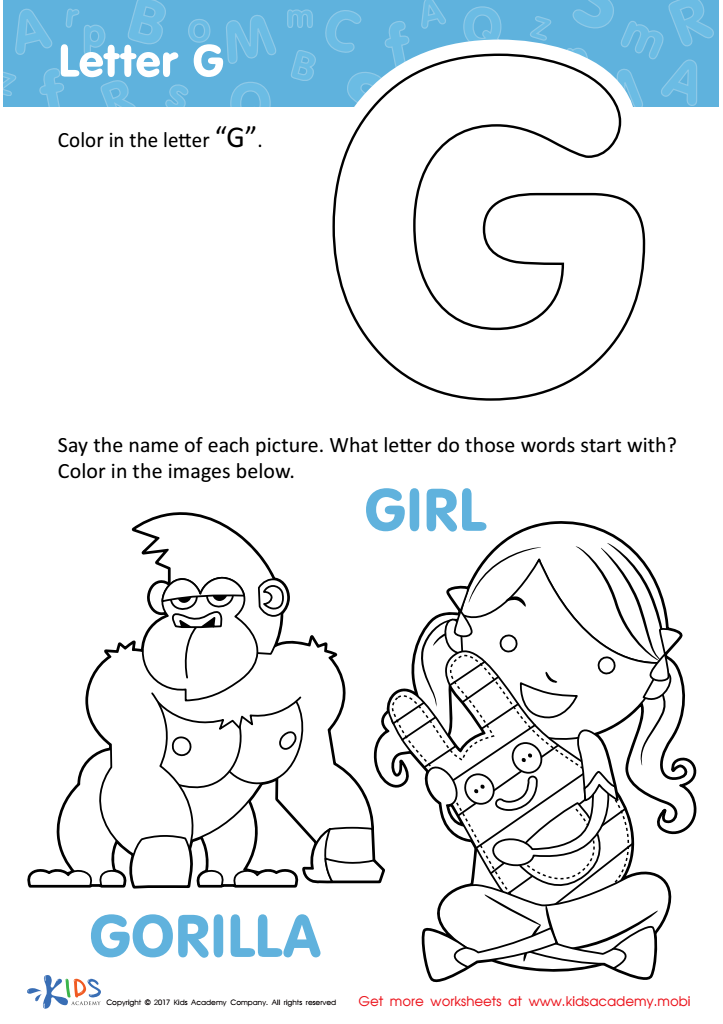
Letter G Coloring Sheet
 Assign to My Students
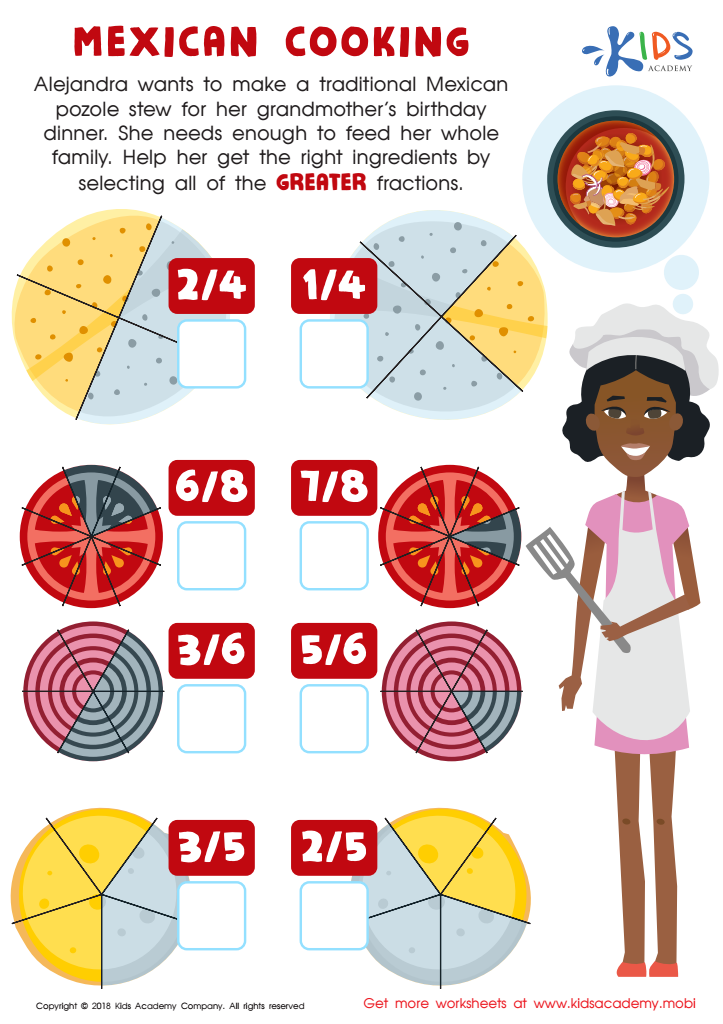
Mexican Cooking Worksheet
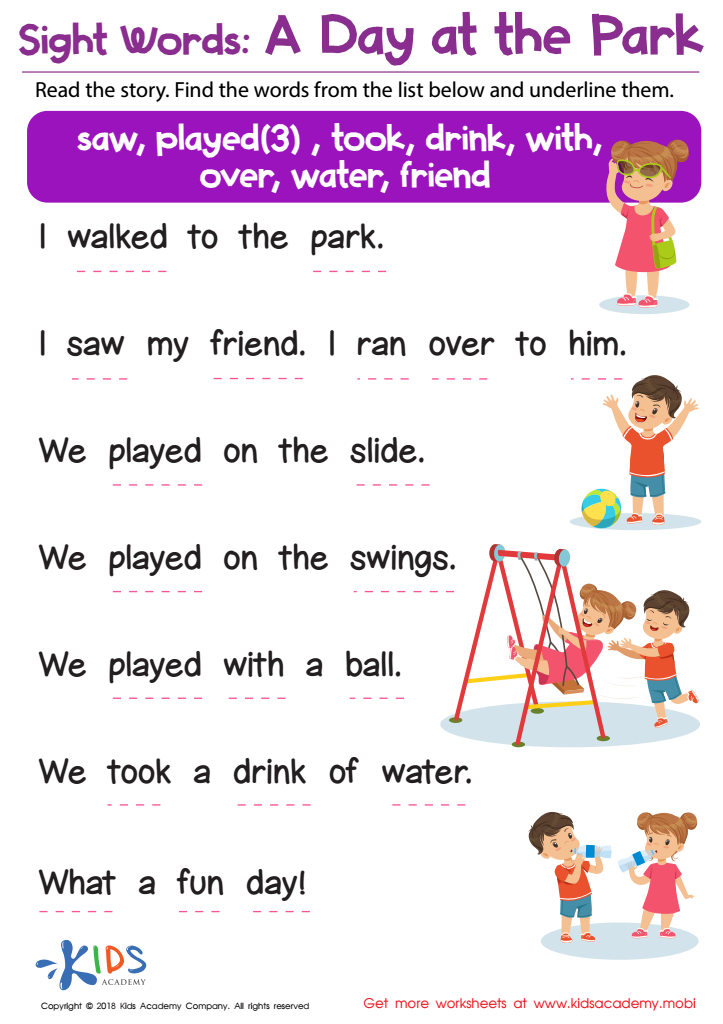
Sight Words: A Day at the Park Worksheet
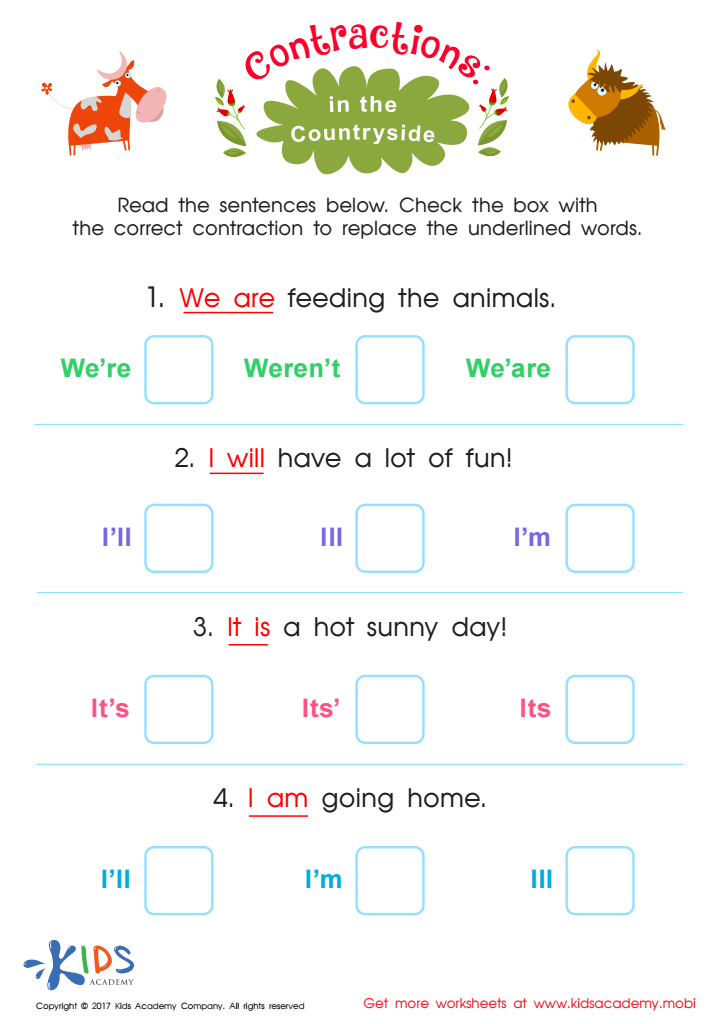
Contractions: In the Countryside Worksheet
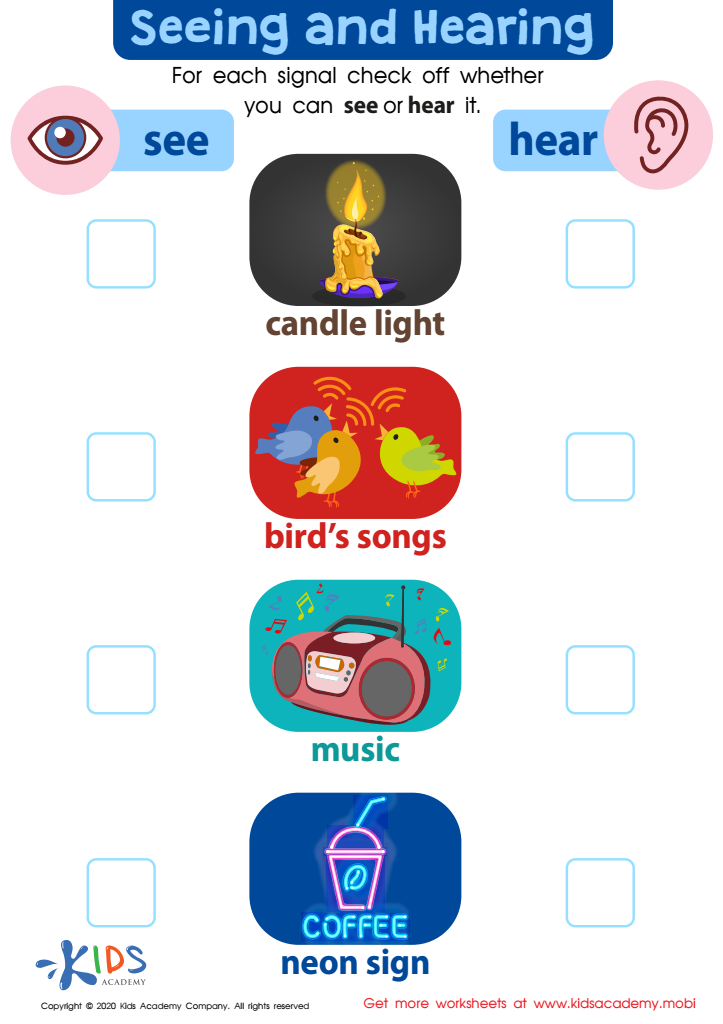
Seeing and Hearing Worksheet
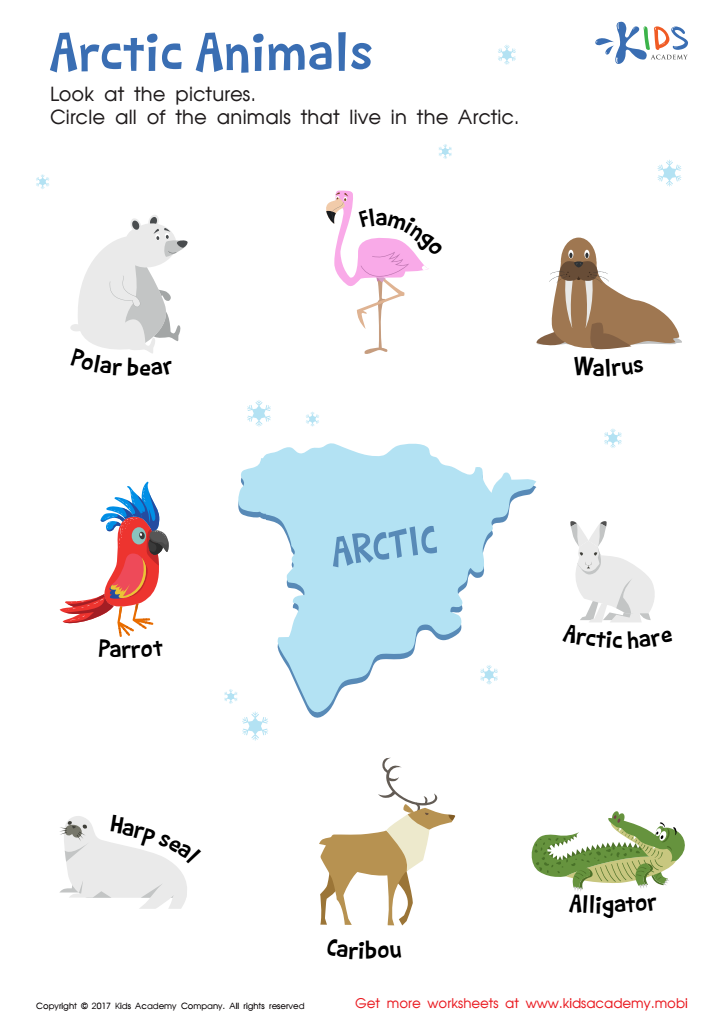
Arctic Animals Worksheet
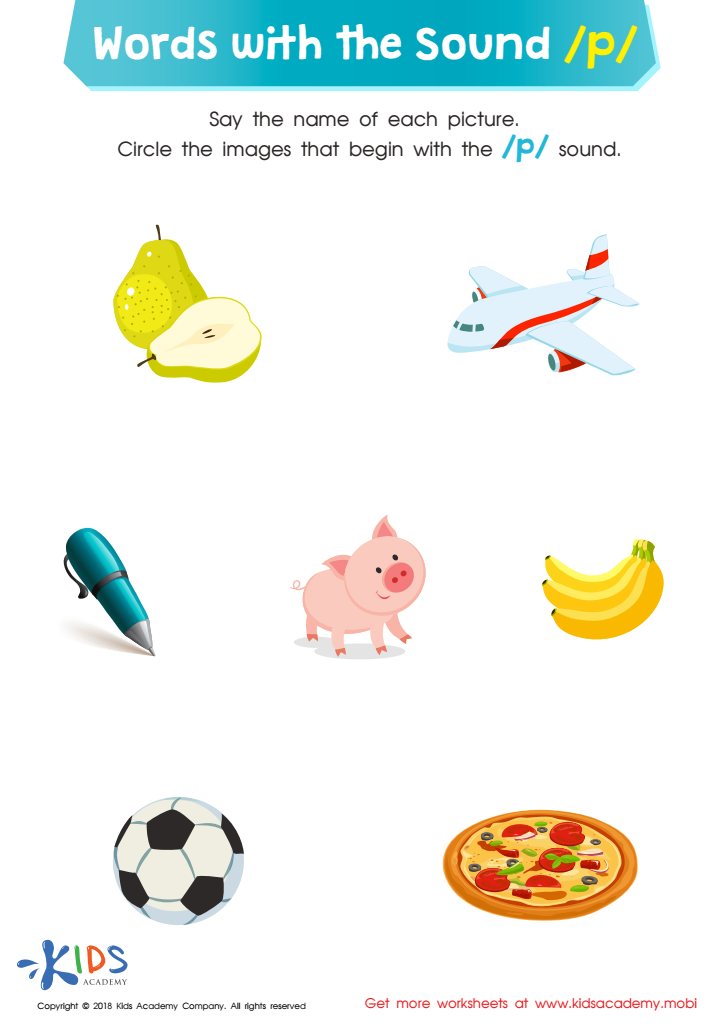
Words with sound p Reading Worksheet








Vocabulary building is critical for children aged 3-8 as it lays the groundwork for their overall language development, reading comprehension, and effective communication skills. At this formative stage, a robust vocabulary enhances children's ability to express themselves clearly and understand the world around them. When parents and teachers prioritize vocabulary building, they are not just teaching words; they are fostering critical thinking, creativity, and social skills.
Language proficiency influences academic success, as early vocabulary knowledge correlates with later reading skills. Children who possess a rich vocabulary are more likely to excel in school, engage actively in discussions, and construct meaningful relationships. Additionally, a strong vocabulary aids in emotional expression and helps children navigate social interactions.
Moreover, engaging in vocabulary-building activities—such as reading aloud, storytelling, and interactive games—can forge stronger bonds between adults and children. It opens up avenues for meaningful conversations and nurtures a love for learning. In an increasingly complex world, ensuring children have the tools they need to articulate their thoughts and ideas is fundamental. Therefore, parents and teachers should actively support vocabulary development during these crucial years for a brighter and more communicative future.








