Mental math skills Normal Math Worksheets for Ages 3-8
14 filtered results
-
From - To
Boost your child's brainpower with our Mental Math Skills Normal Math Worksheets designed for ages 3-8. Kids Academy offers a wide range of fun, engaging activities tailored to enhance young learners' arithmetic abilities. These worksheets cover fundamental topics like addition, subtraction, pattern recognition, and number sequencing. Our eye-catching designs and age-appropriate challenges make learning enjoyable and effective. Perfect for both home and classroom settings, these printable resources support skill-building and foster a love for numbers. Help your child gain confidence and excel in math with our expertly crafted worksheets!
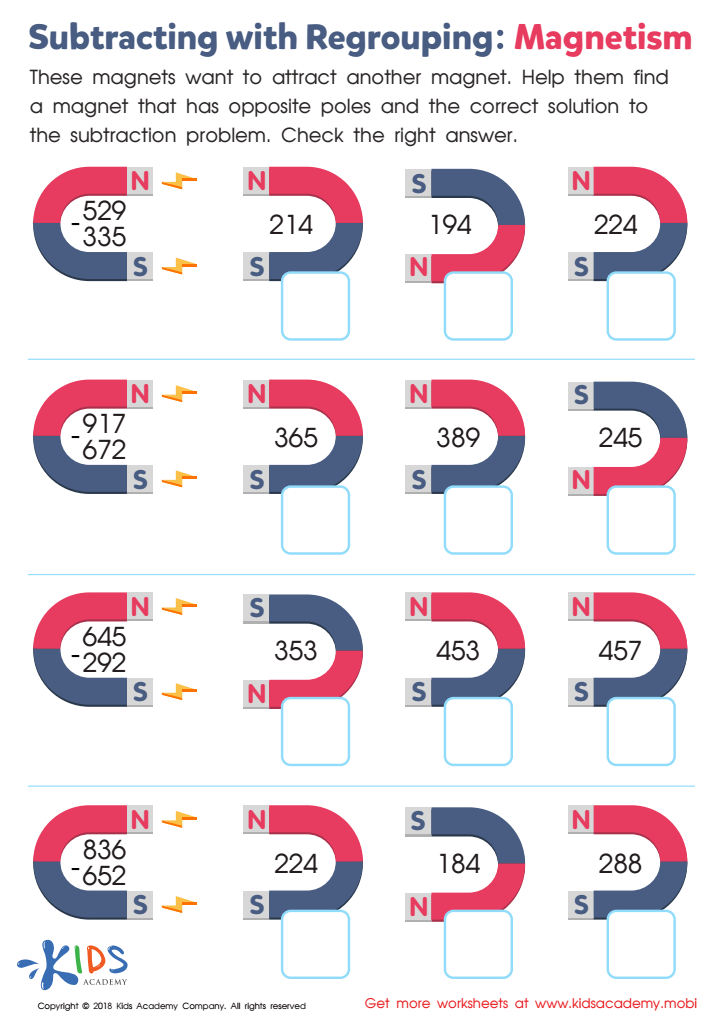
Subtracting with Regrouping: Magnetism Worksheet
 Assign to My Students
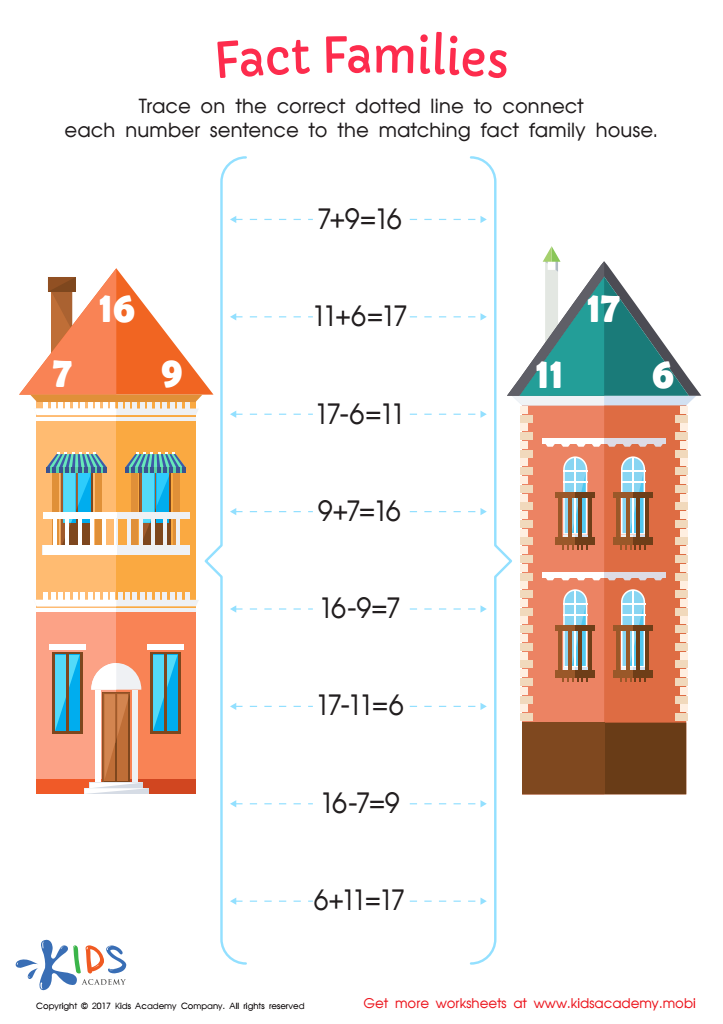
Fact Families — Add and Subtract Worksheet
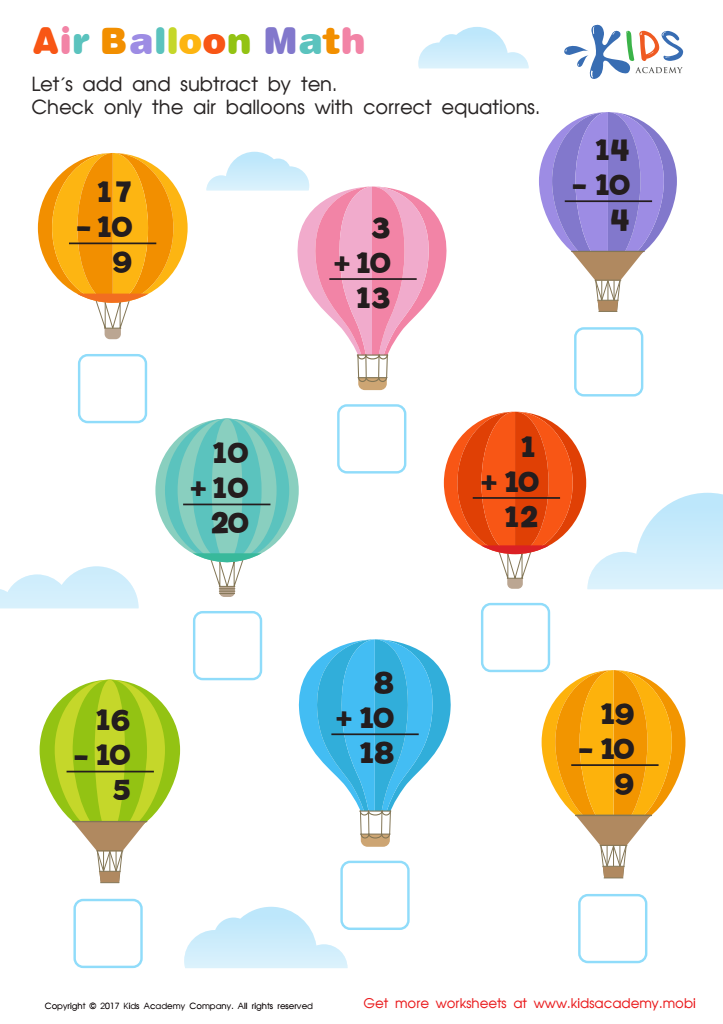
Air Balloon Math Worksheet
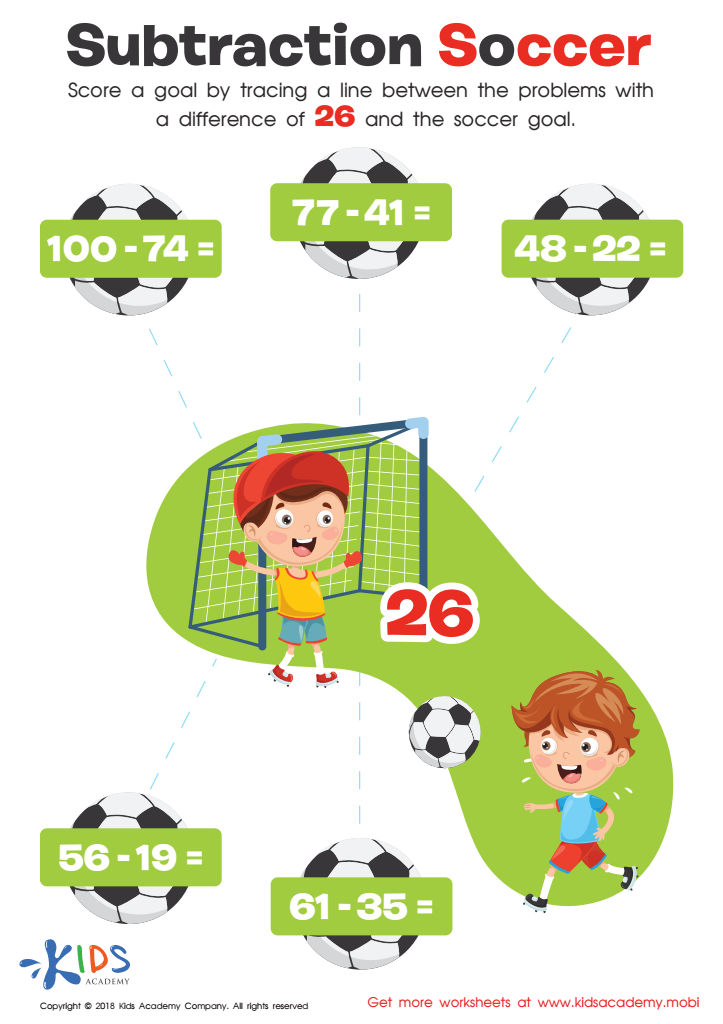
Subtraction Soccer Worksheet
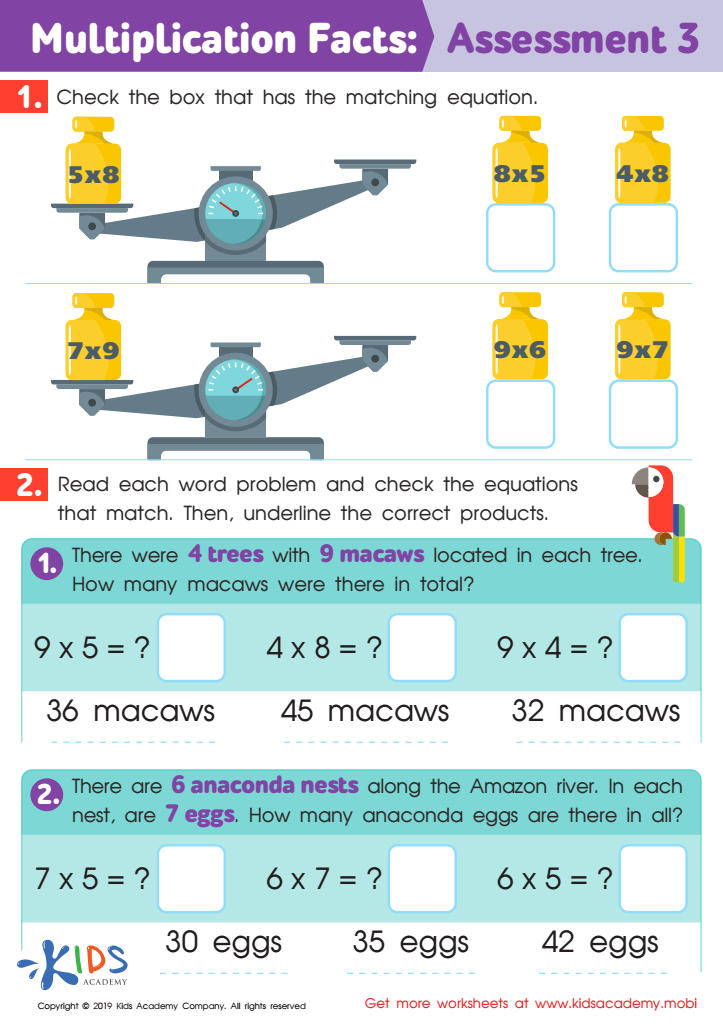
Multiplication Facts: Assessment 3 Worksheet
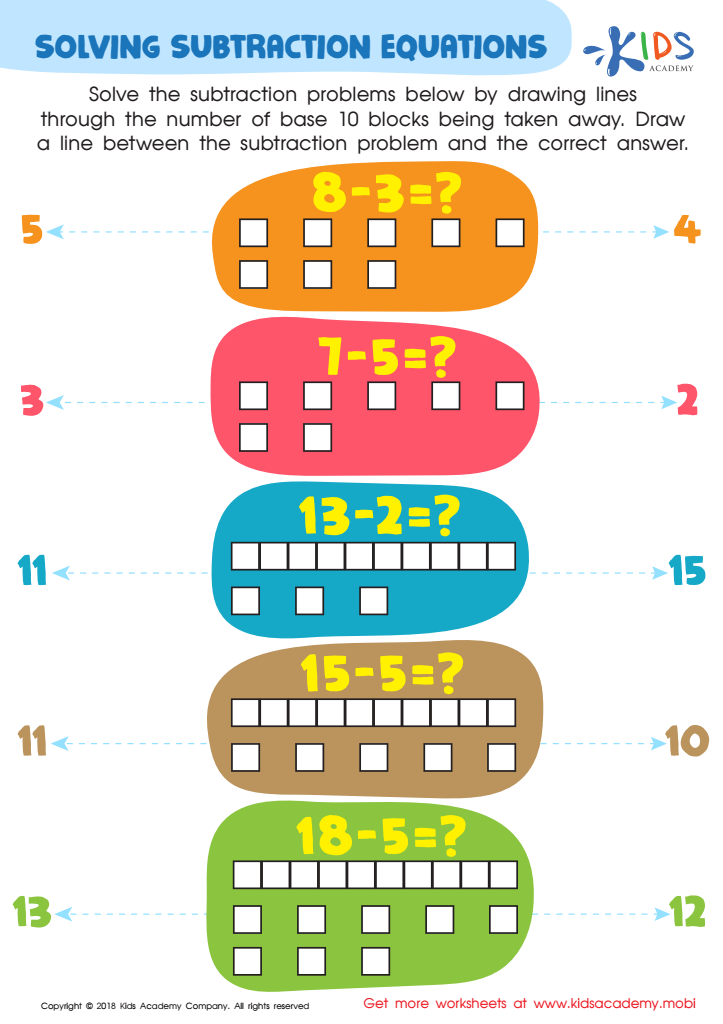
Solving Subtraction Equations Worksheet
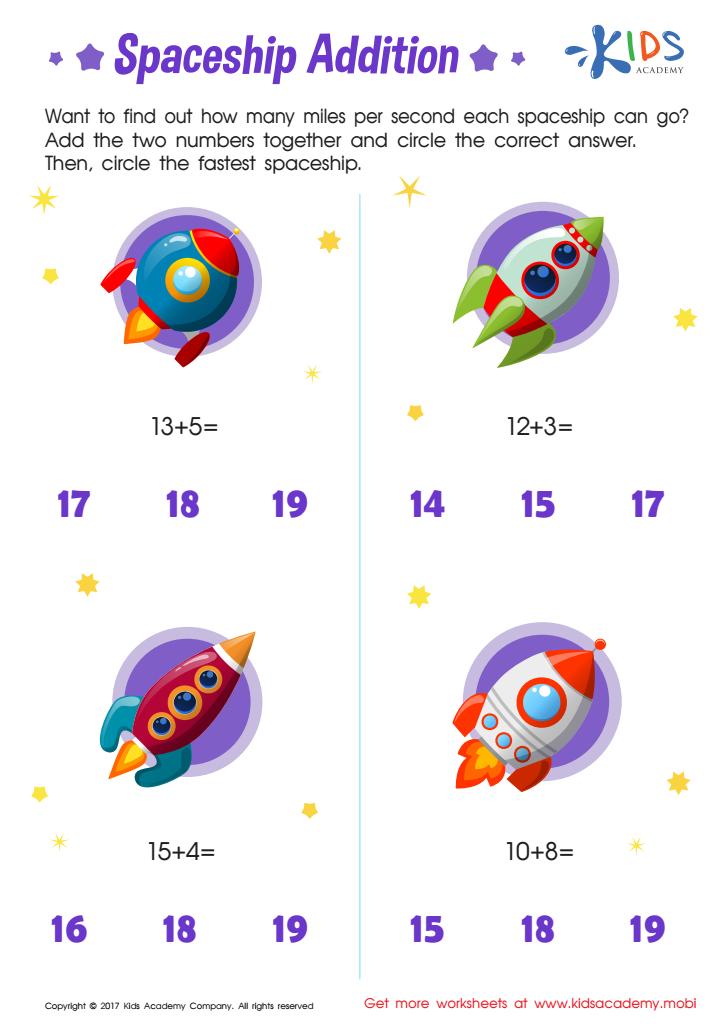
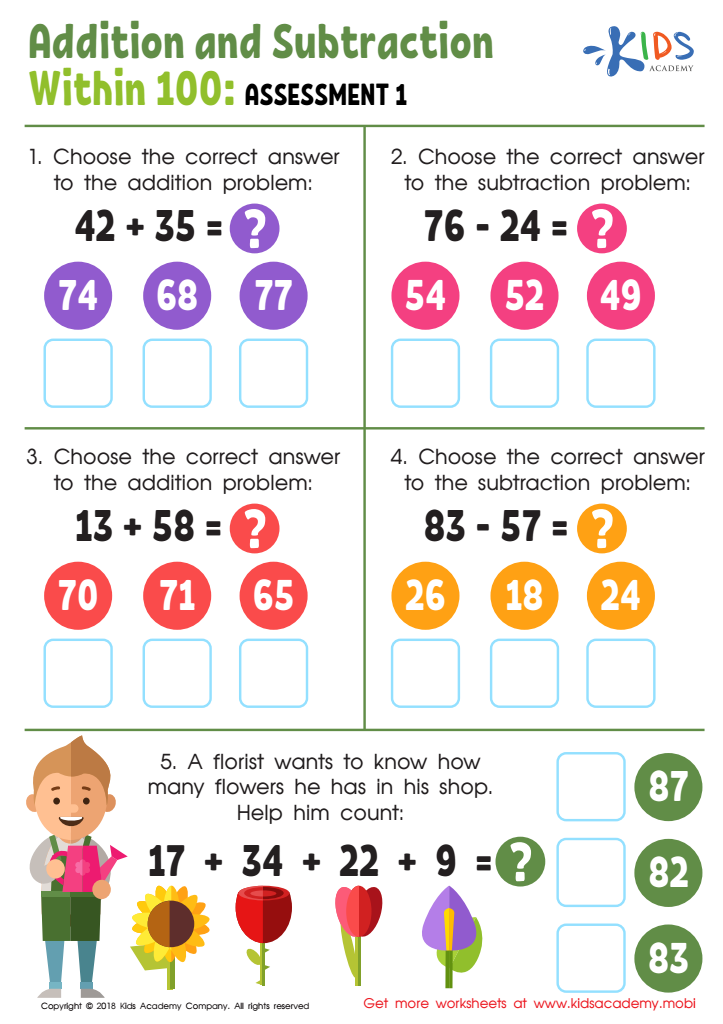
Addition and Subtraction Within 100 Worksheet
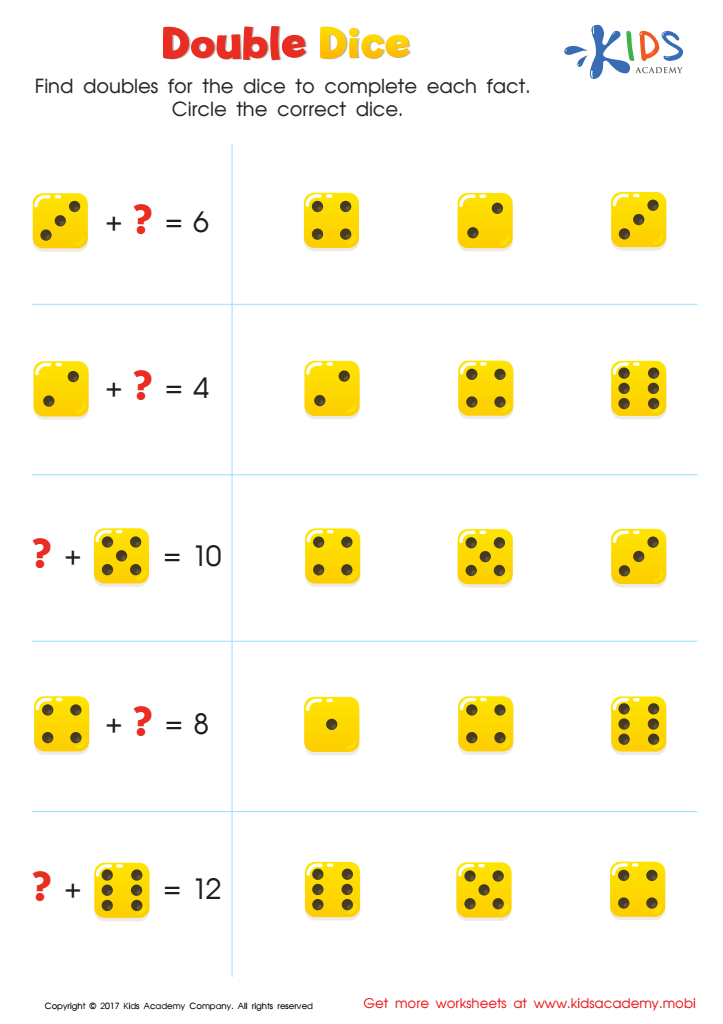
Addition Facts: Double Dice Worksheet
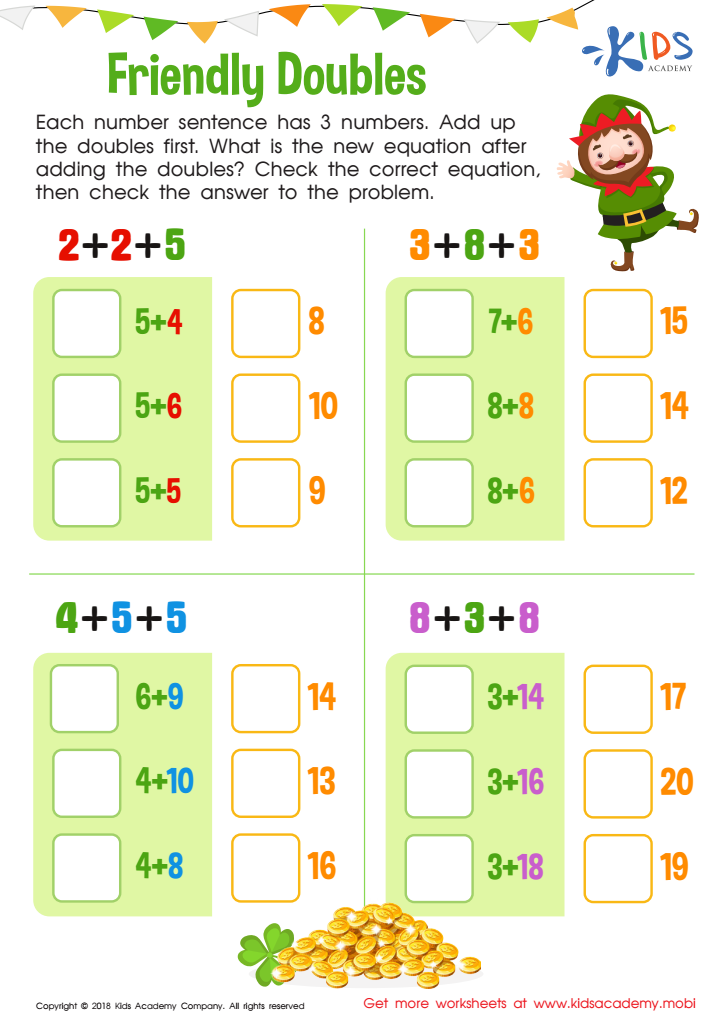
Friendly Doubles Worksheet
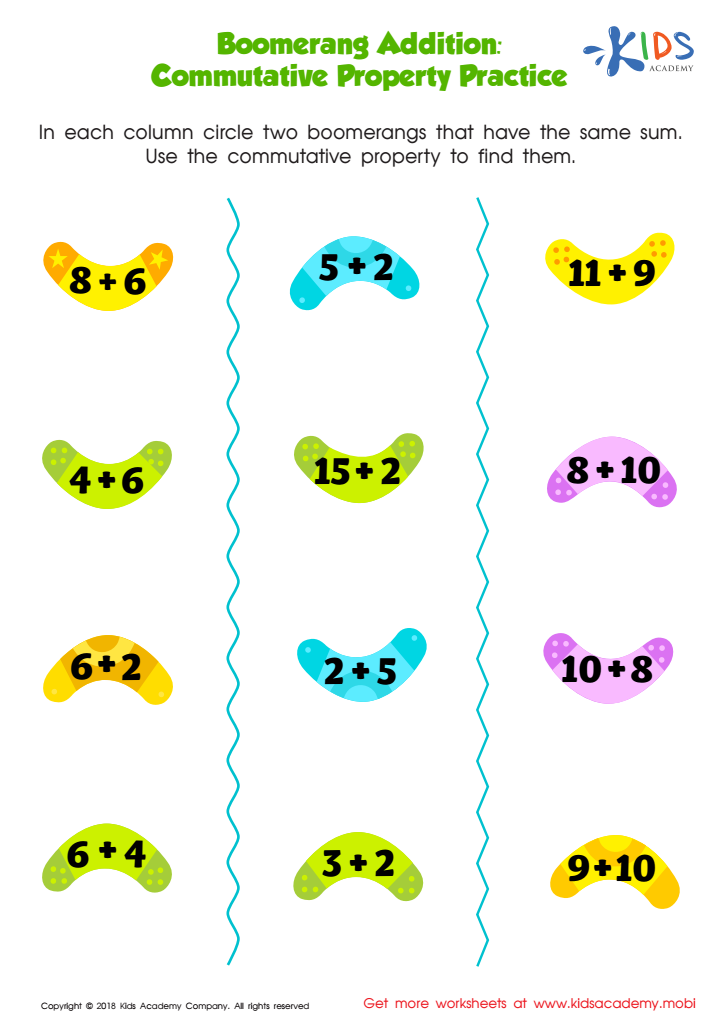
Boomerang Addition Worksheet
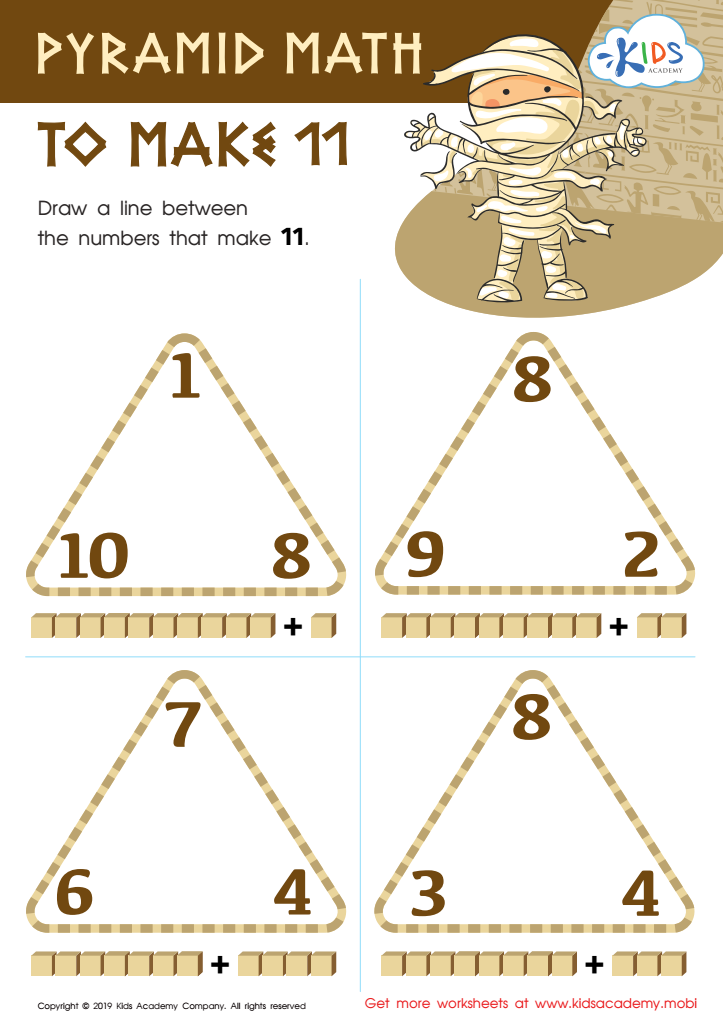
Pyramid Math to Make 11 Worksheet
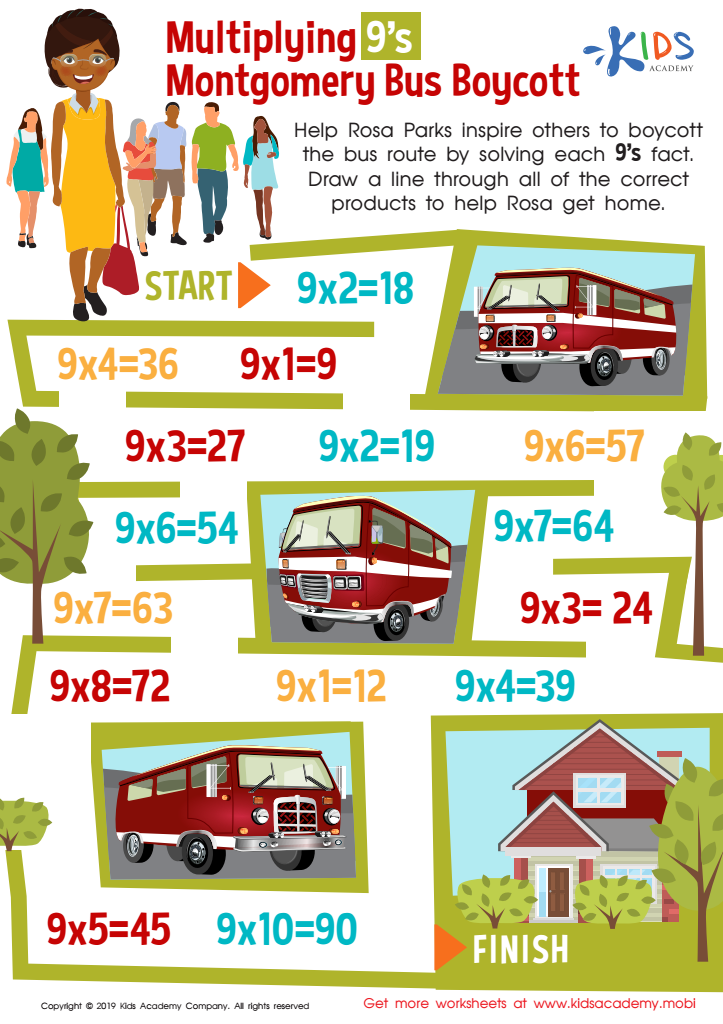
Multiplying 9’s Montgomery Bus Boycott Worksheet
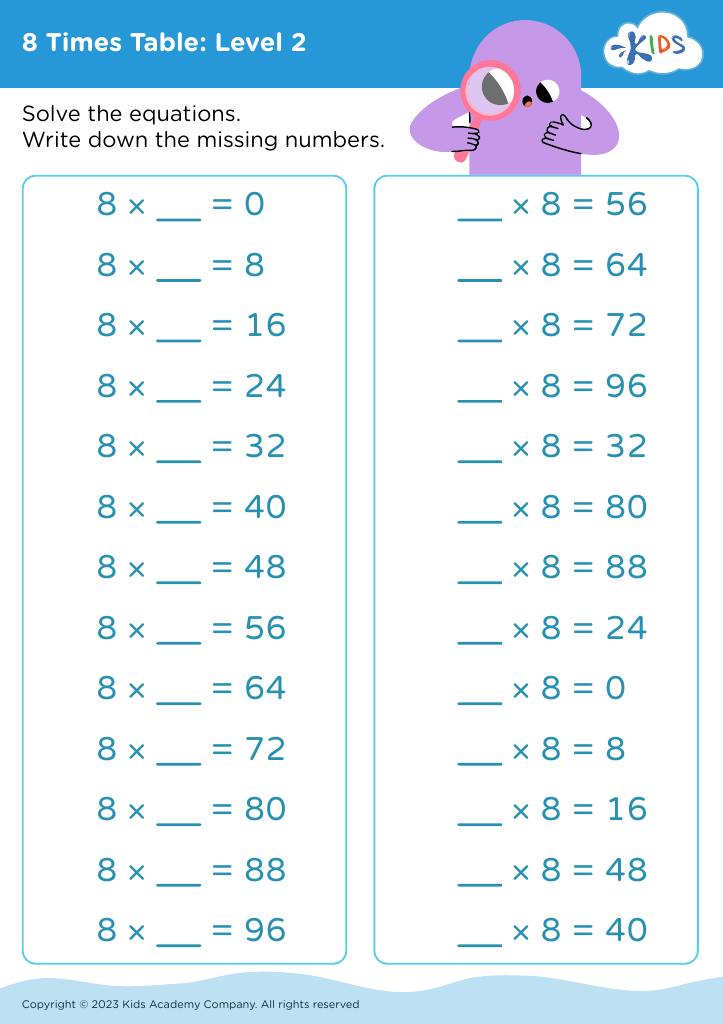







Mental math skills are fundamental for children aged 3-8 because they lay the foundation for a strong mathematical understanding and boost overall cognitive development. During these formative years, children’s brains are highly adaptable and absorb information quickly, making it an ideal period for developing basic arithmetic skills. Engaging in mental math helps improve children’s number sense, allowing them to grasp core concepts such as addition, subtraction, multiplication, and division with ease. These skills are not only essential for their academic success but also crucial for everyday problem-solving and logical reasoning.
Moreover, fostering mental math skills at an early age promotes confidence and a positive attitude toward math. Children who are comfortable with mental calculations often find math less intimidating and more enjoyable, which encourages a lifelong interest in the subject. Teachers and parents play a pivotal role in this process by creating a supportive and enriching environment through games, activities, and practical opportunities to apply math in real-life scenarios.
Additionally, mental math enhances memory, concentration, and critical thinking, benefiting a child’s overall learning and cognitive abilities. Investing time and attention in developing these skills ensures children are well-prepared for more complex mathematical concepts they will encounter in later grades, setting them up for long-term academic success.








