Normal Matching Worksheets for Ages 3-8 - Page 2
43 filtered results
-
From - To
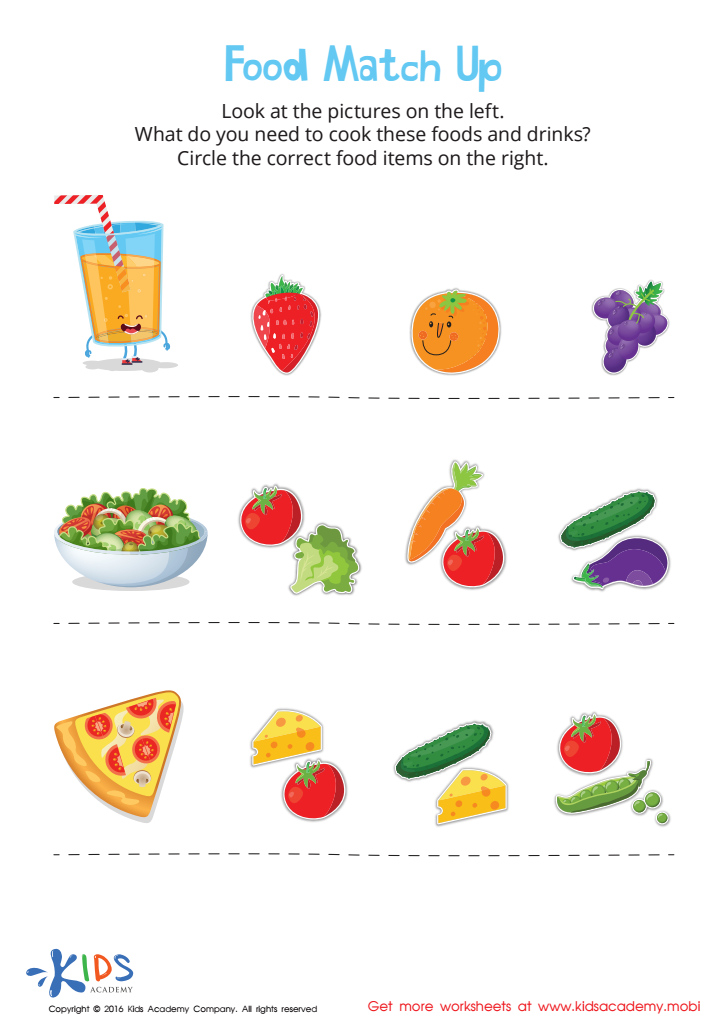
Food Match Up Worksheet
 Assign to My Students
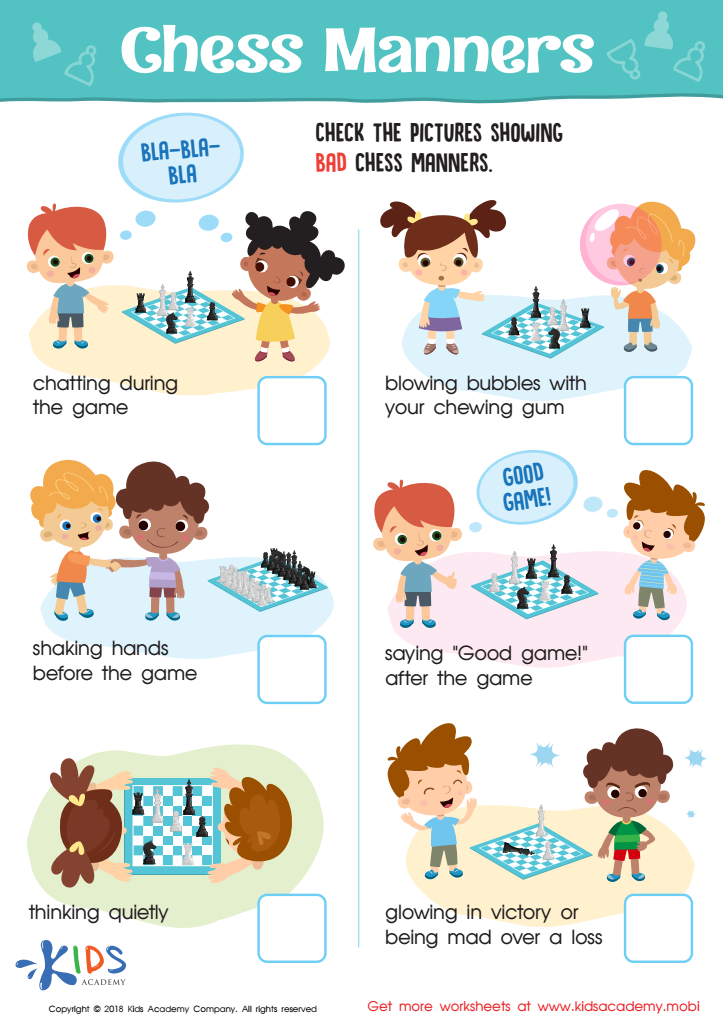
Chess Manners Worksheet
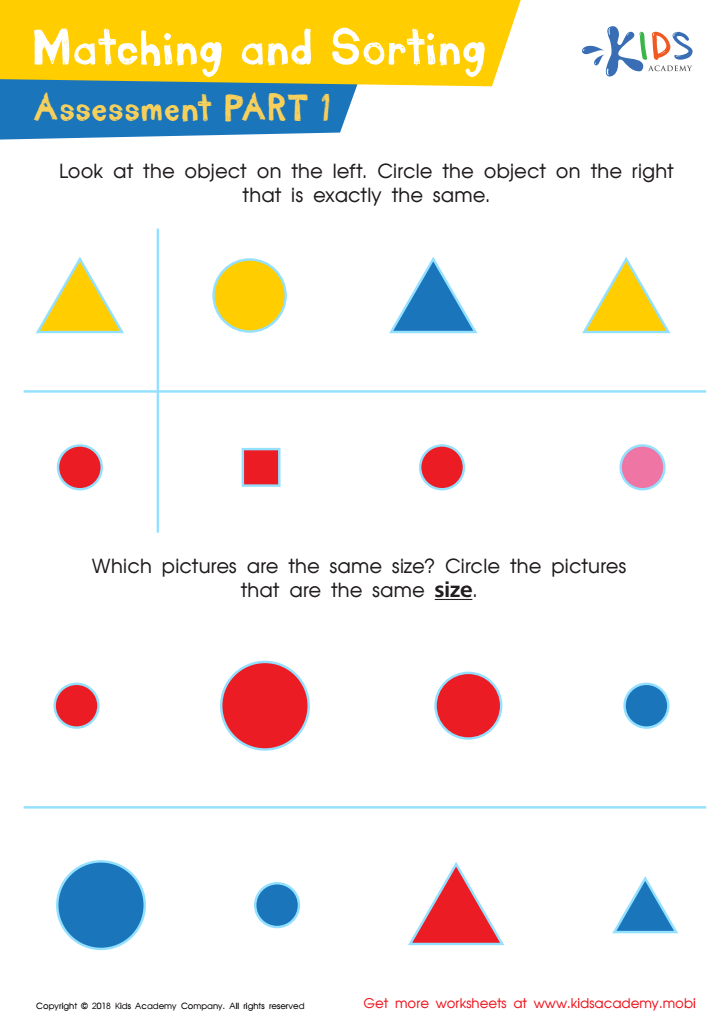
Matching and Sorting for Kindergarten: Assessment 1 Worksheet
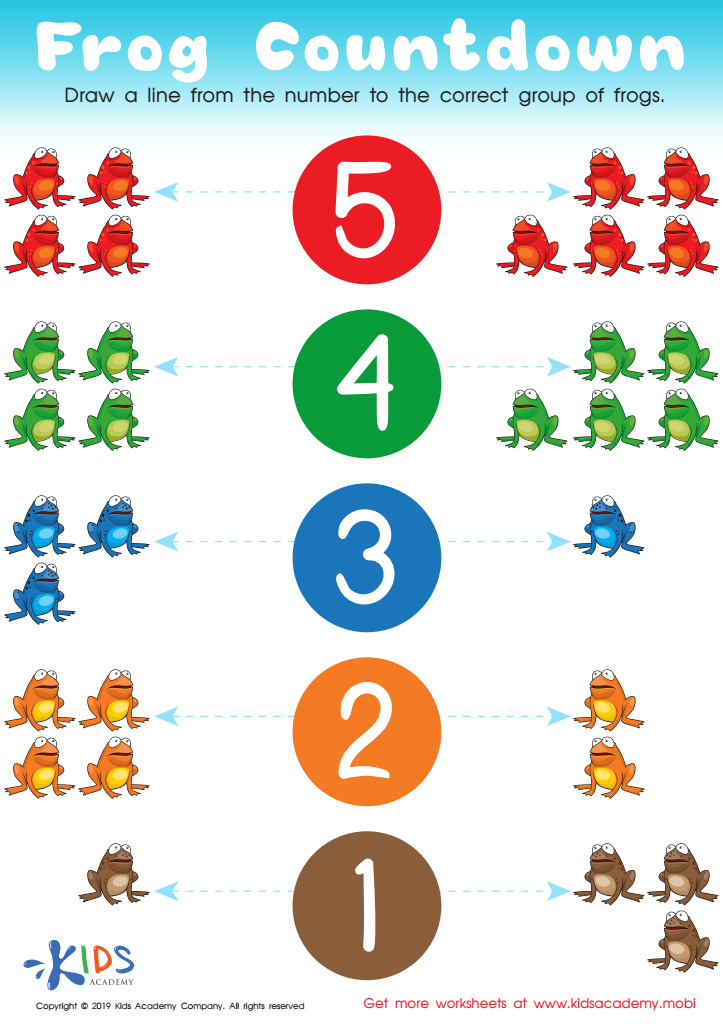
Frog Countdown Worksheet
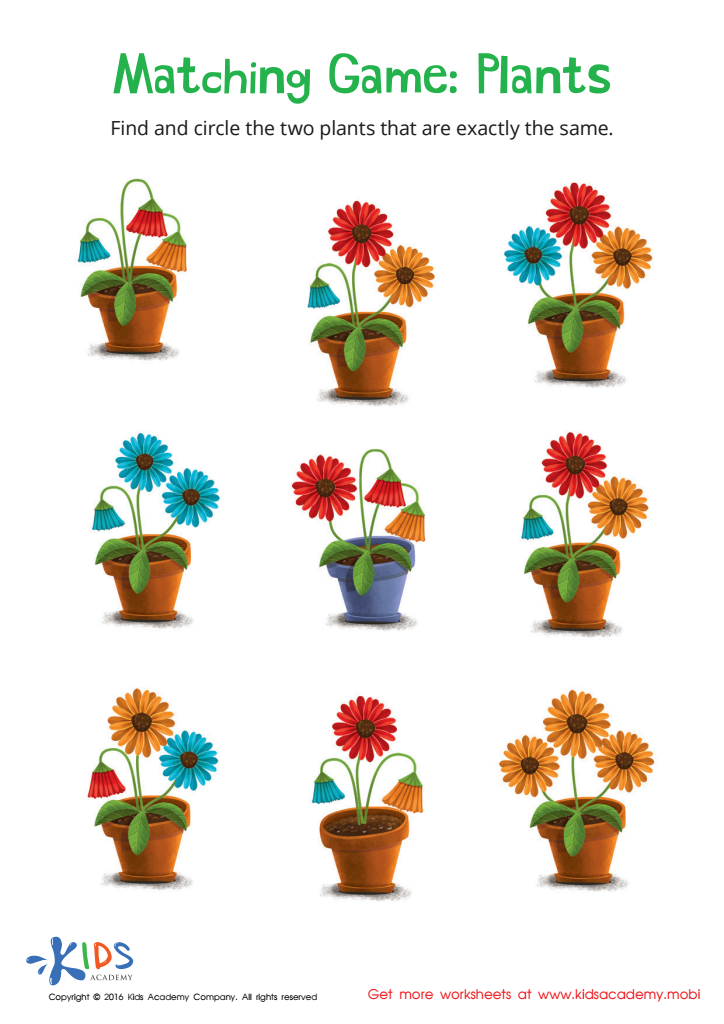
Matching: Plants Worksheet
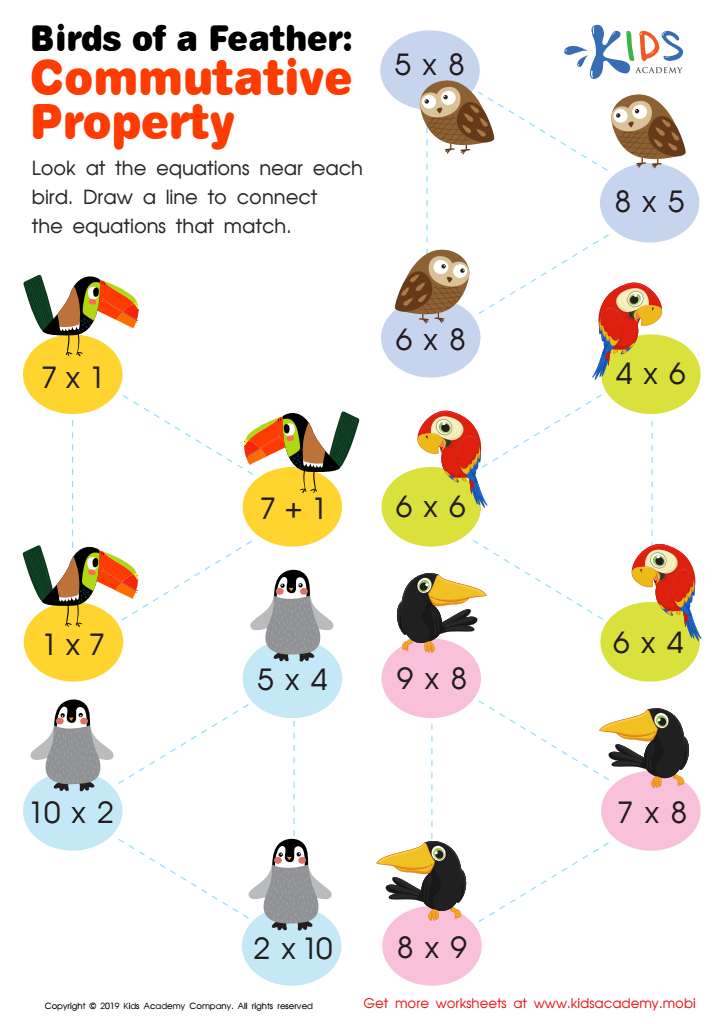
Birds of a Feather: Commutative Property Worksheet
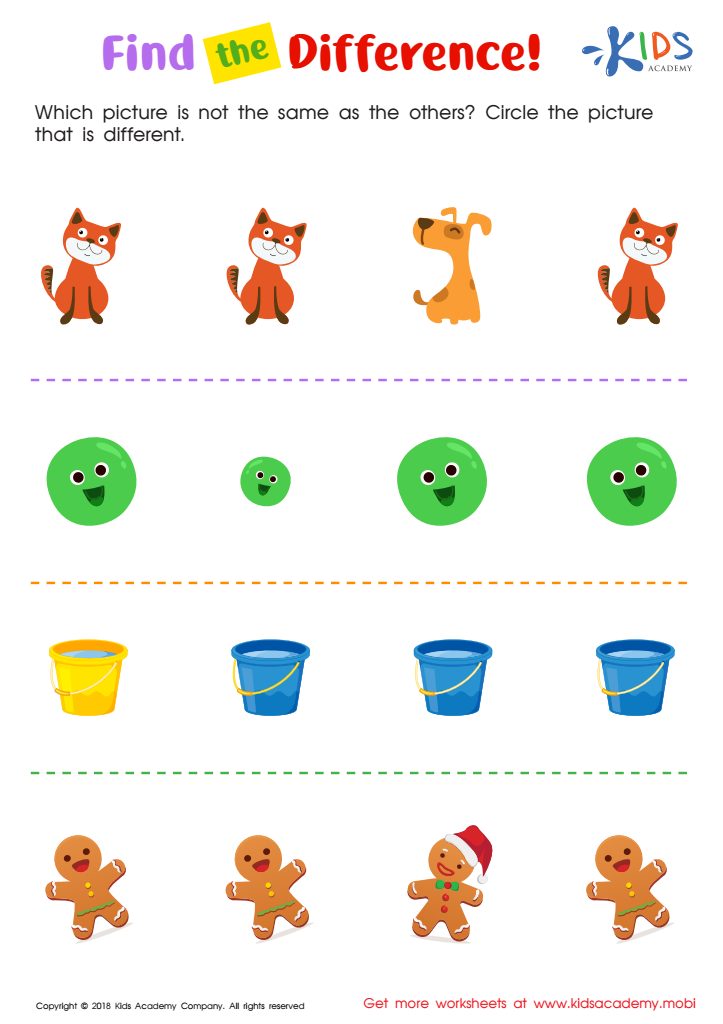
Find the Difference Worksheet
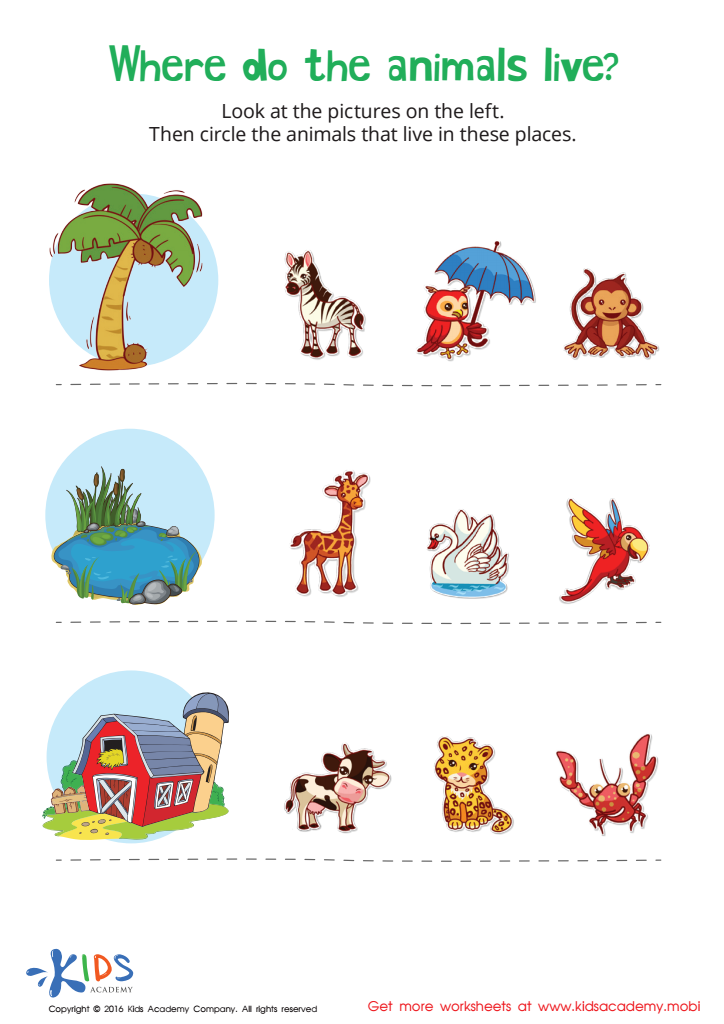
Where Animals Live Worksheet
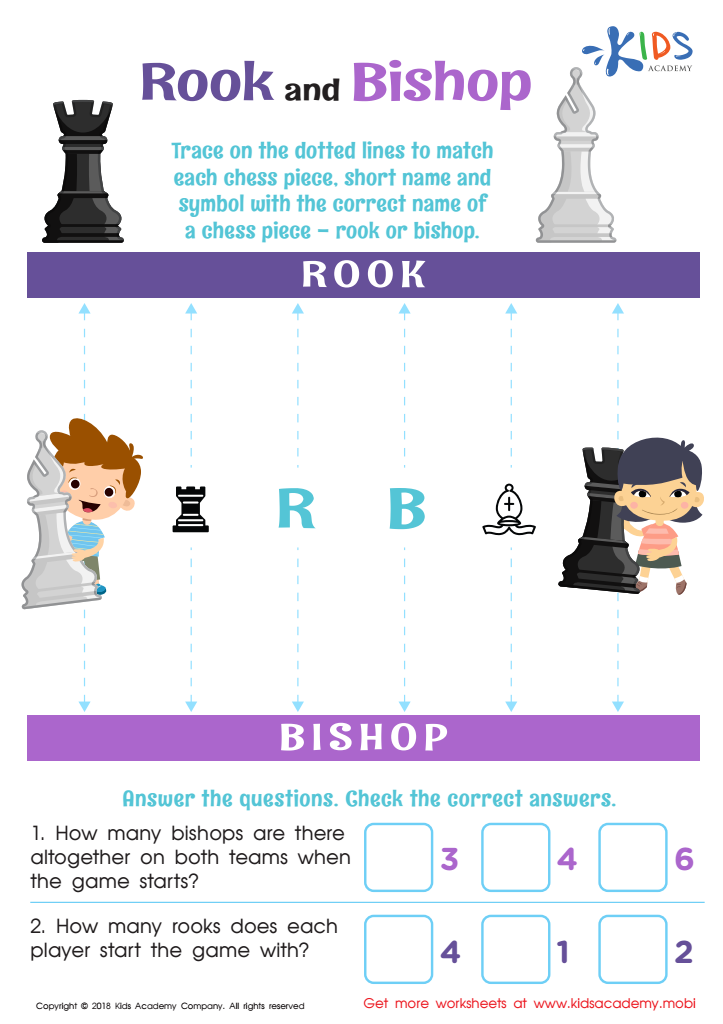
Rook and Bishop Worksheet
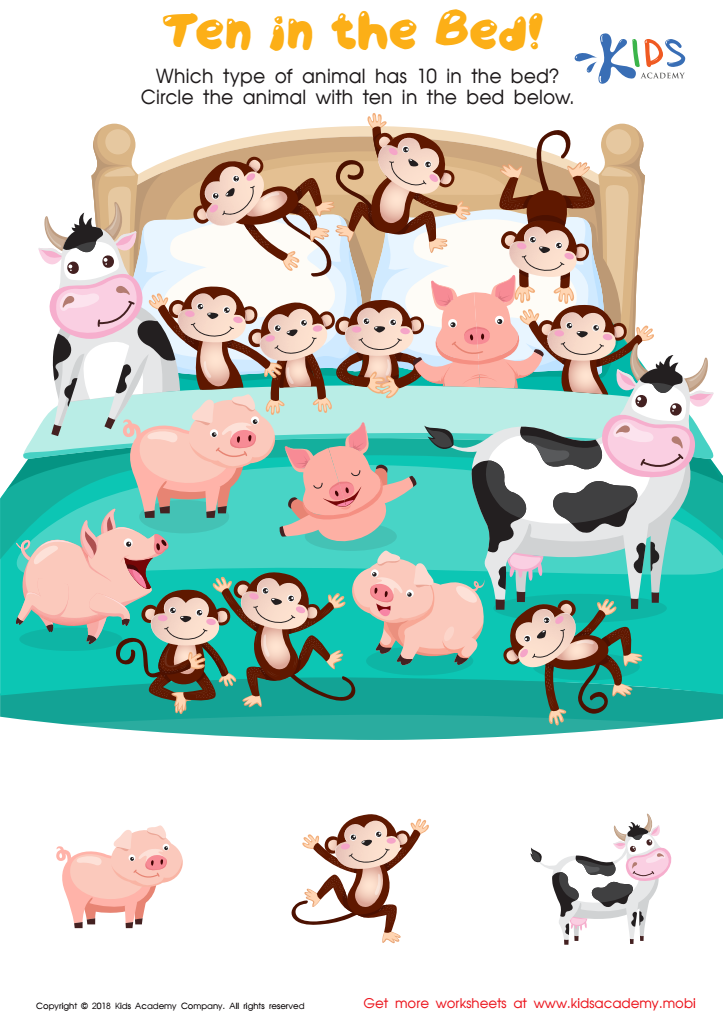
Ten in the Bed Worksheet
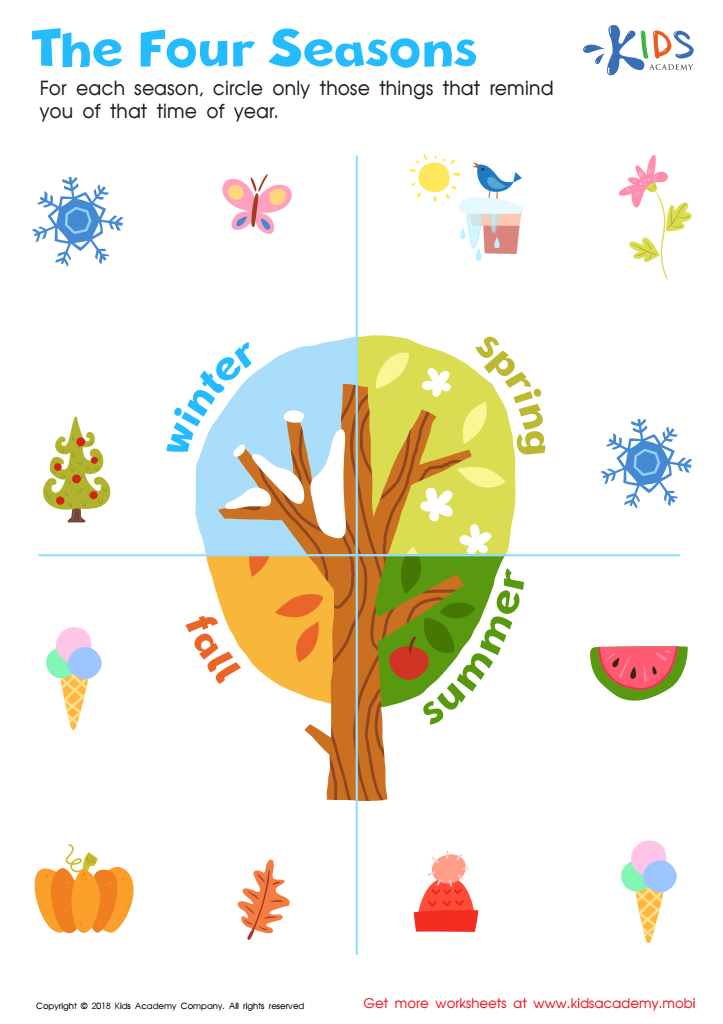
The Four Seasons Worksheet
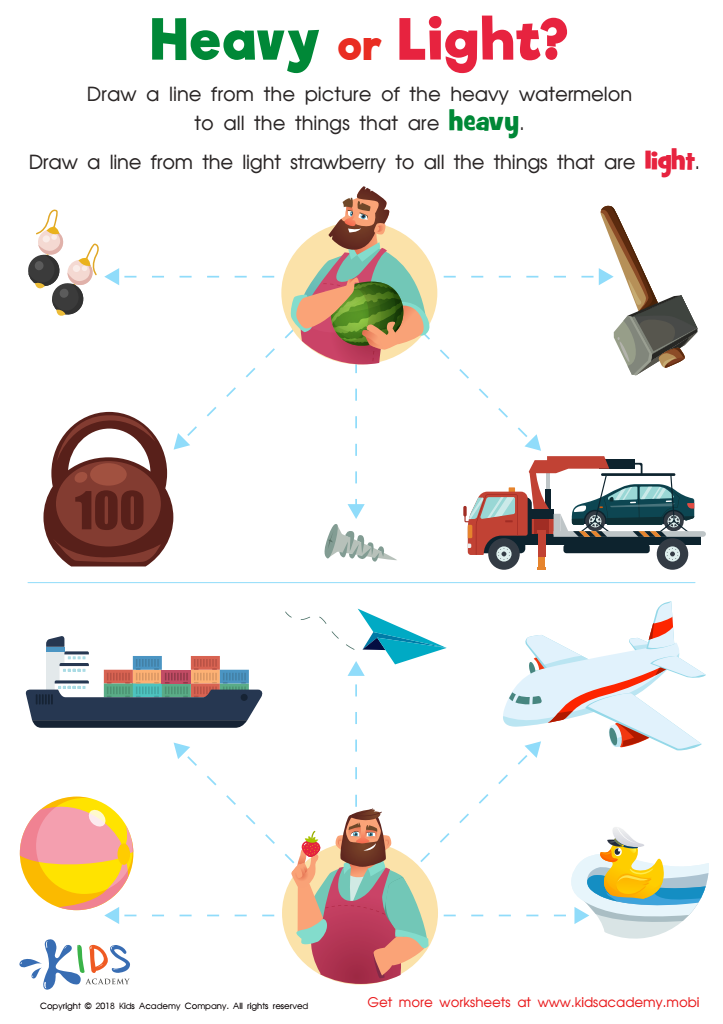
Heavy or Light? Worksheet
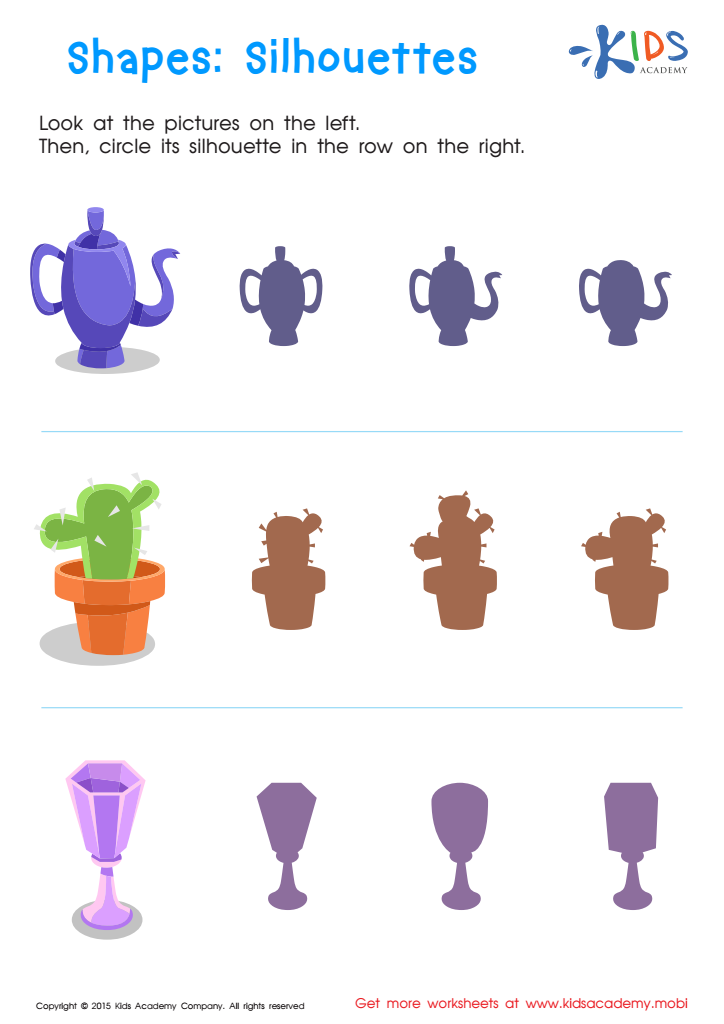
Silhouettes – Shapes Worksheet
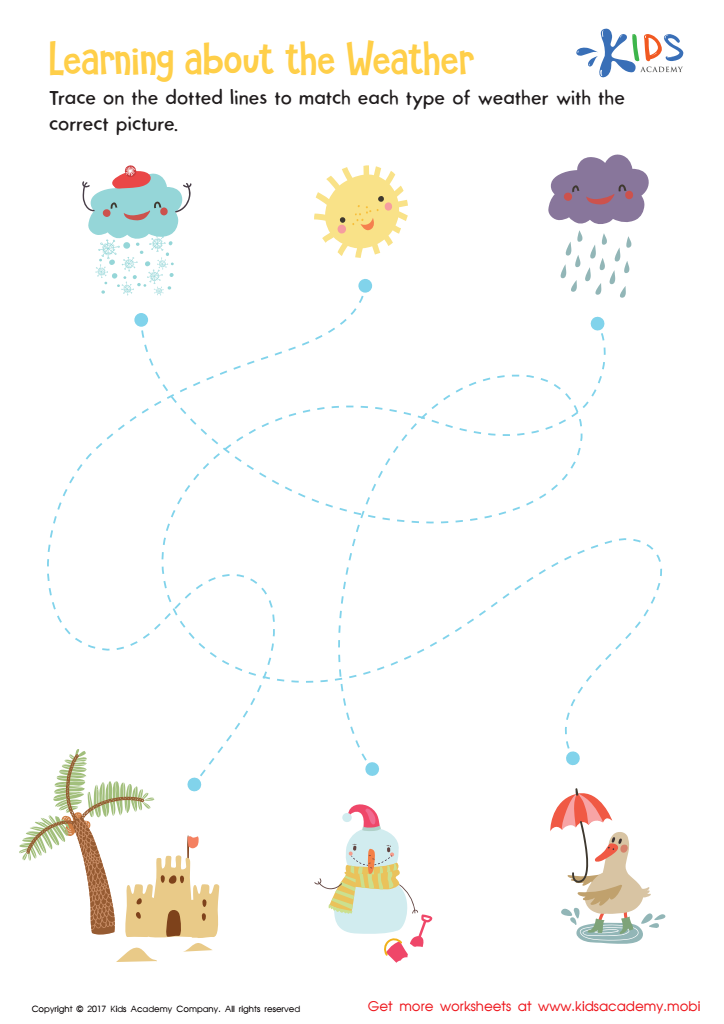
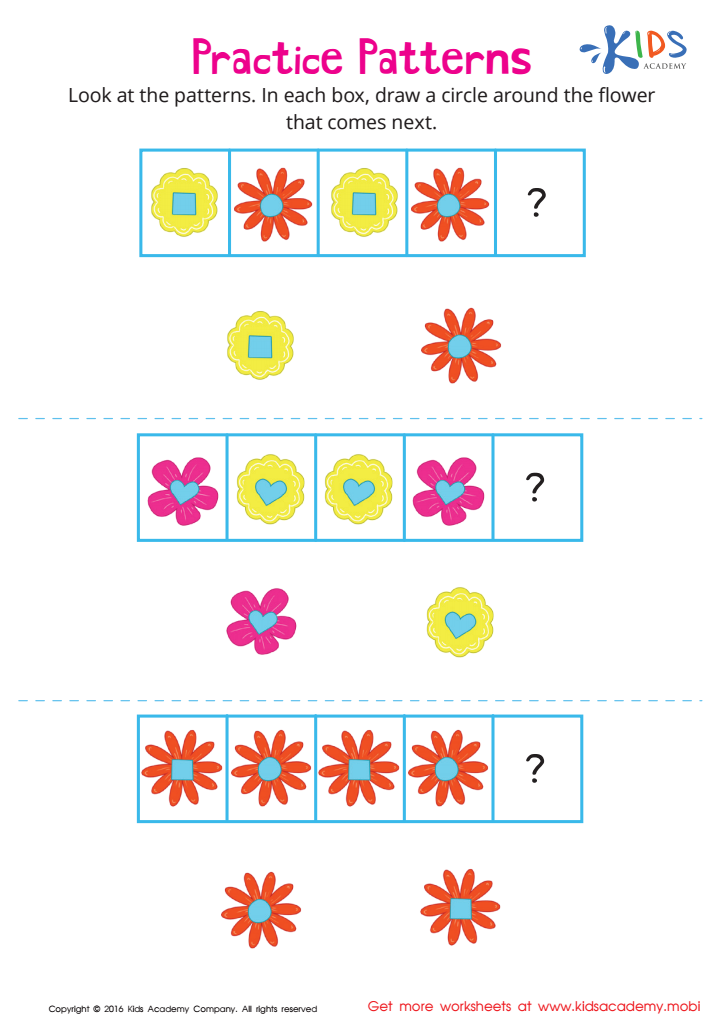
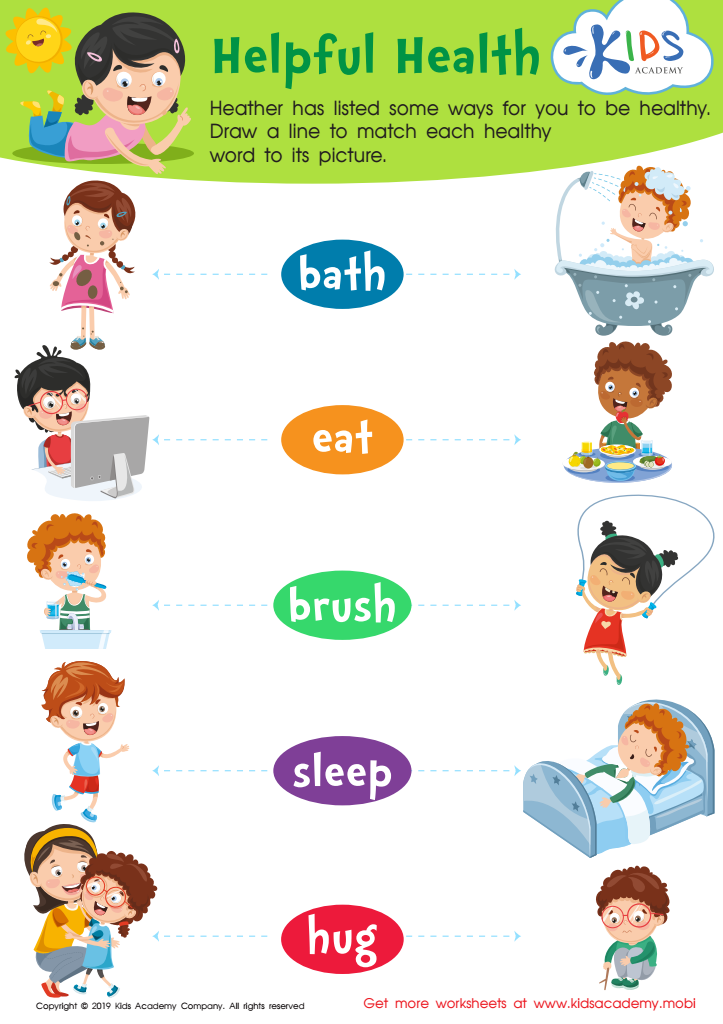
Helpful Health Worksheet
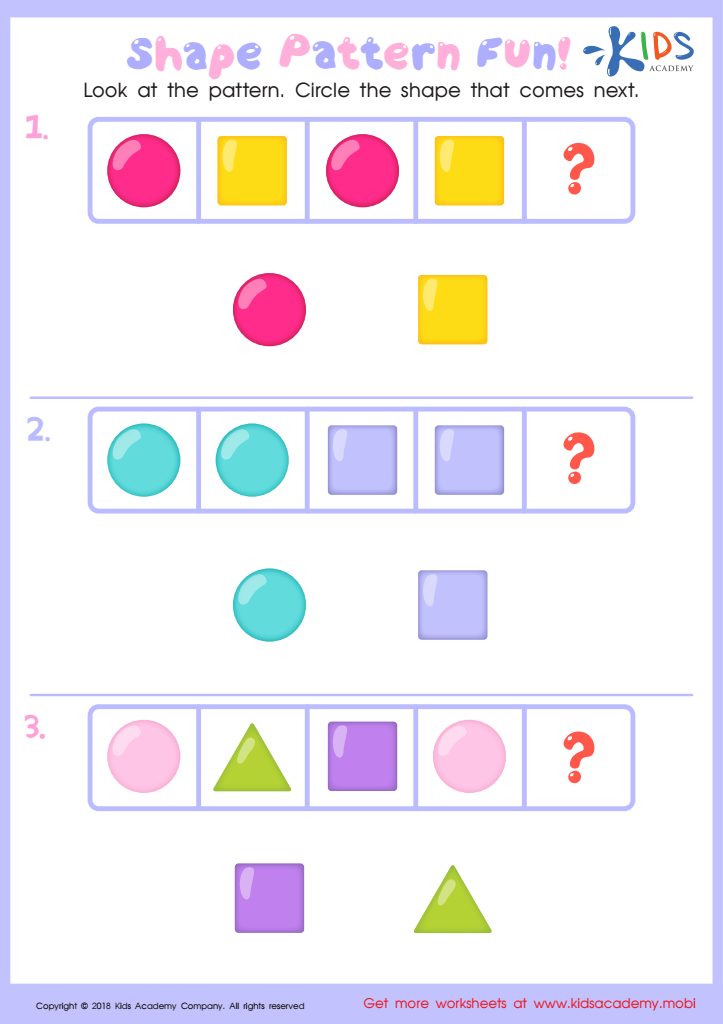
Shape Pattern Fun Worksheet
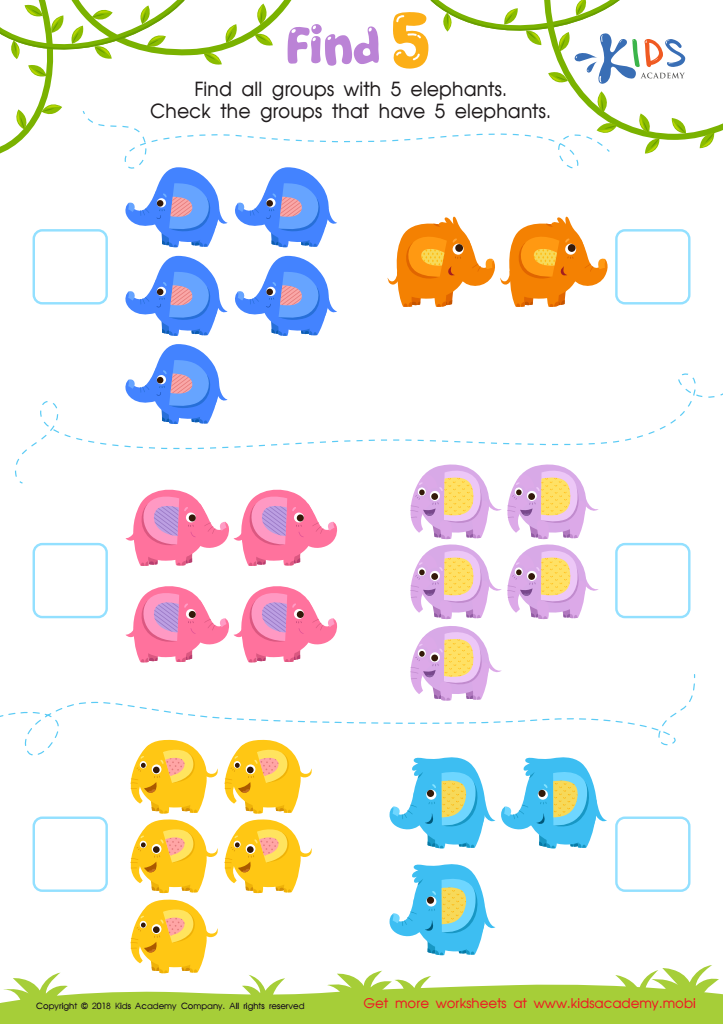
Find 5 Worksheet
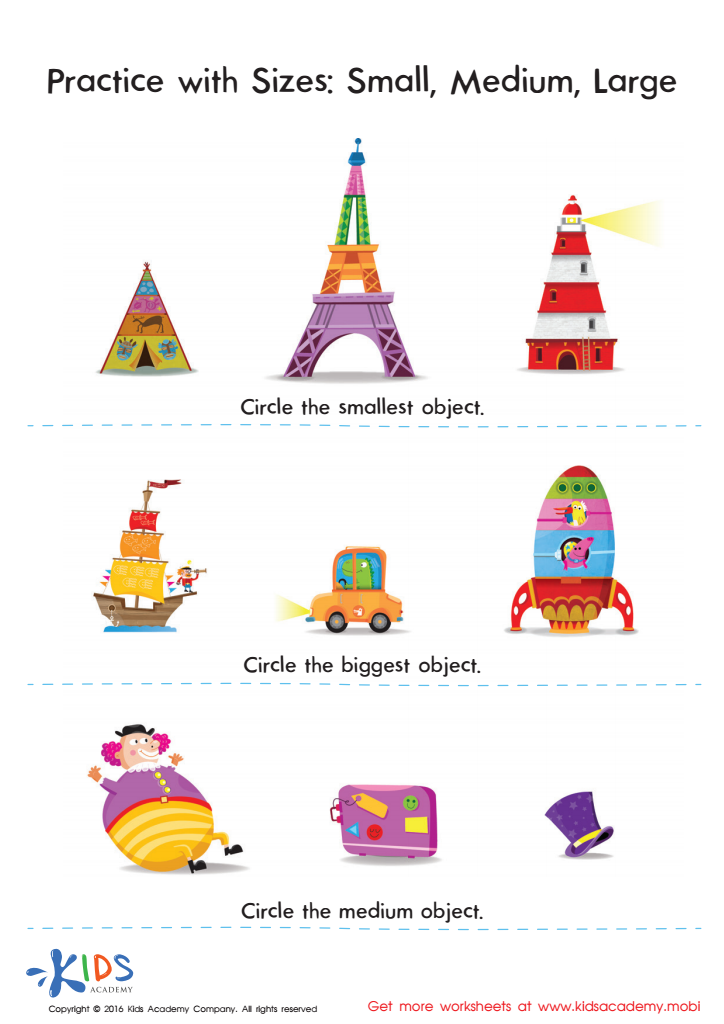








Normal Matching is a vital developmental process for children ages 3-8, fundamentally linking their understanding of similarities and differences. At this age, children are naturally curious and begin to explore the world around them. Normal Matching encourages cognitive development by supporting critical thinking and problem-solving skills.
When educators and parents engage children in activities that promote Normal Matching, they help enhance various learning areas such as language acquisition, visual discrimination, and memory. For example, categorizing objects, sorting shapes, or matching colors allows children to develop classification skills that underpin mathematical understanding later on.
Furthermore, these skills foster social development, as children learn to collaborate and communicate when they participate in matching games with peers or family members. It also builds self-esteem; small successes in matching activities encourage a child’s sense of accomplishment and confidence.
Ultimately, teachers and parents should care about Normal Matching because it lays a robust foundation for lifelong learning, encouraging a curious, analytical, and engaged mind. Early engagement in such activities not only supports cognitive skills but also promotes essential social-emotional growth as children navigate shared experiences and learn to understand their environment.








