Reading comprehension Normal Building Vocabulary Worksheets for Ages 3-8 - Page 2
71 filtered results
-
From - To
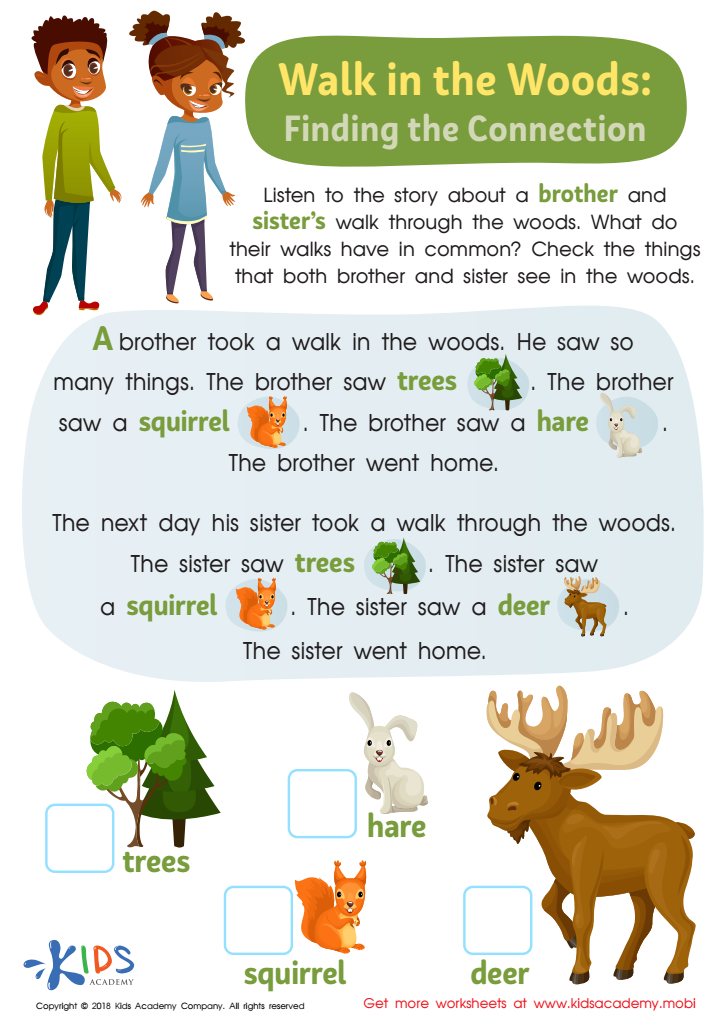
Walk In the Woods: Finding Connections Worksheet
 Assign to My Students











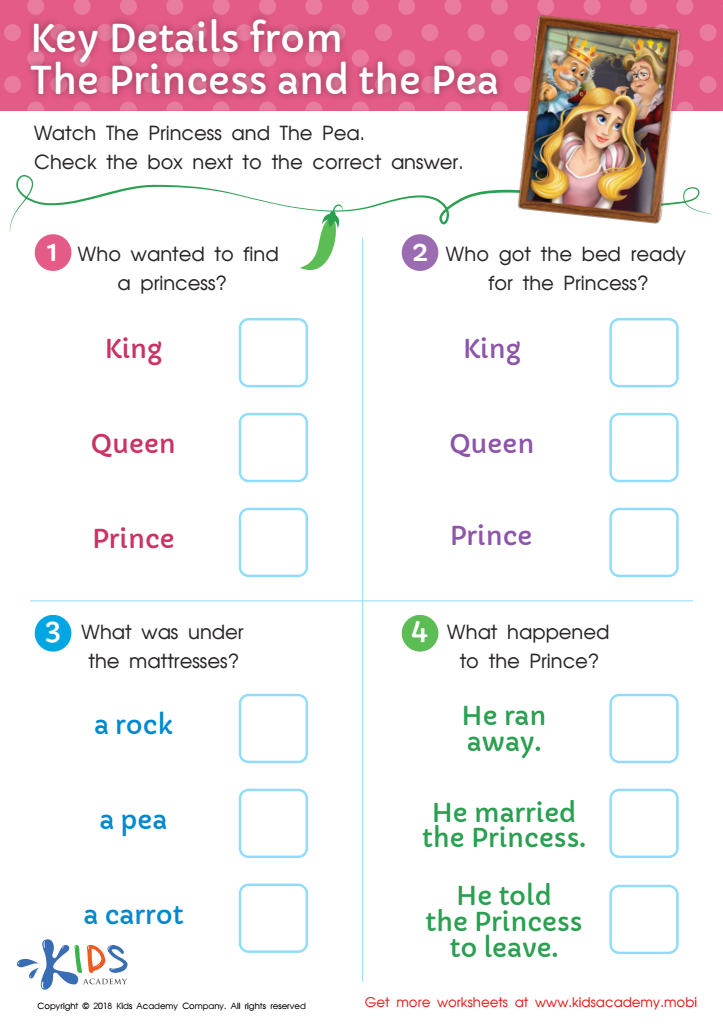
Key Details from the Princess and the Pea Worksheet
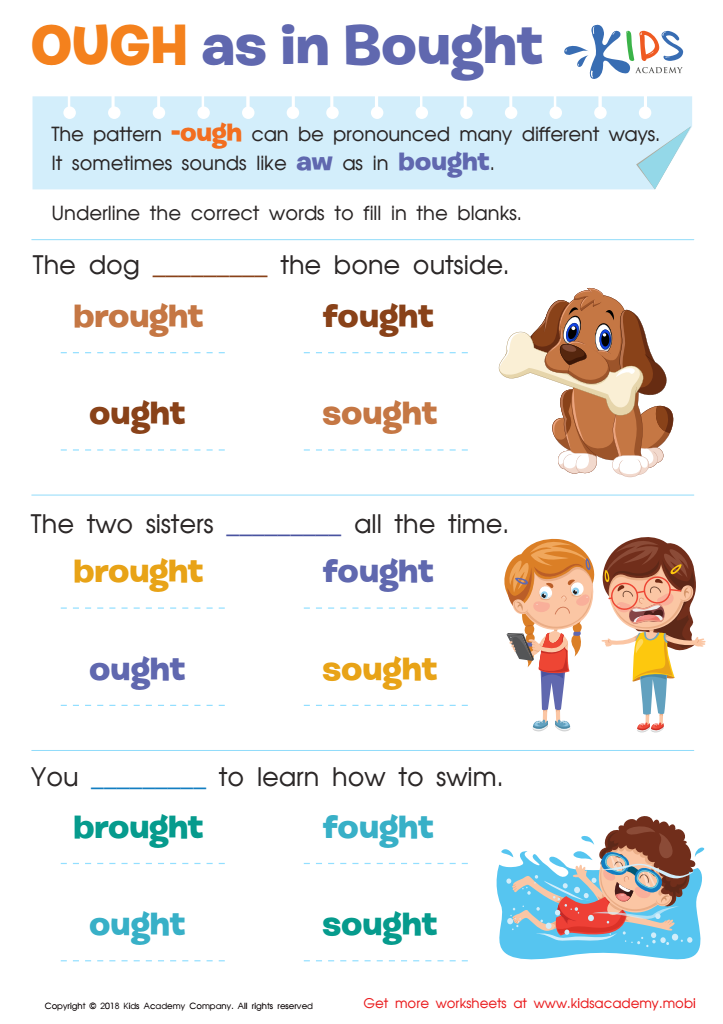
OUGH as in Bought Worksheet
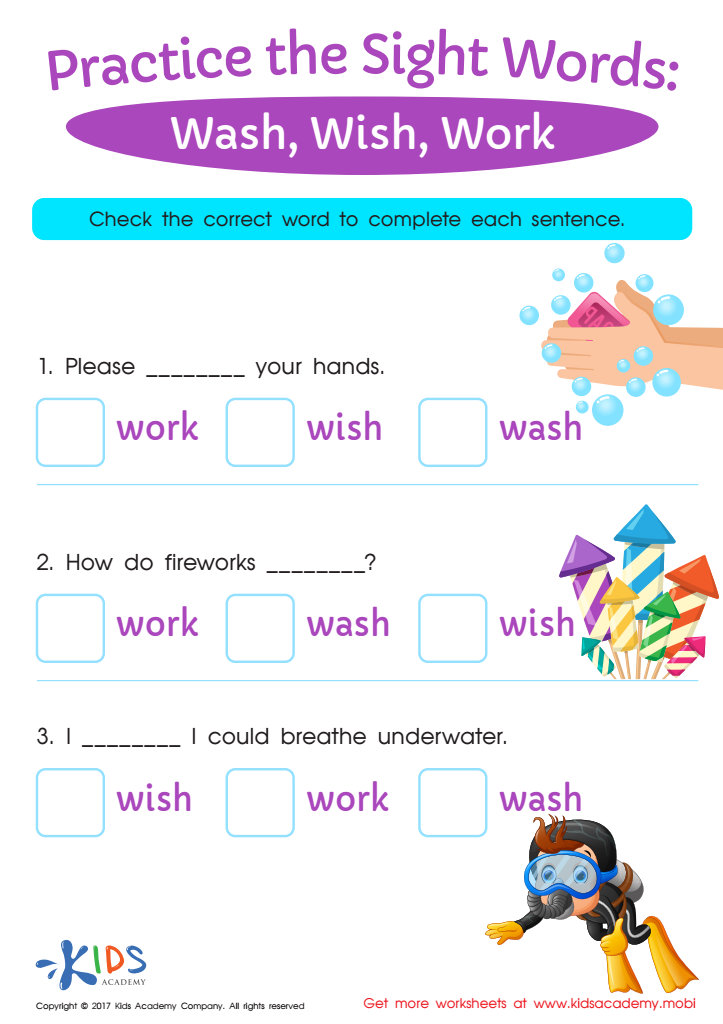
Wash, Wish, Work Sight Words Worksheet
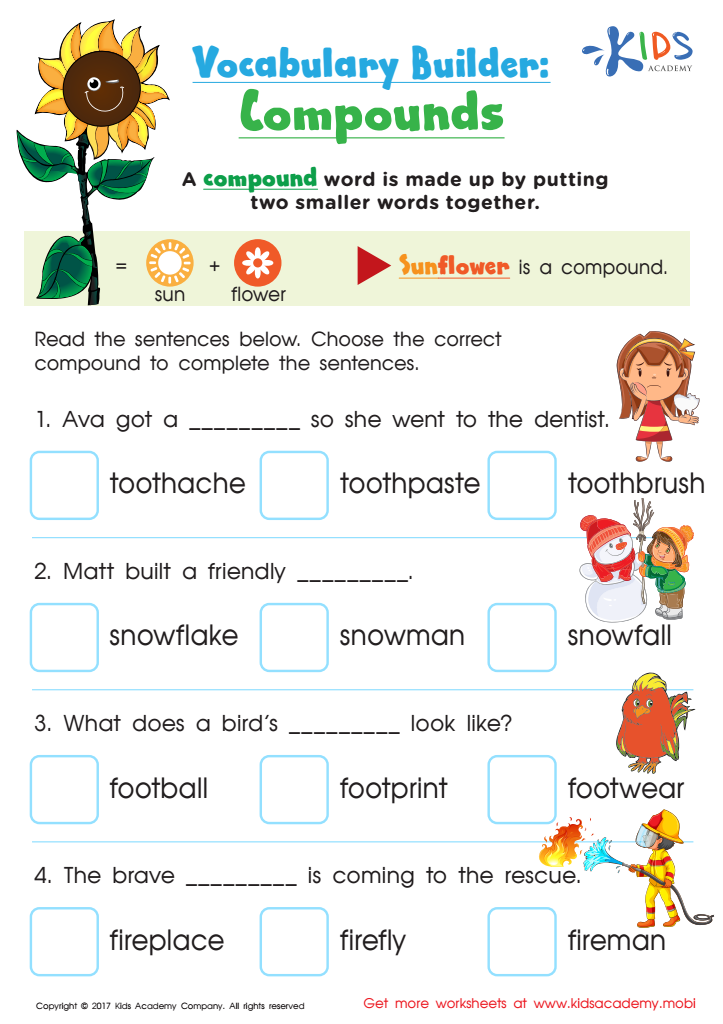
Compound Words Worksheet
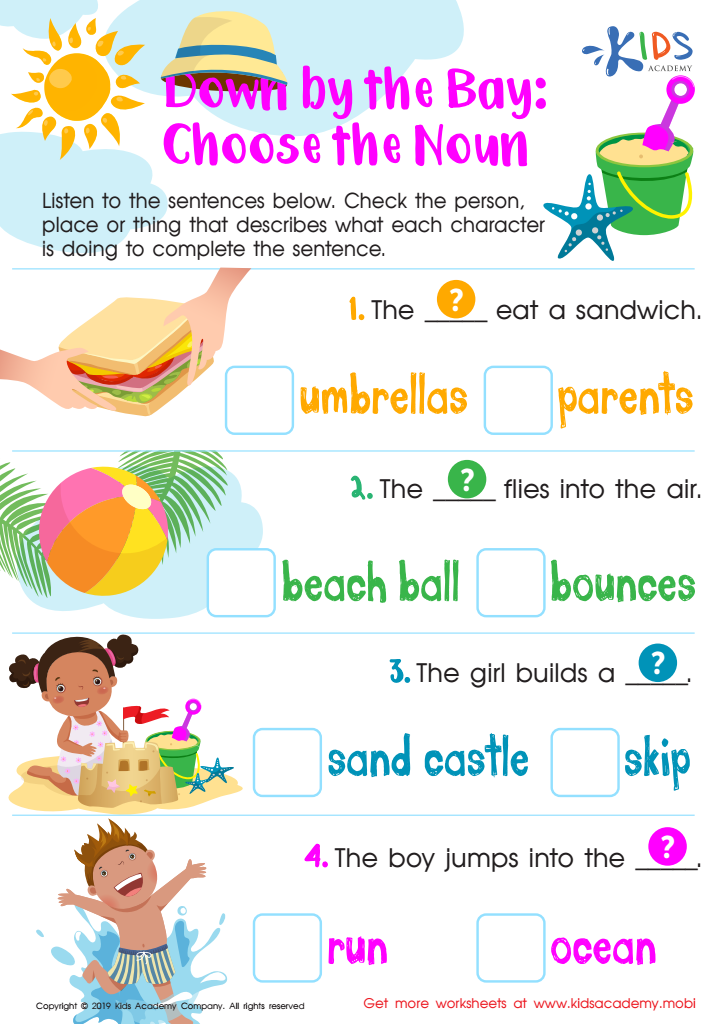
Down by the Bay: Choose the Noun Worksheet
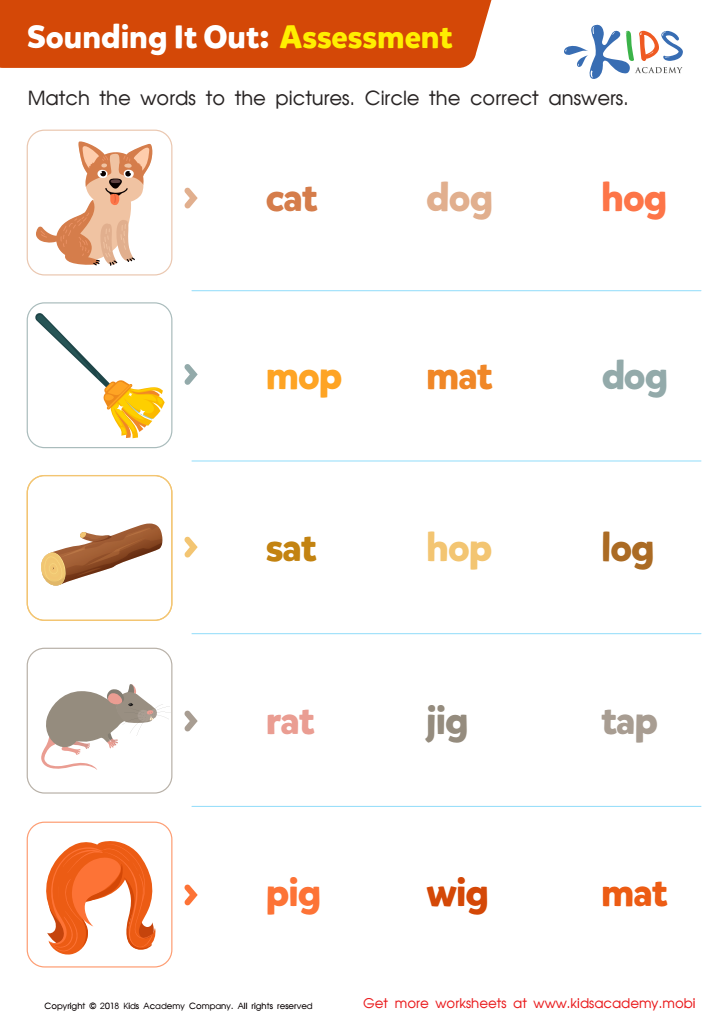
Sounding it Out: Assessment Worksheet
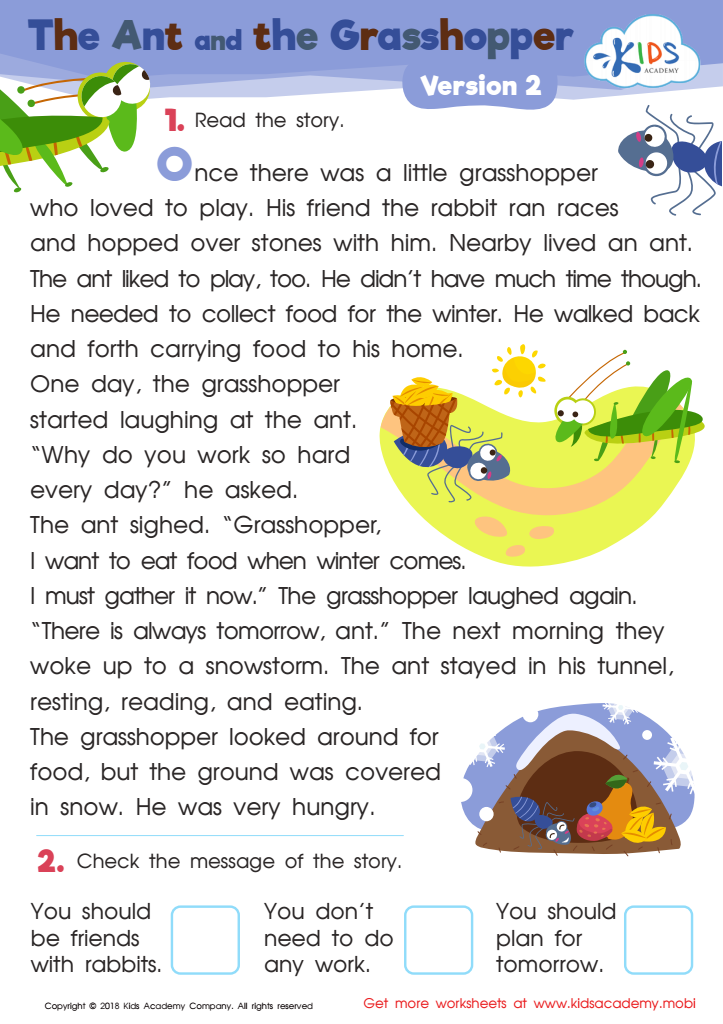
The Ant and The Grasshopper Version 2 Worksheet
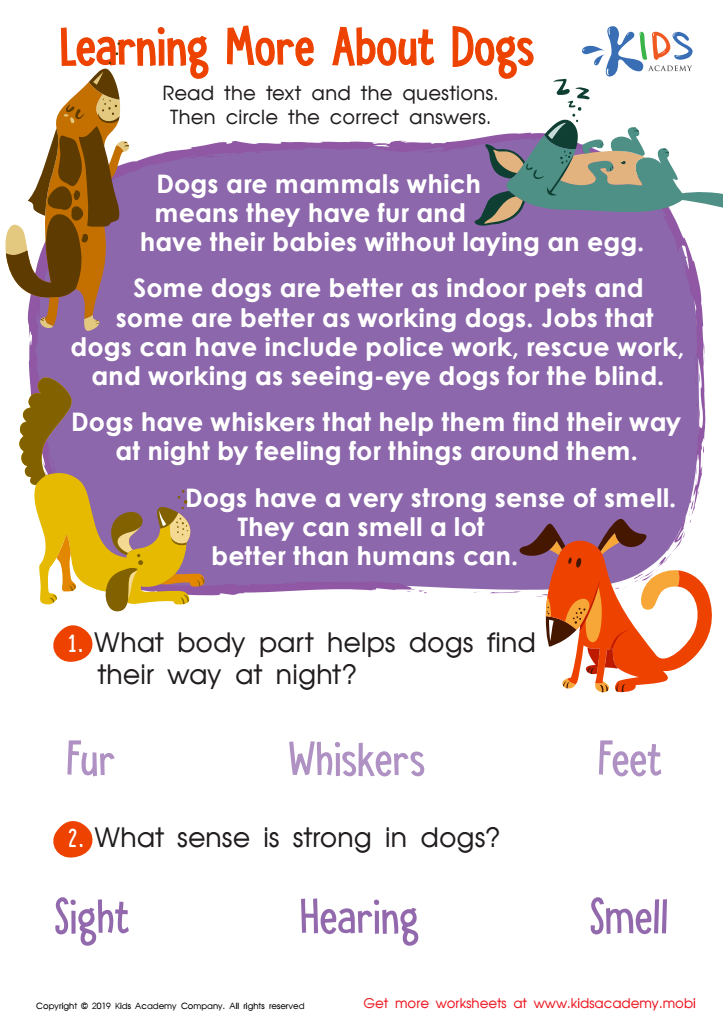
Learning More About Dogs Worksheet
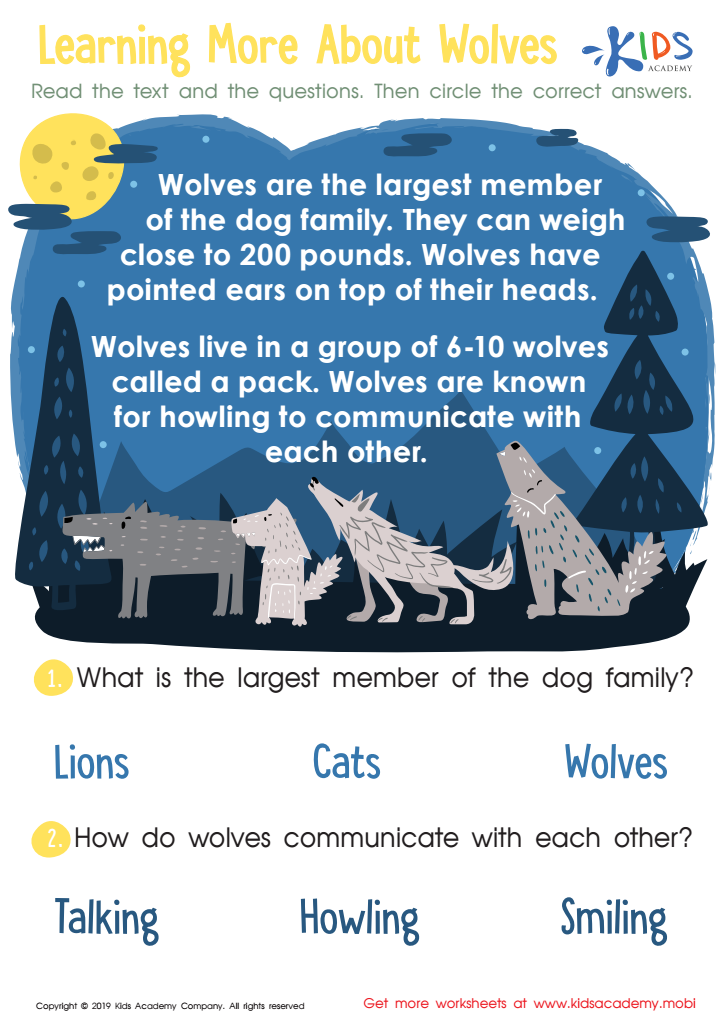
Learning More About Wolves Worksheet
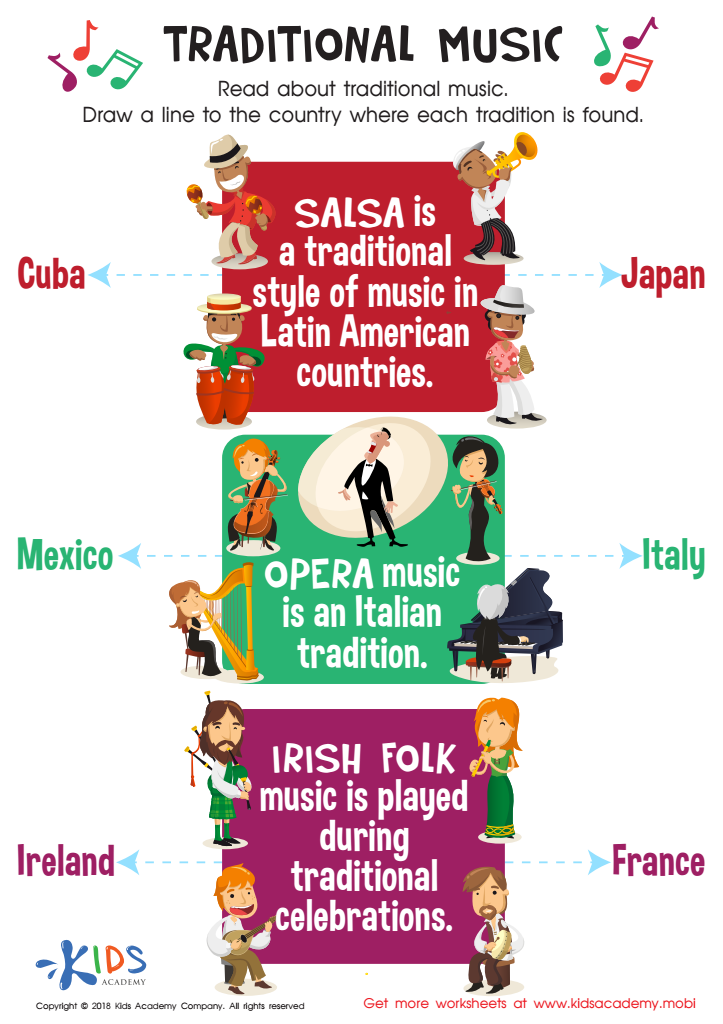
Traditional Music Worksheet
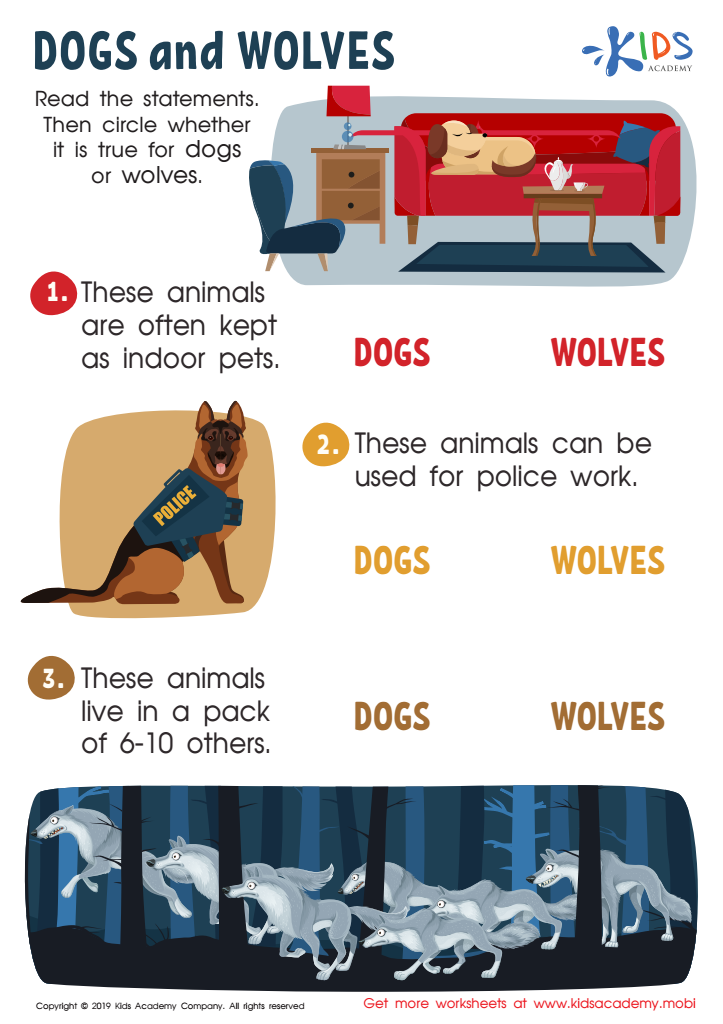
Dogs and Wolves Worksheet
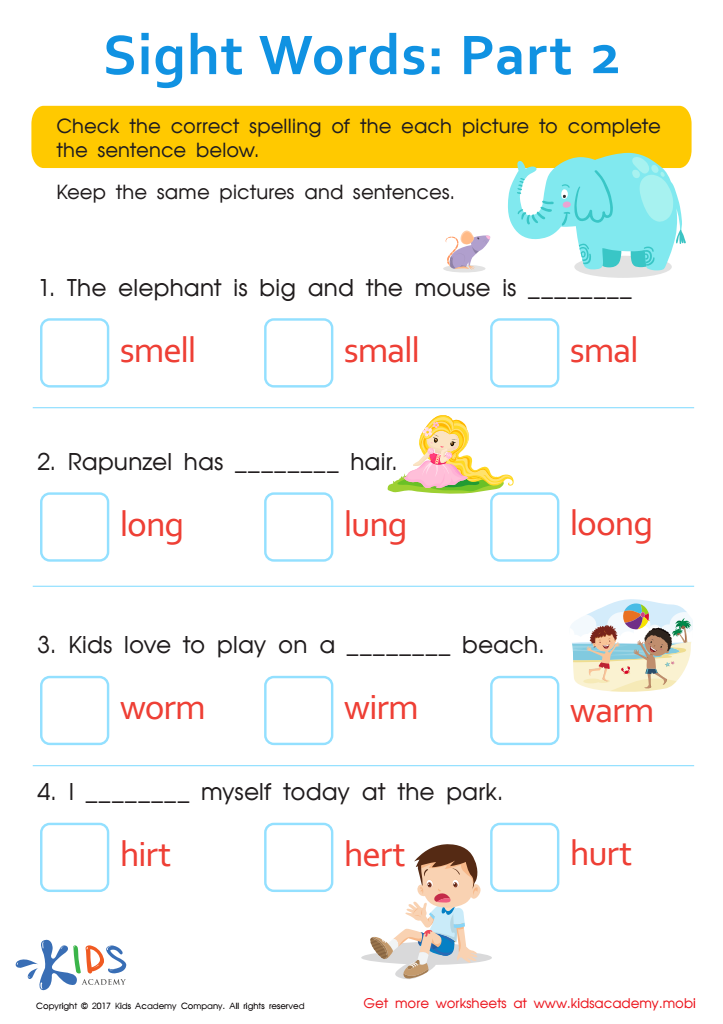
Sight Words Worksheet
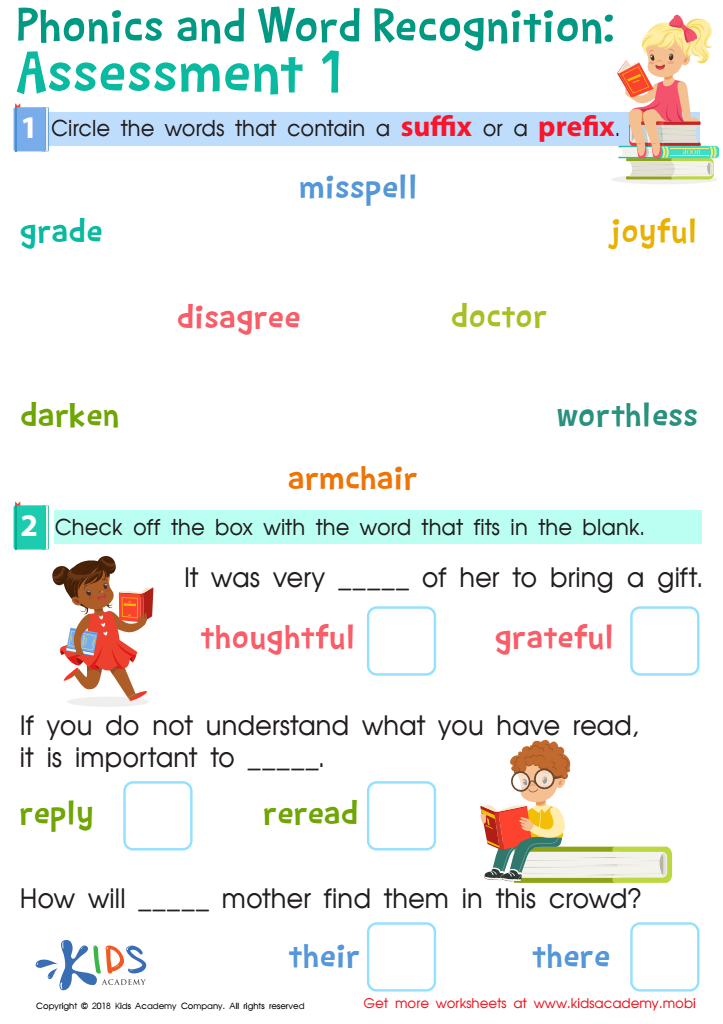
Phonics and Word Recognition: Assessment 1 Worksheet
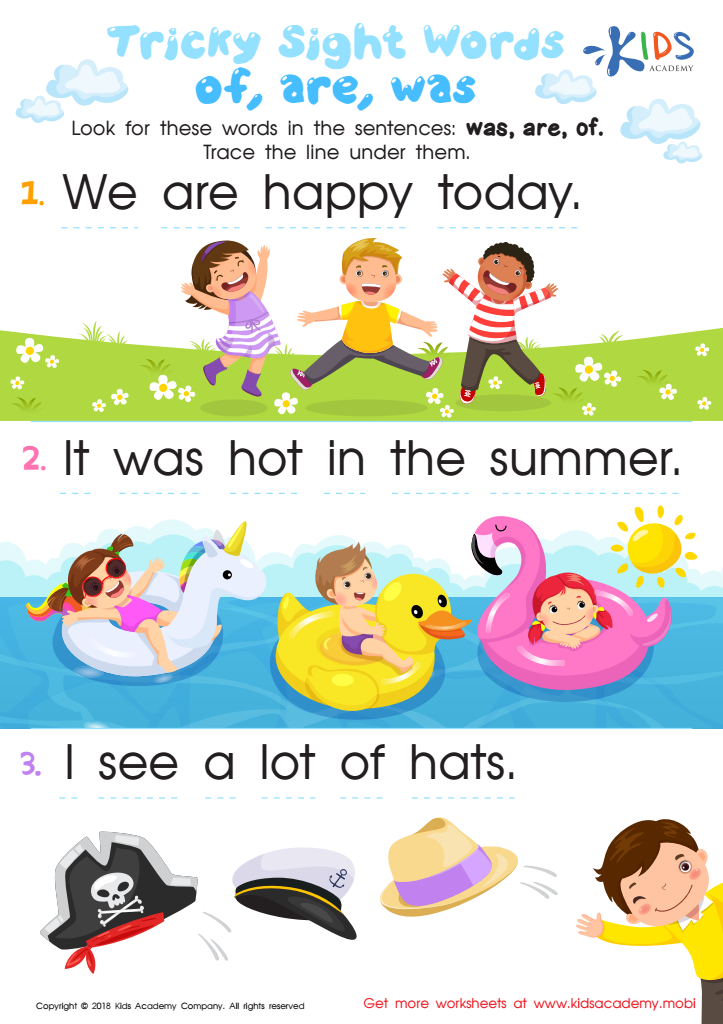
Tricky Sight Words Worksheet
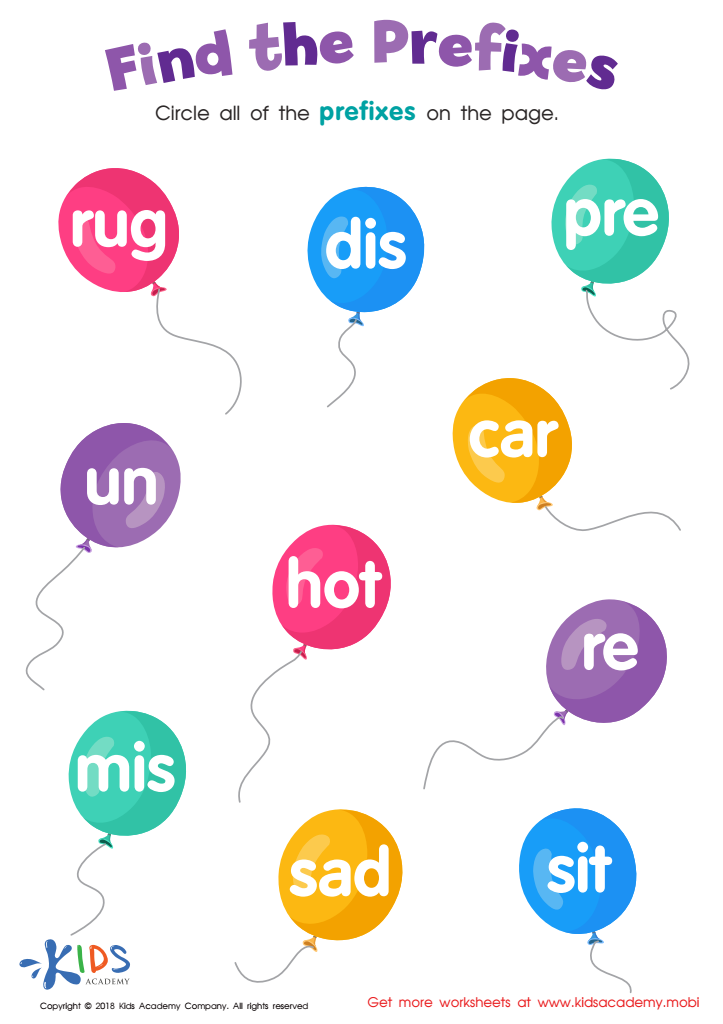
Reading: Find the Prefixes Worksheet
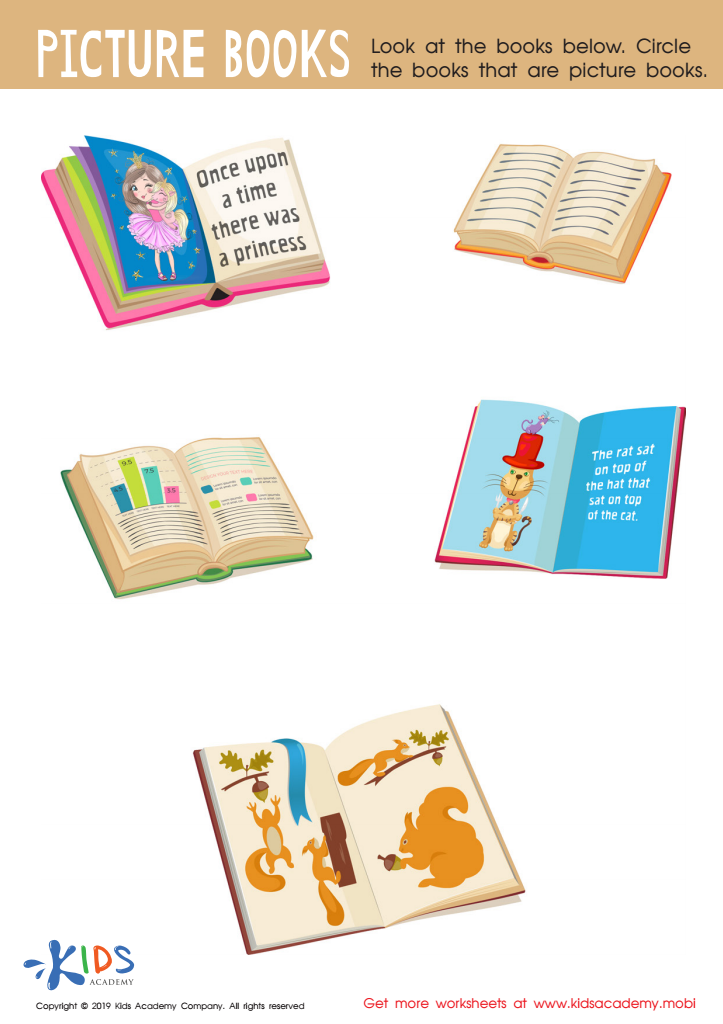
Picture Books Worksheet
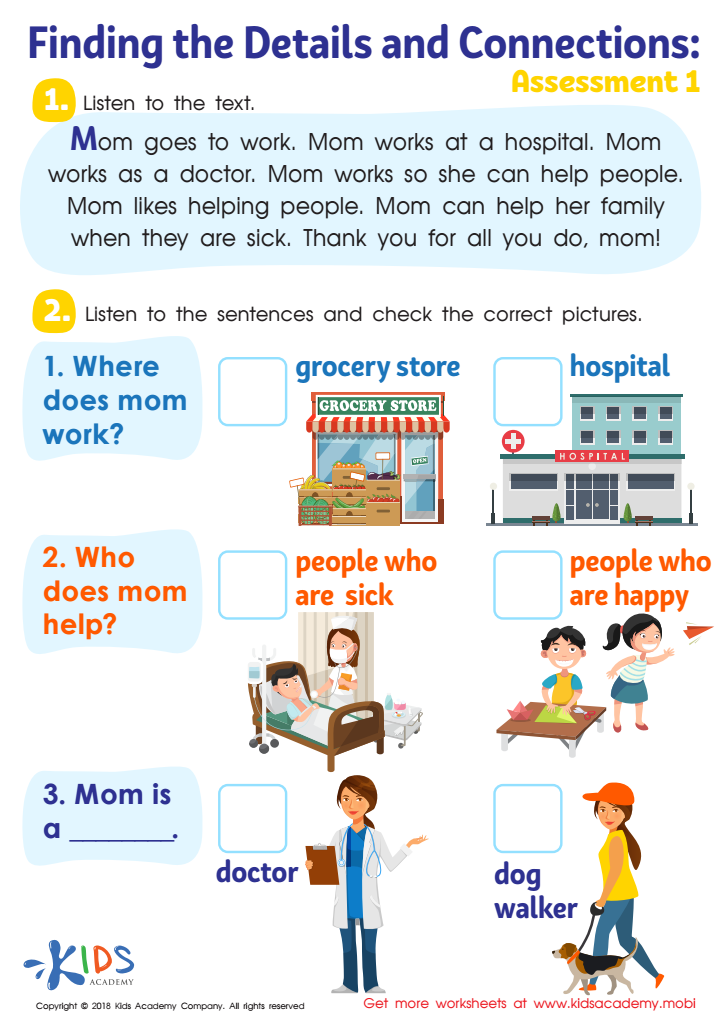
Finding the Details and Connections: Assessment 1 Worksheet
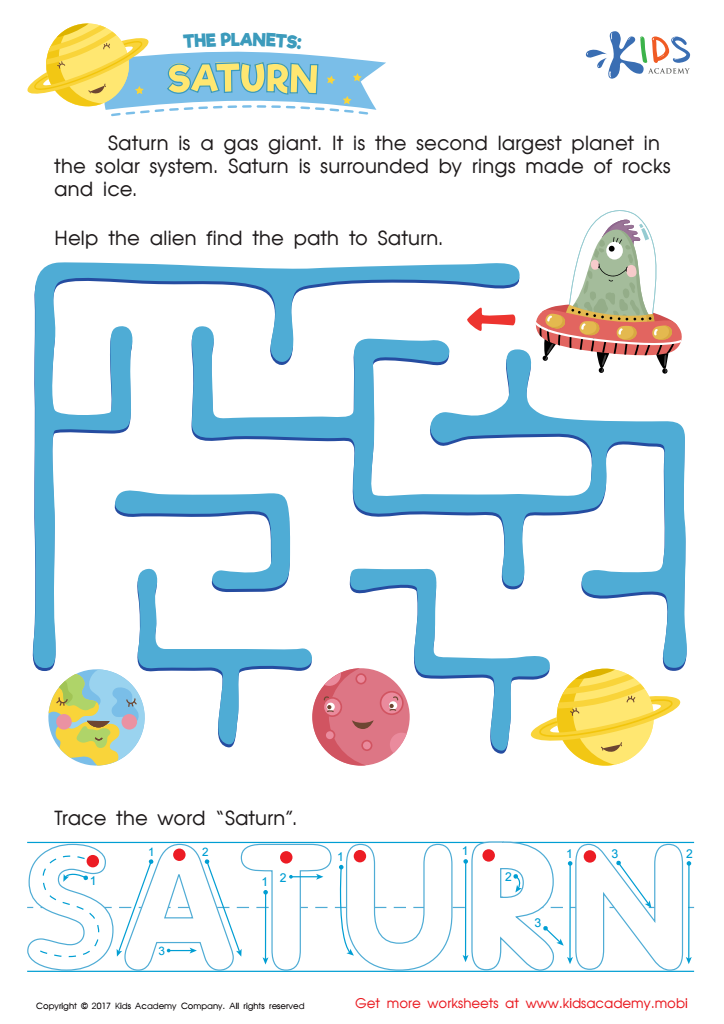
The Planets: Saturn Printable
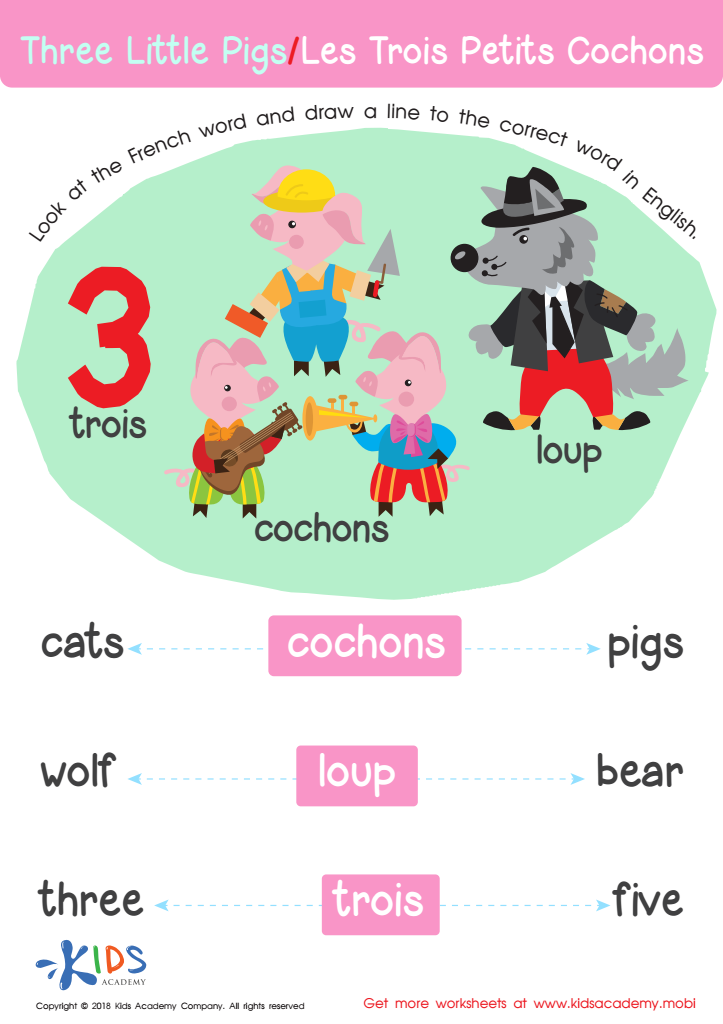
Three Little Pigs / Les Trois Petits Cochons Worksheet
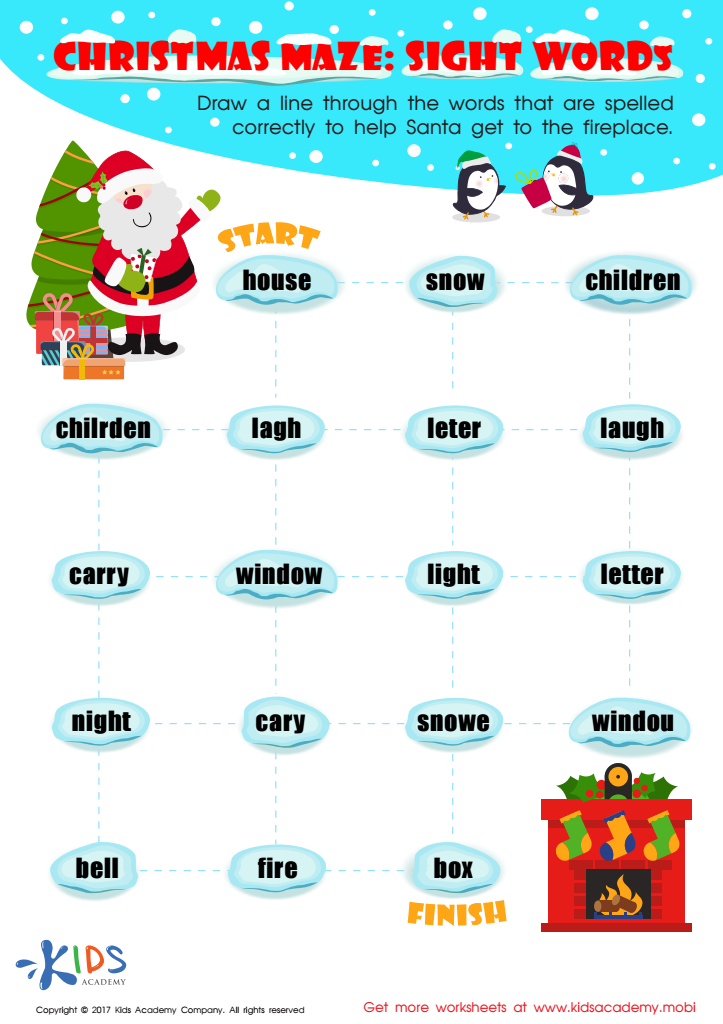
Sight Words Christmas Maze Printable
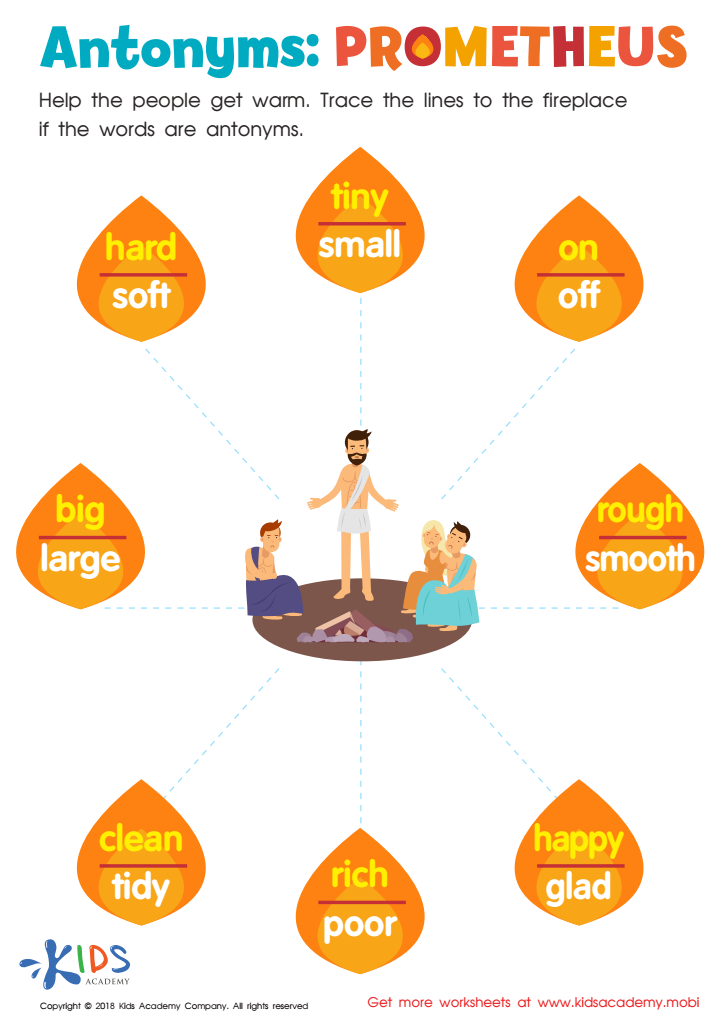
Antonyms: Prometheus Worksheet
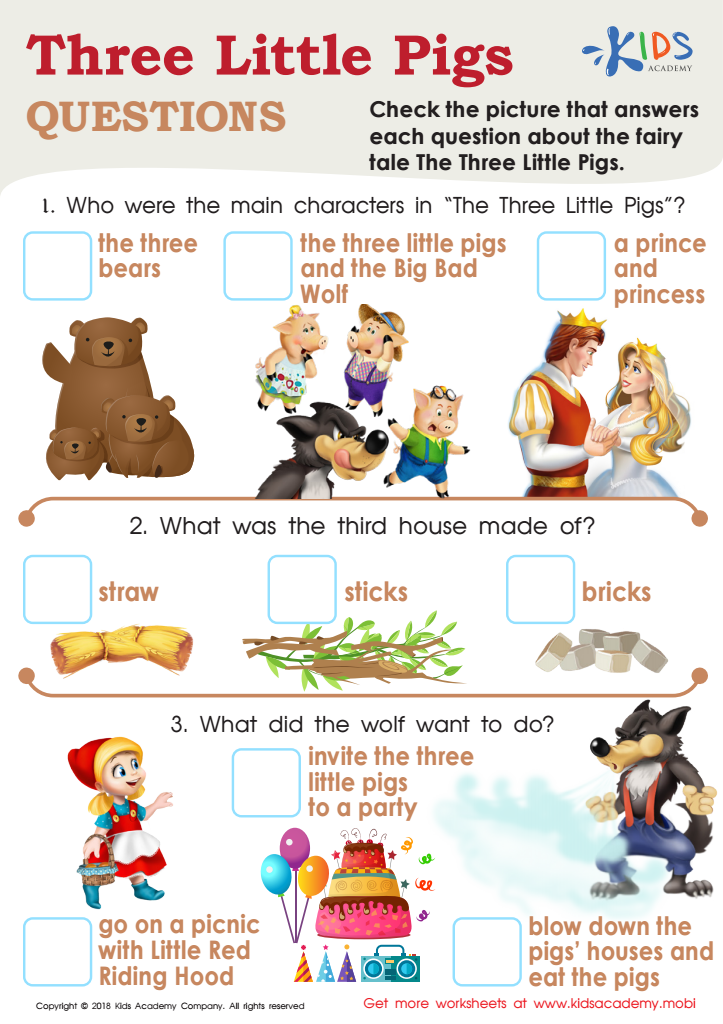
Three Little Pigs Questions Worksheet
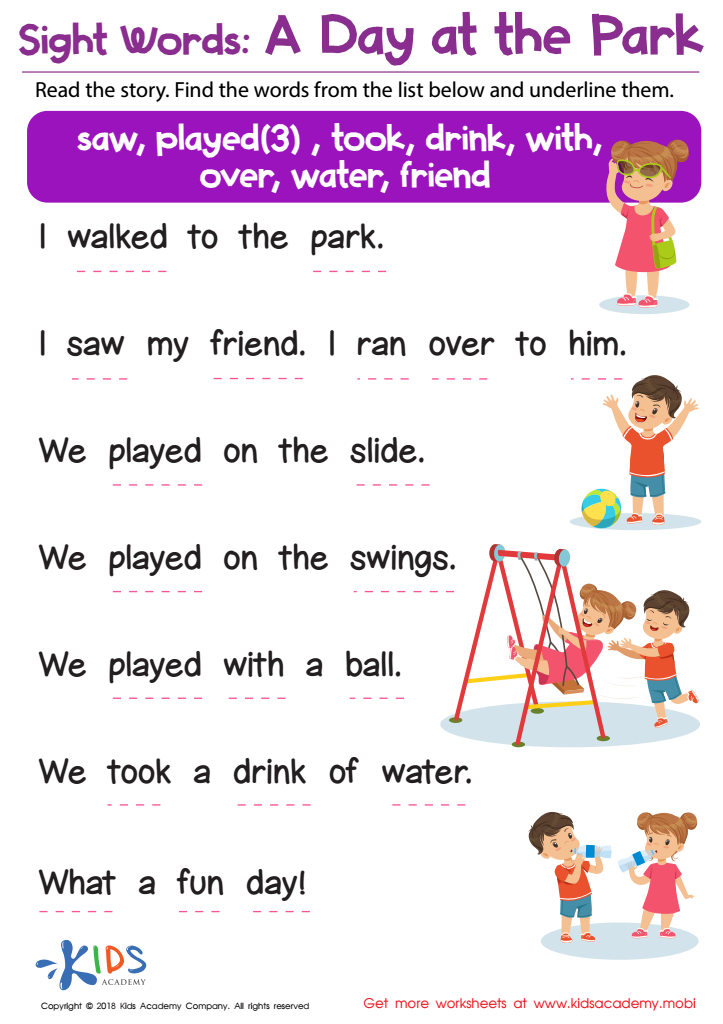
Sight Words: A Day at the Park Worksheet







Reading comprehension and vocabulary building are critical components of early childhood education, particularly for children aged 3-8 years. At this developmental stage, children experience rapid cognitive growth, and the foundation laid here significantly influences their future academic and personal success.
Strong reading comprehension skills enable children to understand and interpret text, fostering a love for reading that can last a lifetime. When children comprehend what they read, they are more likely to engage deeply with the material, remember details, and develop critical thinking skills. These skills are not limited to academic success; they are essential for effective communication and problem-solving in everyday life.
Vocabulary building is equally important. A rich vocabulary enhances comprehension, allowing children to express themselves clearly and understand others better. It enables them to grasp more complex ideas and participate confidently in discussions. Furthermore, vocabulary acquisition at an early age is strongly correlated with later reading proficiency and overall academic achievement.
Parents and teachers play a pivotal role in nurturing these skills. By reading to children, engaging them in conversations, and introducing new words in meaningful contexts, they create a rich linguistic environment. This proactive involvement sets the stage for a positive, lifelong relationship with reading and learning, empowering children to succeed in myriad ways.








