Phonics Skills Normal Worksheets for Ages 3-9 - Page 3
62 filtered results
-
From - To
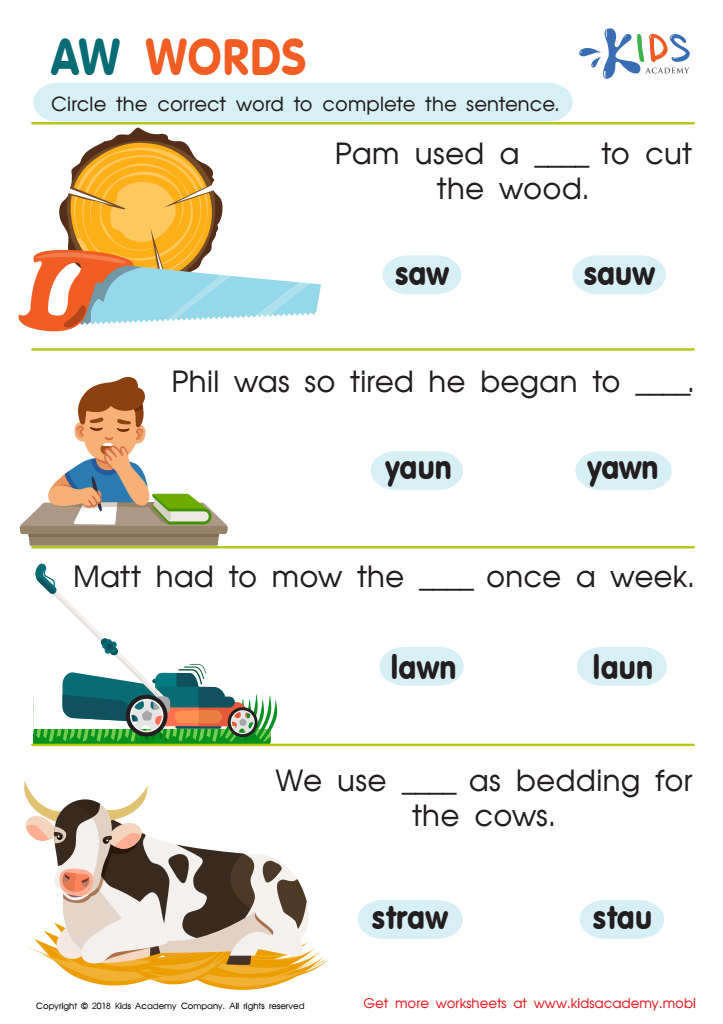
Reading: AW Words Worksheet
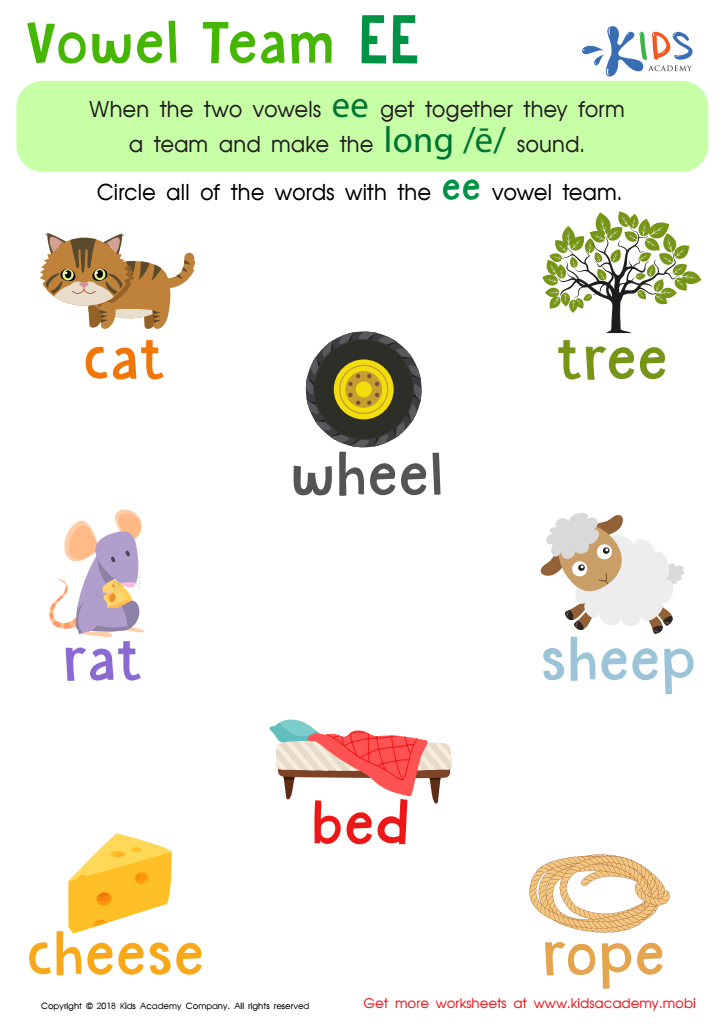
Reading: Vowel Team EE Worksheet
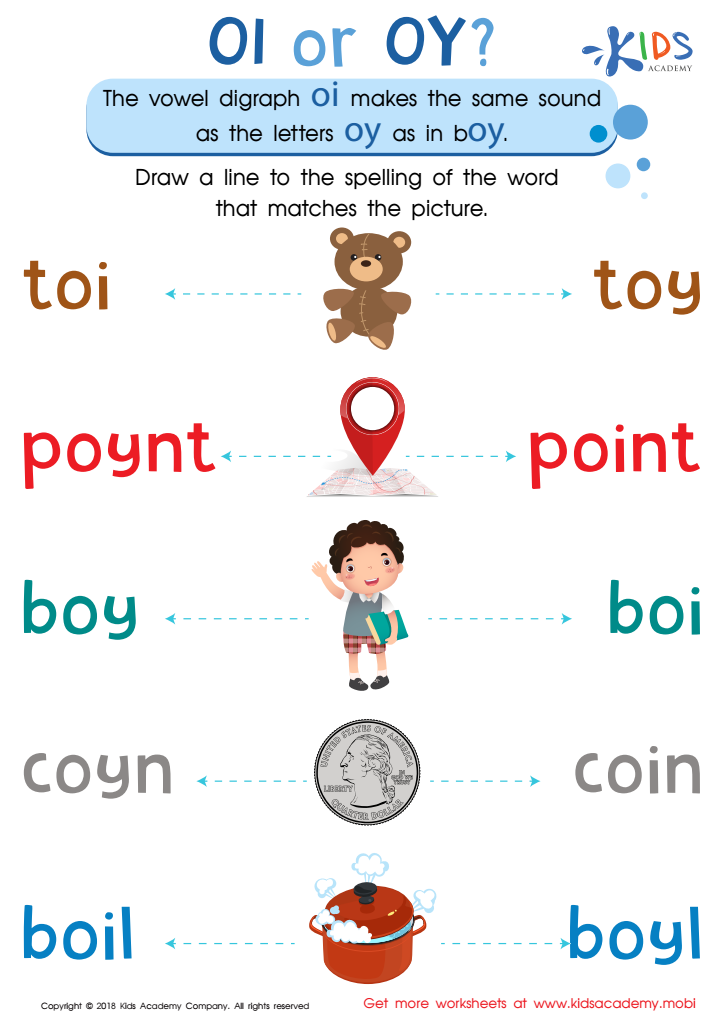
Reading: OI and OY Worksheet
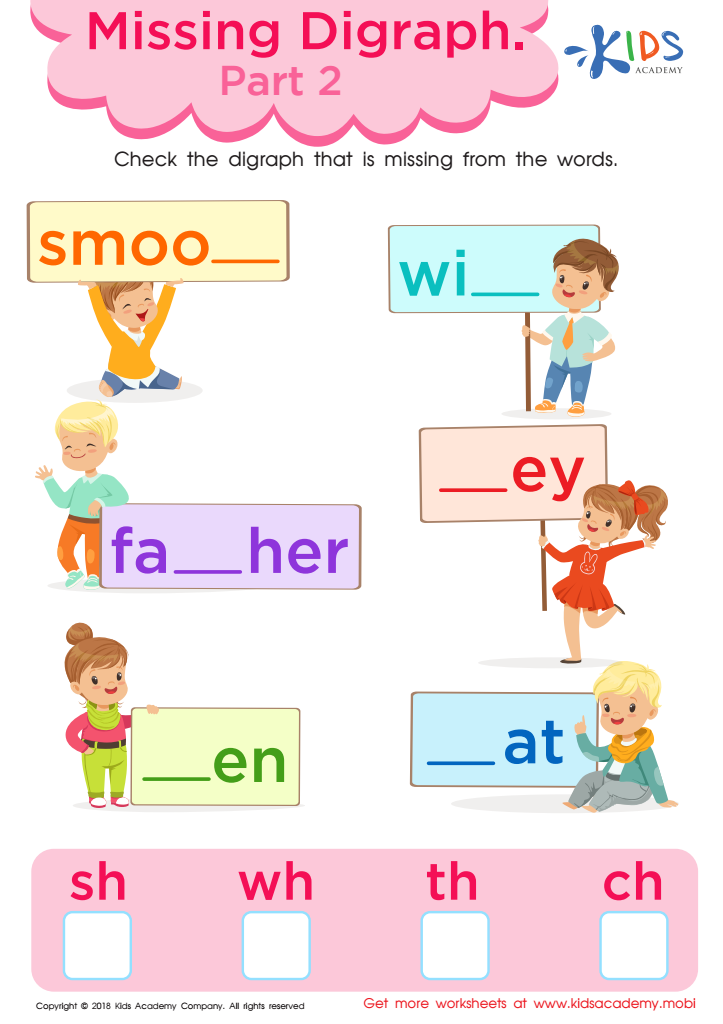
Missing Digraph: Part 2 Worksheet
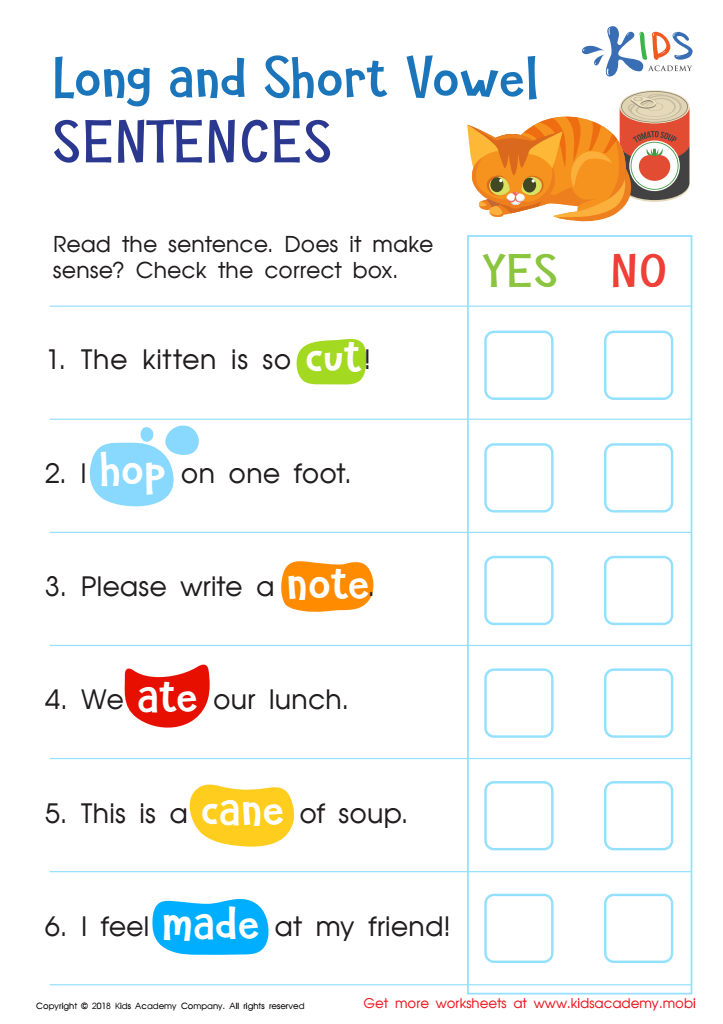
Long and Short Vowel Sentences: Assessment Worksheet
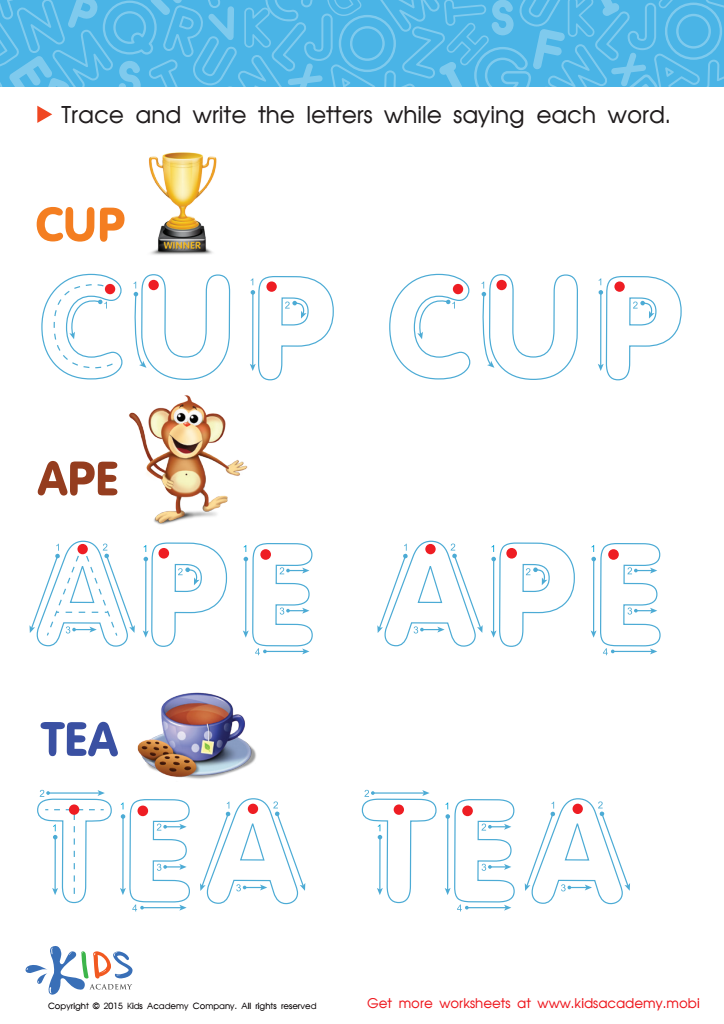
A Cup, an Ape and Tea Spelling Worksheet
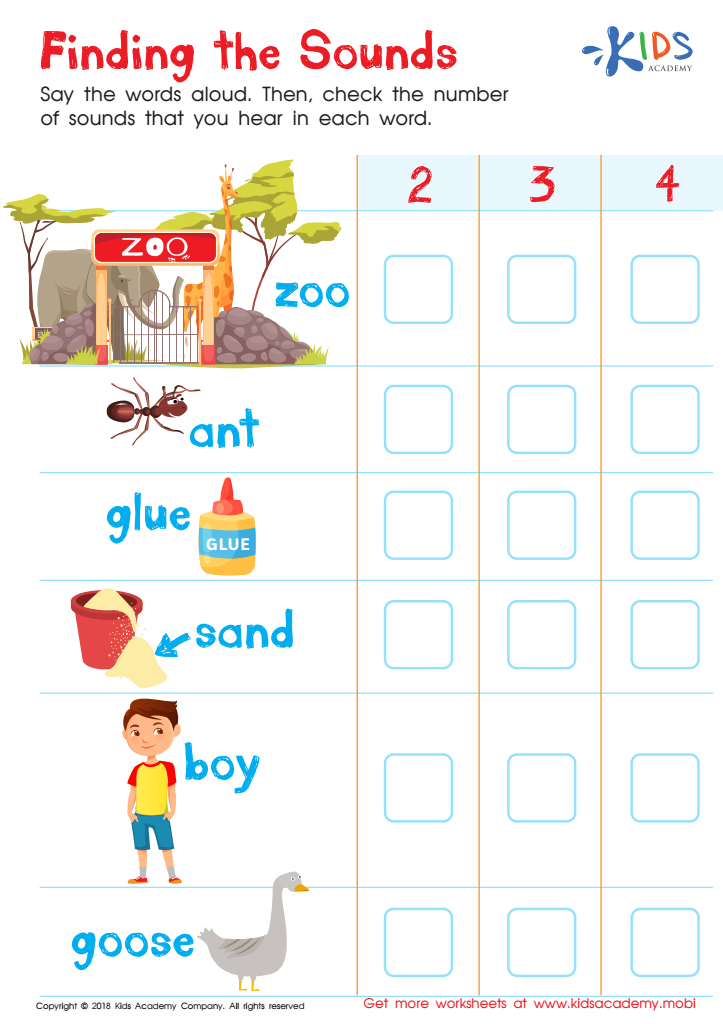
Finding the Sounds Worksheet
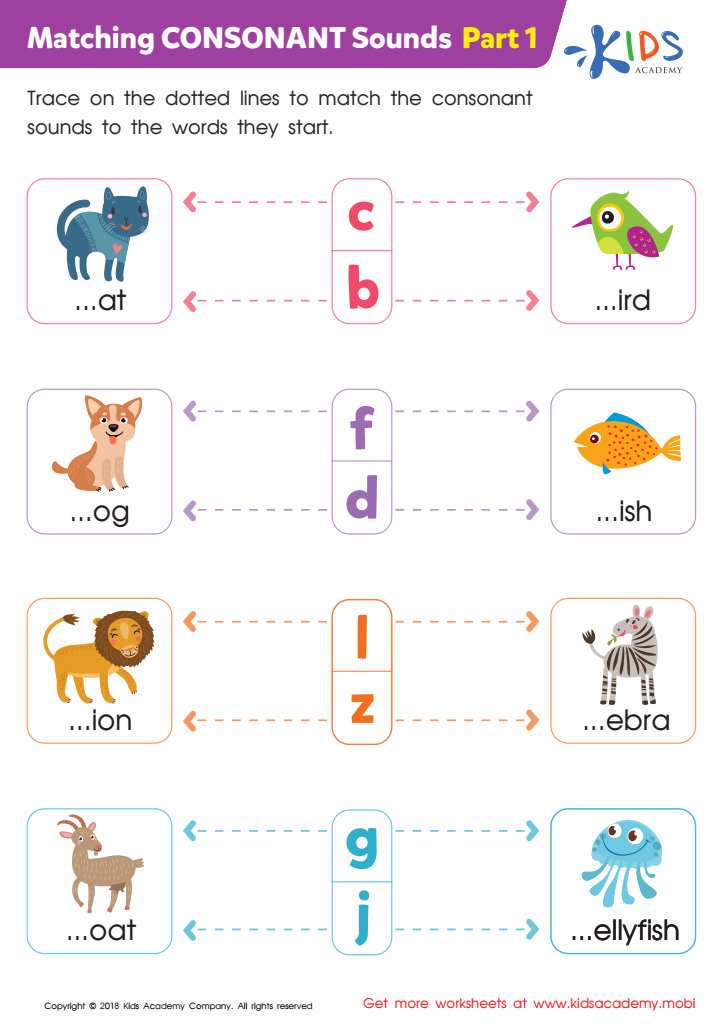
Matching Consonant Sounds: Part 1 Worksheet
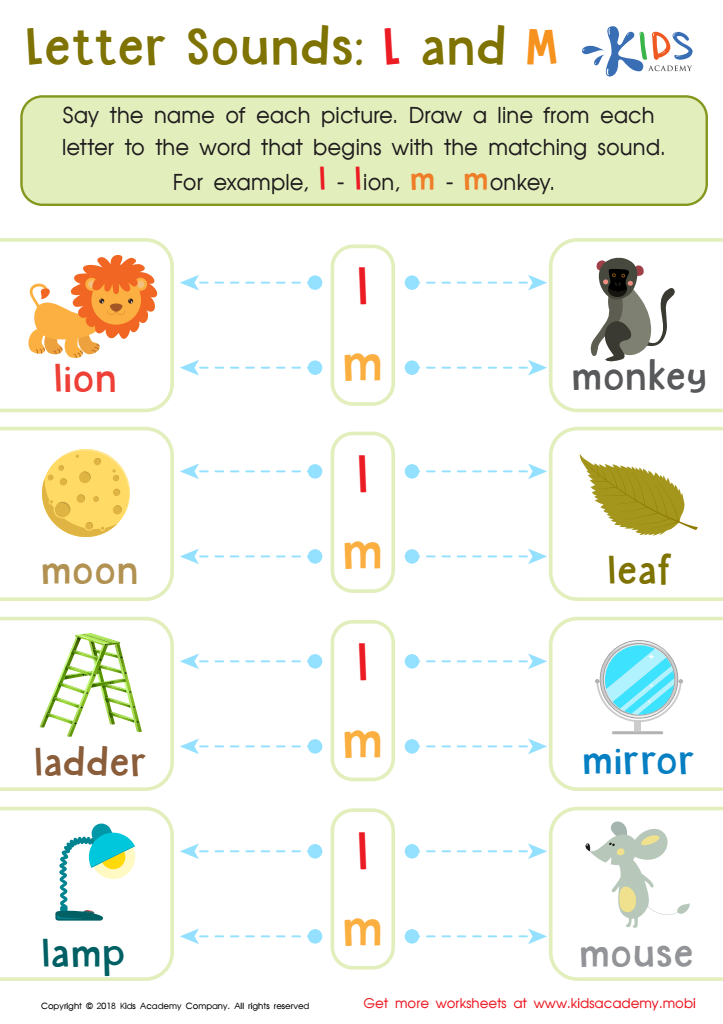
Letter l and M Sounds Worksheet
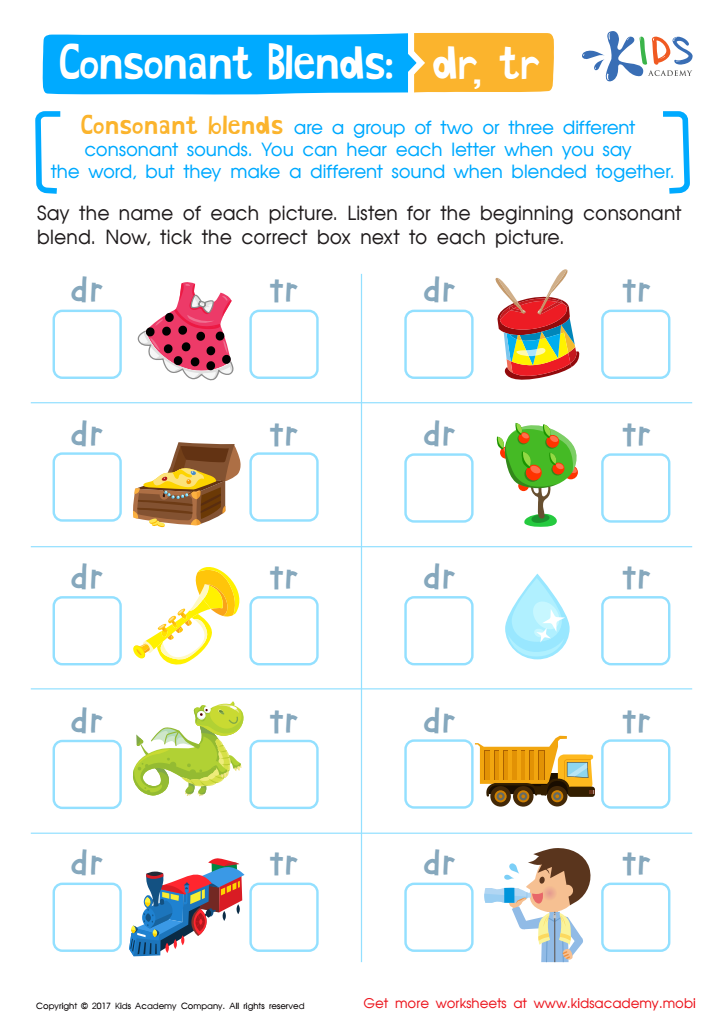
Consonant Blends: "Dr" and "Tr" Printable
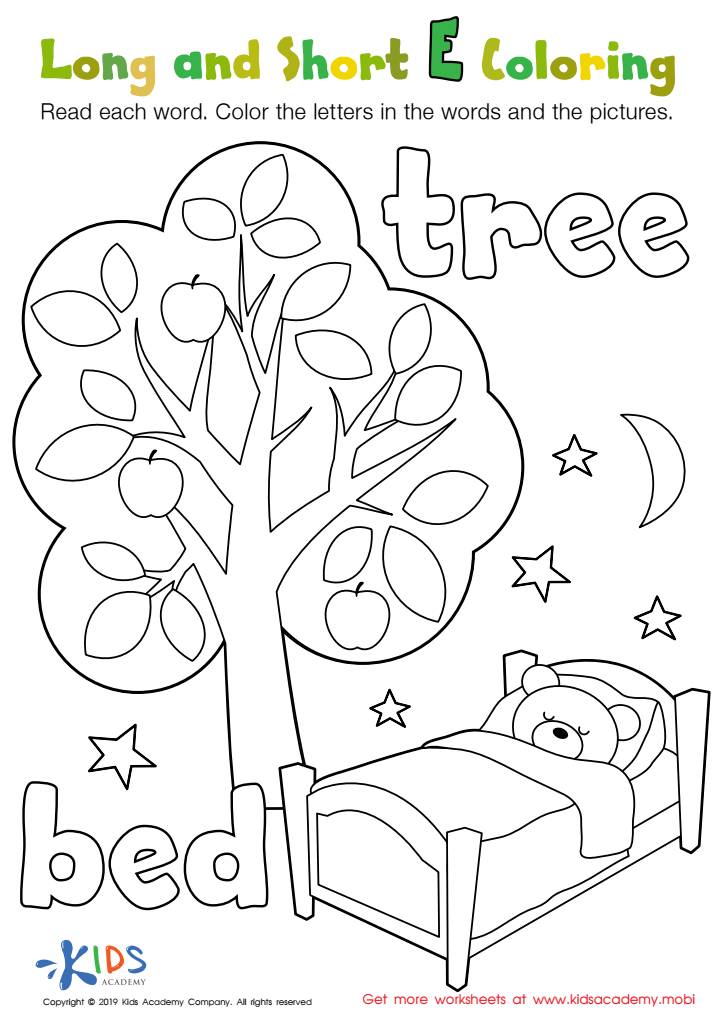
Long and Short E Worksheet
 Assign to My Students
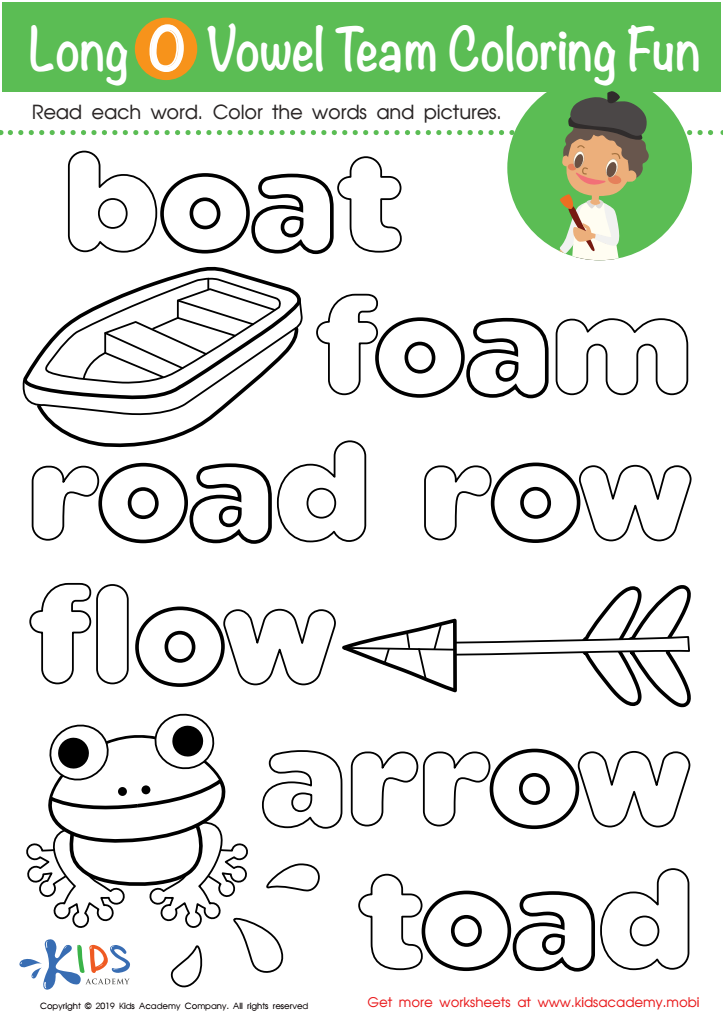
Long O Vowel Team Coloring Worksheet
Assign to My Students
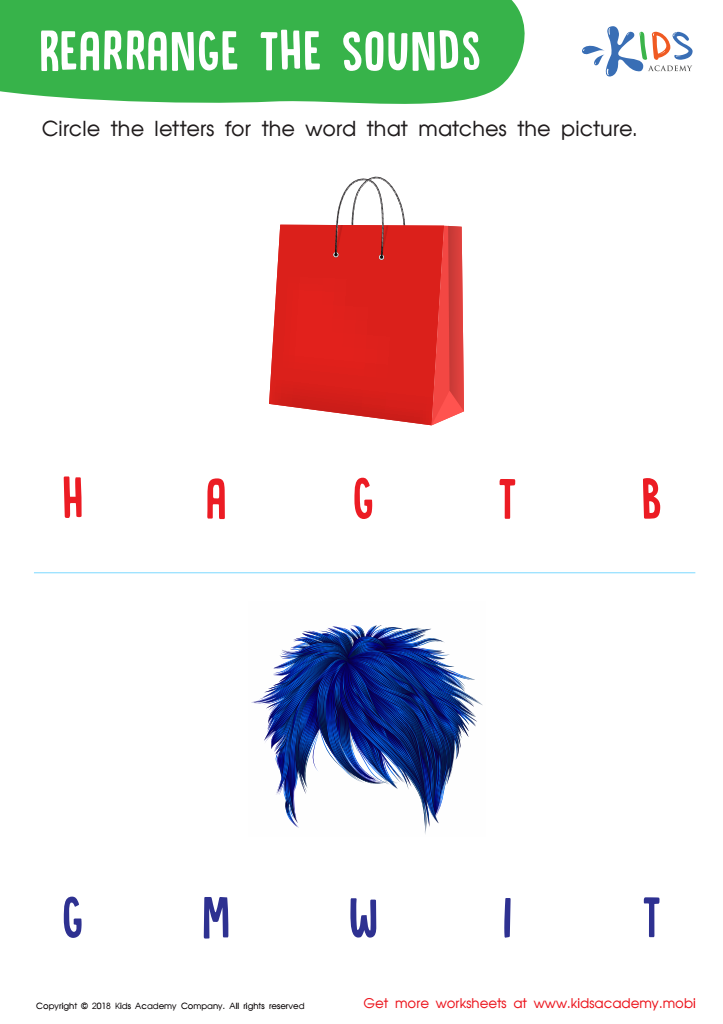
Rearrange the Sounds Worksheet
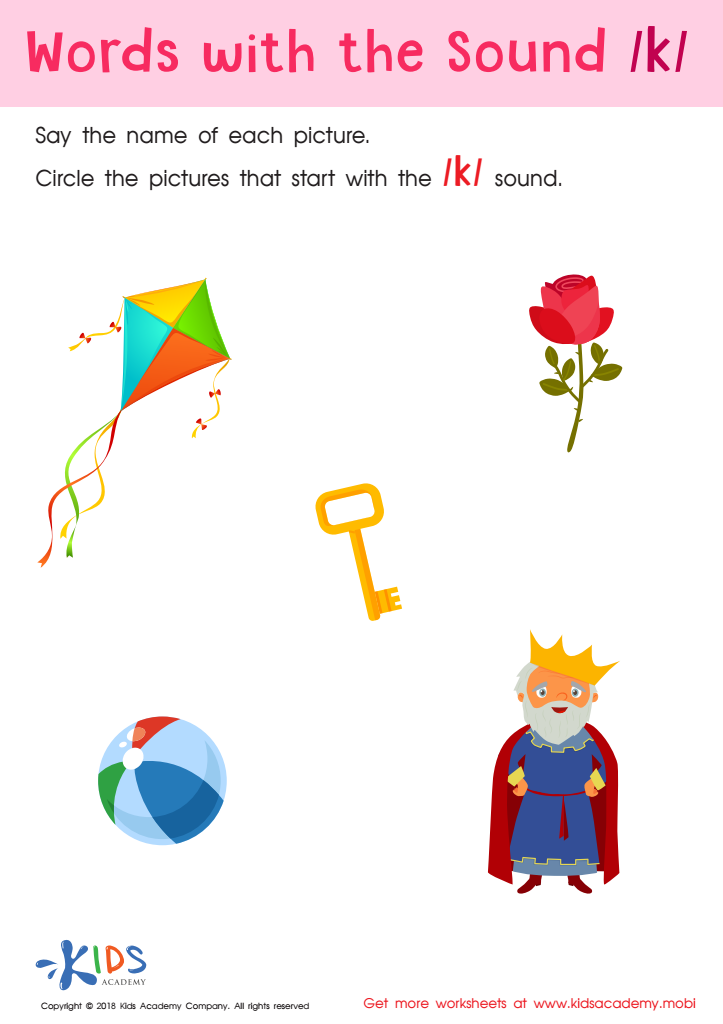
Words with sound k Reading Worksheet








Phonics skills are crucial for children aged 3-9 as they form the foundational building blocks for reading and writing. This early literacy skill involves understanding the relationships between letters and sounds, enabling children to decode words, which is essential for successful reading.
Parents and teachers should care about phonics development because children who possess solid phonics skills tend to be more confident readers and demonstrate greater academic success. As reading proficiency develops, so does overall communication and cognitive skills, which are crucial for learning in all subjects. Early exposure to phonics also minimizes the risk of reading difficulties later on, setting children up for lifelong literacy and learning.
Moreover, phonics instruction can foster children’s love for reading by making the learning process engaging and accessible. Activities that incorporate games, songs, and interactive storytelling can enhance phonics skills, promoting a positive learning environment.
Finally, ongoing parental involvement is vital; by understanding phonics, parents can actively support their children’s literacy journeys at home. Overall, a strong foundation in phonics is indispensable, making it essential for parents and educators to prioritize its development during these formative years.








