Problem-Solving Skills Normal Addition & Subtraction Worksheets for Ages 3-9 - Page 2
33 filtered results
-
From - To
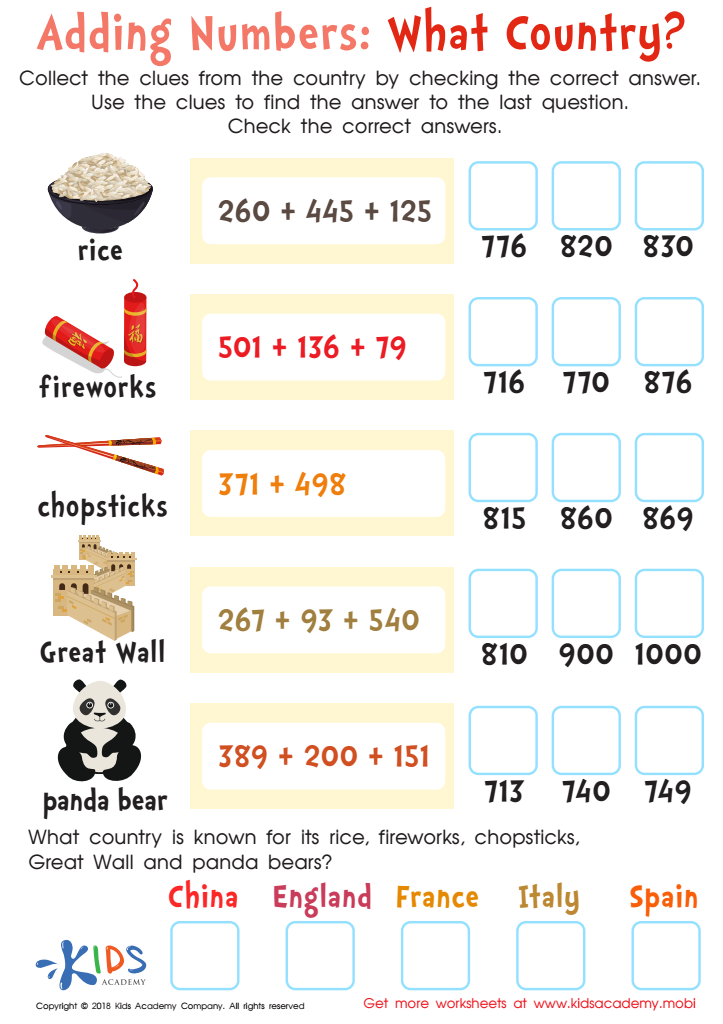
Adding Numbers: What Country Worksheet
 Assign to My Students
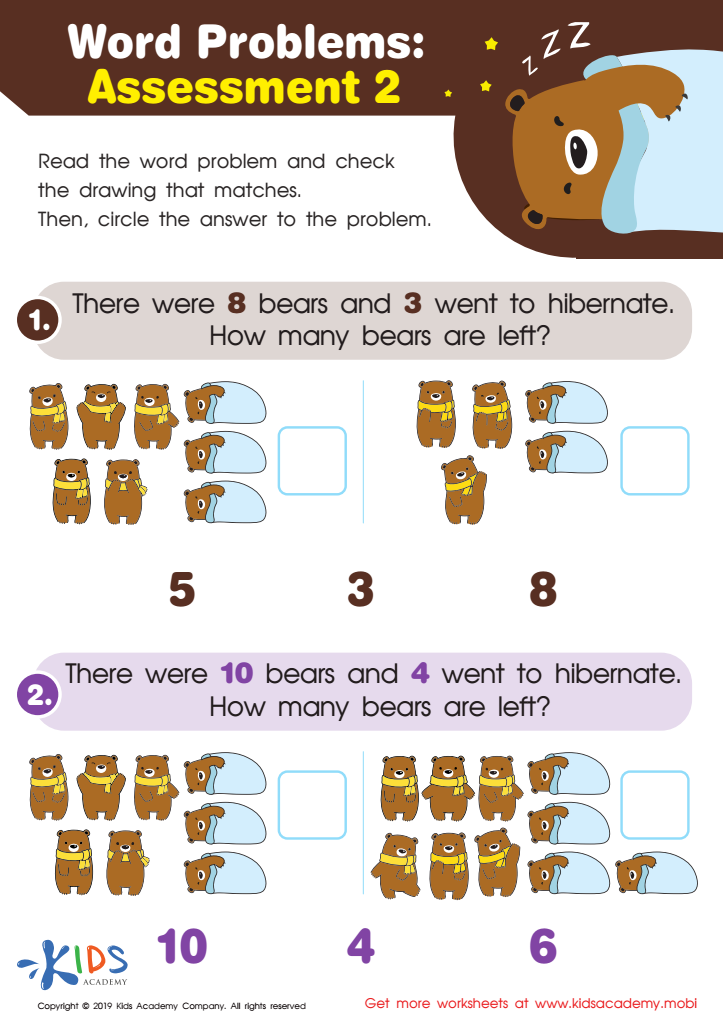
Word Problems: Assessment 2 Worksheet
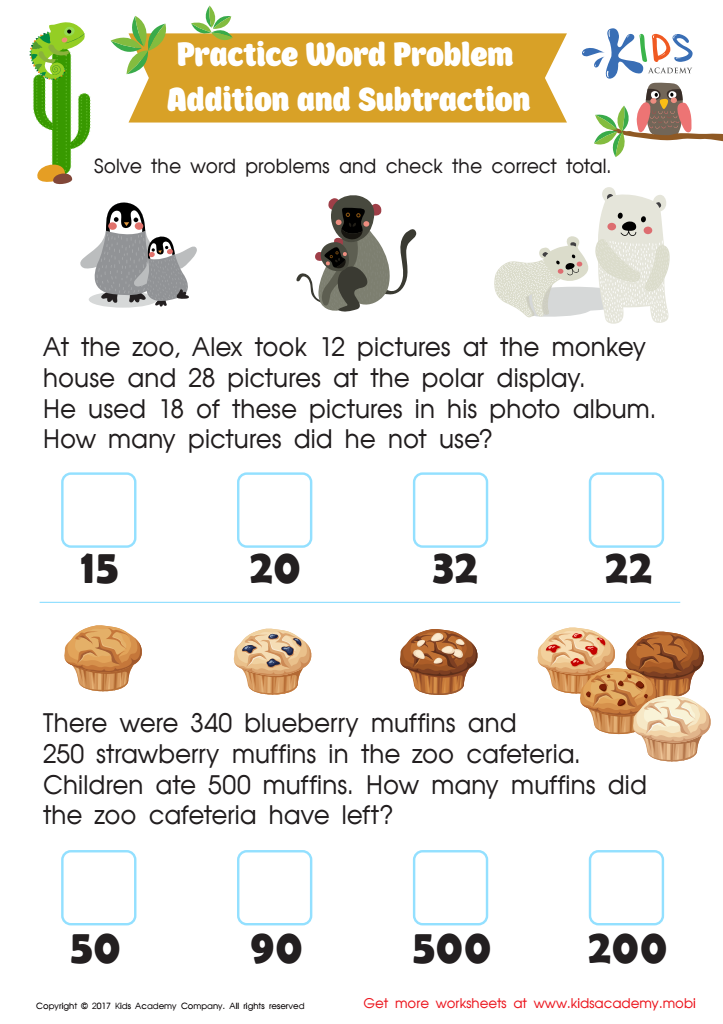
Addition and Subtraction: Word Problems Worksheet
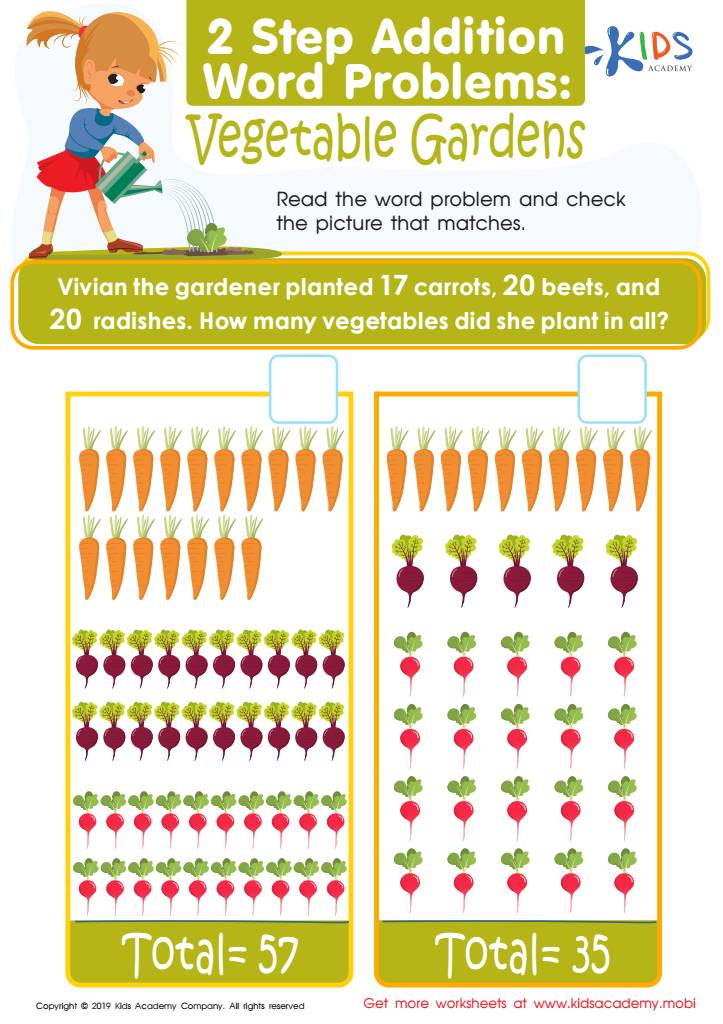
Vegetable Gardens Worksheet
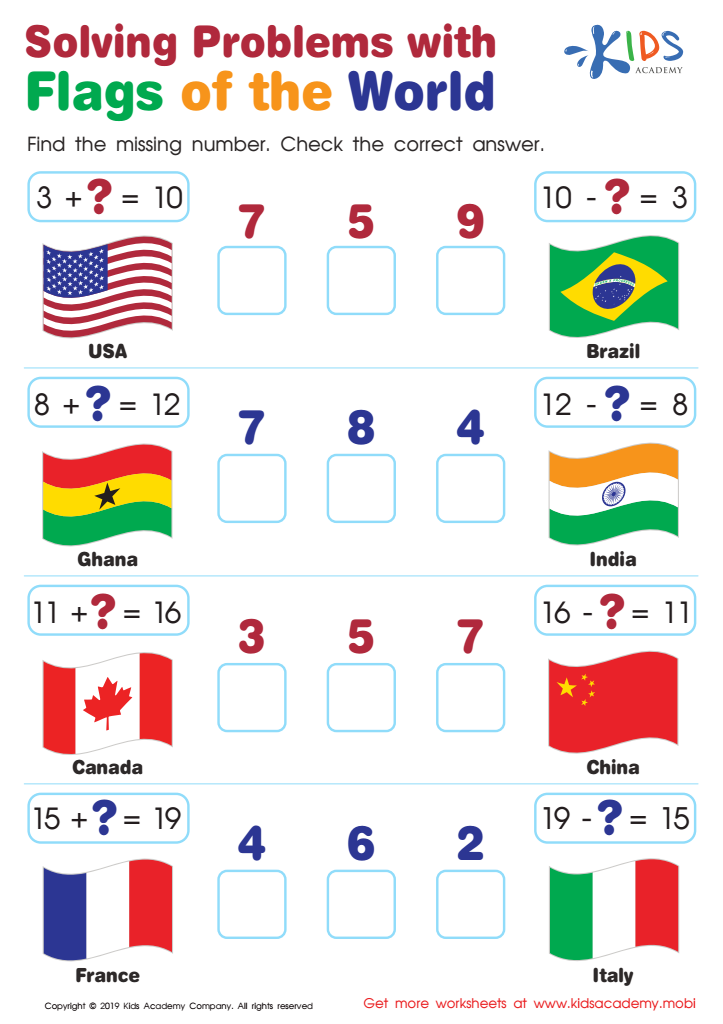
Solving Problems with Flags of the World Worksheet
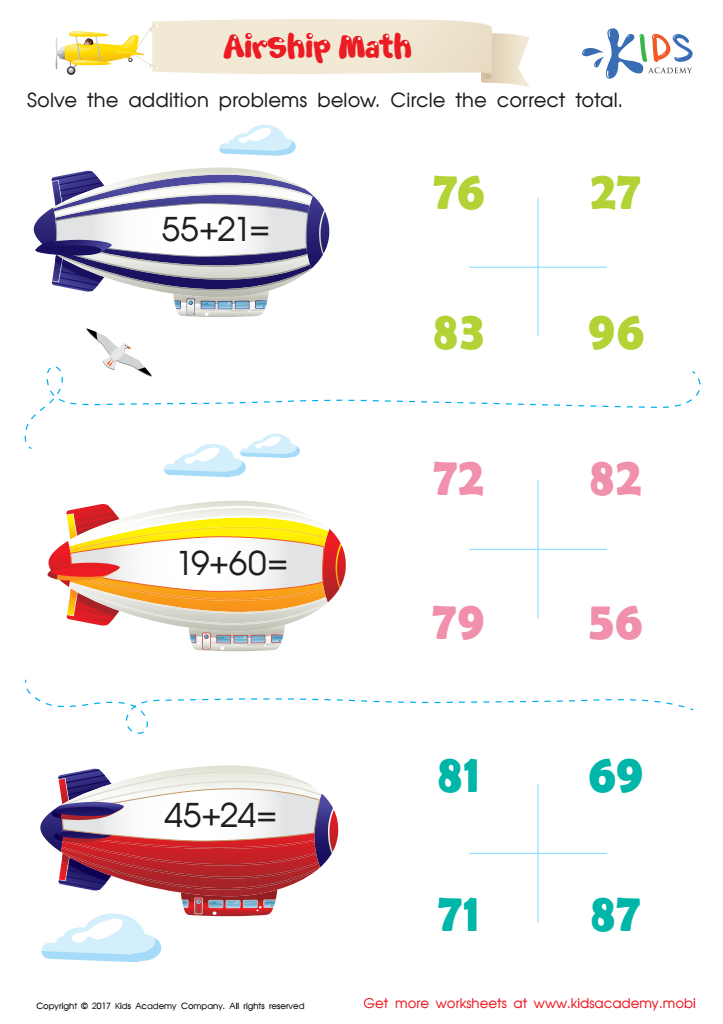
Airship Math Addition Printable
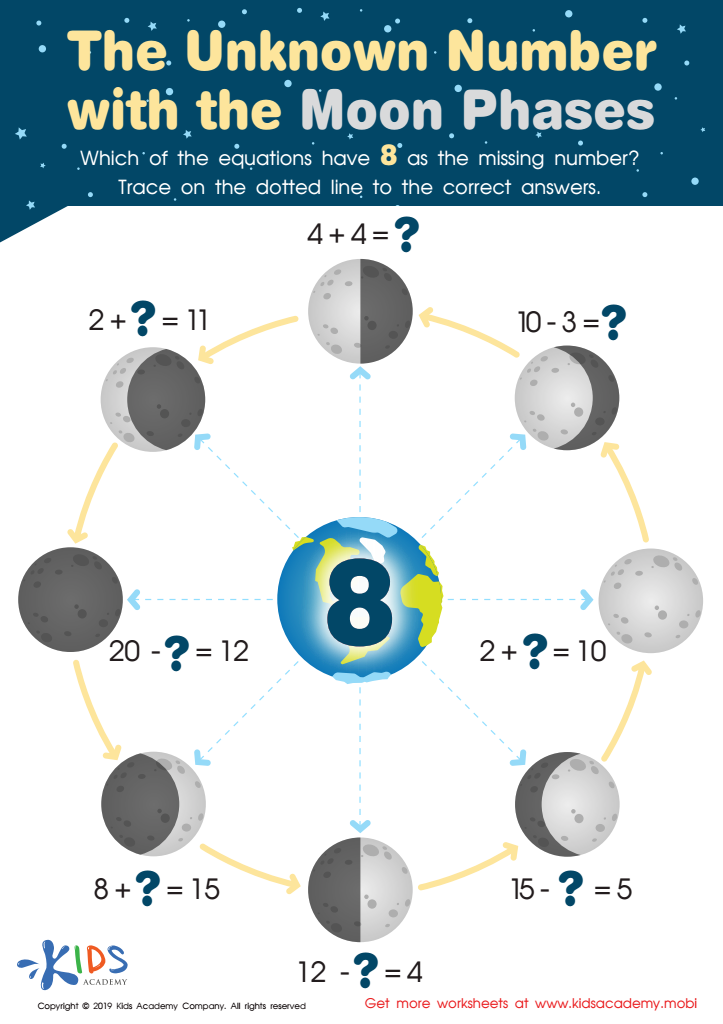
The Unknown Number with the Moon Phases Worksheet
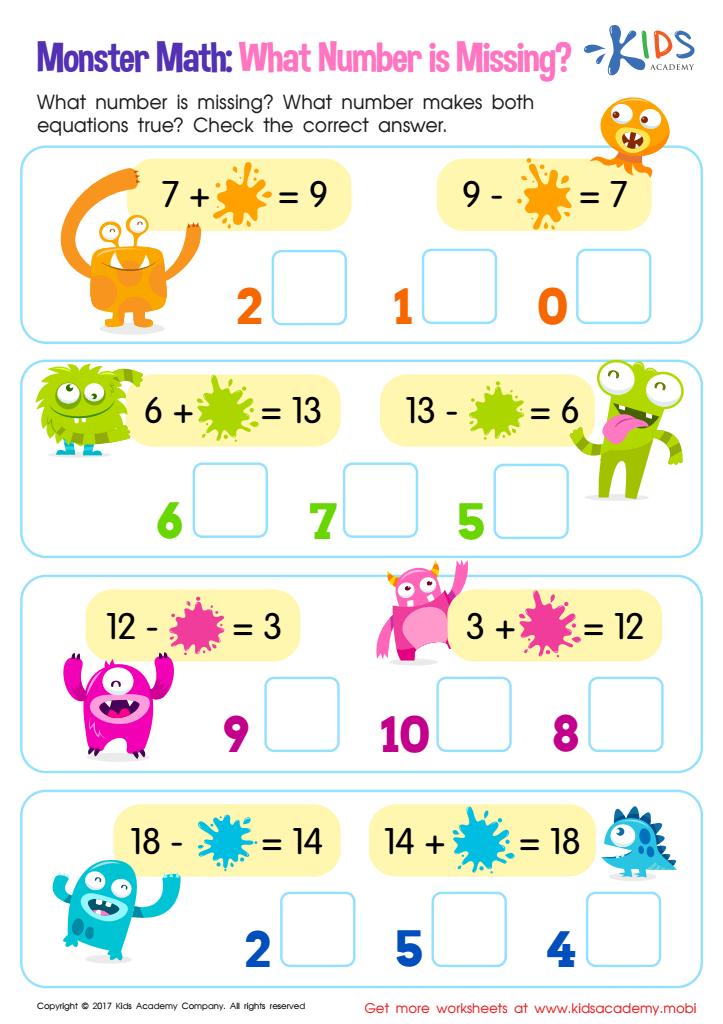
Missing Number: Monster Math Worksheet
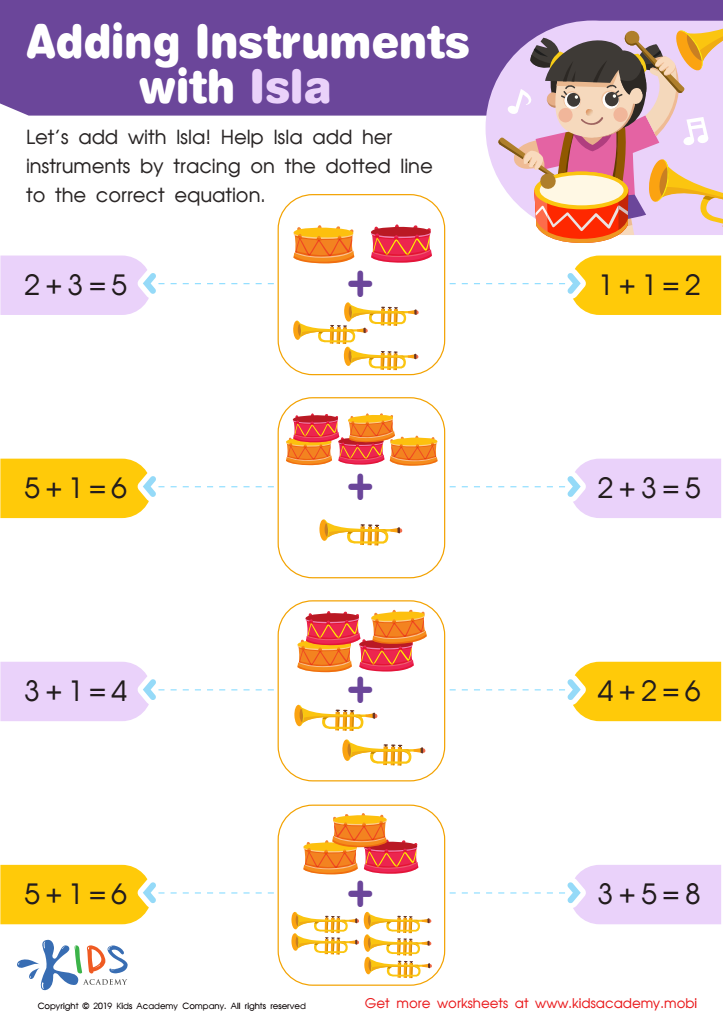
Adding Instruments with Isla Worksheet








Problem-solving skills in normal addition and subtraction for children aged 3-9 are crucial for their overall development and academic success. These foundational math skills not only help children understand basic arithmetic but also foster critical thinking and reasoning abilities. When children engage in problem-solving activities, they learn to analyze situations, identify patterns, and devise strategies to overcome challenges. These skills are transferable and encourage persistence, resilience, and resourcefulness in all areas of life.
For parents and teachers, cultivating these skills early on builds a solid base for future math learning. Young children are naturally curious and eager to explore; by integrating problem-solving exercises into their routine, we can harness this curiosity and transform it into a love for learning. This skill set not only boosts confidence in mathematics but is essential in fostering a positive attitude towards complex challenges they may encounter in the future.
Moreover, early exposure to these concepts enhances cognitive development, allowing children to grasp more advanced mathematical ideas later on. Ultimately, investing time and resources into problem-solving for arithmetic creates lifelong learners who are better equipped to tackle real-world problems with enthusiasm and creativity.








