Cognitive Development Normal Geometry Worksheets for Ages 3-9
8 filtered results
-
From - To
Discover our engaging Cognitive Development Normal Geometry Worksheets, thoughtfully designed for children aged 3-9! These worksheets promote essential cognitive skills through fun and interactive geometry activities. Built to enhance spatial awareness and critical thinking, our resources target various learning styles, making math enjoyable and accessible for young learners. From basic shapes to more complex spatial concepts, these worksheets foster problem-solving abilities and encourage early mathematical reasoning. Ideal for home or classroom use, our materials provide a solid foundation for lifelong learning. Enhance your child’s cognitive development with our comprehensive geometric exercises today and lay the groundwork for future success!
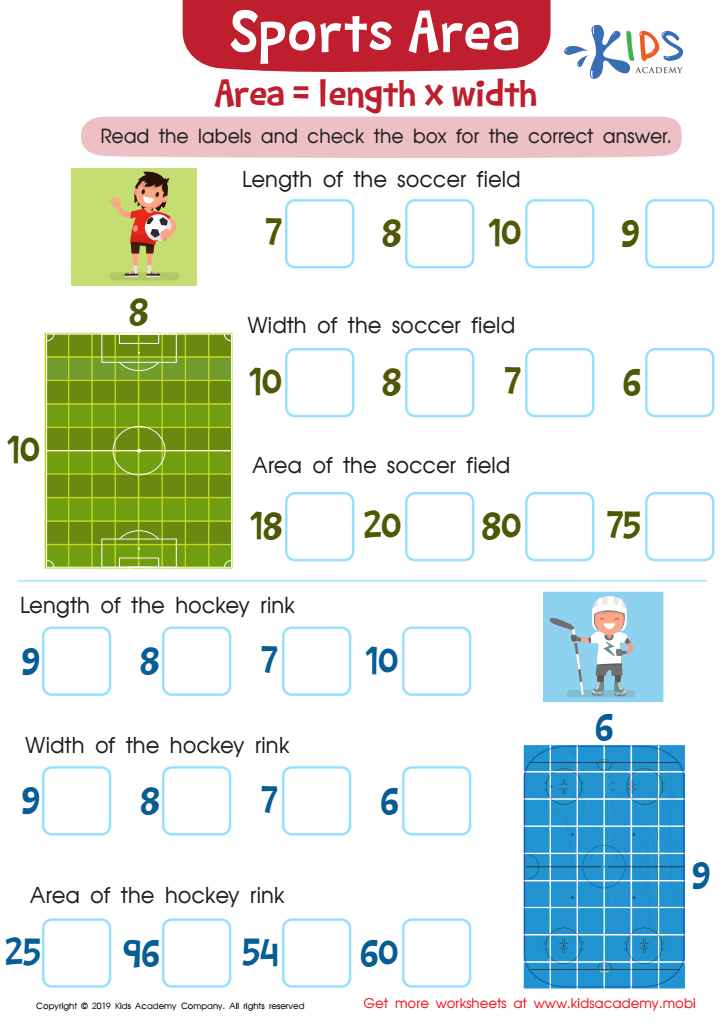
Sports Area Worksheet
 Assign to My Students











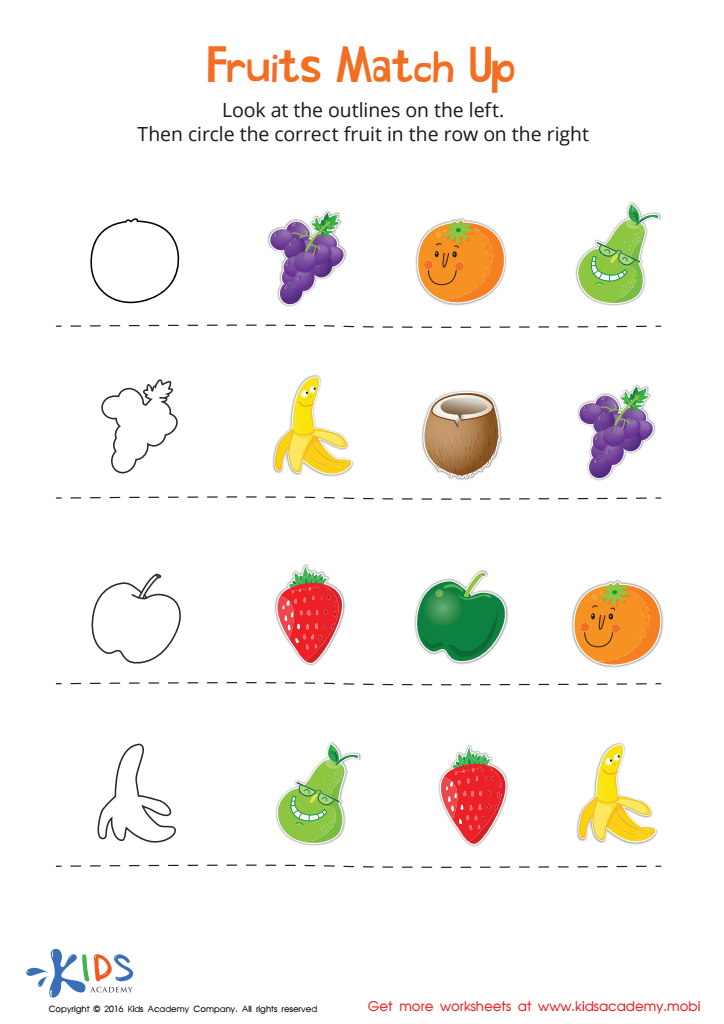
Fruits Match Up Worksheet
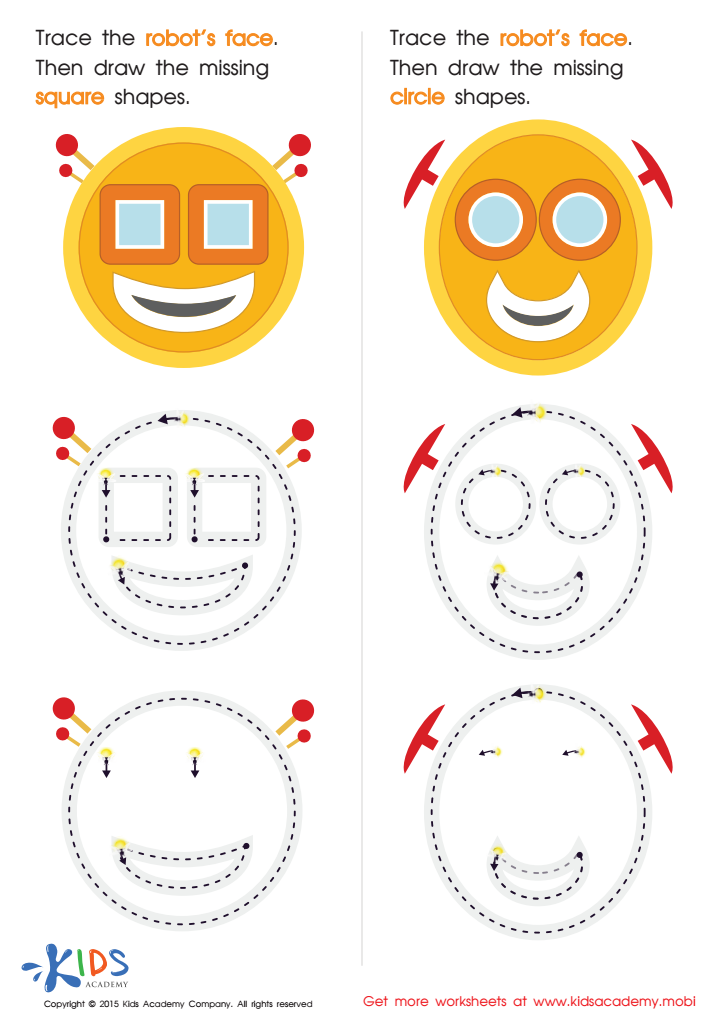
Practicing to Draw Circles And Squares Printable
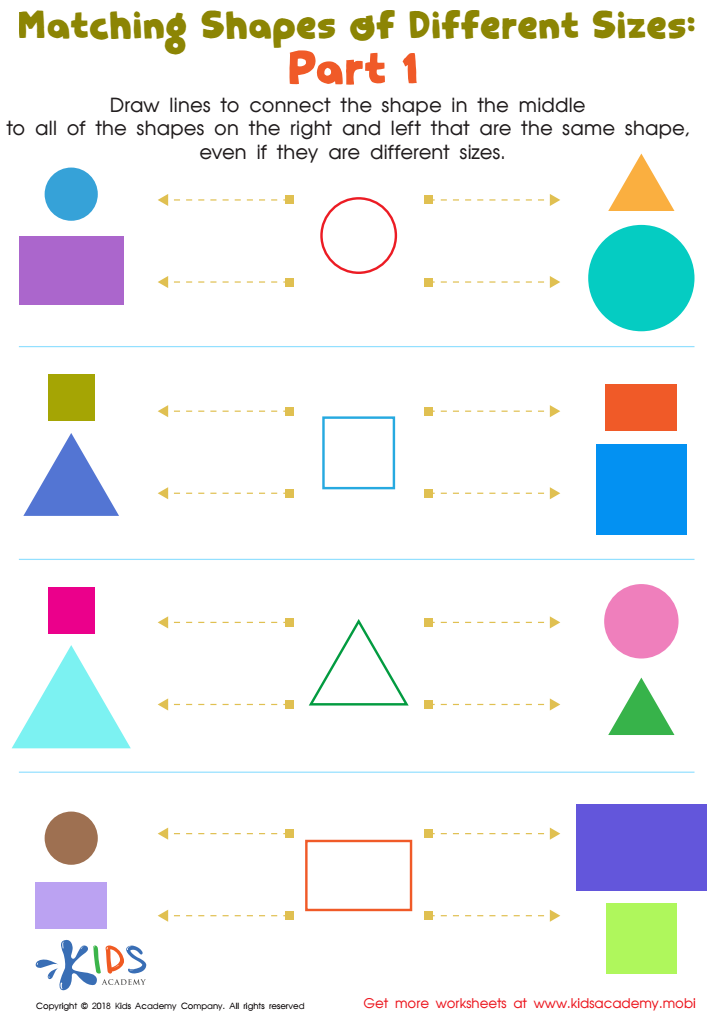
Geometry: part 1 Worksheet
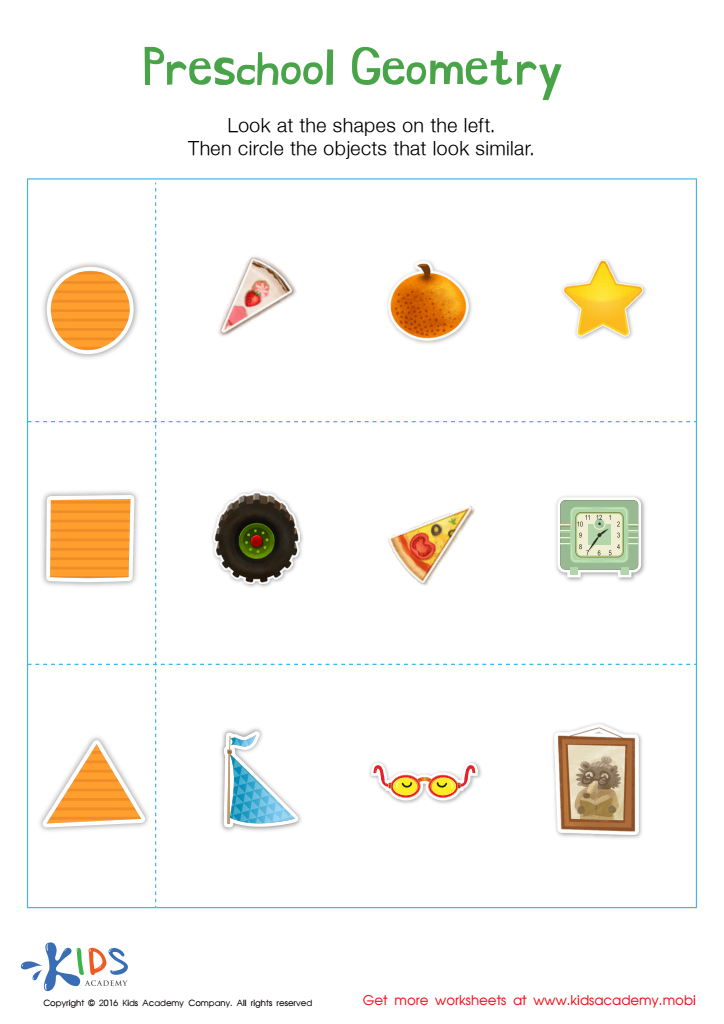
Preschool Geometry Match Up Worksheet
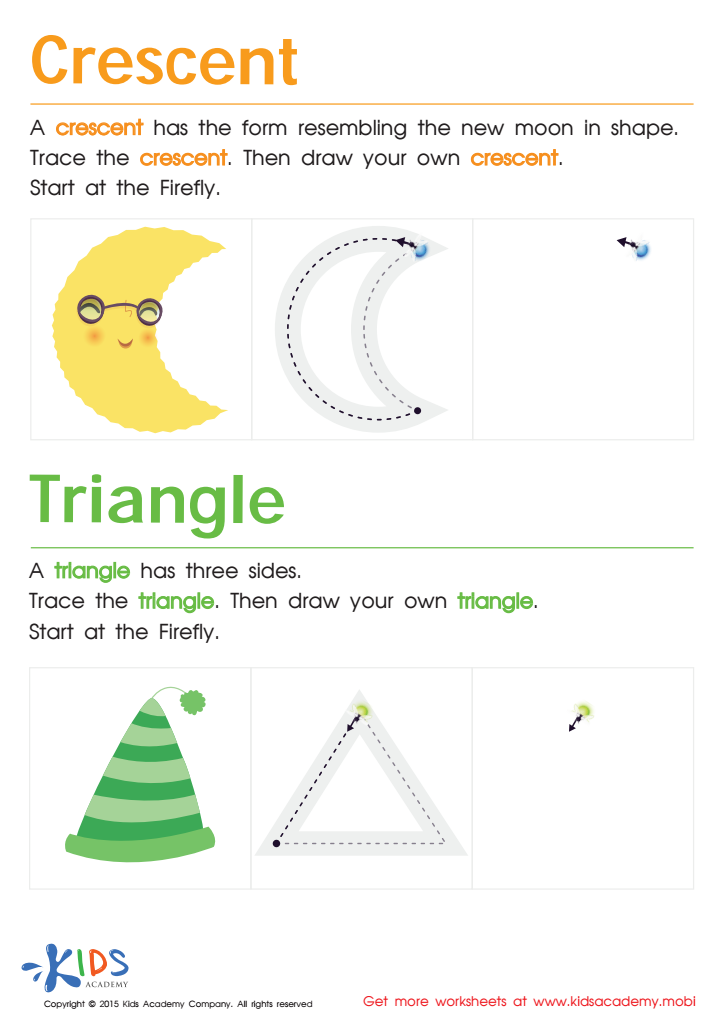
Learning to Draw Crescents And Triangles Worksheet
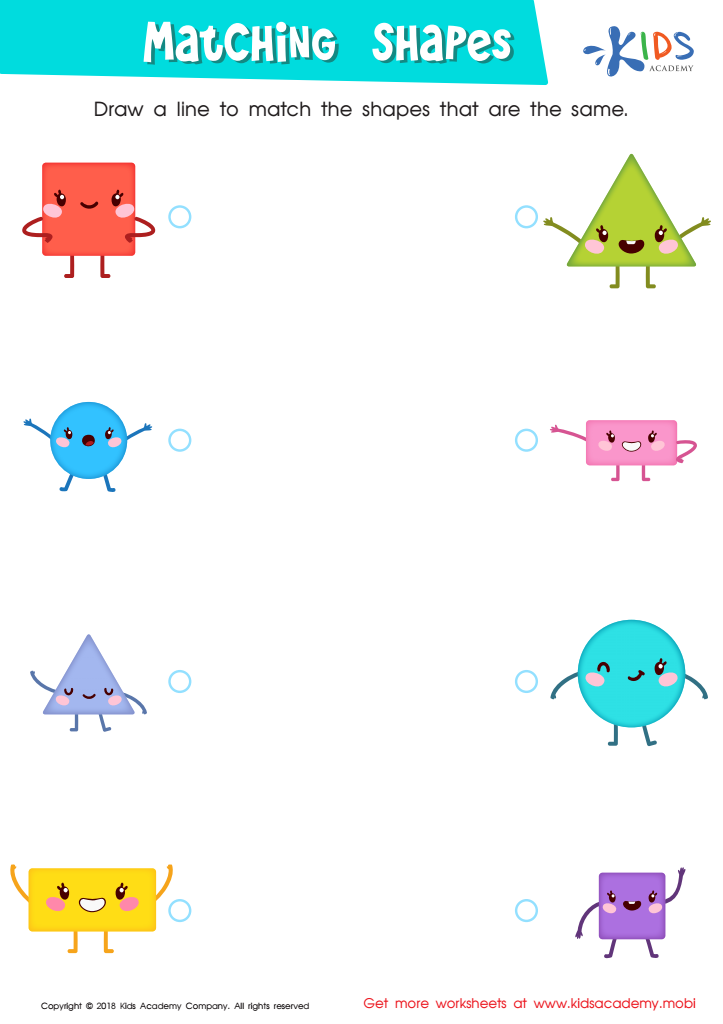
Matching Shapes Worksheet
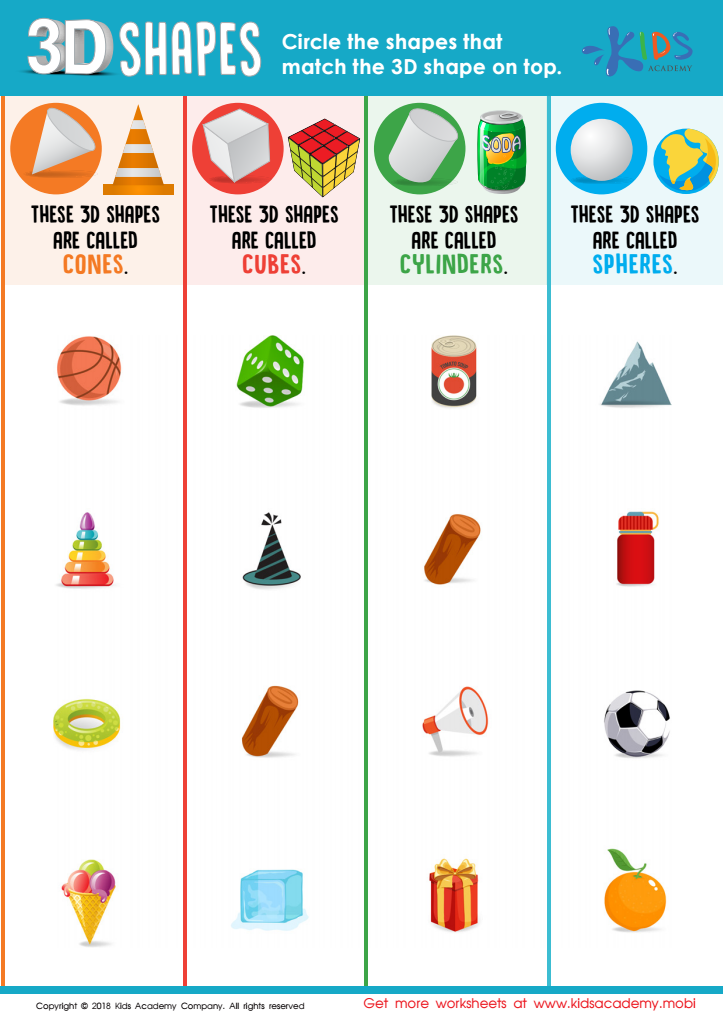
3D Shapes Worksheet








Cognitive development in early childhood, particularly concerning geometry, plays a crucial role in laying the foundation for future learning and academic success. For children aged 3 to 9, understanding basic geometric concepts such as shapes, sizes, spatial relationships, and patterns enhances their critical thinking and problem-solving skills. This stage is pivotal, as it is when children begin to observe, explore, and make sense of the world around them through play and interaction.
Teachers and parents should care about this aspect of cognitive development because a solid grasp of geometry not only supports mathematical outcomes but also enriches children’s creativity and spatial awareness, essential for free play and artistic expressions. Engaging with geometric concepts helps build analytical skills and boosts confidence in tackling more complex tasks in later grades.
Furthermore, early exposure to geometry helps promote a positive attitude towards mathematics, encouraging continuous engagement and reducing anxiety often associated with math. Fostering an interest in geometric concepts comes with added benefits, such as improved language skills through describing shapes and positions.
Ultimately, investing in the cognitive development of geometric understanding during these formative years paves the way for a well-rounded educational experience that prepares children for lifelong learning.








