Number Recognition Normal Math Worksheets for Ages 3-9 - Page 2
119 filtered results
-
From - To
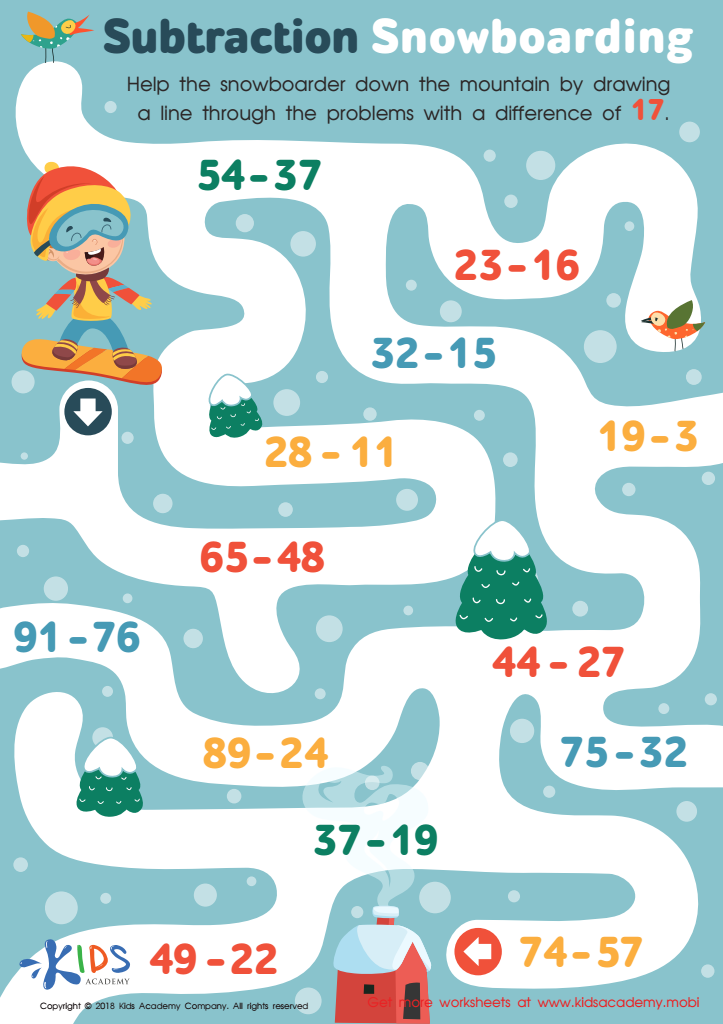
Subtraction Snowboarding Worksheet
 Assign to My Students
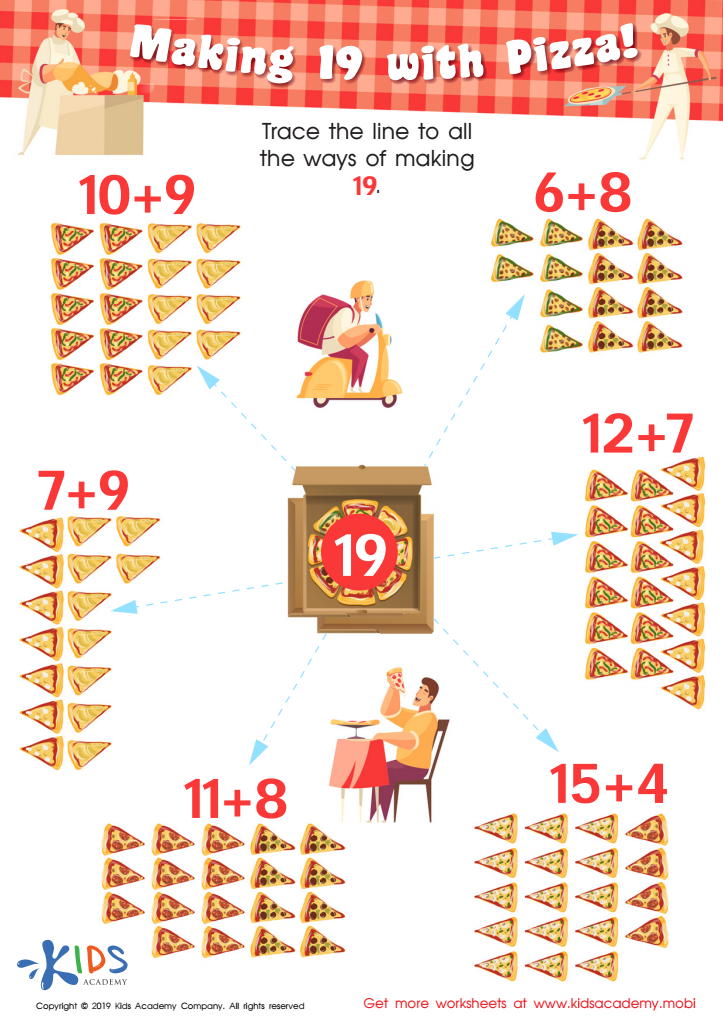
Making 19 with Pizza! Worksheet
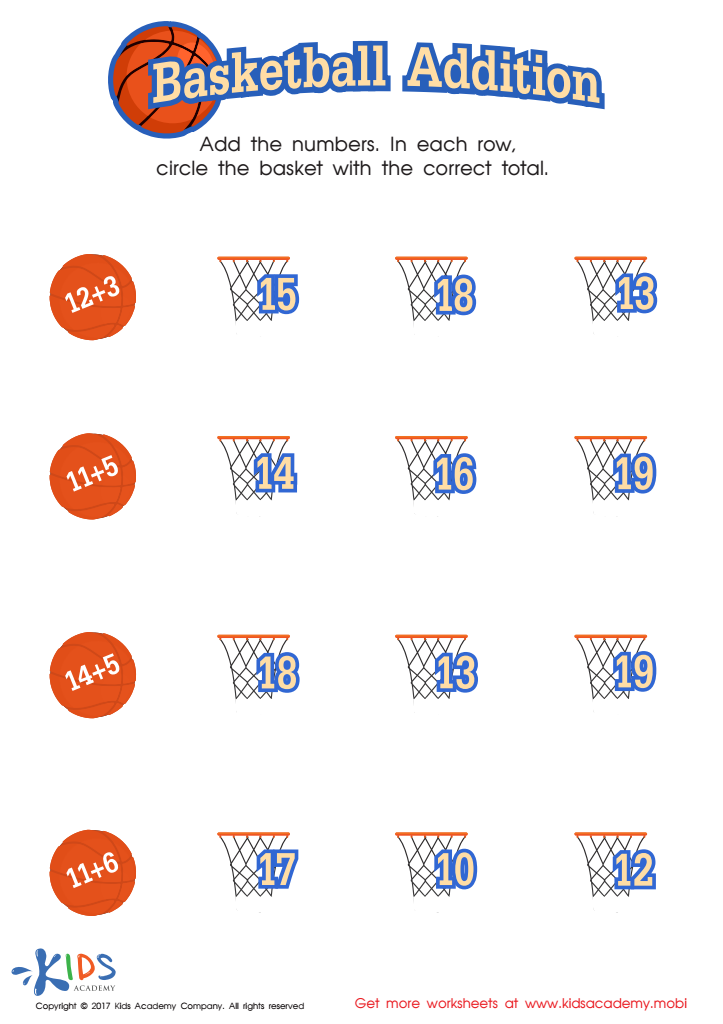
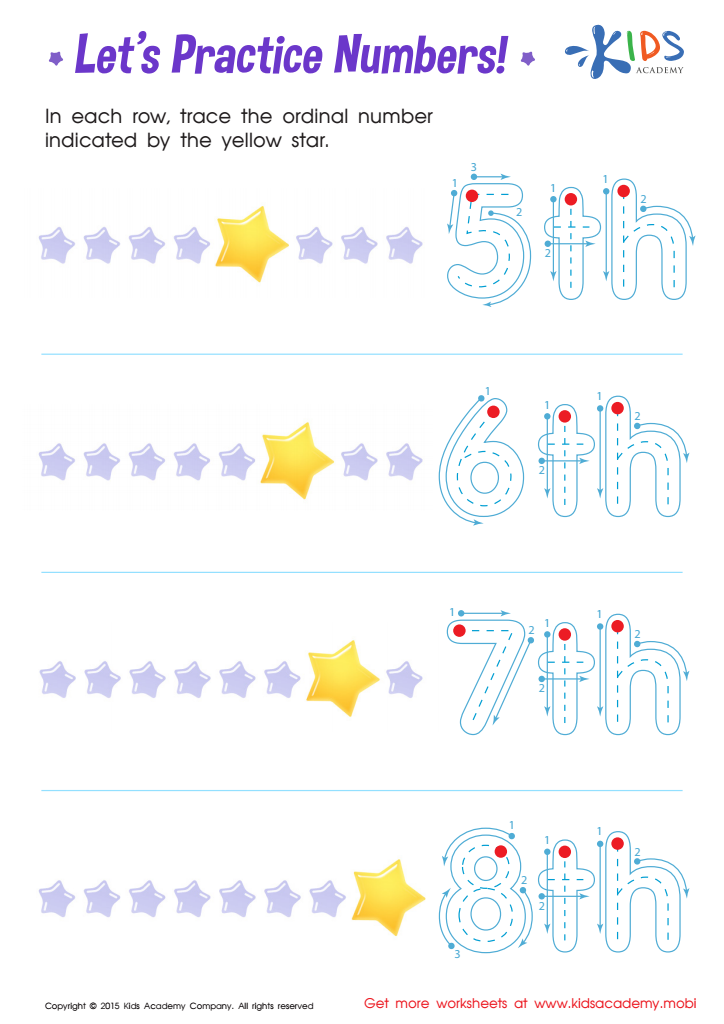
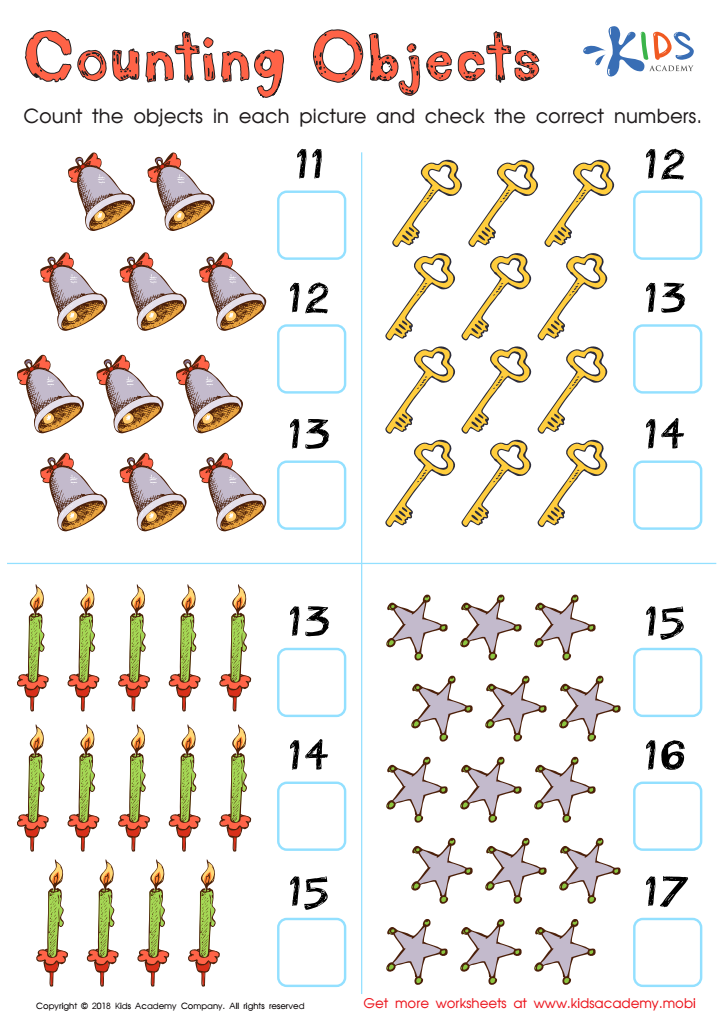
Counting Numbers Worksheet For Kindergarten
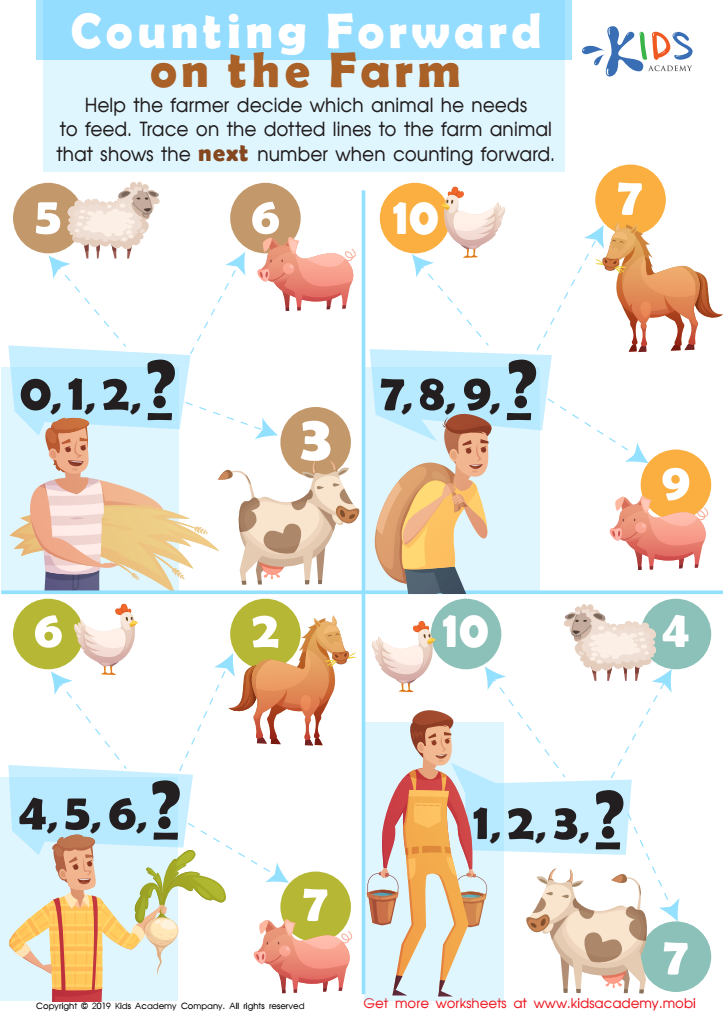
Counting Forward On the Farm Worksheet
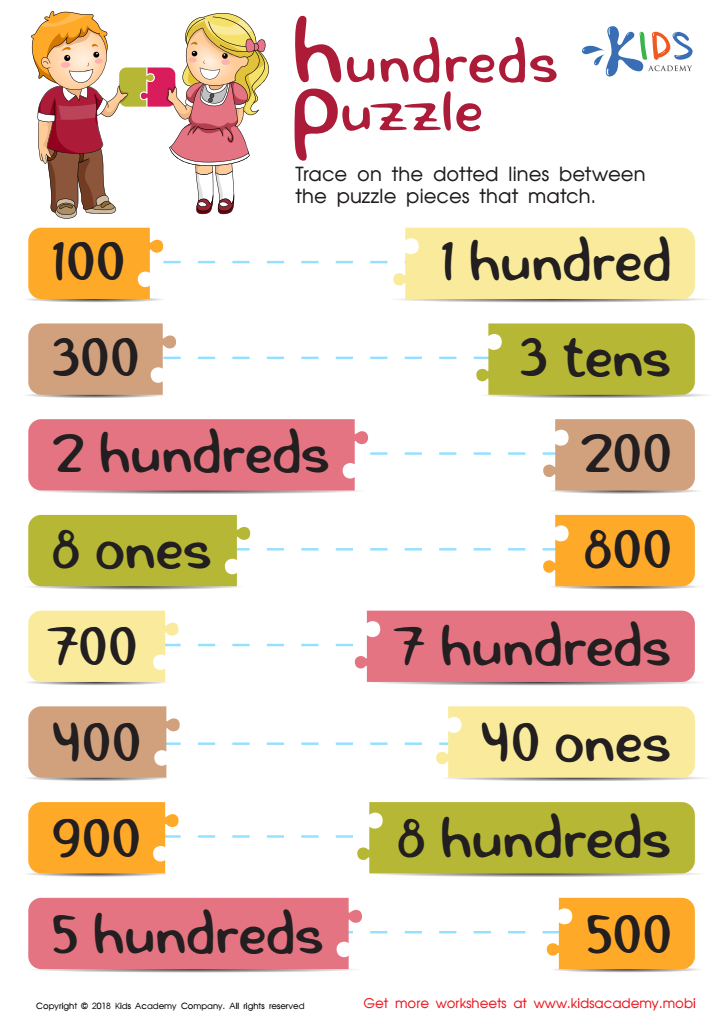
Hundreds Puzzle Worksheet
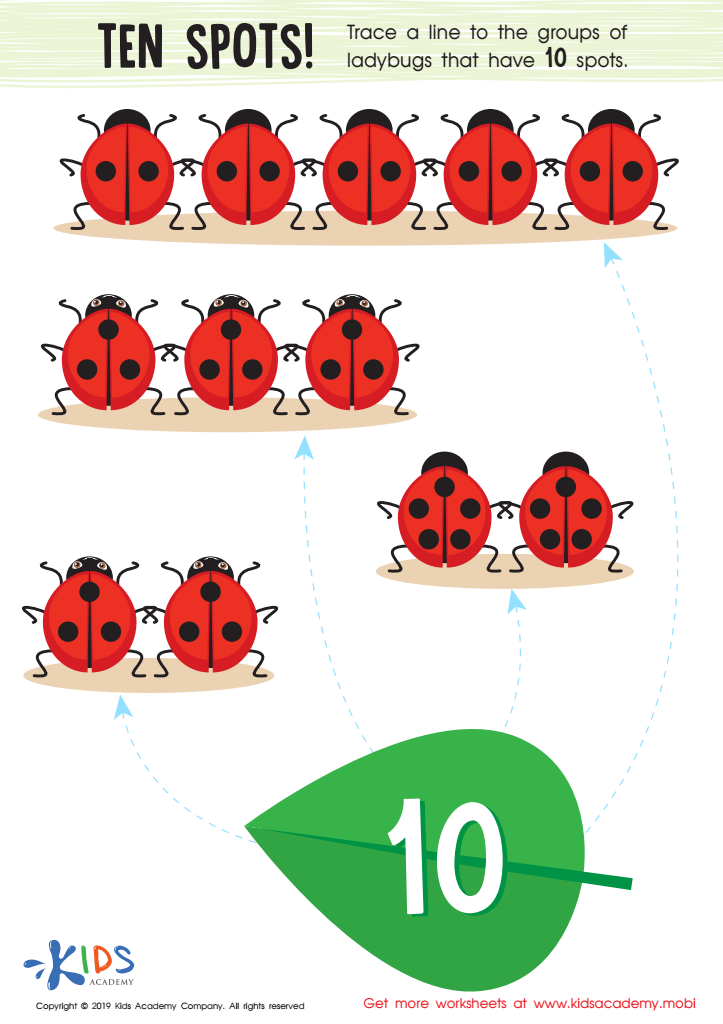
Ten Spots Worksheet
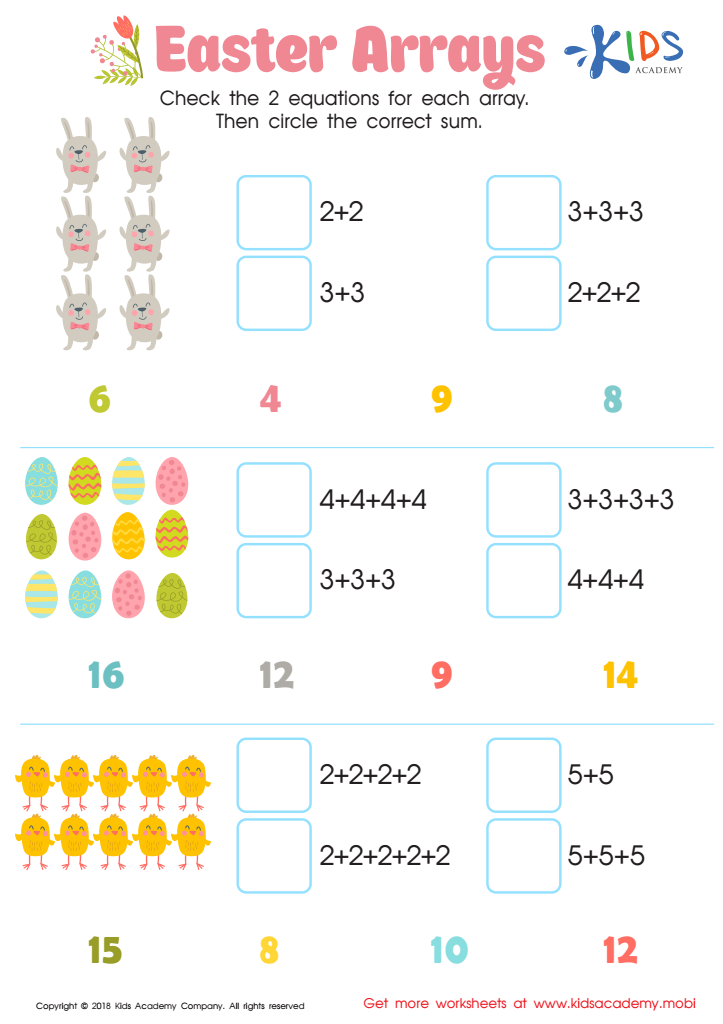
Easter Arrays Worksheet
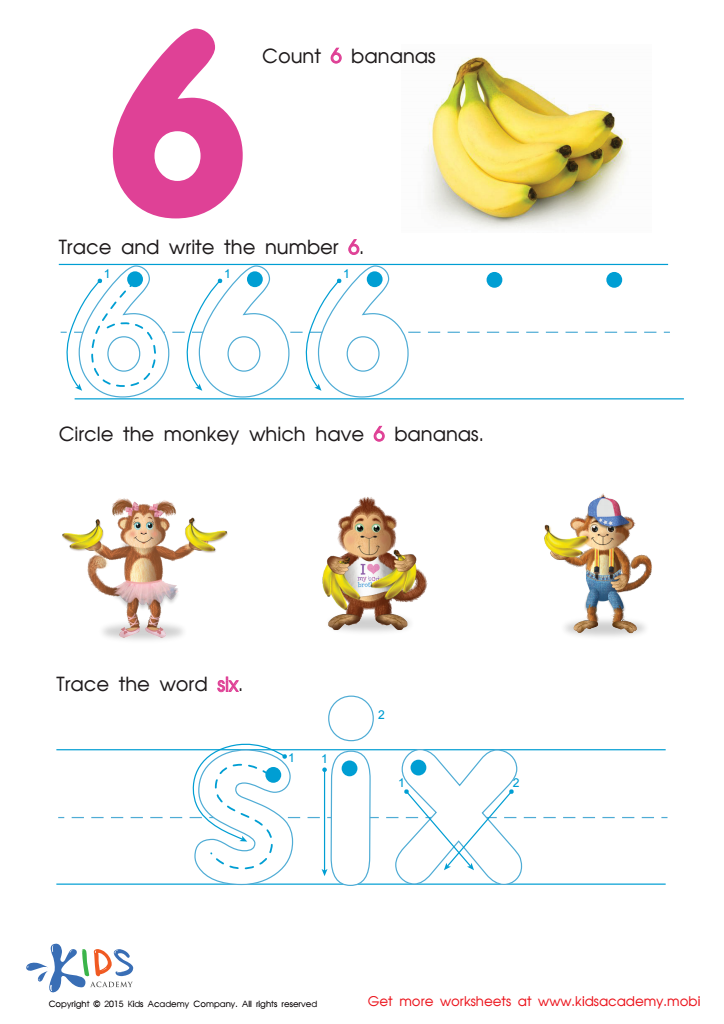
Tracing And Writing Number 6 Worksheet
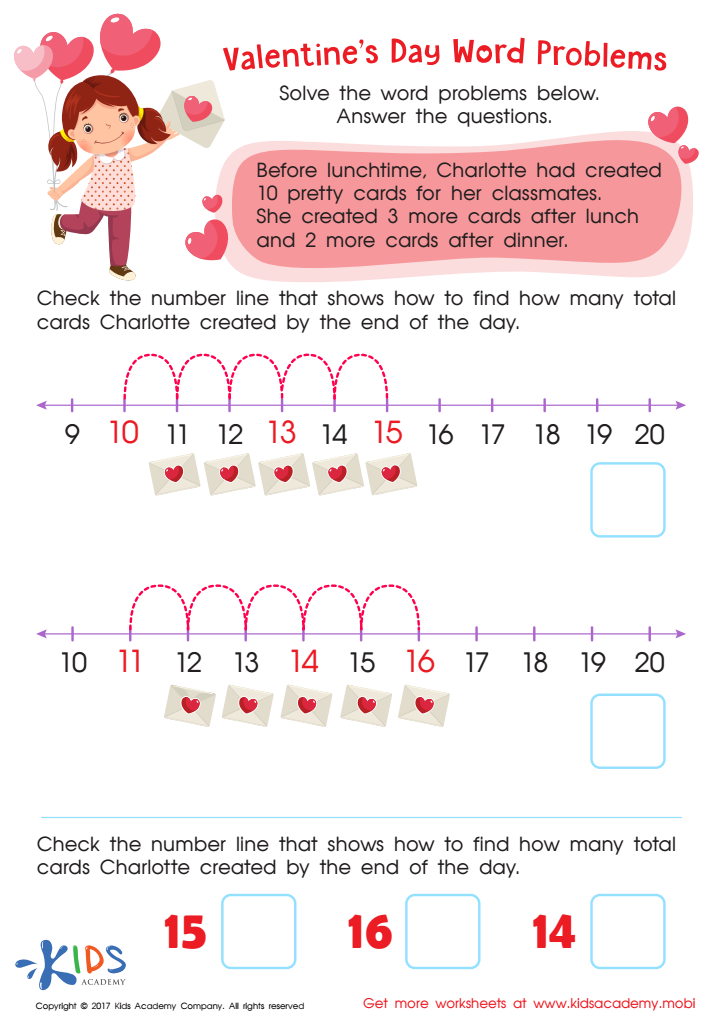
Valentines Day Word Problem Worksheet
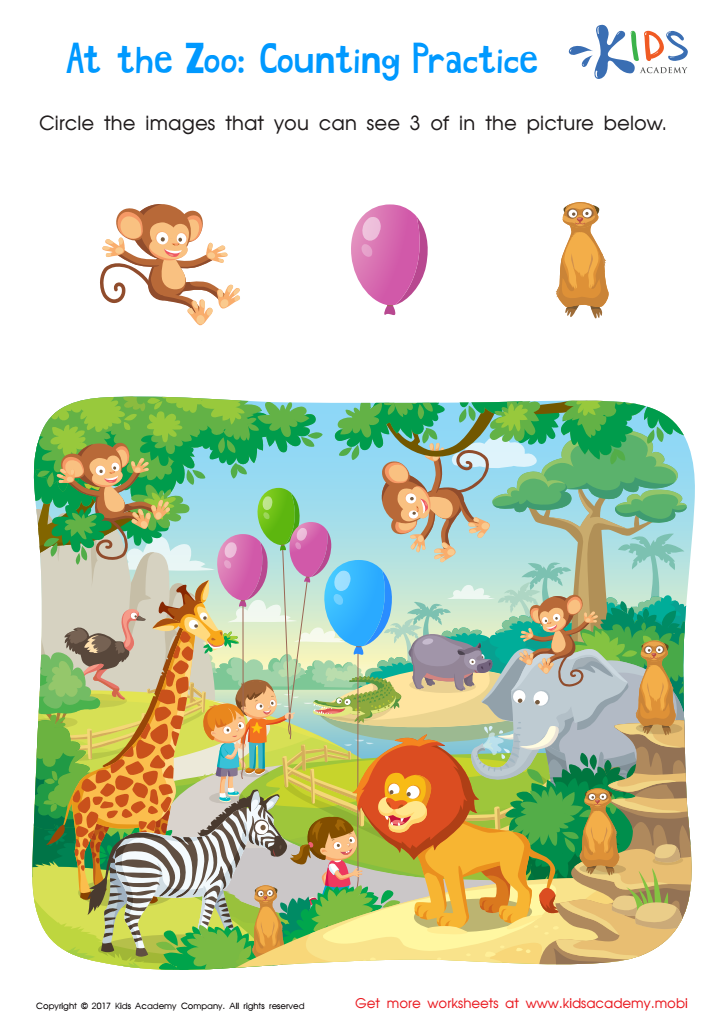
At the Zoo: Counting Practice Worksheet
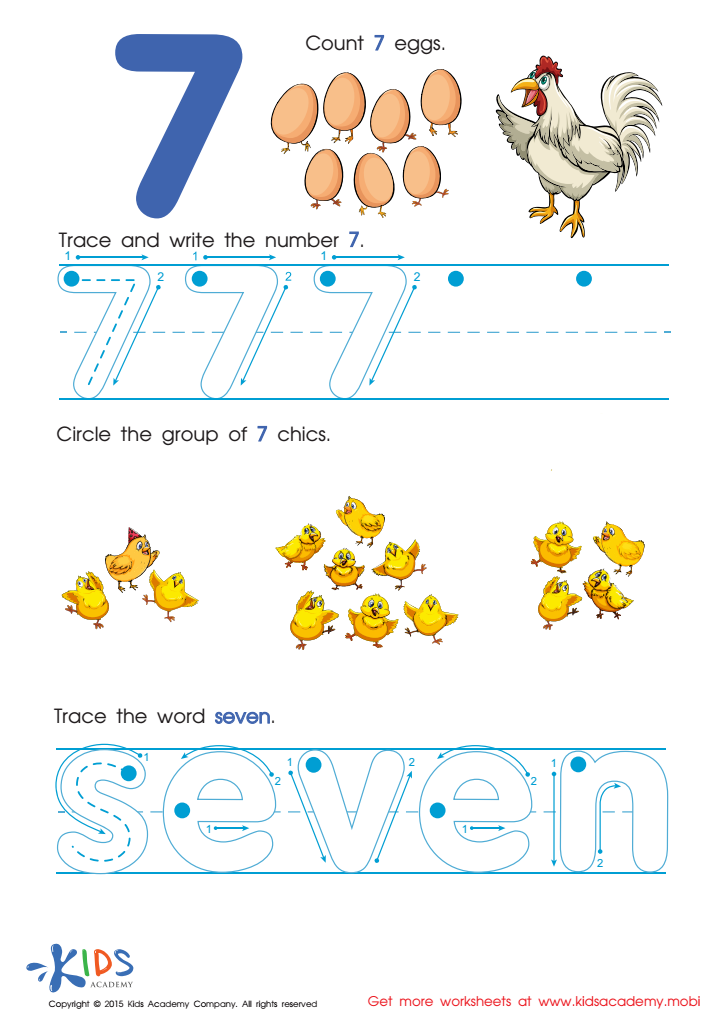
Trace And Write Number 7 with Fun Worksheet
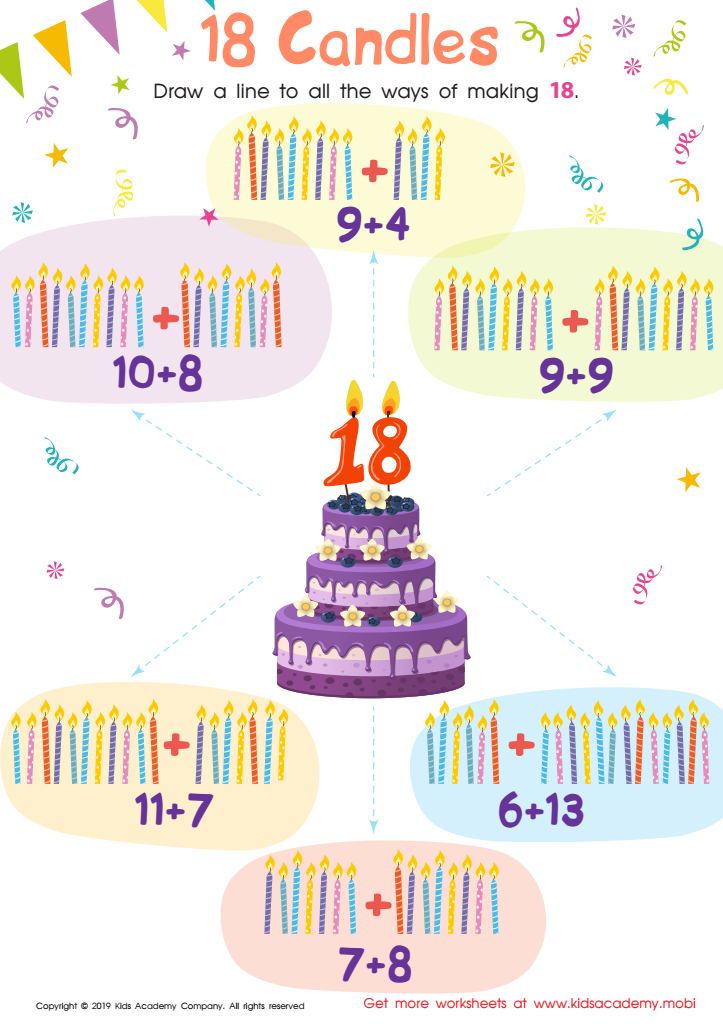
18 Candles Worksheet
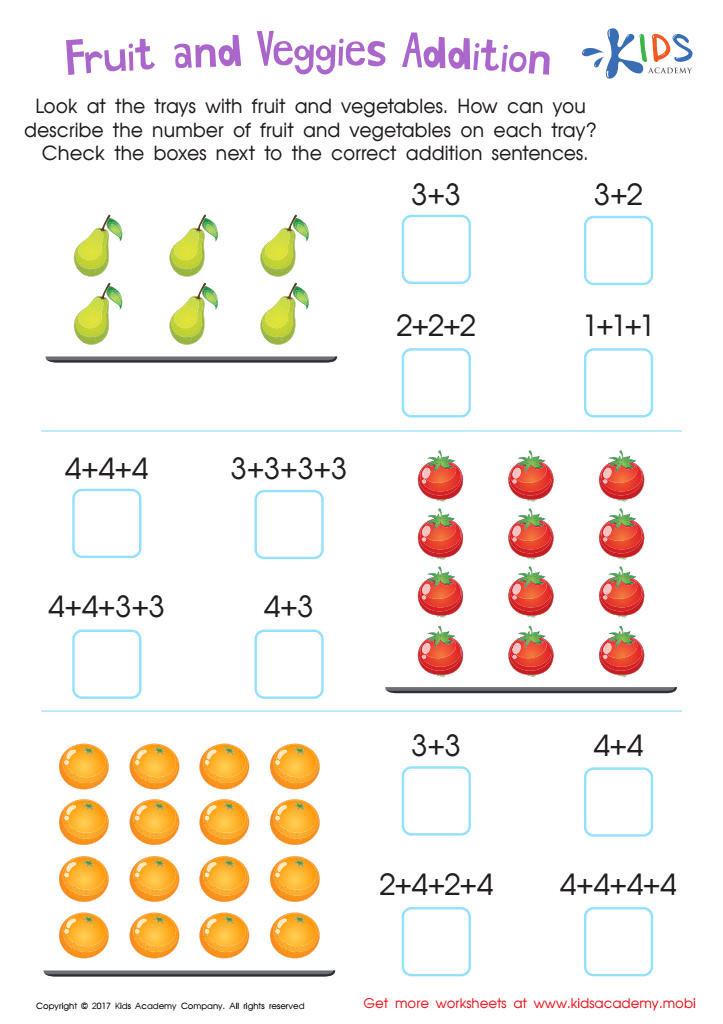
Fruit and Veggies Worksheet
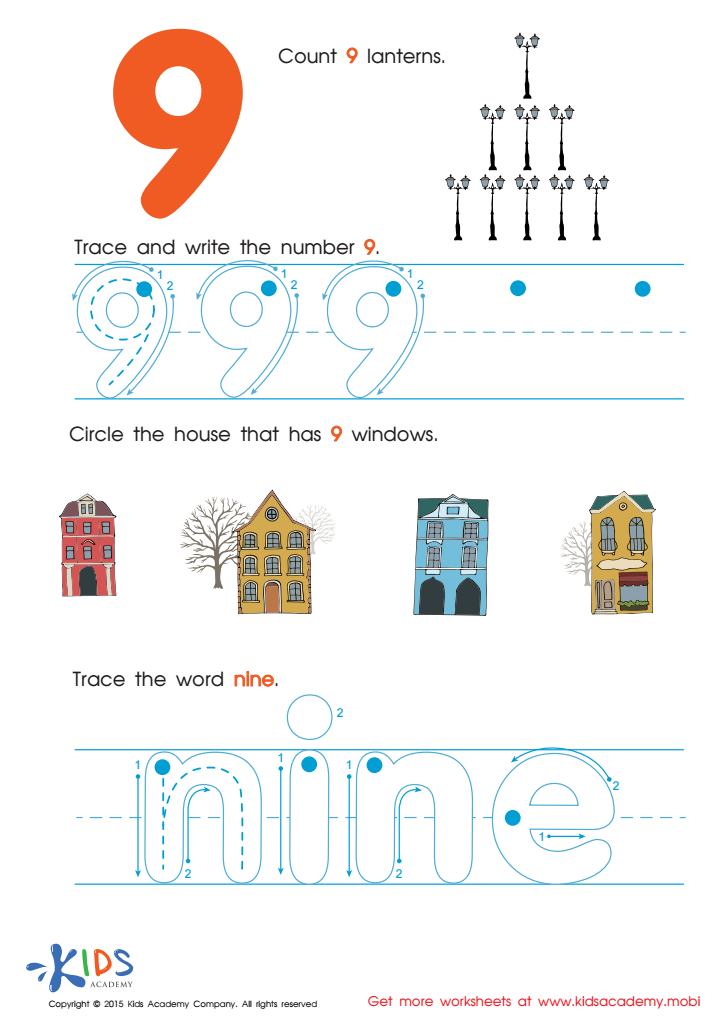
Tracing And Learning to Write Number 9 Worksheet
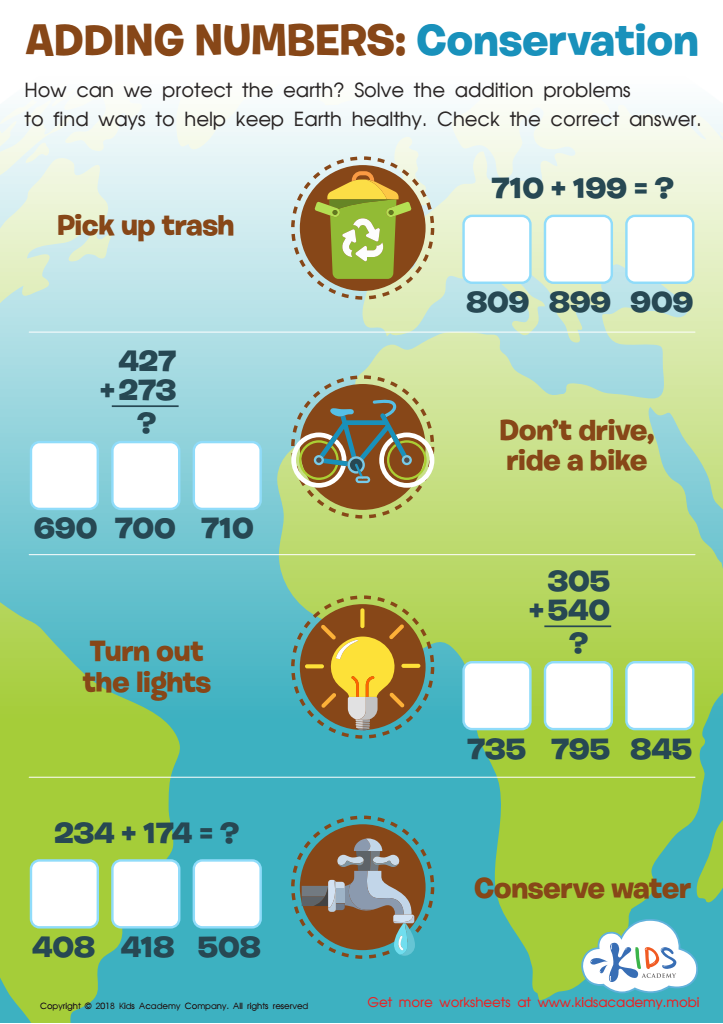
Adding Numbers: Conservation Worksheet
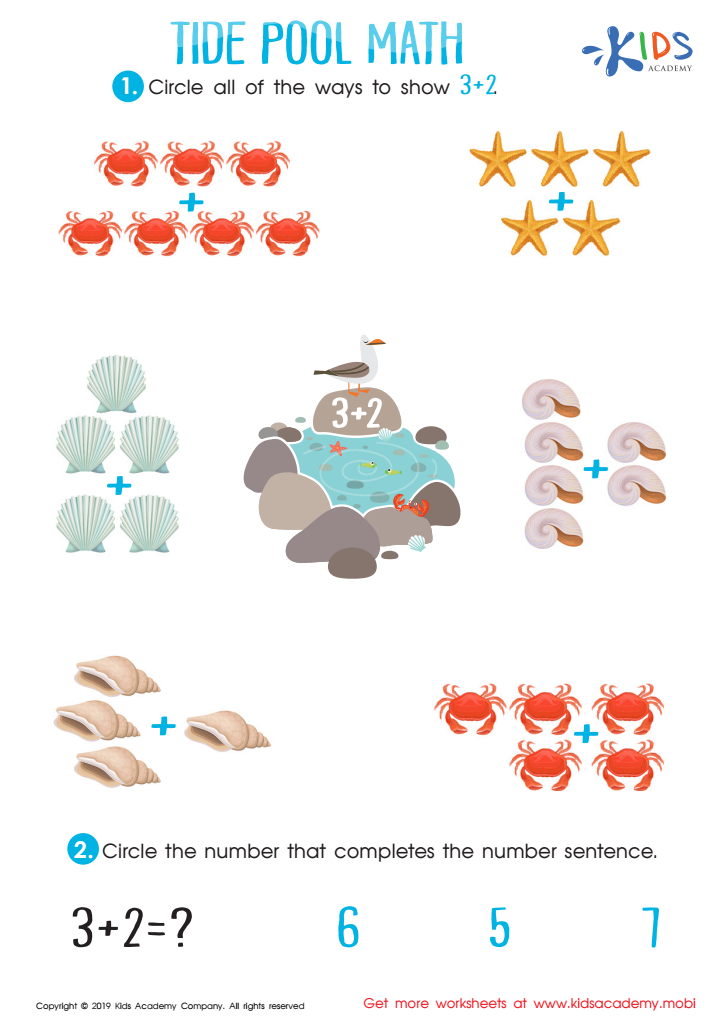
Tide Pool Math Worksheet
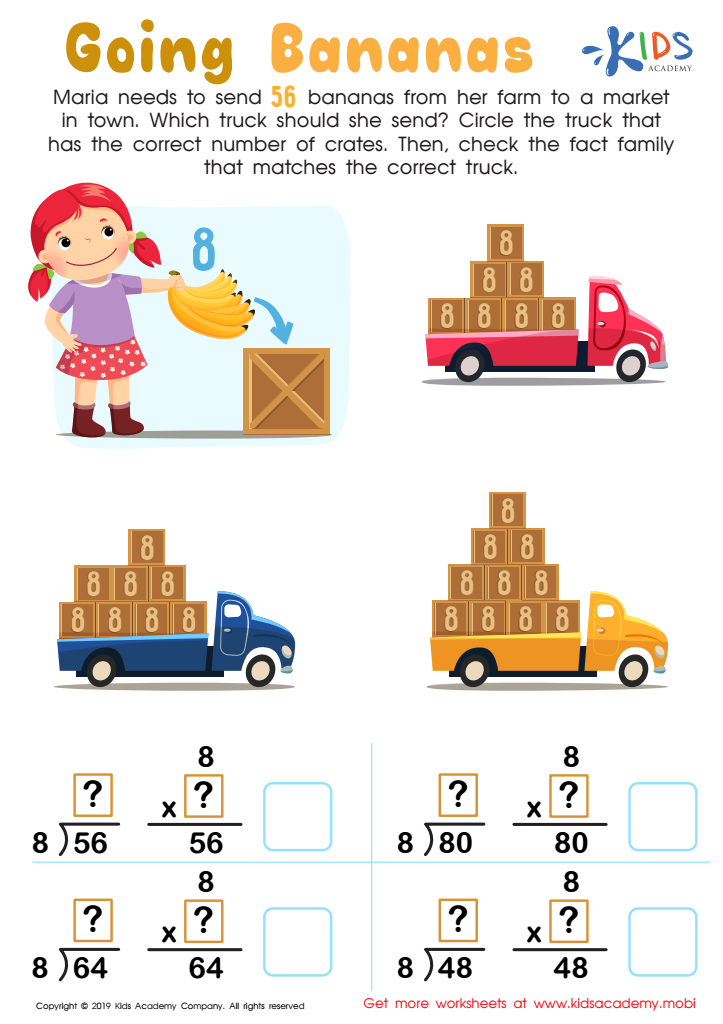
Going Bananas Worksheet
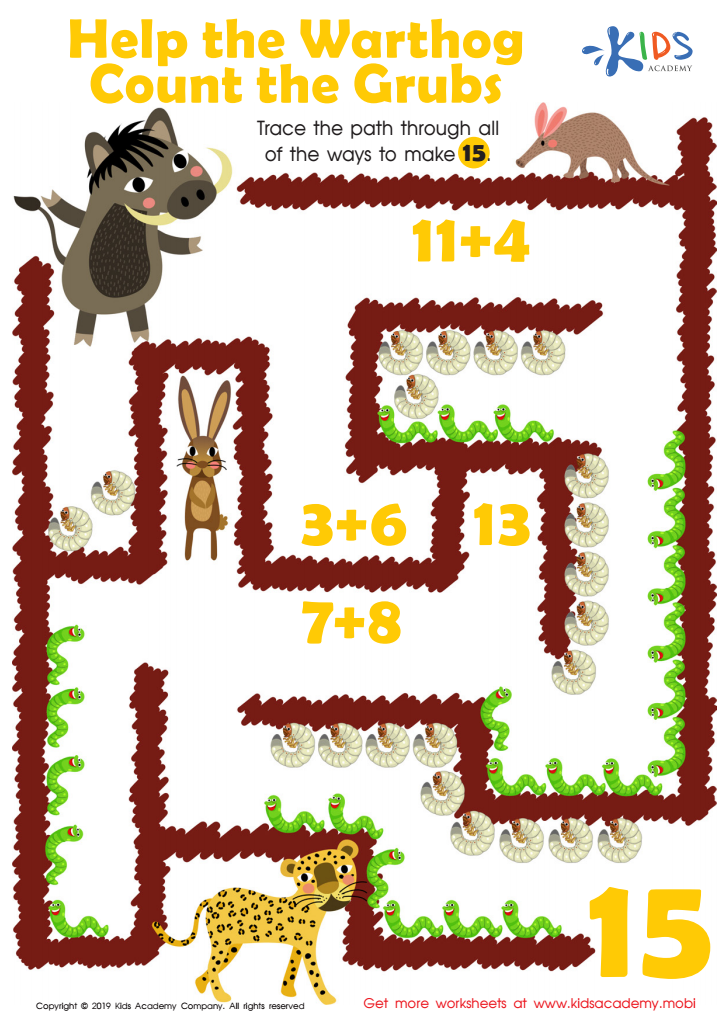
Help the Warthog Count the Grubs Worksheet
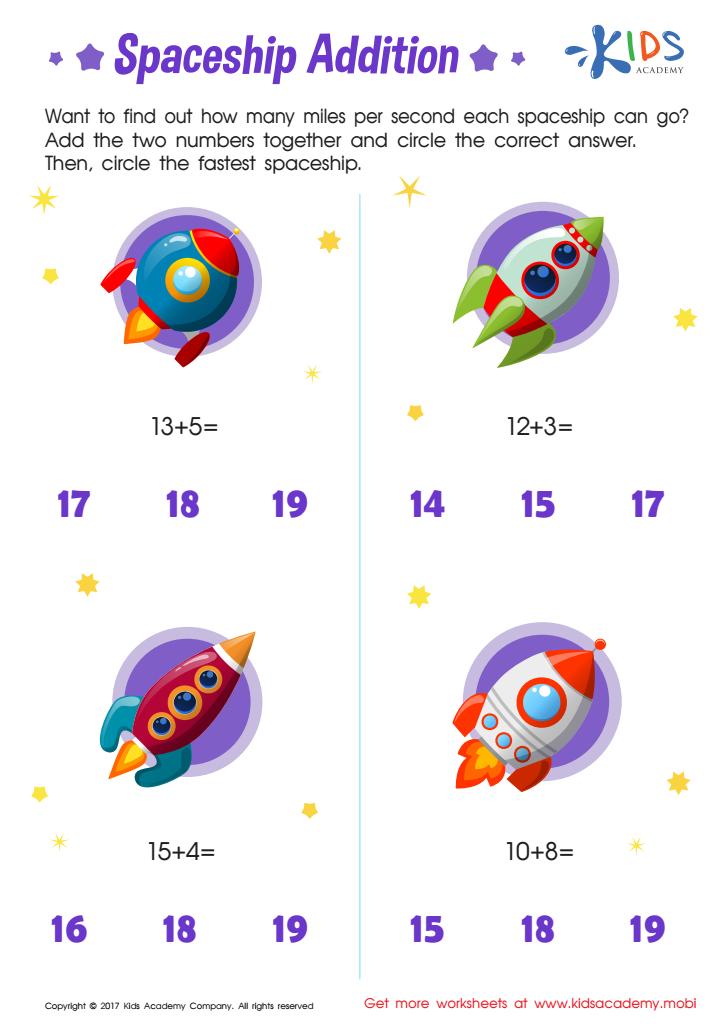
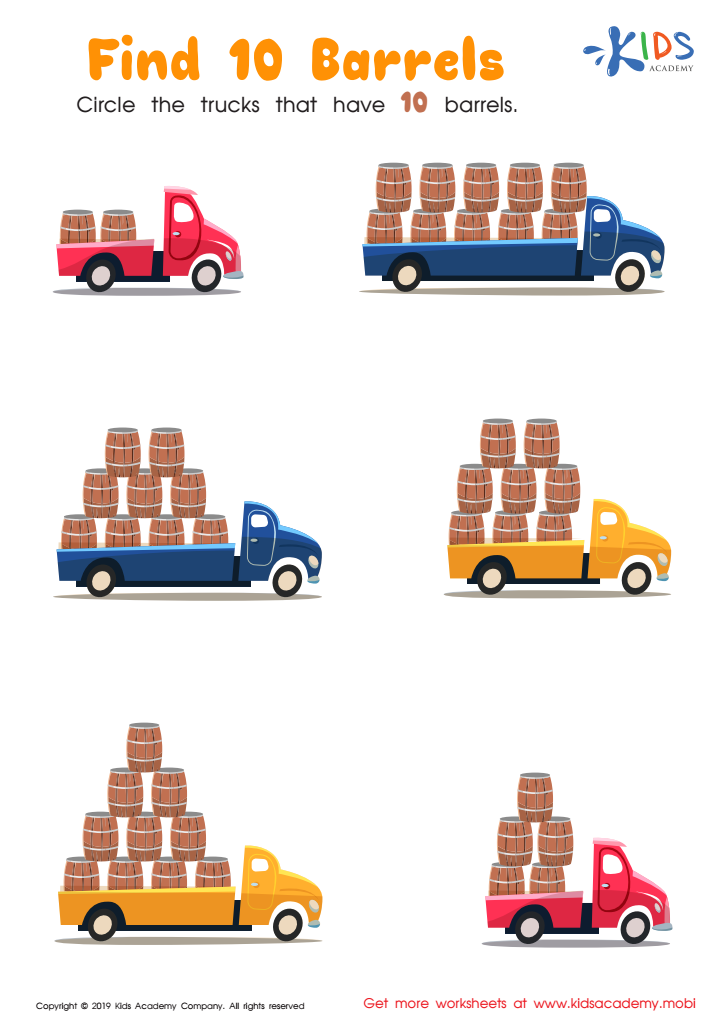
Find 10 Barrels Worksheet
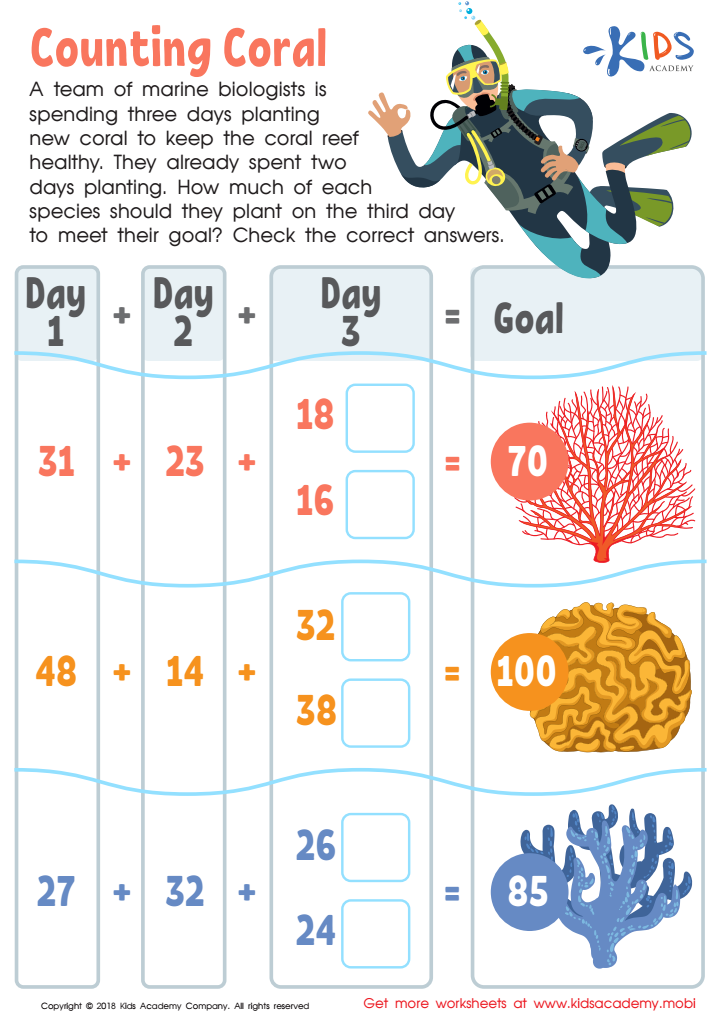
Counting Coral Worksheet
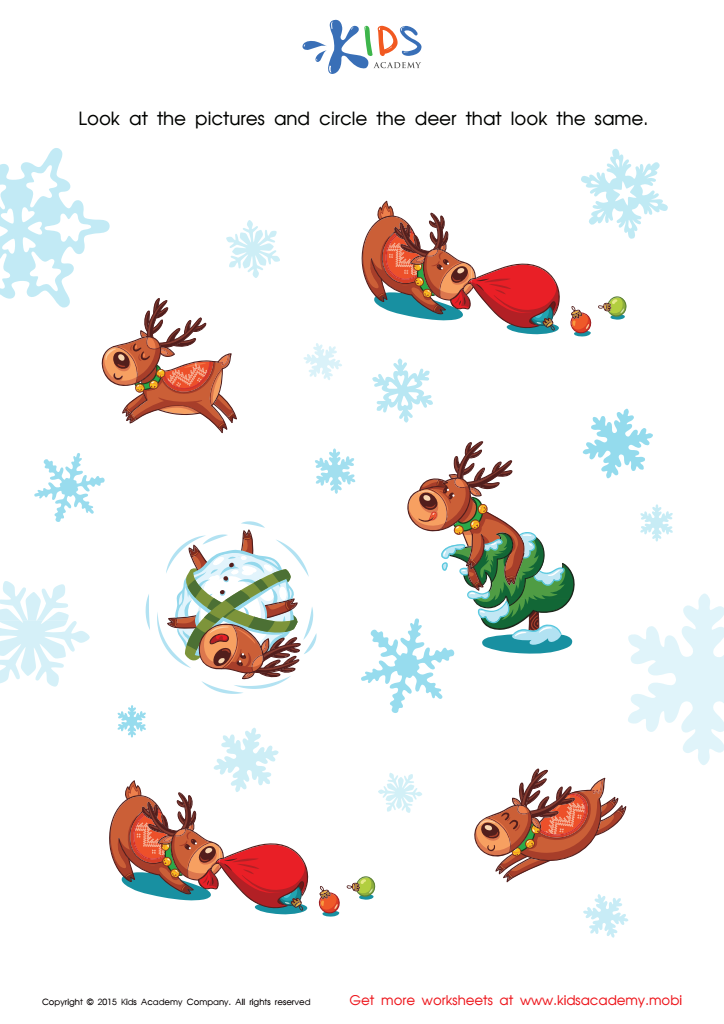
Count the Deer Worksheet








Number recognition is a foundational skill for young learners that directly influences their future mathematical proficiency. For children ages 3-9, recognizing numbers is not just about memorizing their shapes or names; it involves understanding the quantities they represent, which is critical for grasping more complex math concepts. When parents and teachers focus on number recognition at an early age, they are setting the stage for a child's confidence and competence in math.
Firstly, number recognition enhances cognitive development, improving memory, attention to detail, and logical thinking. It also assists children in developing fine motor skills through activities like writing numbers or using counting tools. Early number recognition practices also introduce children to the concept of number sense, an awareness of how numbers relate to each other through comparison and simple operations.
In the classroom, a firm grasp of number recognition helps children follow instructions in math-related activities, understand story problems, and eventually leads to better performance in subjects involving measurement, geometry, and fractions. Outside of the classroom, these skills are essential for everyday tasks such as telling time, handling money, and measuring ingredients while cooking.
In sum, by nurturing number recognition from ages 3-9, parents and teachers equip children with vital tools for academic success and practical problem-solving in their daily lives.








