Shape Recognition Normal Math Worksheets for Ages 3-9 - Page 2
36 filtered results
-
From - To
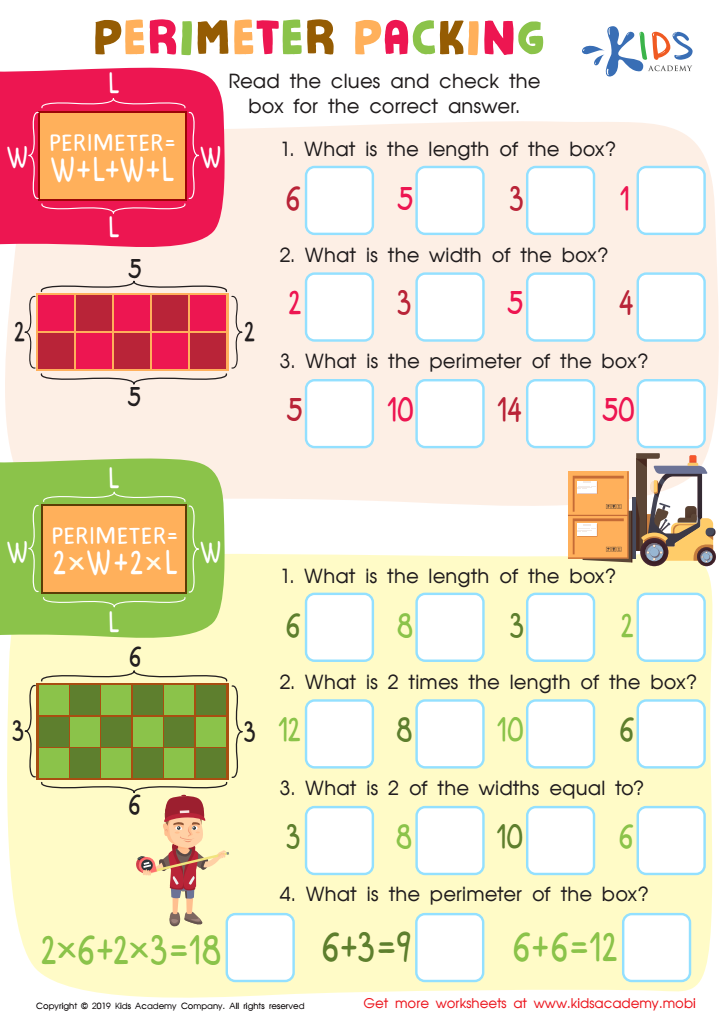
Perimeter Parking Worksheet
 Assign to My Students
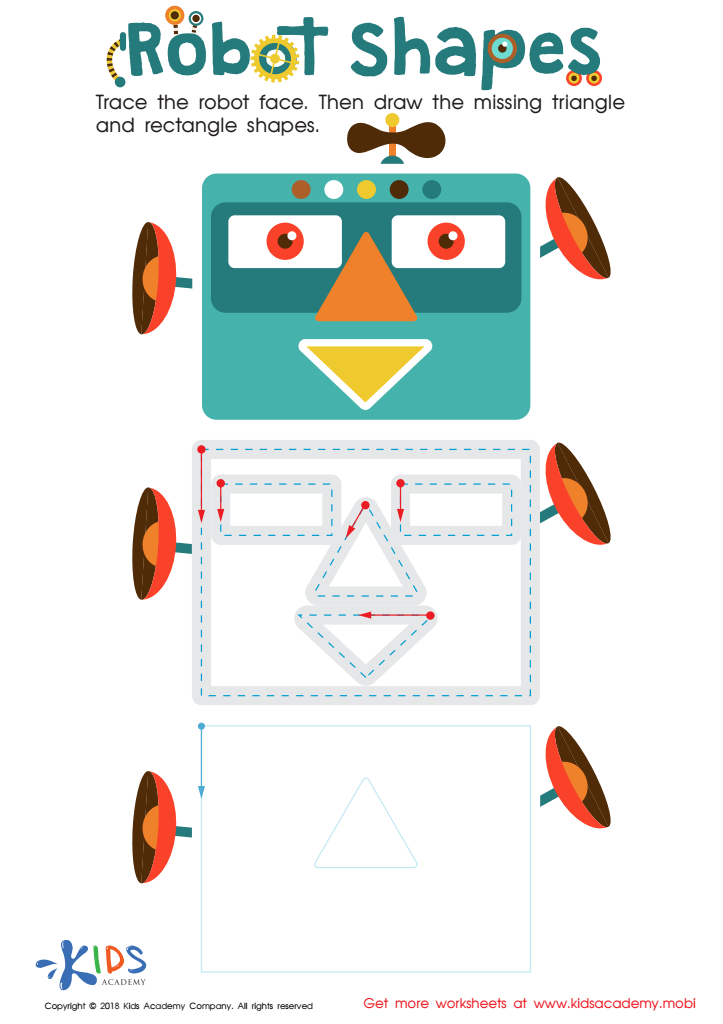
Robot Shapes Worksheet
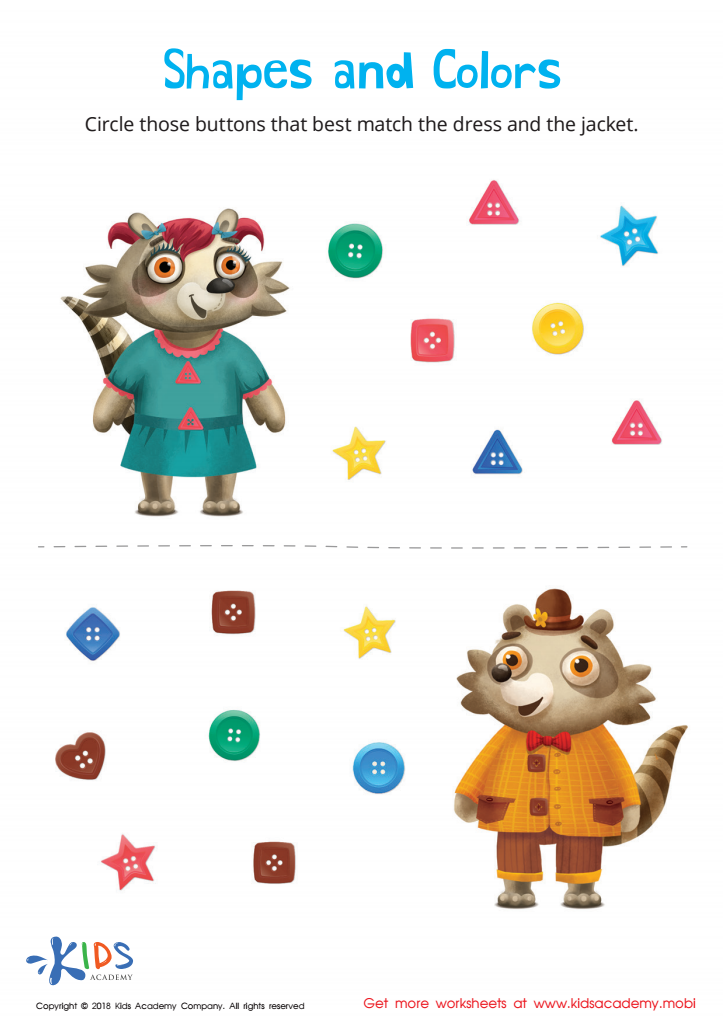
Shapes and Colors Worksheet
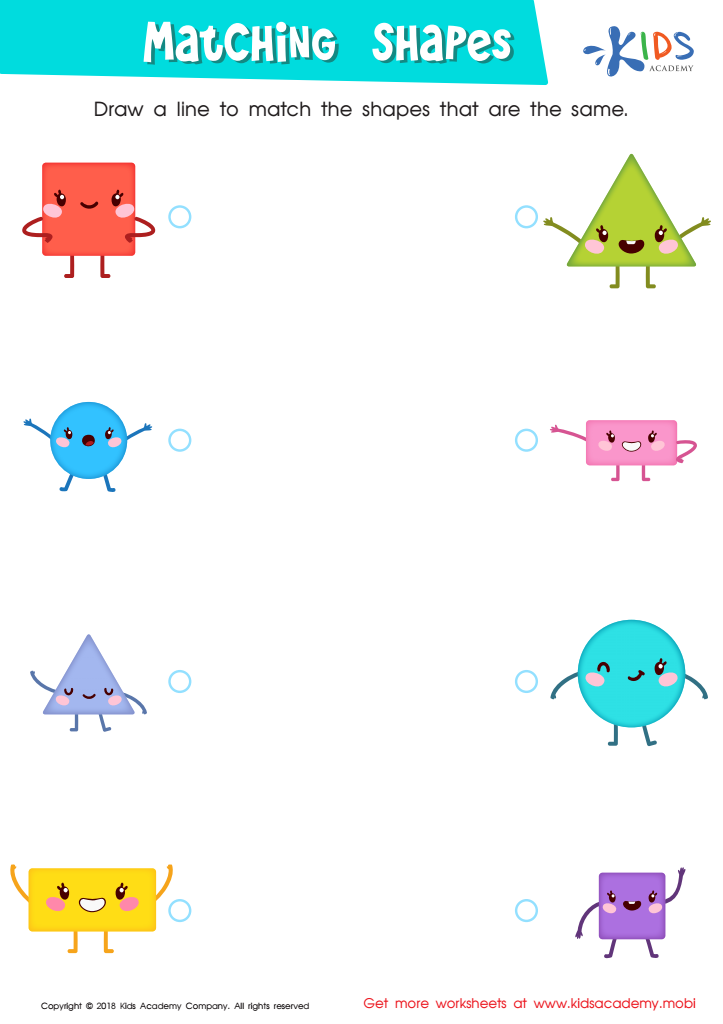
Matching Shapes Worksheet
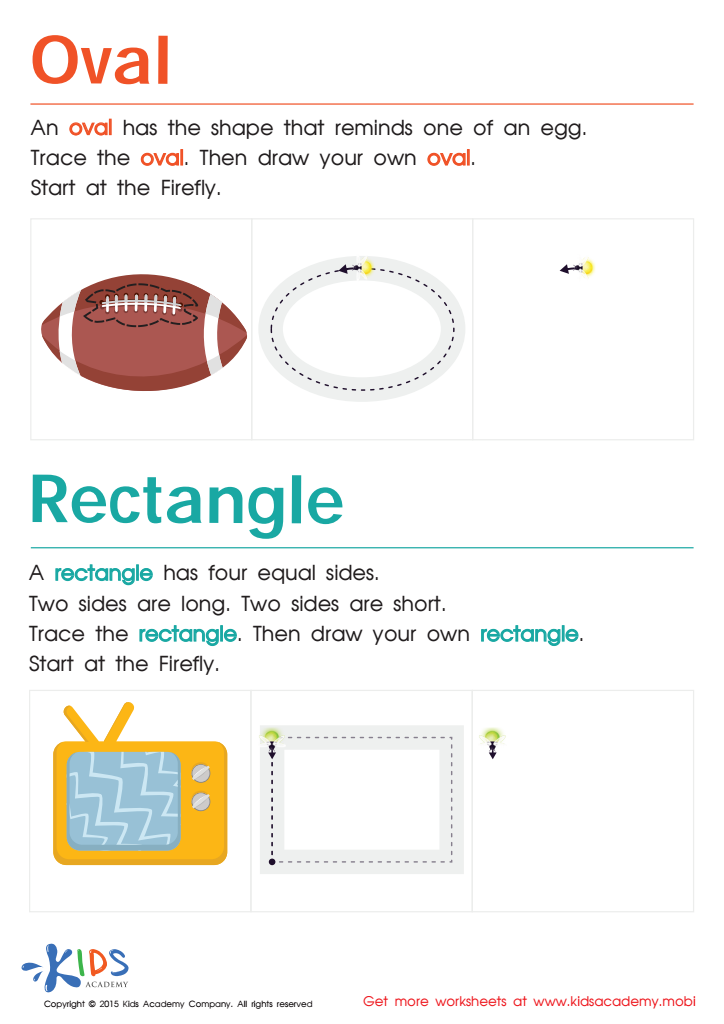
Easy Drawing of Ovals And Rectangles Worksheet
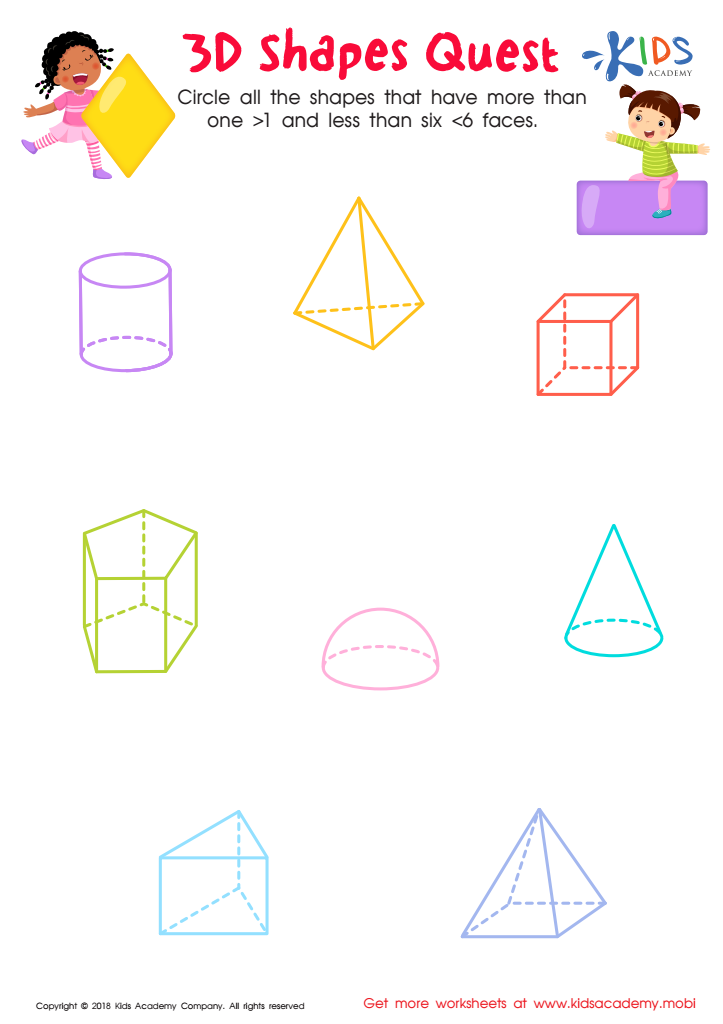
3D Shapes Quest Worksheet
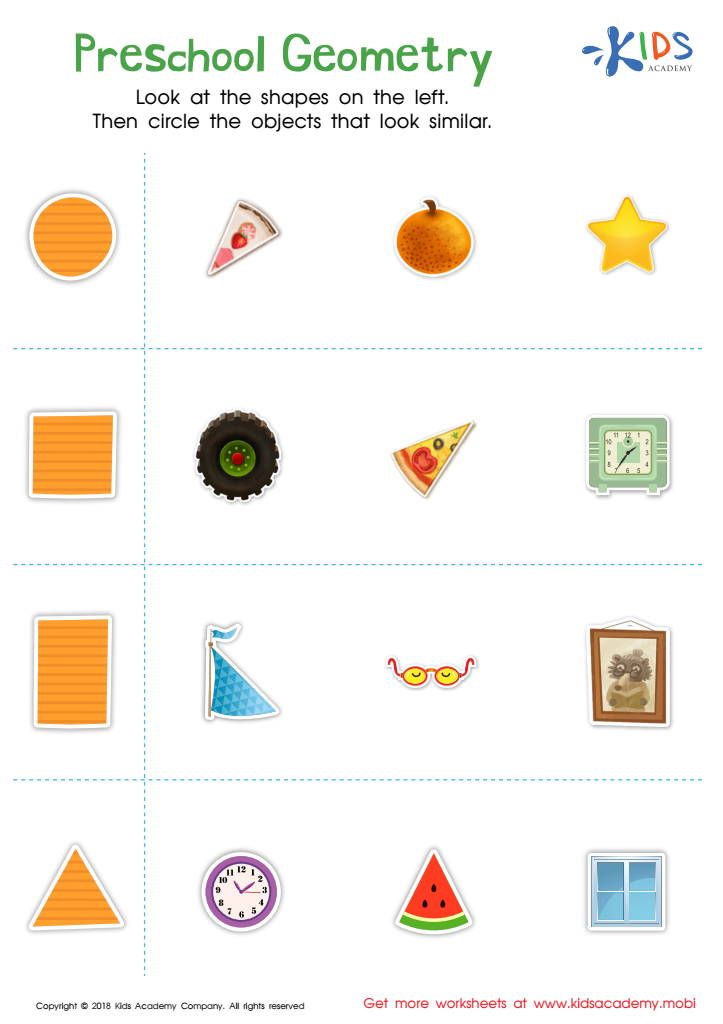
Preschool Geometry Worksheet
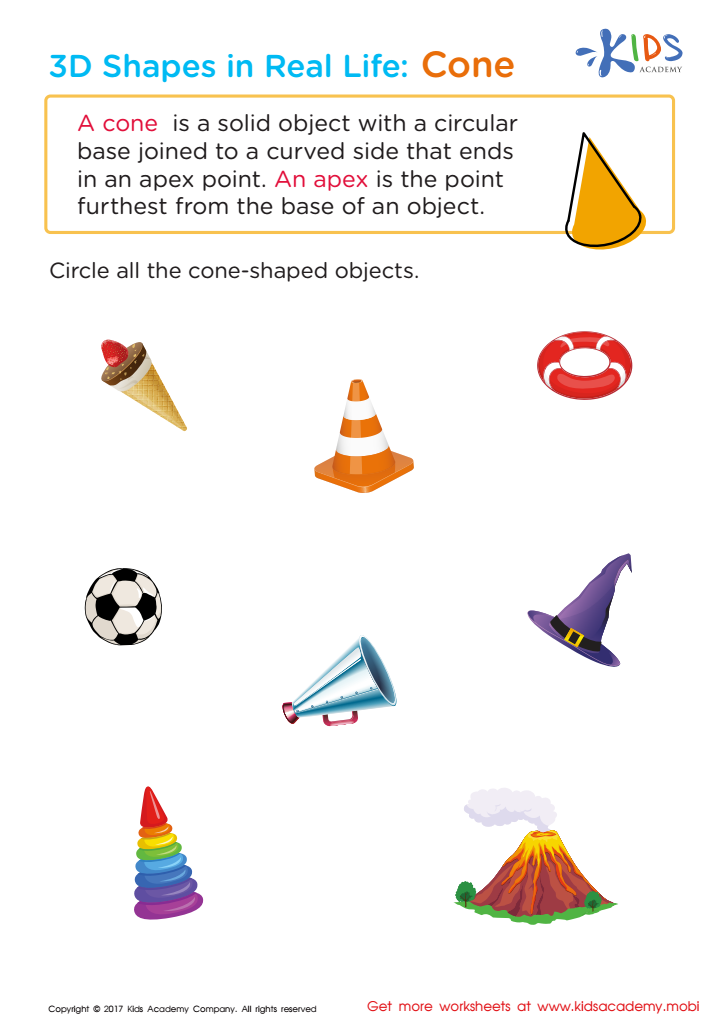
Shapes in Real Life: Cone Worksheet
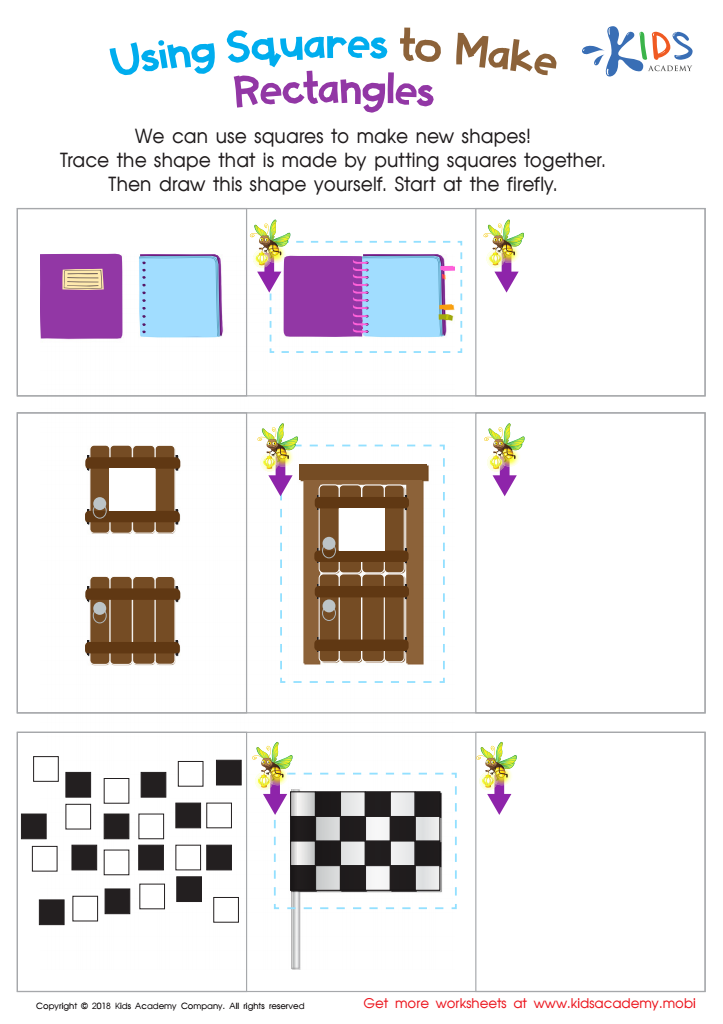
Using Squares to Make Rectangles Worksheet
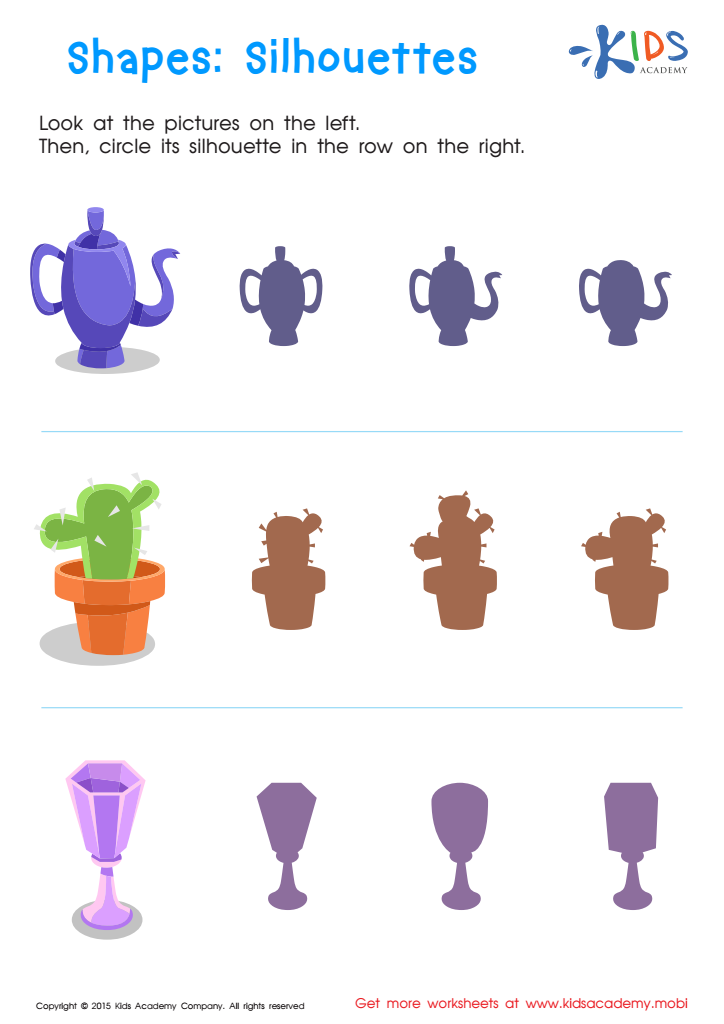
Silhouettes – Shapes Worksheet
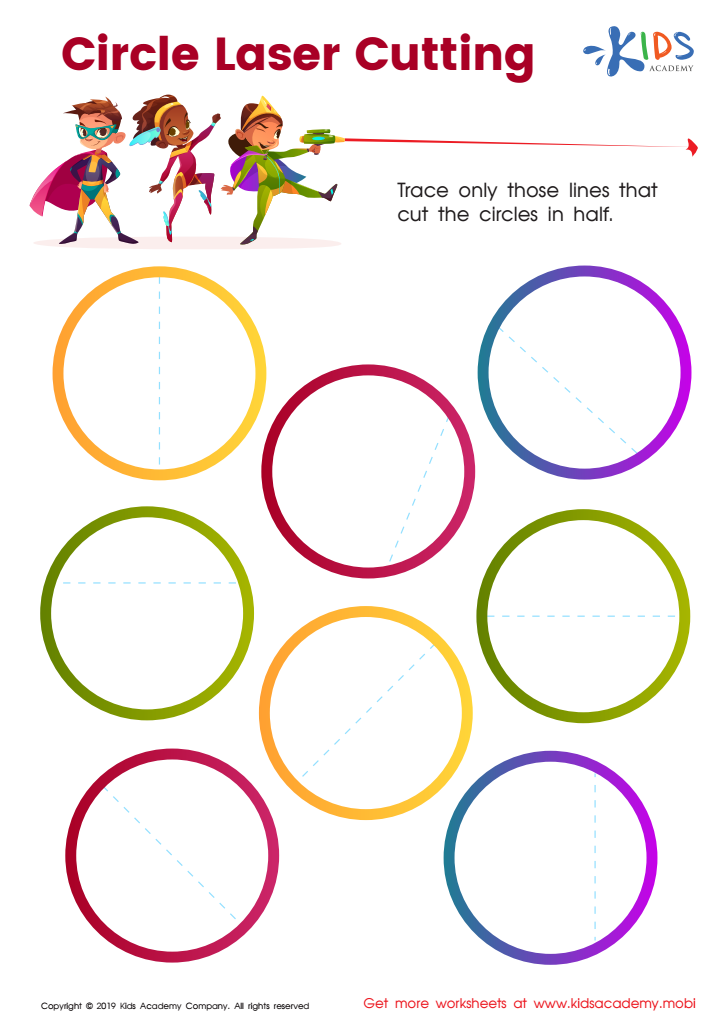
Circle Laser Cutting Worksheet
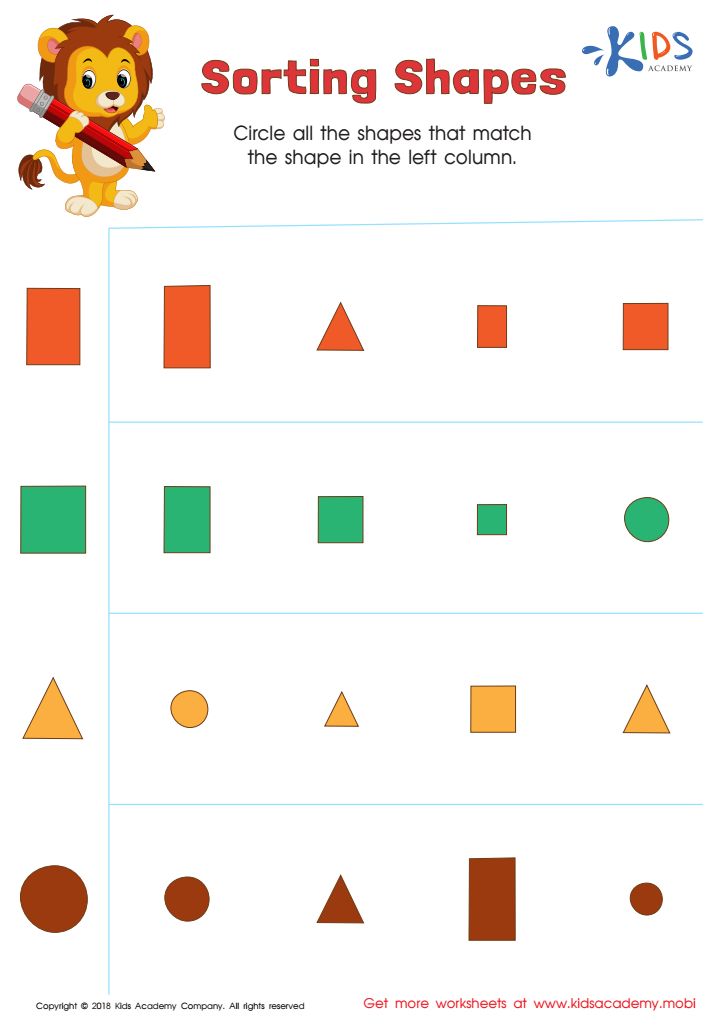
Sorting Shapes - Part 2 Worksheet







Shape recognition is a foundational skill in early childhood development, making it crucial for parents and teachers to prioritize it for children aged 3-9. Understanding shapes provides the basis for geometry, a fundamental math skill. When children learn to distinguish shapes, they also learn to observe details and recognize patterns—skills essential for problem-solving and logical thinking.
Shapes are also gateways to understanding numbers and letters. For example, identifying the circular shape of the number "0" or the triangular "A" helps in recognizing numerals and letters. Shape recognition influences spatial awareness, helping children understand concepts like size, space, and volume. This awareness is invaluable not only in math but also in everyday tasks such as fitting objects into spaces, following maps, and assembling puzzles.
Inculcating shape recognition skills encourages cognitive development. Children learn to categorize and sort objects, which improves memory and attention to detail. Moreover, discussing shapes enhances language skills. Words like "circle" or "hexagon" expand a child’s vocabulary and encourage precise communication.
Emotionally, experiencing success with shape recognition boosts confidence and encourages a positive attitude toward learning. For ages 3-9, making early investments in shape recognition creates a solid foundation for future academic achievements and supports holistic development.








