Subtraction practice Normal Math Worksheets for Ages 3-9
21 filtered results
-
From - To
Welcome to our collection of Subtraction Practice Normal Math Worksheets, designed for children ages 3-9! These engaging worksheets help young learners develop essential subtraction skills through fun and interactive activities. Perfect for home or classroom use, our printable materials feature colorful illustrations and age-appropriate exercises that make math enjoyable. From simple number problems to visual aids, each worksheet encourages children's understanding of subtraction concepts, fostering confidence in their mathematical abilities. Empower your child to master subtraction with our thoughtfully crafted resources, ensuring they build a strong foundation for future math success. Start exploring our subtraction worksheets today!
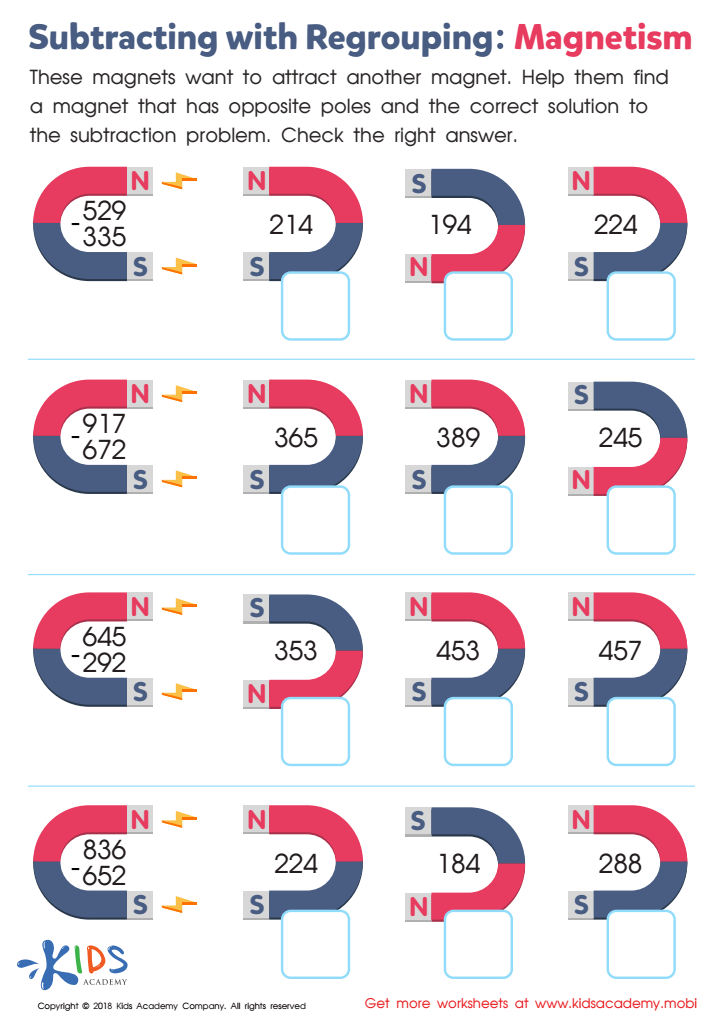
Subtracting with Regrouping: Magnetism Worksheet
 Assign to My Students
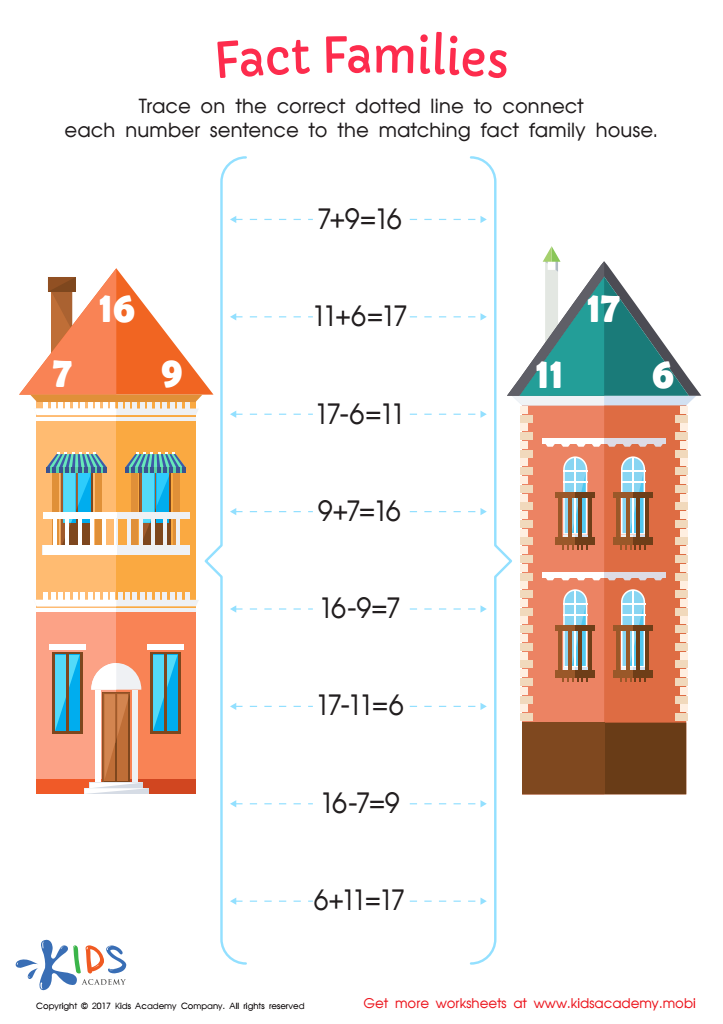
Fact Families — Add and Subtract Worksheet
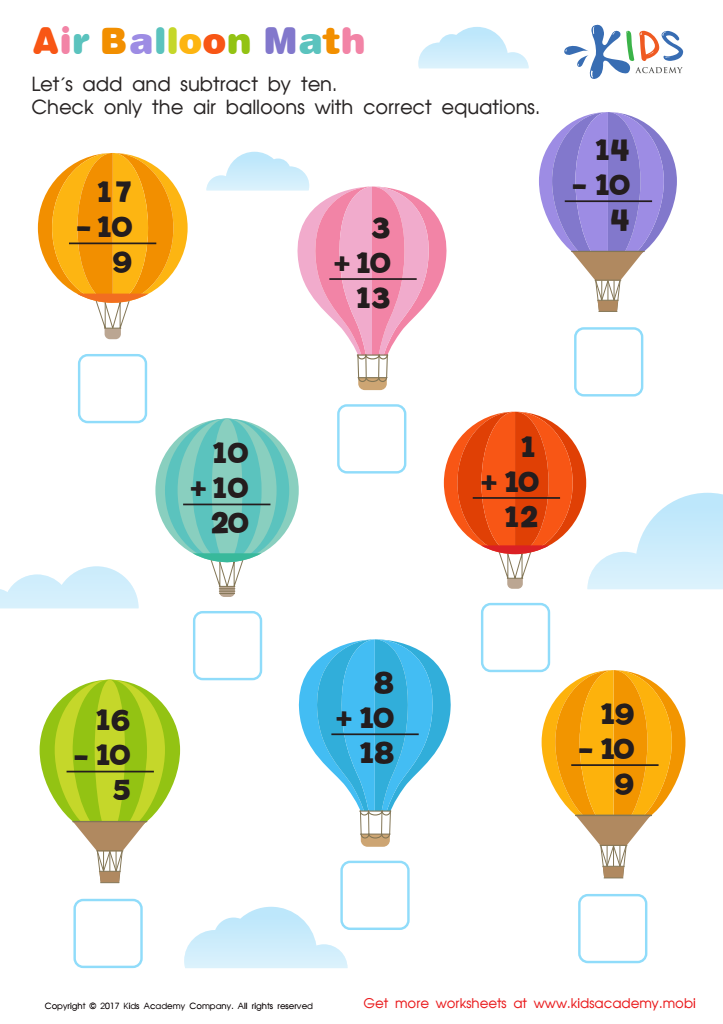
Air Balloon Math Worksheet
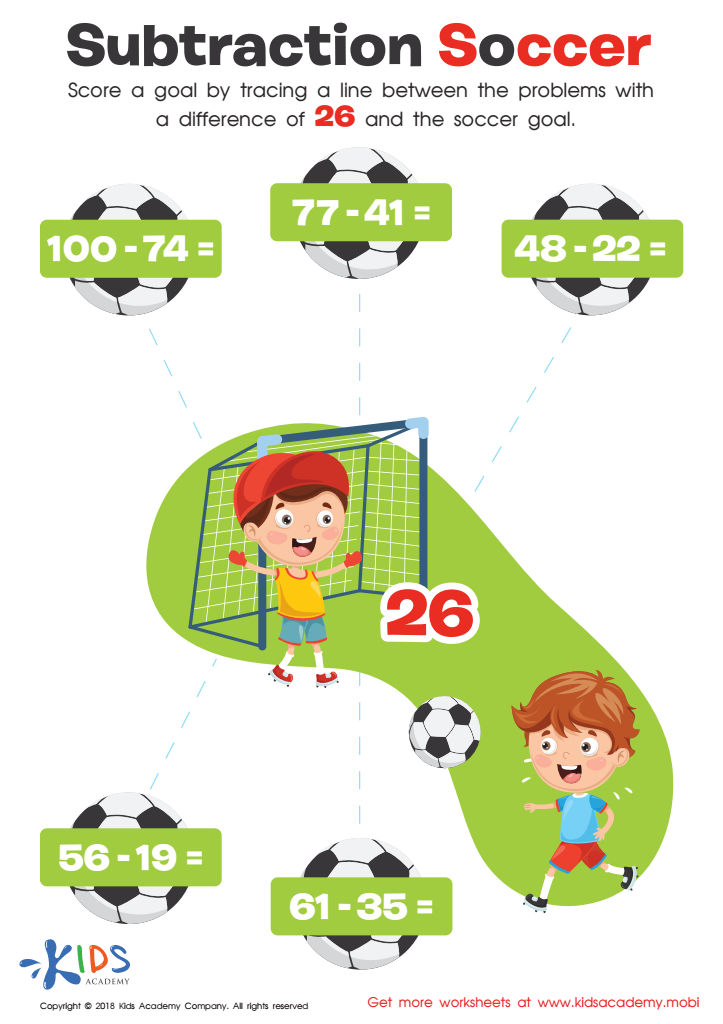
Subtraction Soccer Worksheet
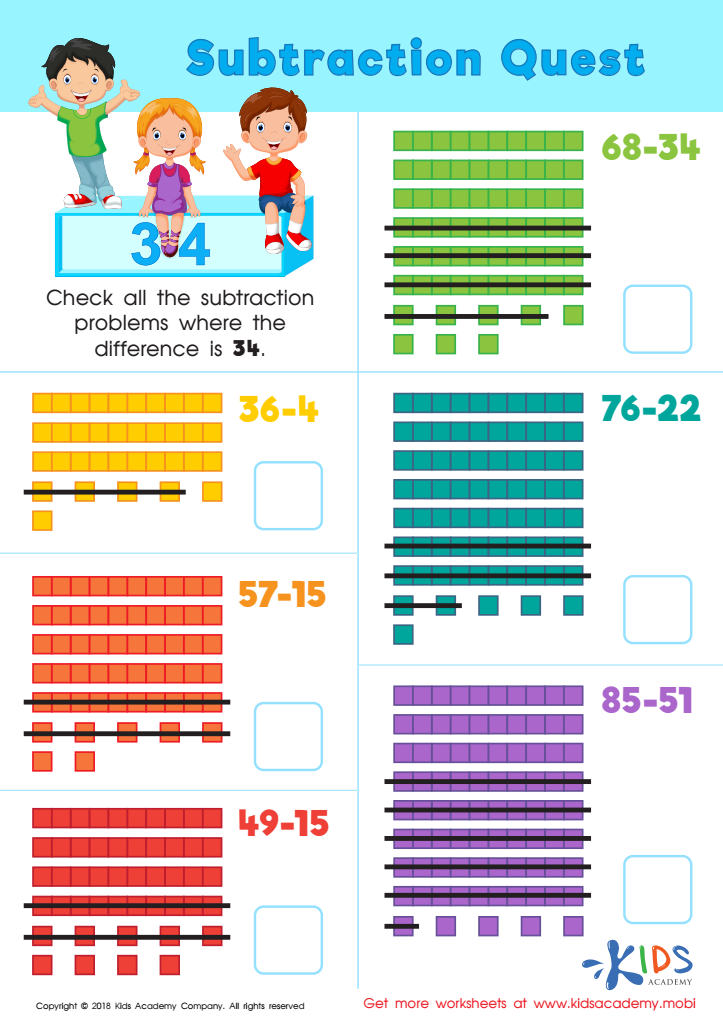
Subtraction Quest Worksheet
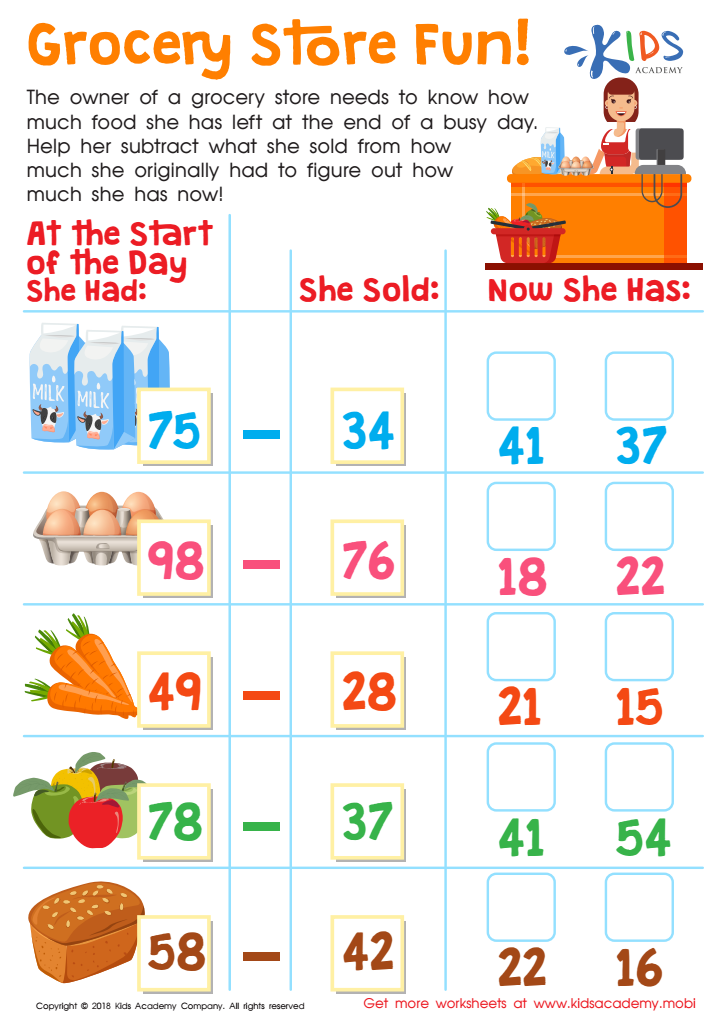
Grocery Store Fun! Worksheet
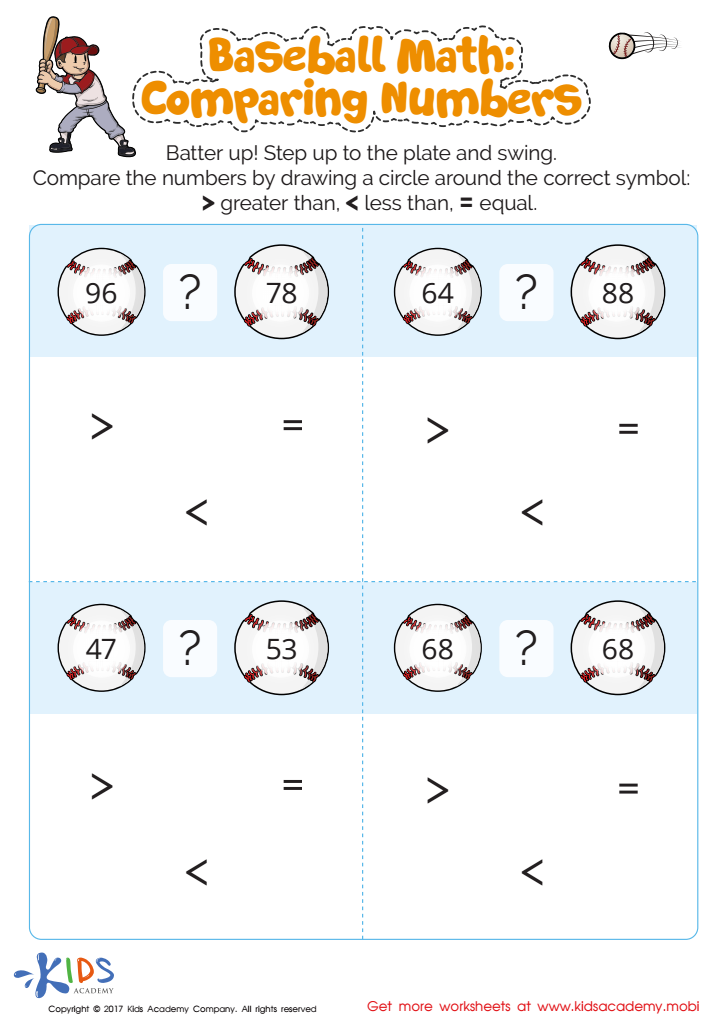
Compare Numbers Printable
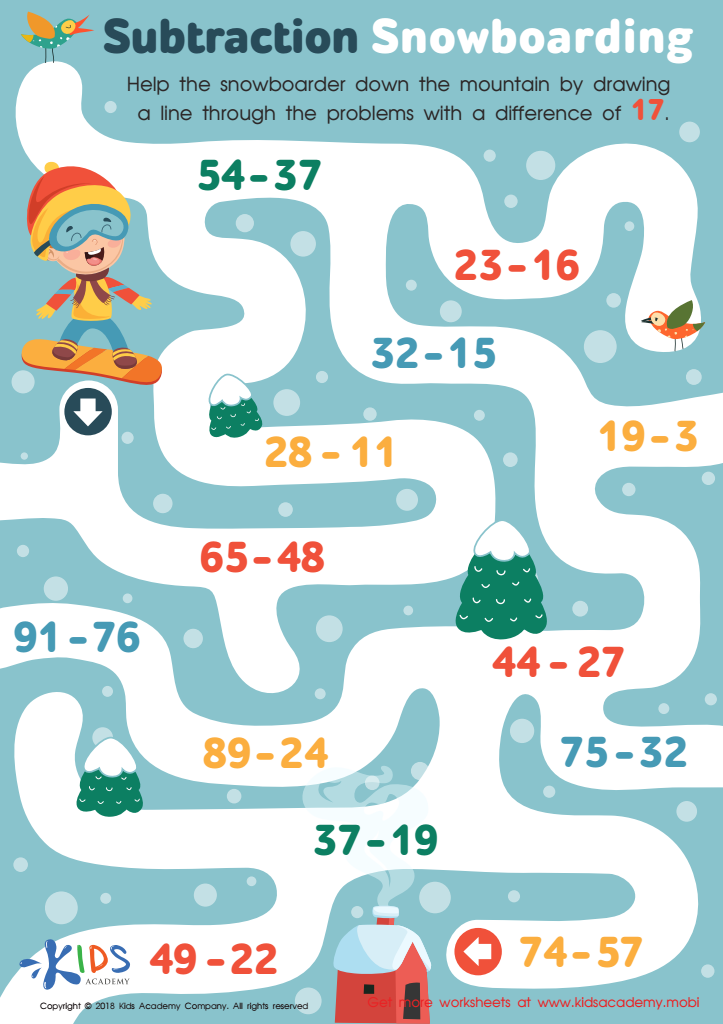
Subtraction Snowboarding Worksheet
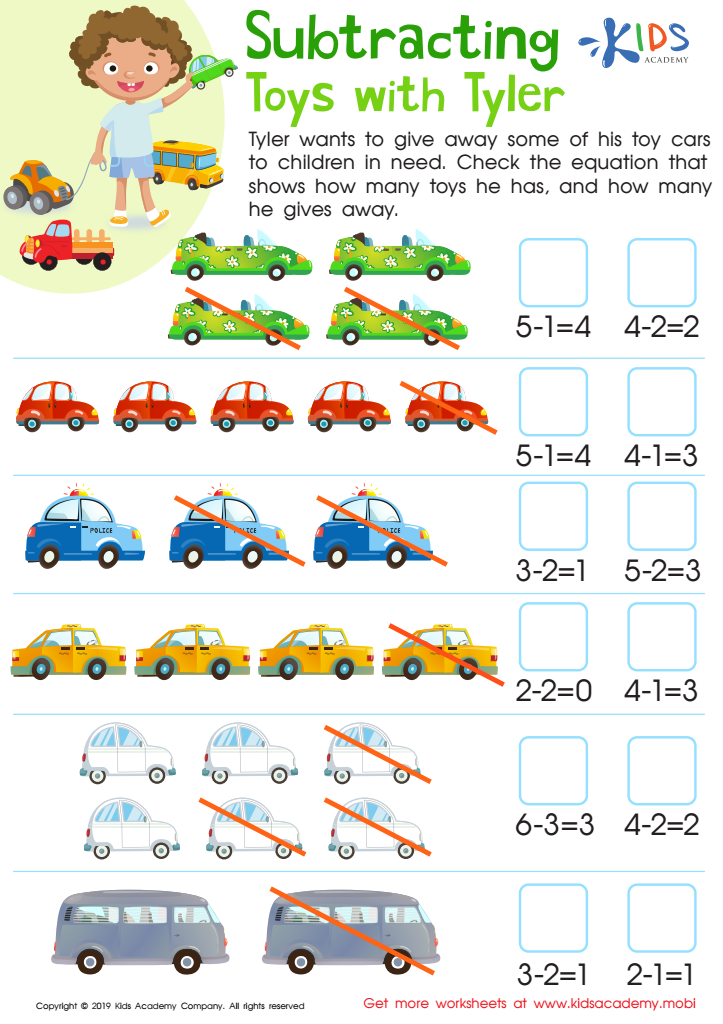
Subtracting Toys with Tyler Worksheet
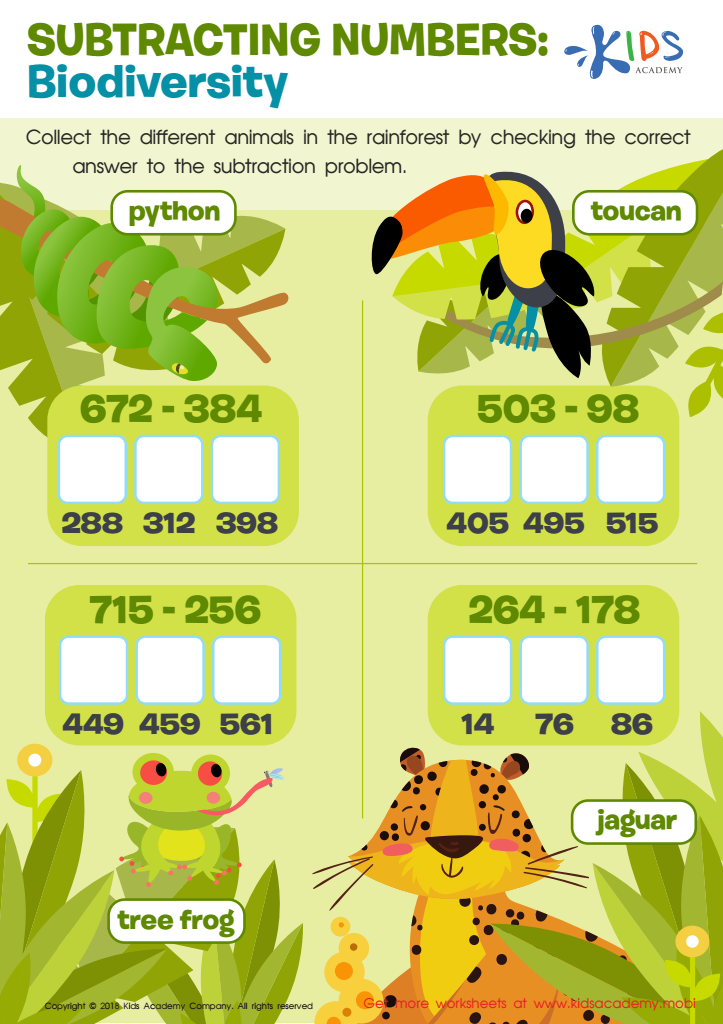
Subtracting Numbers: Biodiversity Worksheet
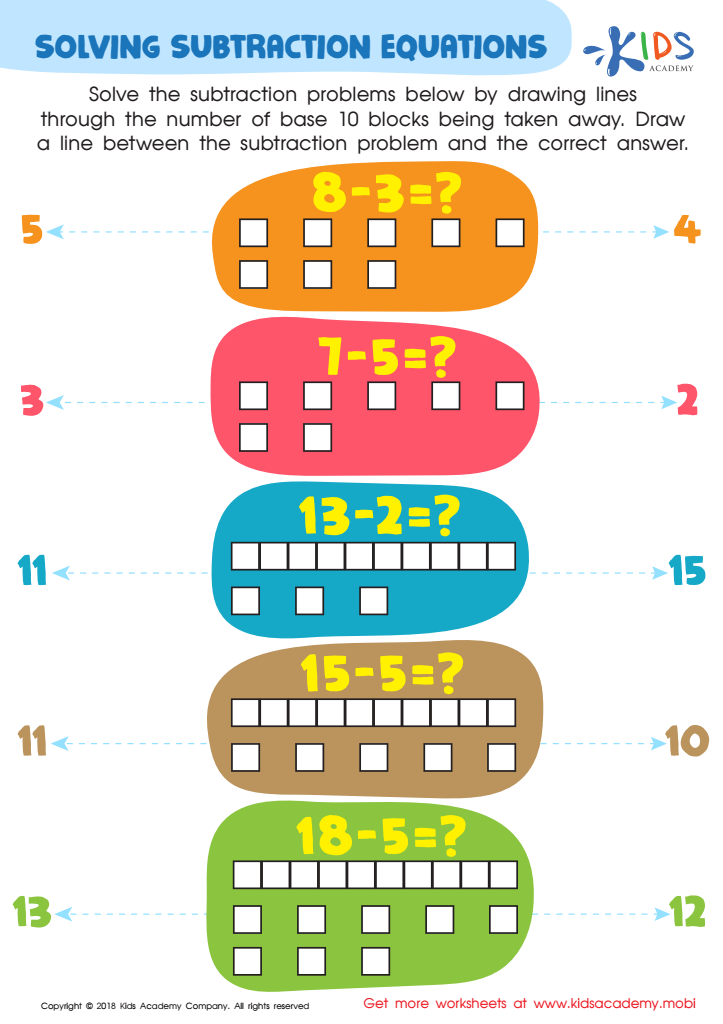
Solving Subtraction Equations Worksheet
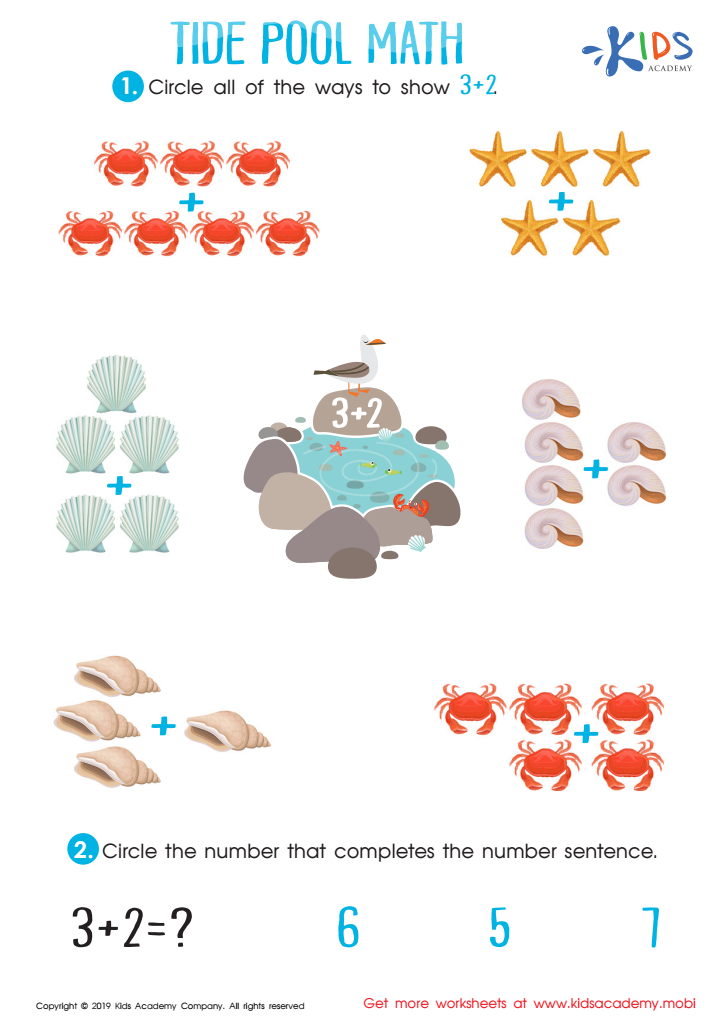
Tide Pool Math Worksheet
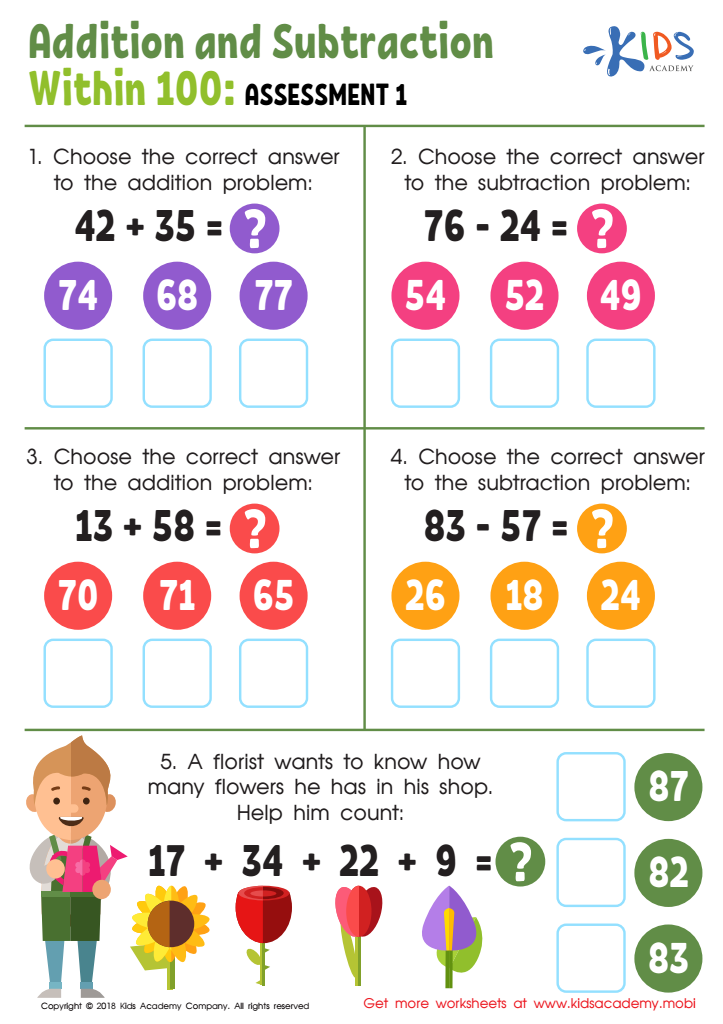
Addition and Subtraction Within 100 Worksheet
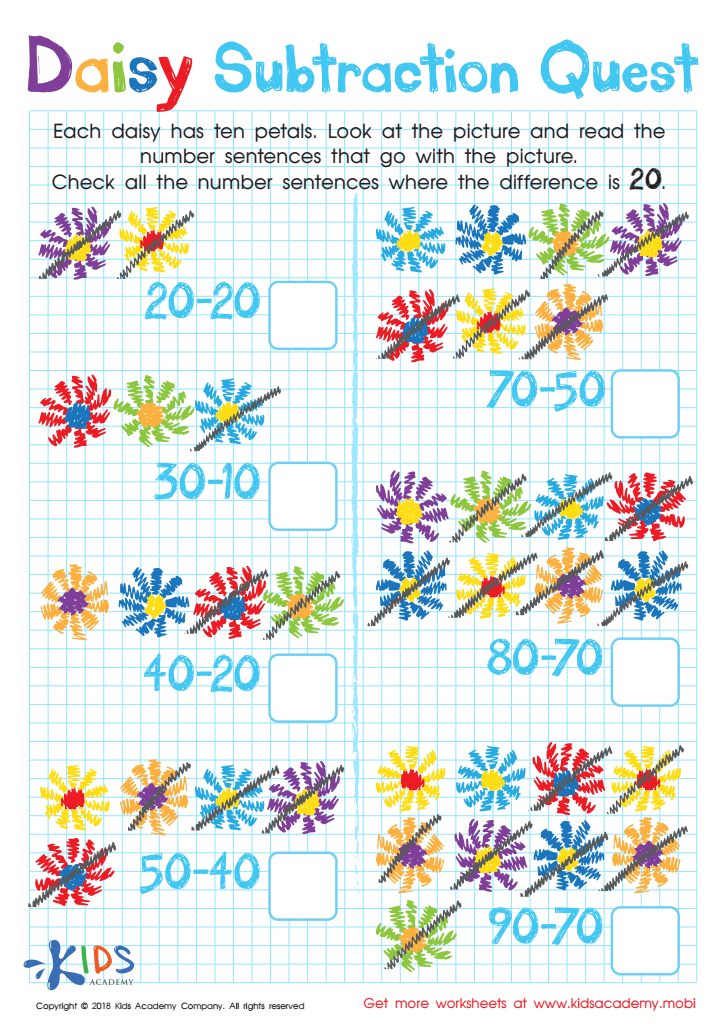
Daisy Subtraction Quest Worksheet
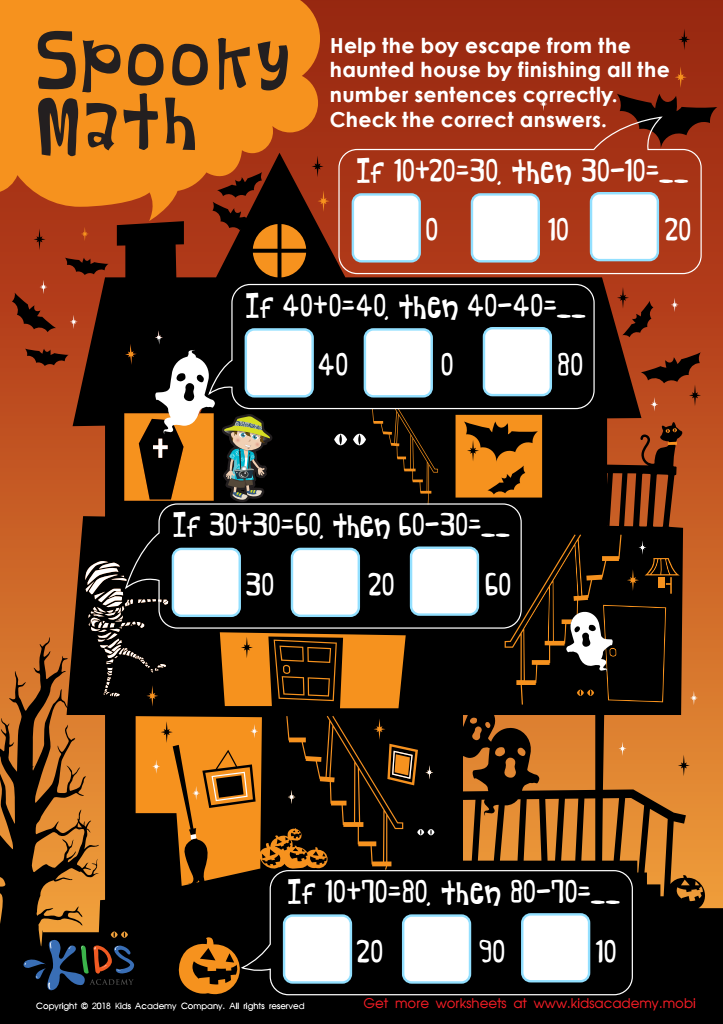
Subtract Tens: Spooky Math Worksheet
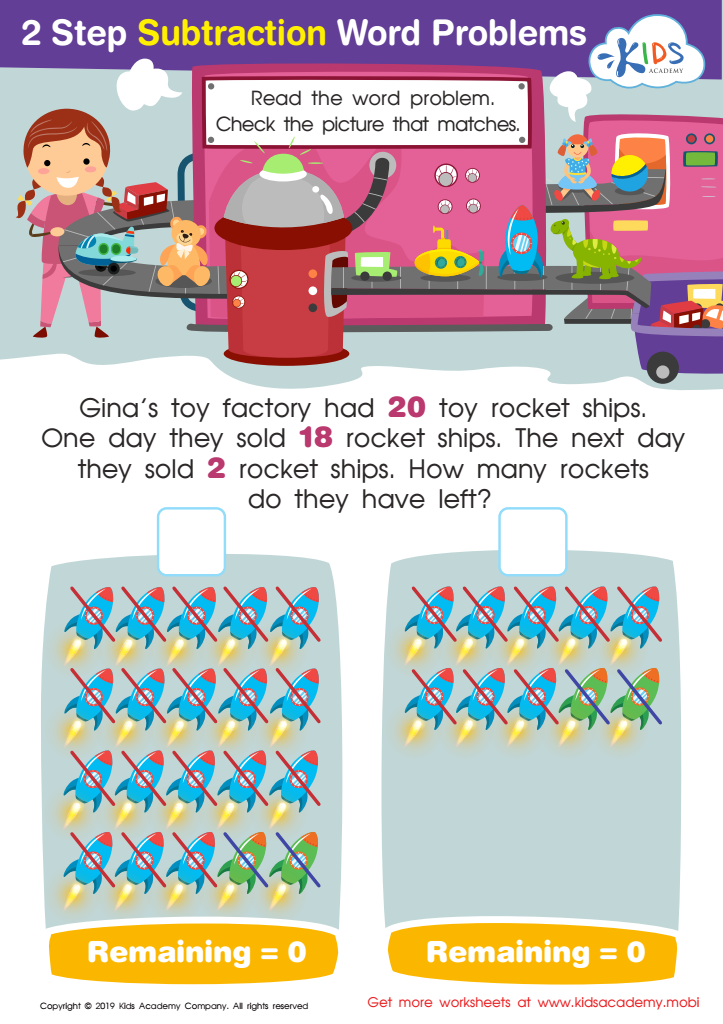
Step Subtraction Word Problems Worksheet
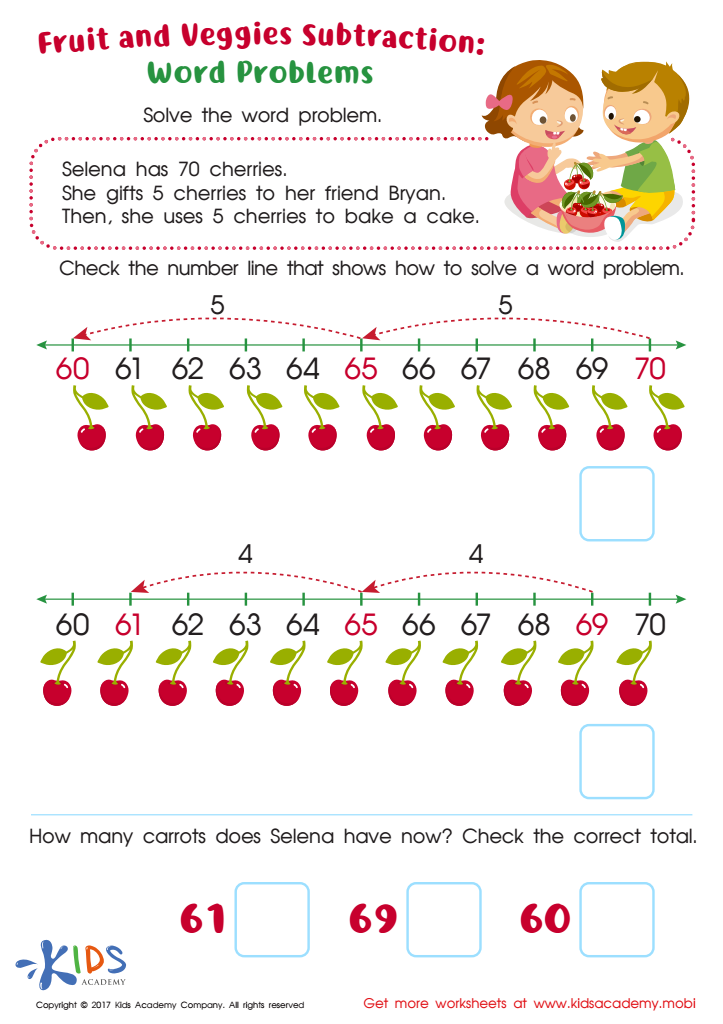
Subtraction Word Problems Free Printable
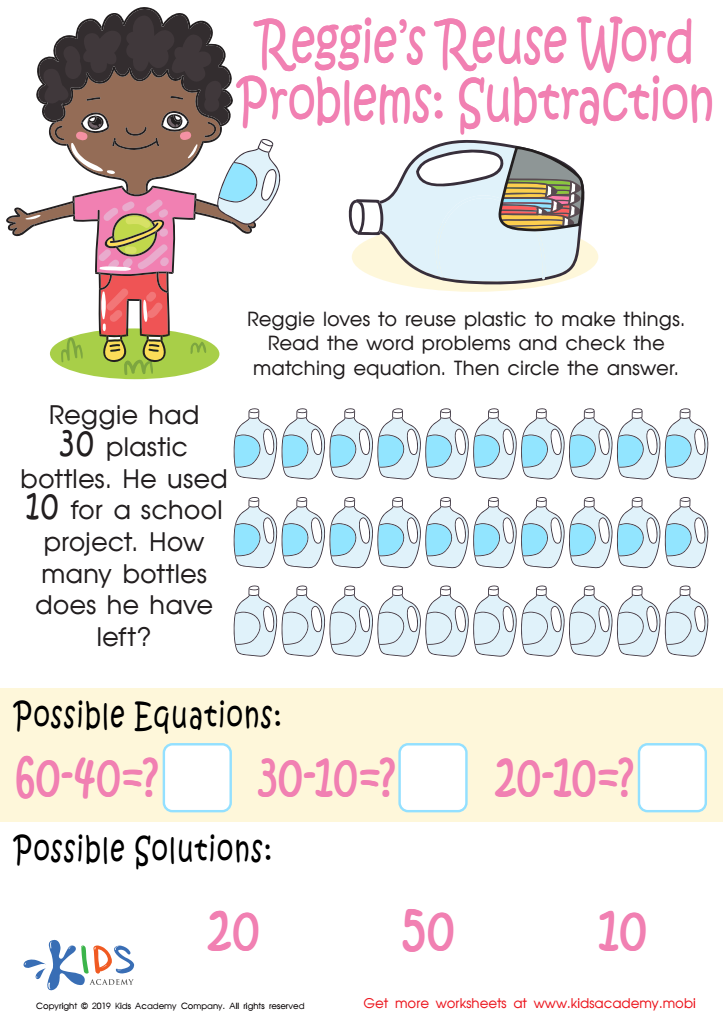
Reggie's Reuse Word Problems: Subtraction Worksheet
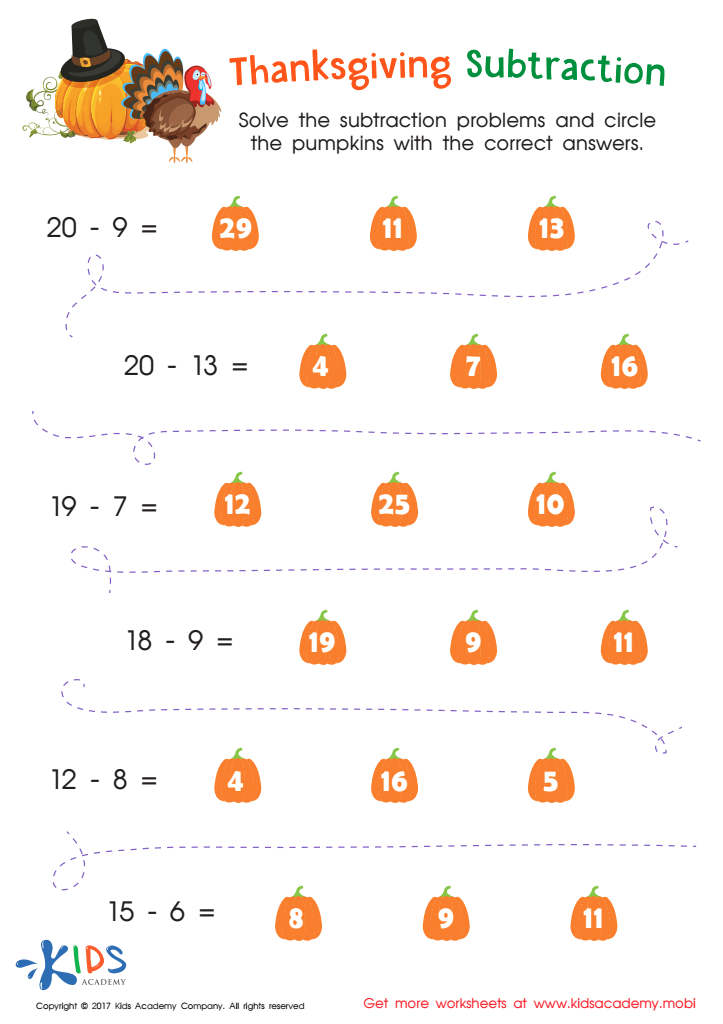
Thanksgiving Subtraction Substraction Worksheet

Ten in the Bed Worksheet
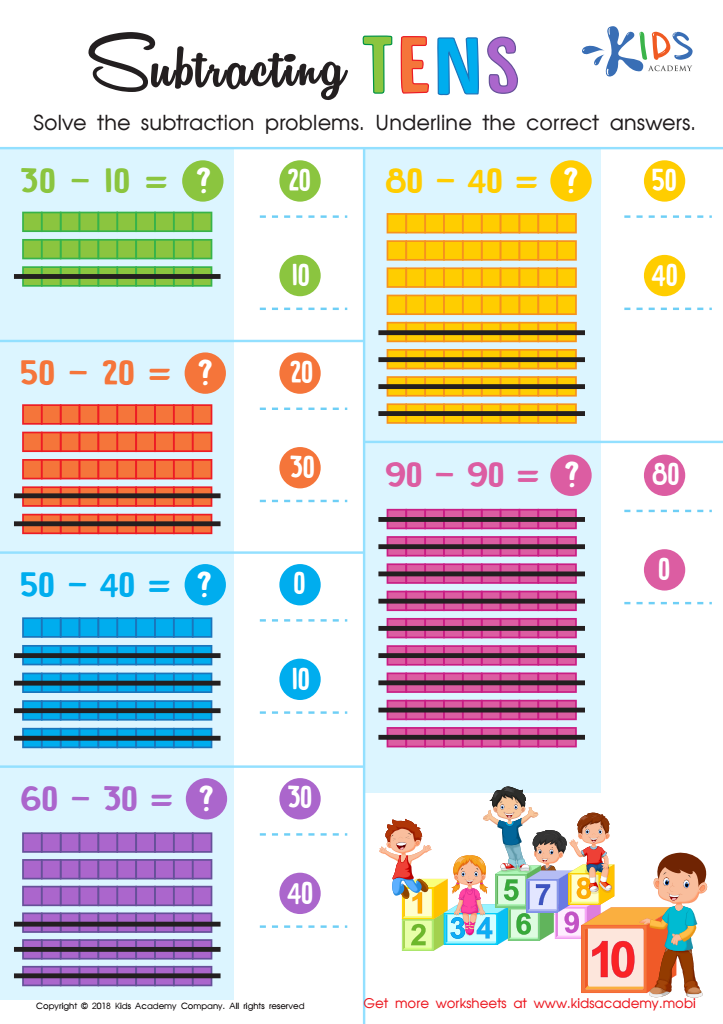
Subtracting Tens Worksheet







Parents and teachers should prioritize subtraction practice for children ages 3-9 because it lays the foundation for critical mathematical skills that will benefit them throughout their education. At this age, children are naturally curious and capable of absorbing new concepts, making it an ideal time to develop their understanding of numbers and basic arithmetic.
Subtraction helps children grasp the concept of "taking away" from a whole, which is essential to understanding more complex mathematical operations later on. By mastering subtraction, children enhance their problem-solving skills, boost their confidence in math, and are better equipped to tackle everyday situations, such as managing resources or understanding numerical relationships.
Additionally, practicing subtraction encourages cognitive development, sharpening their ability to think logically and sequentially. Engaging in activities that promote subtraction—whether through games, worksheets, or hands-on learning—can also promote collaboration among peers and foster social skills.
Moreover, establishing a solid grasp of subtraction early on instills a positive attitude toward math learning, mitigating math anxiety later in life. Overall, investing time in subtraction practice not only supports academic growth but also builds essential life skills that extend far beyond the classroom.








