Categorization skills Normal Matching Worksheets for Ages 3-9
6 filtered results
-
From - To
Enhance your child’s learning journey with our "Categorization Skills Normal Matching Worksheets" designed for ages 3-9. These engaging worksheets foster critical thinking and boost cognitive development by helping kids recognize patterns and group similar items. Each activity encourages children to practice their matching and categorization abilities, laying the groundwork for advanced learning in mathematics and science. With colorful illustrations and age-appropriate challenges, there's no shortage of fun! Perfect for both classroom settings and at-home learning, these worksheets offer a playful approach to skill building. Discover the joy of learning through effective and interactive matching exercises today!
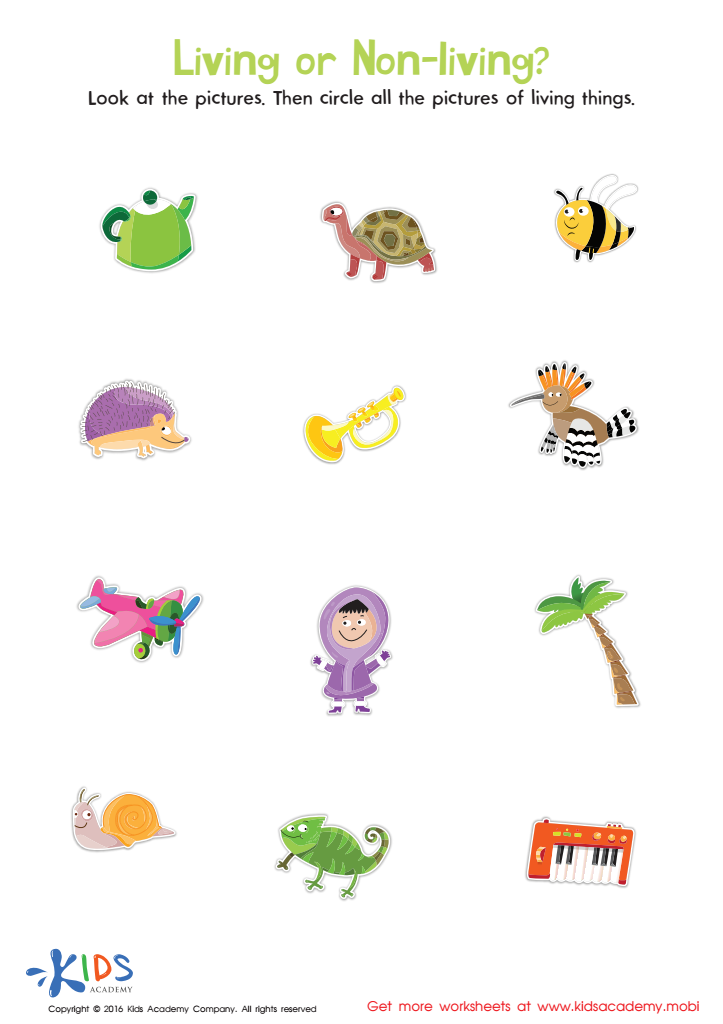
Identifying Living and Non–living Things Sorting Worksheet
 Assign to My Students
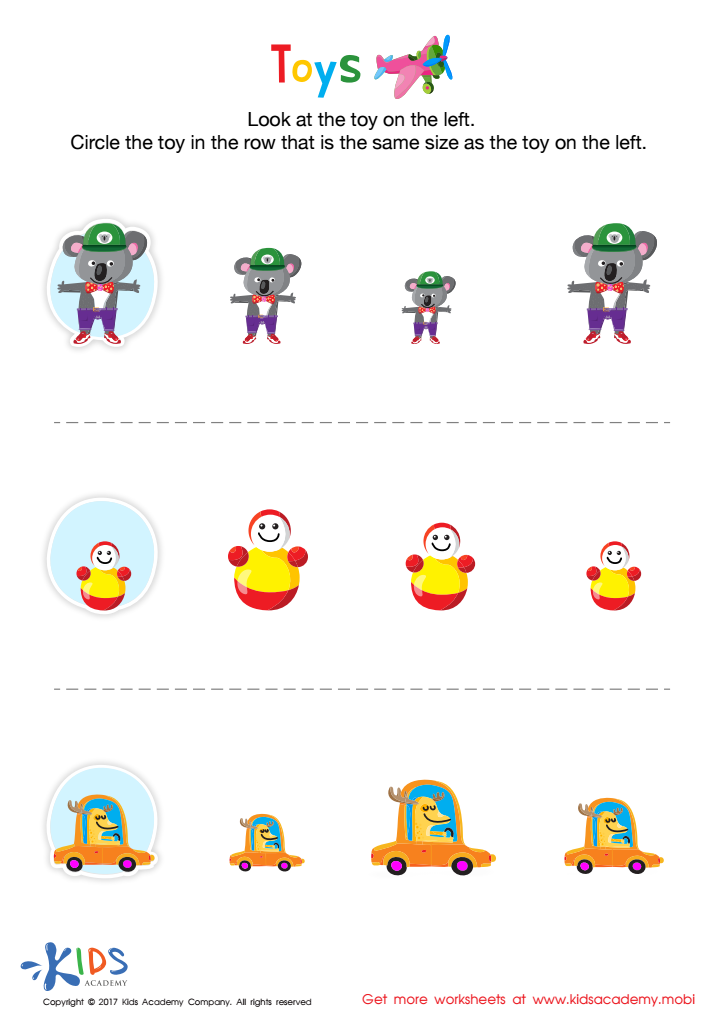
Matching: Classifying Toys by Size Worksheet
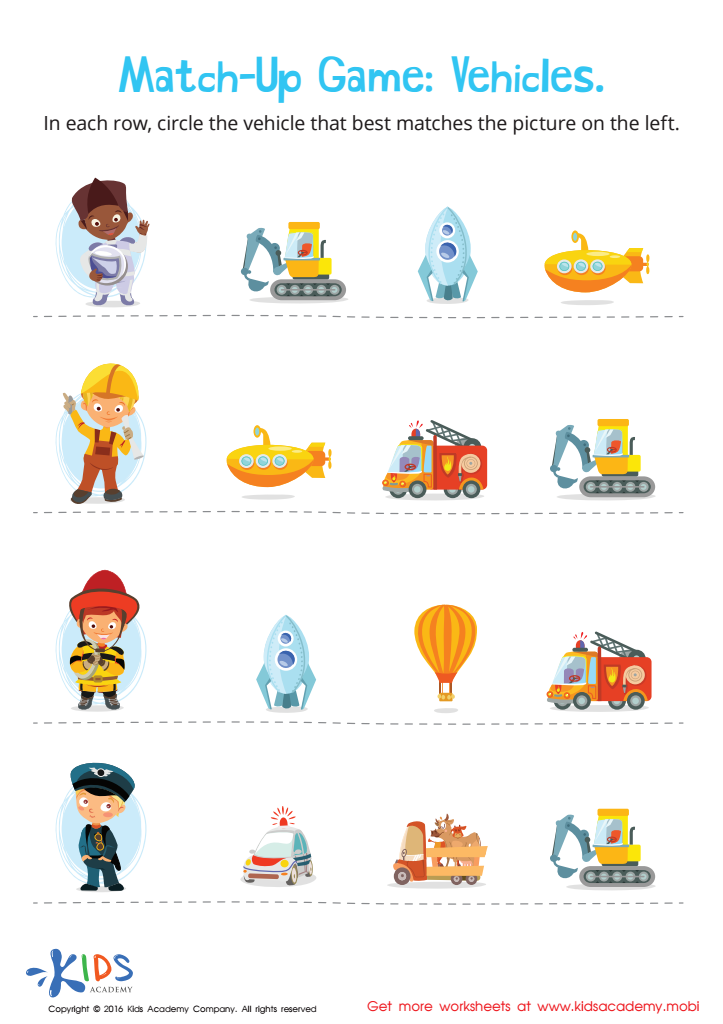
Vehicles Worksheet
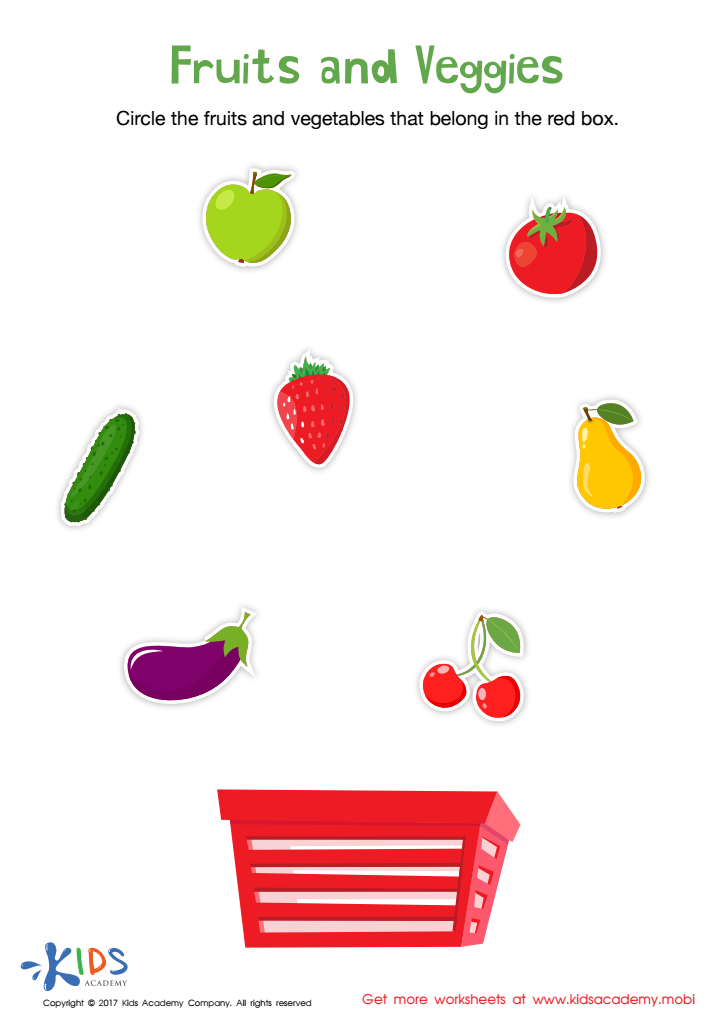
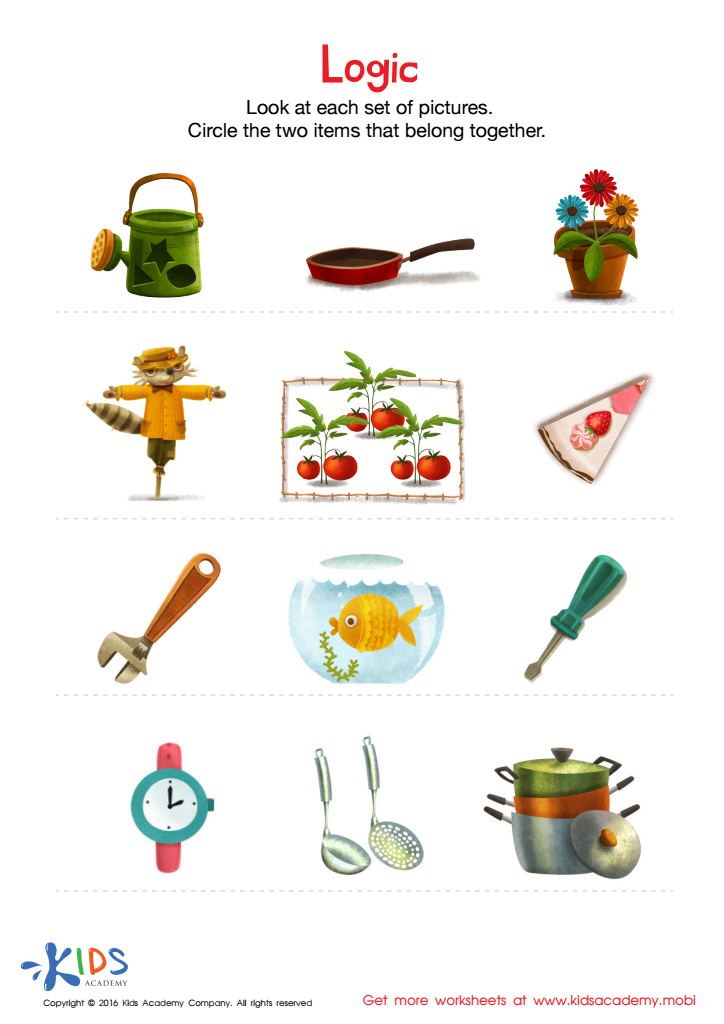
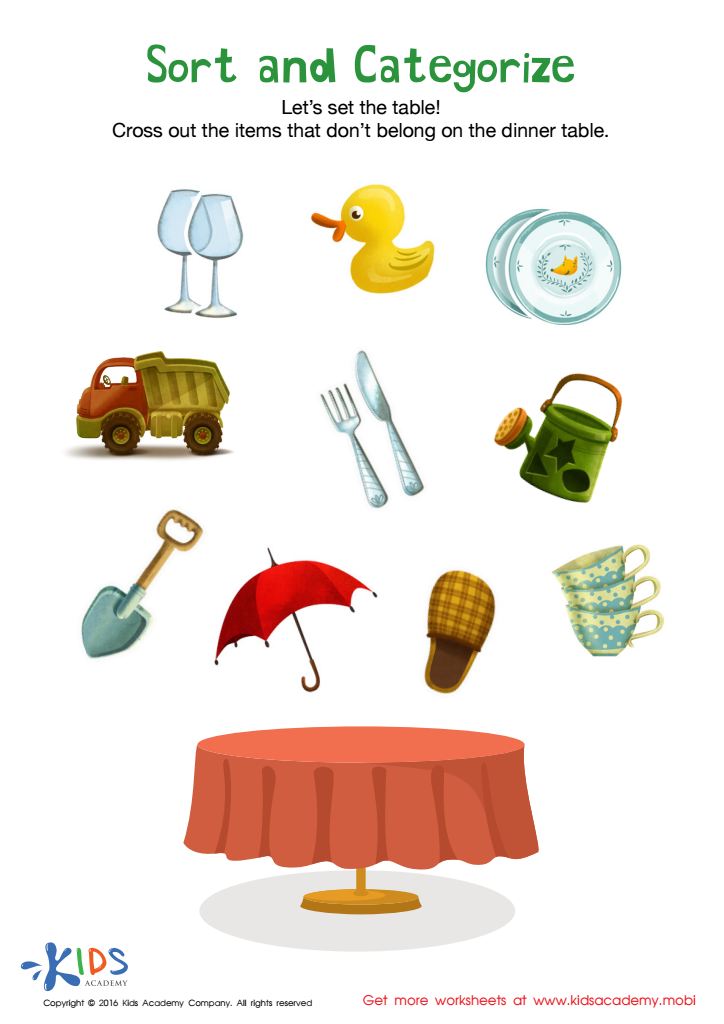
Logic Game Sorting Worksheet







Categorization skills, particularly normal matching, are essential developmental milestones for children ages 3-9. These skills involve the ability to group items based on shared characteristics, such as shape, color, or function. Parents and teachers should care about nurturing these skills because they lay the foundation for critical thinking and problem-solving later in life.
Firstly, categorization helps children develop cognitive skills, enhancing their ability to reason and make connections between different concepts. For instance, when children categorize animals as pets or wild creatures, they begin to understand relationships and differences in the world around them. This process fosters logical thinking and supports their ability to organize information, an essential academic skill.
Secondly, normal matching activities promote language development. As children describe their categorizations, they expand their vocabulary and communication skills. For example, when sorting objects, they learn the names of different categories and attributes.
Additionally, strong categorization skills can bolster social interactions. Children often use these skills in play, learning to collaborate, negotiate, and understand social cues with peers.
In summary, supporting categorization skills in young children not only aids their immediate learning but also equips them with tools to navigate complex ideas and social relationships throughout their lives.








