Normal Physical Science Worksheets for Ages 3-9 - Page 3
71 filtered results
-
From - To
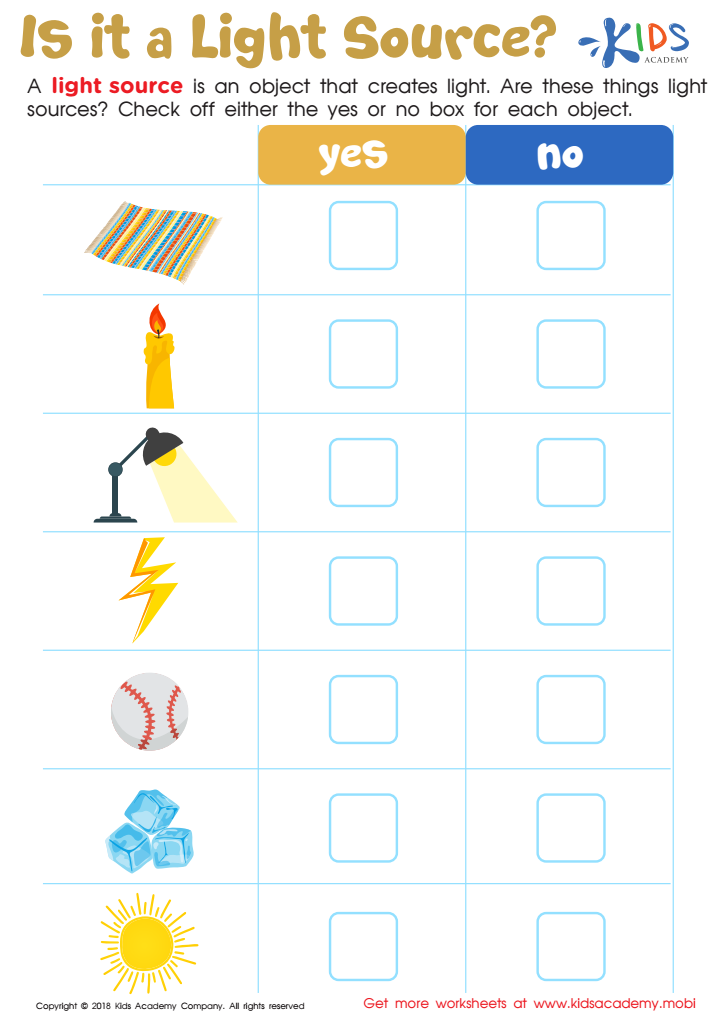
Is It a Light Source? Worksheet
 Assign to My Students
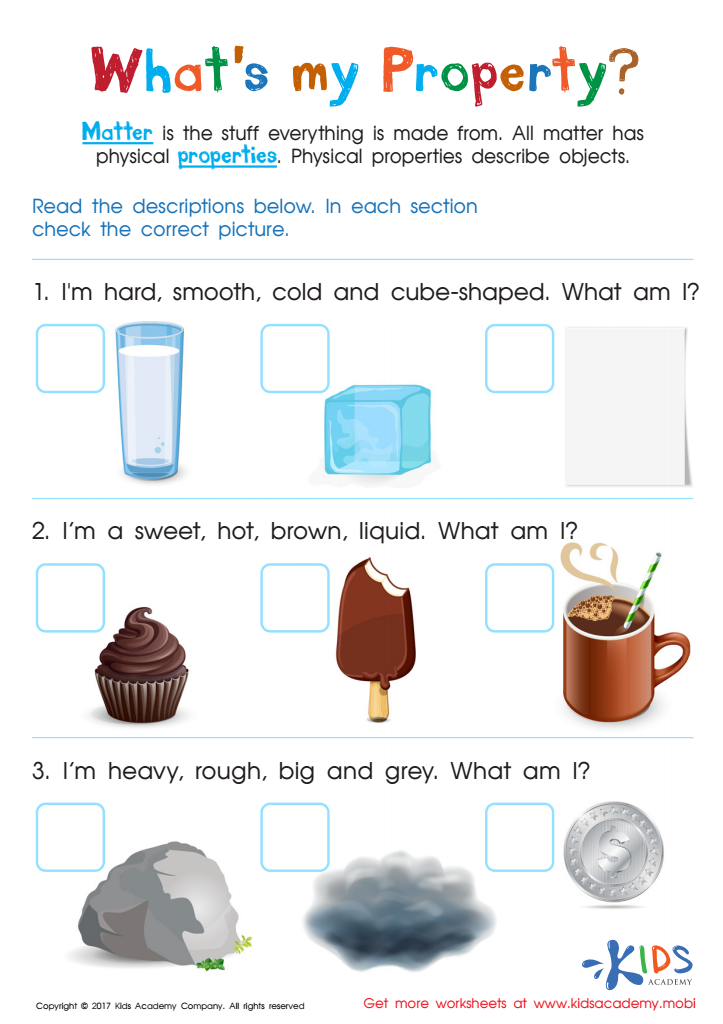
Physical Properties Of Matter Worksheet
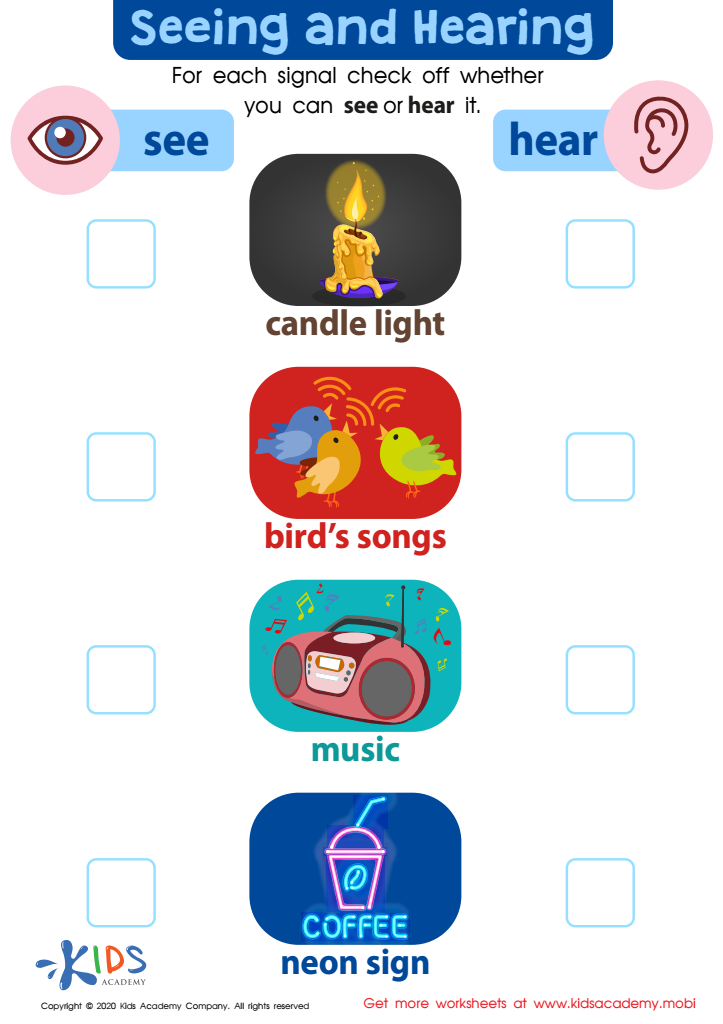
Seeing and Hearing Worksheet
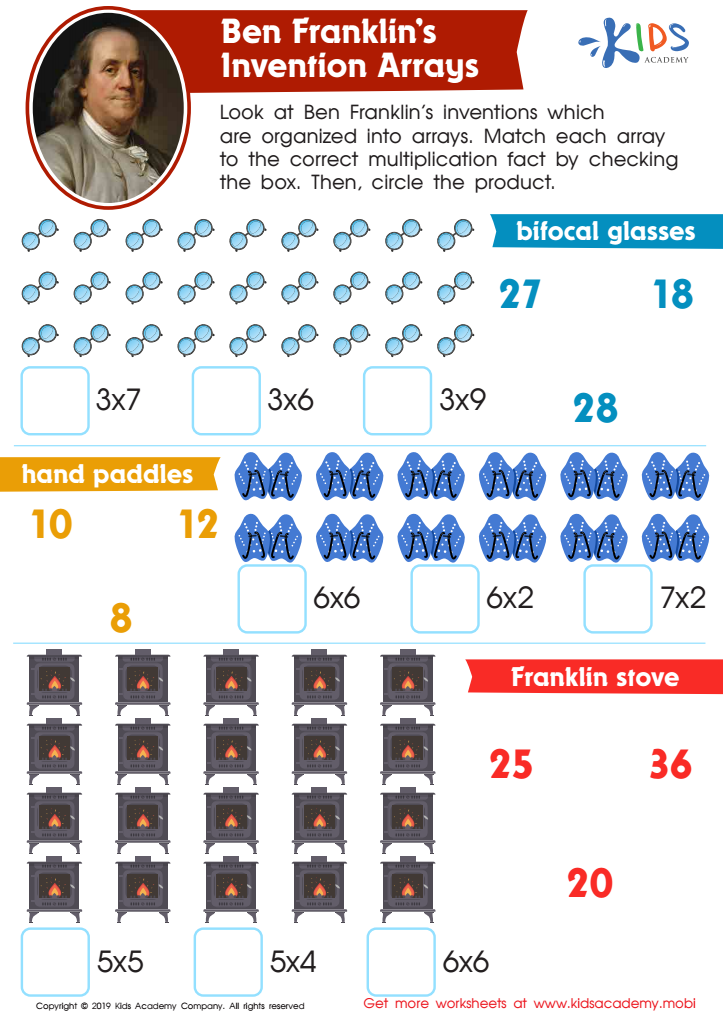
Ben Franklin’s Invention Arrays Worksheet

In Front or Behind: Part 2 Worksheet
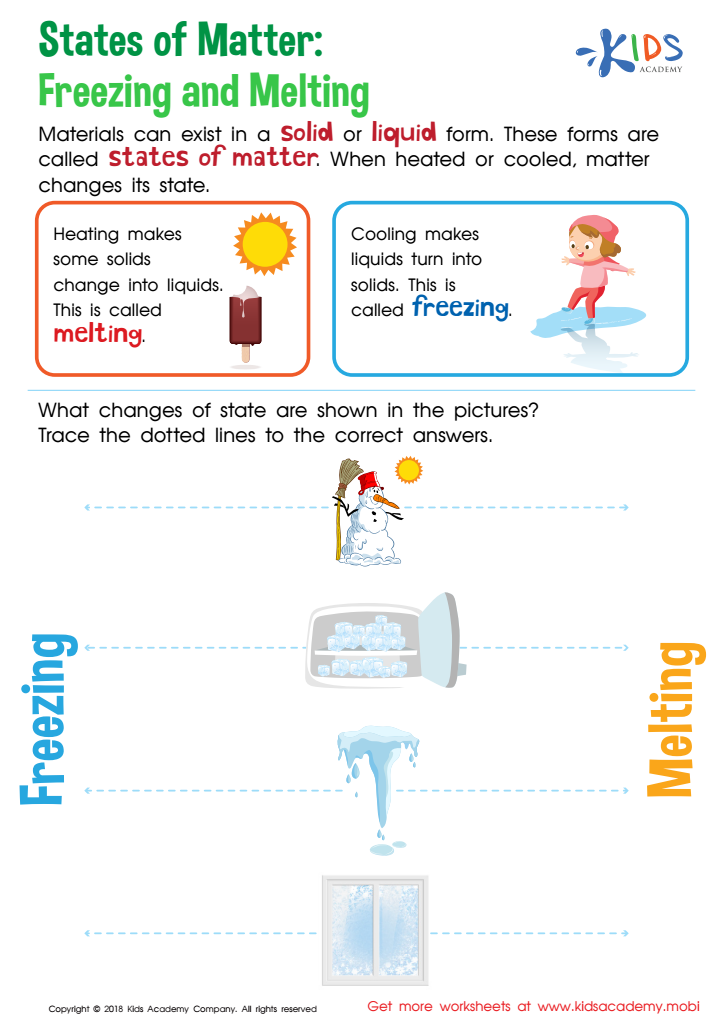
States of Matter: Freezing and Melting Worksheet
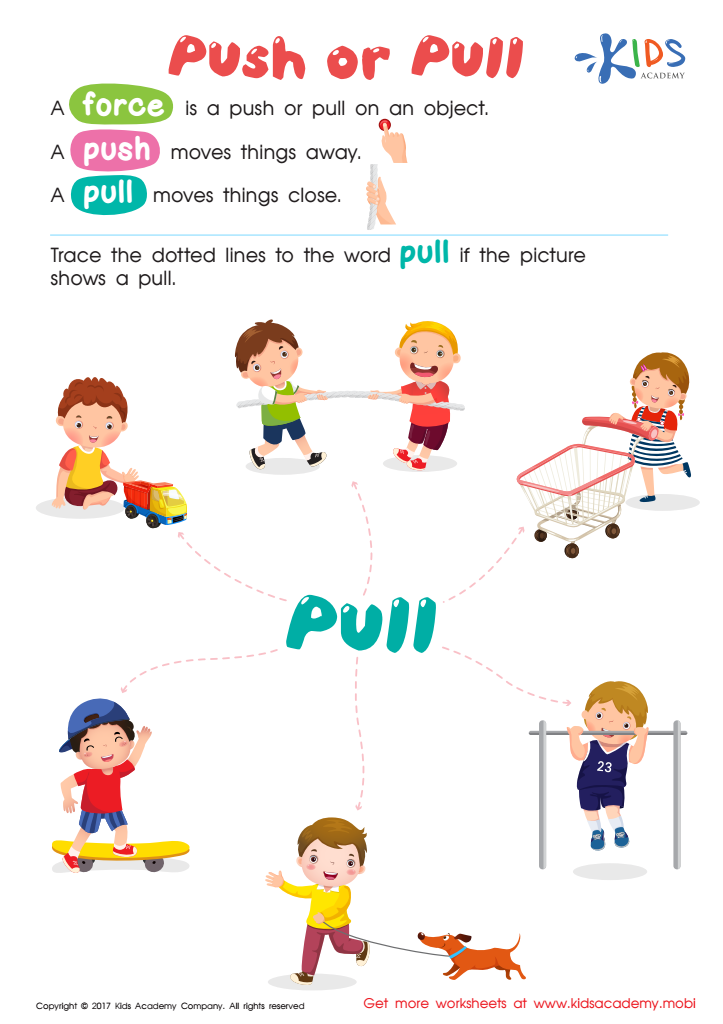
Pull or Push Worksheet
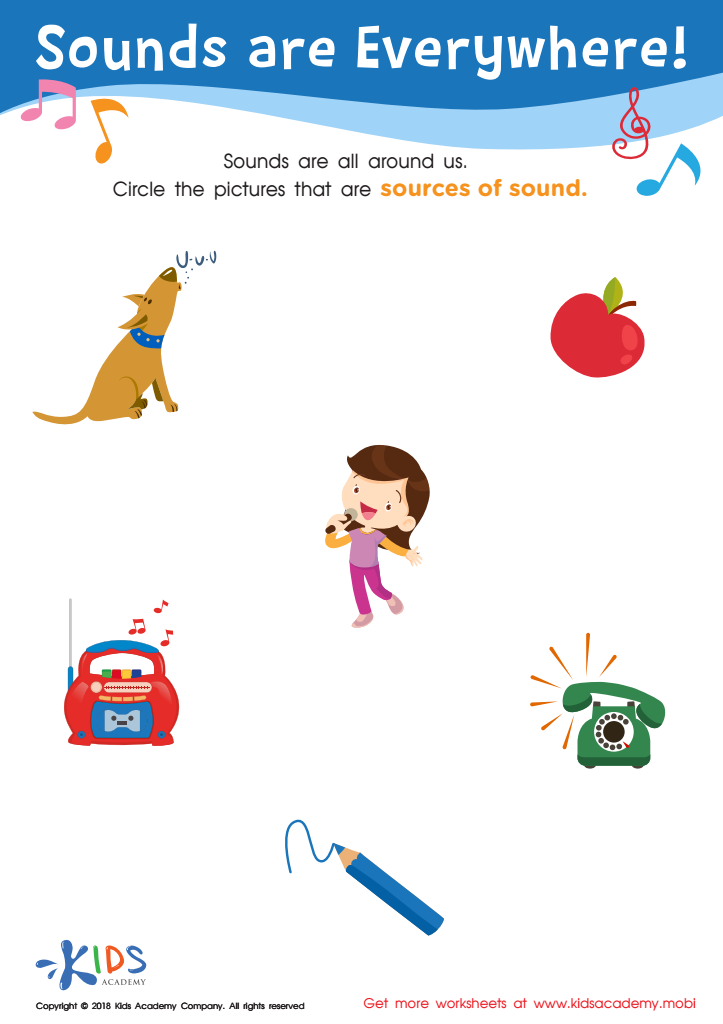
Sounds Are Everywhere! Worksheet
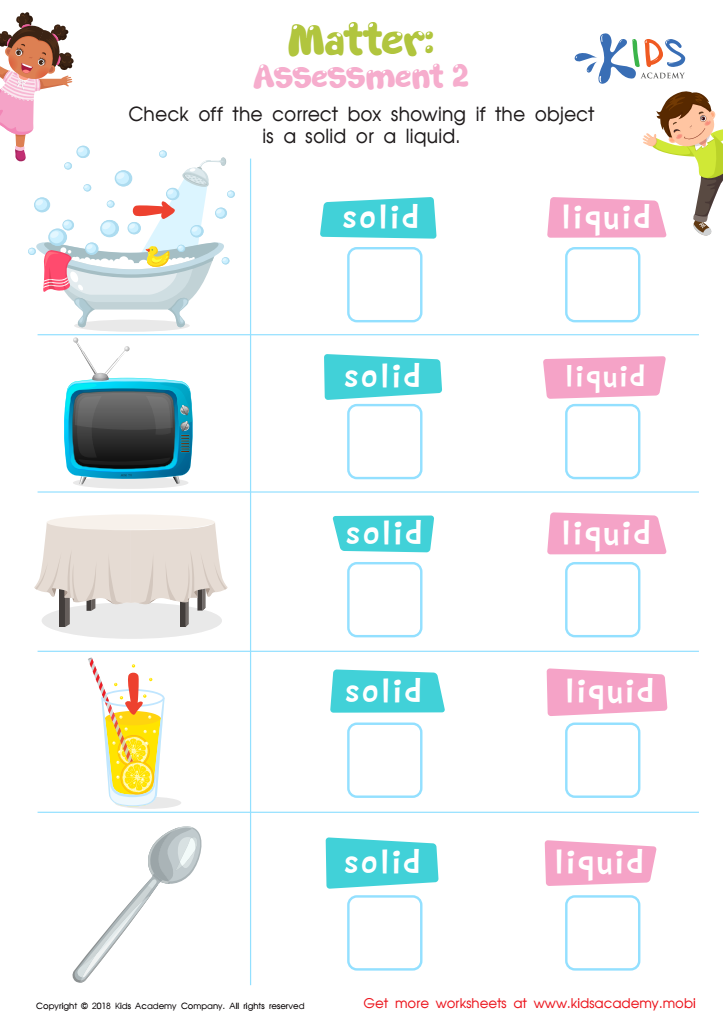
Matter: Assessment 2 Worksheet
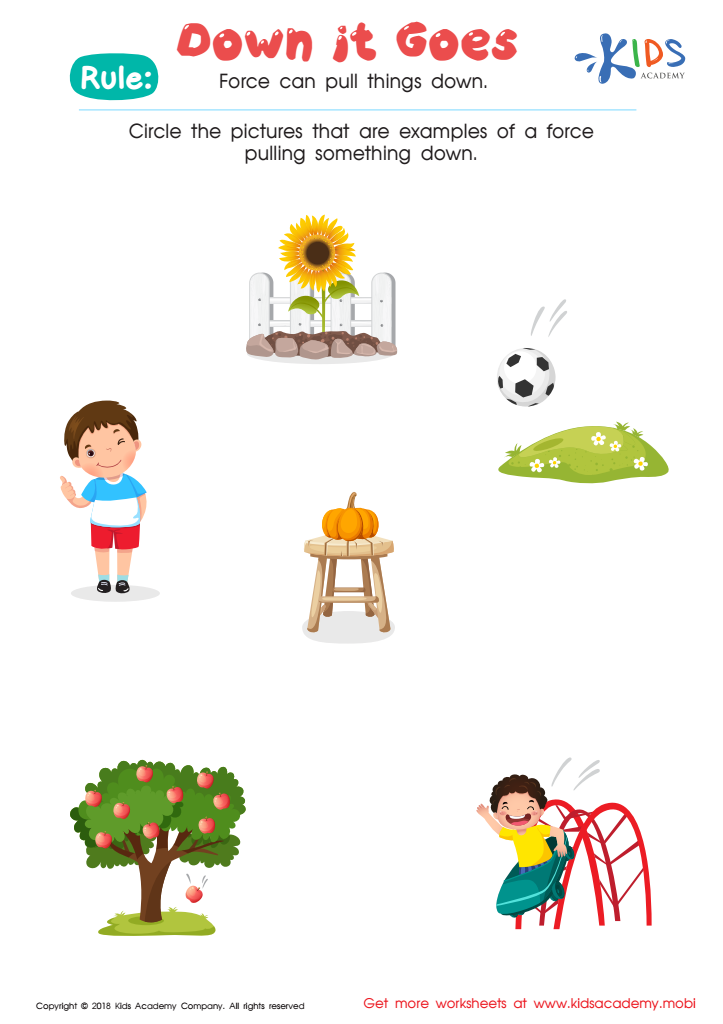
Down it Goes Worksheet
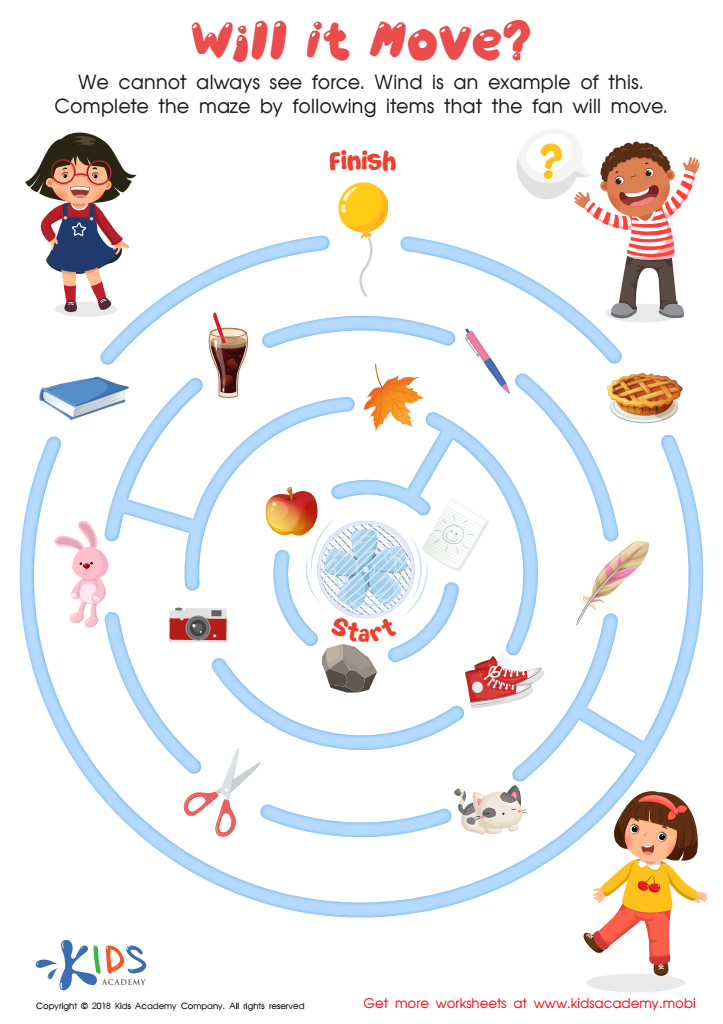
Will it Move? Worksheet
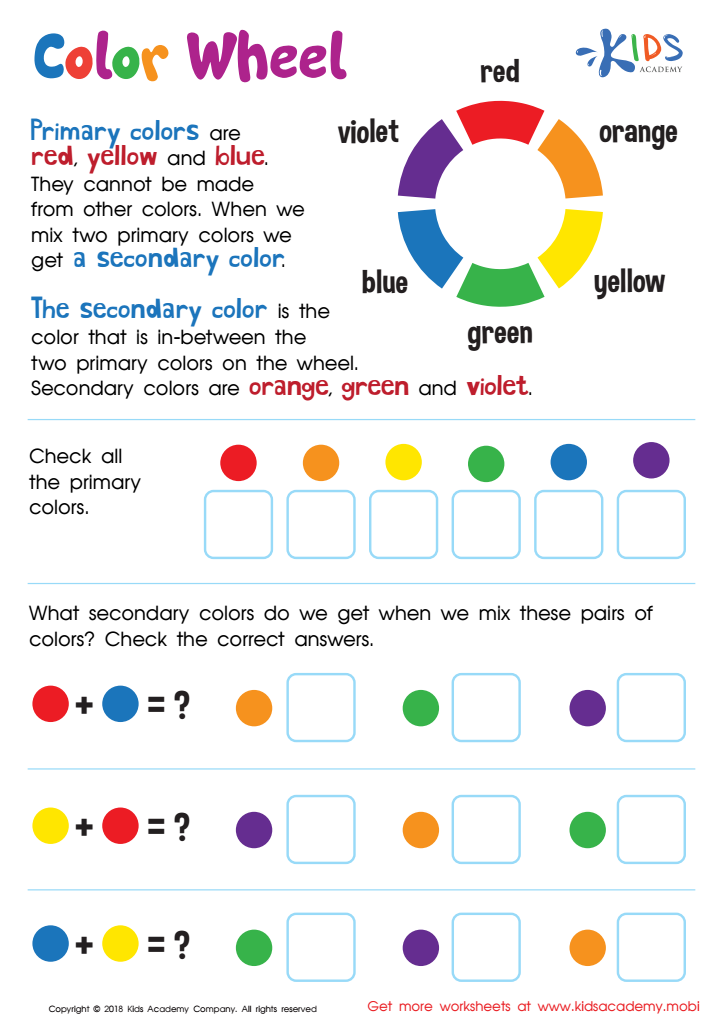
Primary and Secondary Colors Worksheet
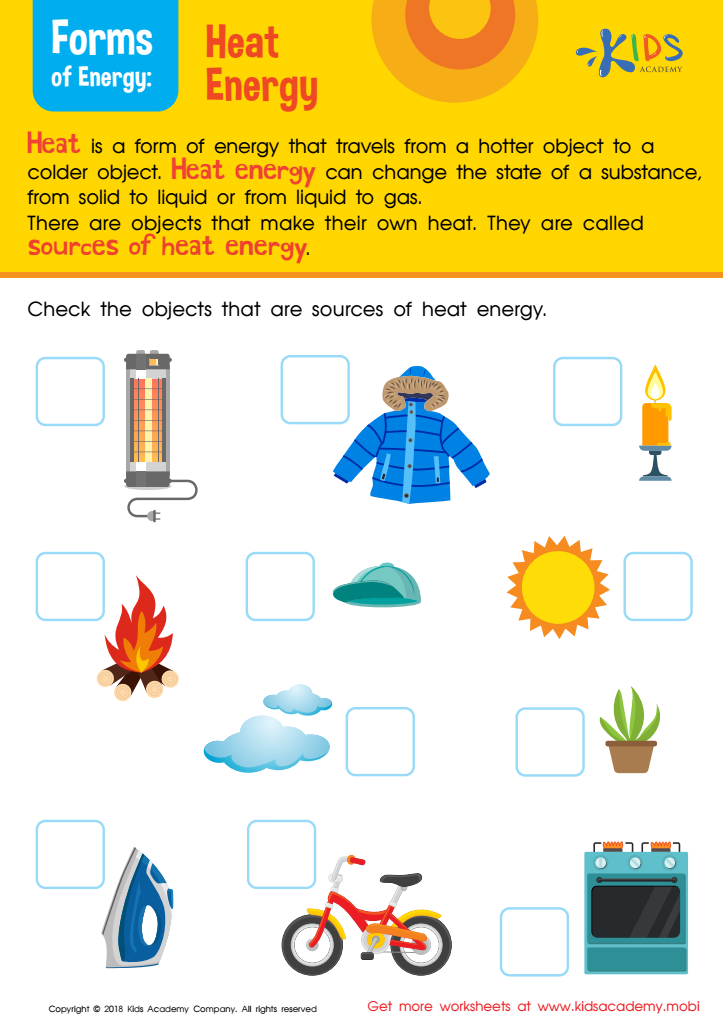
Sources of Heat Energy Worksheet
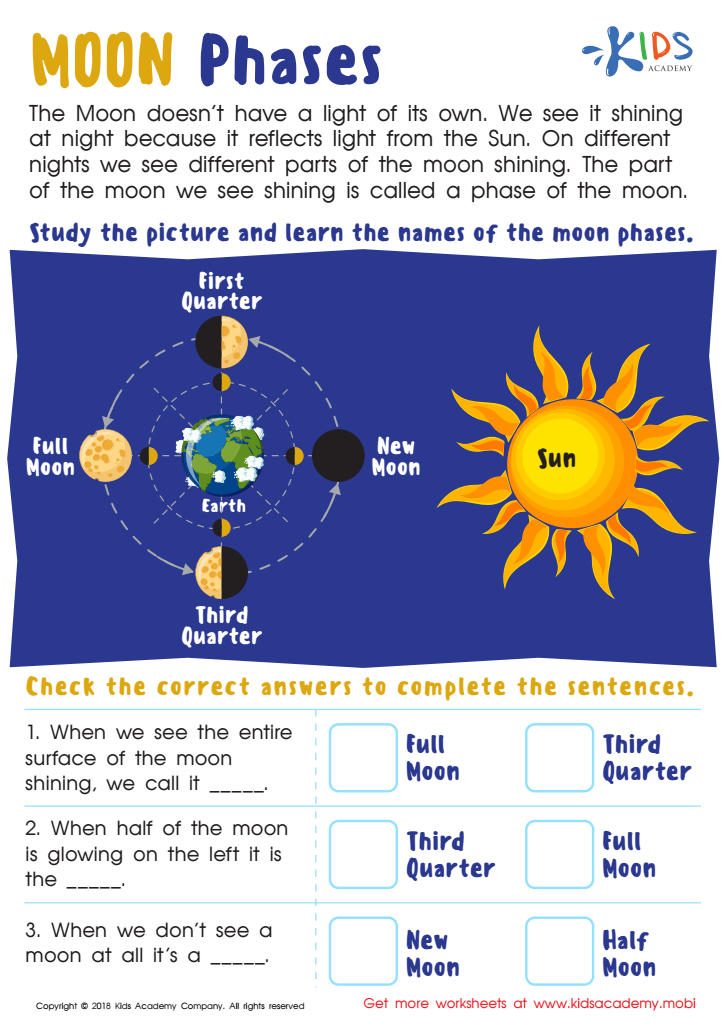
Moon Phases Worksheet
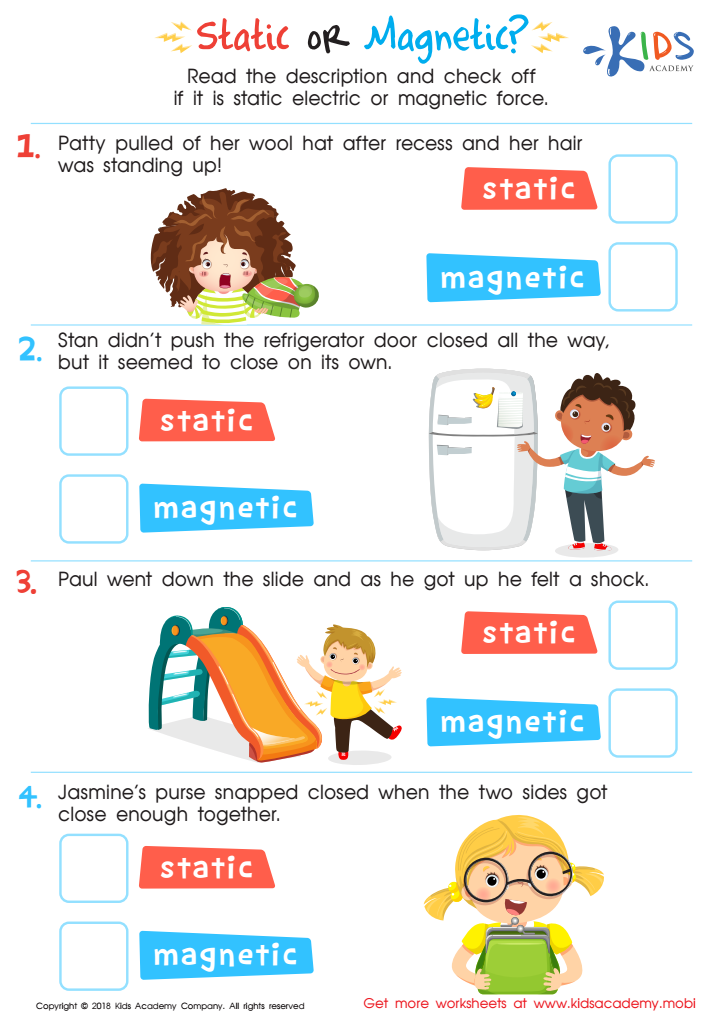
Static or Magnetic Printable Worksheet
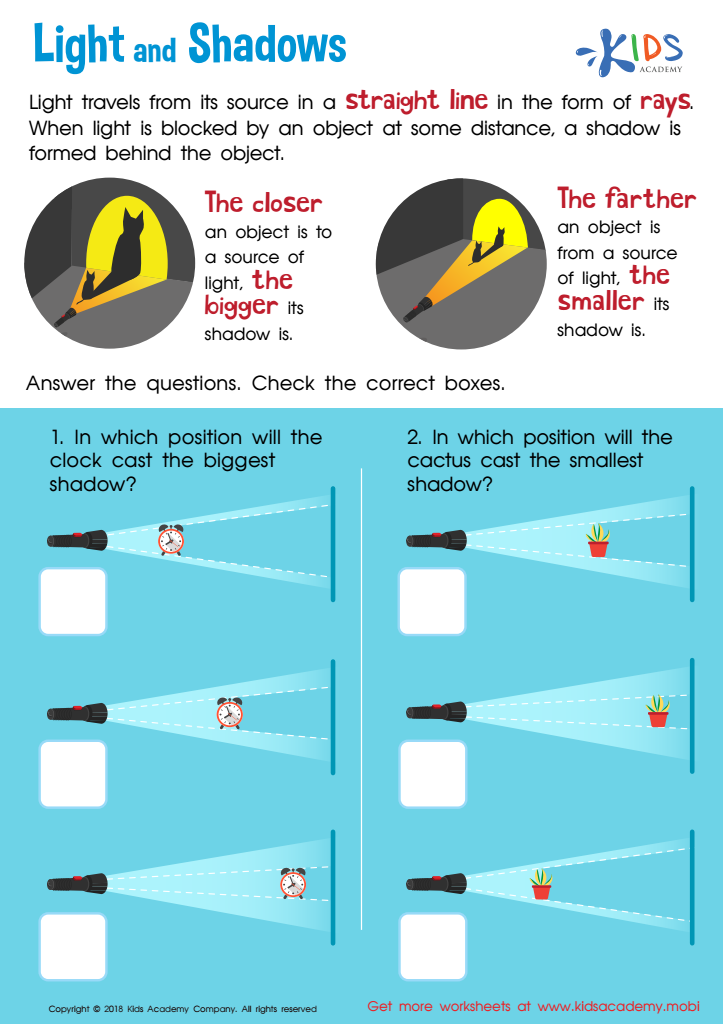
Light and Shadow Worksheet for Grade 3
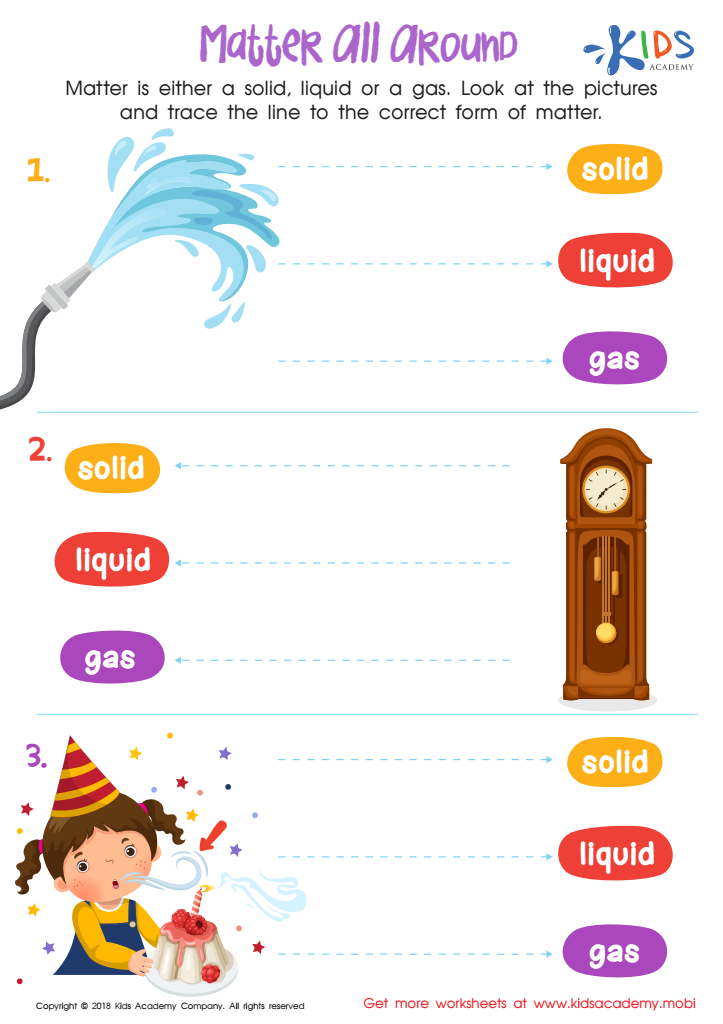
Matter all Around Worksheet
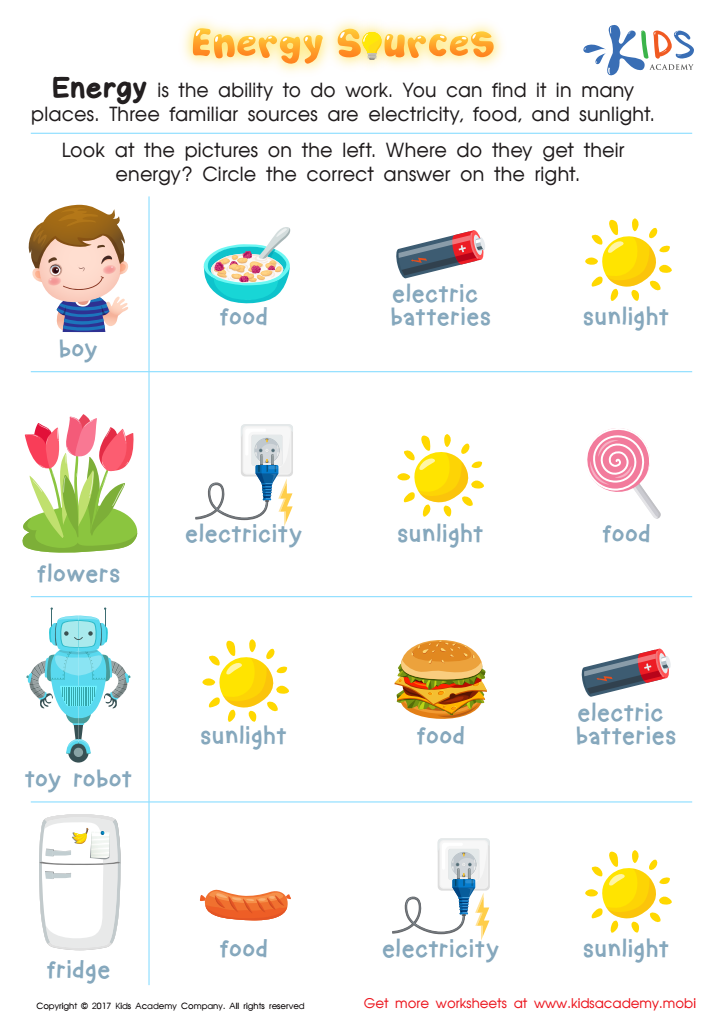
Energy Sources Printable
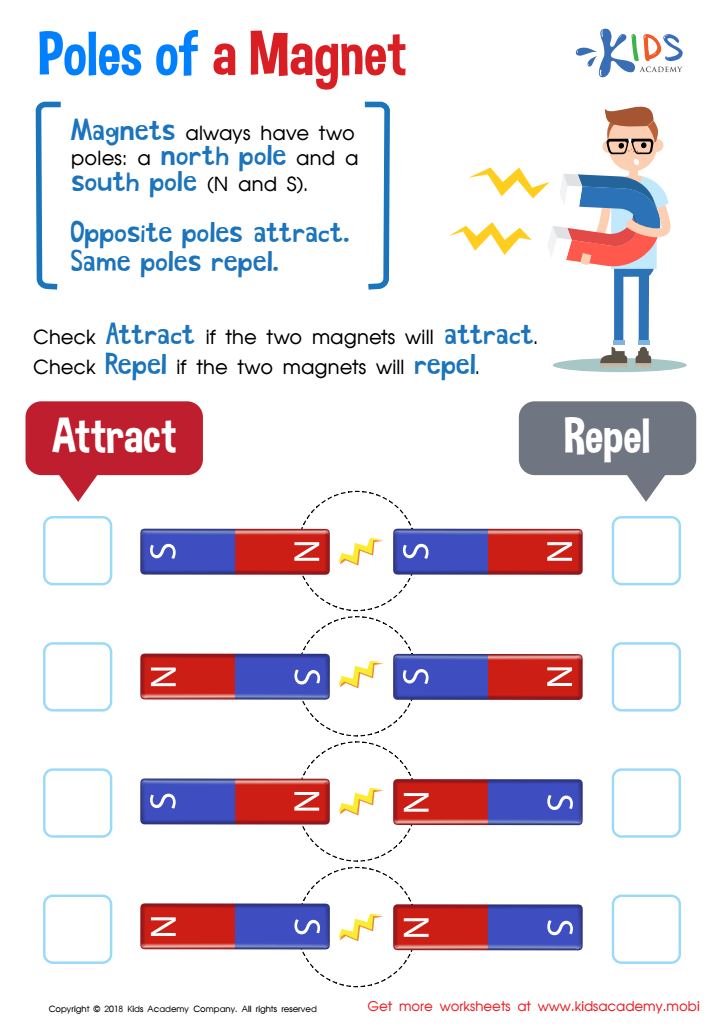
Magnet Poles Attract or Repel Worksheet

How Light Travels Worksheet
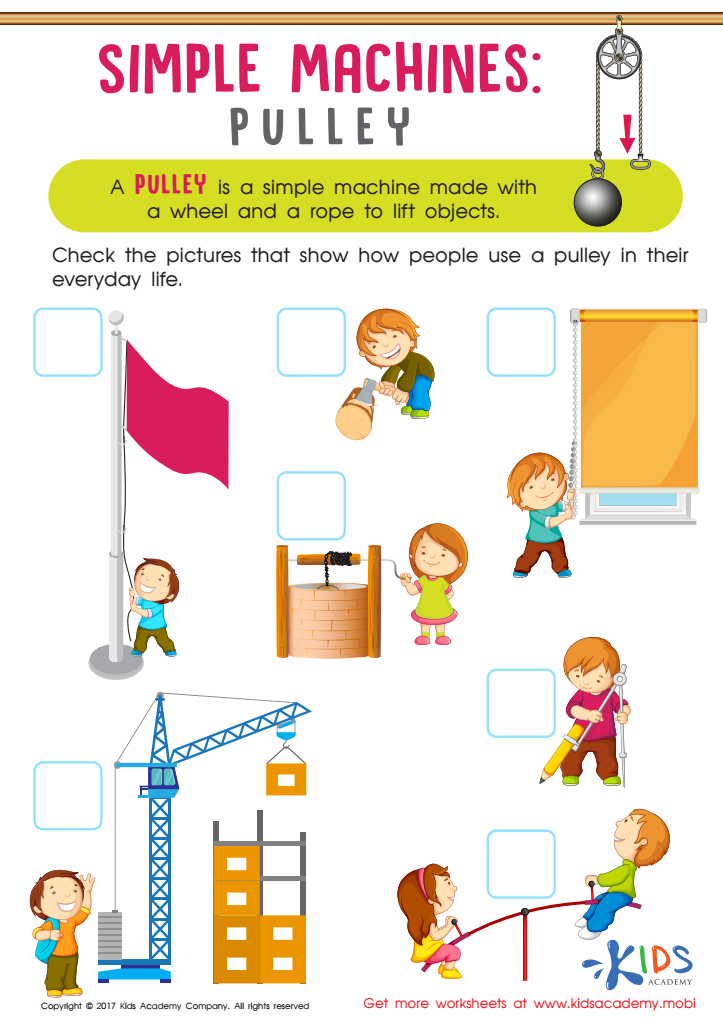
Simple Machines Pulley Worksheet
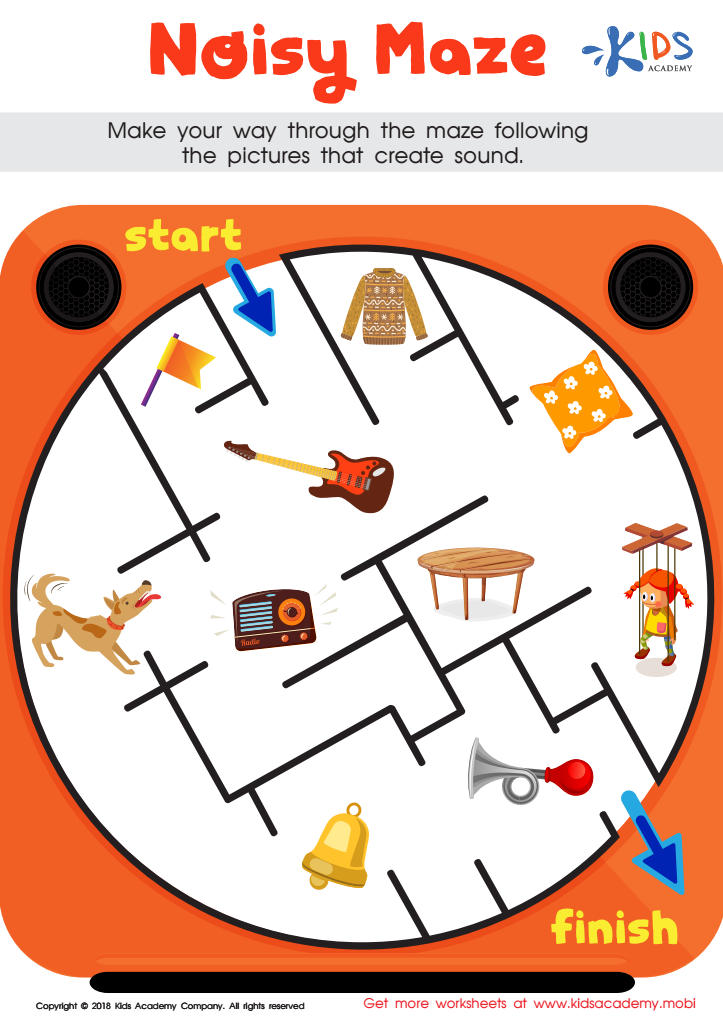
Noisy Maze Worksheet
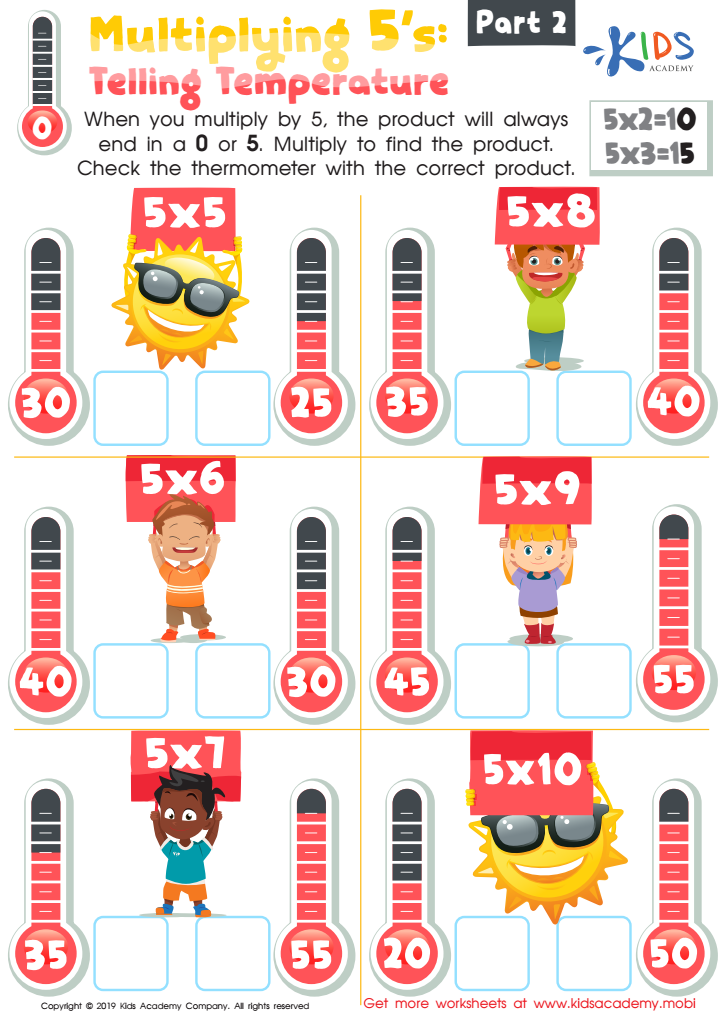
Multiplying 5’s: Telling Temperature Part 2 Worksheet








Normal Physical Science is crucial for children aged 3-9 as it lays the foundation for understanding the world around them. During these formative years, children are innately curious and eager to explore their environment. By introducing concepts of physical science, such as matter, energy, and simple machines, we harness this curiosity and encourage critical thinking and problem-solving skills.
Engaging with these scientific principles promotes cognitive development, enhances reasoning skills, and fosters creativity. When children experiment with concepts like gravity, force, and magnetism through hands-on activities, they develop a deeper awareness of scientific processes. This experiential learning not only makes science enjoyable but also helps them retain knowledge better.
Furthermore, early exposure to physical science cultivates an appreciation for inquiry and exploration. It prepares them to tackle more complex scientific ideas as they progress in school. For parents and teachers, incorporating normal physical science into early education supports essential skills like observation, classification, and prediction, integral to overall learning. In a world increasingly driven by science and technology, a solid foundation in physical science is vital for nurturing future innovators and critical thinkers. Therefore, investing in early physical science education enriches children's learning experiences and piques their interest in lifelong scientific exploration.







