Normal Geography Worksheets for Ages 3-9 - Page 3
54 filtered results
-
From - To
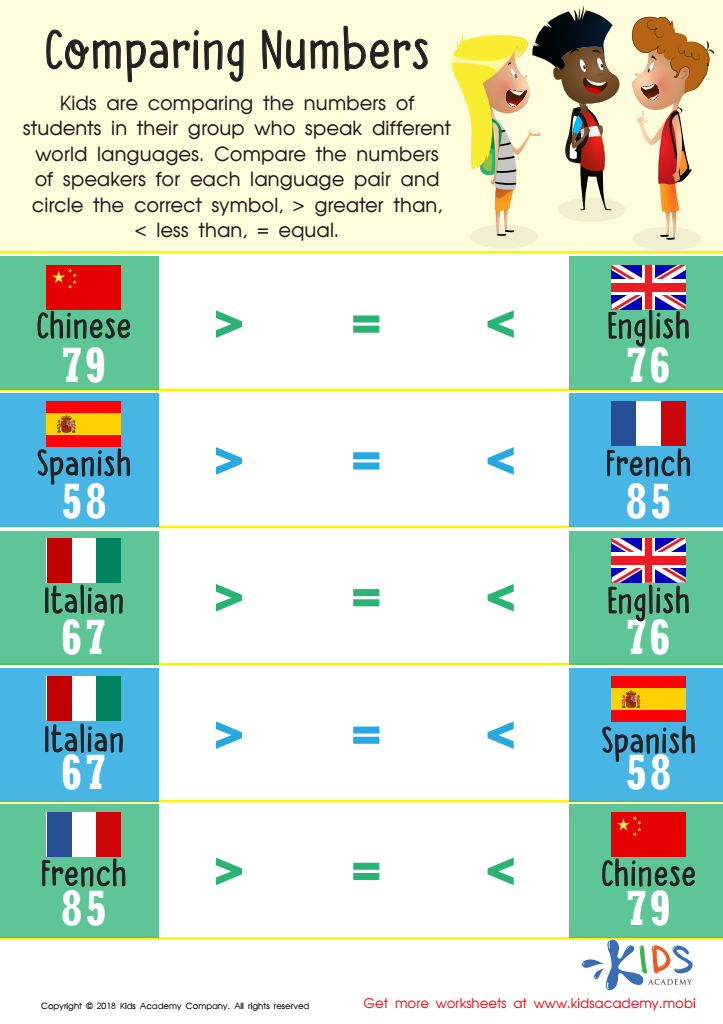
Comparing Numbers Worksheet for 1st Grade
 Assign to My Students
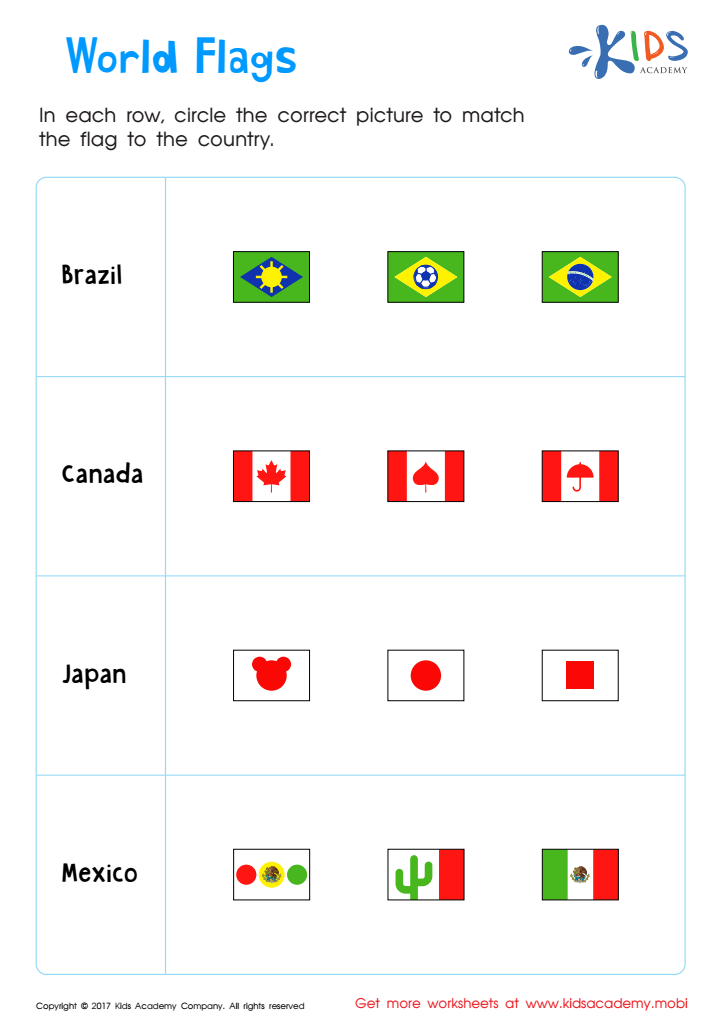
World Flags Printable
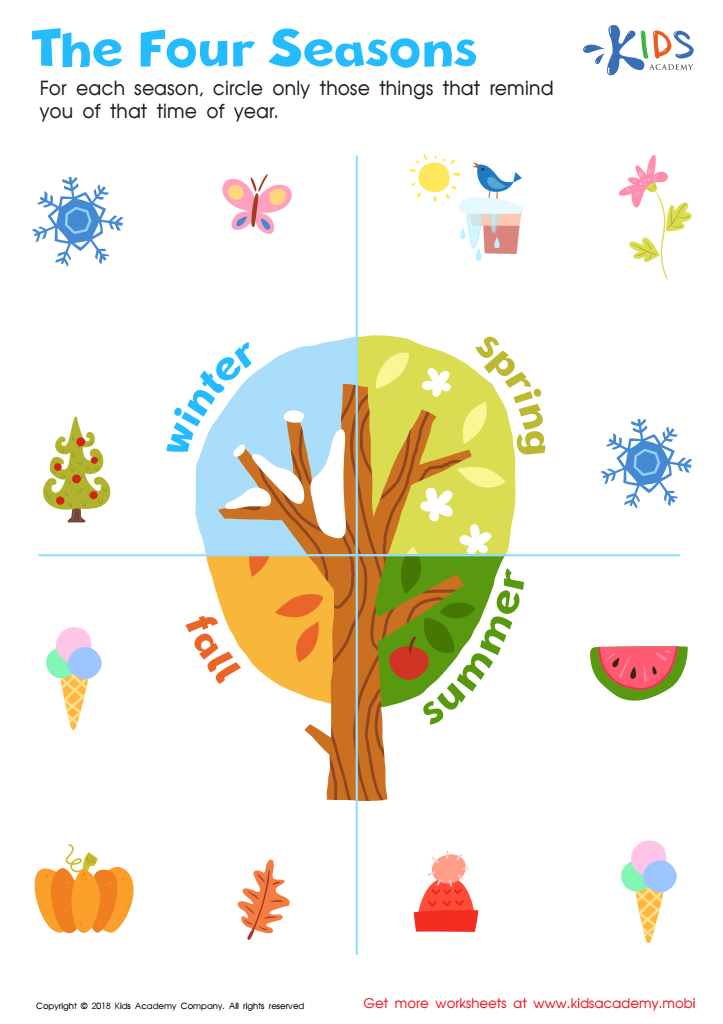
The Four Seasons Worksheet
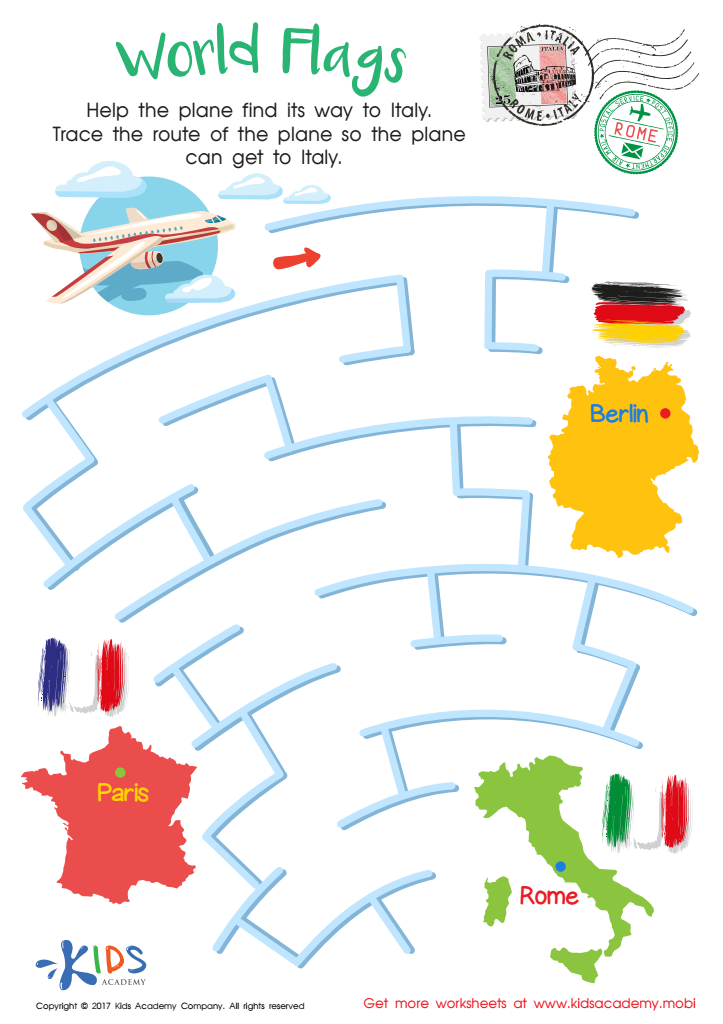
World Flags Maze Worksheet
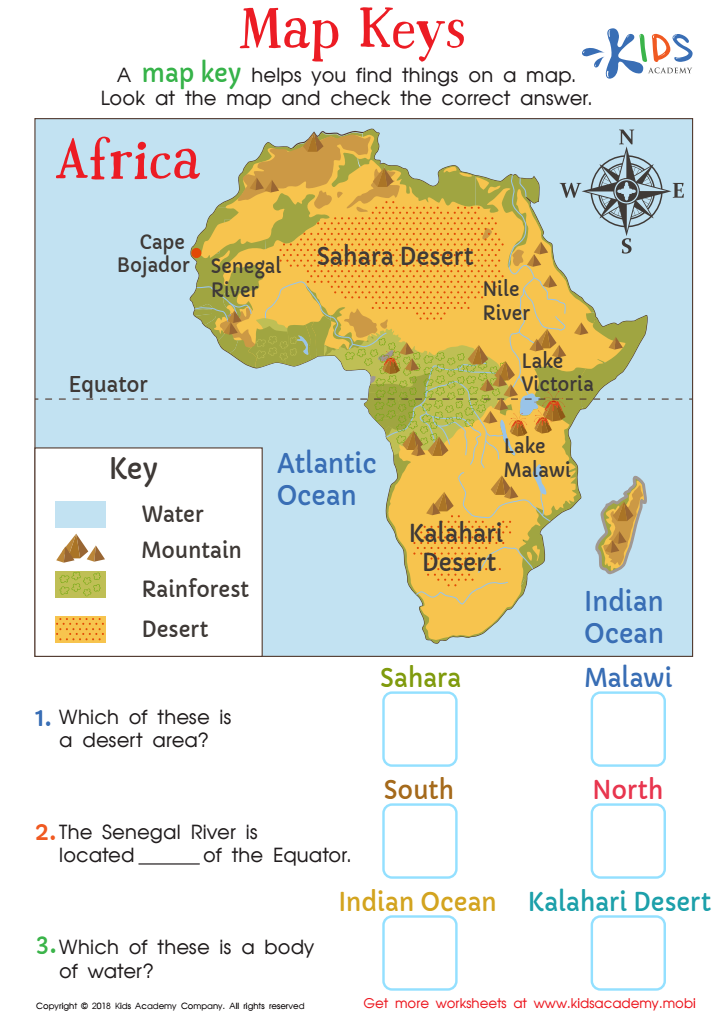
Map Keys Worksheet
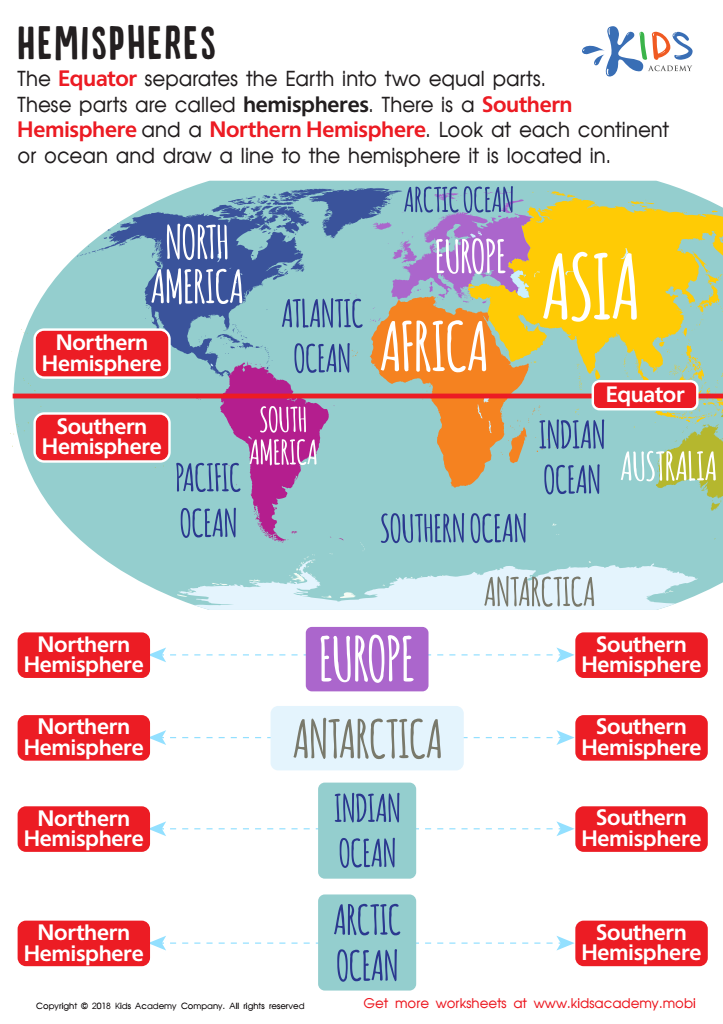
Hemispheres Worksheet


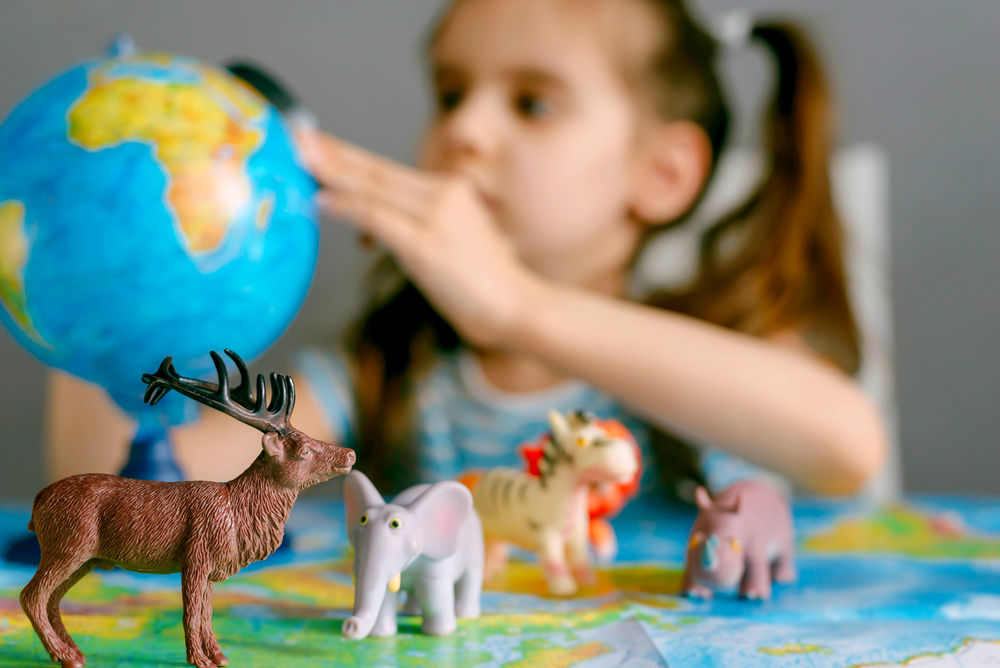




Normal Geography for children aged 3-9 is crucial as it lays the foundation for spatial awareness and understanding of the world around them. At this young age, children are naturally curious and eager to learn about different places, cultures, and environments. Introducing basic geographic concepts helps foster this curiosity and encourages exploration.
One important aspect of geography is that it goes beyond maps and locations; it involves understanding human interactions with the environment, cultural diversity, and global interconnectedness. By engaging in geographic activities, children develop critical thinking skills and learn to appreciate the diversity of the world.
Additionally, geography enhances their vocabulary and cognitive development, as terms related to location, direction, and physical features are introduced. Parents and teachers can utilize hands-on activities—like exploring local neighborhoods or creating simple maps—making learning meaningful and interactive.
Moreover, early exposure to geography can inspire a sense of belonging and stewardship toward the planet. As children learn about their local environment and how it fits into the larger world, they become more mindful of their responsibilities towards it. Overall, teaching Normal Geography cultivates informed, compassionate, and globally aware citizens, benefiting both the individual and society.