Counting skills Normal Worksheets for 3-Year-Olds - Page 2
45 filtered results
-
From - To
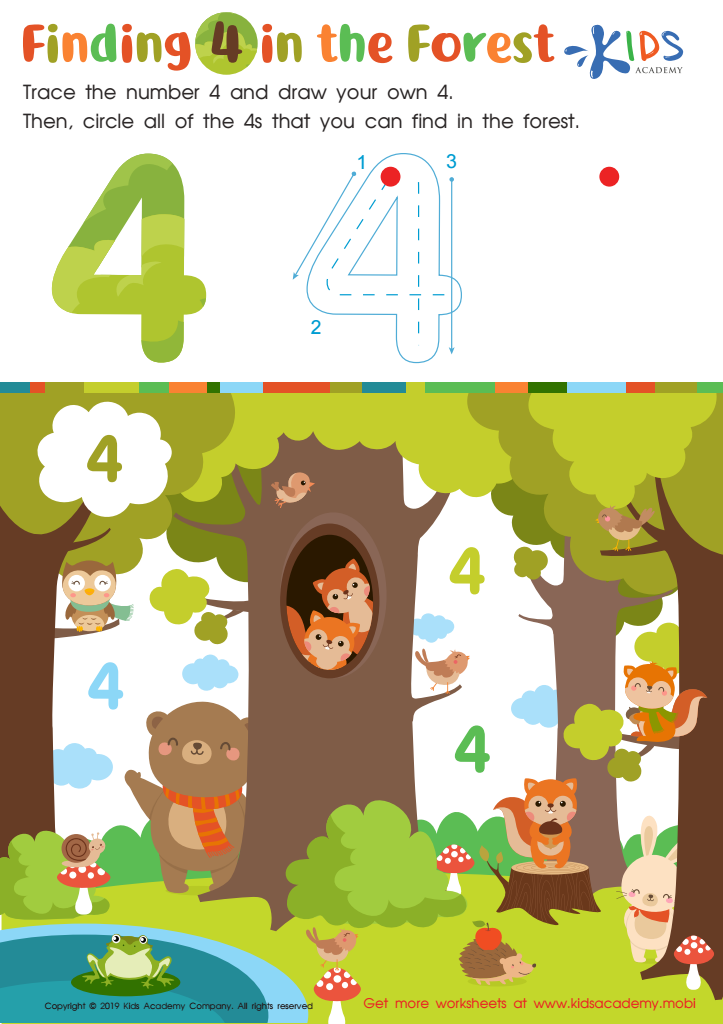
Finding 4 in the Forest Worksheet
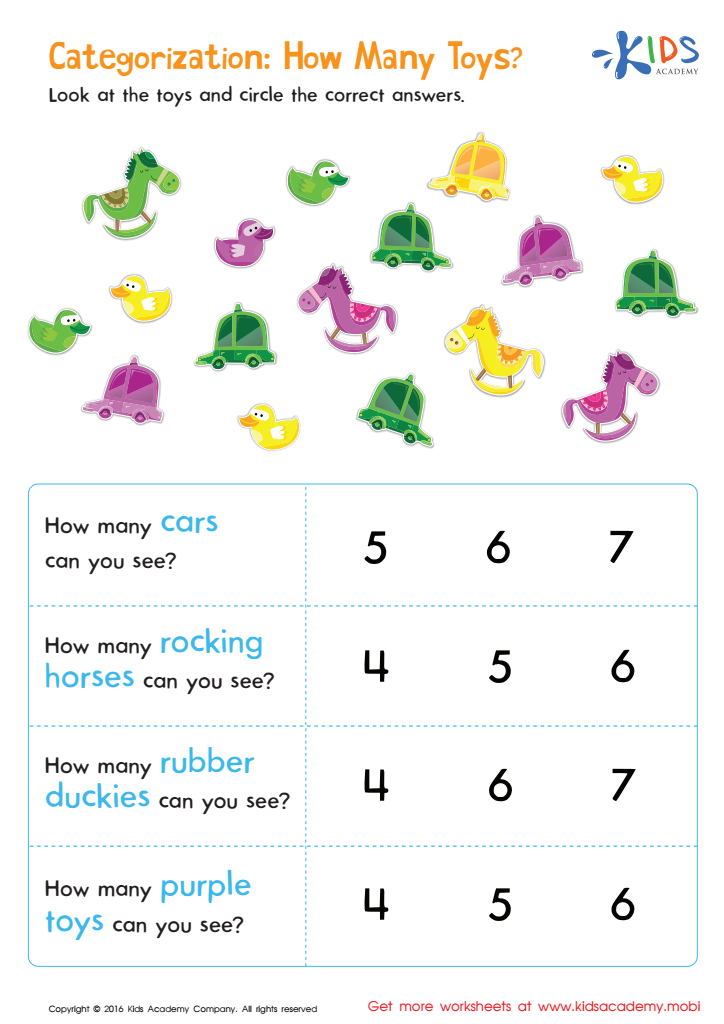
Classifying Toys by Type and Color Sorting Worksheet
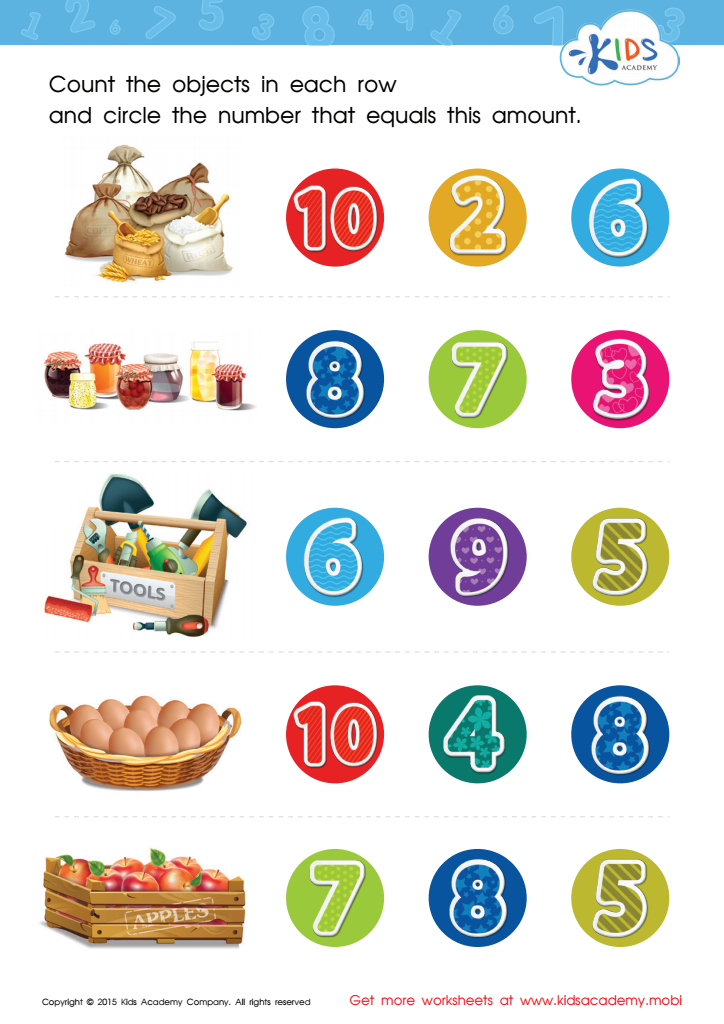
Count and Match 6 – 10 Math Worksheet
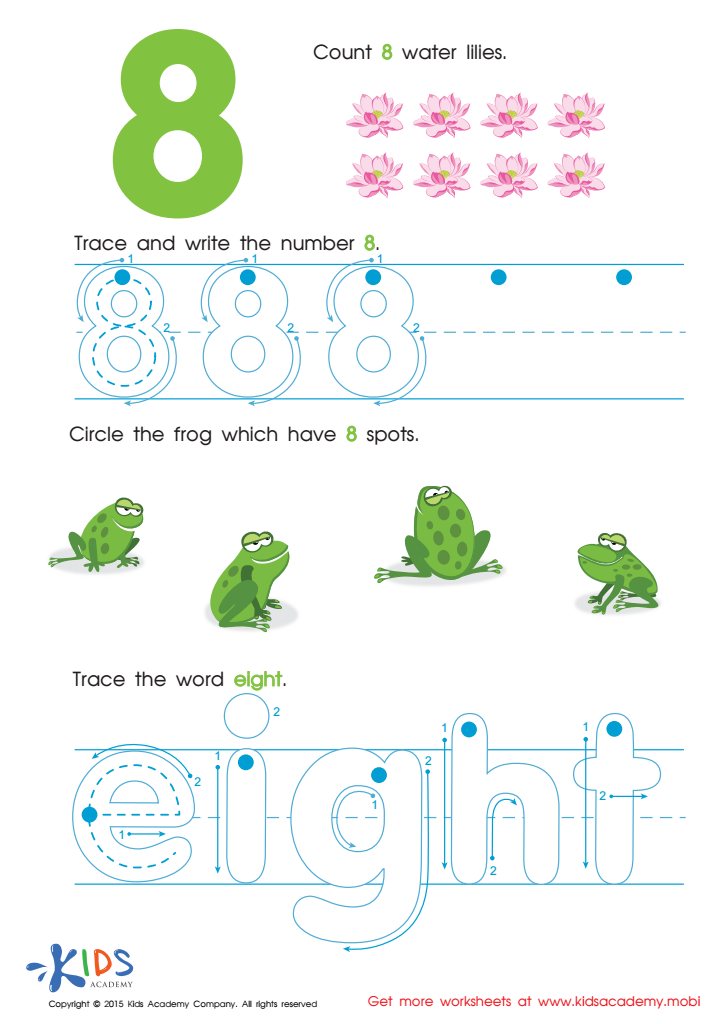
Learn Number 8 Easily Worksheet
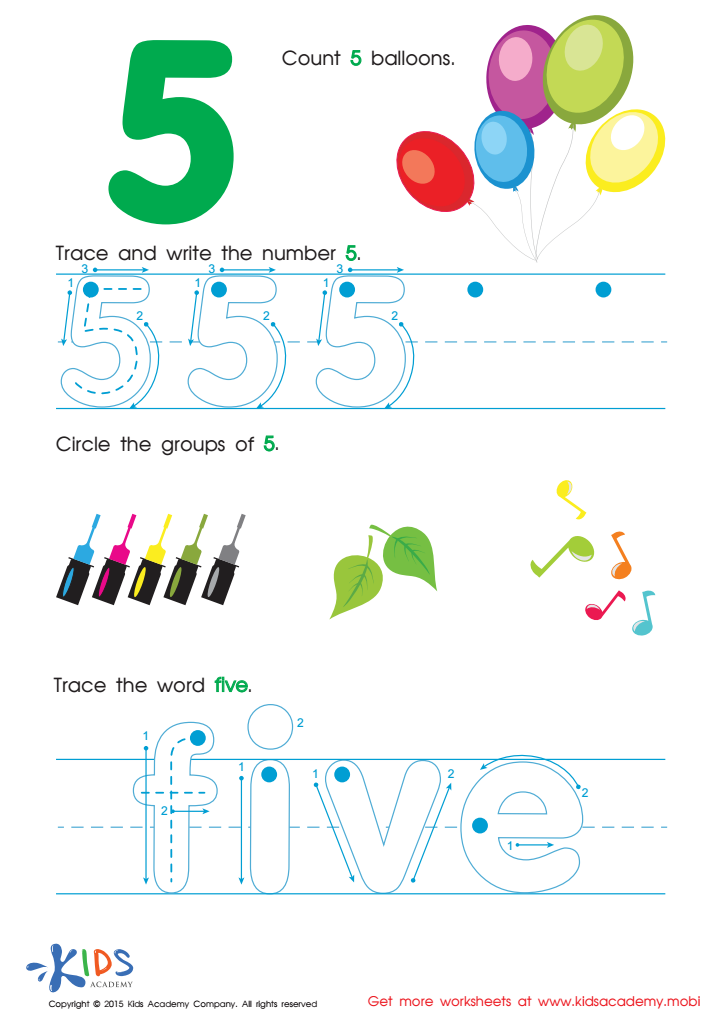
Practice Writing Number 5 Worksheet
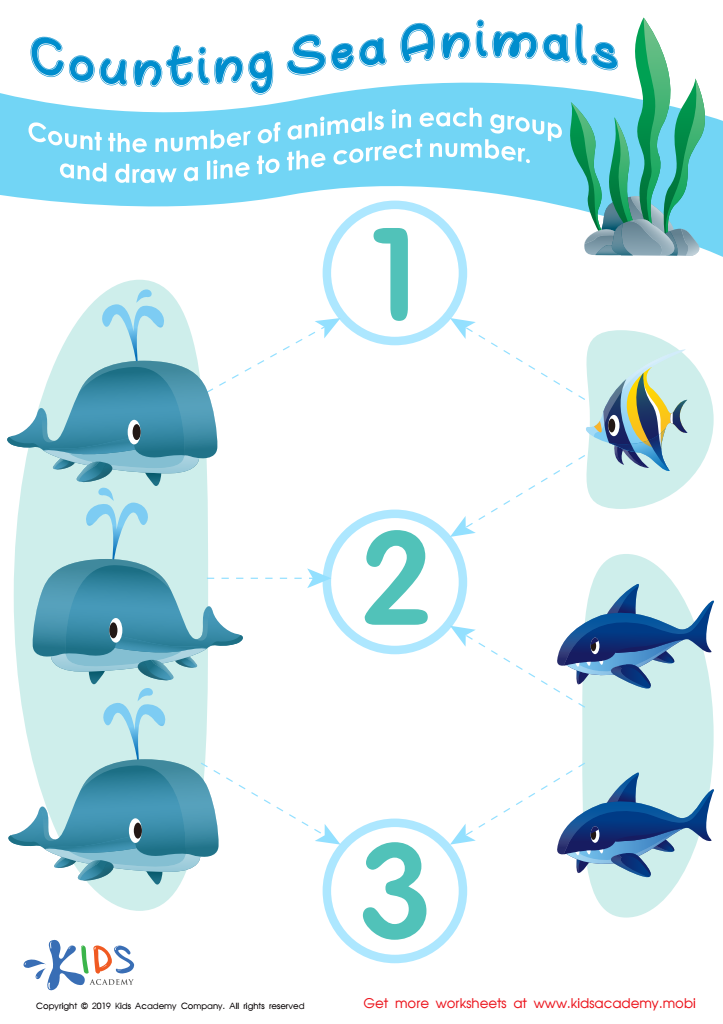
Counting Sea Animals Worksheet

Easter: Easter Eggs Worksheet
 Assign to My Students
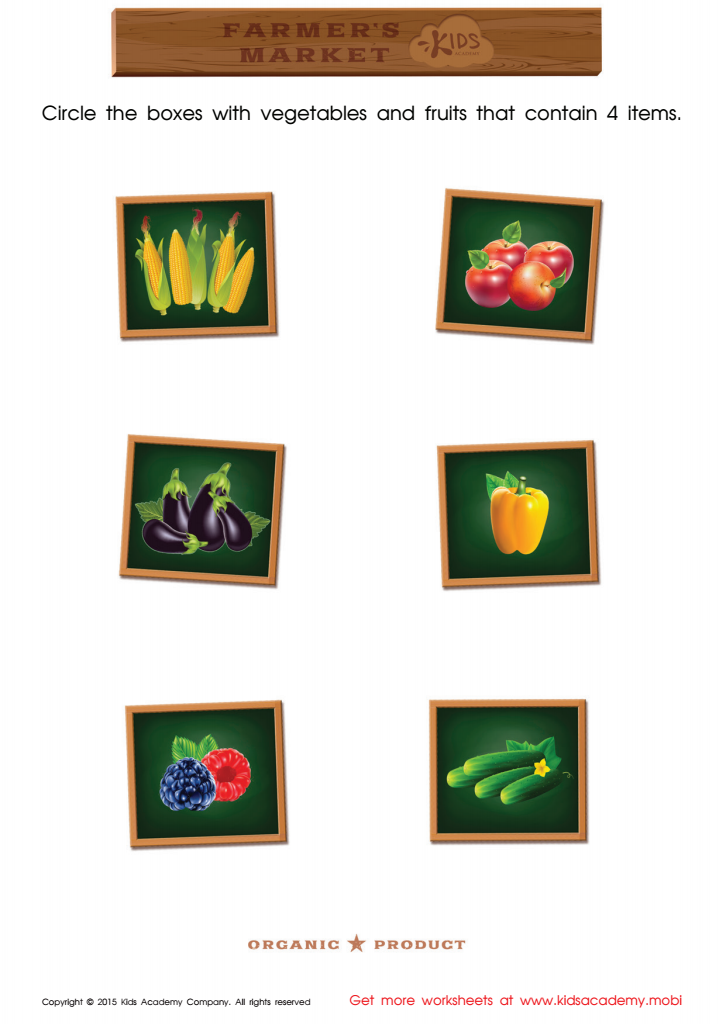
Count and Match Vegetables 2 – 8 Math Worksheet

Count and Match Vegetables and Points Math Worksheet
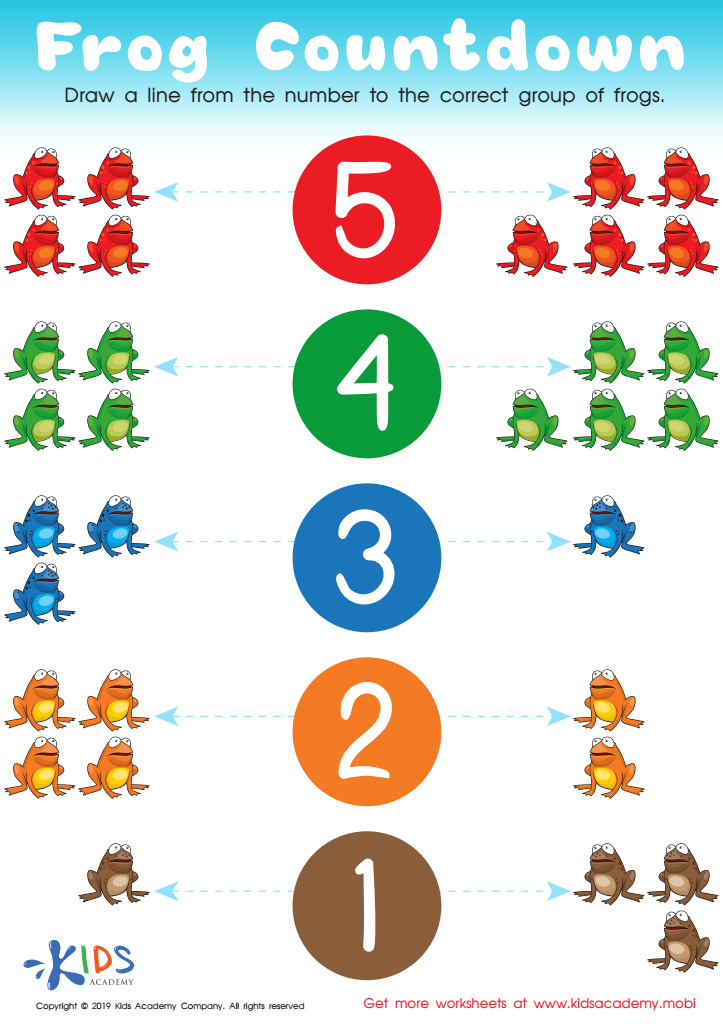
Frog Countdown Worksheet
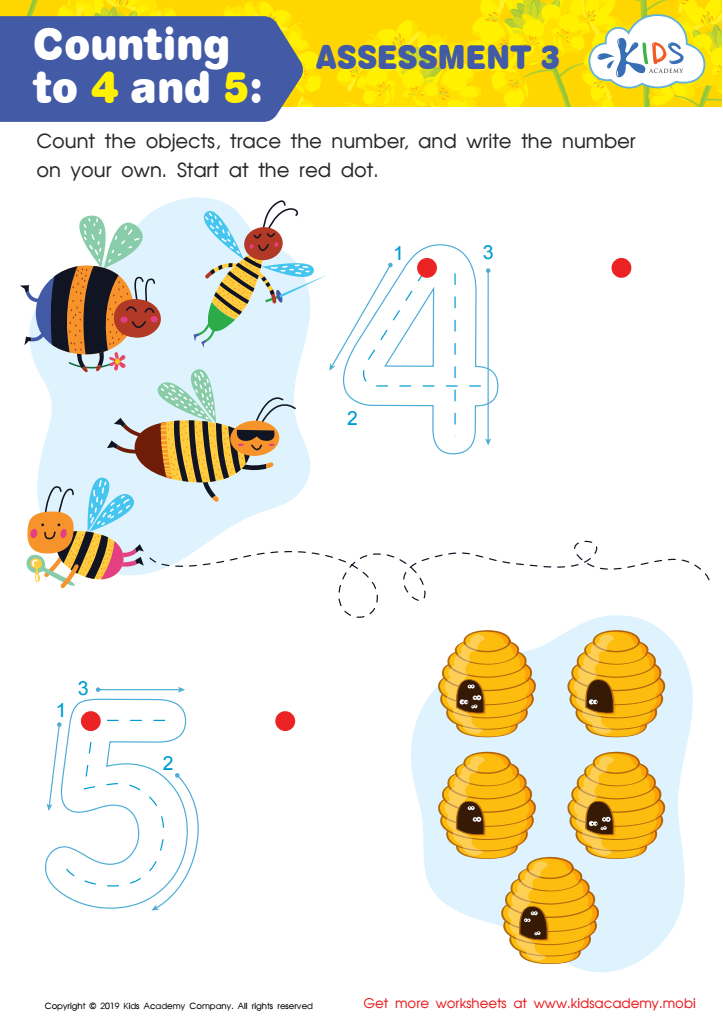
Counting to 4 and 5: Assessment 3 Worksheet
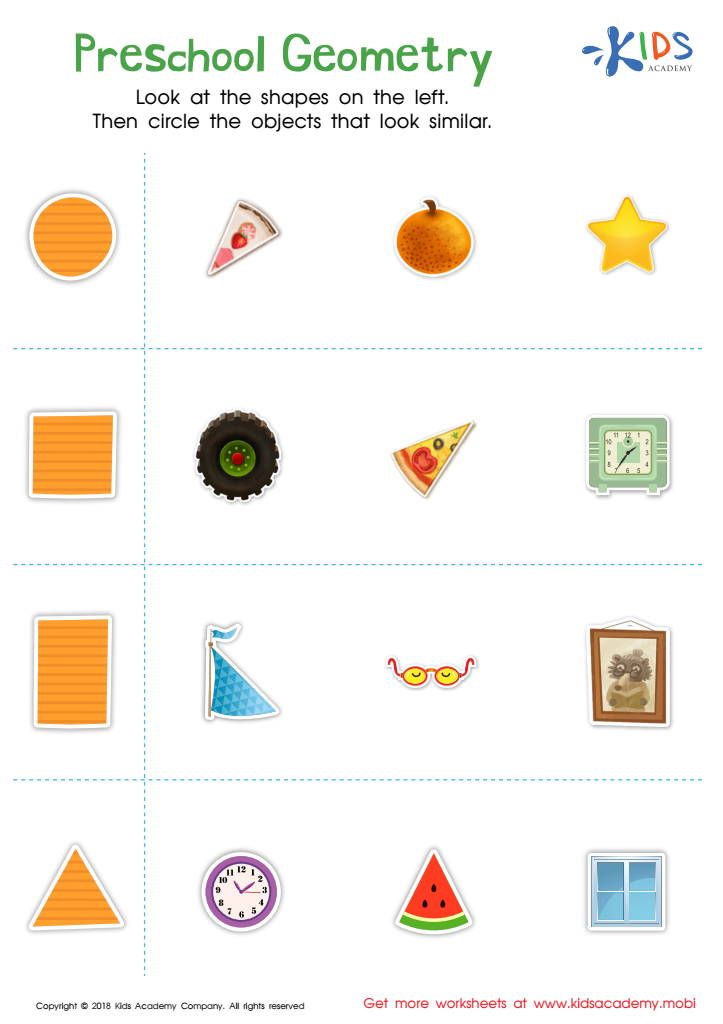
Preschool Geometry Worksheet
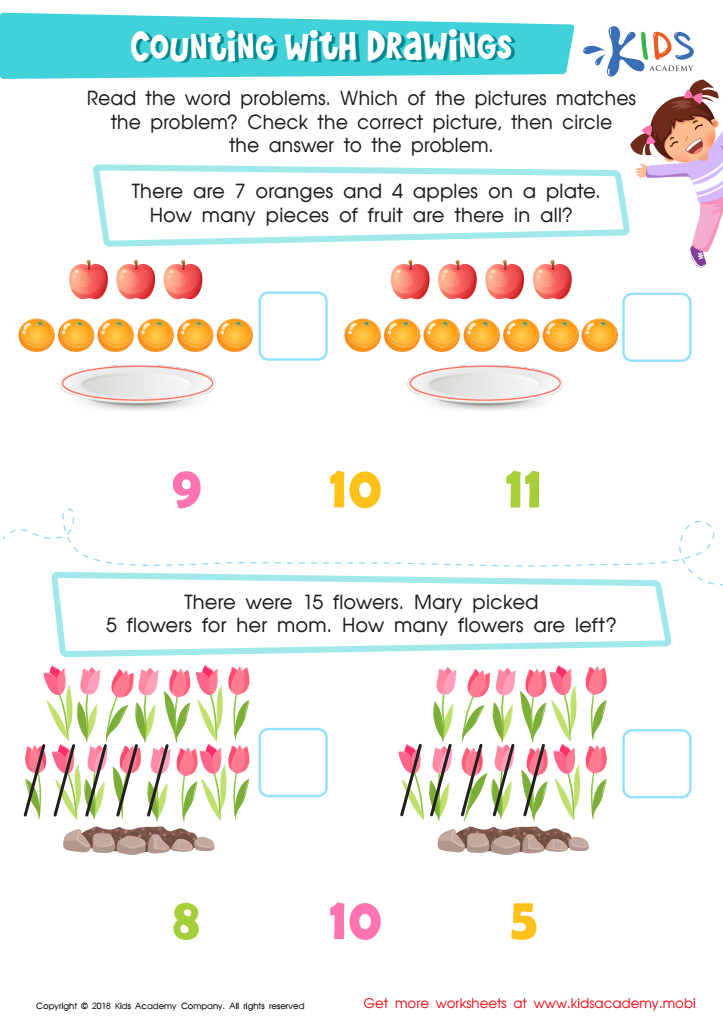
Counting with Drawings:Fruits & Flowers Worksheet
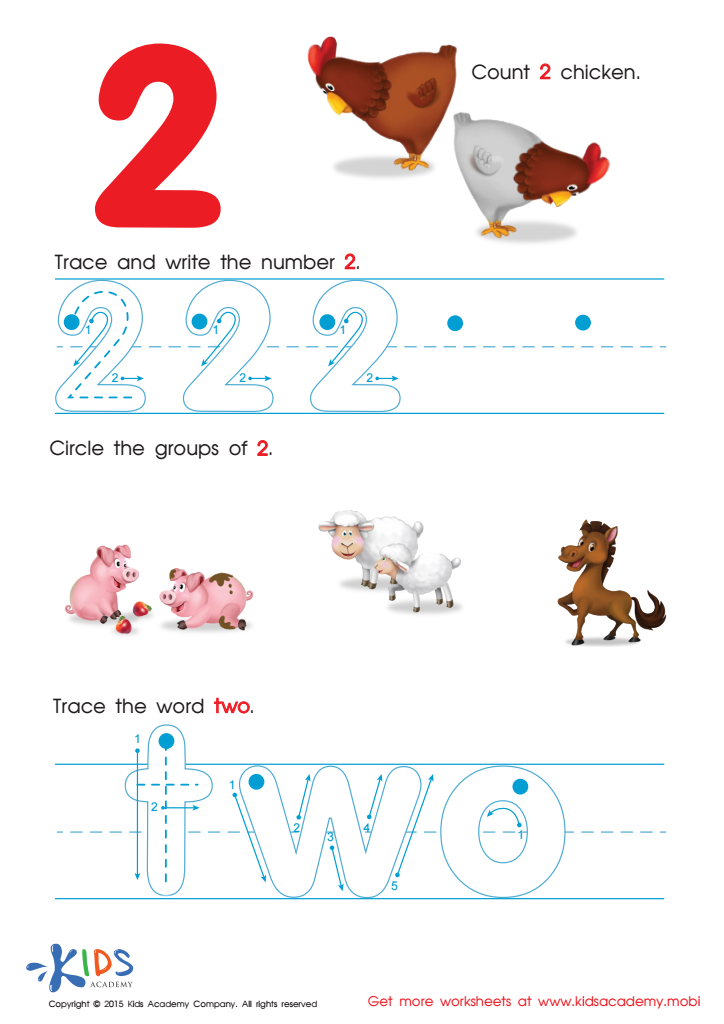
Learn to Write the Number 2 Worksheet
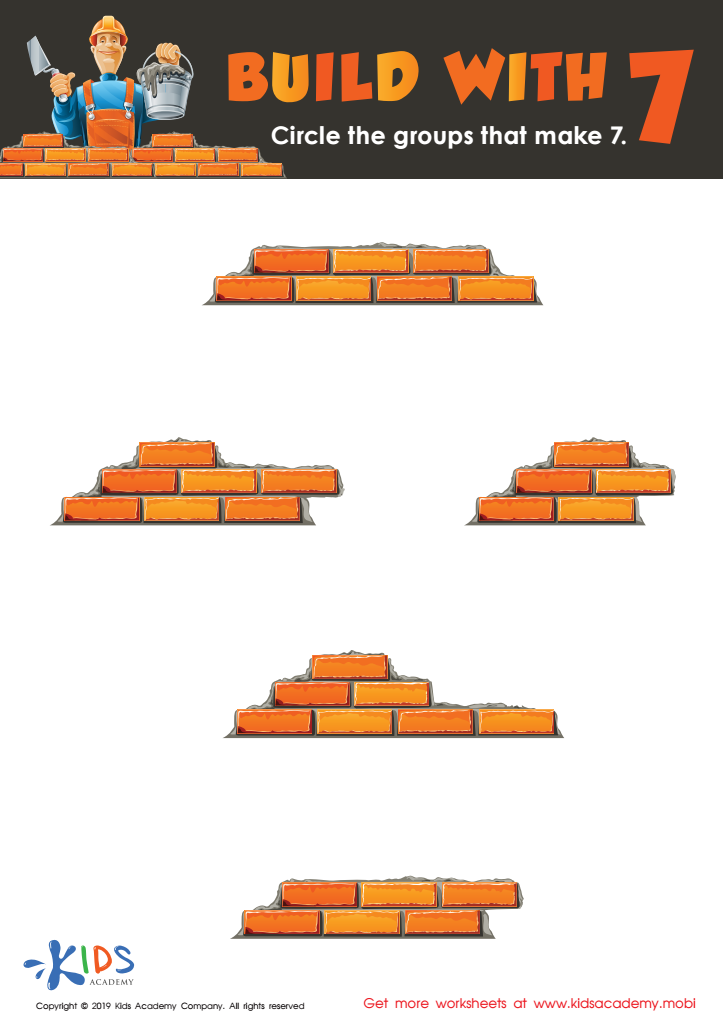
Build with 7 Worksheet
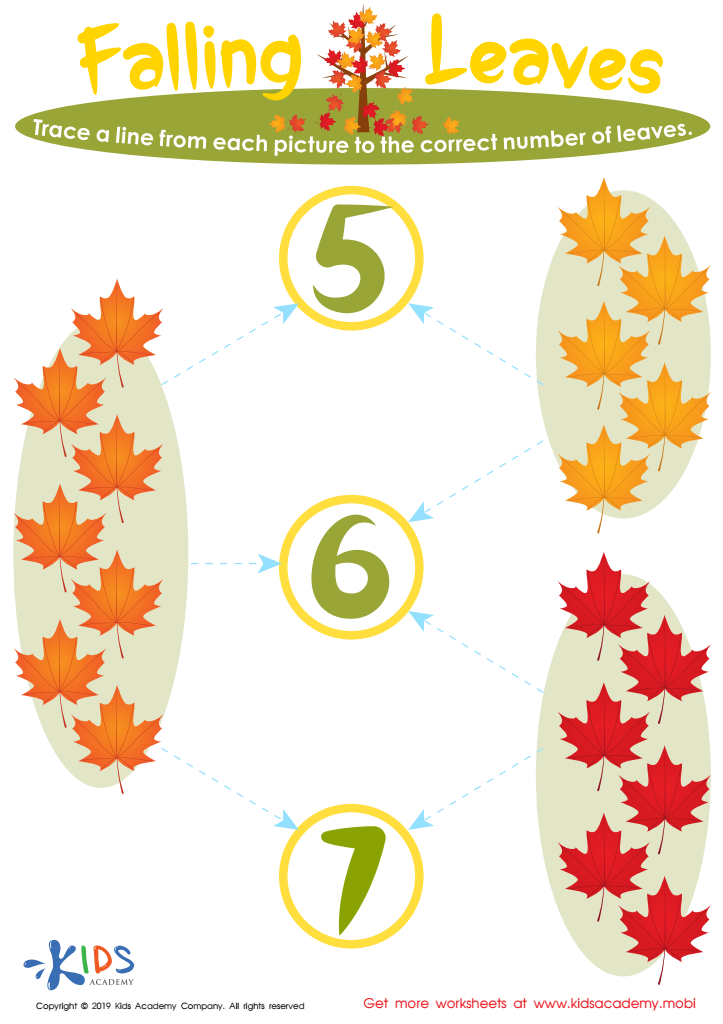
Falling Leaves Worksheet

Count and Match Vegetables 1 – 5 Math Worksheet
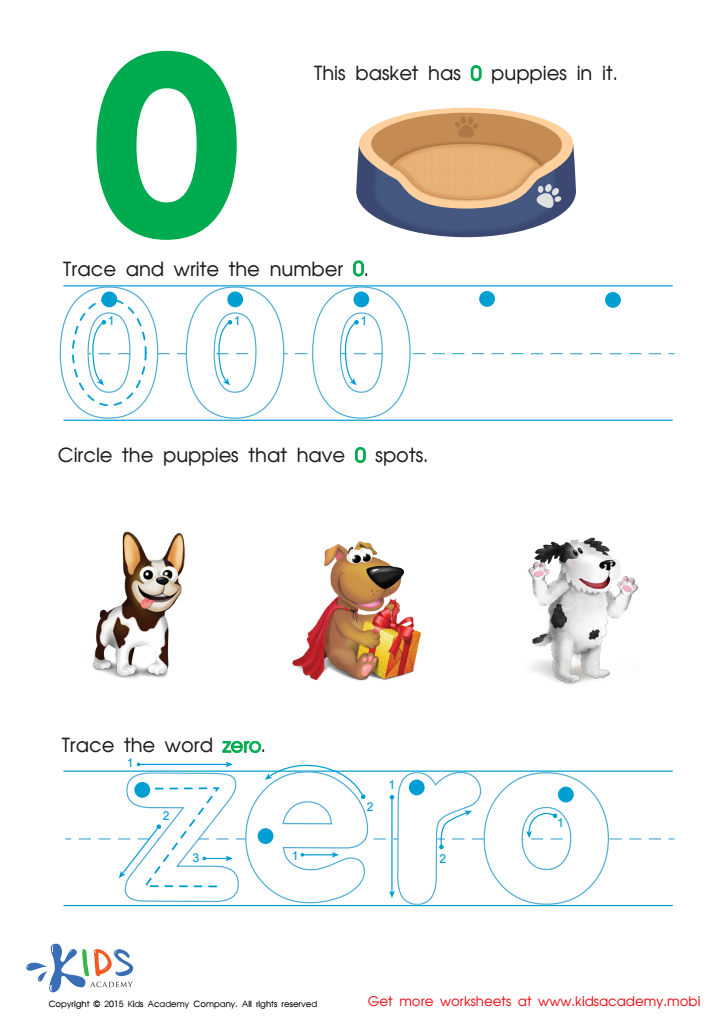
Trace And Write Number 0 Worksheet
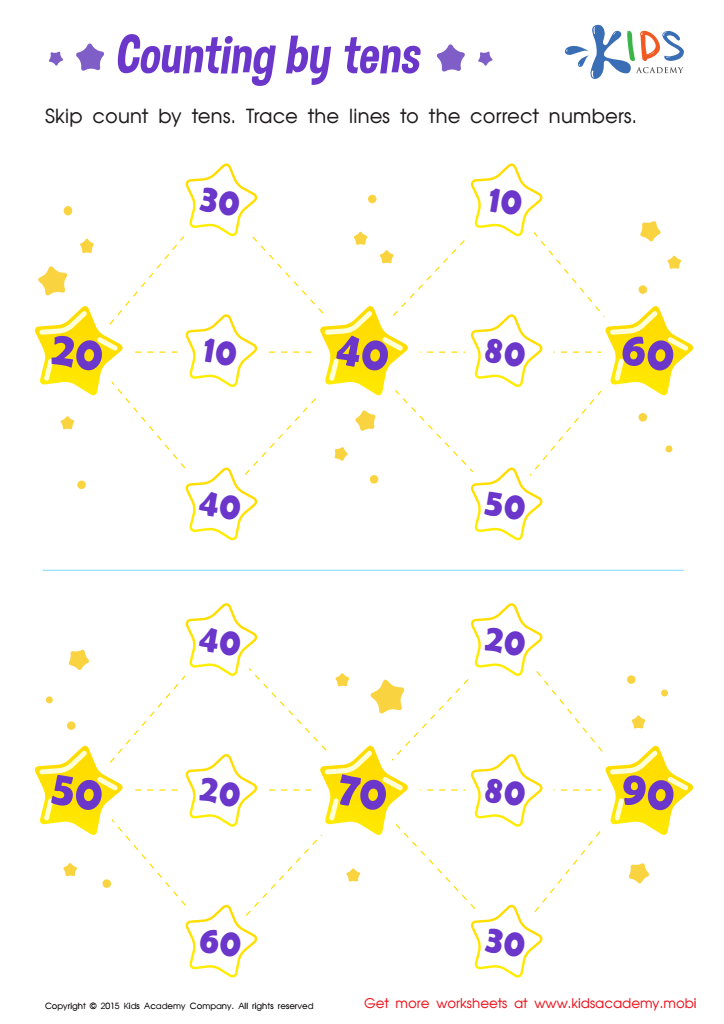
Learn Dozens: Counting by Tens Printable
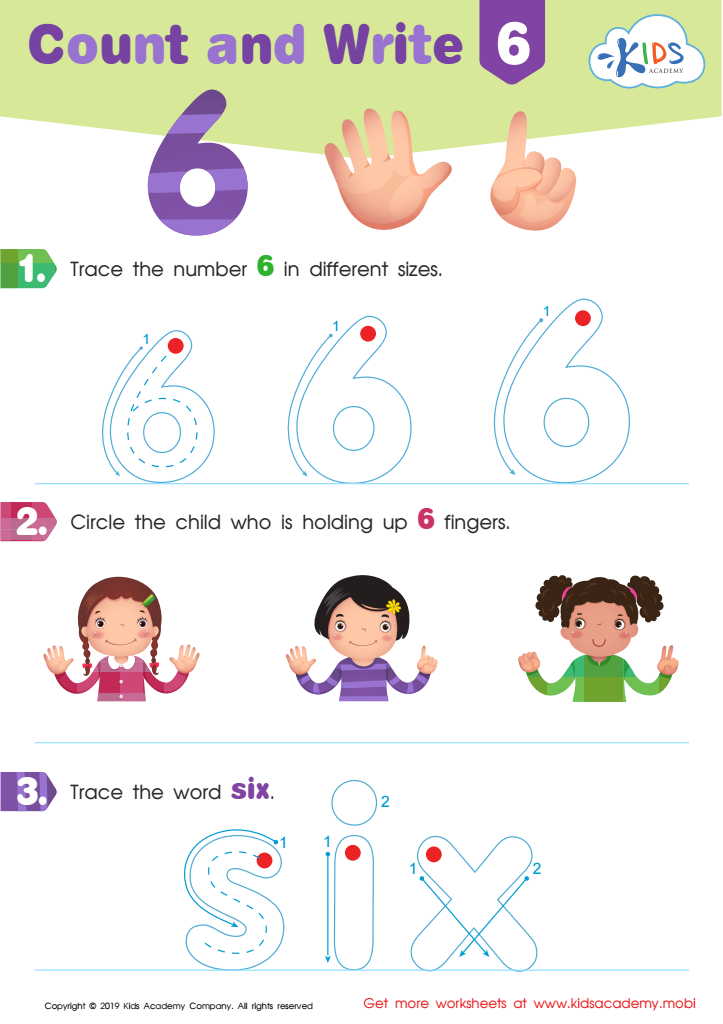
Count and Write 6 Worksheet
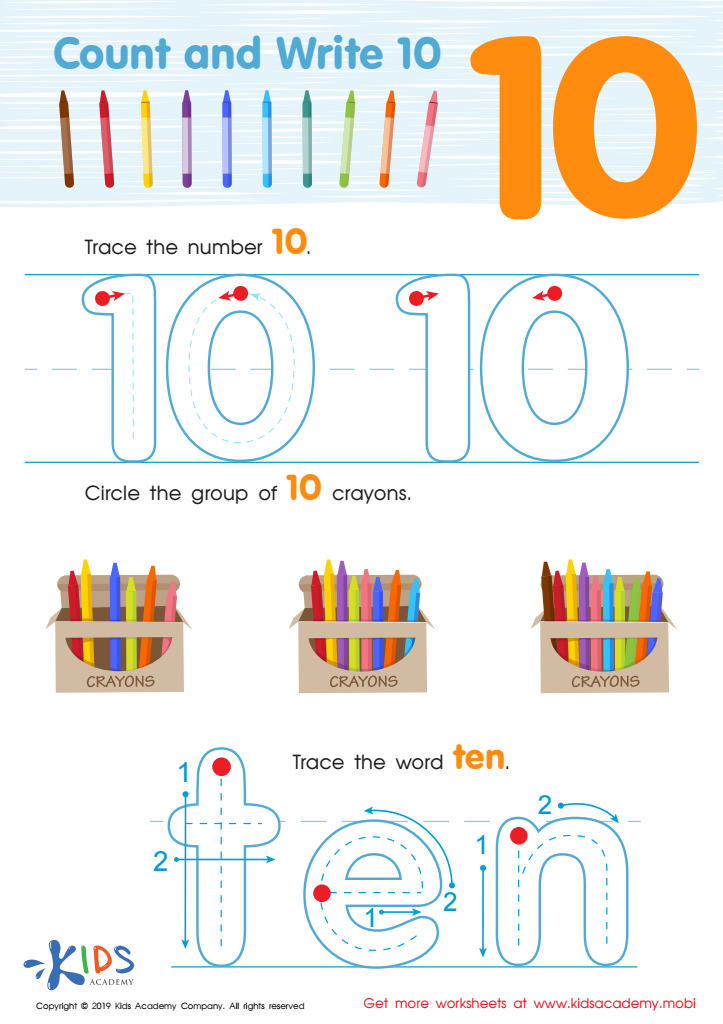
Count and Write 10 Worksheet





Counting skills at the age of three are crucial for a child's overall cognitive development and later academic success. At this stage, children begin to grasp fundamental numeracy concepts, and fostering these skills lays the groundwork for future mathematics learning. Parents and teachers should care about counting skills because they not only enhance a child's understanding of numbers but also support critical thinking and problem-solving abilities.
Early counting experiences help children recognize patterns, make comparisons, and develop spatial awareness, which are all vital skills in everyday life and various academic subjects. Additionally, counting can often be integrated into daily activities, such as counting toys, fruit, or stairs, turning learning into an engaging experience. This engagement promotes a positive attitude towards mathematics, reducing anxiety and resistance in later years.
Furthermore, counting skills contribute to language development as children learn to associate numbers with quantity and develop vocabulary related to mathematics. By focusing on these skills early on, parents and teachers can identify and address potential challenges, ensuring a smoother transition into higher-level math concepts as children progress through their education. Overall, investing in early counting skills sets the stage for a child's lifelong learning journey.








