Cognitive Development Normal Alphabet Worksheets for Ages 4-5
4 filtered results
-
From - To
Introducing our "Cognitive Development Normal Alphabet Worksheets for Ages 4-5", designed to support early learning and growth in young children. These engaging worksheets focus on helping preschoolers recognize and write each letter of the alphabet through interactive activities. By incorporating various tasks such as tracing, matching, and letter identification, these worksheets enhance cognitive abilities, fine motor skills, and alphabet knowledge. Perfect for parents and educators, our resource ensures a strong foundation for reading and writing. Discover the fun and educational benefits of our expertly crafted worksheets, fostering a love of learning in every child today.
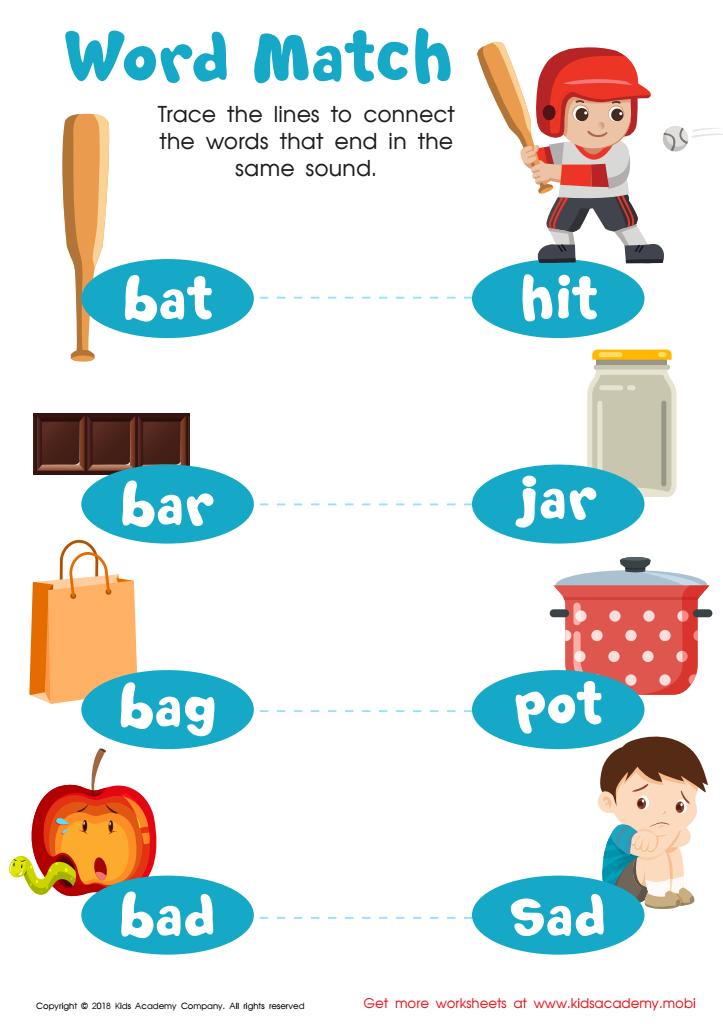
Word Match Reading Worksheet
 Assign to My Students
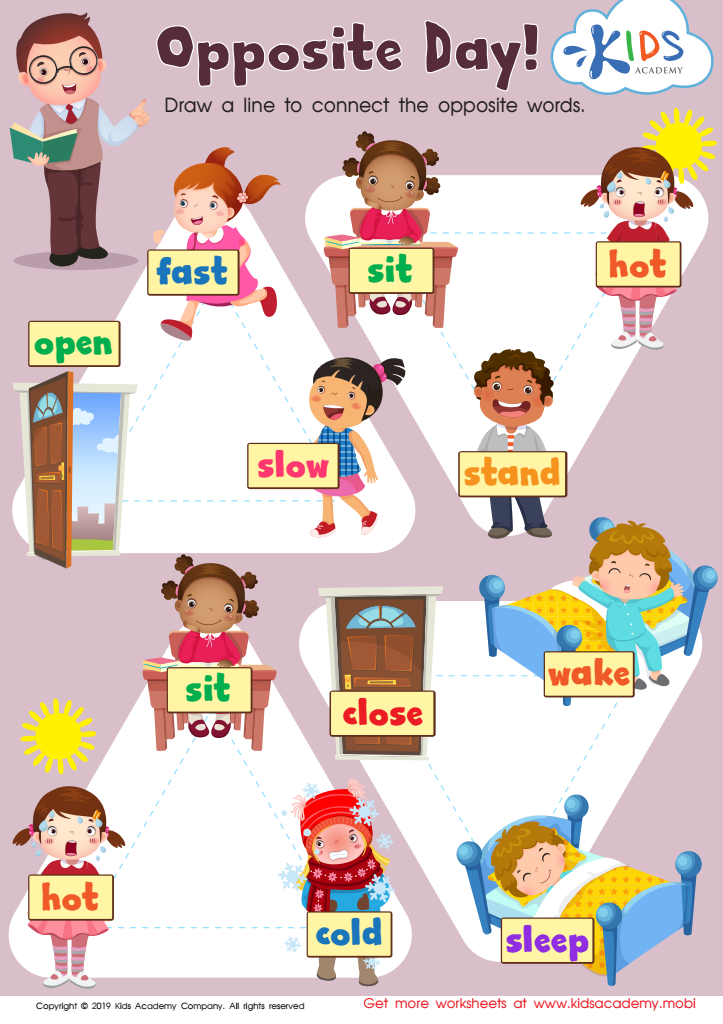
Opposite Day Worksheet
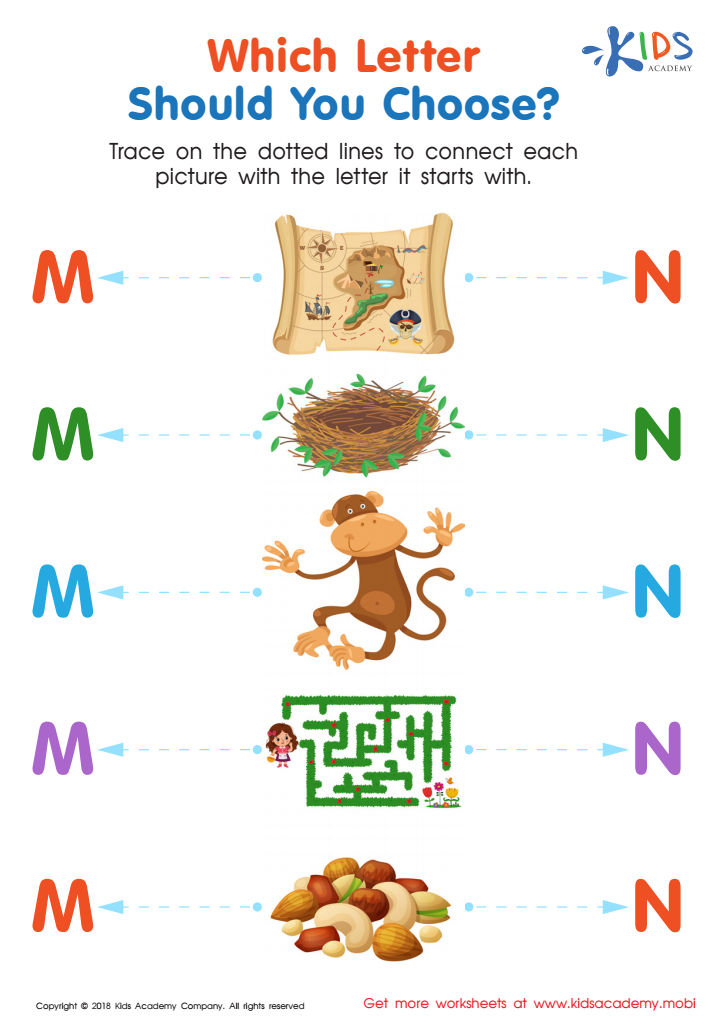
Which Letter Should you Choose? Worksheet
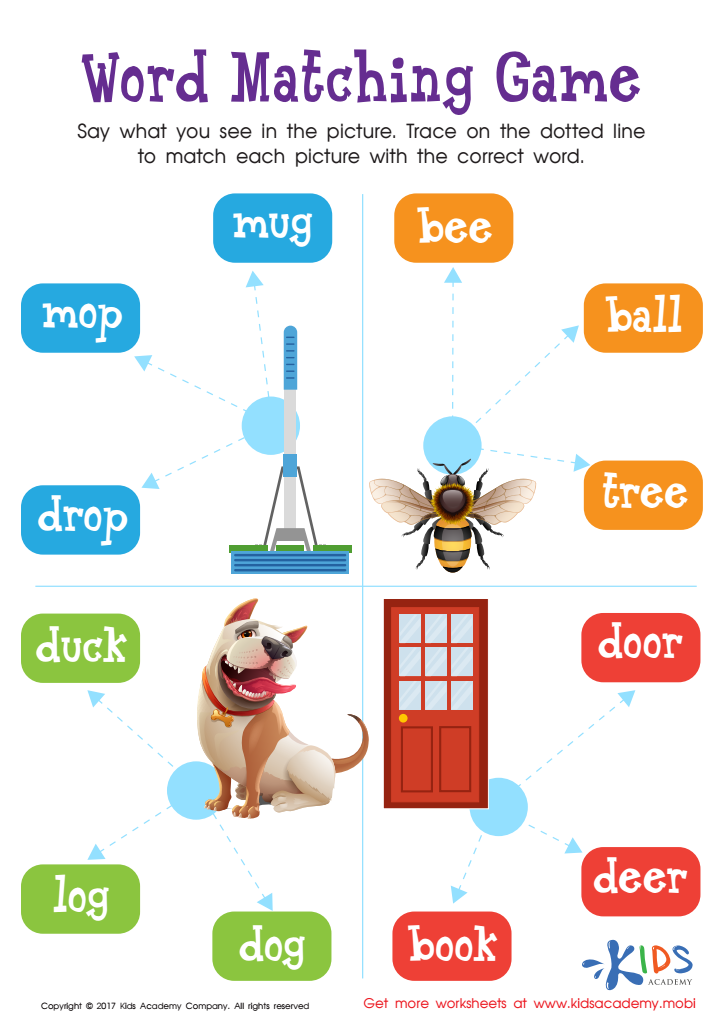
Word Matching Game Worksheet






Understanding cognitive development in relation to the alphabet for children aged 4-5 is crucial for parents and teachers. During these early years, foundational skills for reading and writing are rapidly developing. Cognitive development at this stage involves memory, attention, and conceptual understanding, all of which are essential for alphabet recognition and literacy.
Firstly, knowing the alphabet is the first step towards reading. Recognizing and differentiating between letters enables children to decode words and begin phonetic learning. This early familiarity also lays the groundwork for spelling and vocabulary expansion, which are critical for more advanced cognitive tasks in later years.
Secondly, understanding alphabetical order helps in building organizational and sequencing skills. These skills don't just aid in literacy but are also vital in logical thinking and problem solving. For instance, sequencing helps children understand the order of activities in daily life, thereby enhancing their ability to follow instructions and comprehend events.
Lastly, alphabet knowledge influences self-esteem and confidence. As children successfully learn and recall letters, they gain a sense of achievement that motivates further learning. Teachers and parents who emphasize the importance of alphabet knowledge support cognitive and educational growth, setting the stage for lifelong learning and academic success.







