Shape Recognition Normal 2D Shapes Worksheets for Ages 4-5
15 filtered results
-
From - To
Discover our engaging Shape Recognition normal 2D shapes worksheets designed specifically for children ages 4-5. These printable activities aid young learners in identifying, naming, and distinguishing between basic shapes like circles, squares, triangles, and rectangles. Our worksheets foster essential early math skills through colorful illustrations and interactive content, making learning fun and effective. Each sheet encourages creativity while enhancing fine motor skills as kids practice tracing and coloring shapes. Perfect for classrooms or home learning, these resources are aligned with educational standards to provide a strong foundation for future math success. Start your child's shape exploration today!
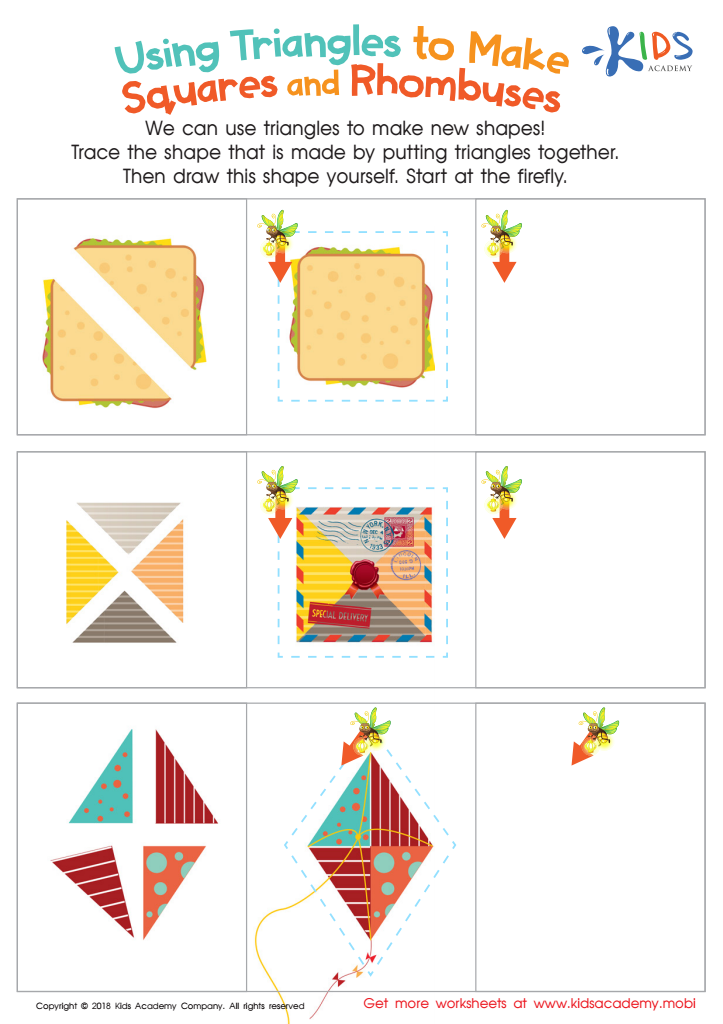
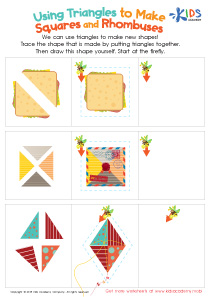
Using Triangles to Make Squares and Rhombuses Worksheet
 Assign to My Students











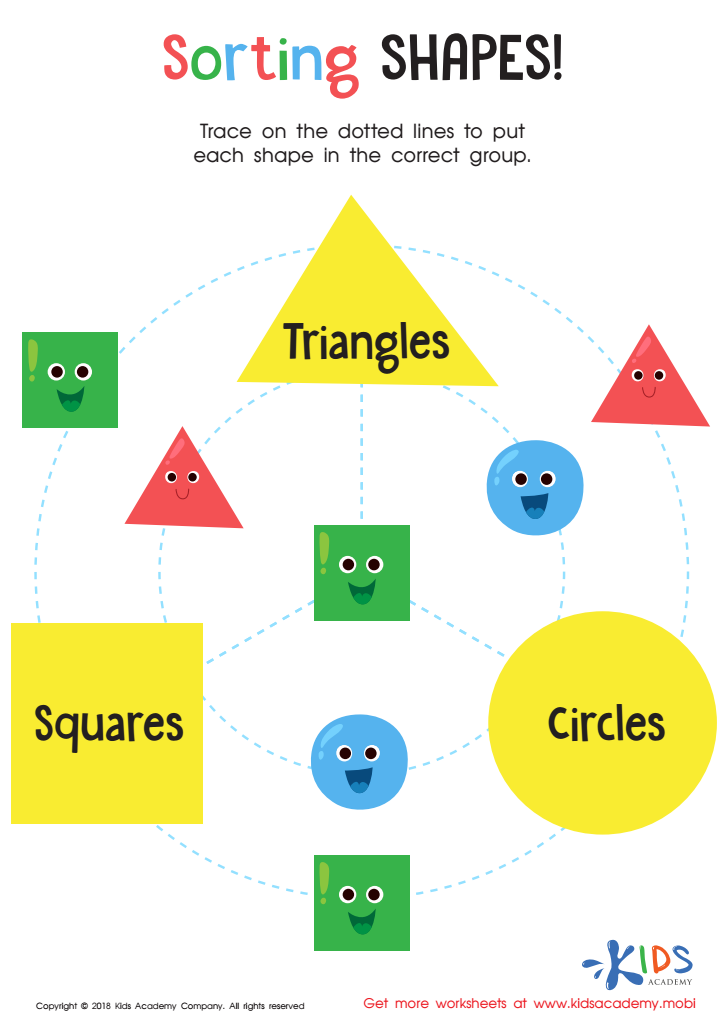
Sorting Shapes - Part 3 Worksheet
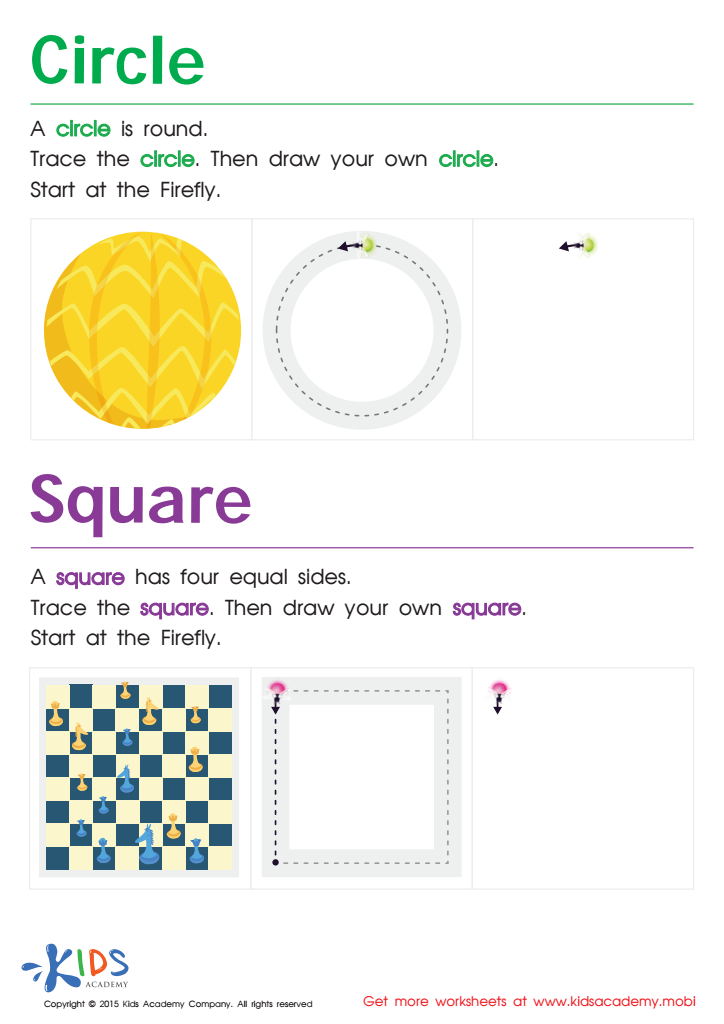
Trace And Draw a Circle And a Square Worksheet
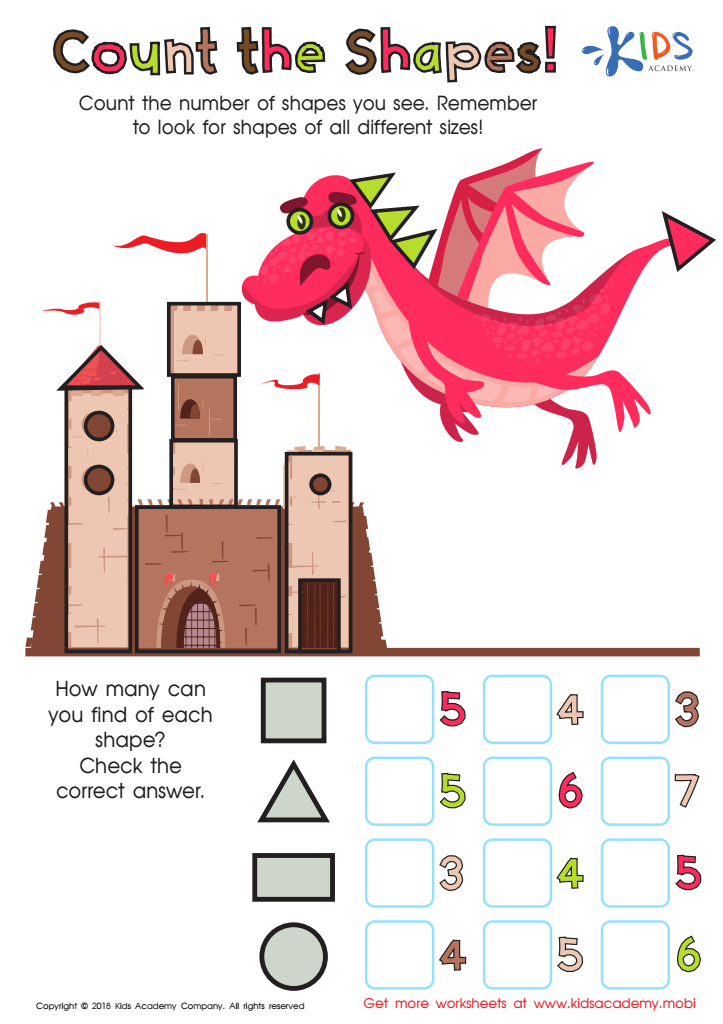
Count the Shapes Worksheet
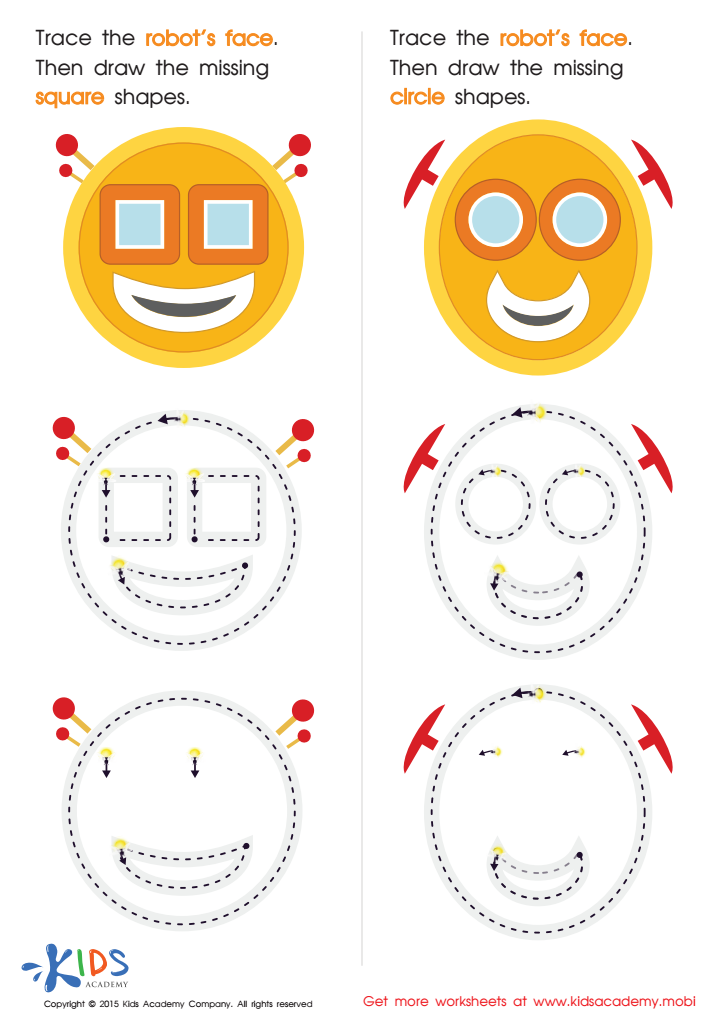
Practicing to Draw Circles And Squares Printable
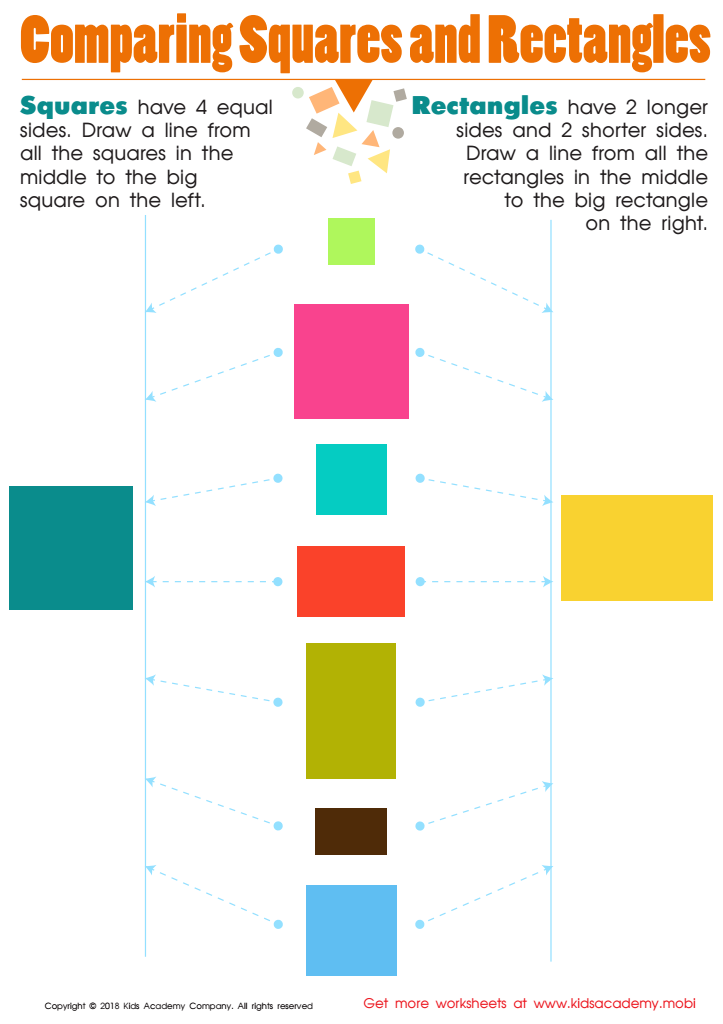
Comparing Squares Rectangles Worksheet
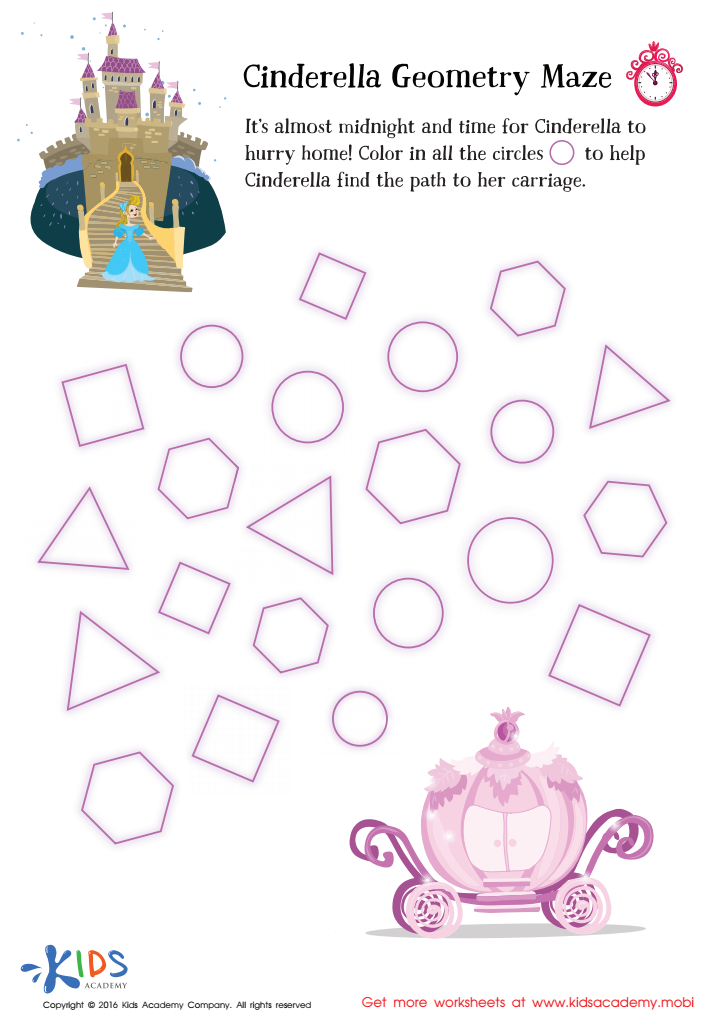
Cinderella Geometry Maze Worksheet
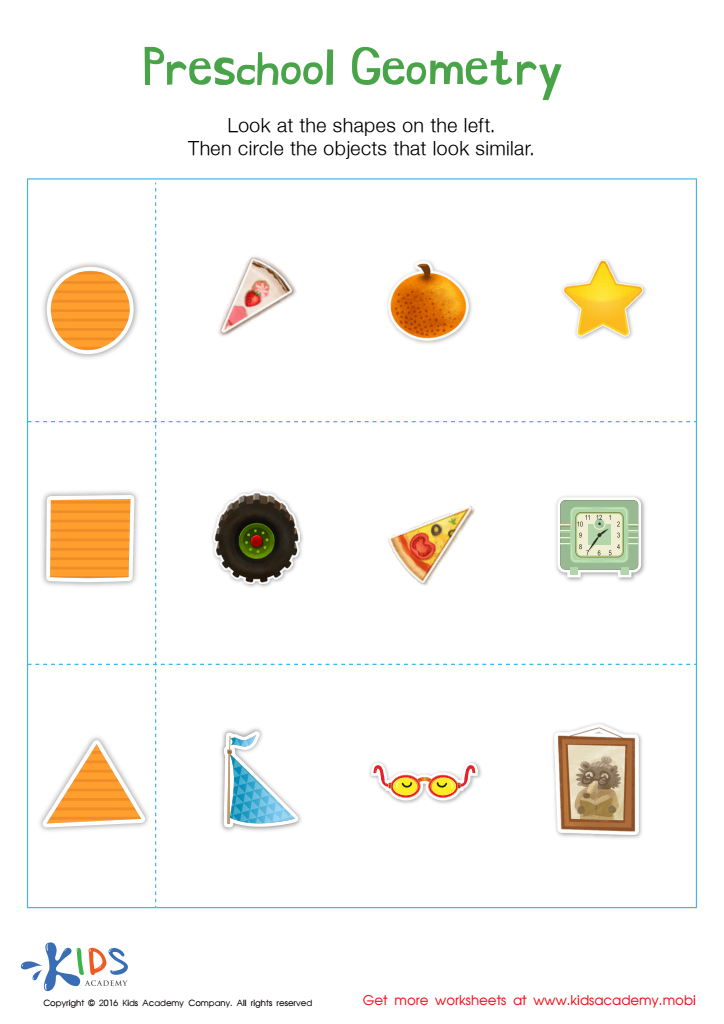
Preschool Geometry Match Up Worksheet
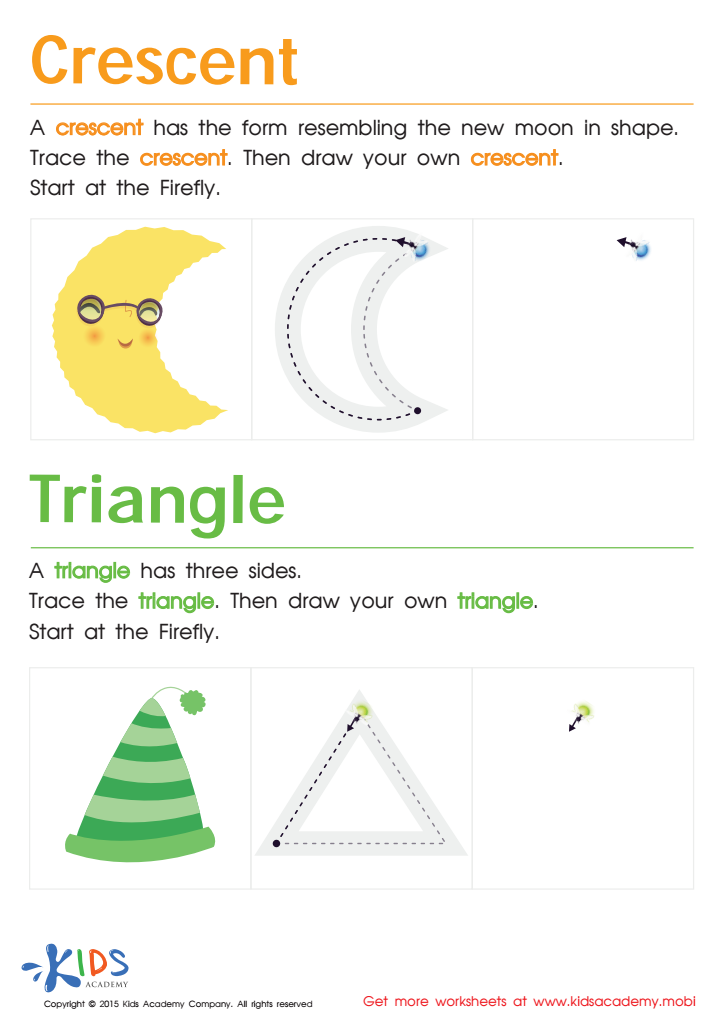
Learning to Draw Crescents And Triangles Worksheet
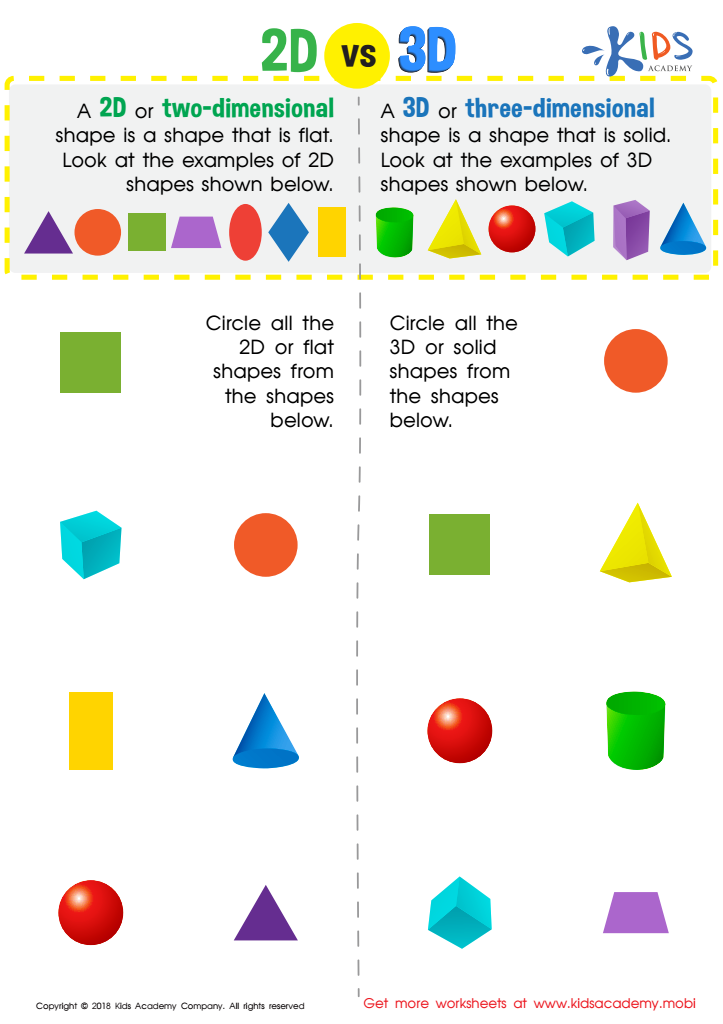
2D vs 3D Shapes Worksheet
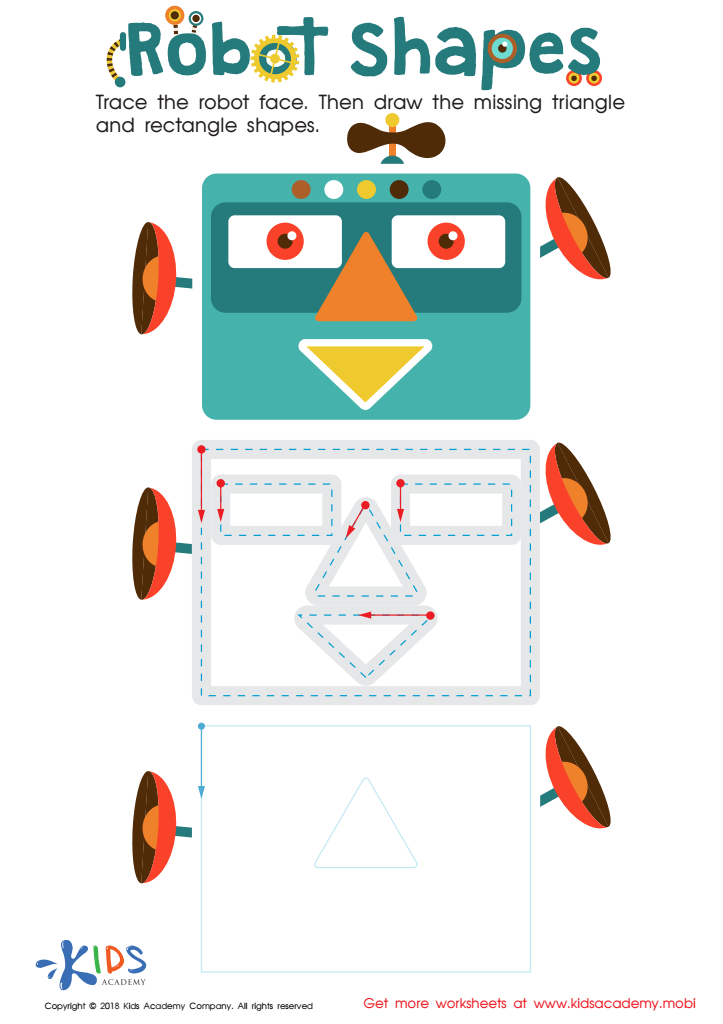
Robot Shapes Worksheet
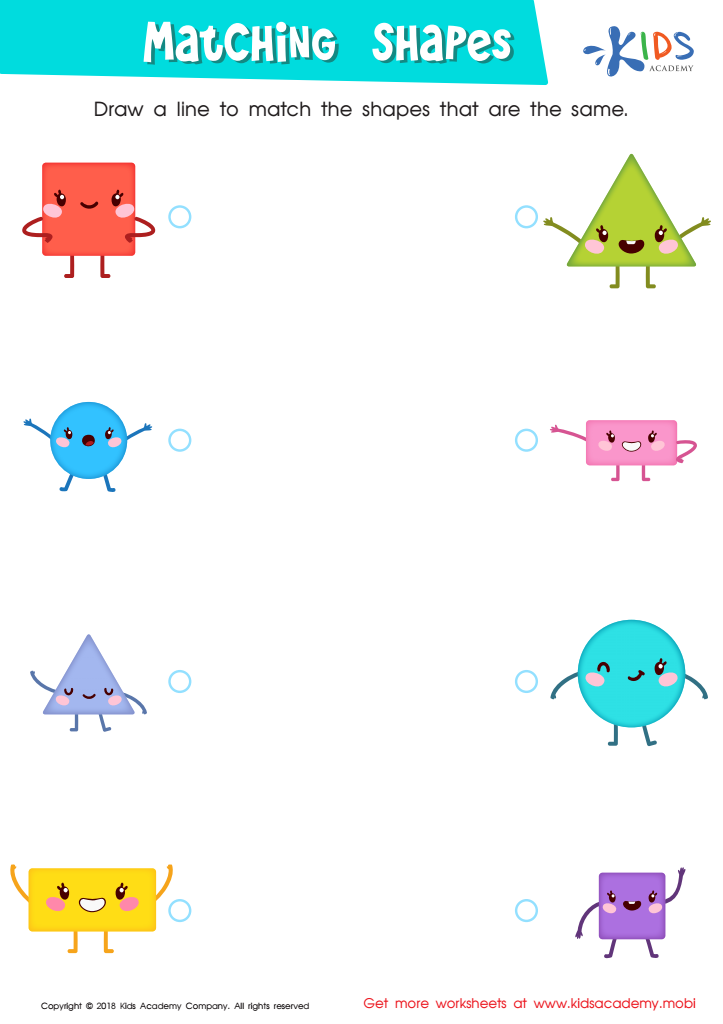
Matching Shapes Worksheet
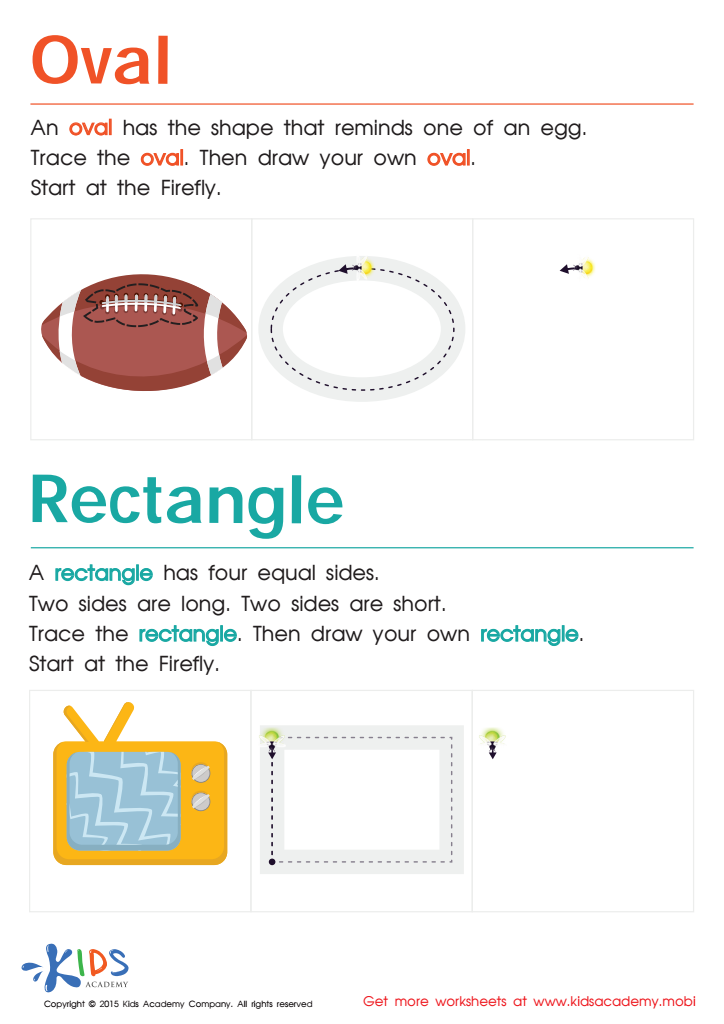
Easy Drawing of Ovals And Rectangles Worksheet
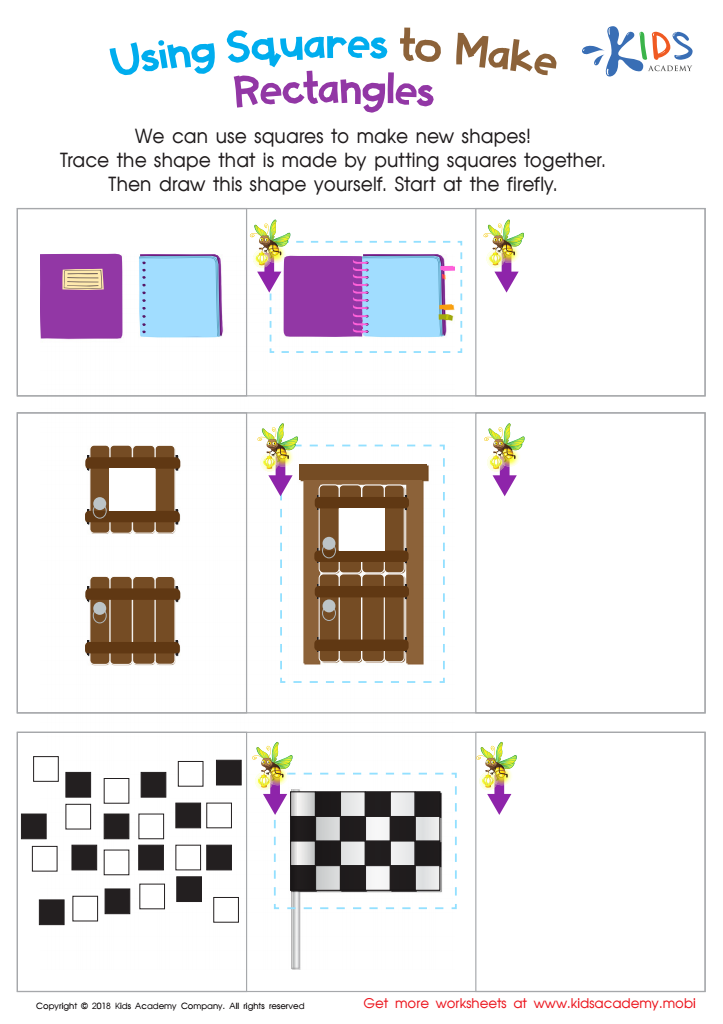
Using Squares to Make Rectangles Worksheet
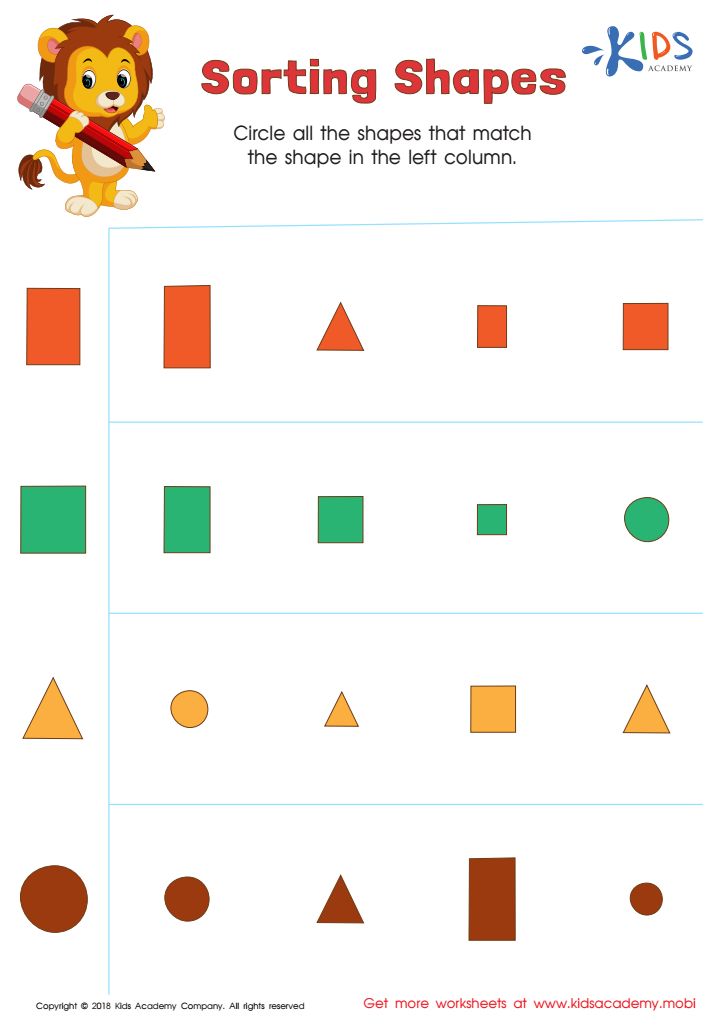
Sorting Shapes - Part 2 Worksheet








Shape recognition is a fundamental skill for young children, particularly those aged 4-5. Learning to identify and understand 2D shapes lays the groundwork for more complex mathematical concepts in the future. Parents and teachers should prioritize this skill because it fosters cognitive development, enhances spatial awareness, and boosts problem-solving abilities.
Understanding shapes helps children categorize and make sense of their environment. At this age, children are naturally curious and thrive on exploration, making it an ideal time to introduce them to different shapes like circles, squares, triangles, and rectangles. Shape recognition promotes critical thinking; children learn to compare and contrast various shapes, which encourages analytical skills.
Moreover, shape recognition is interlinked with language development. Discussing shapes expands vocabulary as children learn the names of shapes and their characteristics. Integrating shape activities into their playtime can also enhance social skills, as children work together and communicate during group activities.
In summary, fostering shape recognition in early childhood not only supports a solid mathematical foundation but also nurtures essential cognitive, social, and language skills, preparing children for future academic success. Engaging parents and teachers alike in this crucial developmental stage benefits children's overall growth.