Number Recognition Normal Addition & Subtraction Worksheets for Ages 4-5
19 filtered results
-
From - To
Welcome to our Number Recognition Normal Addition & Subtraction Worksheets page, designed specifically for children ages 4-5! Our engaging worksheets provide a fun and interactive way for young learners to develop essential number recognition skills while practicing addition and subtraction. With colorful visuals and age-appropriate exercises, children will build confidence in their math abilities. Each worksheet is carefully crafted to support early learning goals and encourage a love for numbers. Perfect for classrooms or home schooling, these resources make math enjoyable and accessible. Dive into a world of learning and help your child master foundational math concepts with ease!
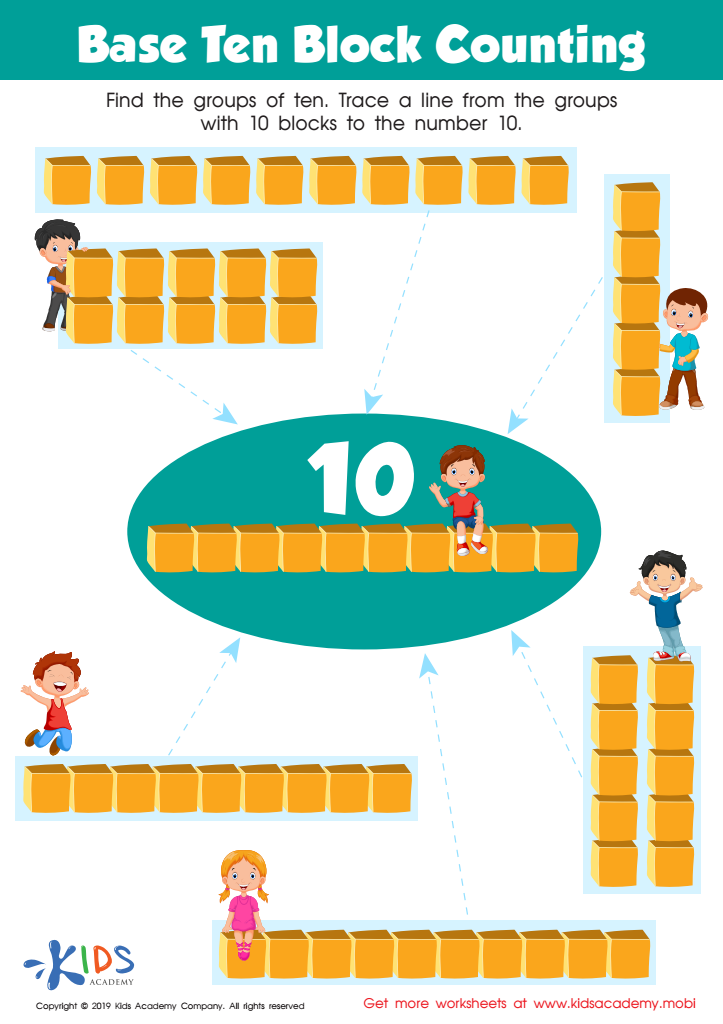
Base Ten Block Counting Worksheet
 Assign to My Students
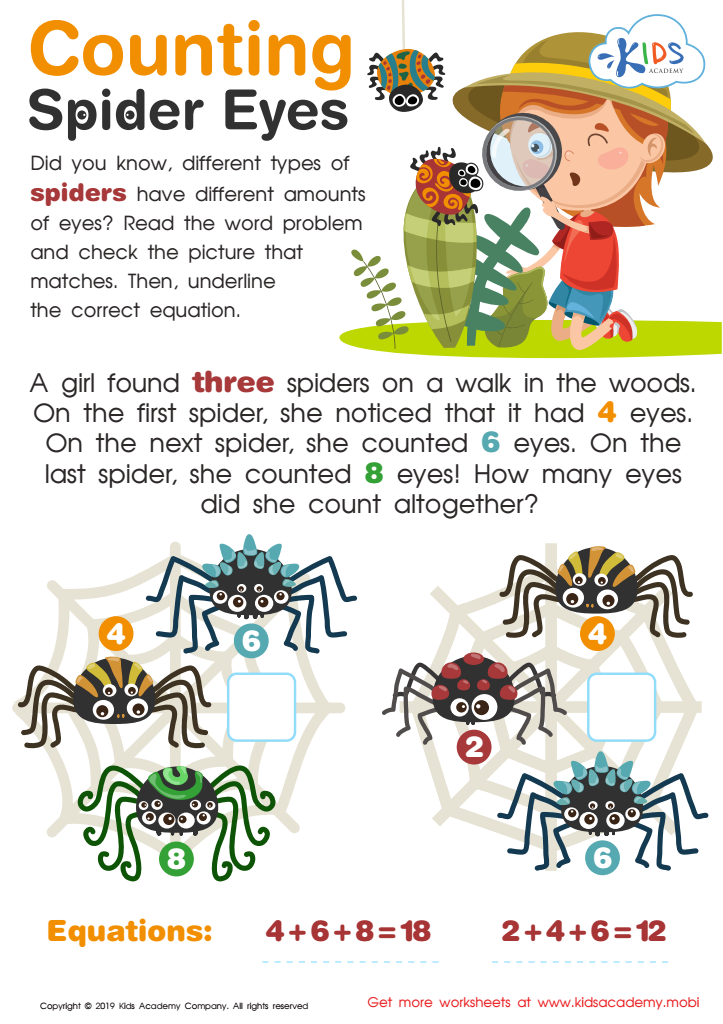
Counting Spider Eyes Worksheet
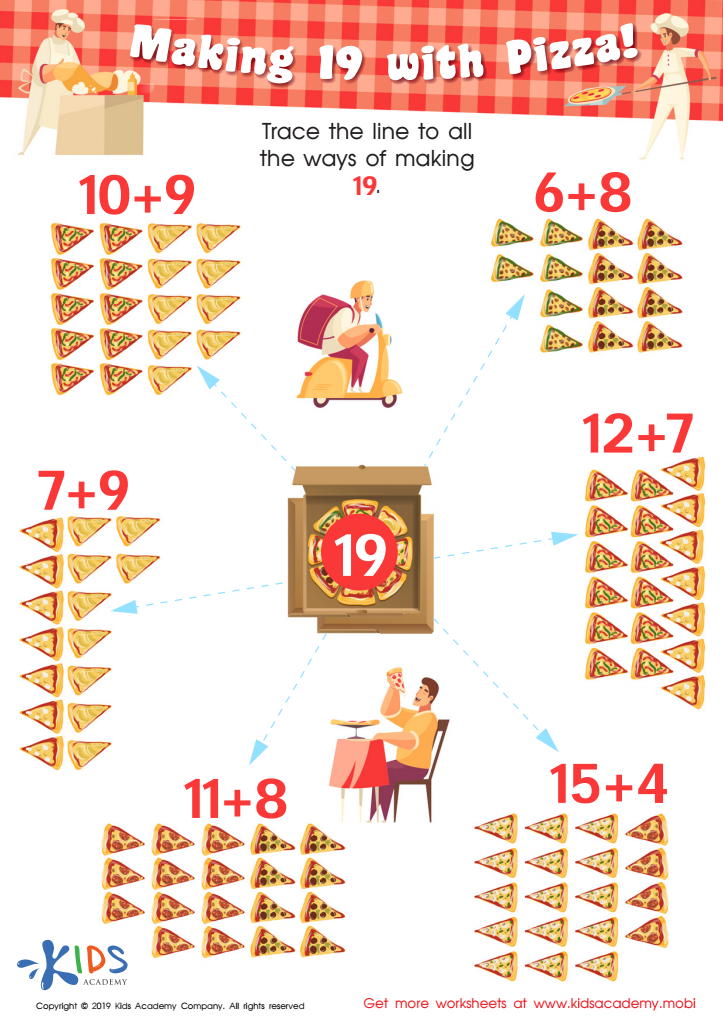
Making 19 with Pizza! Worksheet
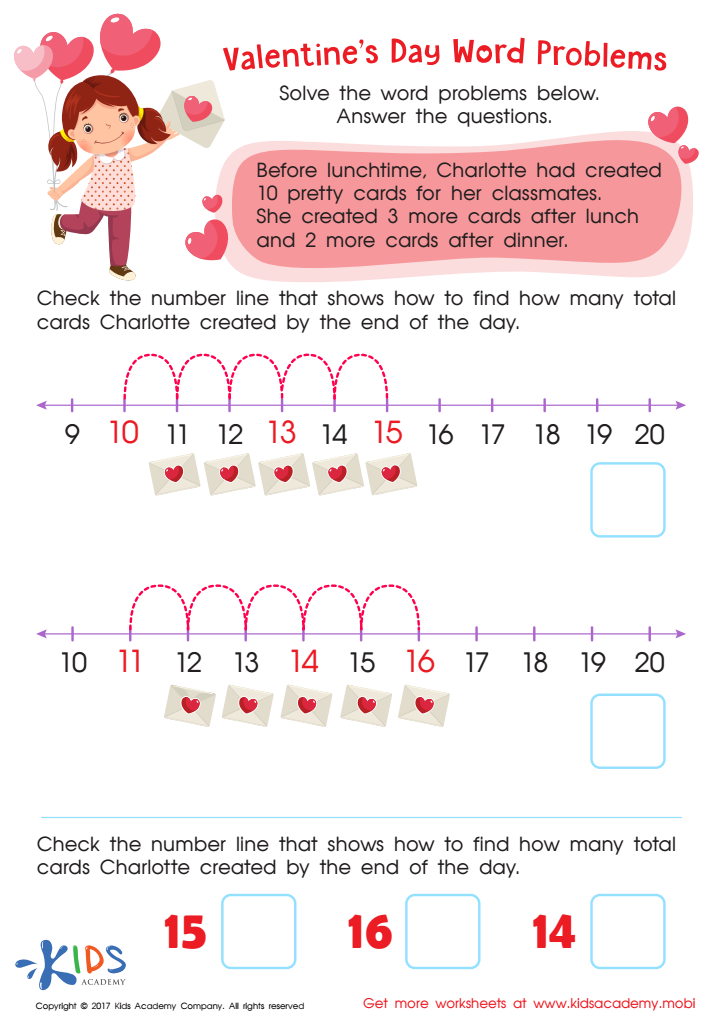
Valentines Day Word Problem Worksheet
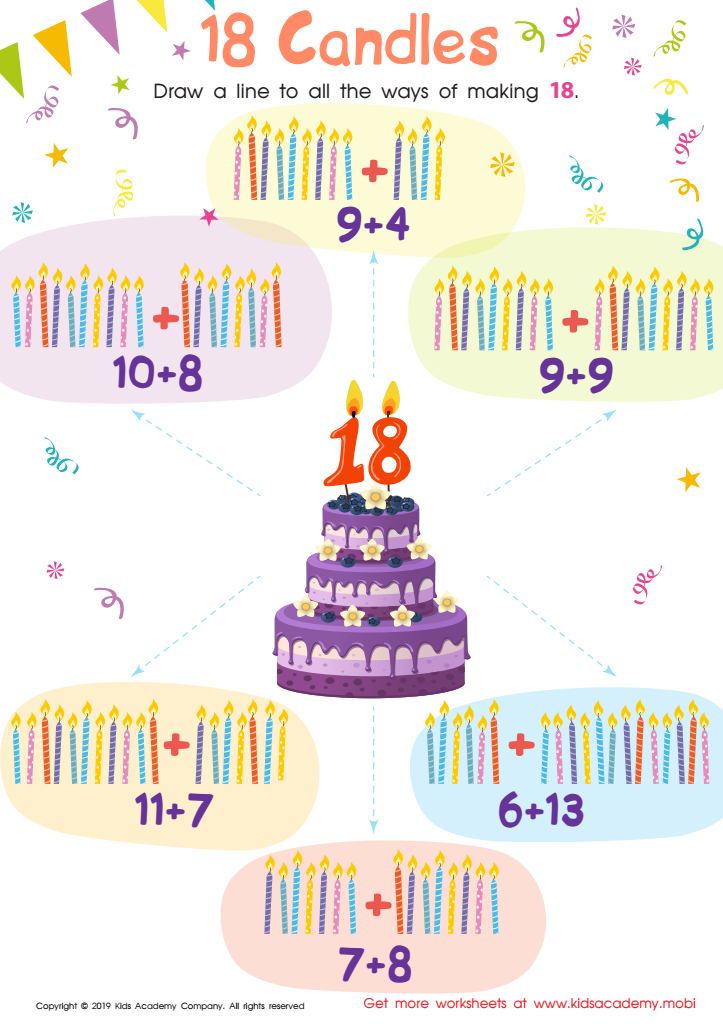
18 Candles Worksheet
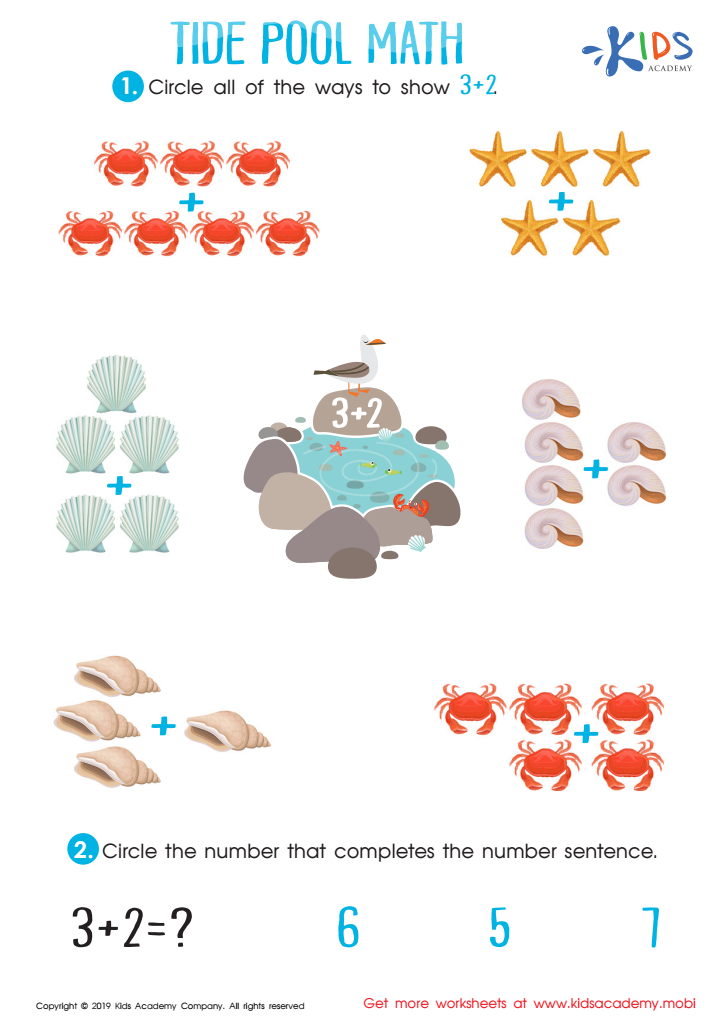
Tide Pool Math Worksheet
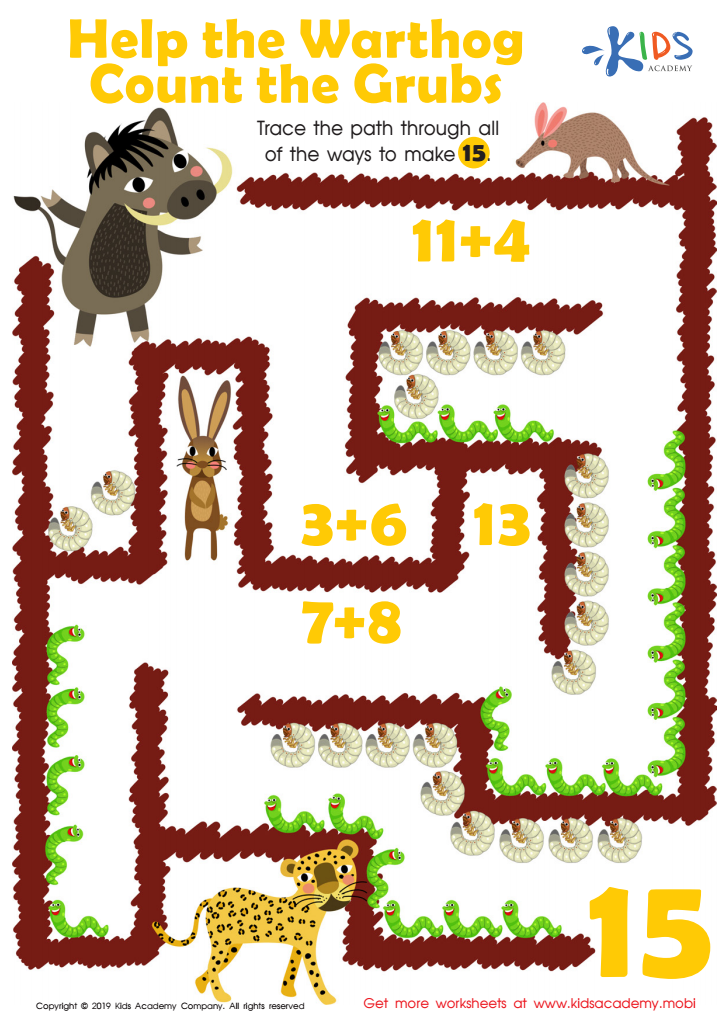
Help the Warthog Count the Grubs Worksheet
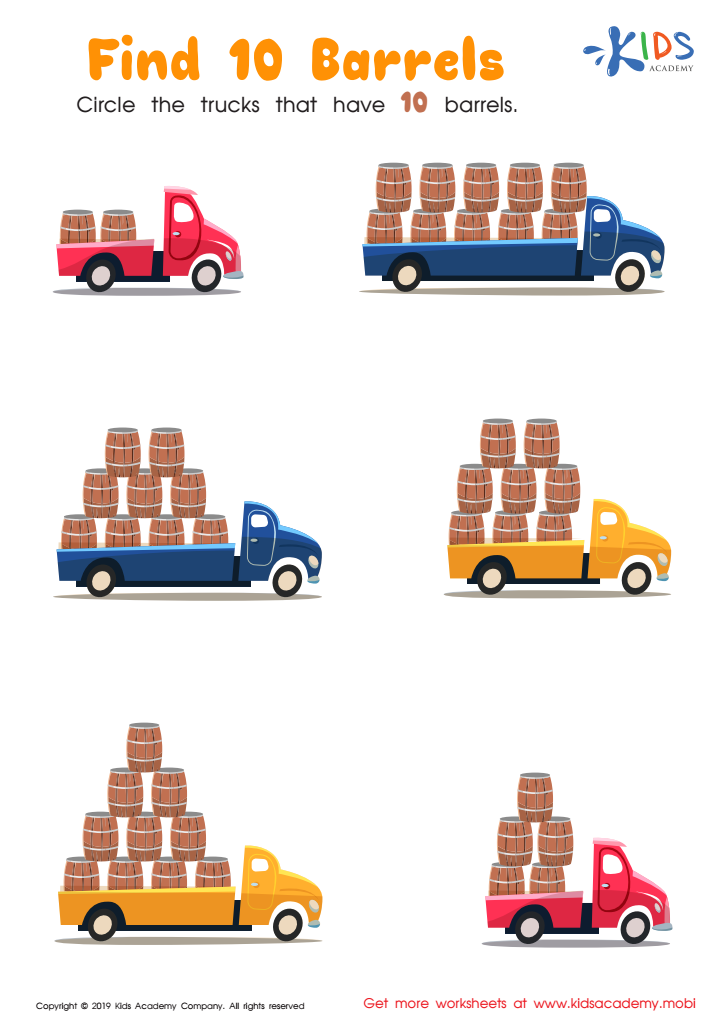
Find 10 Barrels Worksheet
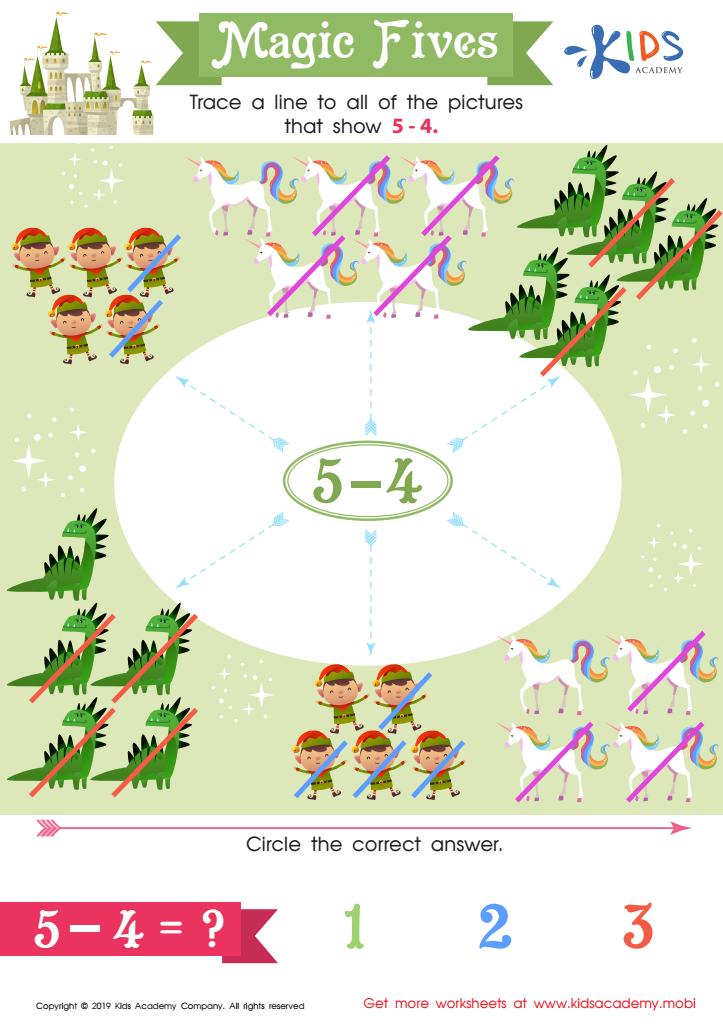
Magic Fives Worksheet
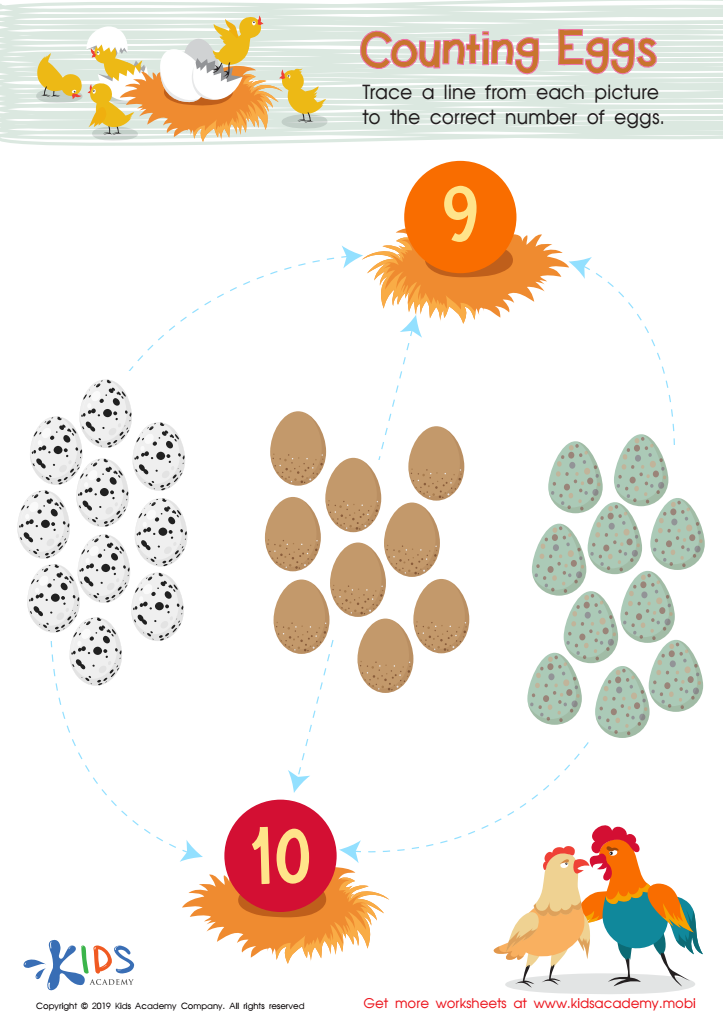
Counting Eggs Worksheet
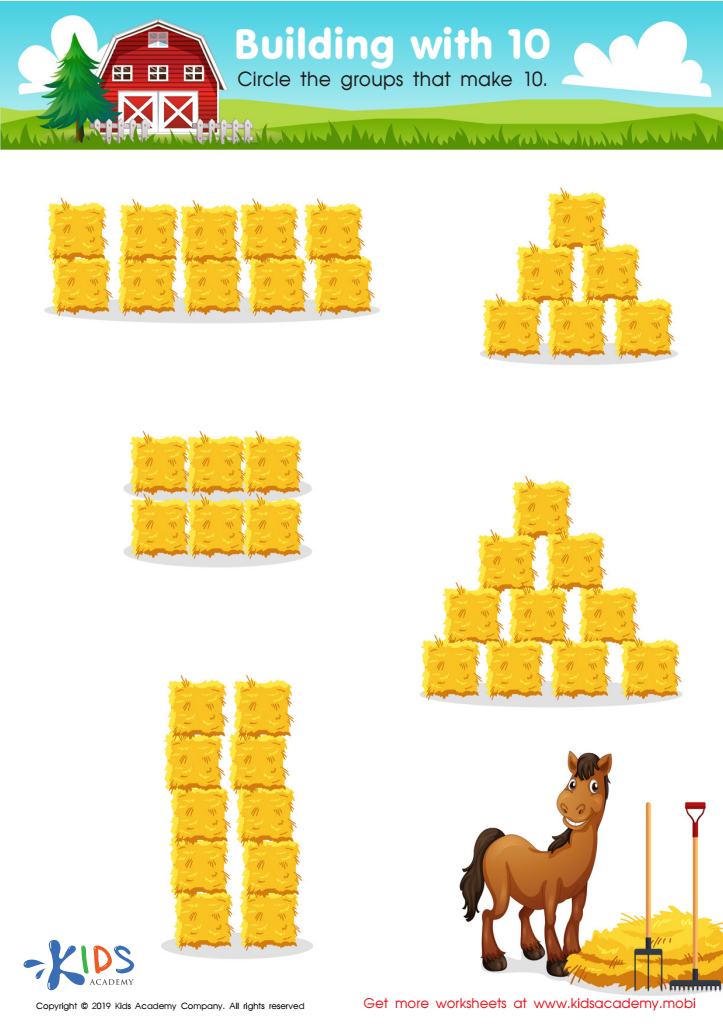
Building with 10 Worksheet
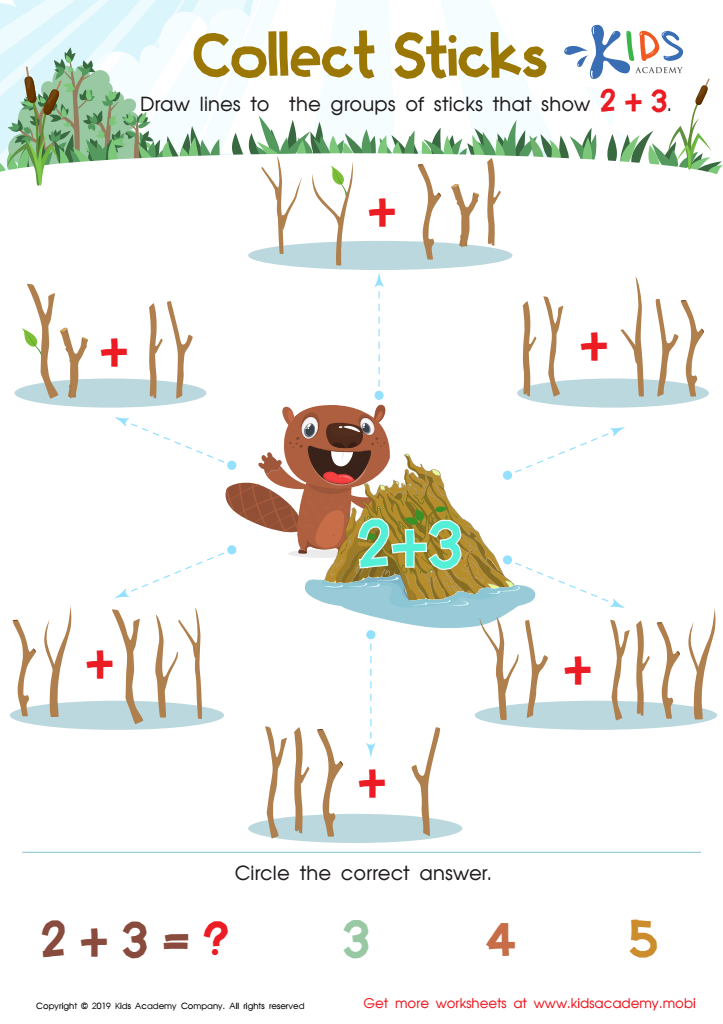
Collect Sticks Worksheet
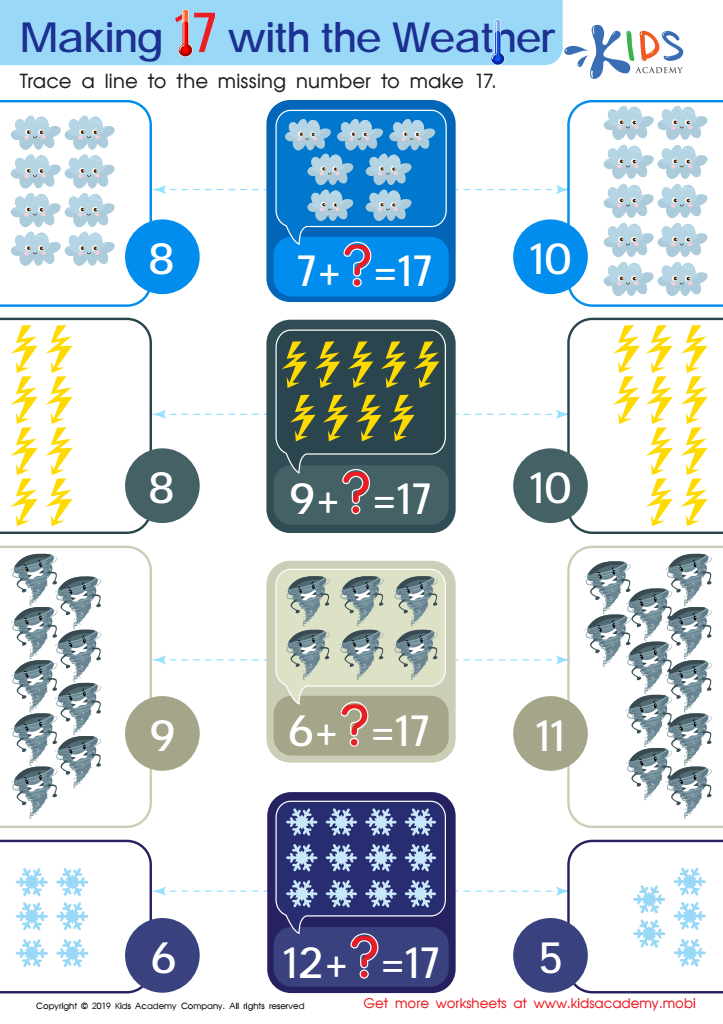
Making 17 with the Weather Worksheet
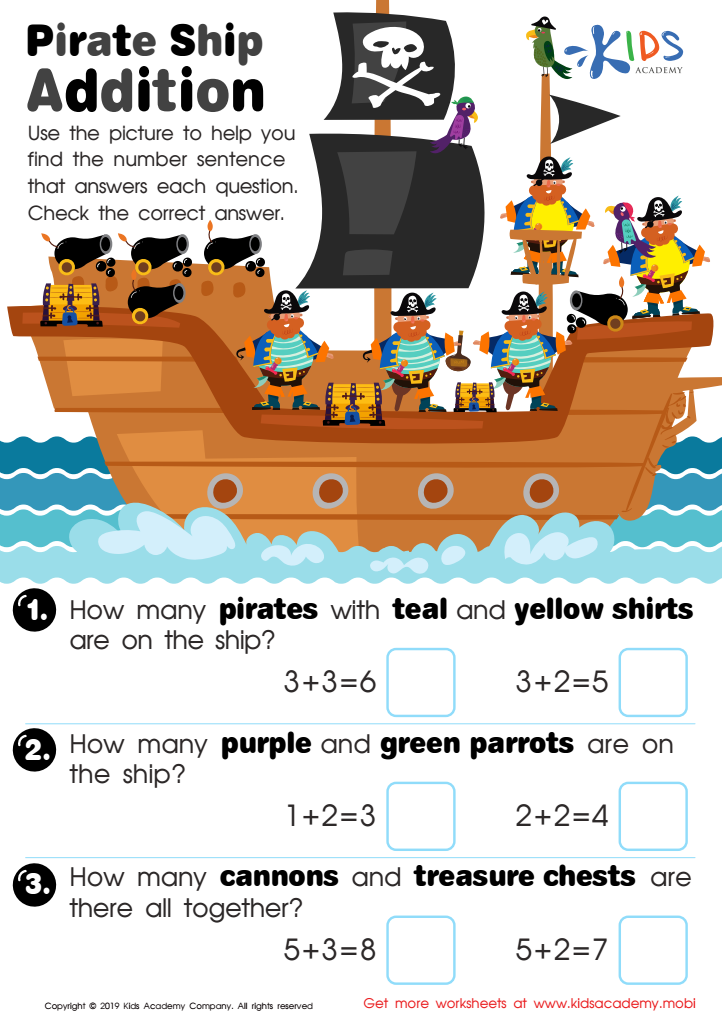
Pirate Ship Addition Worksheet
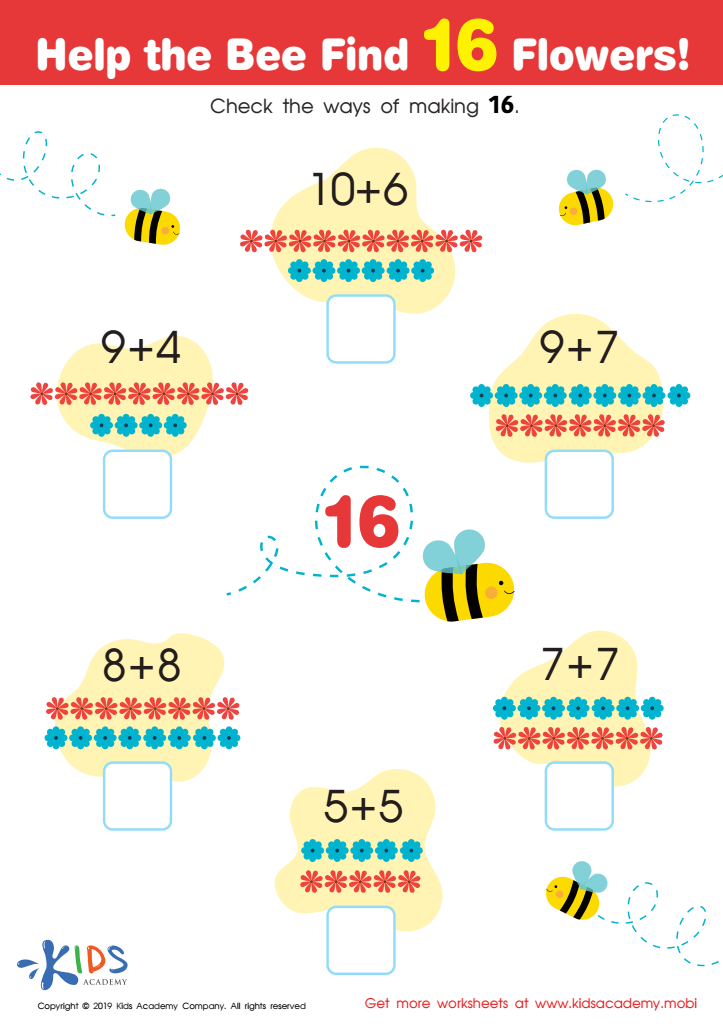
Help the Bee Find 16 Flowers Worksheet
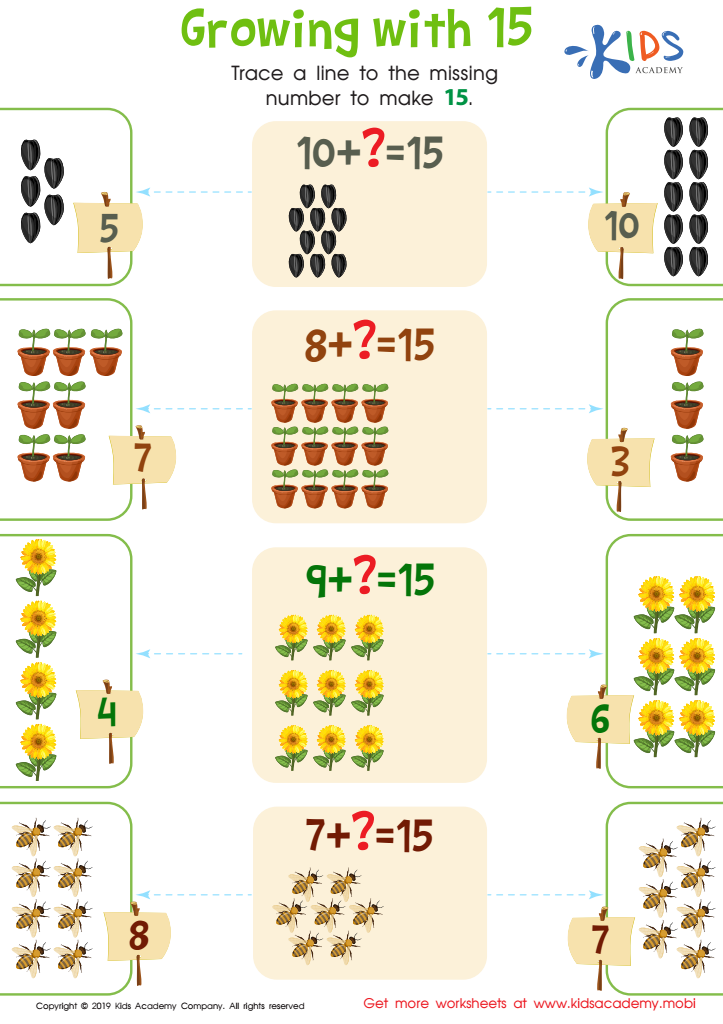
Growing with 15 Worksheet
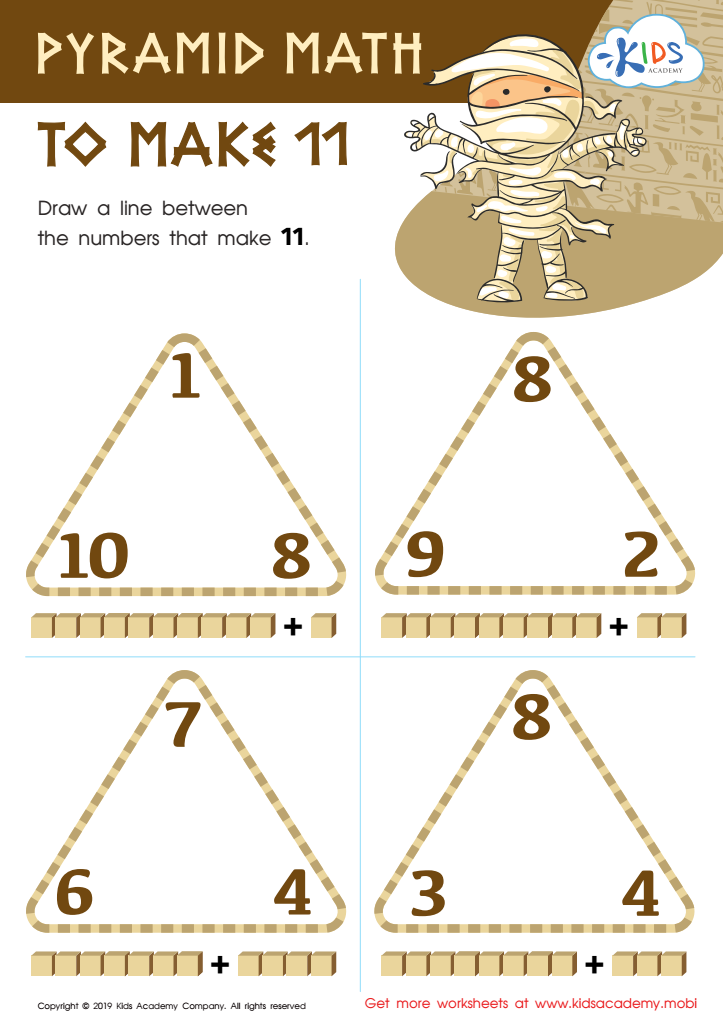
Pyramid Math to Make 11 Worksheet








Number recognition, along with basic addition and subtraction, is fundamental for children ages 4-5 as it lays the groundwork for their mathematical understanding. At this developmental stage, children are naturally curious and eager to learn, making it an ideal time for parents and teachers to introduce these concepts.
Number recognition helps children identify numbers, opening pathways to understanding quantity, order, and comparisons. Familiarity with numbers enhances their confidence and promotes a sense of accomplishment as they grasp the building blocks of math.
Additionally, normal addition and subtraction introduce children to problem-solving skills and logical thinking. Simple activities, like counting objects or using fingers to add or subtract, foster creativity and engagement, ensuring learning is enjoyable. Assimilating these concepts strengthens memory and cognitive skills, leading to better performance in future mathematical tasks.
Early mastery of number recognition and basic operations also reinforces literacy connections, influencing their ability to follow written directions, comprehend word problems, and develop critical thinking skills.
By nurturing these foundational mathematical skills, parents and teachers empower children to develop a positive attitude towards math, preparing them for academic success and lifelong analytical abilities. Ultimately, instilling these skills early contributes to a well-rounded education.








