Color Identification Normal Worksheets for Ages 4-6
23 filtered results
-
From - To
Discover engaging and educational Color Identification Normal Worksheets for children ages 4-6 at Kids Academy! Our vibrant and fun worksheets are designed to help young learners easily recognize and distinguish between different colors. Ideal for early childhood education, these resources feature playful activities like matching, coloring, and identifying objects that reinforce color recognition and cognitive skills. Perfect for both classroom and home use, our worksheets support personalized learning experiences by catering to preschoolers' and kindergarteners' varying levels. Encourage your child’s development and curiosity with our expertly crafted color identification activities! Unlock the world of colors today at Kids Academy.
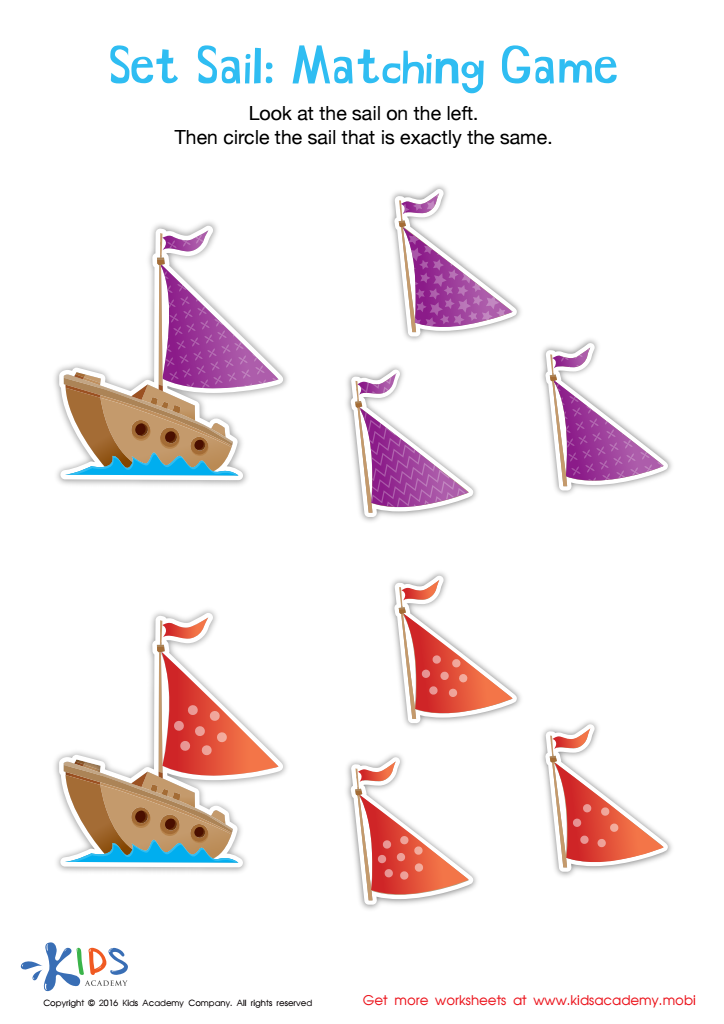
Set Sail Worksheet
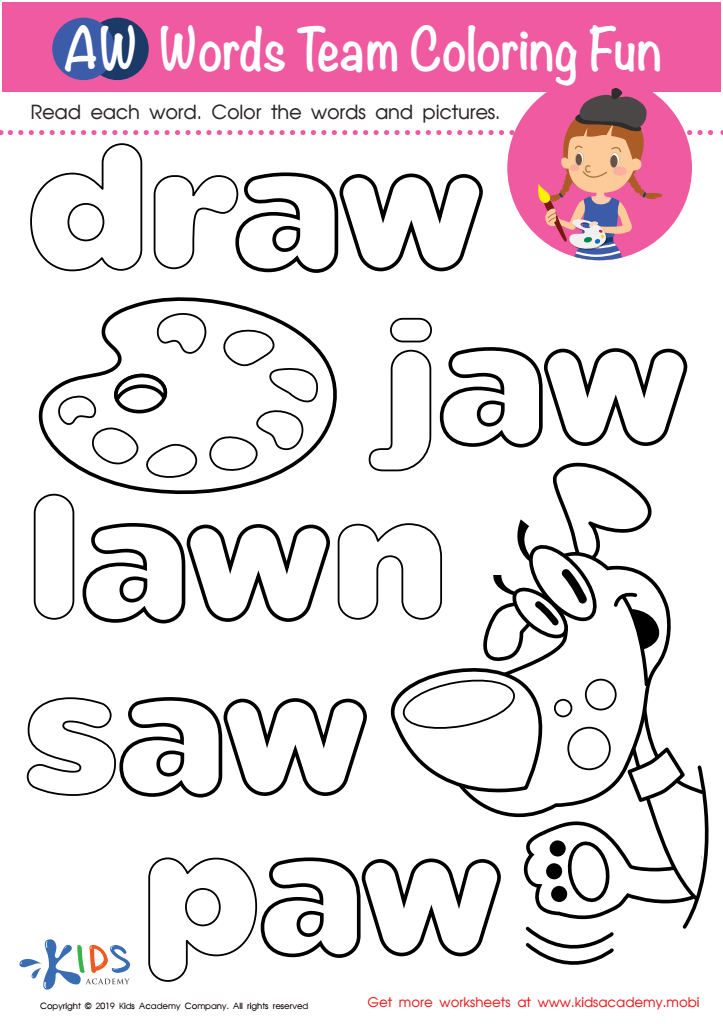
AW Words Team Coloring Fun Worksheet
 Assign to My Students
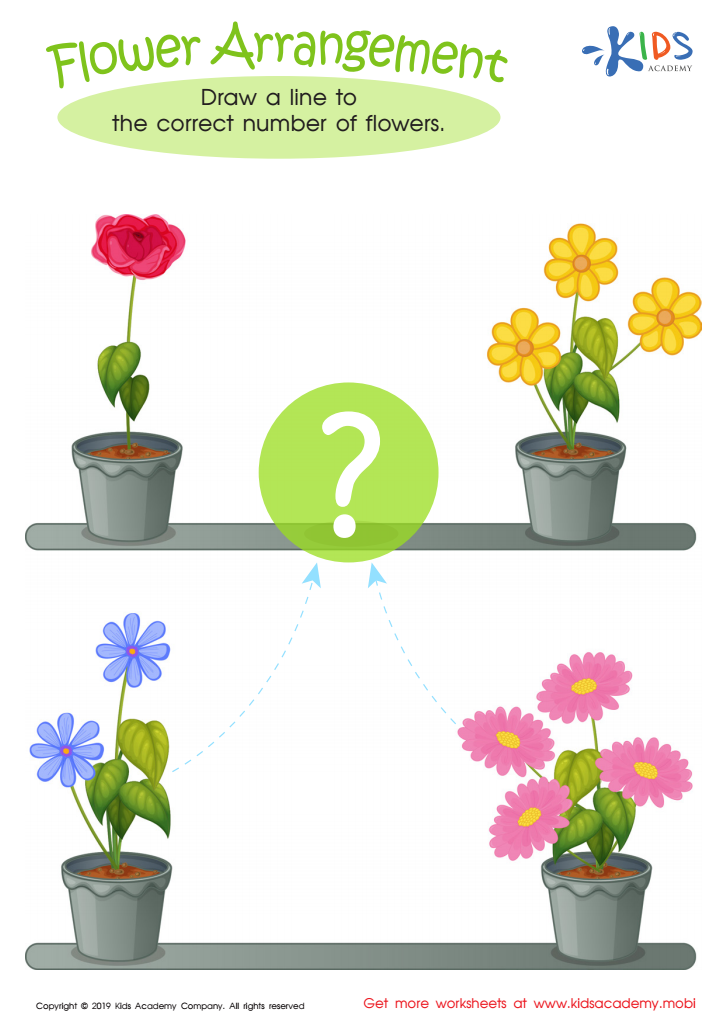
Flower Arrangement Worksheet
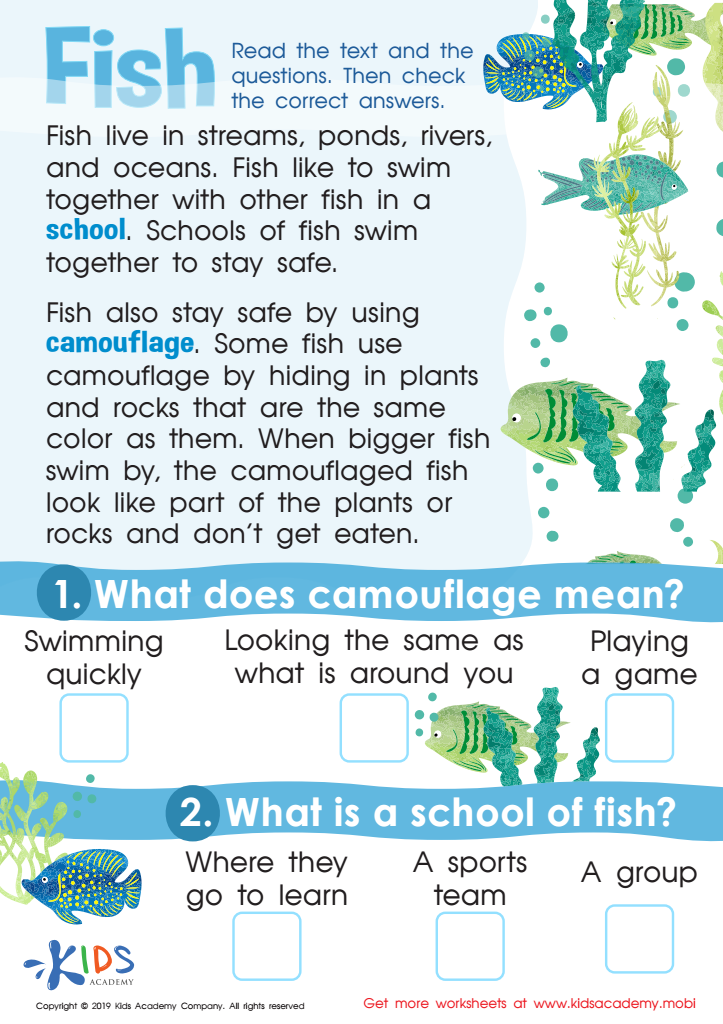
Fish Worksheet
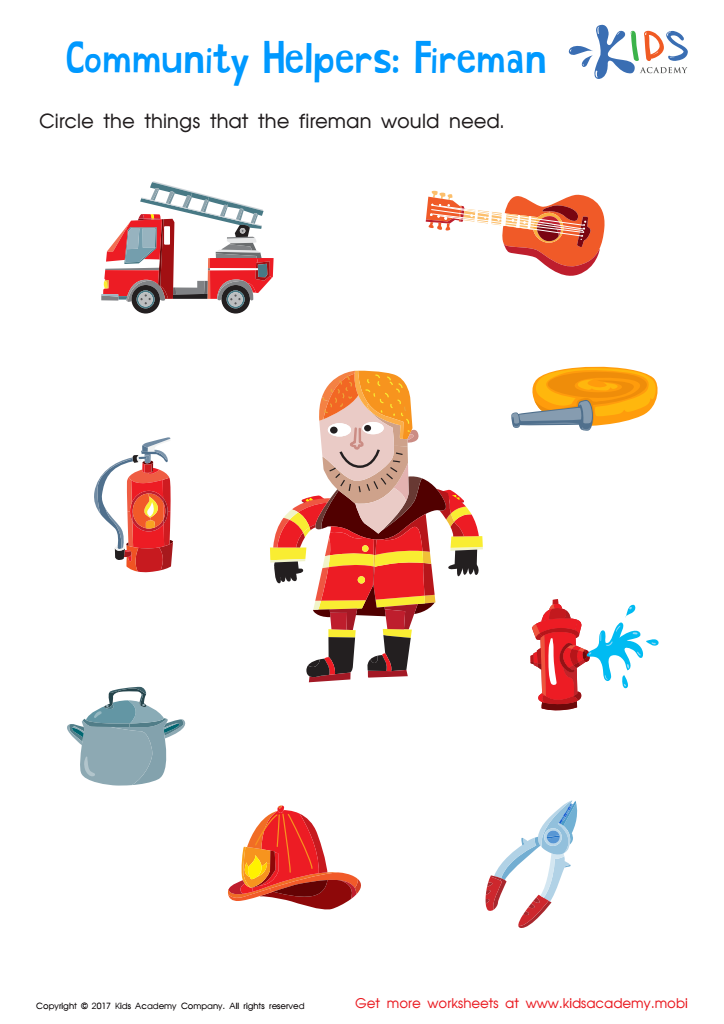
Fireman Worksheet
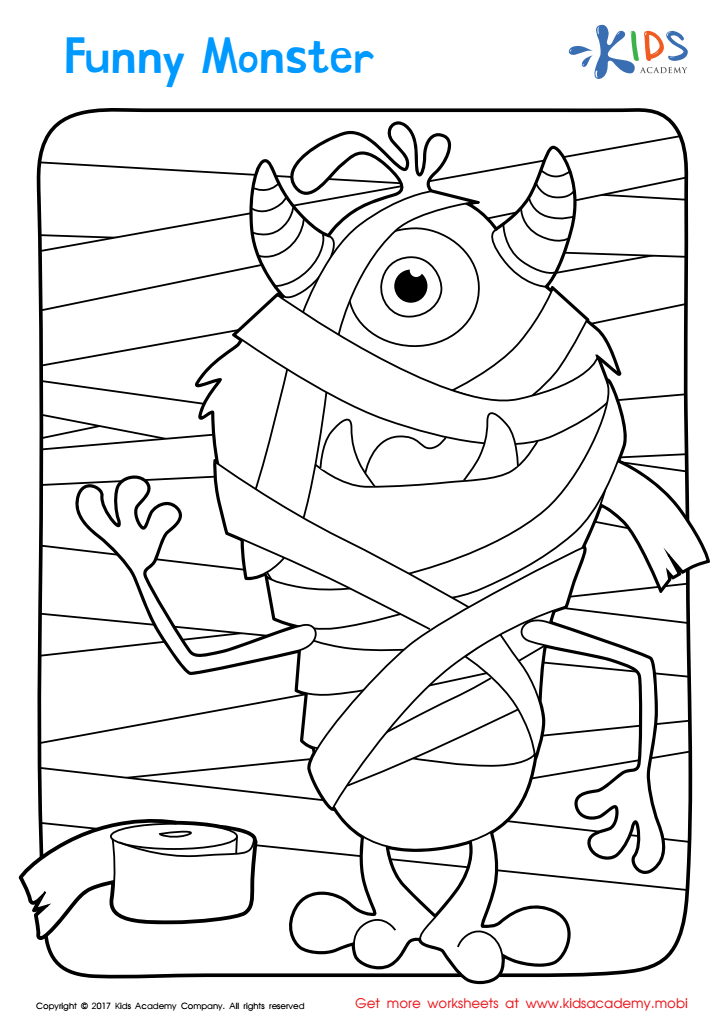
Halloween: A Funny Monster Worksheet
Assign to My Students
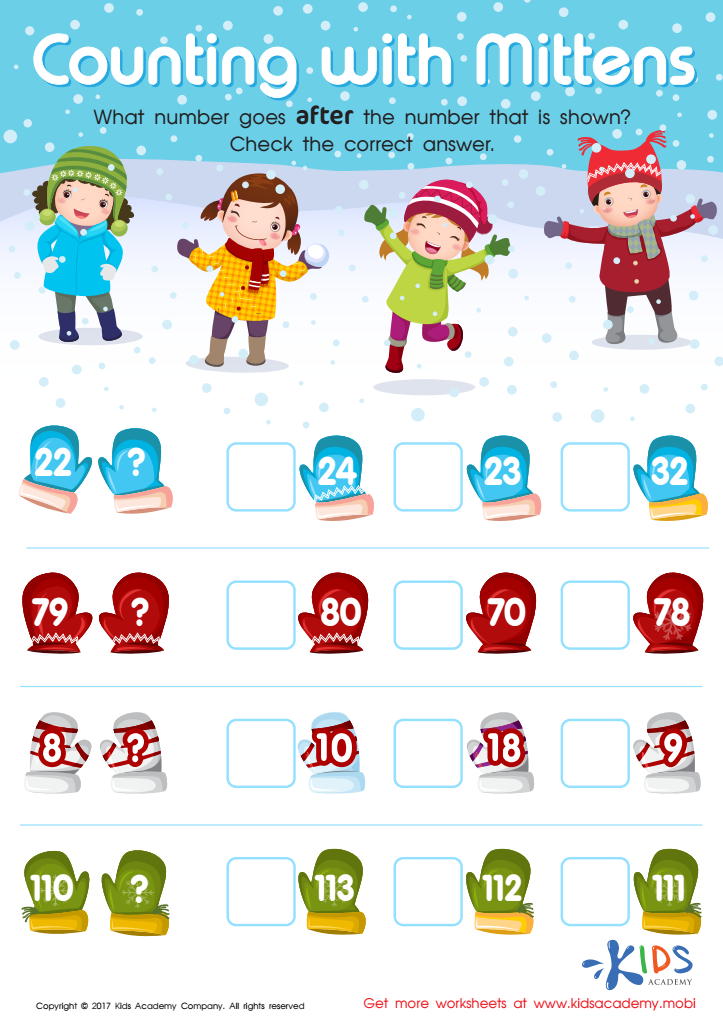
Counting with Mittens Worksheet
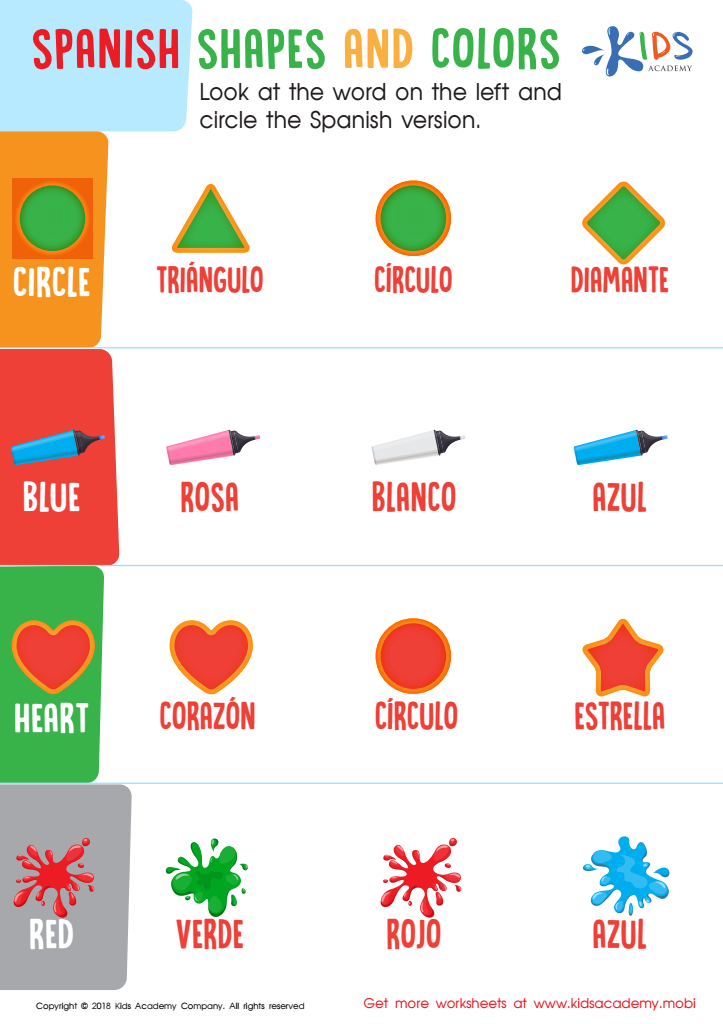
Spanish Shapes and Colors Worksheet
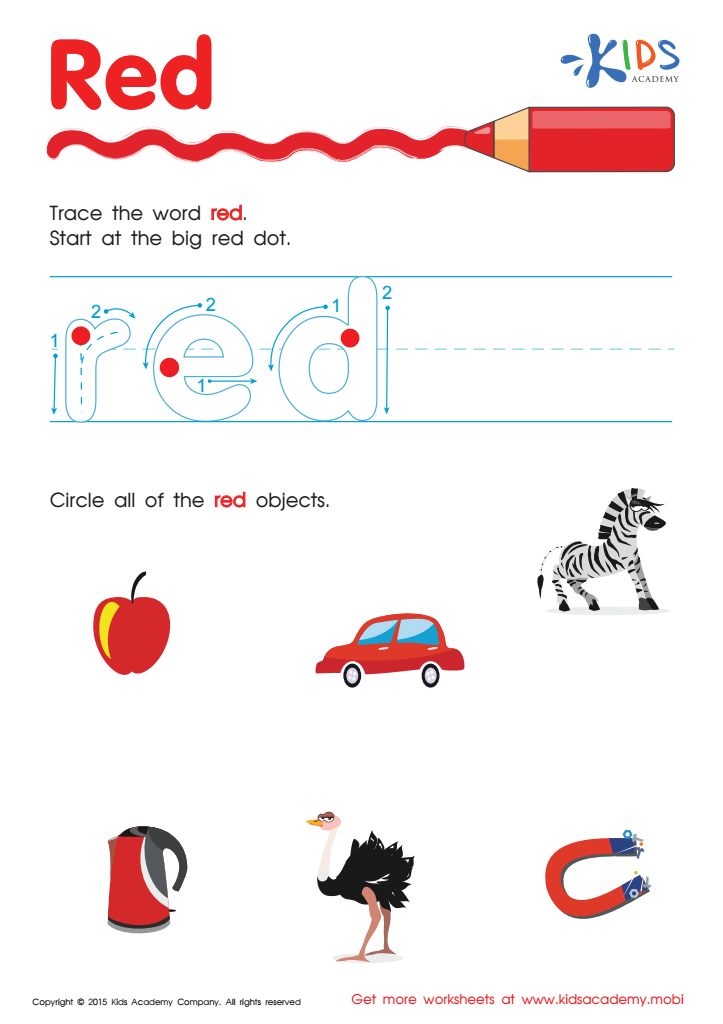
Red Tracing Color Words Printable
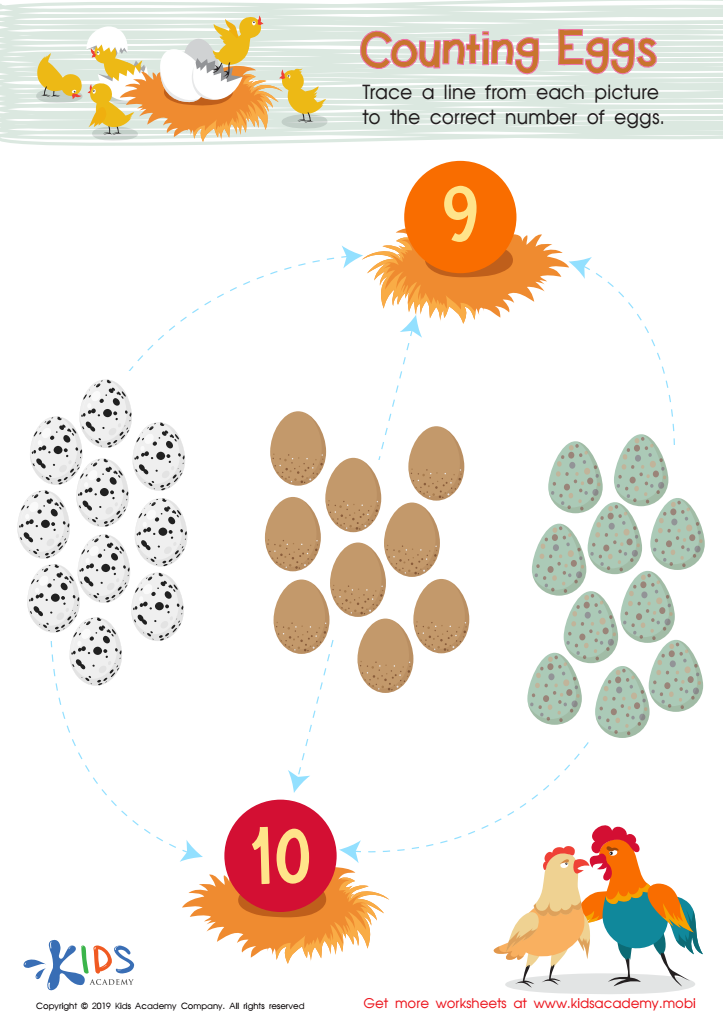
Counting Eggs Worksheet
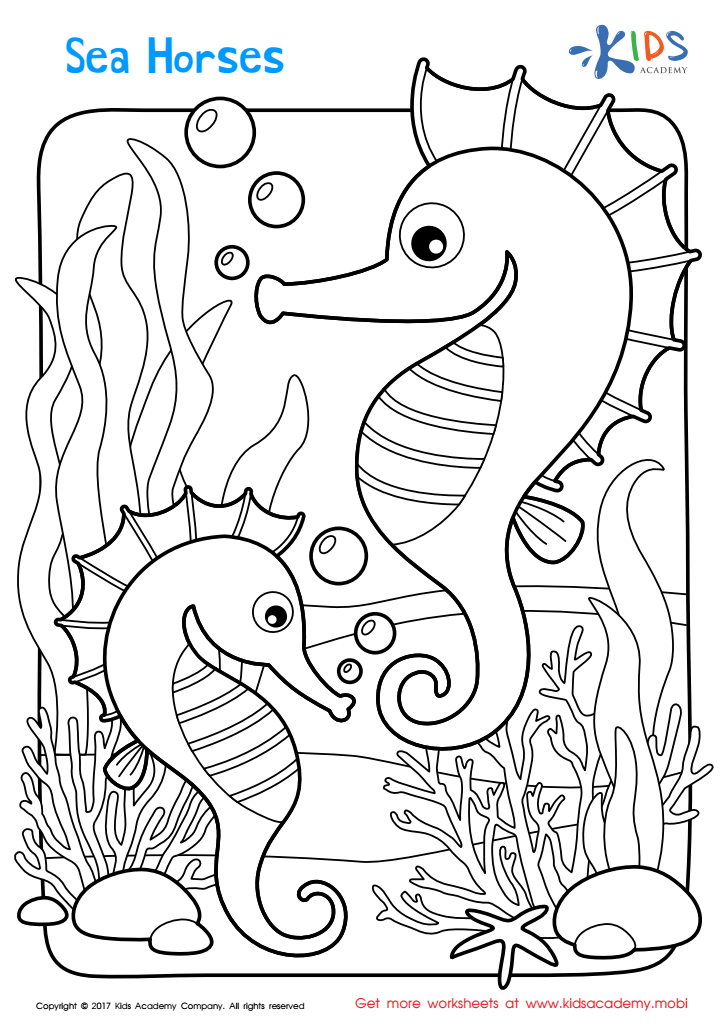
Sea Horses Printable
Assign to My Students
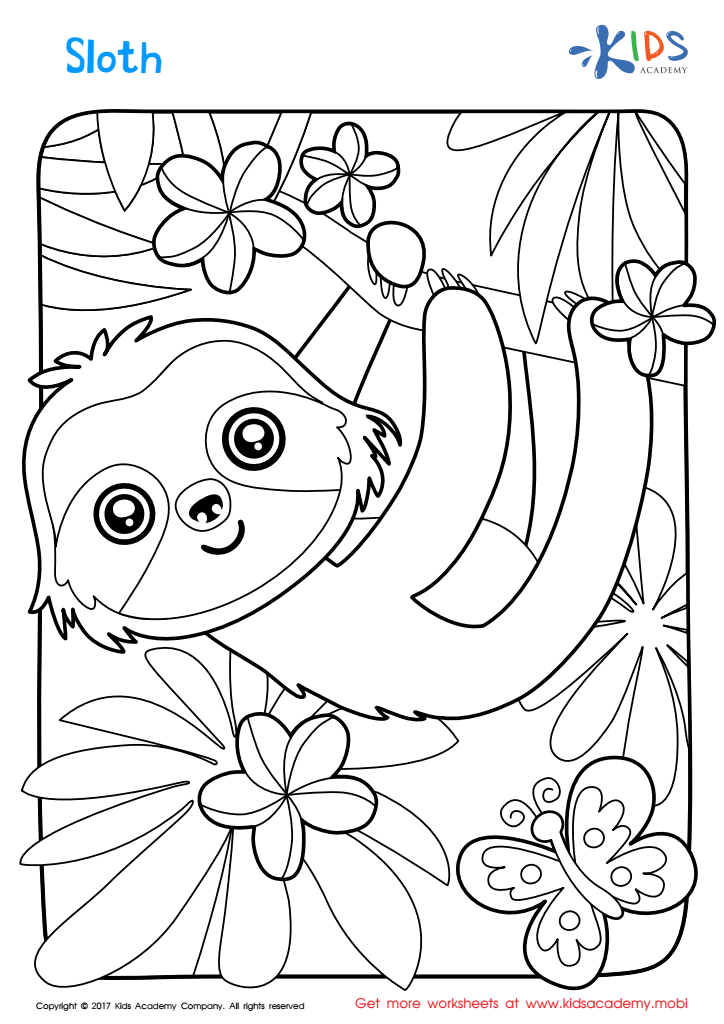
Sloth Worksheet
Assign to My Students
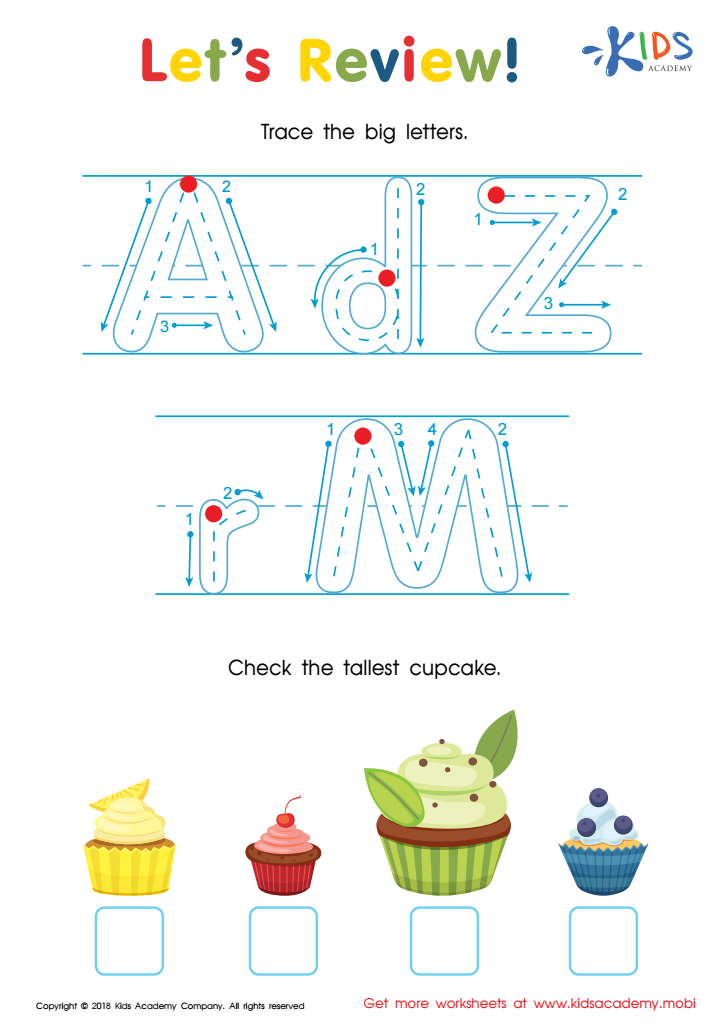
Let's Review! Big Letters Worksheet
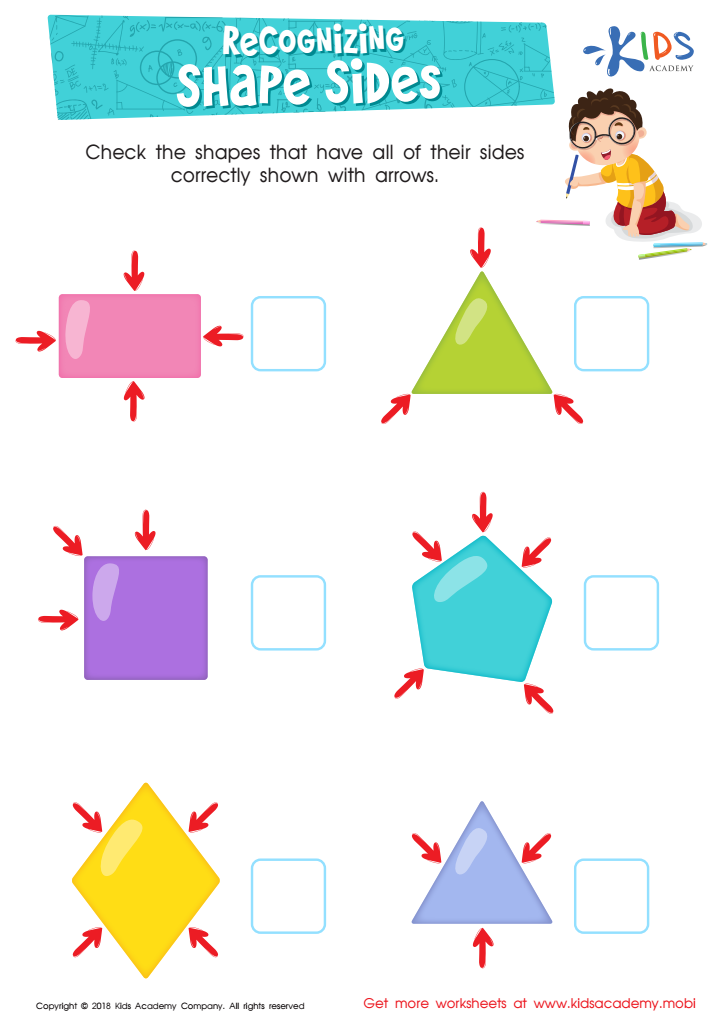
Recognizing Shape Sides Worksheet
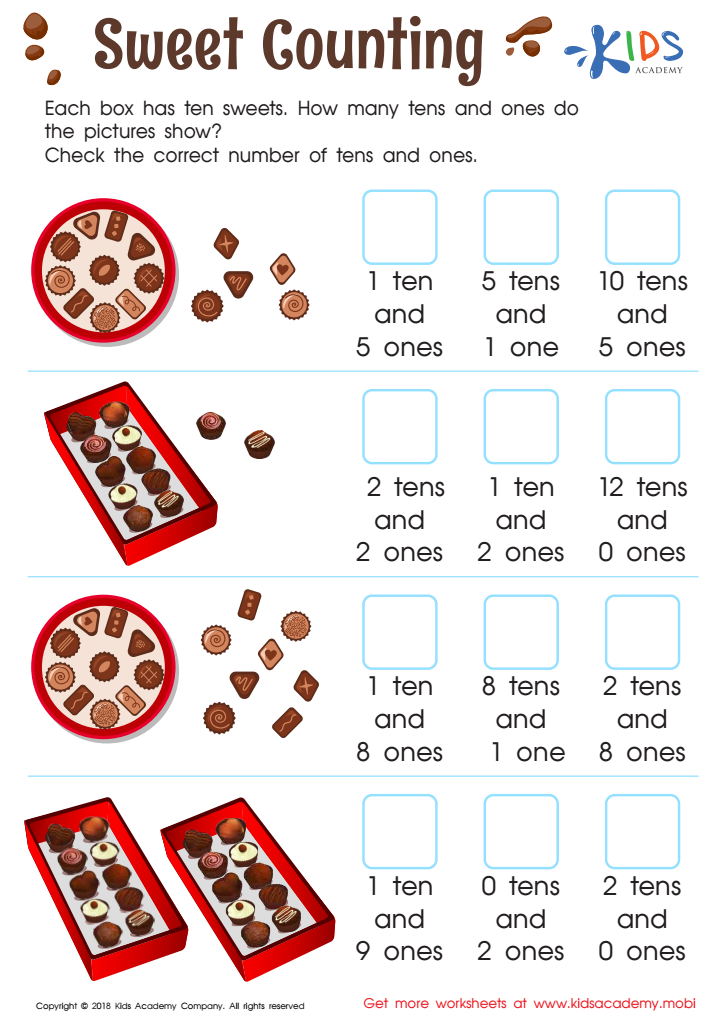
Sweet Counting - Part 2 Worksheet
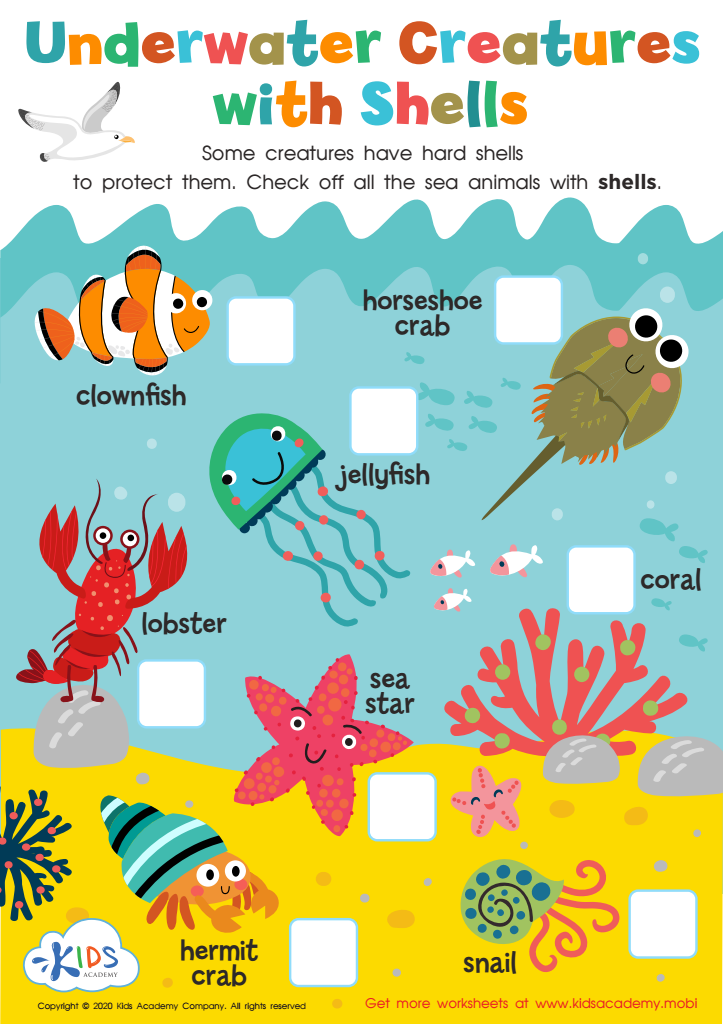
Underwater Creatures with Shells Worksheet
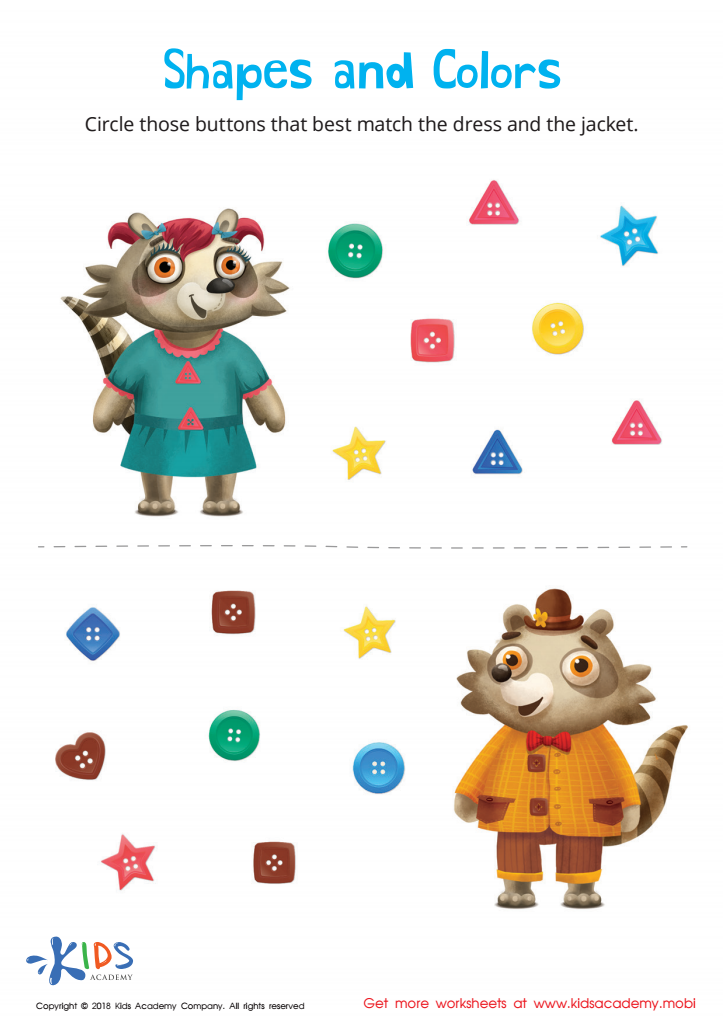
Shapes and Colors Worksheet
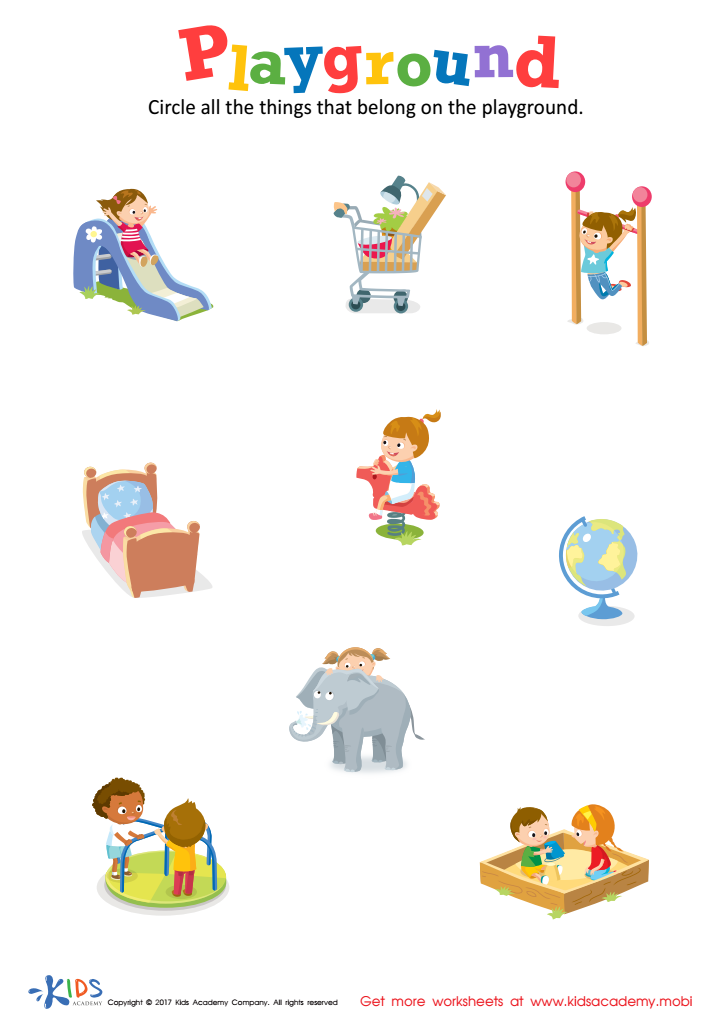
Playground Worksheet
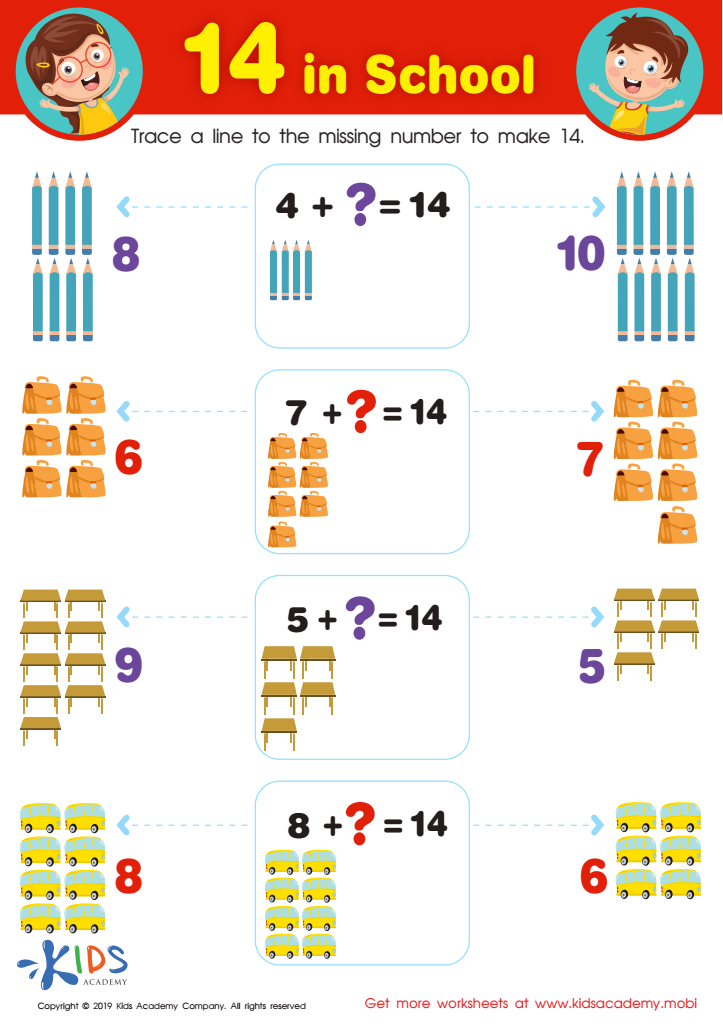
14 in School Worksheet
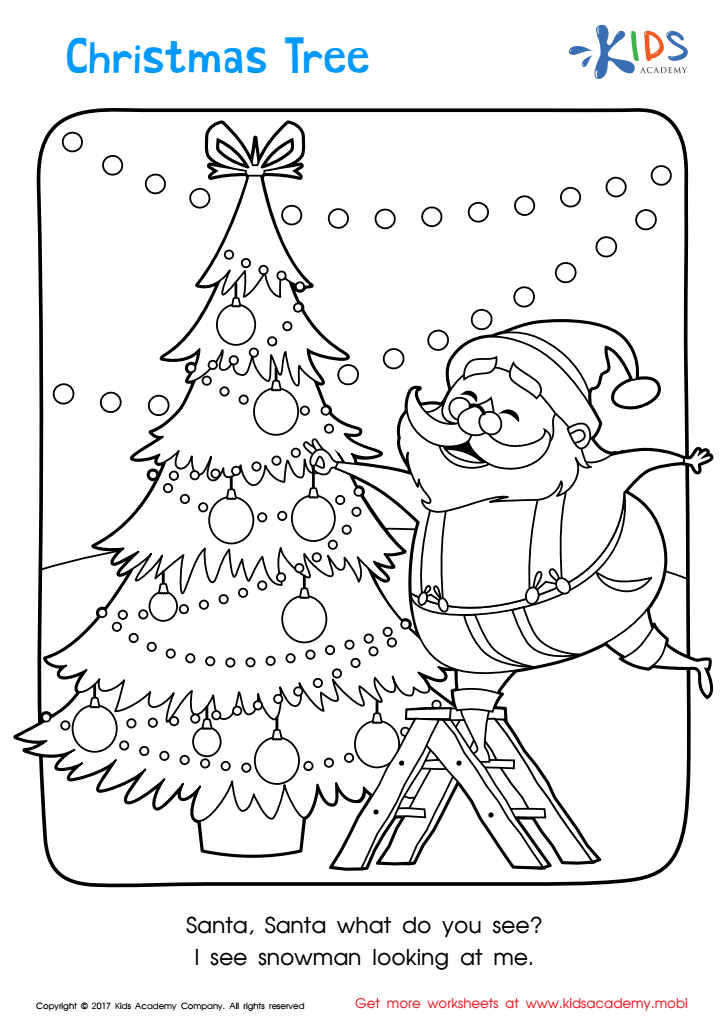
Christmas: Christmas Tree Printable
Assign to My Students
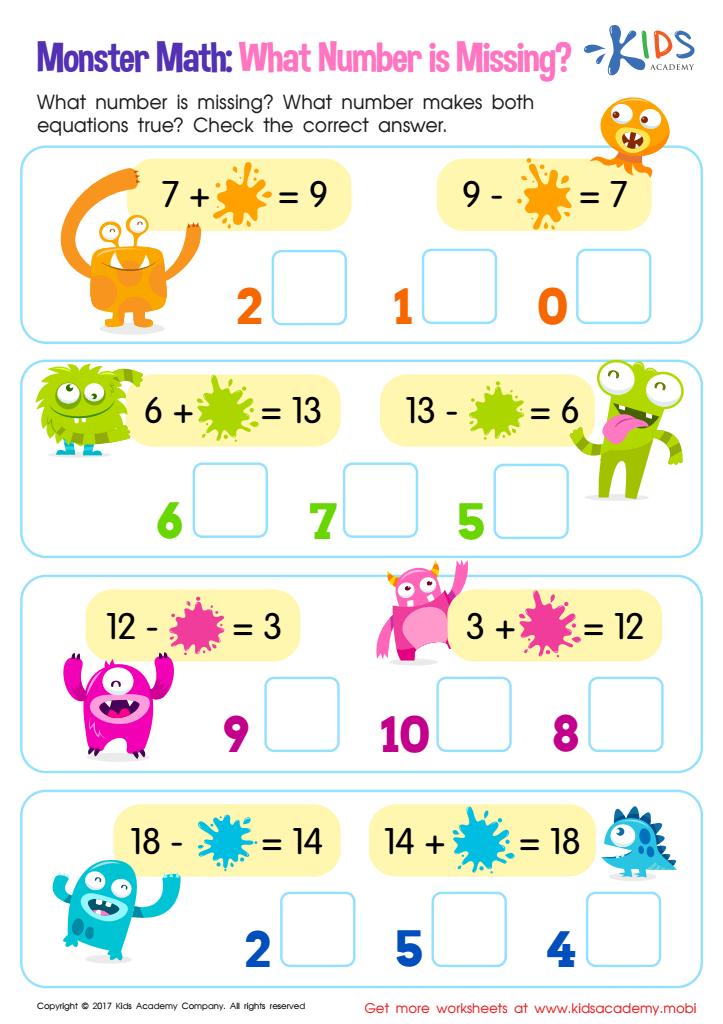
Missing Number: Monster Math Worksheet








Color identification is a fundamental skill that plays a critical role in the developmental milestones of children aged 4-6. Understanding and recognizing colors is not only a basic cognitive ability but also a vital part of everyday life that impacts learning across various domains.
At this age, children are rapidly expanding their vocabulary and cognitive skills. Identifying colors helps enrich their descriptive language, aiding in more precise and fuller communication. This ability enhances storytelling, improves interaction during play, and aids in following instructions more accurately, all of which contribute to better academic performance and social interactions.
Moreover, color identification is foundational for the development of key early mathematical concepts such as sorting, classifying, and patterning. It strengthens observational skills, fosters critical thinking, and boosts problem-solving abilities. Visually, it also plays an essential role in pre-reading skills—being able to differentiate colors helps when recognizing letters and words later on.
Attending to color identification early on can also highlight possible vision deficiencies, allowing for early interventions if needed. By creating a stimulating and supportive environment for learning colors, parents and teachers can ensure a smoother transition into more complex subjects, paving the way for a well-rounded education and making learning a more enjoyable experience for young children.








