Phonics Skills Normal Worksheets for Ages 4-6 - Page 2
47 filtered results
-
From - To
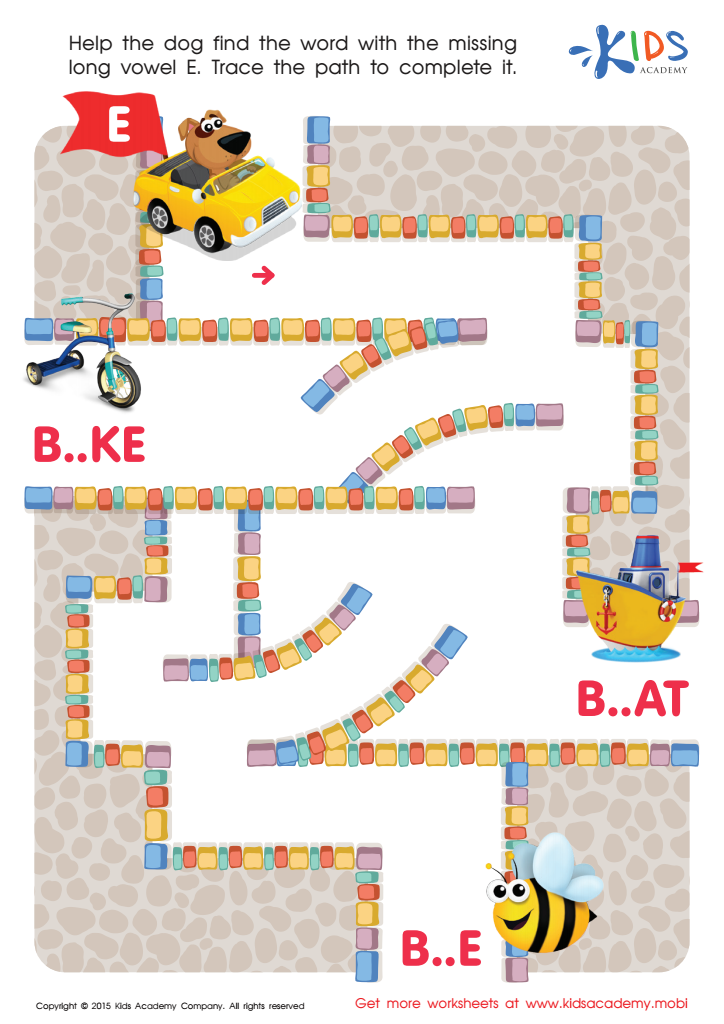
Long Vowel Sound E Worksheet
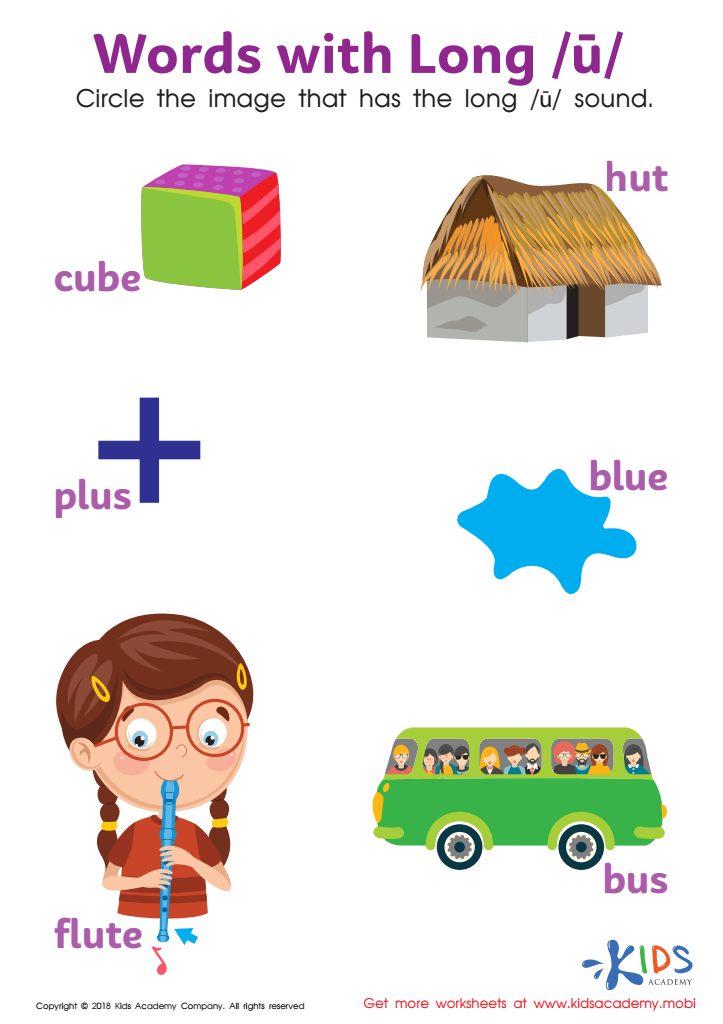
Words with Long U Reading Worksheet
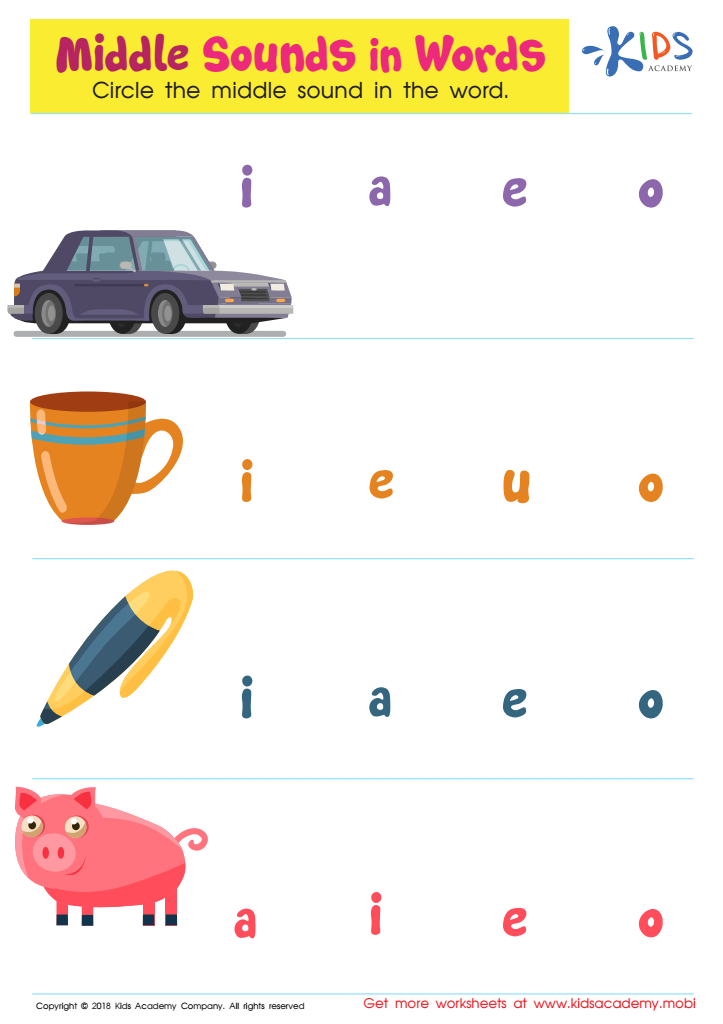
Middle Sounds in Words Worksheet
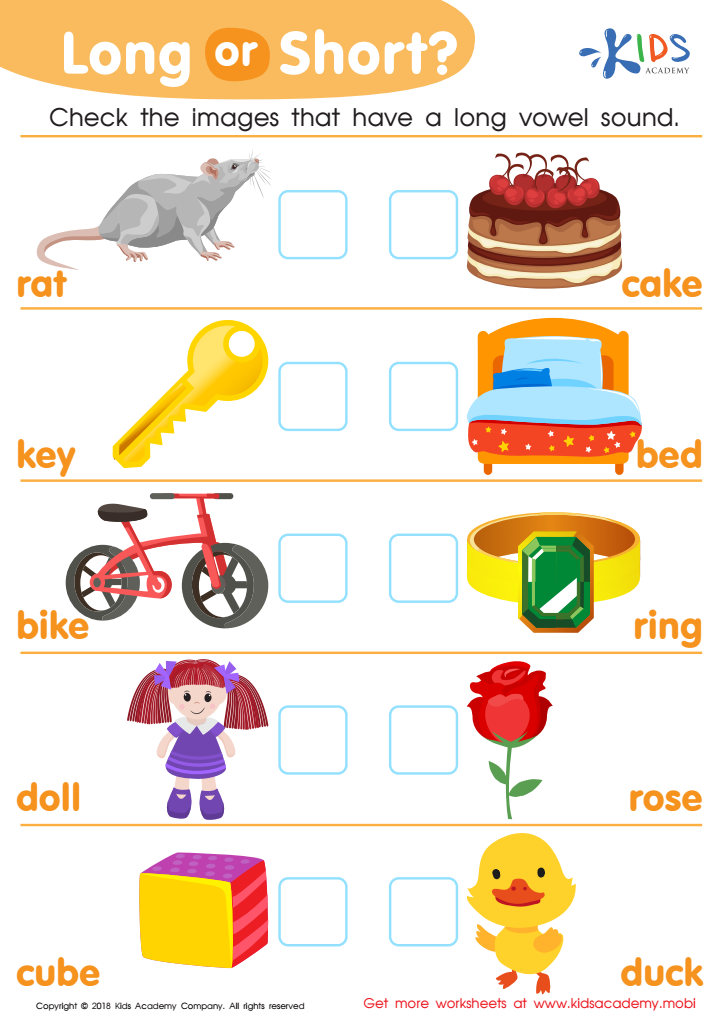
Long or Short Reading Worksheet
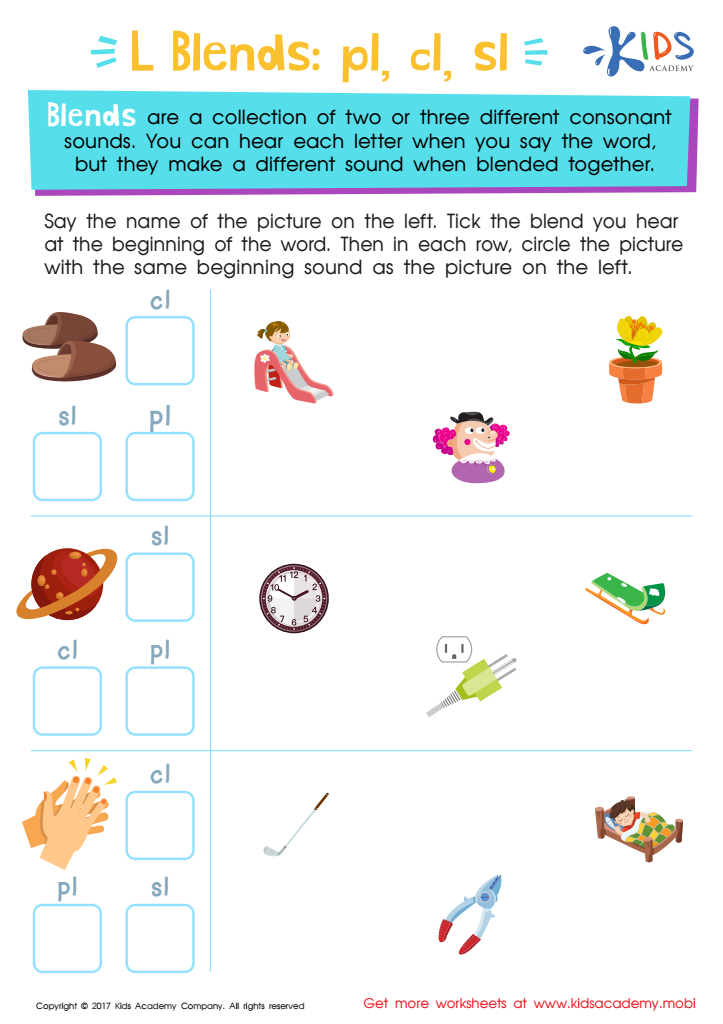
L Blends: "Pl", "Cl" and "Sl" Printable
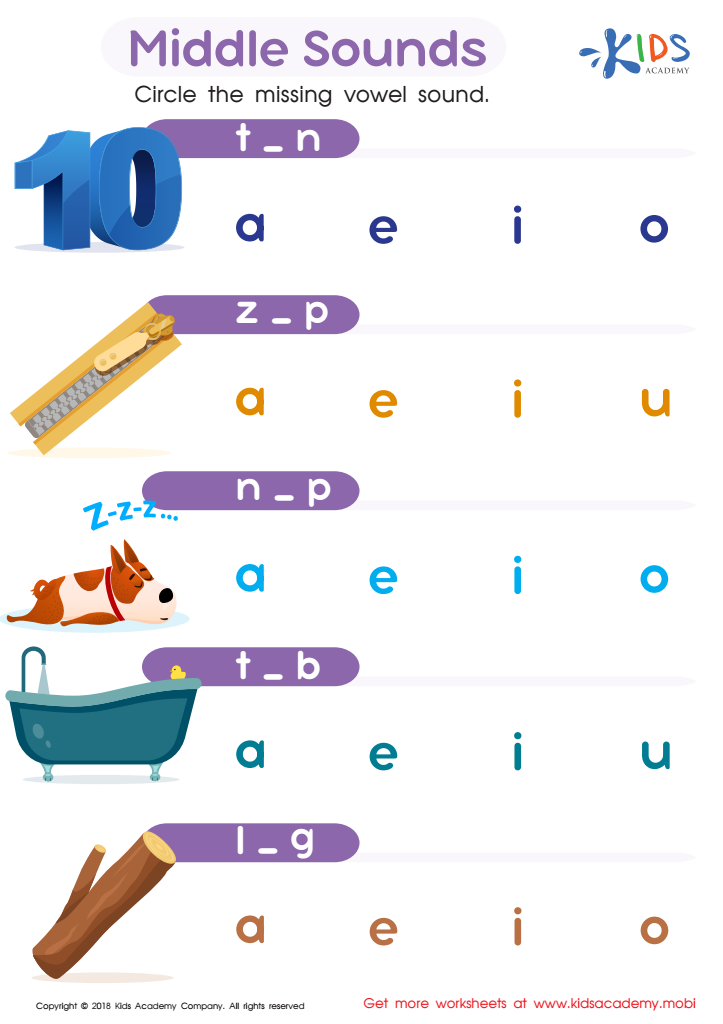
Middle Sounds Worksheet
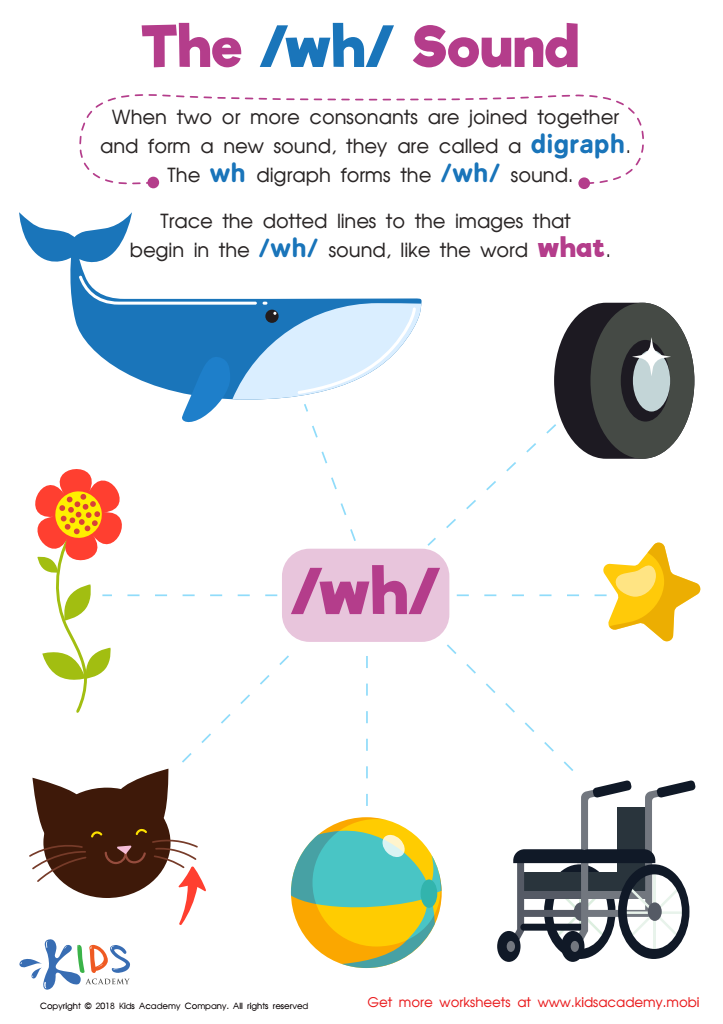
The /wh/ Sound Worksheet
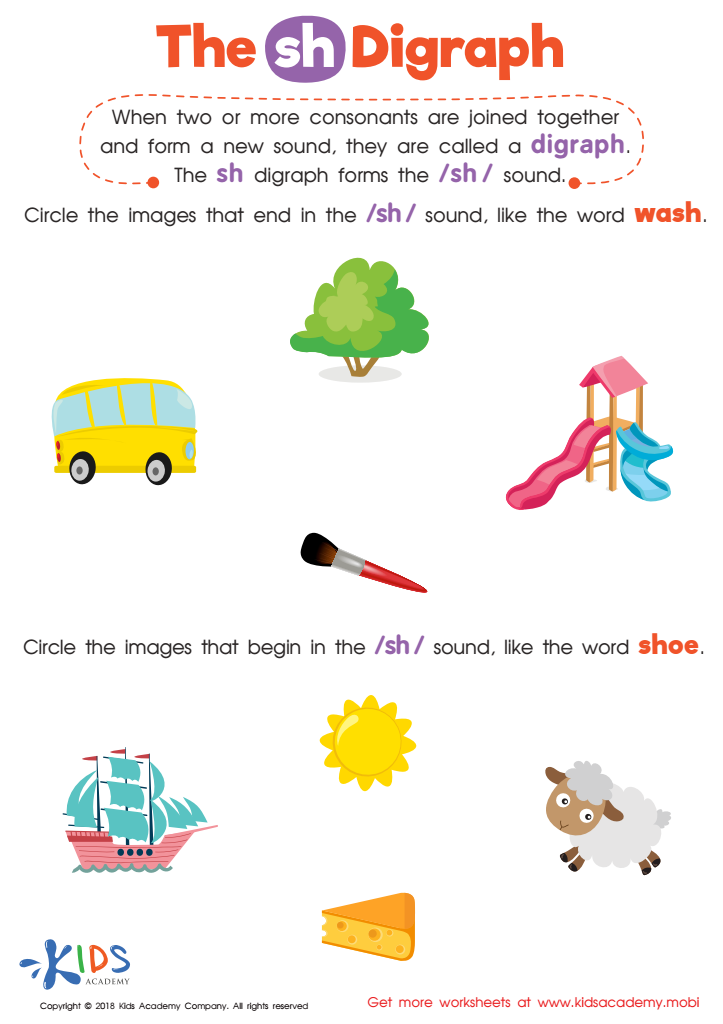
The SH Digraph Worksheet
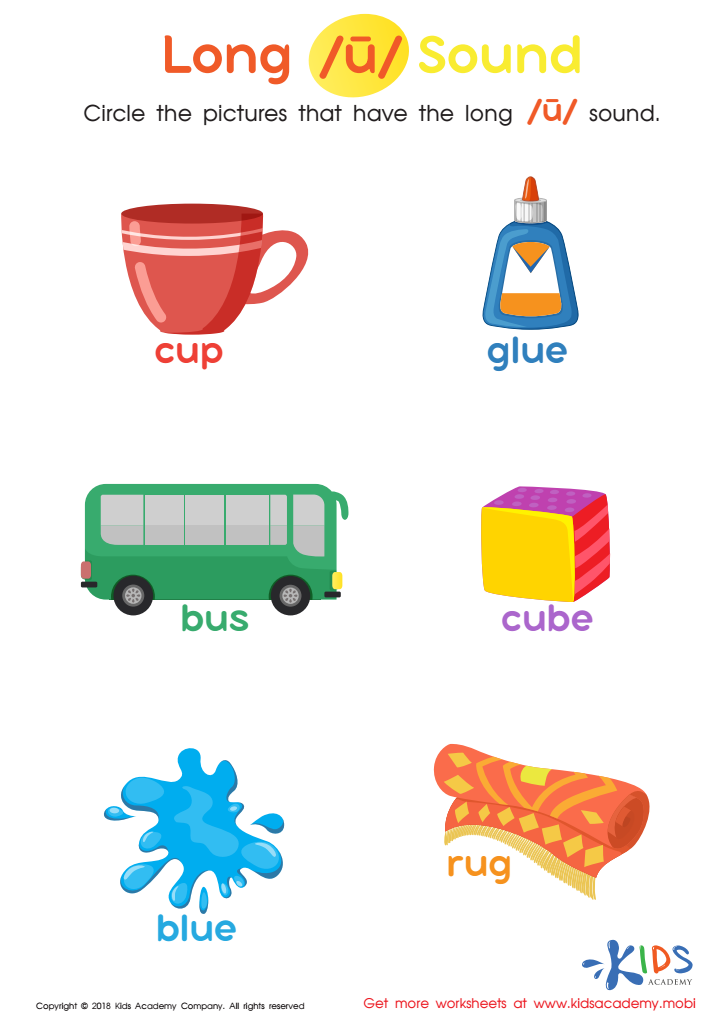
Long «u» Sound Worksheet
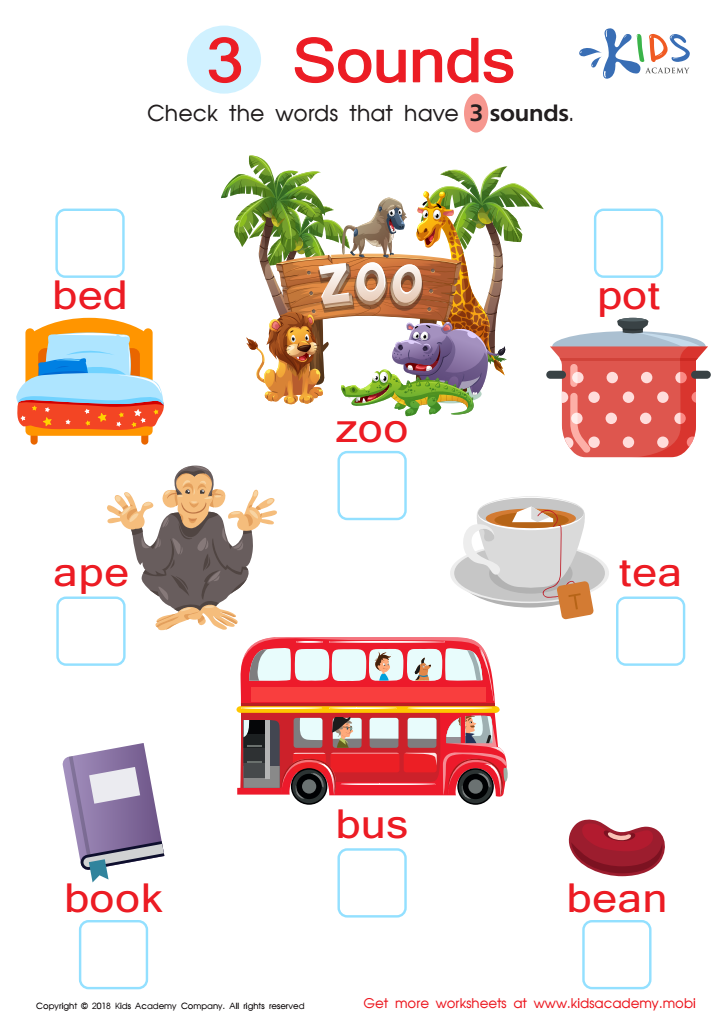
3 Sounds Worksheet
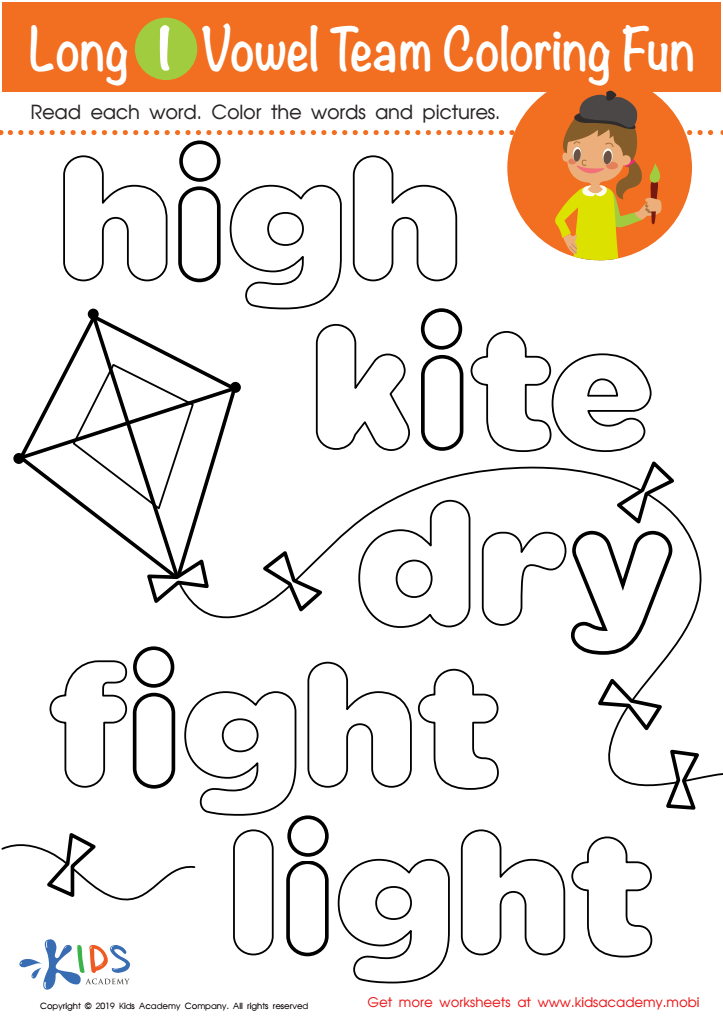
Long I Vowel Team Coloring Worksheet
 Assign to My Students
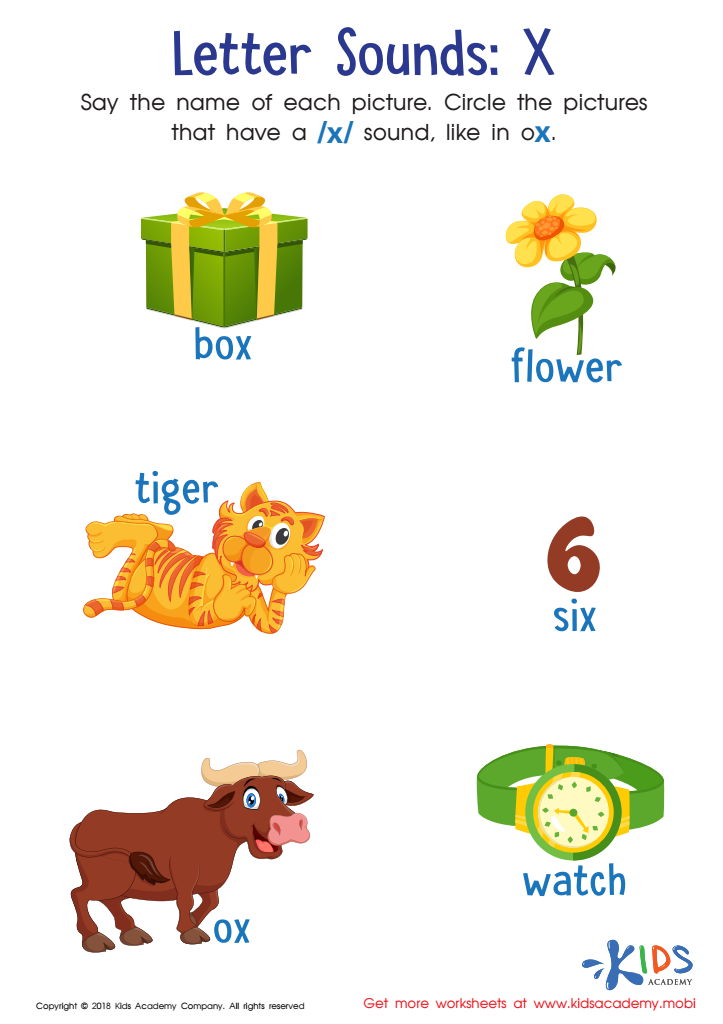
Letter X Sounds Worksheet
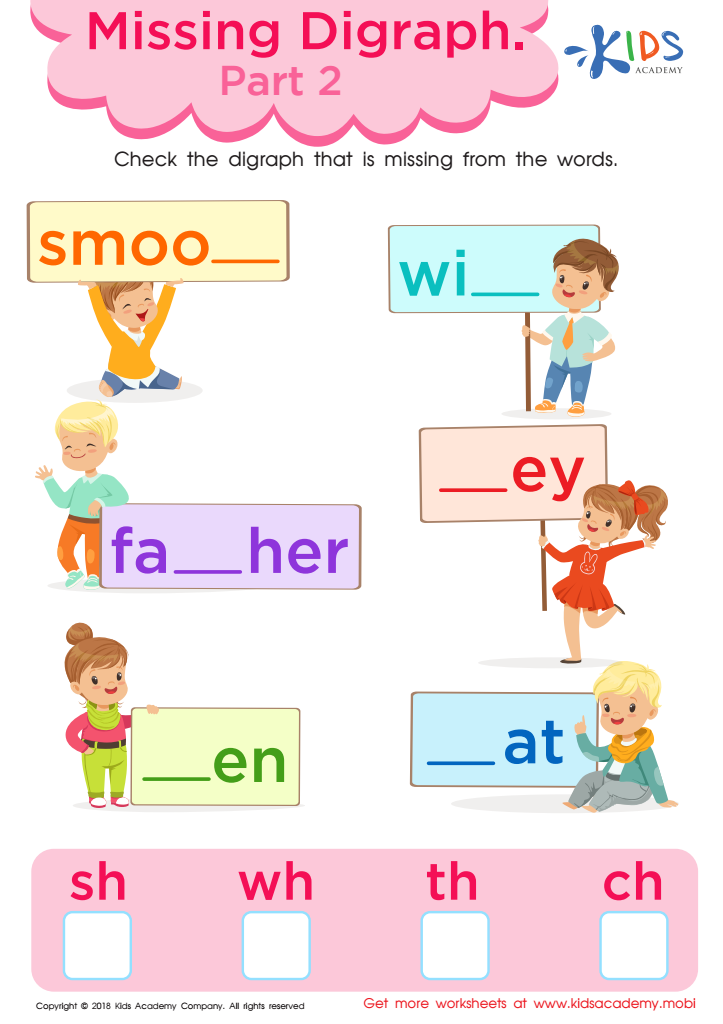
Missing Digraph: Part 2 Worksheet
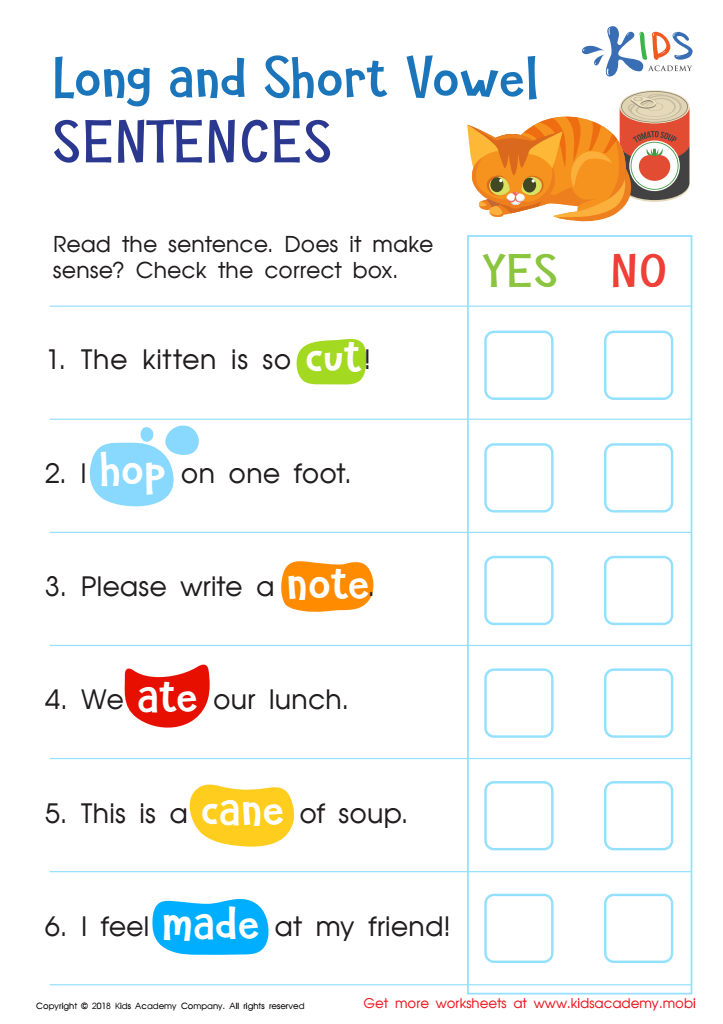
Long and Short Vowel Sentences: Assessment Worksheet
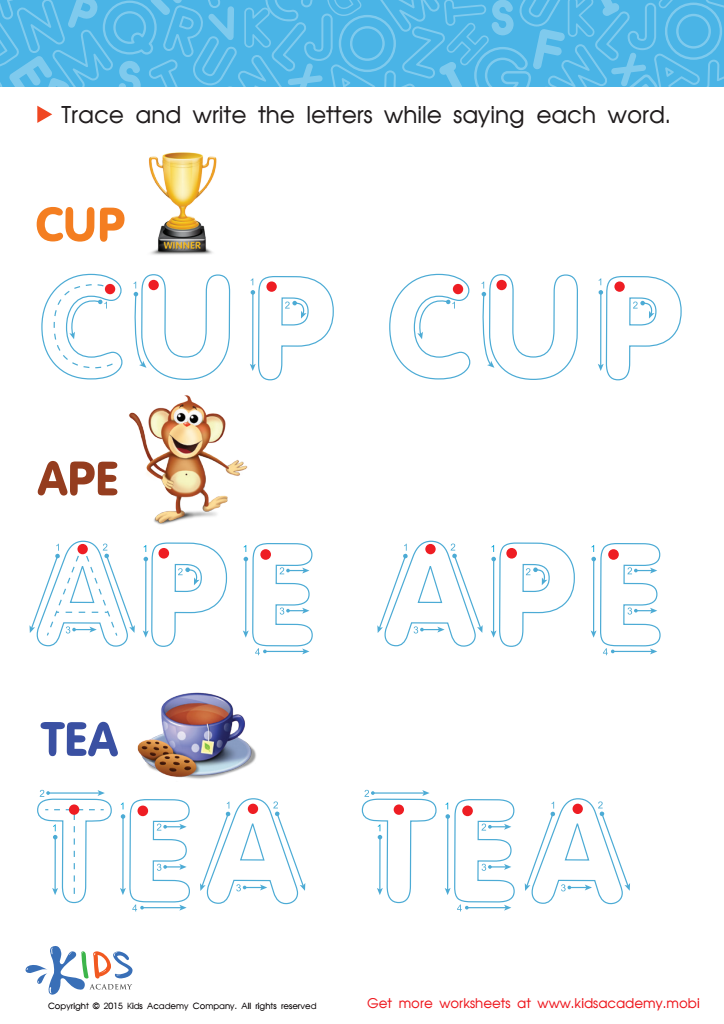
A Cup, an Ape and Tea Spelling Worksheet
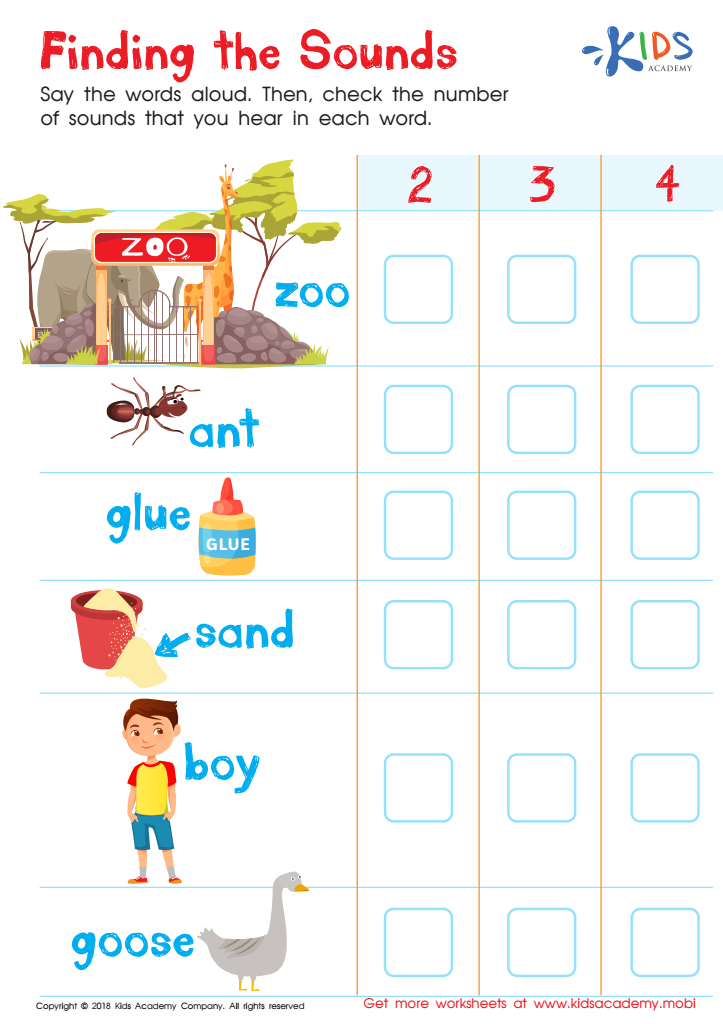
Finding the Sounds Worksheet
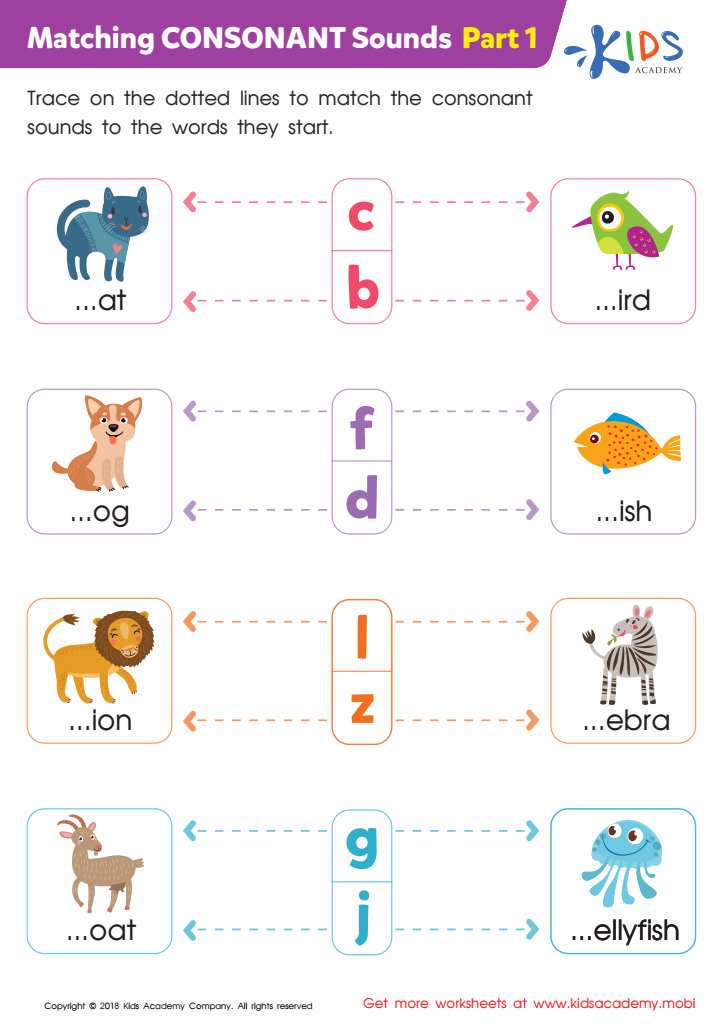
Matching Consonant Sounds: Part 1 Worksheet
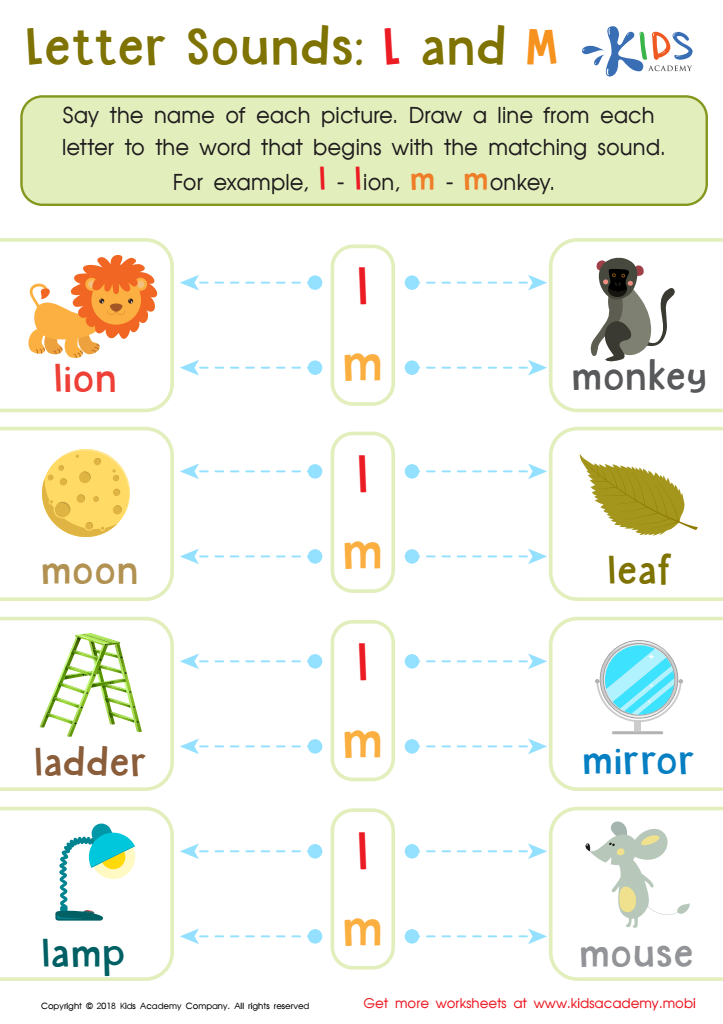
Letter l and M Sounds Worksheet
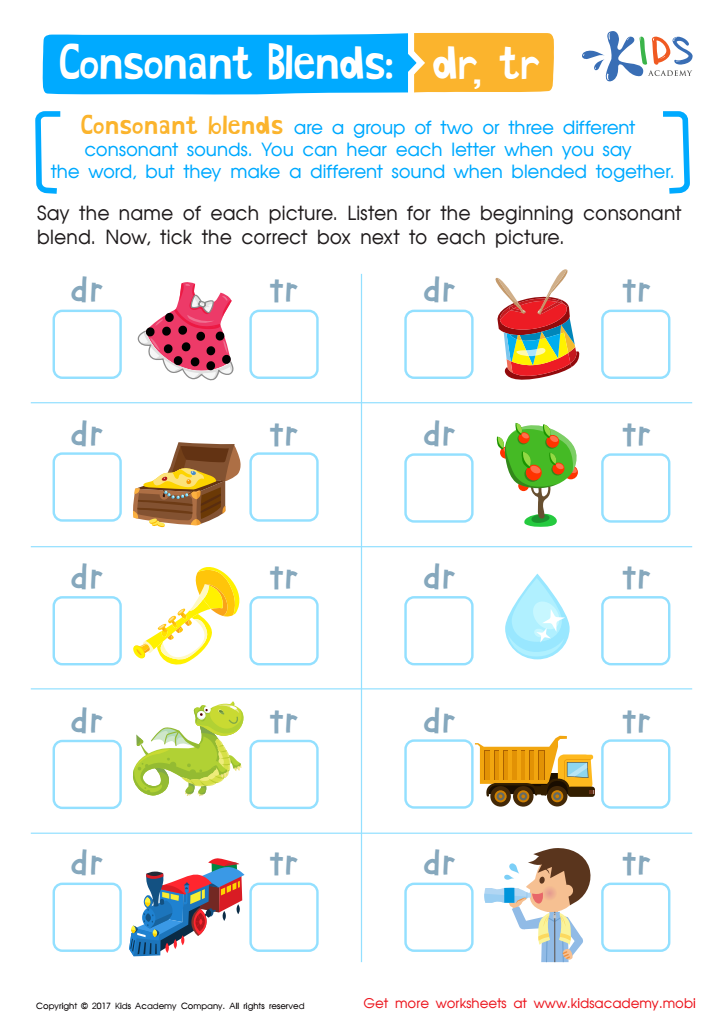
Consonant Blends: "Dr" and "Tr" Printable
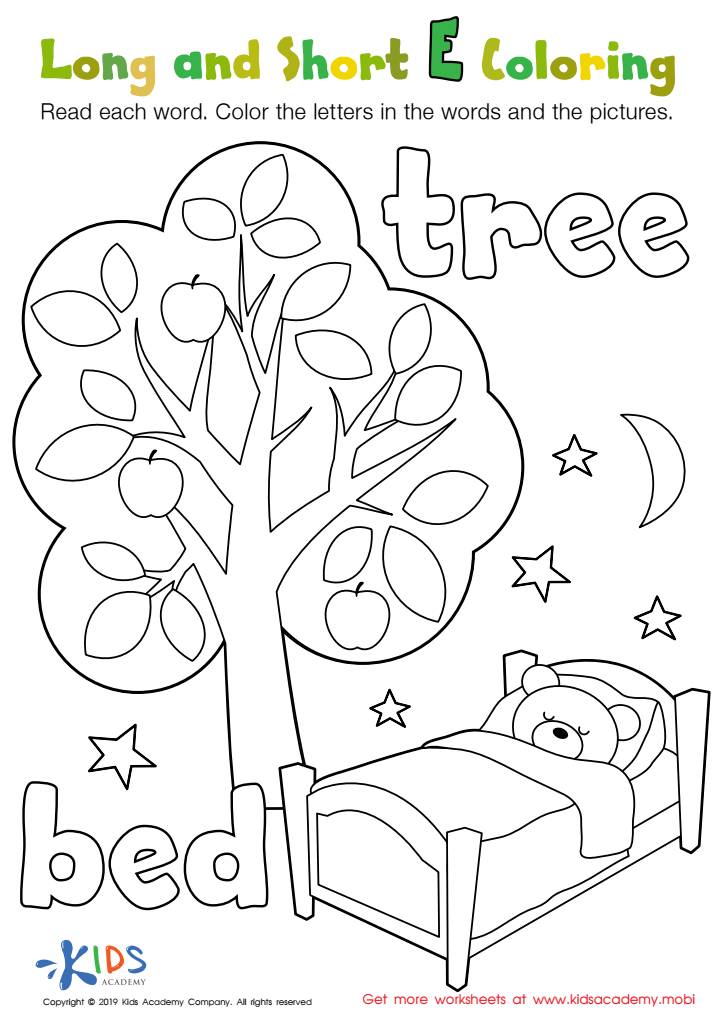
Long and Short E Worksheet
Assign to My Students
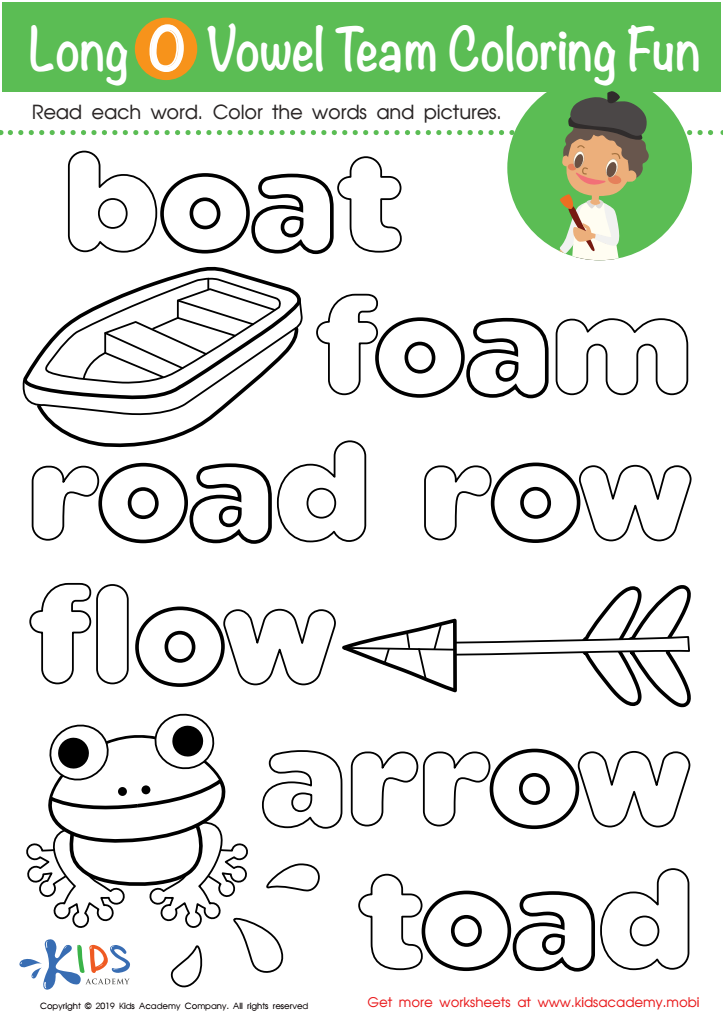
Long O Vowel Team Coloring Worksheet
Assign to My Students
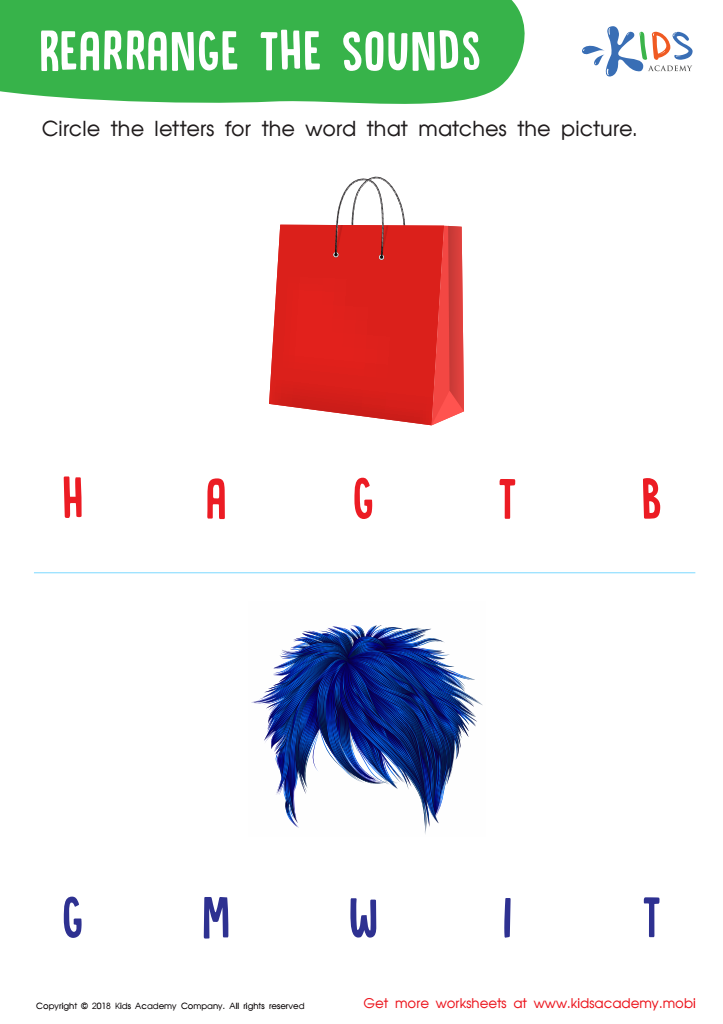
Rearrange the Sounds Worksheet
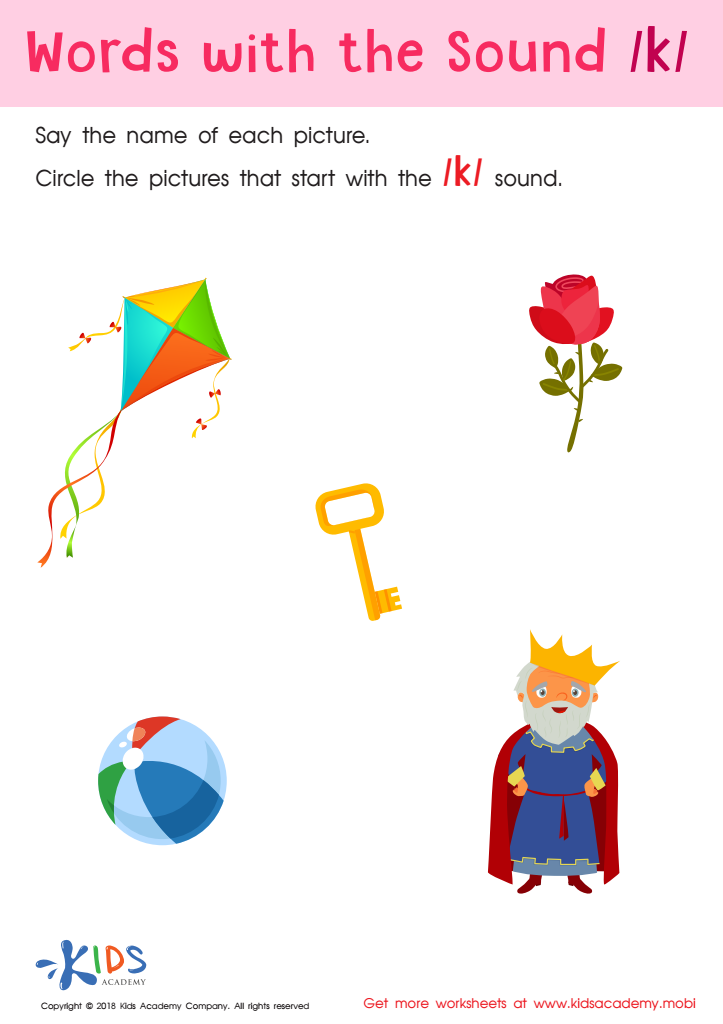
Words with sound k Reading Worksheet


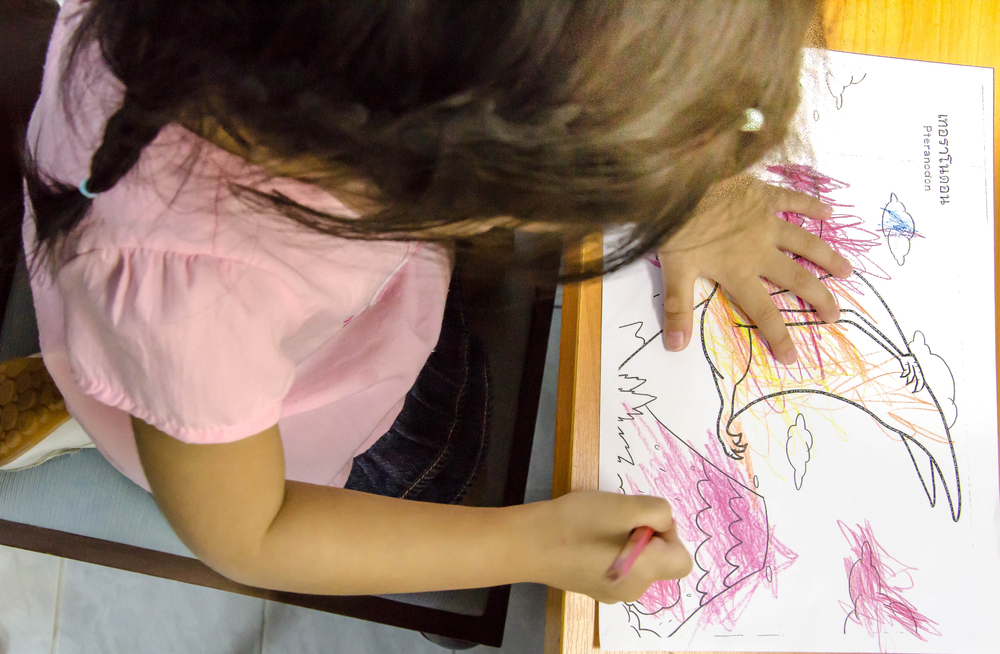




Phonics skills are foundational to literacy development in children aged 4-6, making them crucial for both parents and teachers to prioritize. During these early years, children are developing the ability to recognize sounds and patterns in language, which directly impacts their reading and writing skills. Phonics instruction helps children understand the relationship between letters and their corresponding sounds, enabling them to decode words.
Research shows that strong phonics skills correlate with improved reading comprehension and fluency later in life. Children who grasp phonics early on tend to become confident readers, which lays the groundwork for academic success across subjects. Furthermore, phonics practice not only aids in literacy but also nurtures critical thinking and problem-solving skills as children learn to analyze and synthesize information.
Additionally, parental involvement in phonics activities reinforces learning and fosters a love for reading at home. By engaging in phonics games and practices, parents can create a supportive environment that motivates children to explore language.
Ultimately, emphasizing phonics skills during these formative years nurtures lifelong readers and learners, equipping them with the essential tools to navigate their educational journeys successfully.








