Fine Motor Skills Normal Geometry Worksheets for Ages 4-6
8 filtered results
-
From - To
Explore our collection of Fine Motor Skills Normal Geometry Worksheets designed for children aged 4 to 6! These engaging worksheets help little learners refine their fine motor abilities while introducing essential geometric concepts. Each activity is thoughtfully crafted to promote hand-eye coordination, dexterity, and creativity through fun tasks like tracing shapes, cutting, and coloring. Perfect for home or classroom use, our resources support early childhood development by blending learning with play. Join us in nurturing young minds and enhancing their mathematical foundations. Download our worksheets today and watch your child's skills grow in geometry and fine motor control!
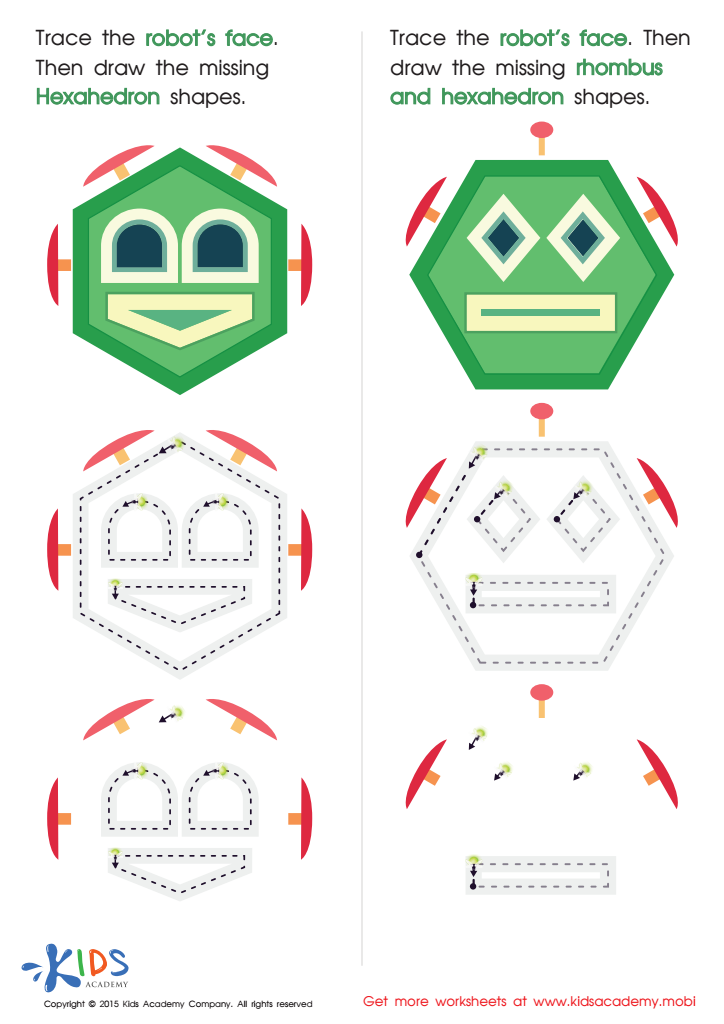
Practice Drawing Hexahedrons And a Rhombus Worksheet
 Assign to My Students











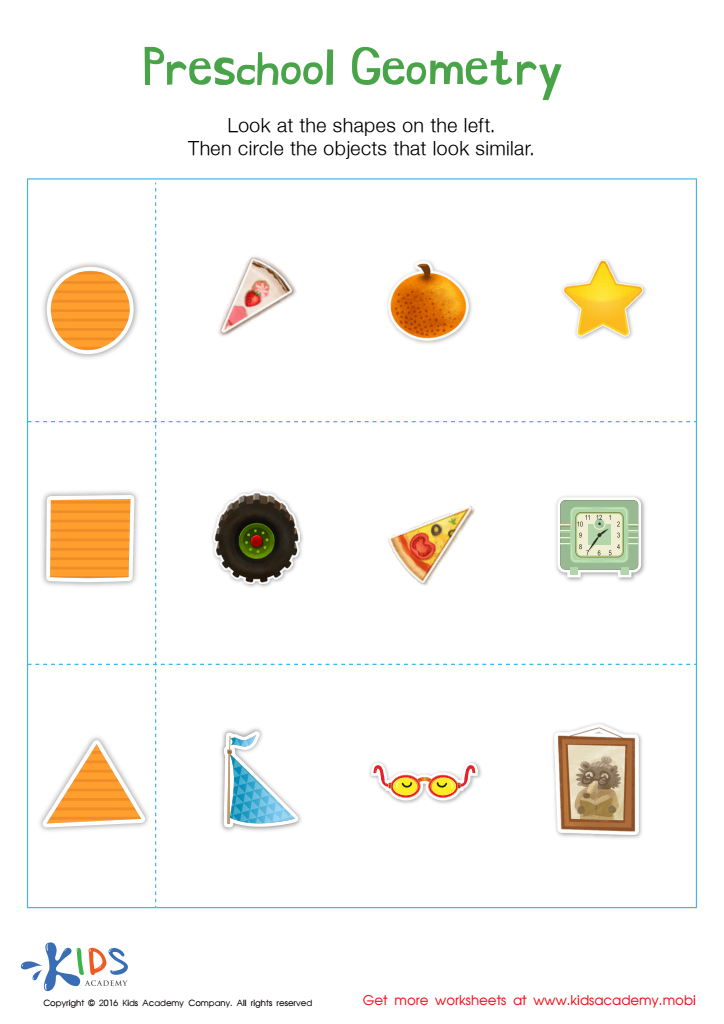
Preschool Geometry Match Up Worksheet

Learning to Draw Crescents And Triangles Worksheet
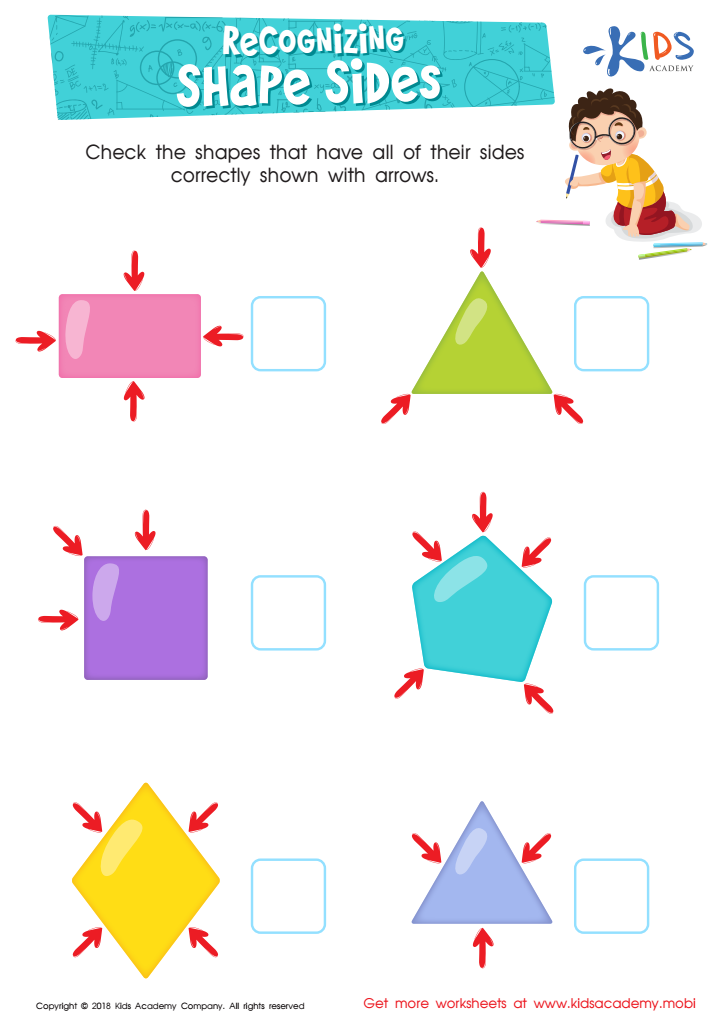
Recognizing Shape Sides Worksheet

Three–Dimensional Shapes: Cylinder Worksheet
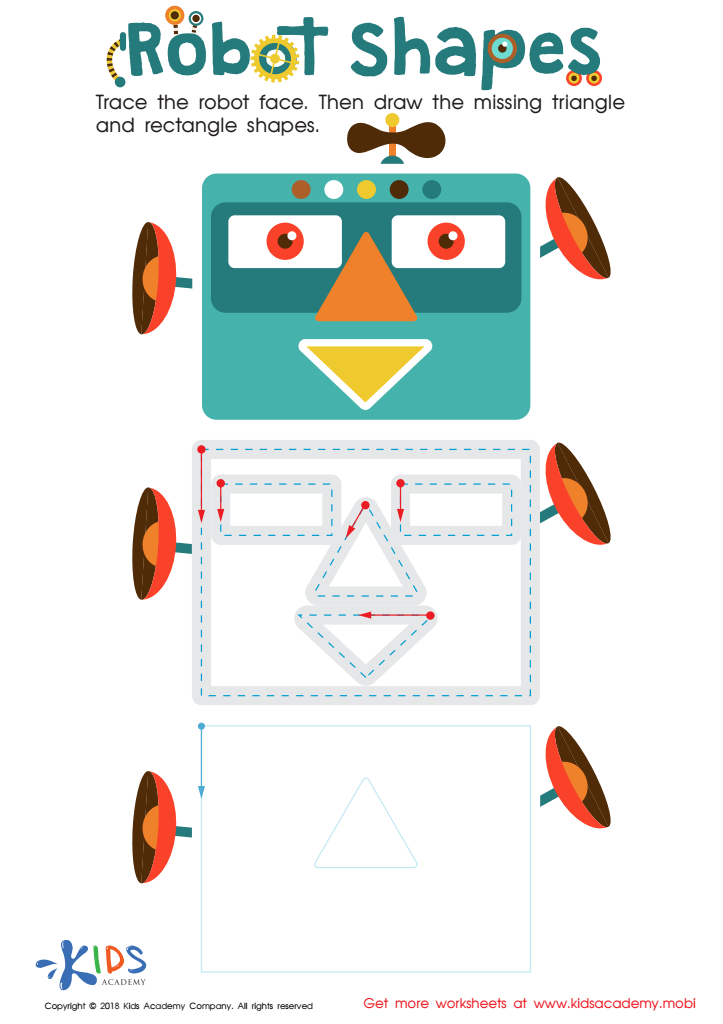
Robot Shapes Worksheet
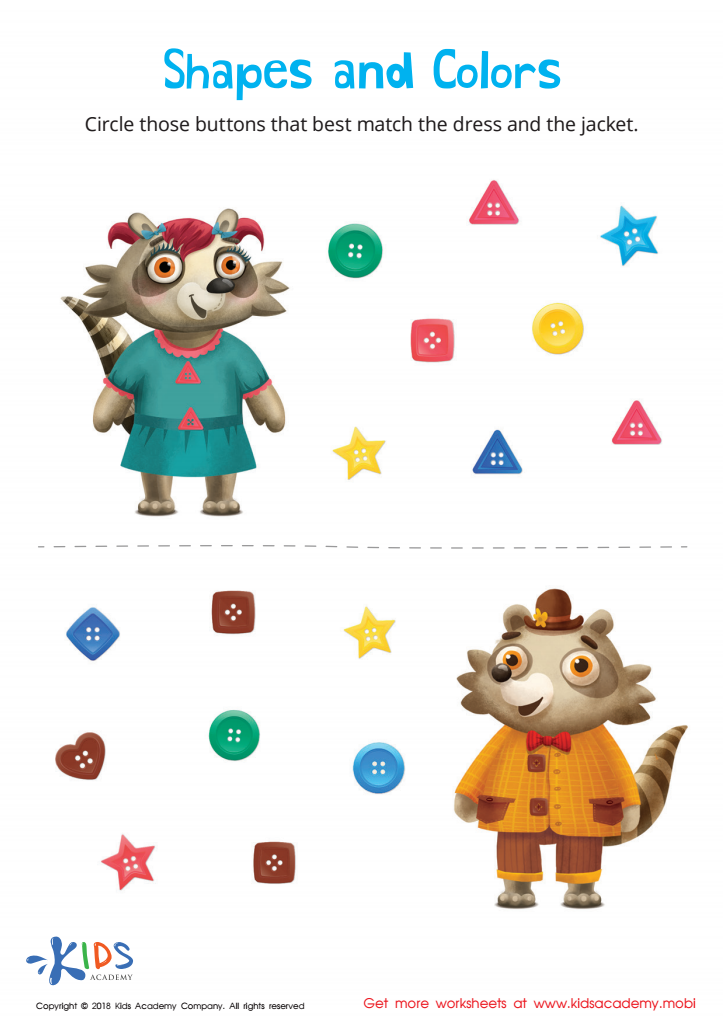
Shapes and Colors Worksheet
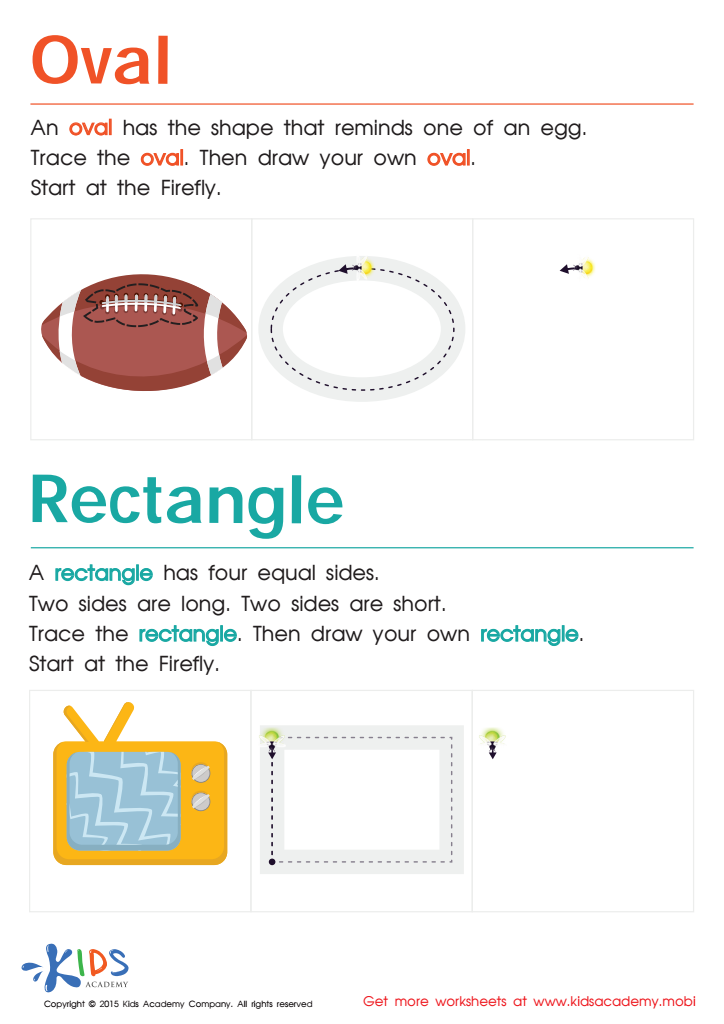
Easy Drawing of Ovals And Rectangles Worksheet








Fine motor skills are essential for young children's overall development, significantly influencing their ability to engage in everyday tasks and shape their academic success. For children aged 4-6, honing these skills, particularly in the context of geometry, is crucial. As they begin to recognize shapes and spatial relationships, mastery of fine motor skills facilitates activities such as drawing, constructing with blocks, and manipulating small objects.
Teachers and parents should prioritize the development of these skills, as they are foundational for mathematical understanding. When children use their fingers to trace shapes or assemble geometric figures, they reinforce the concepts of symmetry, angles, and dimensions. Additionally, strong fine motor skills enhance a child's confidence and independence. Despite a child’s grasp of abstract concepts, their ability to express those thoughts through writing, drawing, or building is reliant on the proficiency of fine motor functions.
In summary, supporting fine motor skill development within the context of geometry equips children with the necessary tools to explore, understand, and excel in mathematics while fostering critical cognitive abilities that will benefit them across all areas of learning. Encouraging enjoyable, hands-on activities centered on shape exploration can promote both skill development and enthusiasm for learning.








