Fine Motor Skills Normal Worksheets for Ages 4-7 - Page 5
129 filtered results
-
From - To
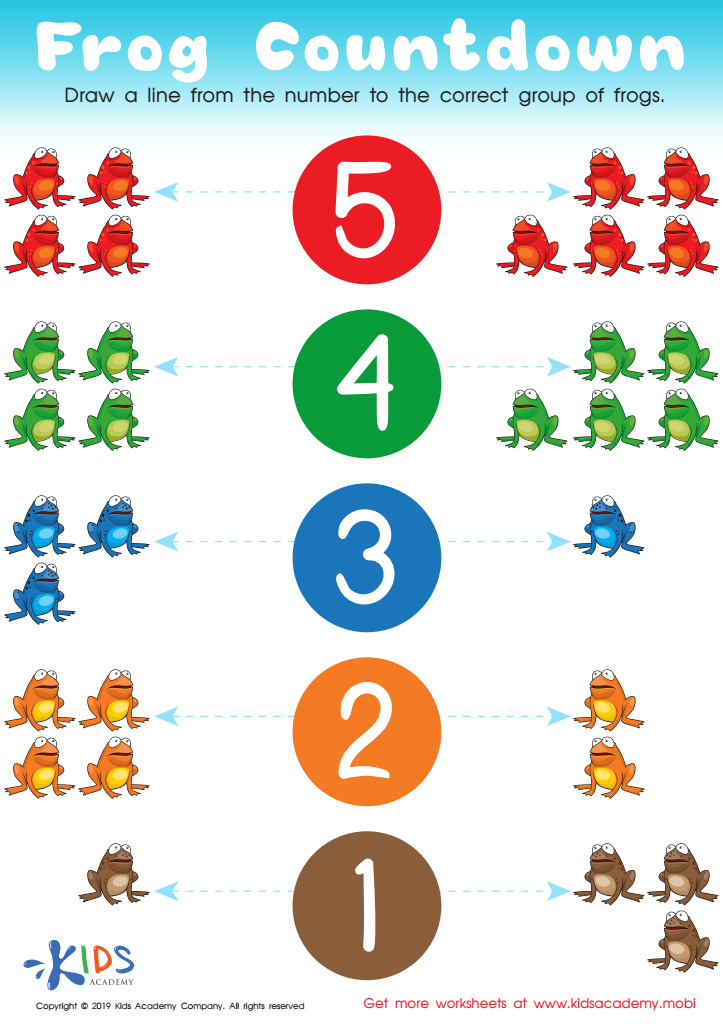
Frog Countdown Worksheet
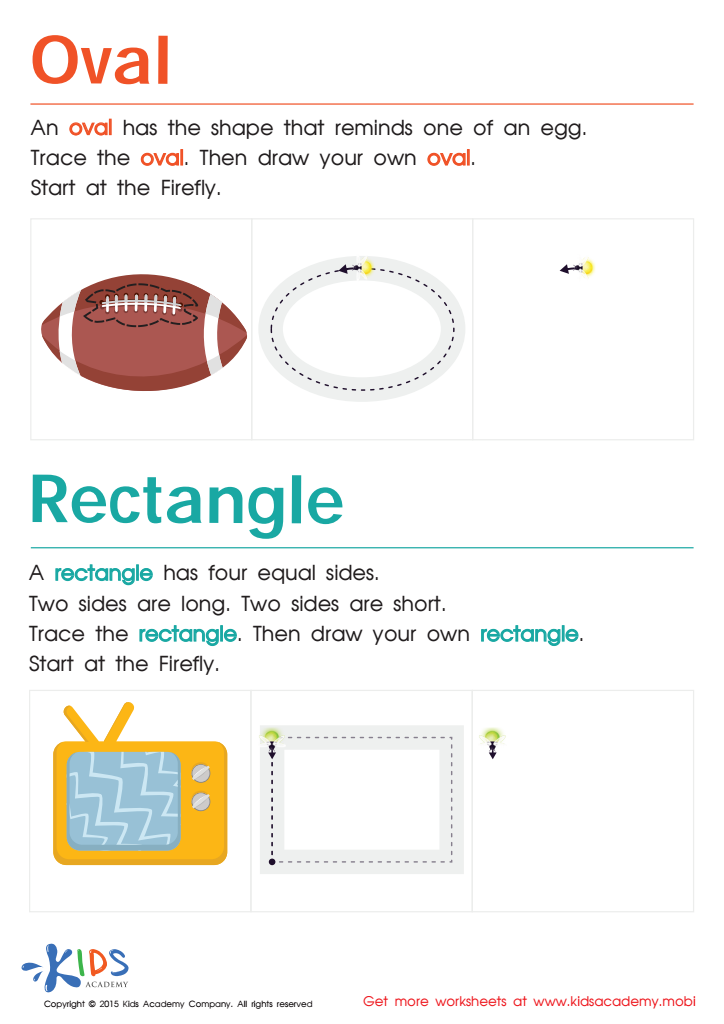
Easy Drawing of Ovals And Rectangles Worksheet
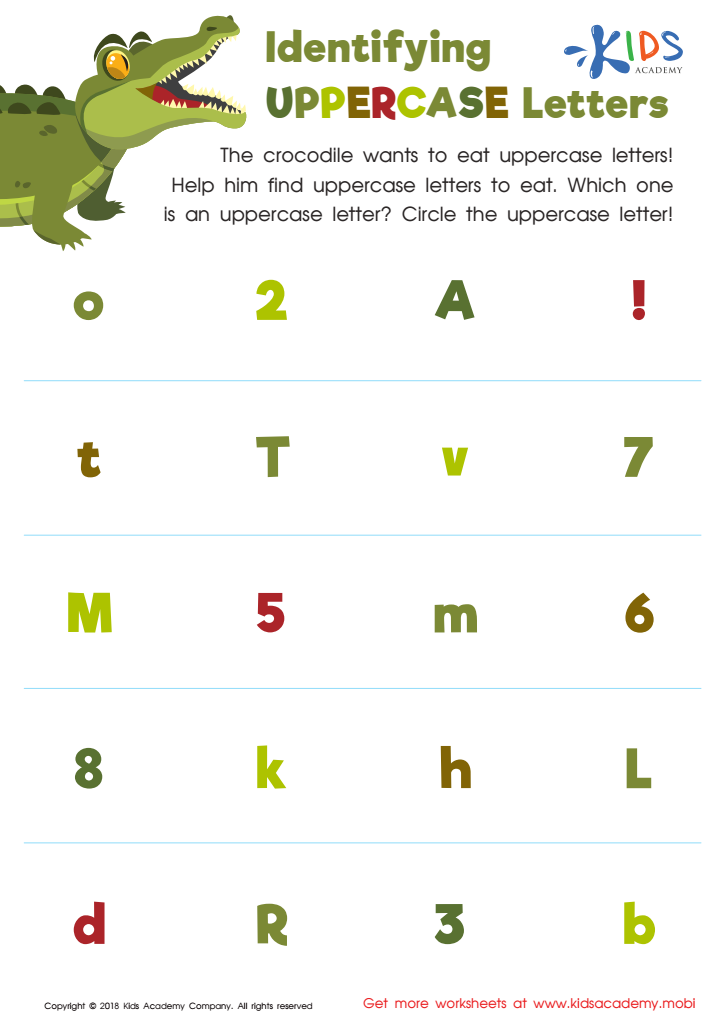
Identifying Uppercase Letters Worksheet
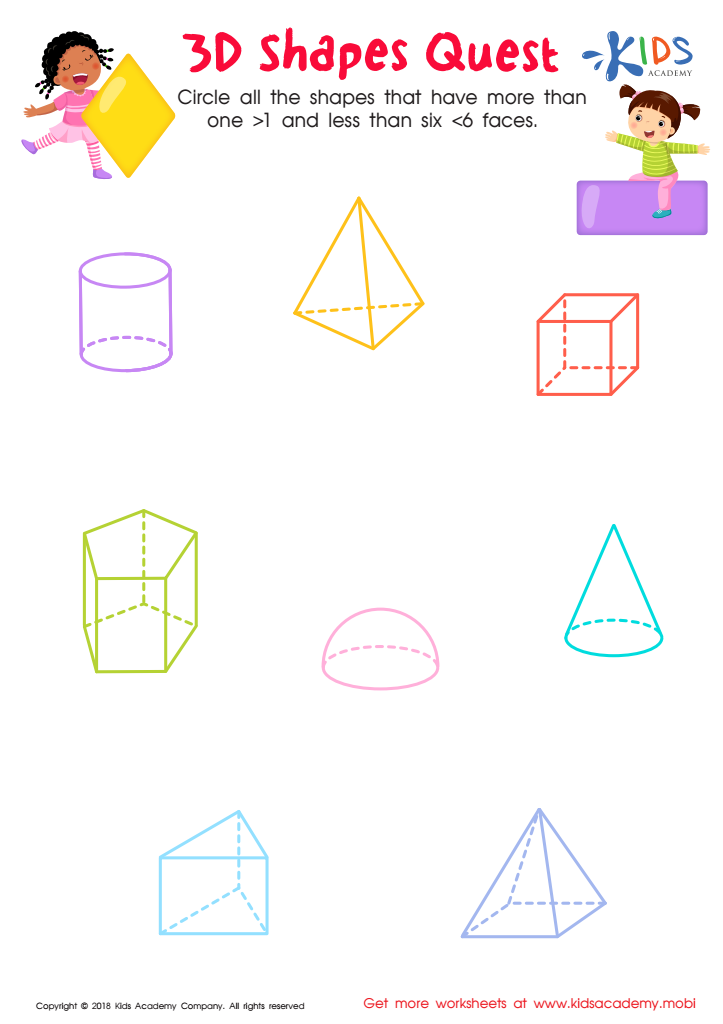
3D Shapes Quest Worksheet
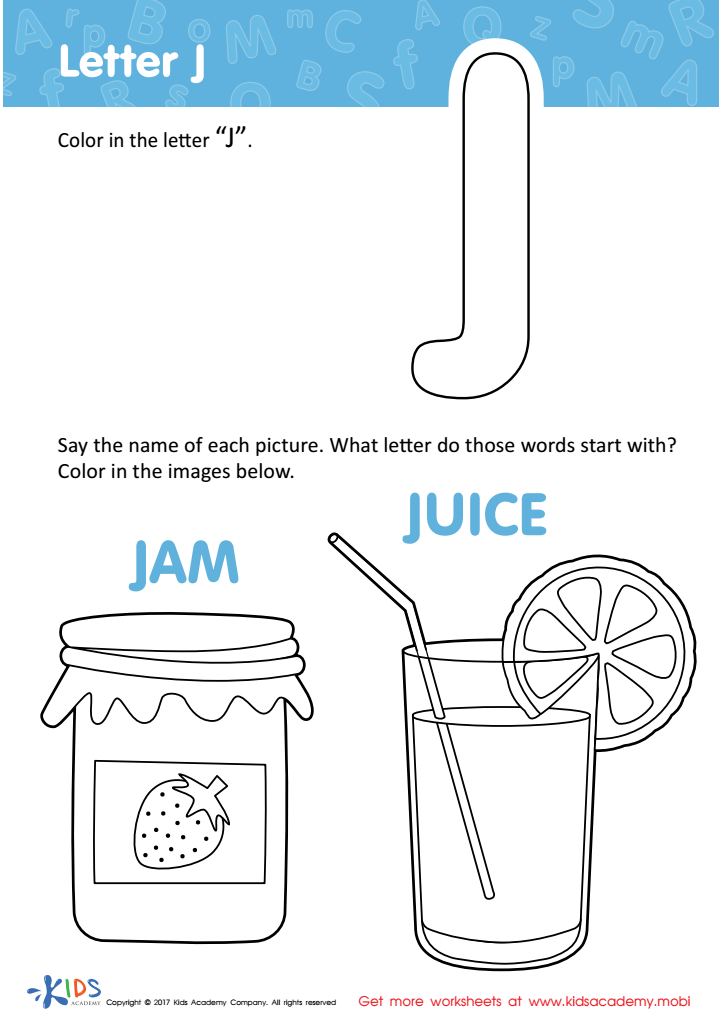
Letter J Coloring Sheet
 Assign to My Students

Playground Worksheet
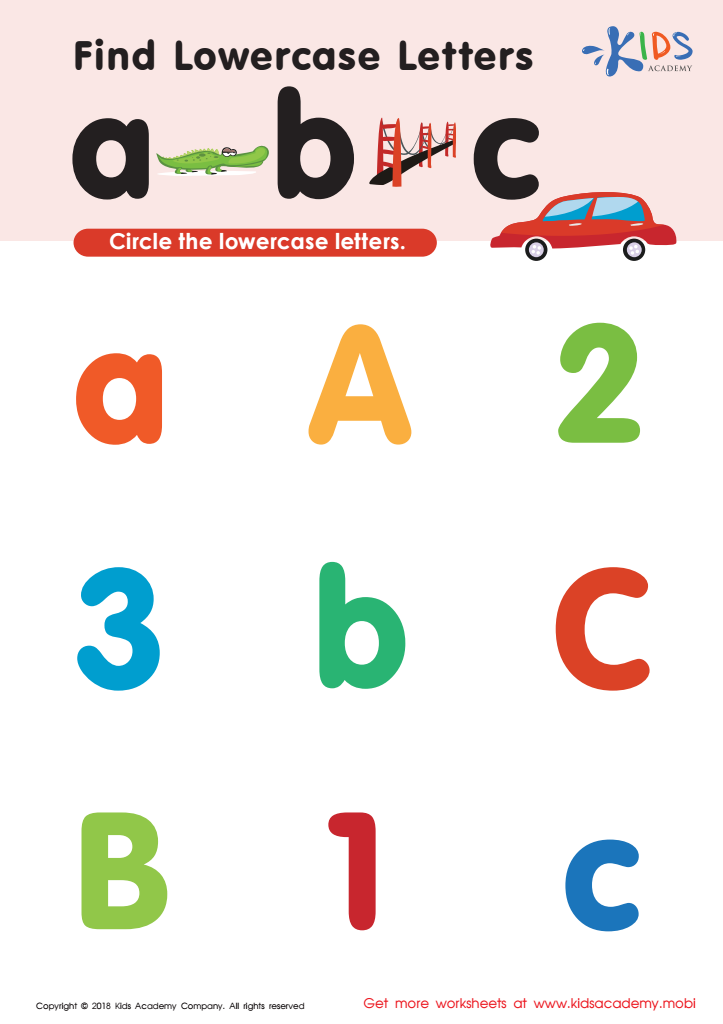
Find lowercase letters a b c Worksheet
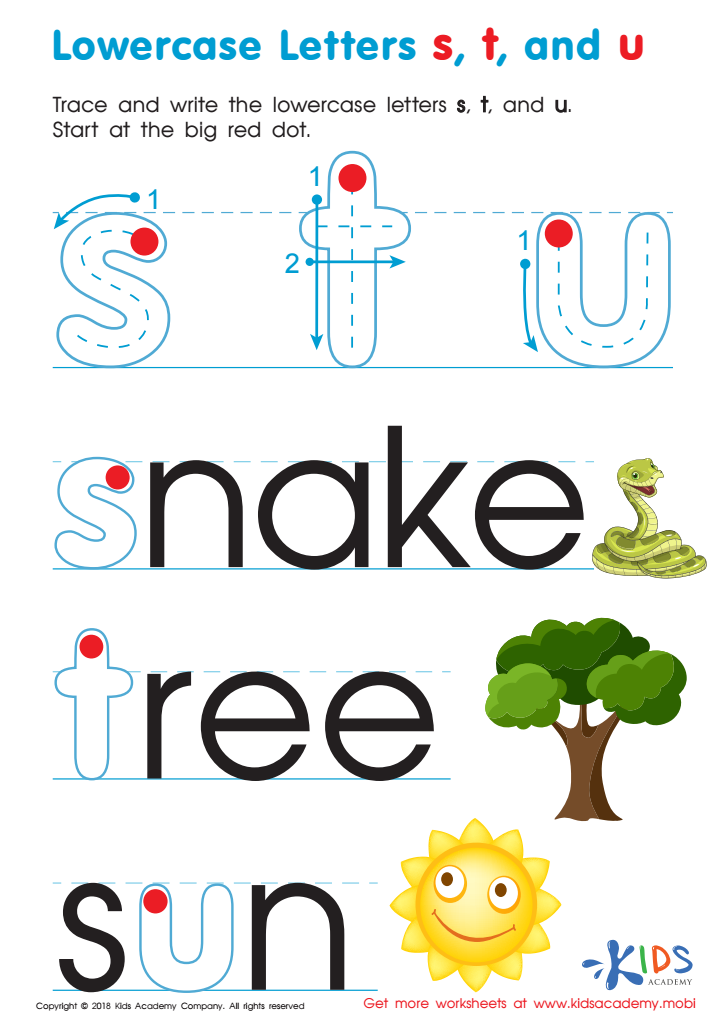
Lowercase Letters s t u Worksheet
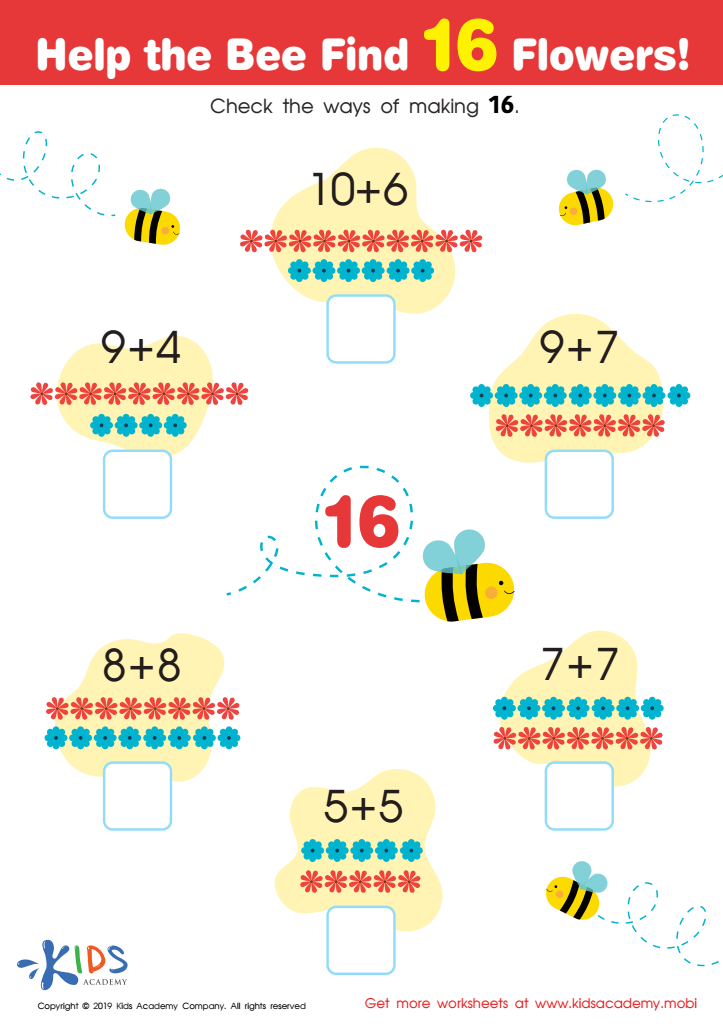
Help the Bee Find 16 Flowers Worksheet
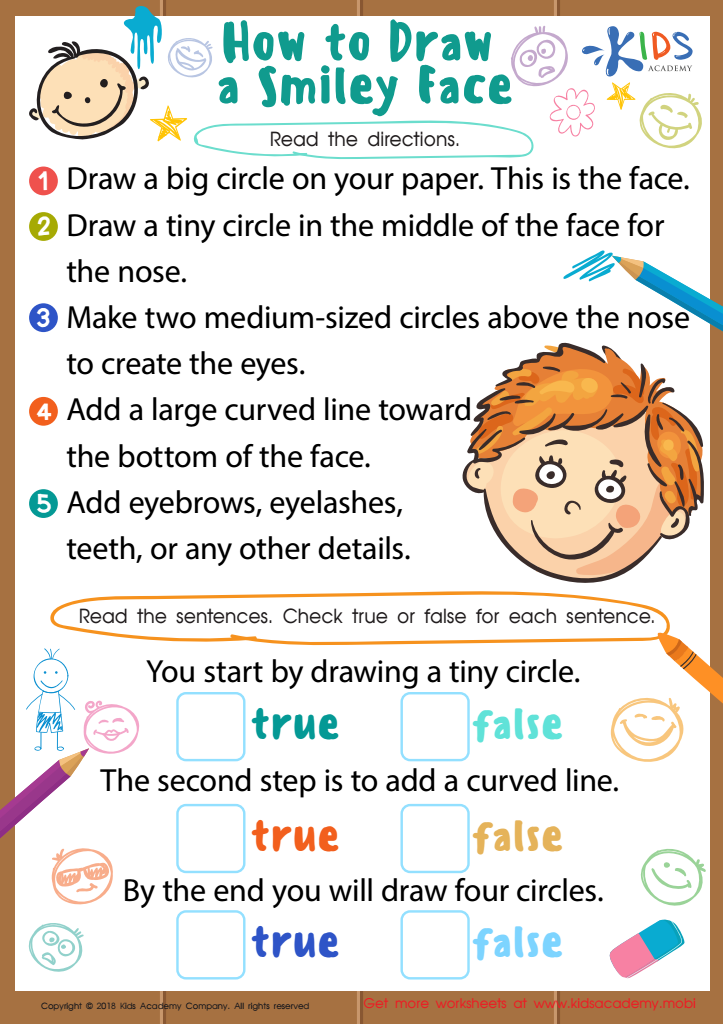
How to Draw a Smiley Face Worksheet
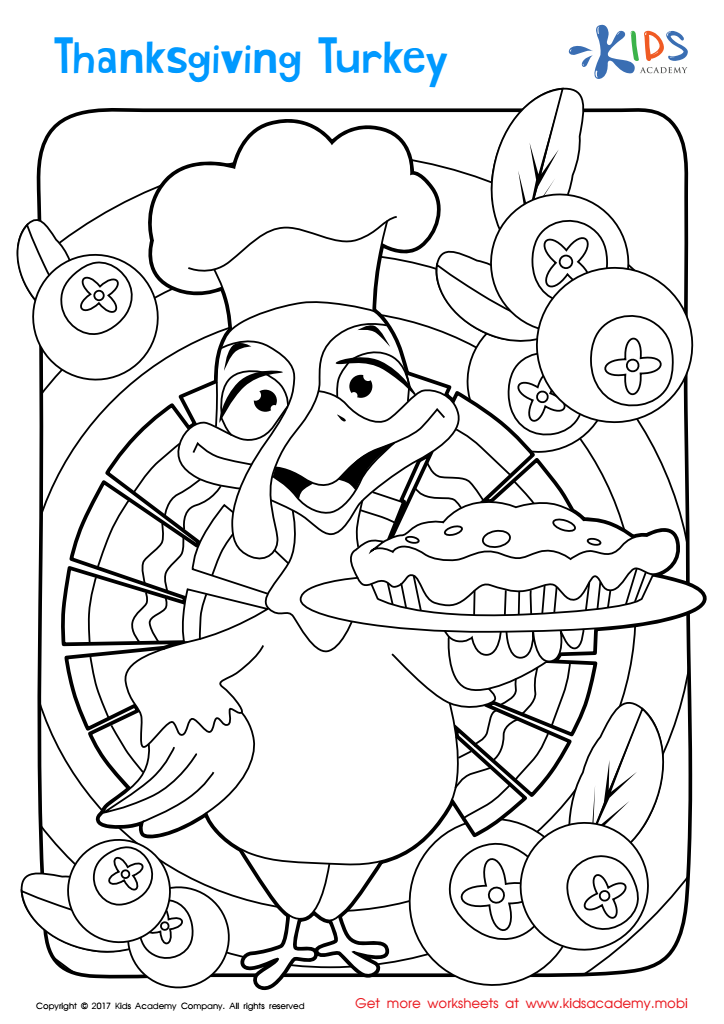
Turkey Thanksgiving Day Worksheet
Assign to My Students
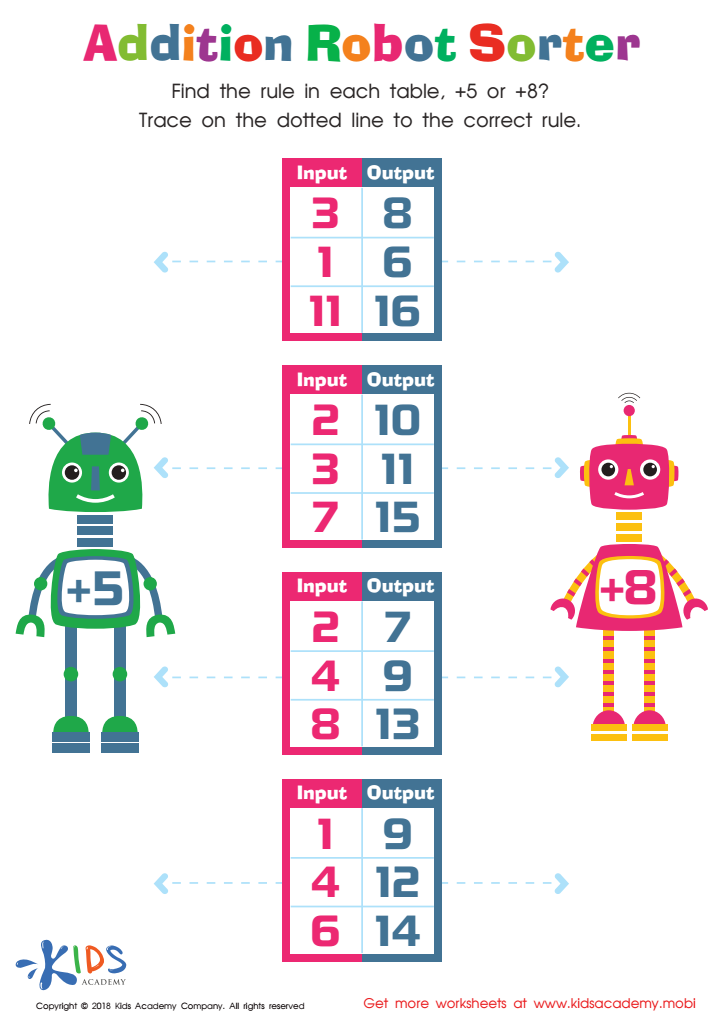
Addition Robot Sorter Worksheet

Christmas: Christmas Tree Printable
Assign to My Students
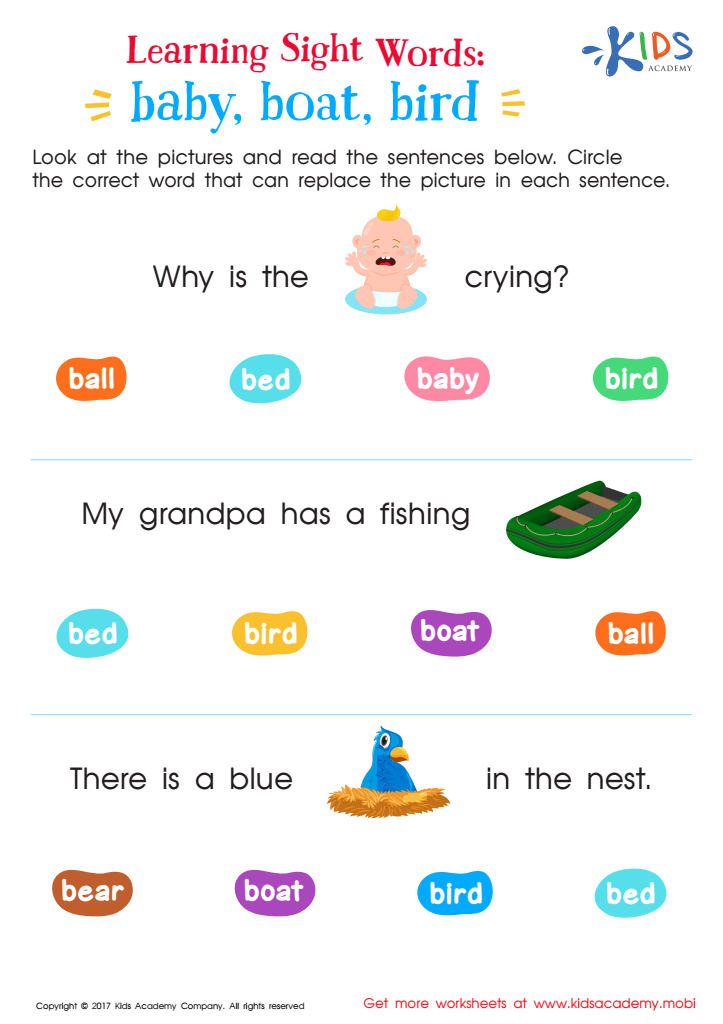
Baby, Boat, Bird Worksheet Sight Words Worksheet
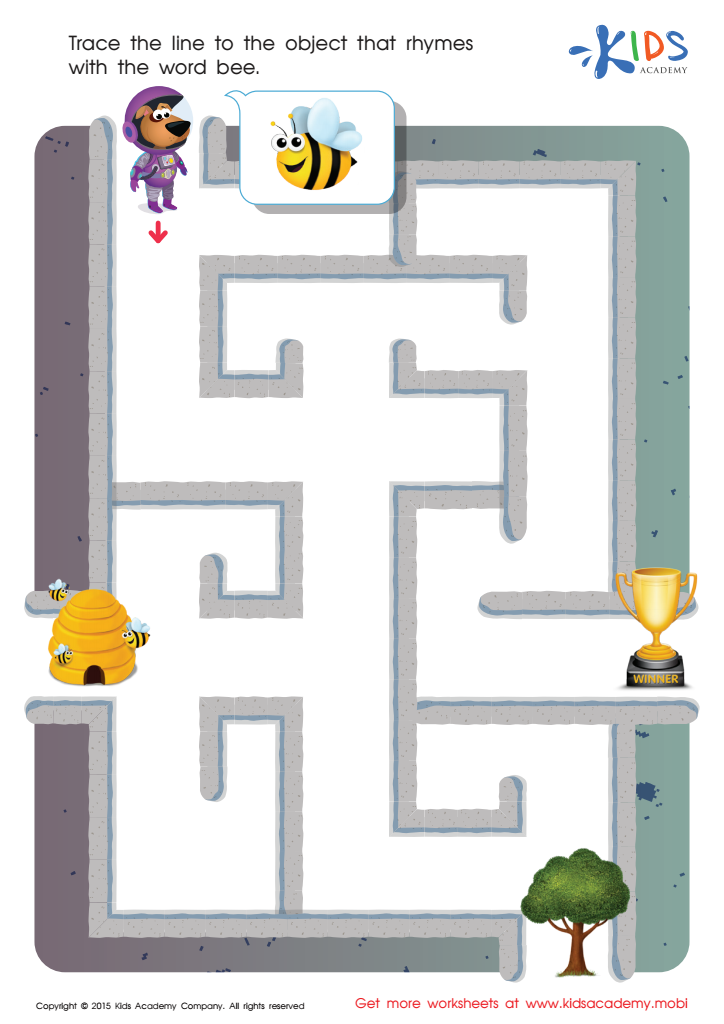
Bee Rhyming Words Worksheet
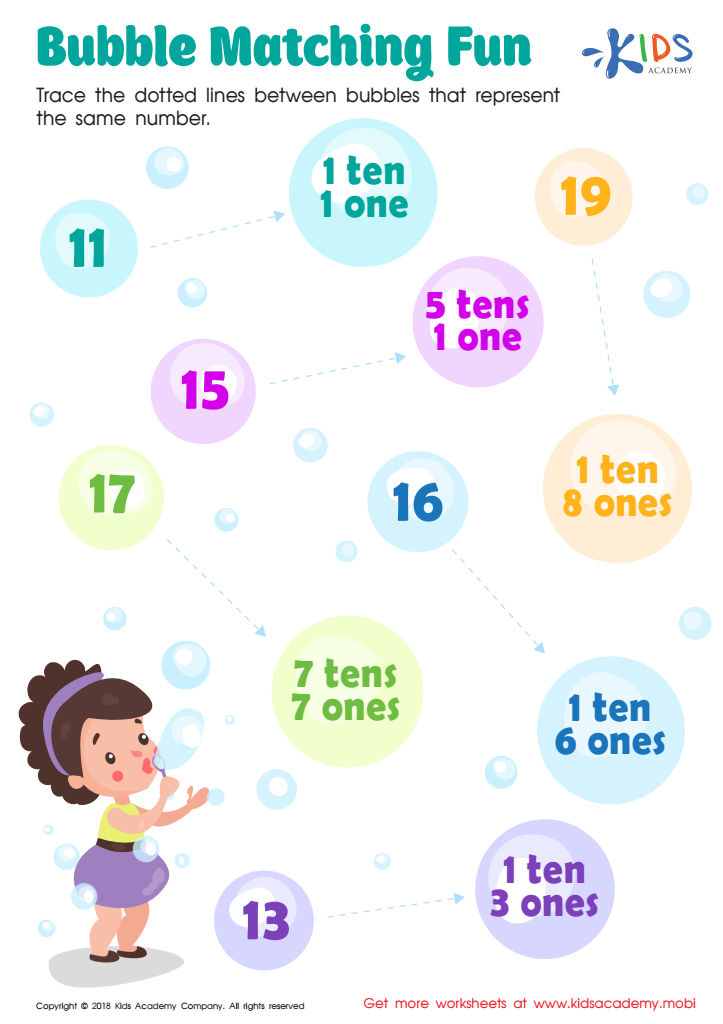
Bubble Matching Fun Worksheet
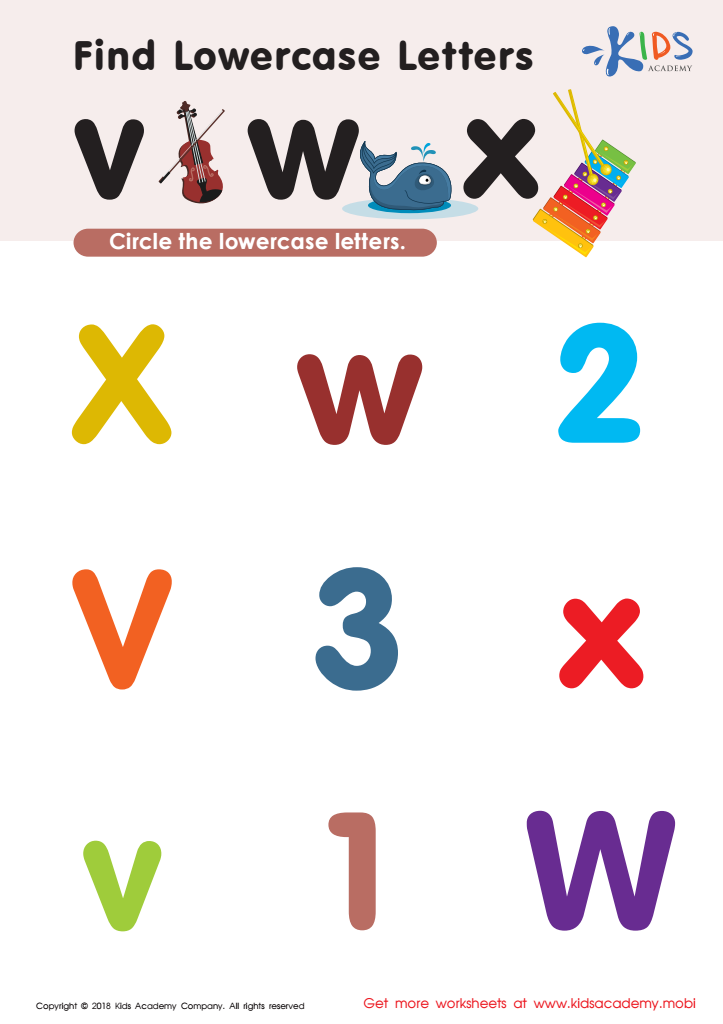
Find Lowercase Letters v w x Worksheet
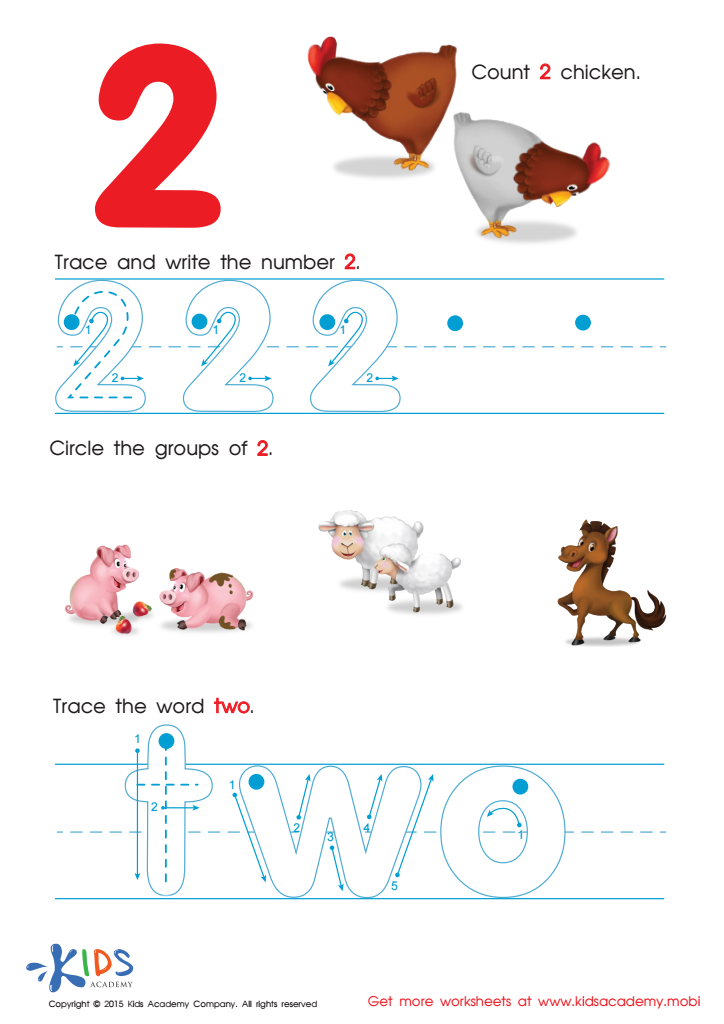
Learn to Write the Number 2 Worksheet
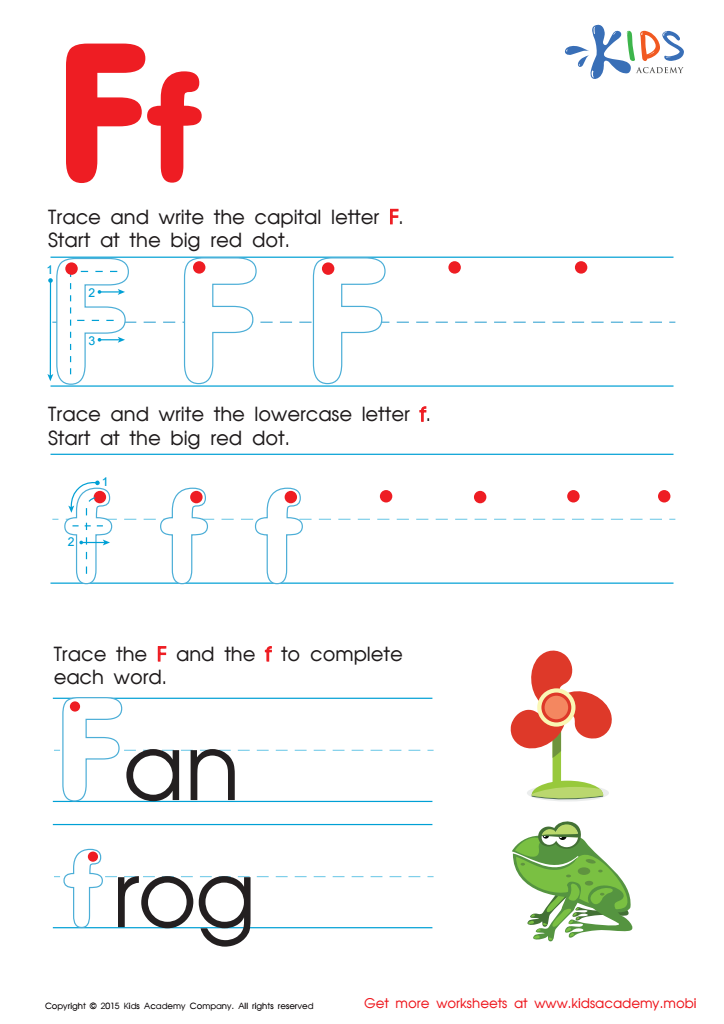
Letter F Tracing Page
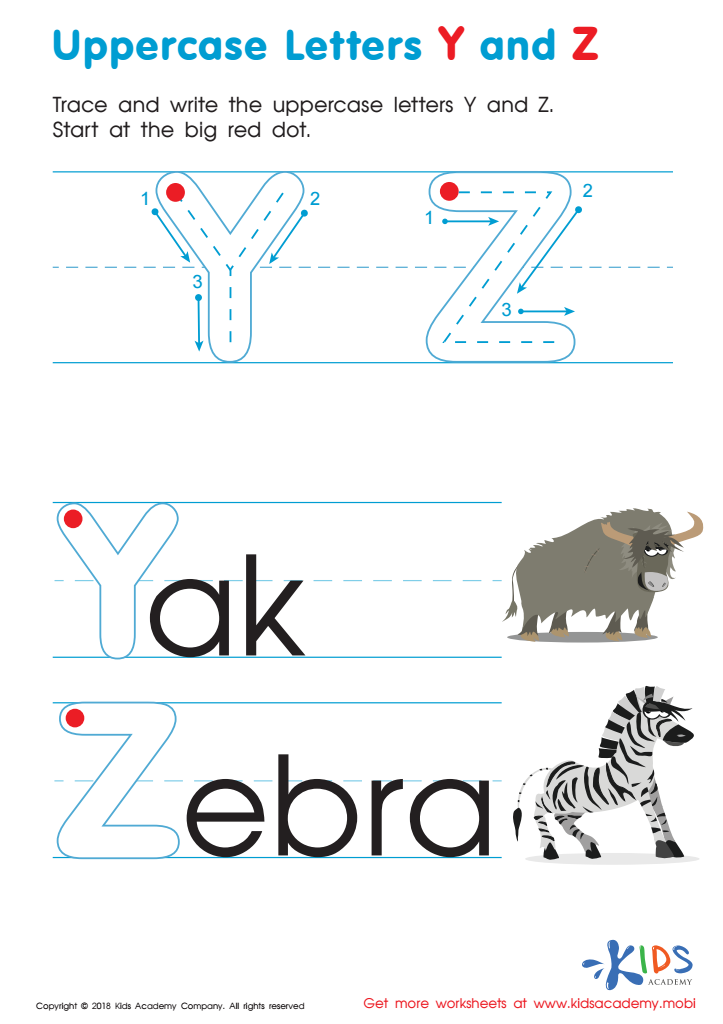
Uppercase Letters Y Z Worksheet
Tower Coloring Page
Assign to My Students
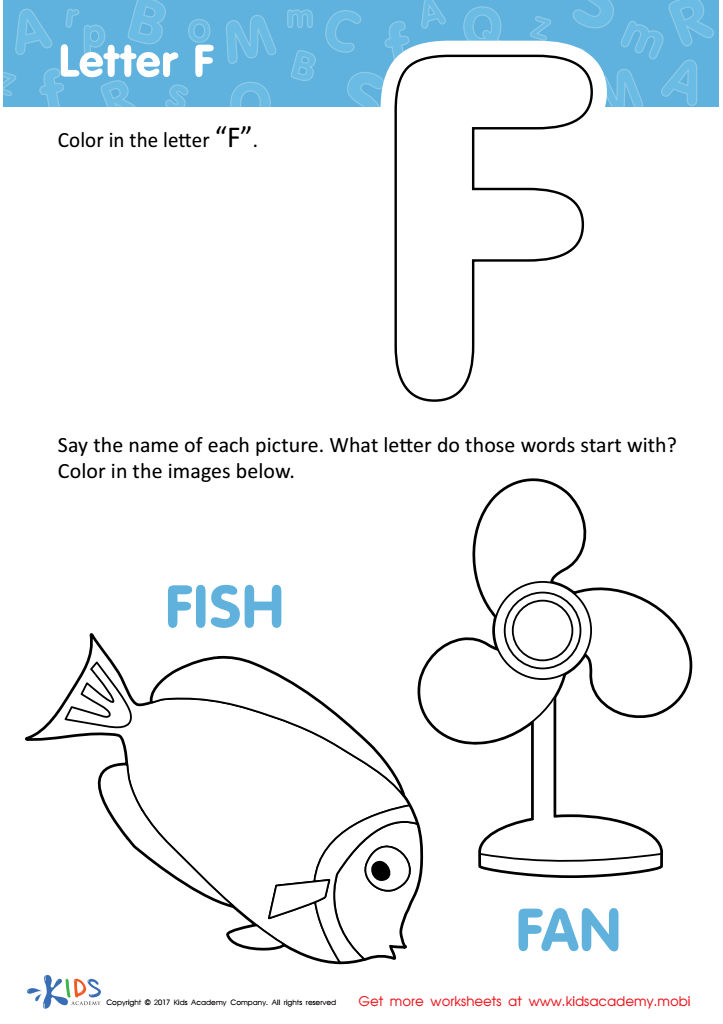
Letter F Coloring Sheet
Assign to My Students
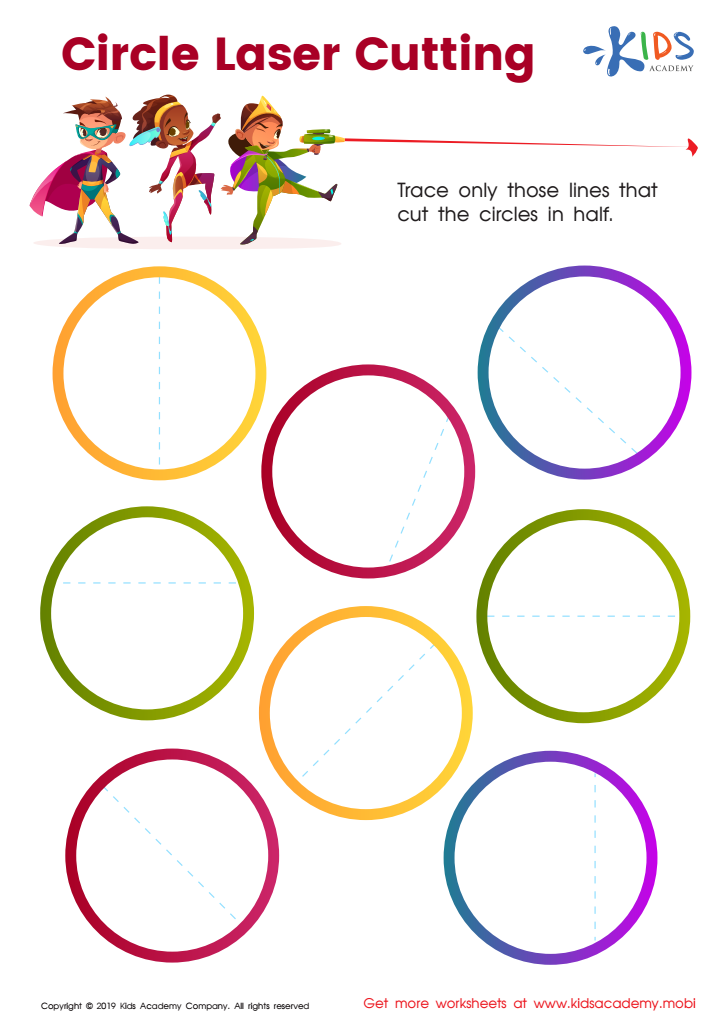
Circle Laser Cutting Worksheet

Great Hornbill Worksheet
Assign to My Students







Fine motor skills are crucial for children aged 4-7 as they significantly impact a child's overall development and academic success. These skills involve the coordination of small muscle movements, particularly in the hands and fingers, which are essential for daily activities such as writing, drawing, buttoning clothes, and using utensils. By nurturing fine motor skills during these formative years, parents and teachers lay the foundation for a child's ability to express creativity, process information, and engage in organized tasks.
The development of fine motor skills is closely linked to cognitive development, as it enhances children's problem-solving abilities and spatial awareness. Children who demonstrate proficient fine motor skills often experience improved self-esteem as they accomplish tasks more easily, fostering a love for learning.
Moreover, well-developed fine motor skills are indicators of a child's readiness for more advanced academic skills. They pave the way for writing and other critical hands-on learning experiences. Parents and teachers should actively encourage activities that promote these skills, such as arts and crafts, puzzles, and fine manipulation games. By prioritizing fine motor development, adults can ensure children are equipped for both academic challenges and everyday living tasks as they grow.








