Nurture early cognitive development with our "Logical Thinking Normal Worksheets for Ages 4-7." Designed by educational experts, these engaging activities help young learners develop critical thinking and problem-solving skills through fun puzzles and exercises. Each worksheet encourages kids to recognize patterns, make connections, and enhance their reasoning abilities in a playful environment. Perfect for use at home or in the classroom, these printable resources are an excellent way to support your child’s growing mind. Start boosting your child's logic and creativity today with our expertly crafted worksheets tailored specifically for early learners!

Check out this FREE "Logical thinking" Trial Lesson for age 4-7!

Understanding Place Value - Hundreds Only

Favorites
With answer key
Interactive
  • 4-7
  • Logical thinking
  • Normal
Matching Colors for Kids PDF

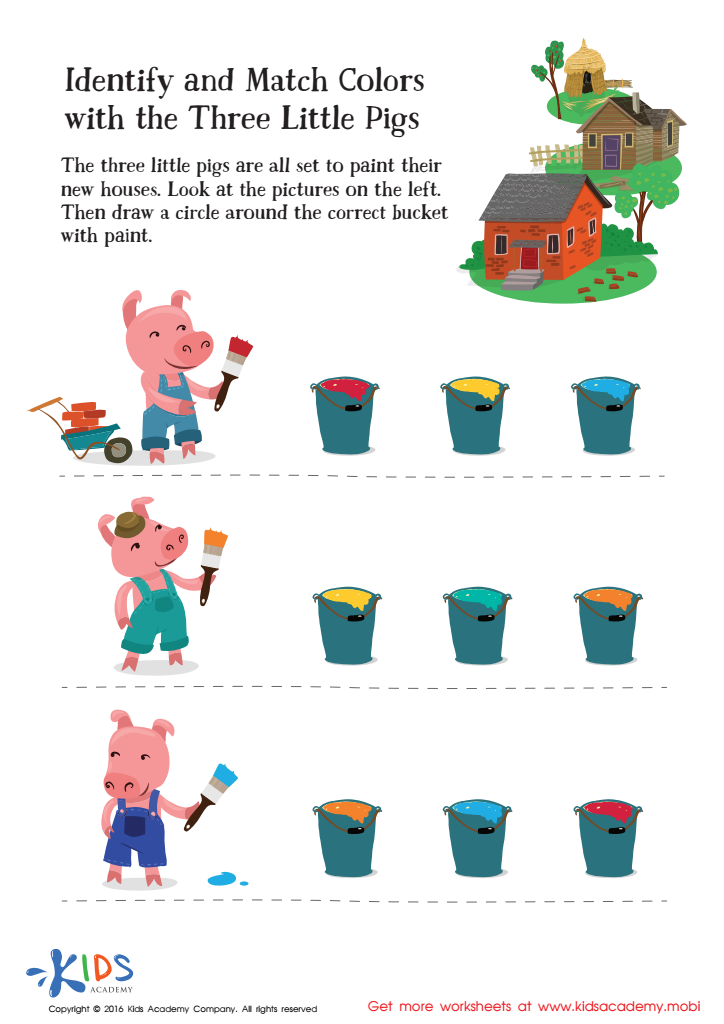
Fairy Tale Worksheet: Identify and Match Colors with Three Little Pigs

Help the 3 Little Pigs find the right color for their houses! This fun worksheet will have your child developing their problem solving and color recognition skills. It's a great way to start building the foundation for advanced logic skills. Plus, they'll love the Three Little Pigs coloring pages.
Fairy Tale Worksheet: Identify and Match Colors with Three Little Pigs
Worksheet
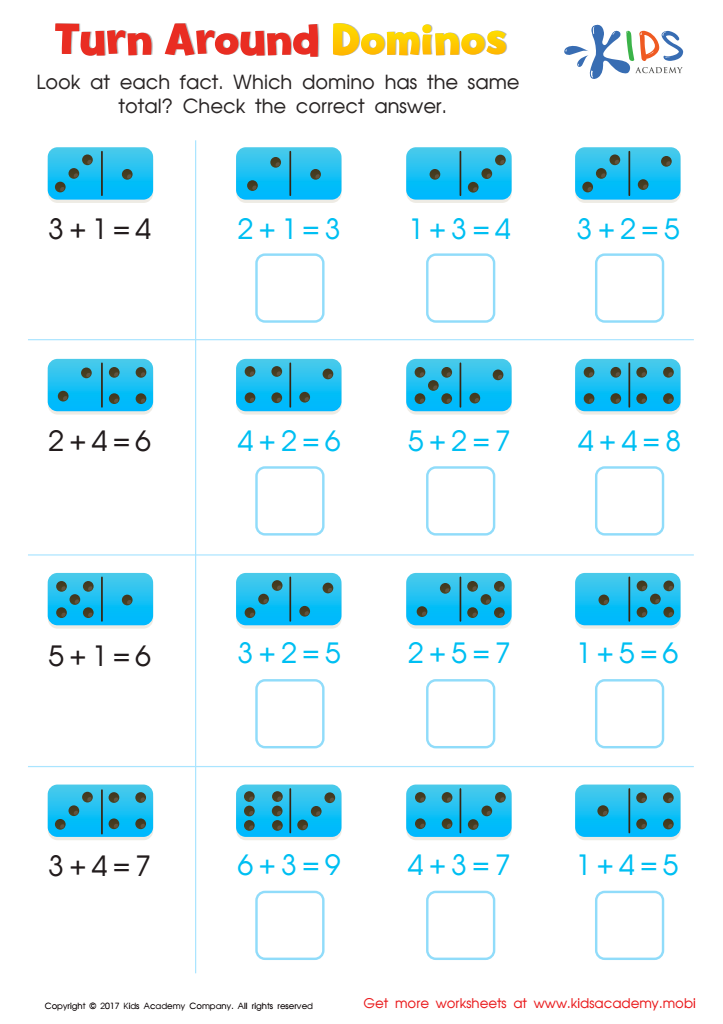
Turn Around Dominos Worksheet

Turn Around Dominos Worksheet

Encourage your child to flex their mental muscles with this math worksheet. Look through the left side's dominos and their values and then check the three boxes on the right. Ask your child if any of the right box's dominos are similar. This requires focus and careful observation.
Turn Around Dominos Worksheet
Worksheet
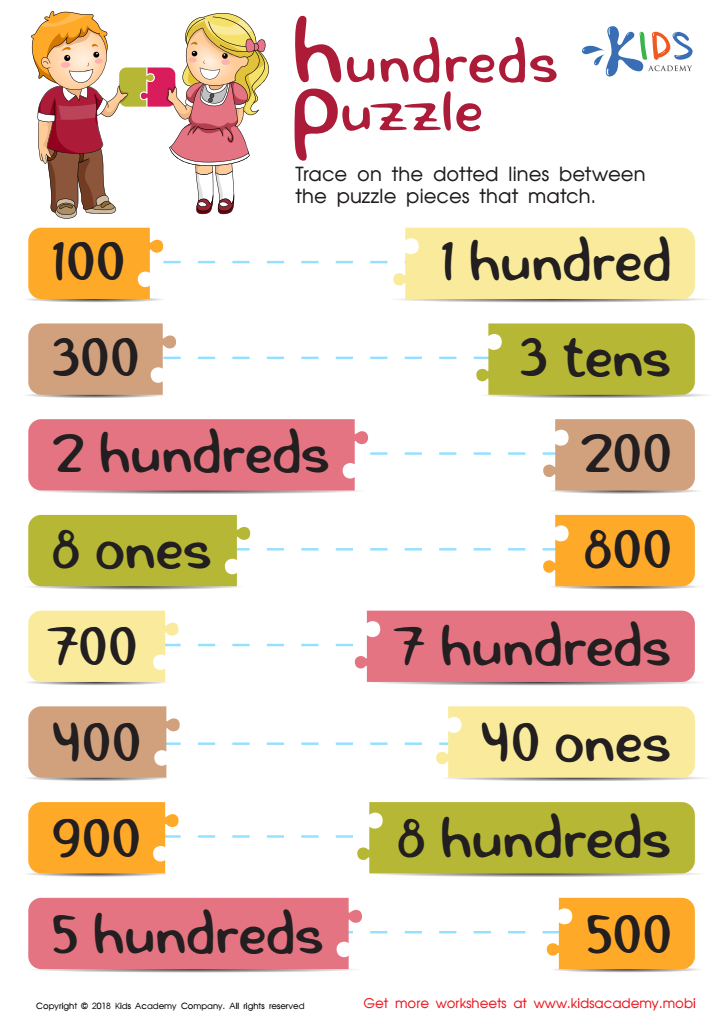
Hundreds Puzzle Worksheet

Hundreds Puzzle Worksheet

This tracing sheet can help your child improve their number knowledge, from hundreds to tens. On the left are different numbers, with the same on the right. Ask your child to connect the matching numbers with the dotted lines. Make learning numbers fun with this traceable printout.
Hundreds Puzzle Worksheet
Worksheet
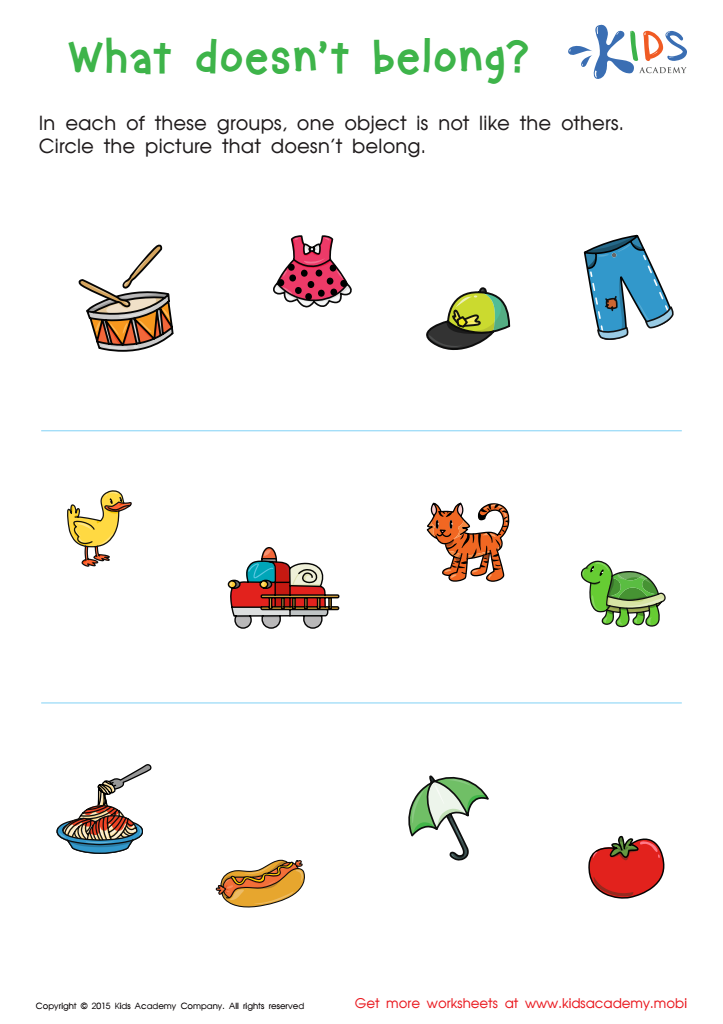
What Doesn’t Belong Worksheet for Preschool

First Words: What Doesn't Belong Worksheet
Categorizing items is an important skill for little learners. Sorting and classifying objects helps kids make sense of the world. With this "what doesn't belong" worksheet, your child will practice problem-solving, strengthen categorization and improve logical reasoning skills. It's perfect for toddlers and preschoolers, with bright and exciting images giving their minds a challenging workout!
First Words: What Doesn't Belong Worksheet
Worksheet
Geometric Maze for Kids

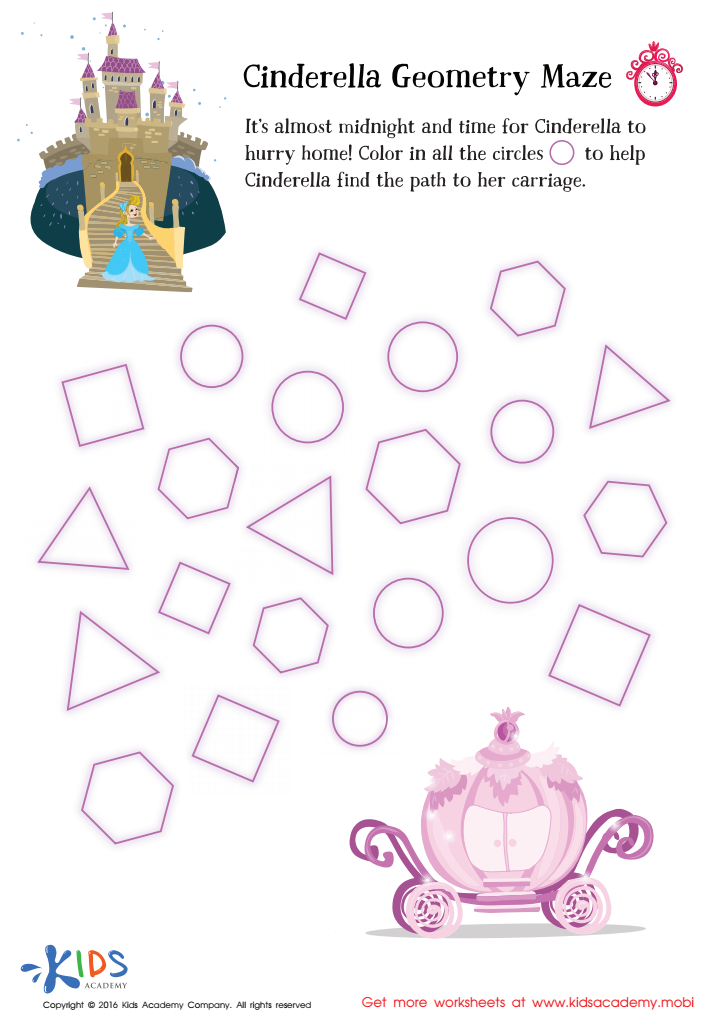
Cinderella Geometry Maze Worksheet

Help Cinderella hurry home! Your preschooler will have fun problem-solving and sorting shapes in this geometric maze. As they shade in the circles, they'll be helping their favorite princess reach her carriage on time. Not only that, but they'll strengthen their logic skills in the process. Get this and other fairy tale mazes to keep them entertained while learning.
Cinderella Geometry Maze Worksheet
Worksheet
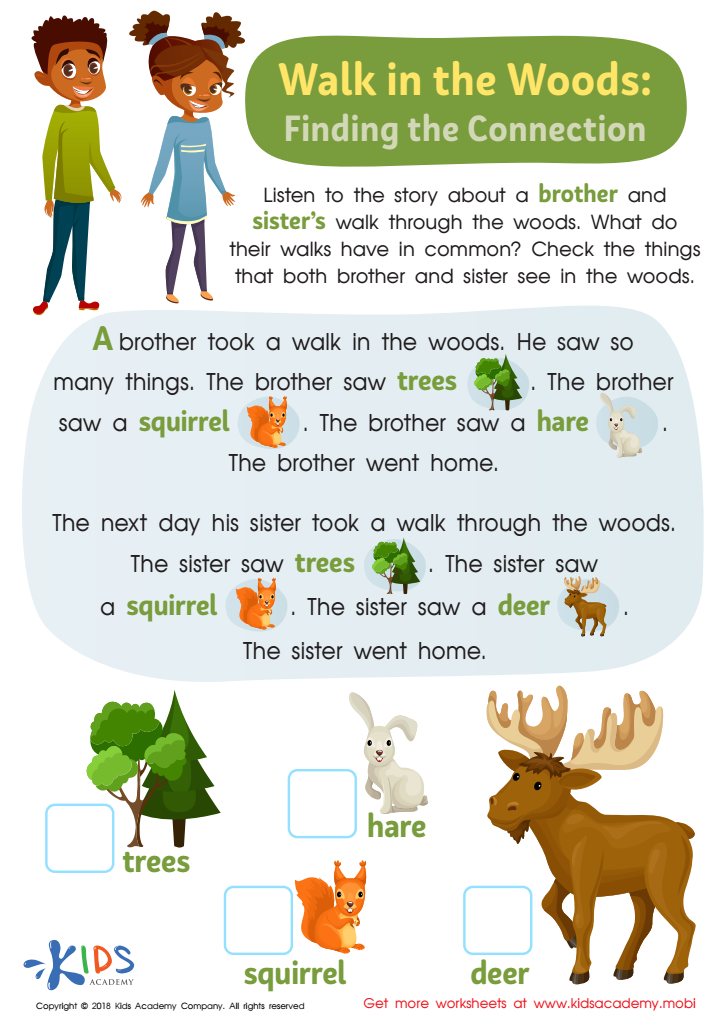
Walk In the Woods: Finding Connections Worksheet

Walk In the Woods: Finding Connections Worksheet

Brother and sister took a walk in the woods to connect with nature and get some exercise. As they went, they noted different things like birds and plants, which they share in this story. Read it to your little ones, and help them check off the items the two saw. It's a great way to learn about nature and enjoy the outdoors.
Walk In the Woods: Finding Connections Worksheet
Worksheet
Who Is It? Worksheet

Who Is It? Worksheet

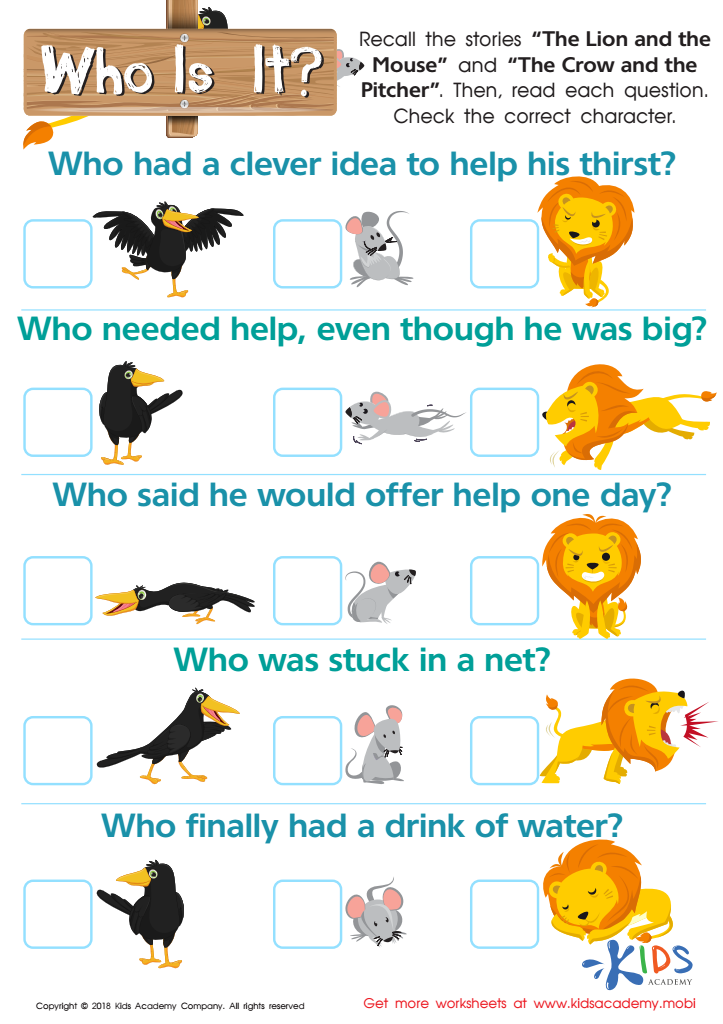
This worksheet helps students recall details from The Crow and the Pitcher and The Lion and the Mouse stories. Students will answer questions about the characters' actions. Use it to assess their understanding of both stories, as this is a key comprehension skill.
Who Is It? Worksheet
Worksheet
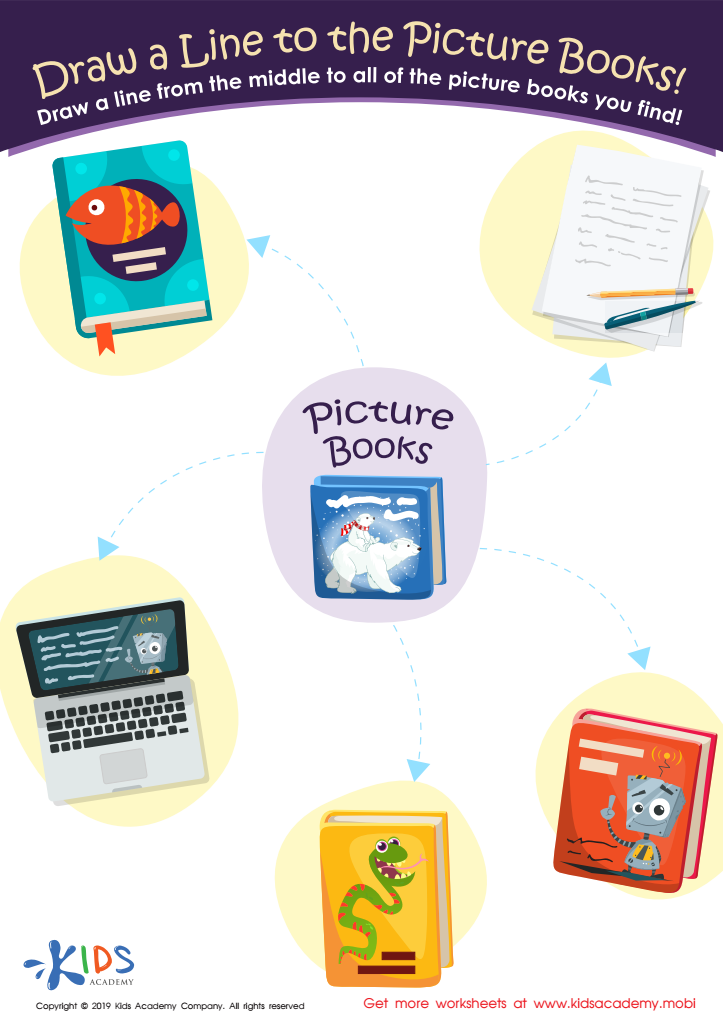
Draw a Line to the Picture Books Worksheet

Draw a Line to the Picture Books Worksheet

Encourage your students to read and explore with this fun exercise! They'll draw a line from the word 'picture books' to the five objects. Picture books are exciting, with stories and colorful images. Make story time even more enjoyable with this worksheet!
Draw a Line to the Picture Books Worksheet
Worksheet
What Comes First Worksheet

What Comes First Worksheet

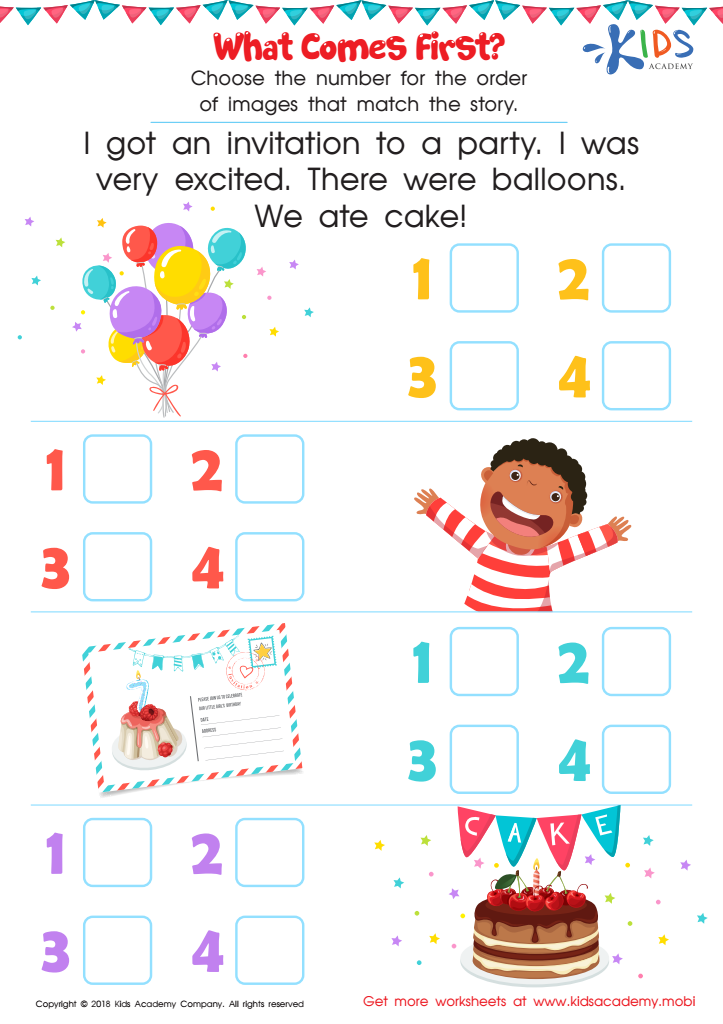
Before you start, ask your child what they see in the picture. Read the story aloud together, then show them the images in order, numbered 1-5. Ask them to choose the numbers that match the story. Have fun and enjoy this party worksheet with your little one! (80 words)
What Comes First Worksheet
Worksheet
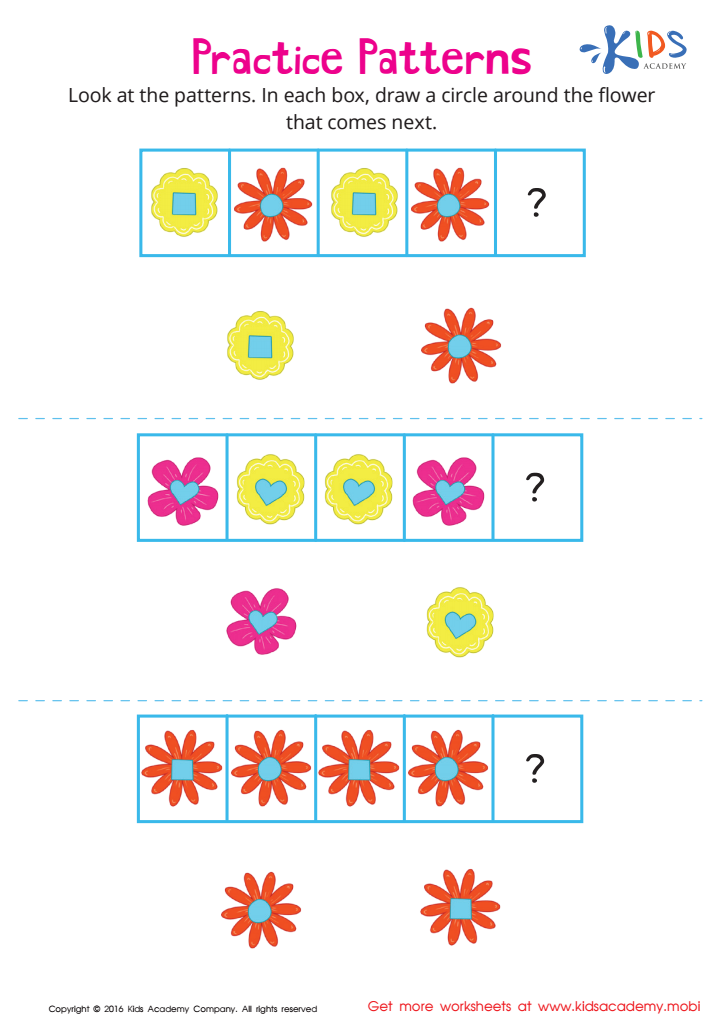
Pattern Recognition Worksheet

Practice Patterns Worksheet

Practice Patterns Worksheet
Worksheet
Noisy Maze Worksheet


Noisy Maze Worksheet

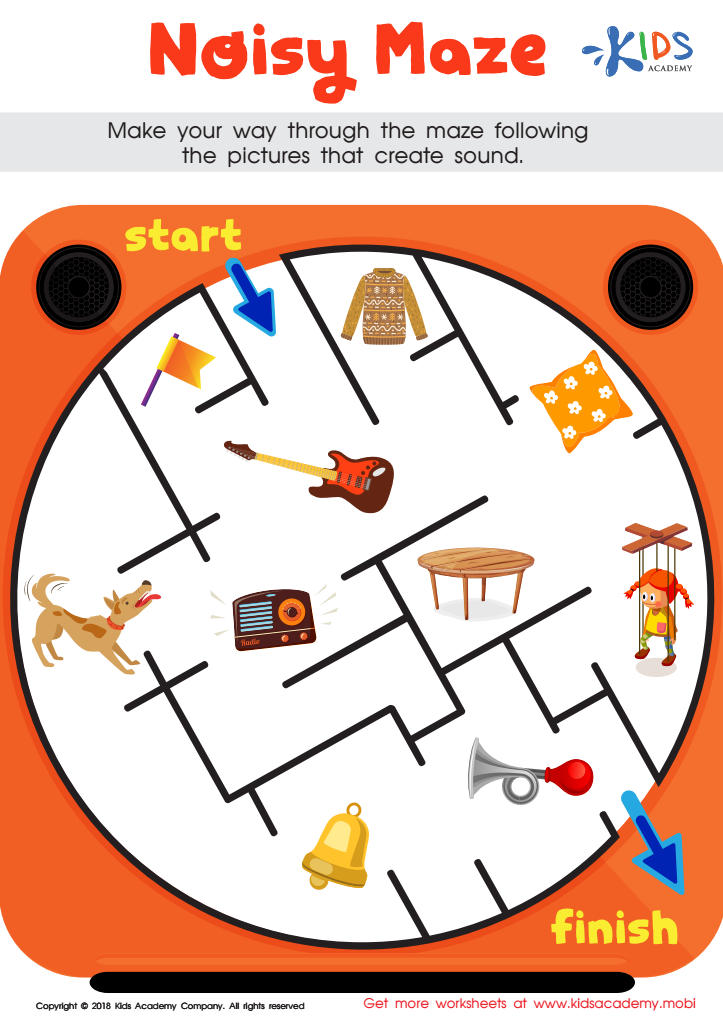
Have your kids name some objects that make noise? Then, look at the worksheet with them and help them identify each object. Guide them through the maze, following the sound-producing pictures.
Noisy Maze Worksheet
Worksheet


Logical thinking is in integral developmental skill for children ages 4-7, and parents and teachers have a vital role in nurturing this ability. At this early stage, children start to form the foundational skills for reasoning, critical thinking, and problem-solving. These cognitive abilities are essential for academic success and everyday decision-making.

Promoting logical thinking not only aids in tackling problems in structured and creative ways but also enhances children's understanding of cause and effect relationships. For instance, when children are encouraged to think logically, they learn to ask questions, make predictions, and draw conclusions. This process not only supports mathematical and scientific competencies but also literacy, as logical thinking improves comprehension and narrative sequencing.

Furthermore, logical thinking fosters independence and self-confidence. Children who can logically reason through everyday challenges develop better self-control and are more adept at navigating social interactions. This is crucial in forming the ability to collaborate, follow instructions, and understand the consequences of their actions.

By investing time and effort into nurturing logical thinking through activities like puzzles, storytelling, and structured play, parents and teachers set a strong academic and social foundation. This not only prepares children for formal schooling but also equips them with essential skills for lifelong learning and personal growth.