Fine Motor Skills Normal Math Worksheets for Ages 4-7 - Page 2
41 filtered results
-
From - To
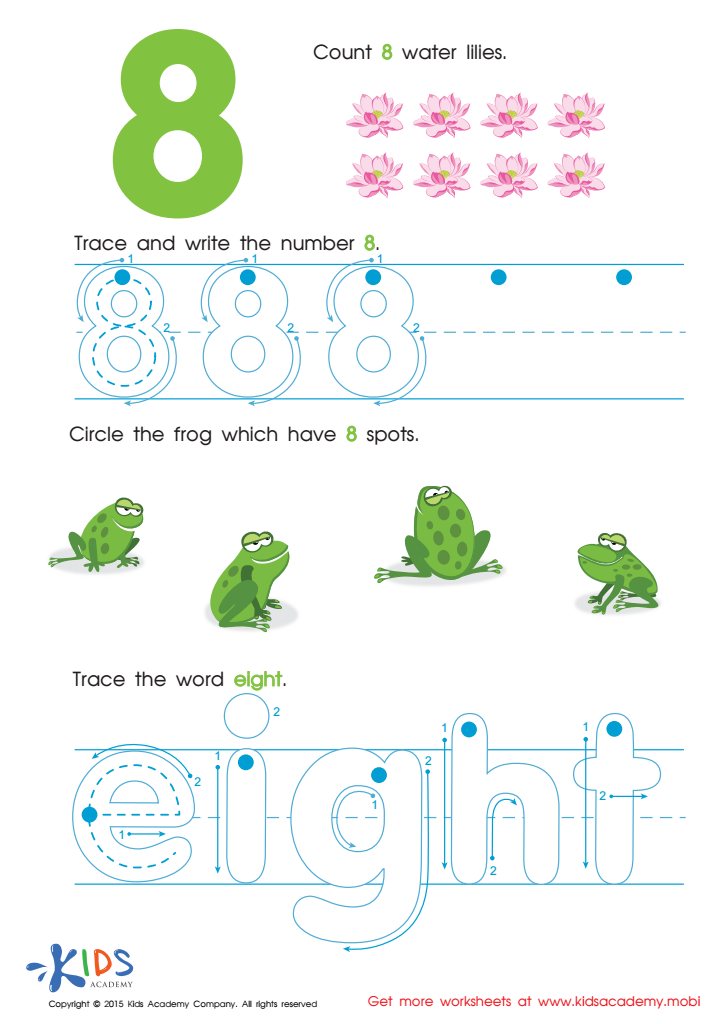
Learn Number 8 Easily Worksheet
 Assign to My Students
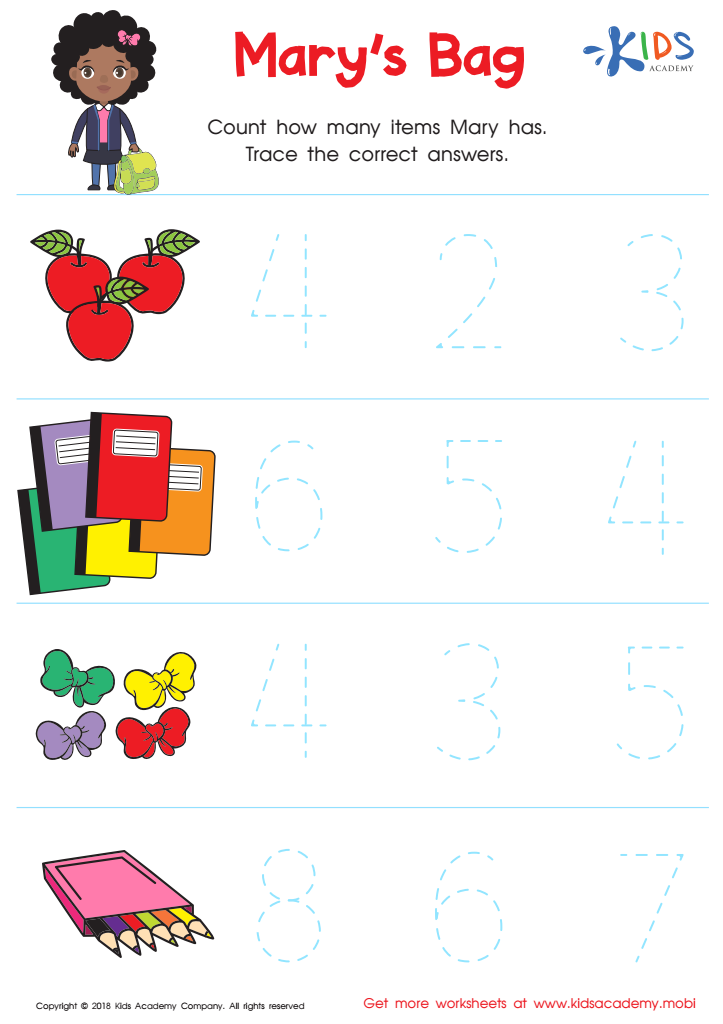
Kindergarten Number Tracing: Mary's Bag Worksheet
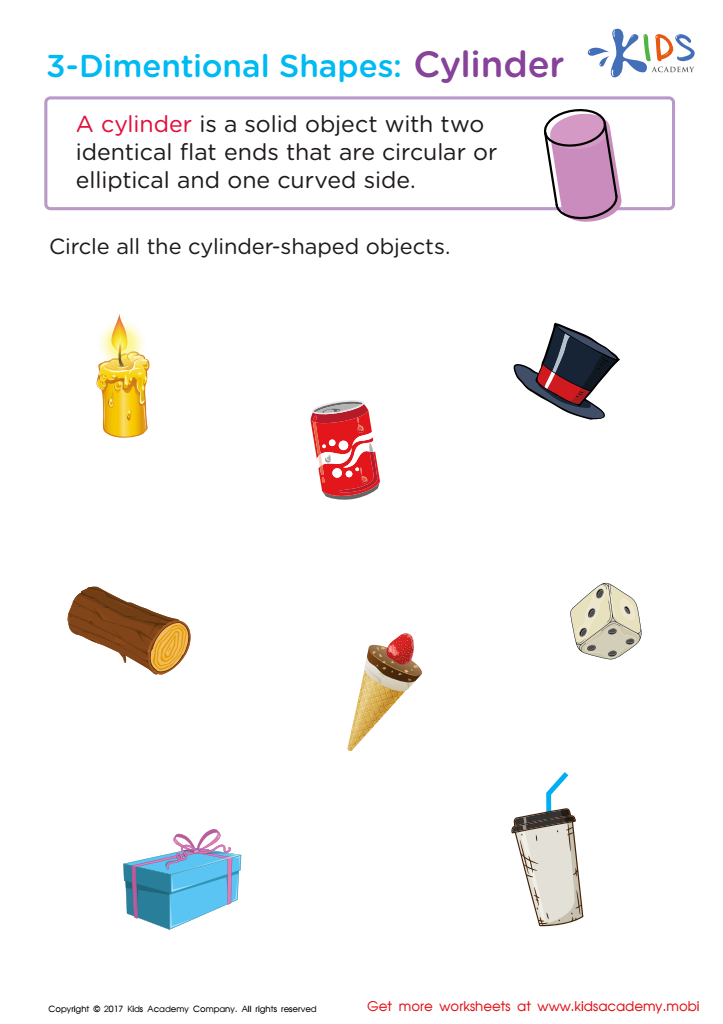
Three–Dimensional Shapes: Cylinder Worksheet
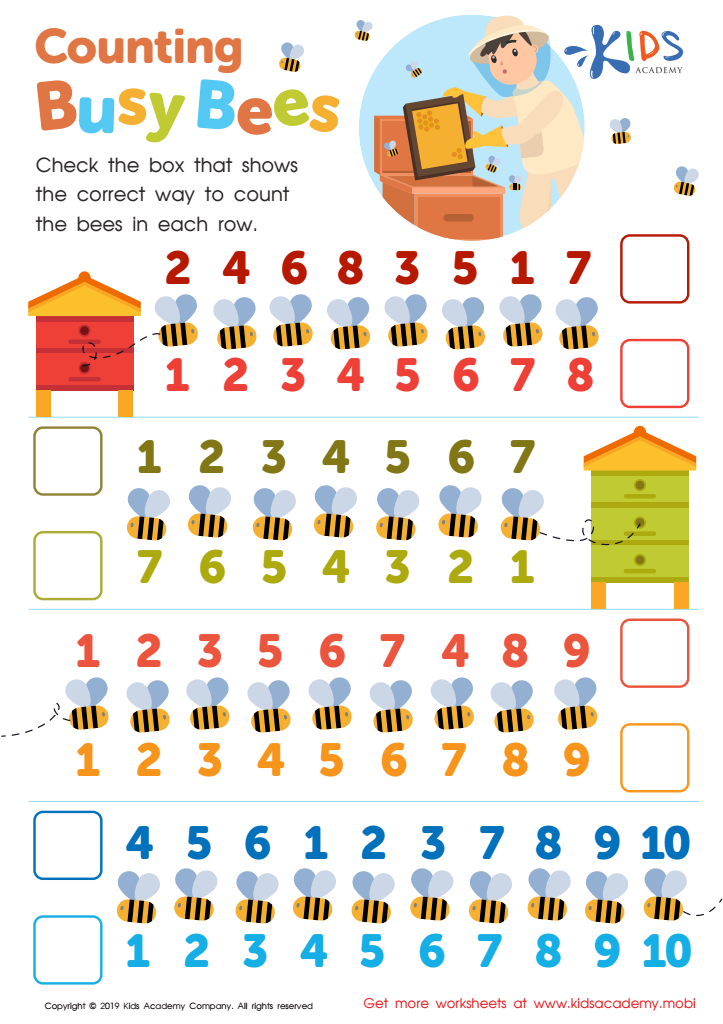
Counting Busy Bees Worksheet
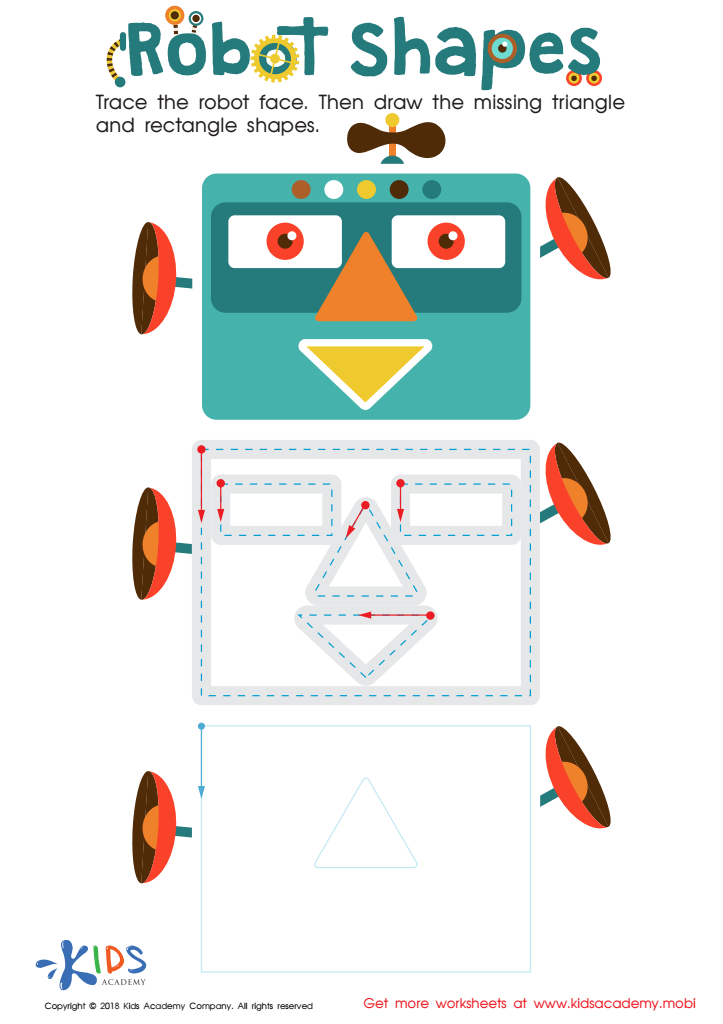
Robot Shapes Worksheet
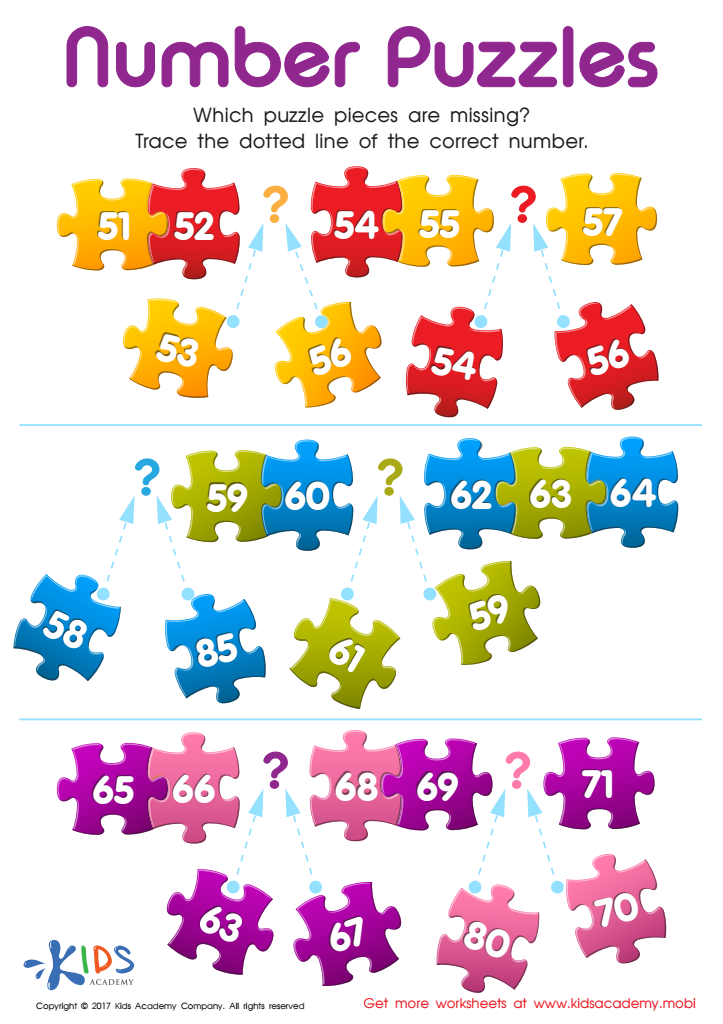
Number Puzzles Worksheet
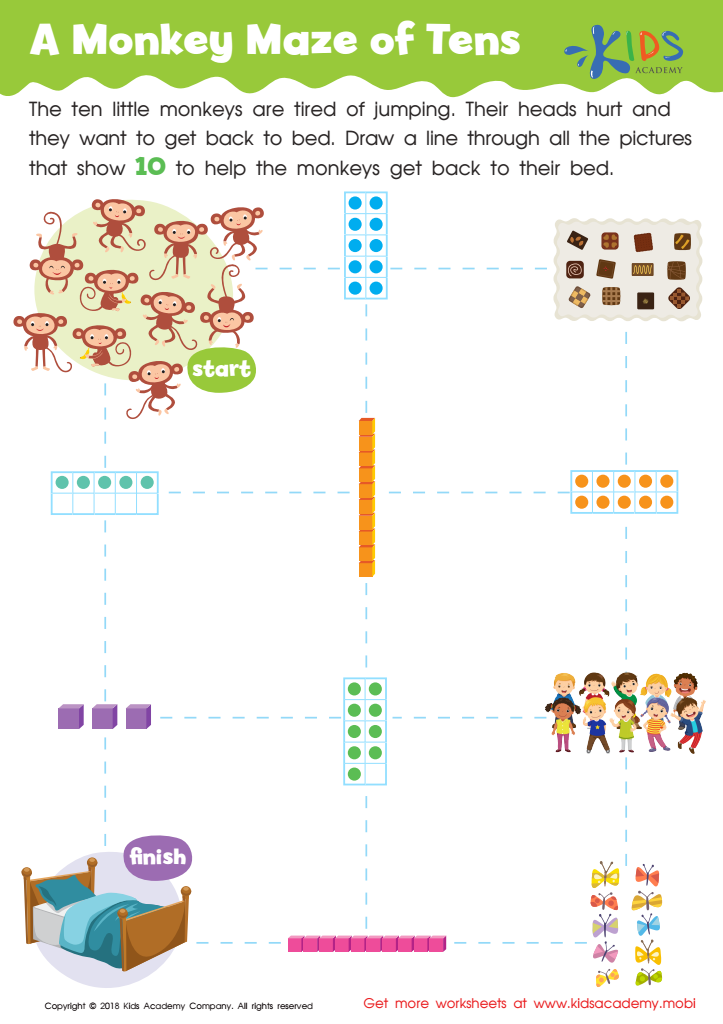
A Monkey Maze of Tens Worksheet
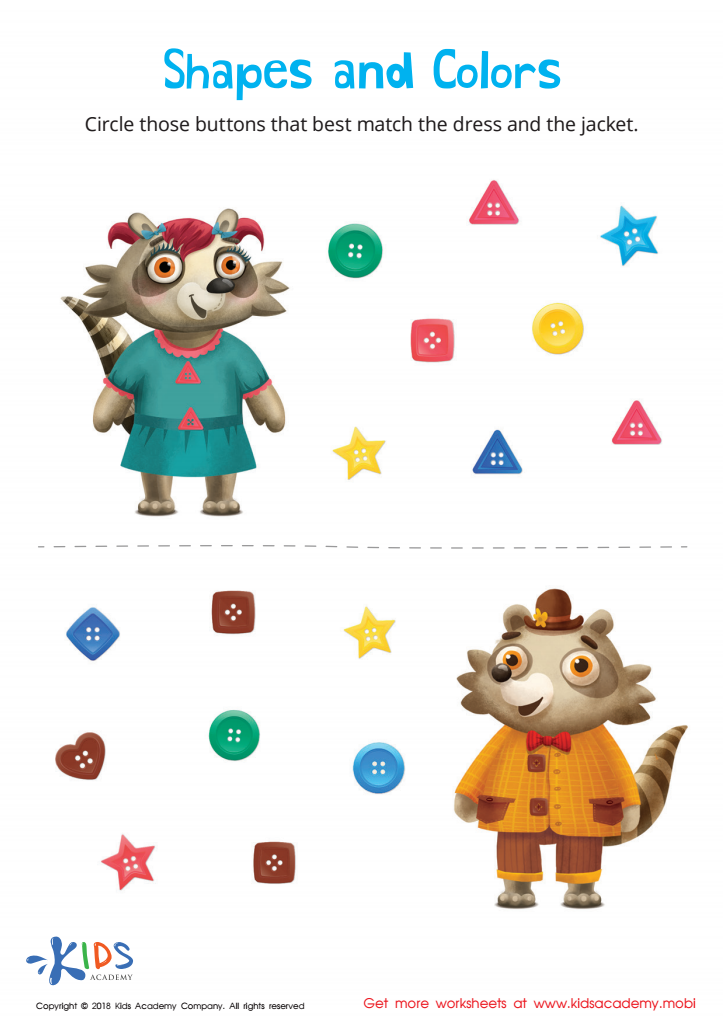
Shapes and Colors Worksheet
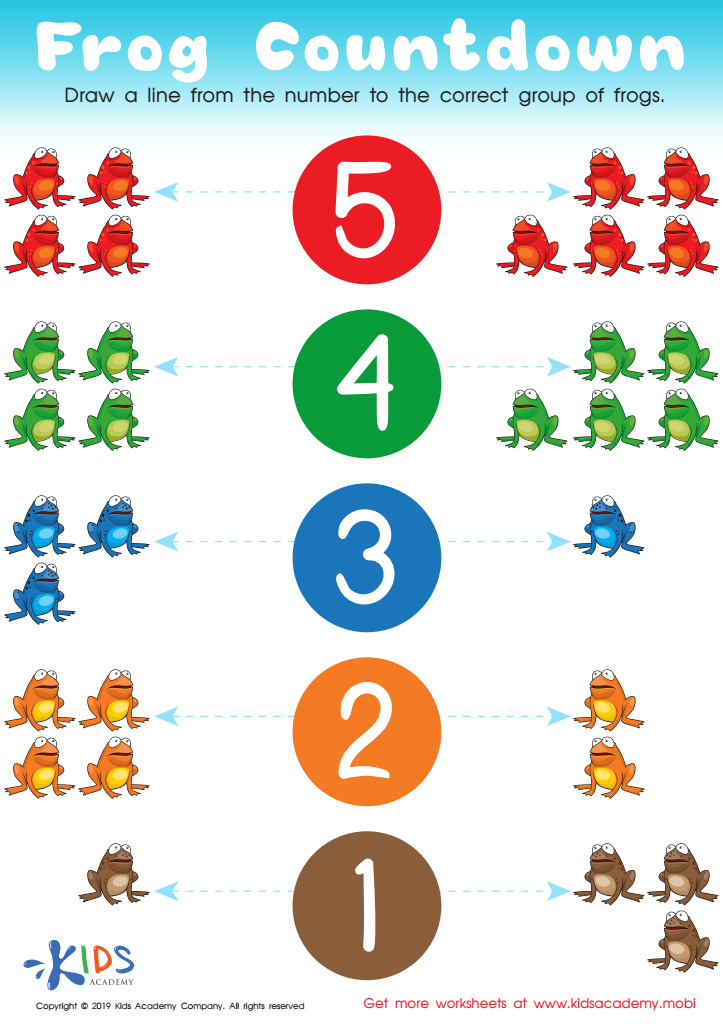
Frog Countdown Worksheet
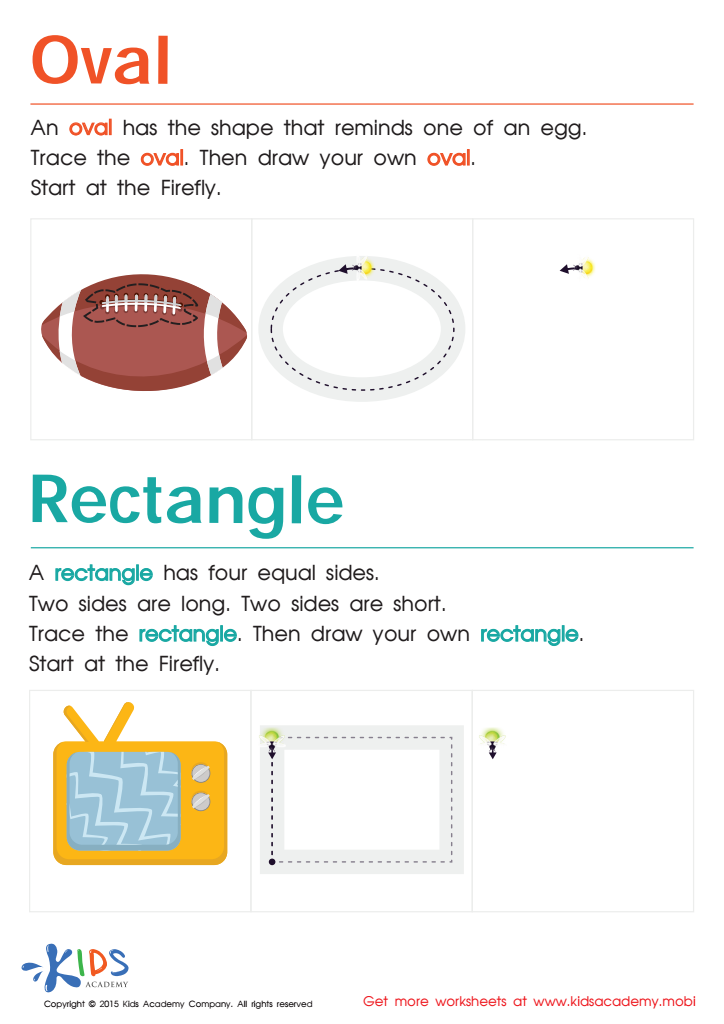
Easy Drawing of Ovals And Rectangles Worksheet
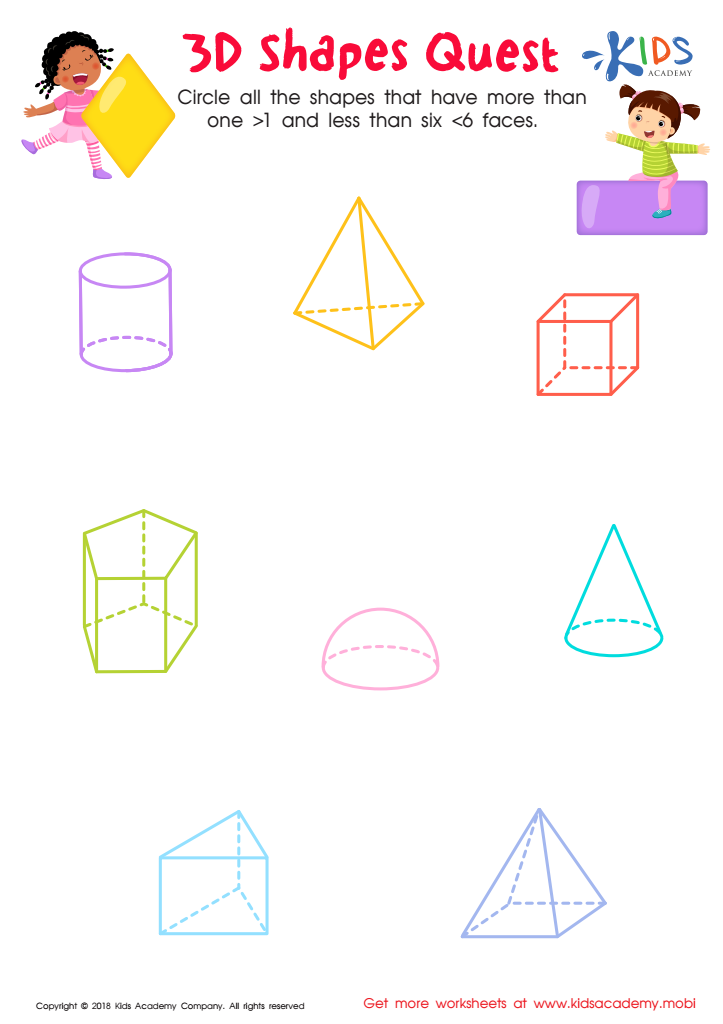
3D Shapes Quest Worksheet
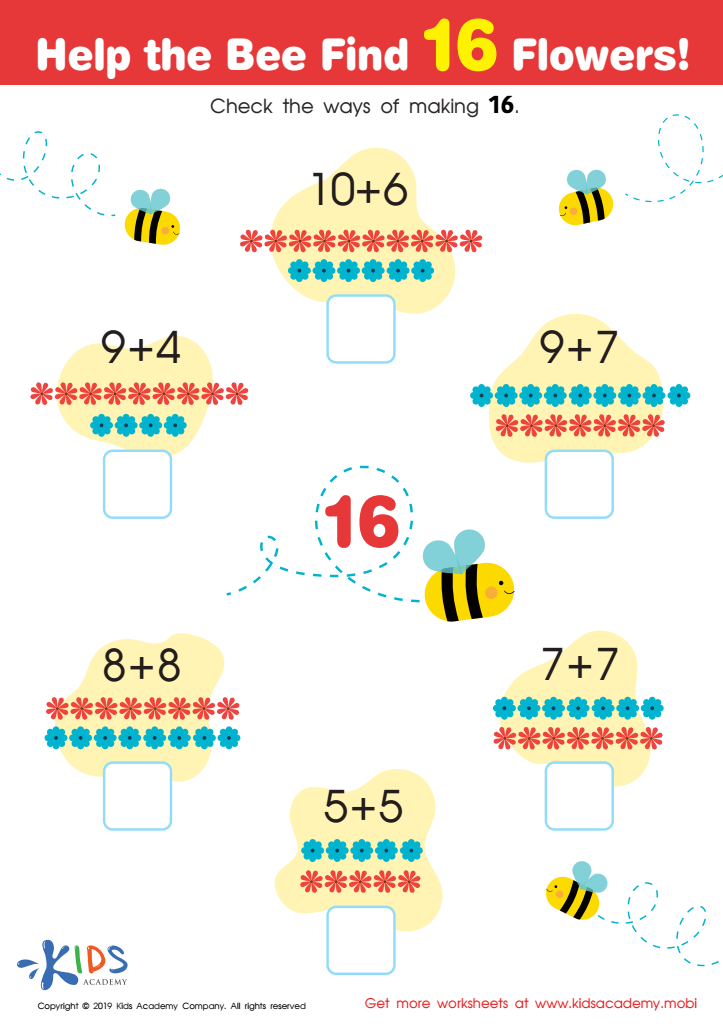
Help the Bee Find 16 Flowers Worksheet
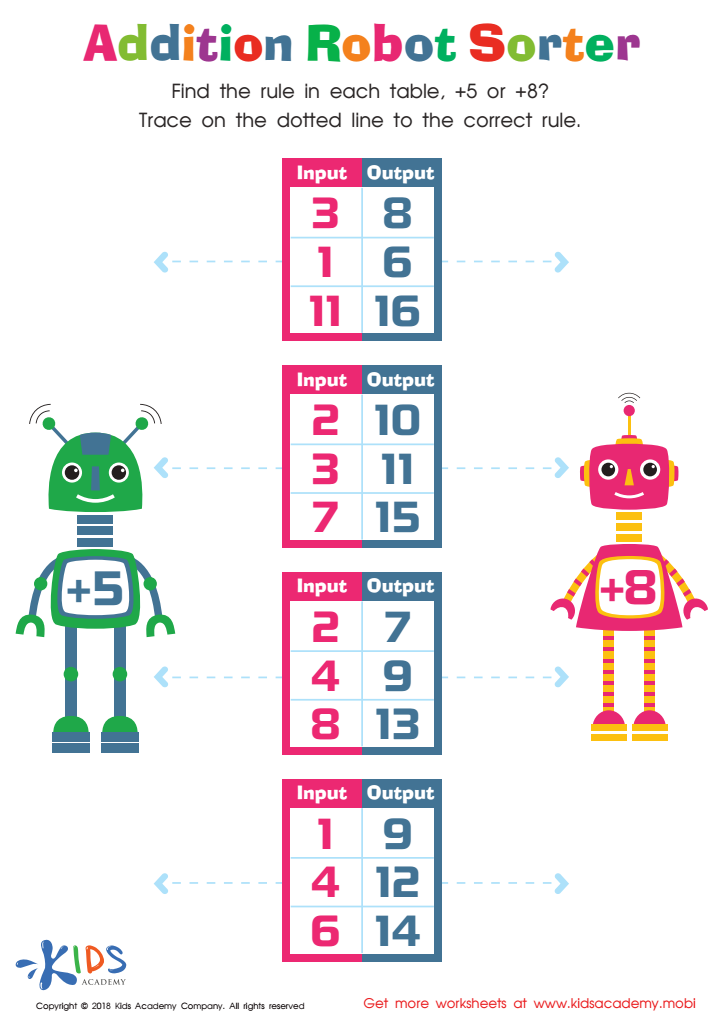
Addition Robot Sorter Worksheet
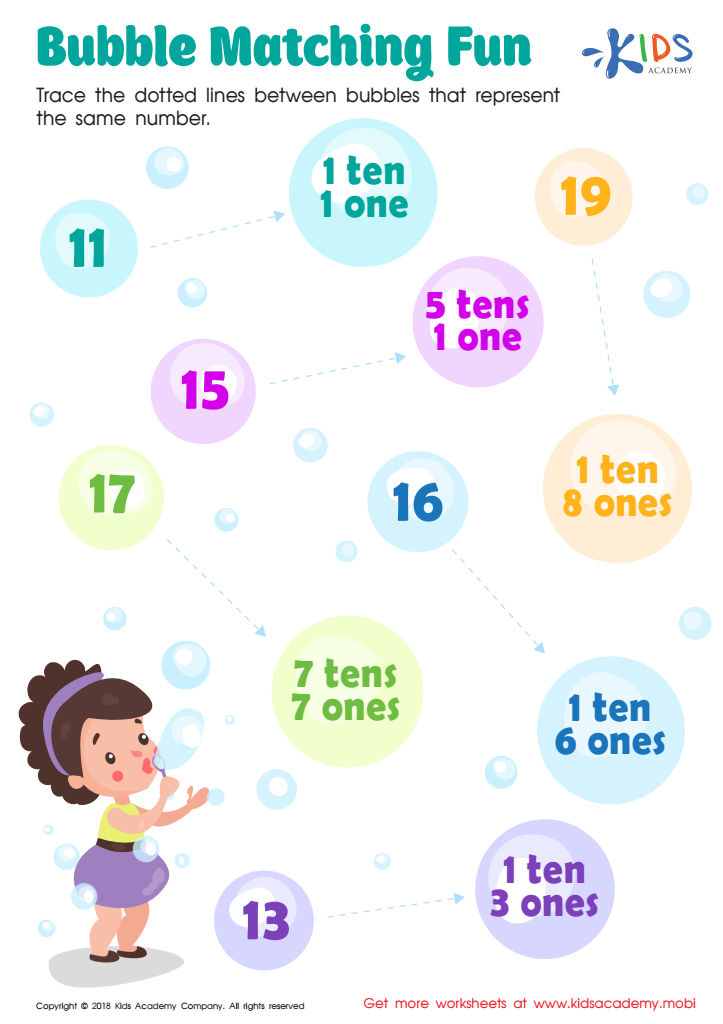
Bubble Matching Fun Worksheet
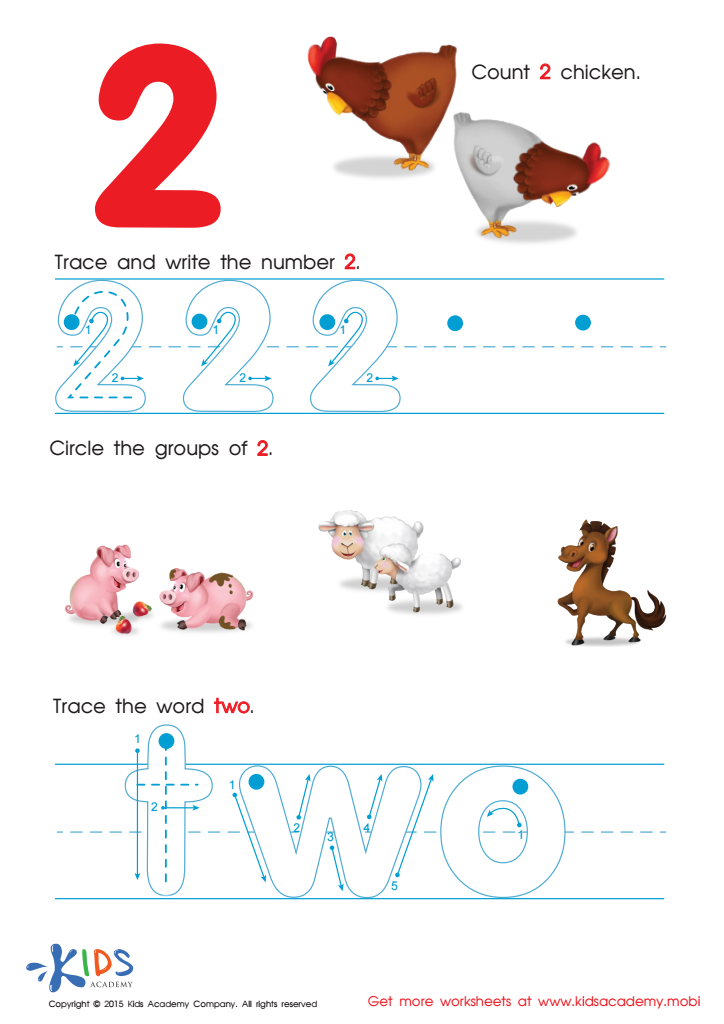
Learn to Write the Number 2 Worksheet
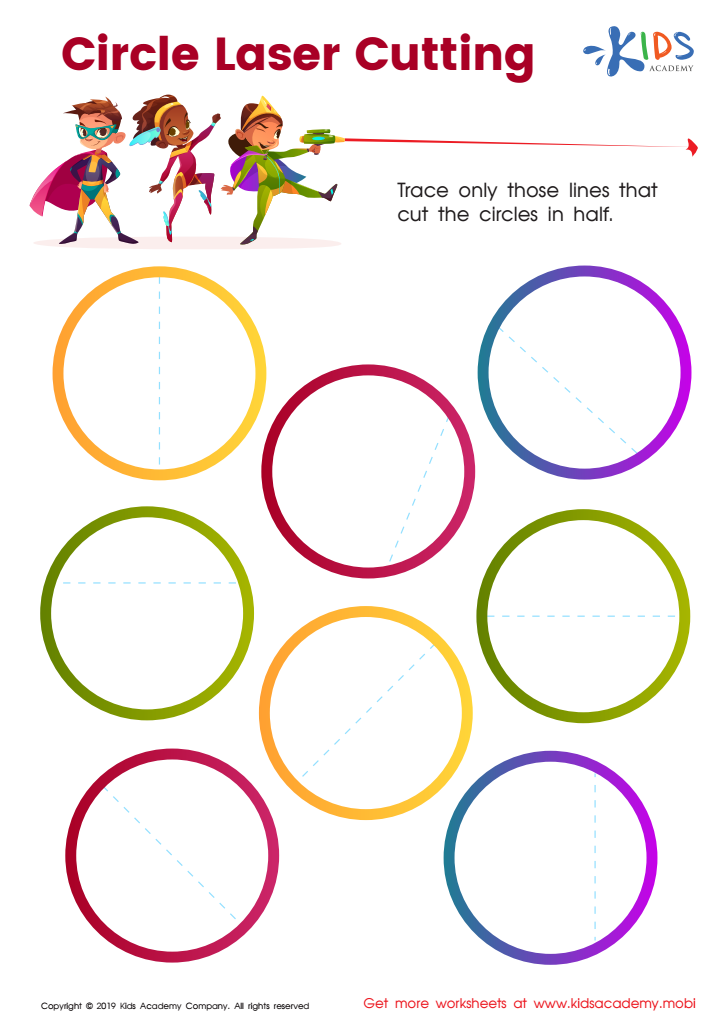
Circle Laser Cutting Worksheet
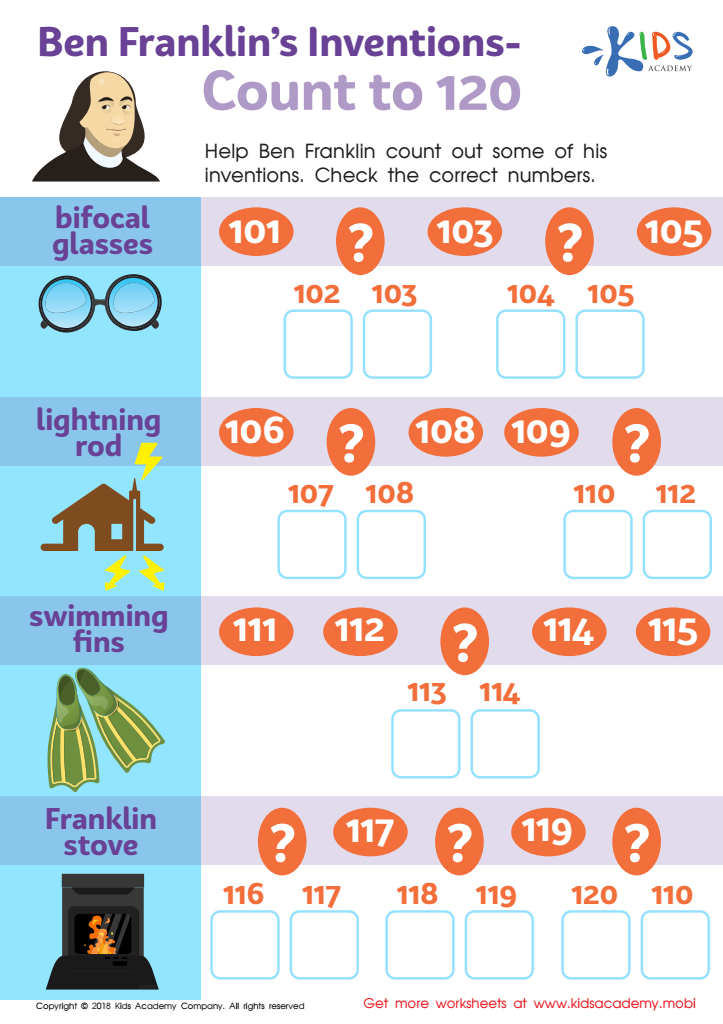
Ben Franklin’s Inventions – Count to 120 Worksheet



.jpg)
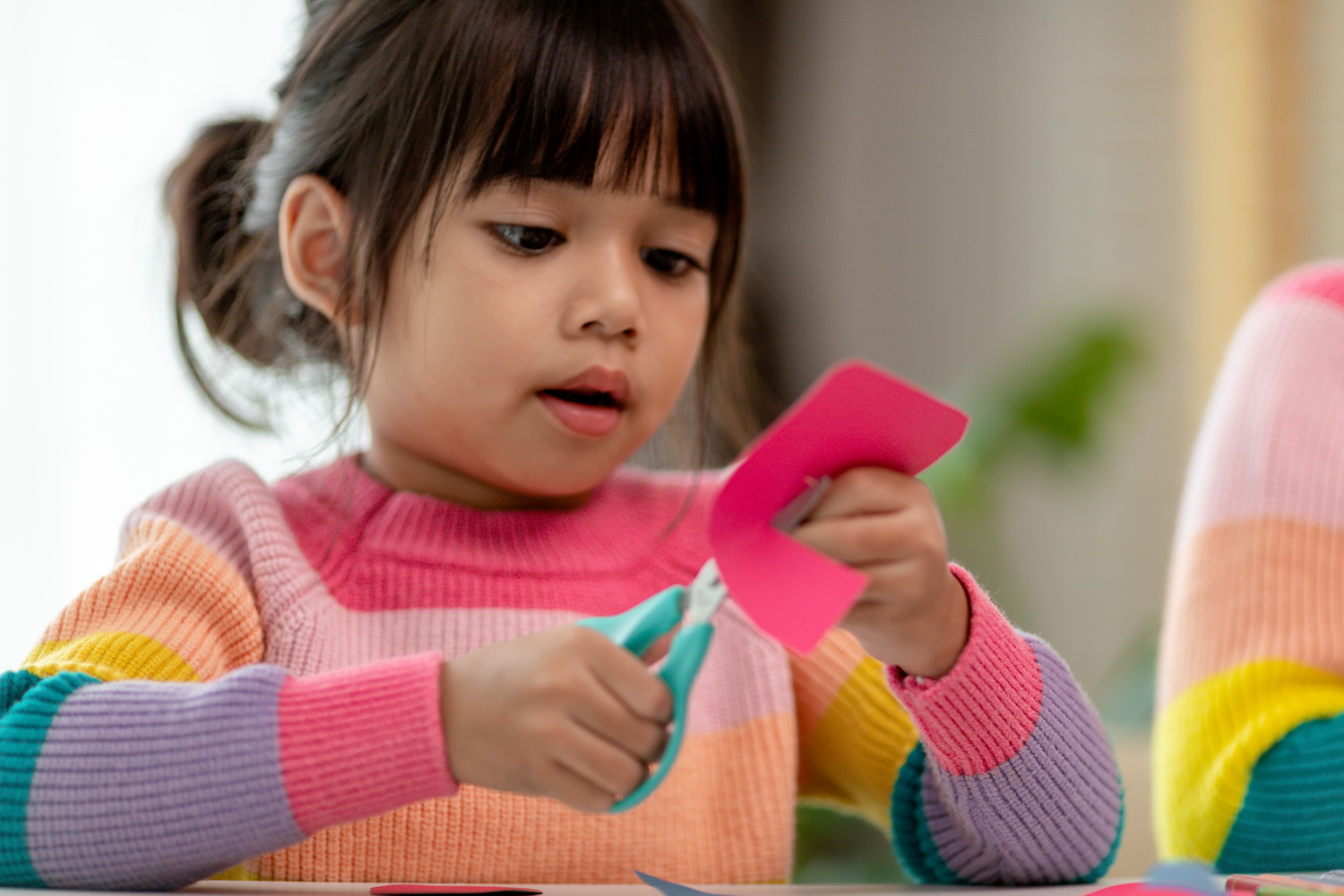


Fine motor skills play a crucial role in a child's overall development, and this is particularly important for children aged 4-7. These skills involve the coordination of small muscles, particularly in the hands and fingers, necessary for tasks like writing, buttoning a shirt, or using scissors. When children have well-developed fine motor skills, they are better equipped to participate in everyday activities, boosting their independence and self-confidence.
For parents and teachers, nurturing these skills can significantly impact a child's academic and social success. Fine motor abilities are essential for seamless integration into grade school, where tasks such as coloring within lines, cutting shapes, and forming letters and numbers come into play daily. Specifically, in mathematics, children must write numbers clearly, which aids in their number recognition and overall calculation abilities. Accuracy and legibility in math tasks help minimize errors and establish foundational mathematic understanding earlier.
Moreover, strong fine motor skills support cognitive development through enhanced hand-eye coordination and spatial awareness. This early phase is primed for growth and development, and investing time in fine motor skills can lead to improved attention, better classroom behavior, and a more enjoyable learning experience. By focusing on these skills, parents and teachers facilitate a smoother academic journey for young learners, laying a solid foundation for future education.








