Number Recognition Normal Tracing Numbers Worksheets for Ages 4-7
16 filtered results
-
From - To
Discover our engaging Number Recognition Normal Tracing Numbers Worksheets designed specifically for children aged 4-7. These worksheets aim to enhance number recognition skills while promoting fine motor development through tracing activities. Young learners will enjoy practicing writing numbers from 1 to 20, solidifying their understanding and recall of numerical concepts. Each worksheet is designed with colorful illustrations and fun themes to keep children motivated and interested in learning. Perfect for home or classroom use, these resources support early math skills and help lay a strong foundation for future academic success. Start your child's math journey today with our interactive tracing activities!
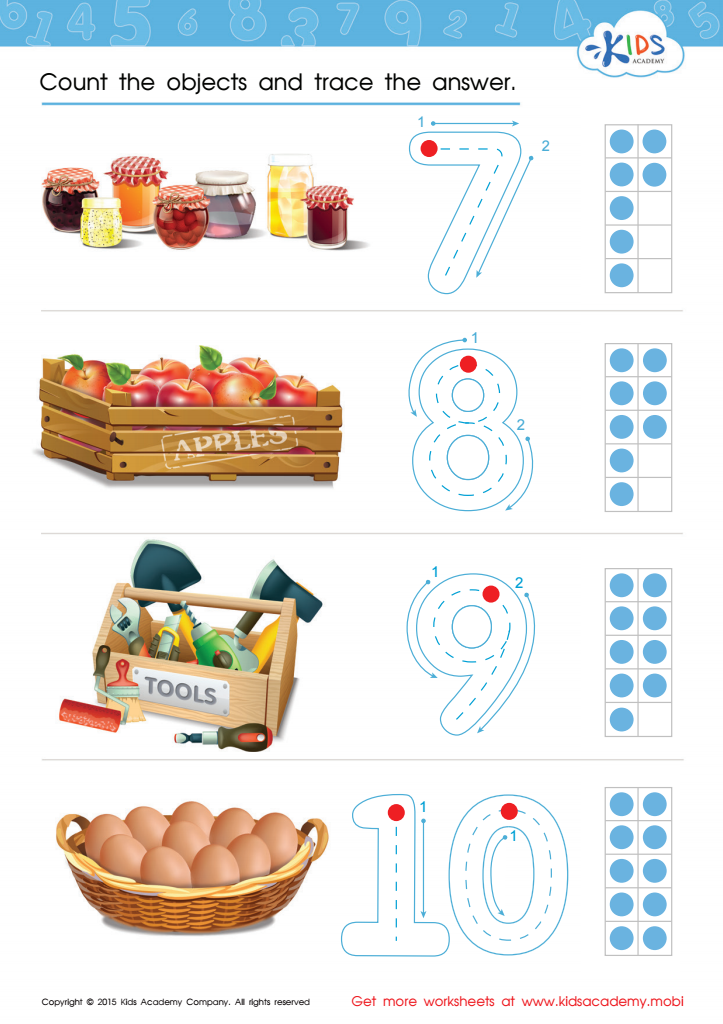
Count and Trace 7 – 10 Worksheet
 Assign to My Students
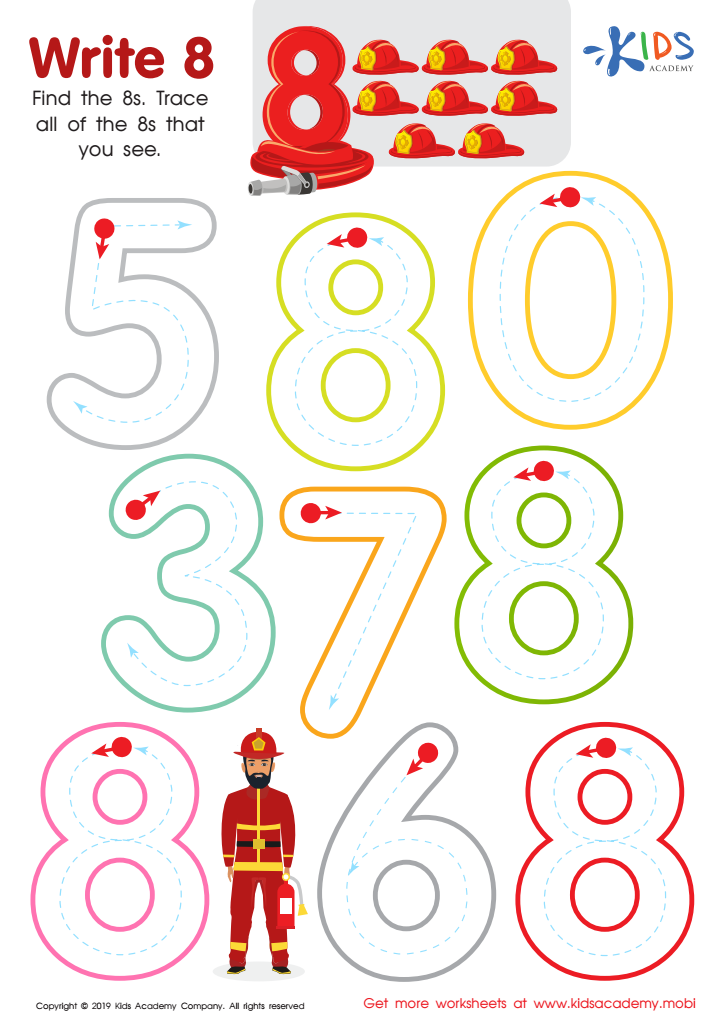
Write 8 Worksheet
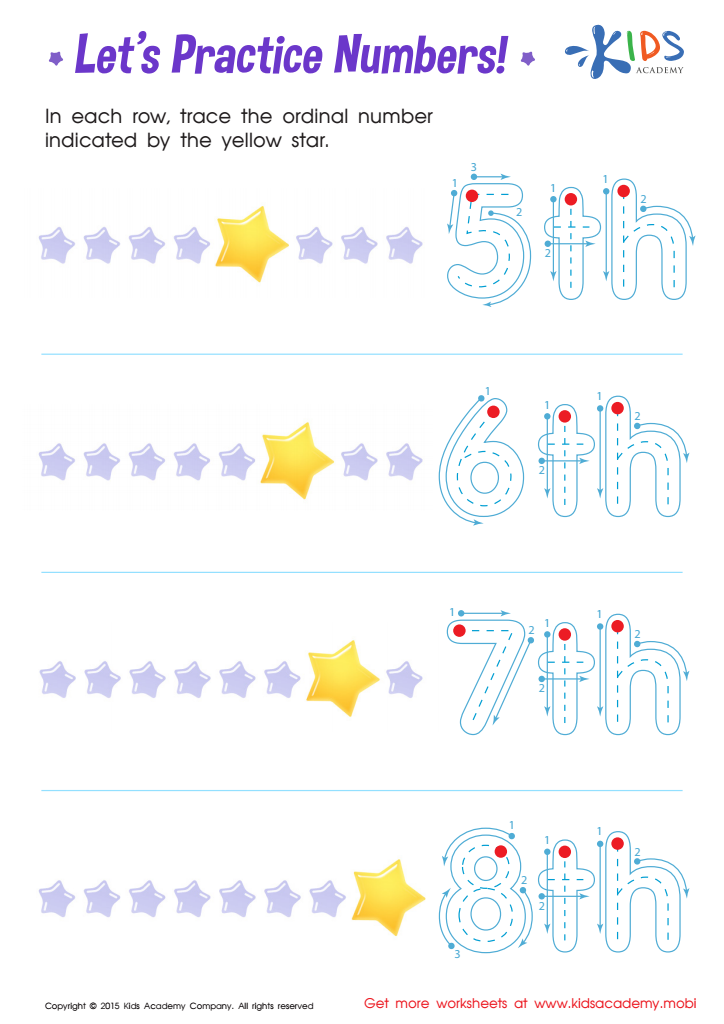
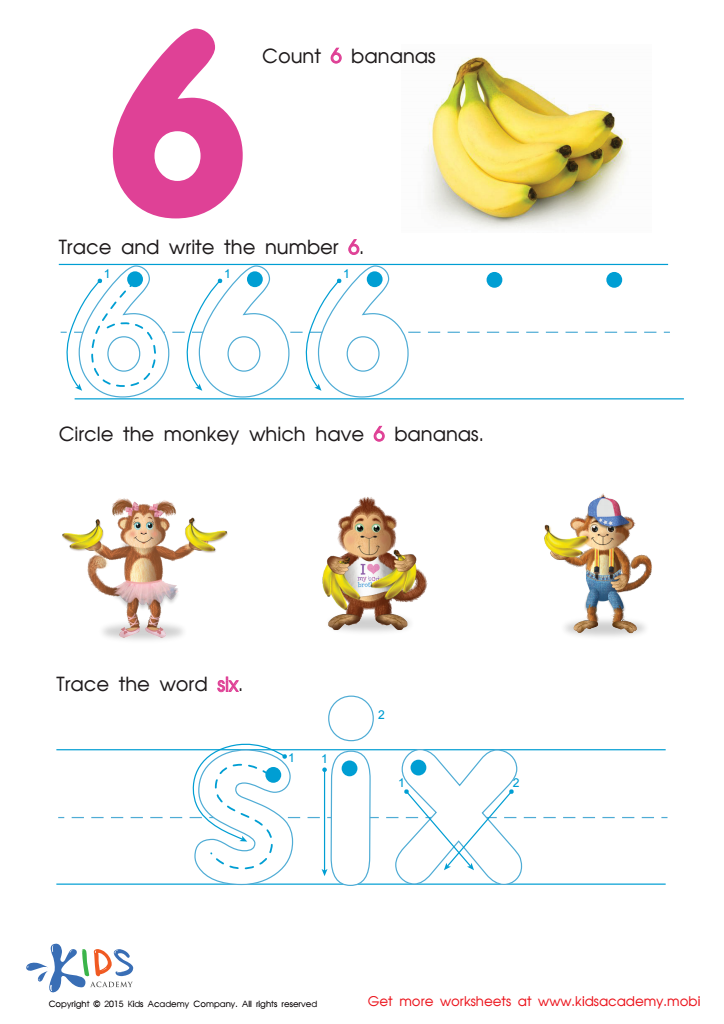
Tracing And Writing Number 6 Worksheet
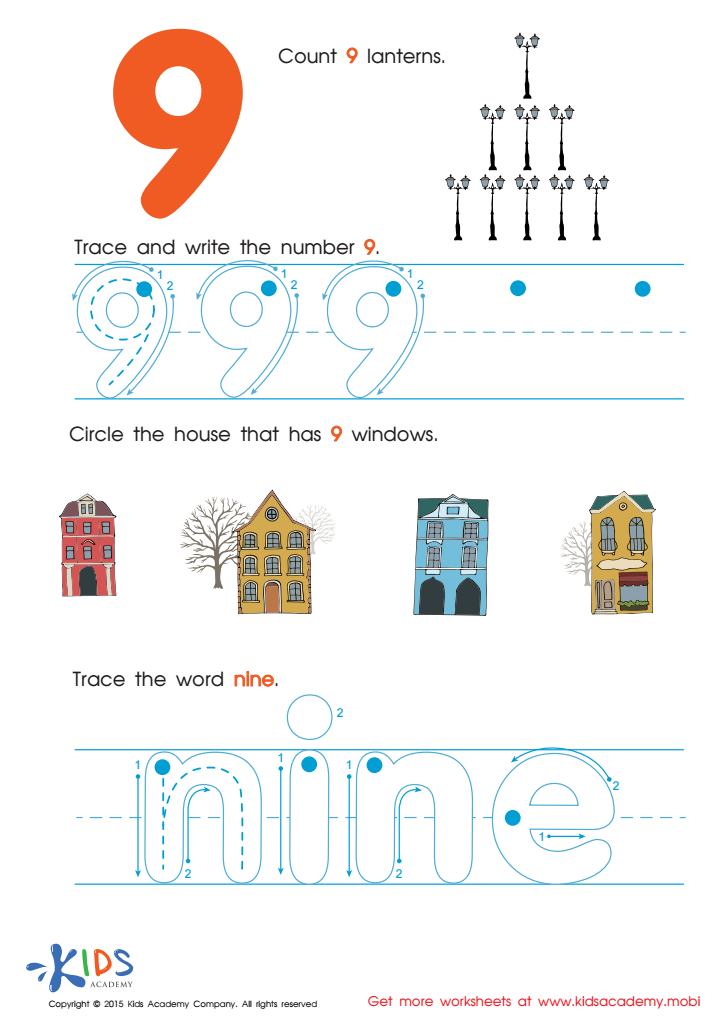
Tracing And Learning to Write Number 9 Worksheet
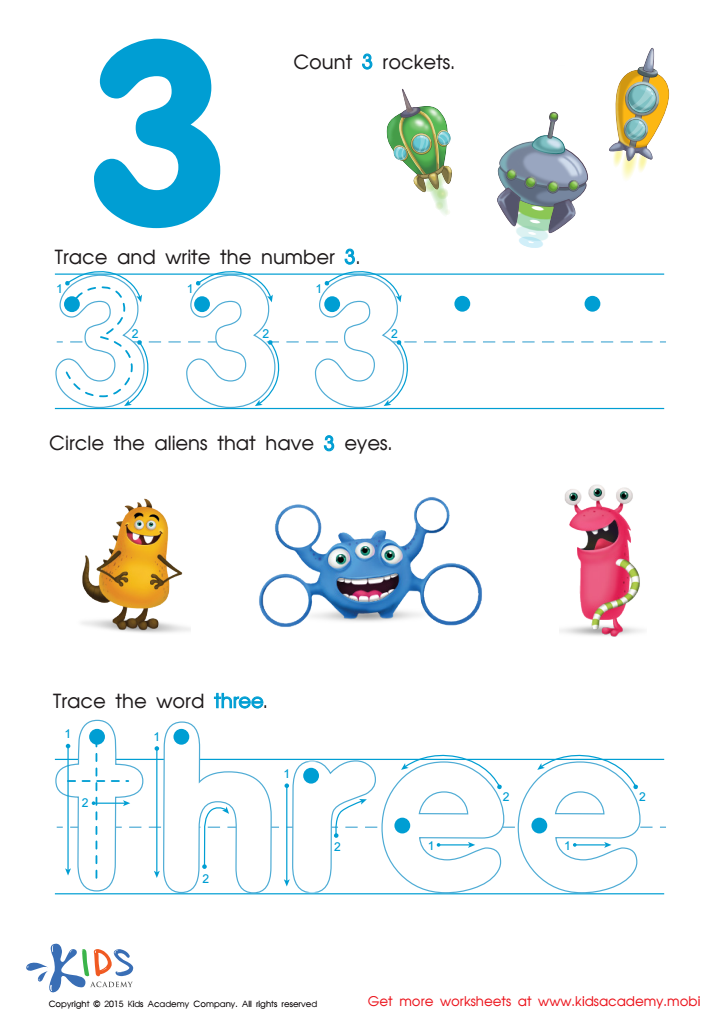
Learning Number Three Worksheet
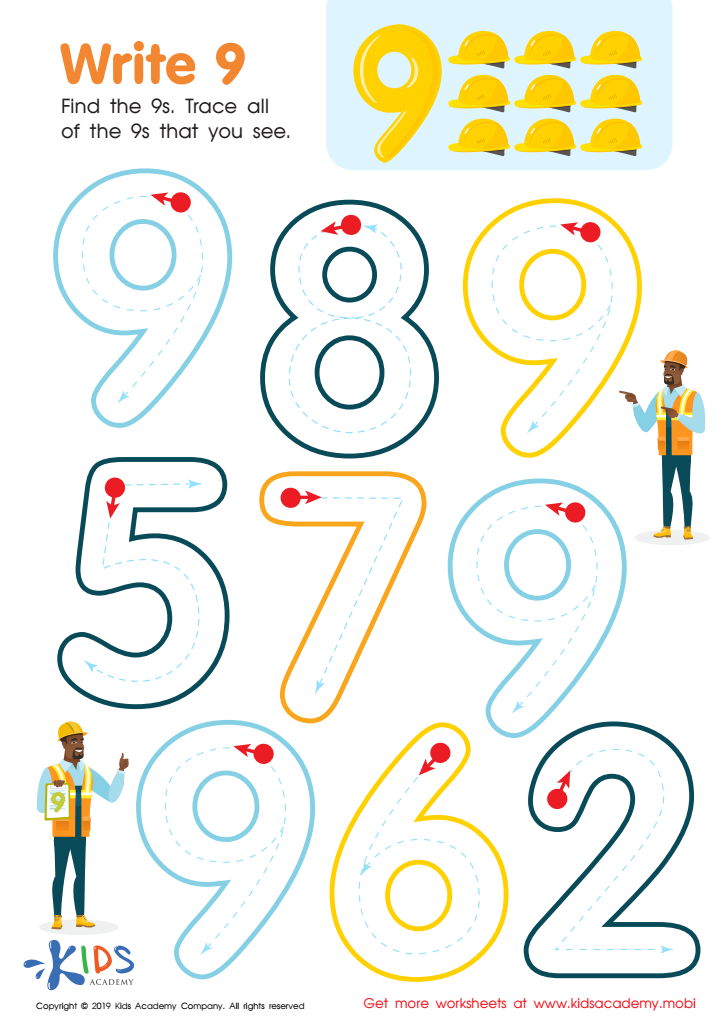
Write 9 Worksheet
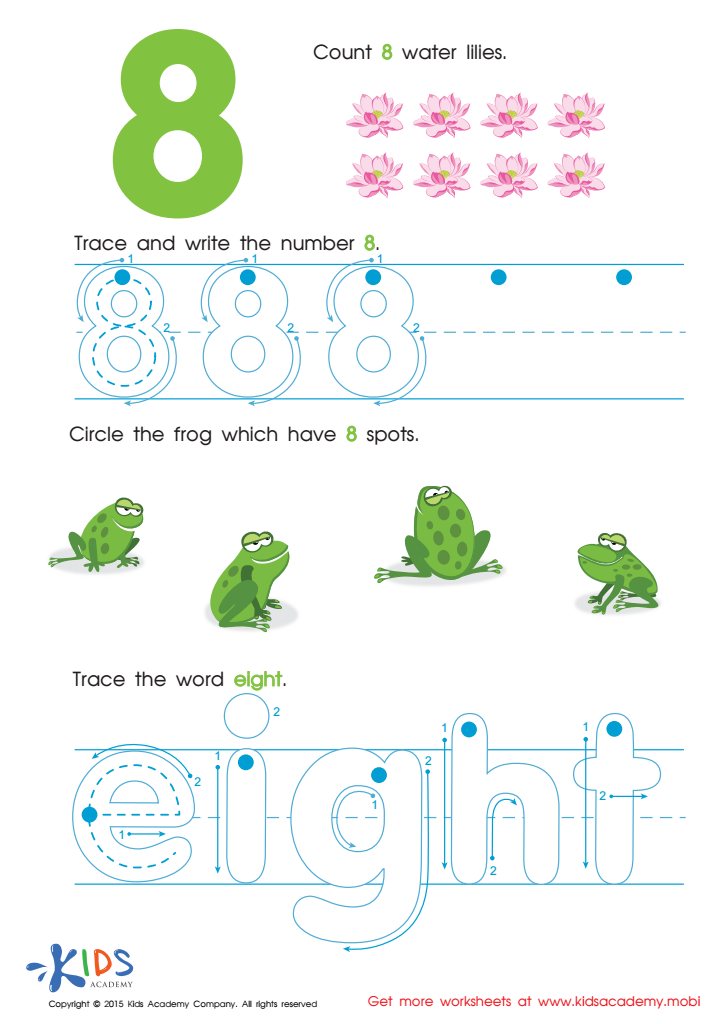
Learn Number 8 Easily Worksheet
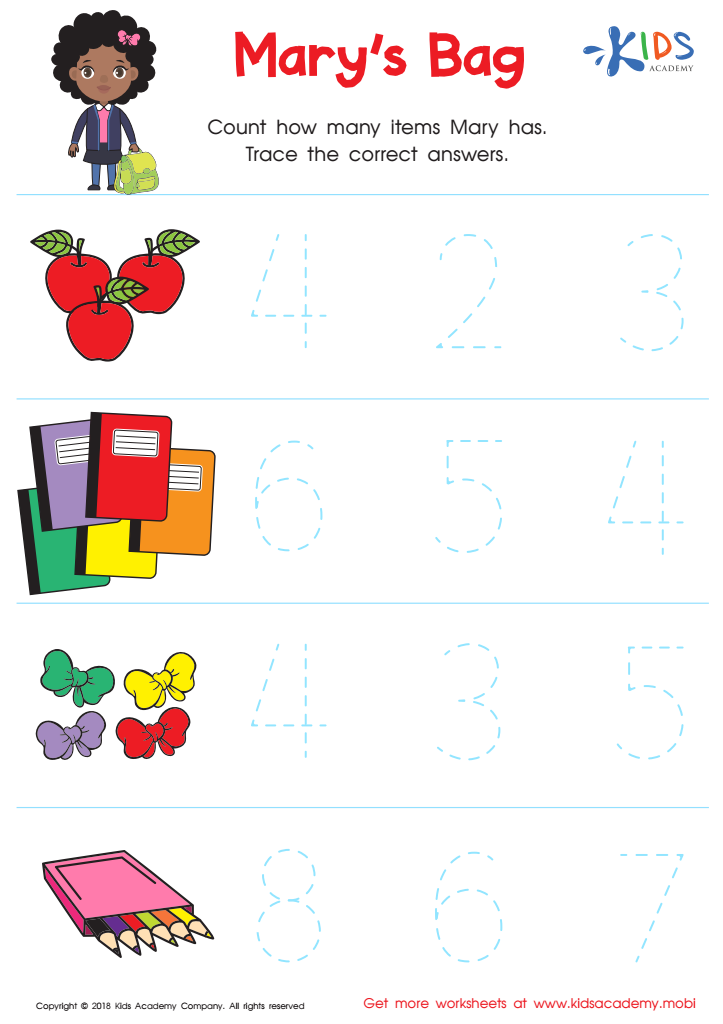
Kindergarten Number Tracing: Mary's Bag Worksheet
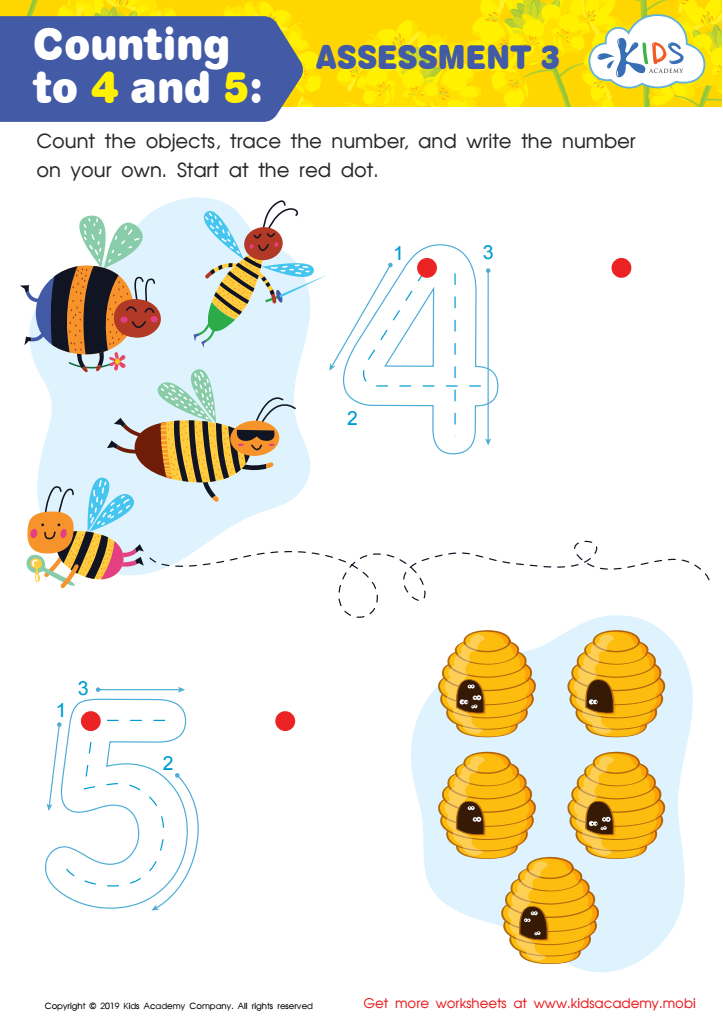
Counting to 4 and 5: Assessment 3 Worksheet
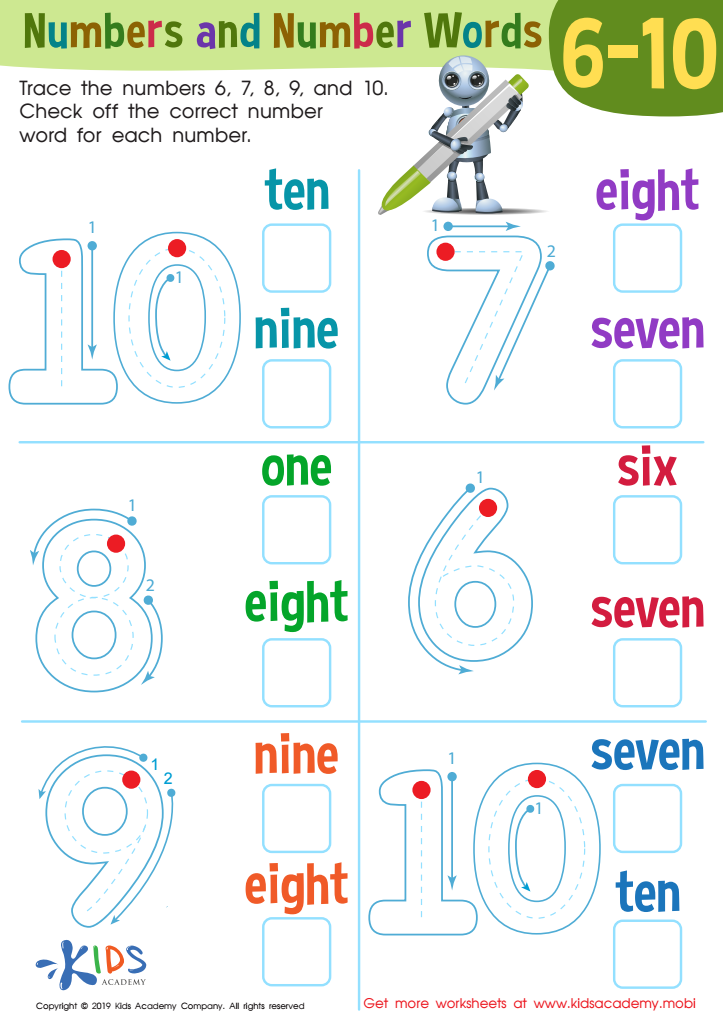
Numbers and Number Words 6–1 Worksheet
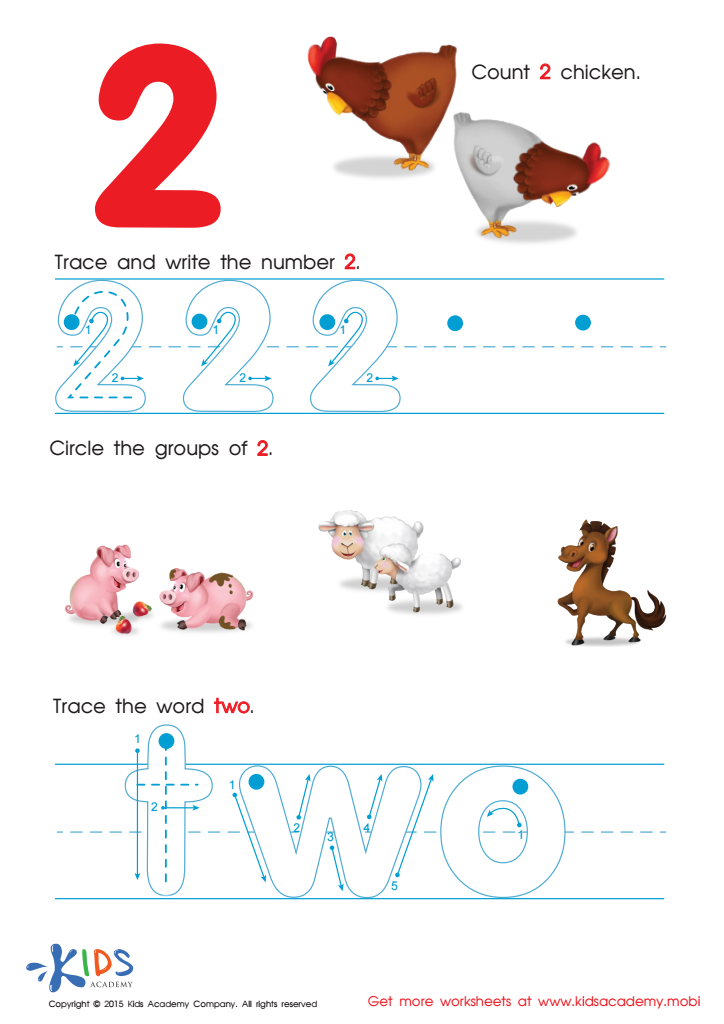
Learn to Write the Number 2 Worksheet
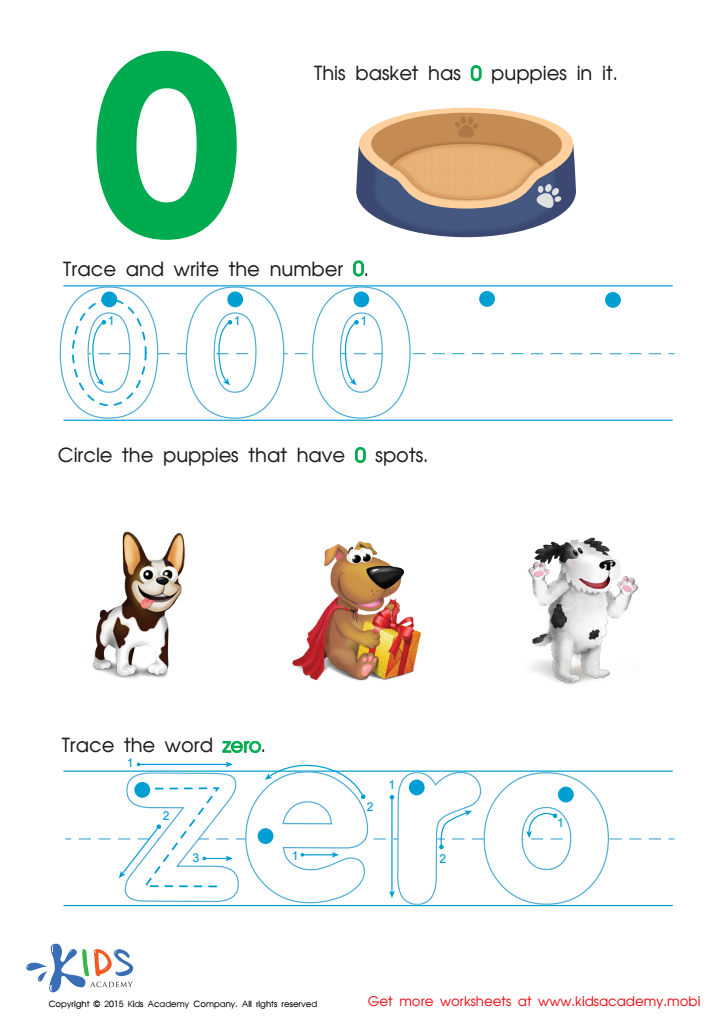
Trace And Write Number 0 Worksheet
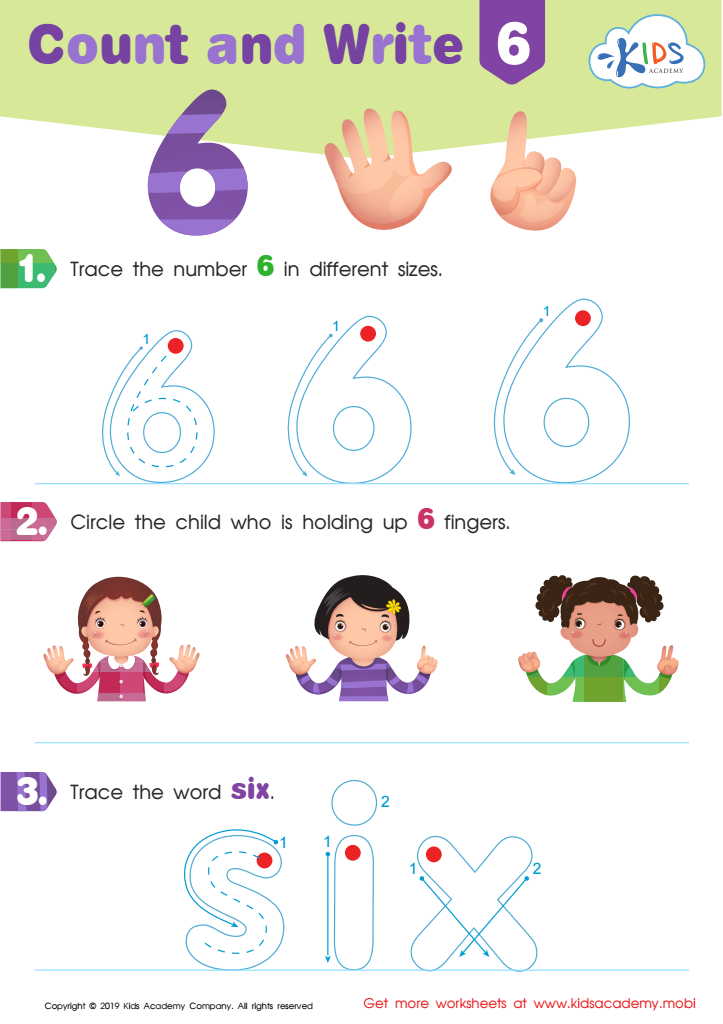
Count and Write 6 Worksheet
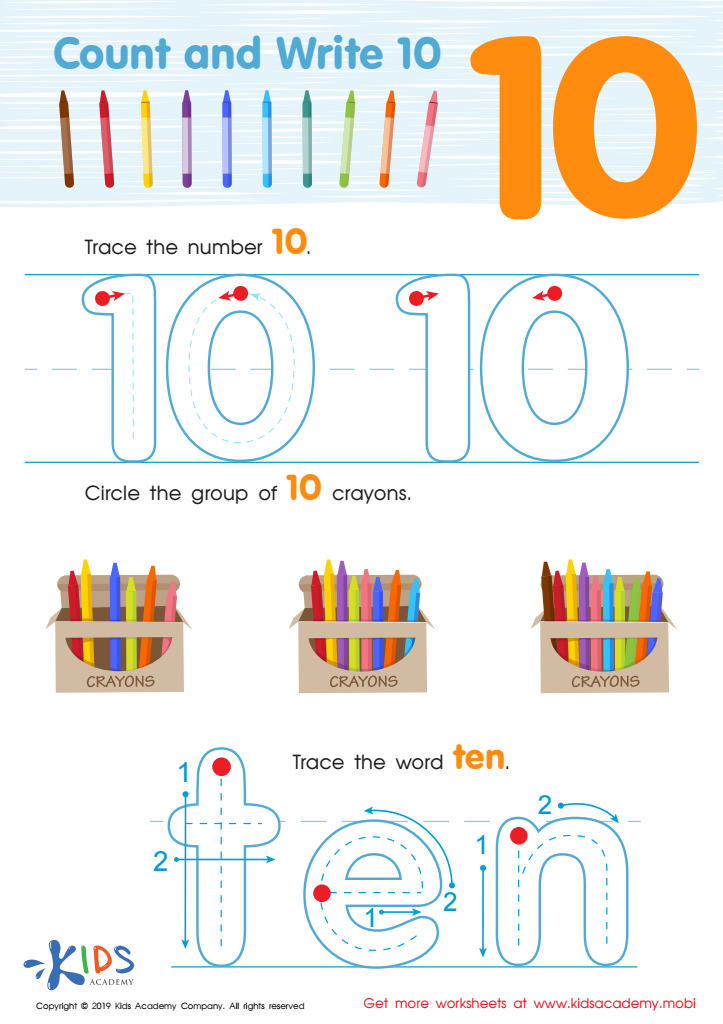
Count and Write 10 Worksheet
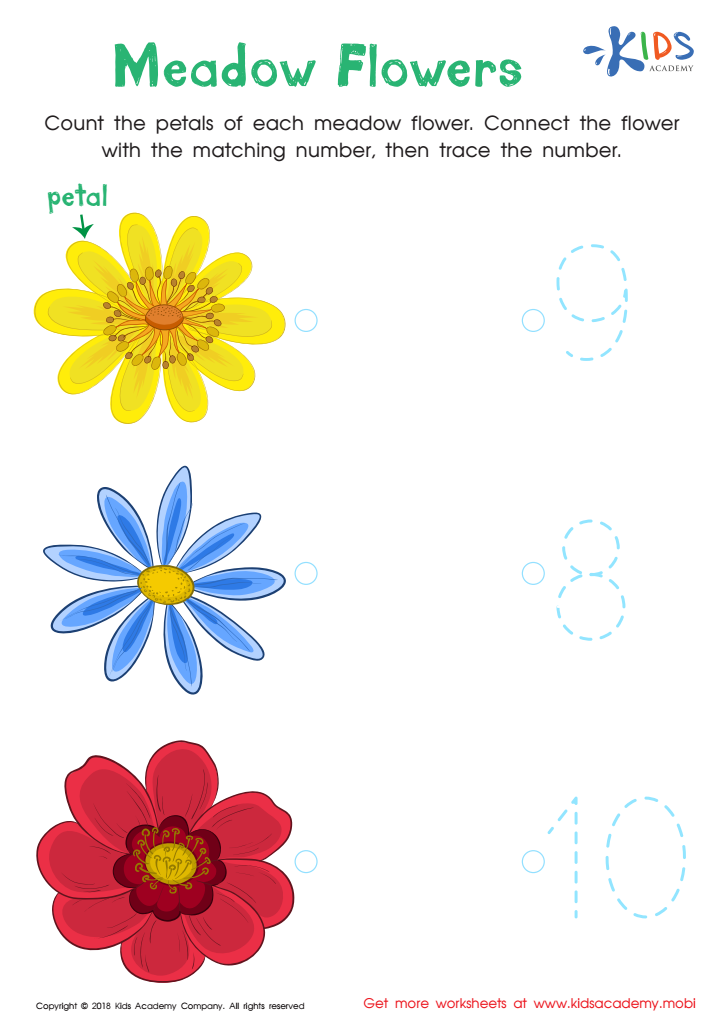
Kindergarten Number Tracing: Medow Flowers Worksheet








Number recognition and tracing are fundamental skills for children aged 4-7, serving as essential building blocks for their mathematical understanding. Parents and teachers should prioritize these skills because they lay the groundwork for future learning in mathematics. Recognizing and tracing numbers helps young learners develop fine motor skills, coordination, and confidence in writing, which are crucial for their overall cognitive development.
Additionally, understanding number recognition fosters a sense of familiarity with mathematics in everyday life. Children learn to associate quantities with symbols, bridging the gap between numeral identification and practical applications, such as counting objects or making simple calculations. This early exposure cultivates a positive attitude towards math, reducing anxiety and promoting a growth mindset.
Furthermore, teaching number recognition during these formative years enhances a child’s readiness for more complex math concepts in later grades. Engaging activities like tracing numbers can also motivate children through interactive, hands-on experiences, making learning enjoyable and effective.
In essence, prioritizing number recognition and tracing not only supports a child’s mathematical journey but also promotes vital life skills, thereby empowering them to become competent learners and problem-solvers. Both parents and teachers play a crucial role in this important developmental phase.