Normal Animals Worksheets for Ages 4-7 - Page 2
38 filtered results
-
From - To
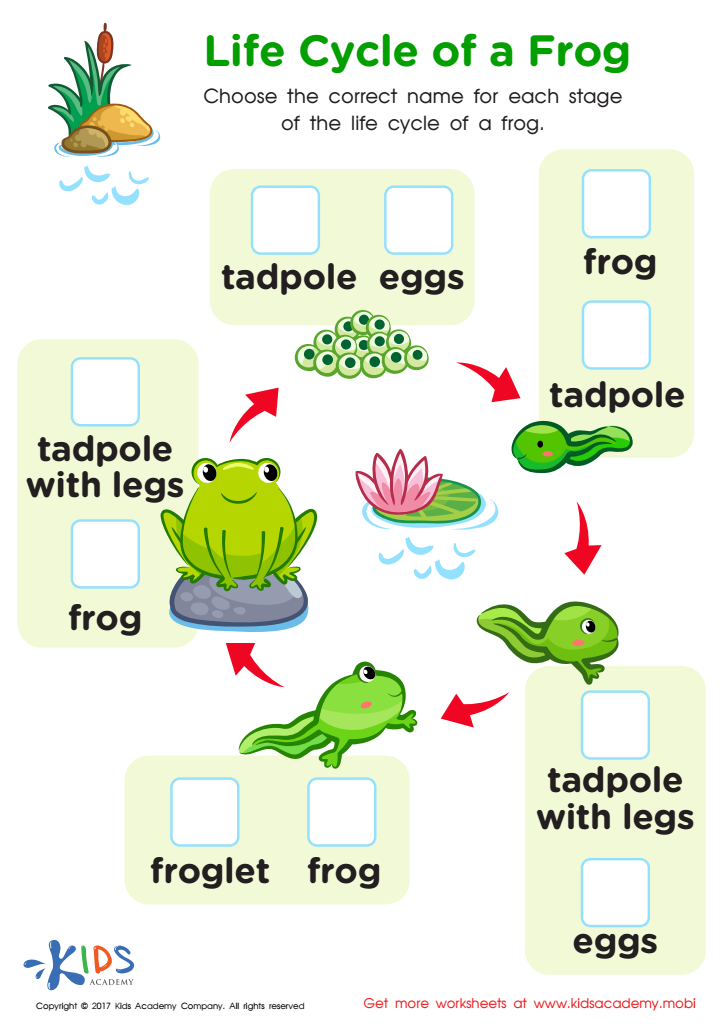
Life Cycle Frog Printable
 Assign to My Students
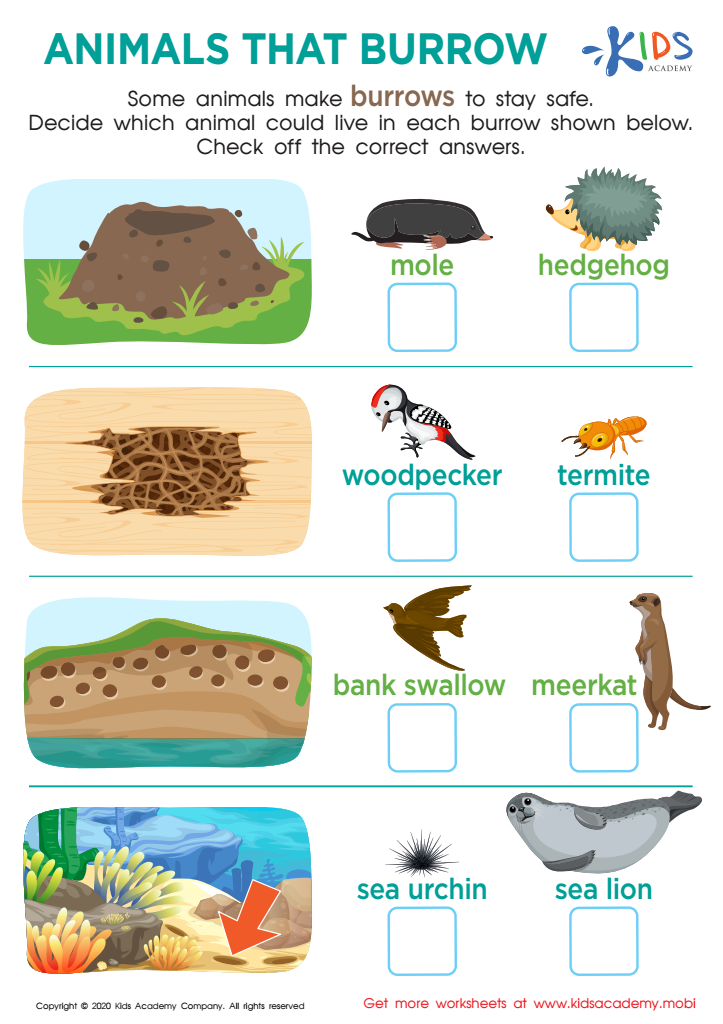
Animals That Burrow Worksheet
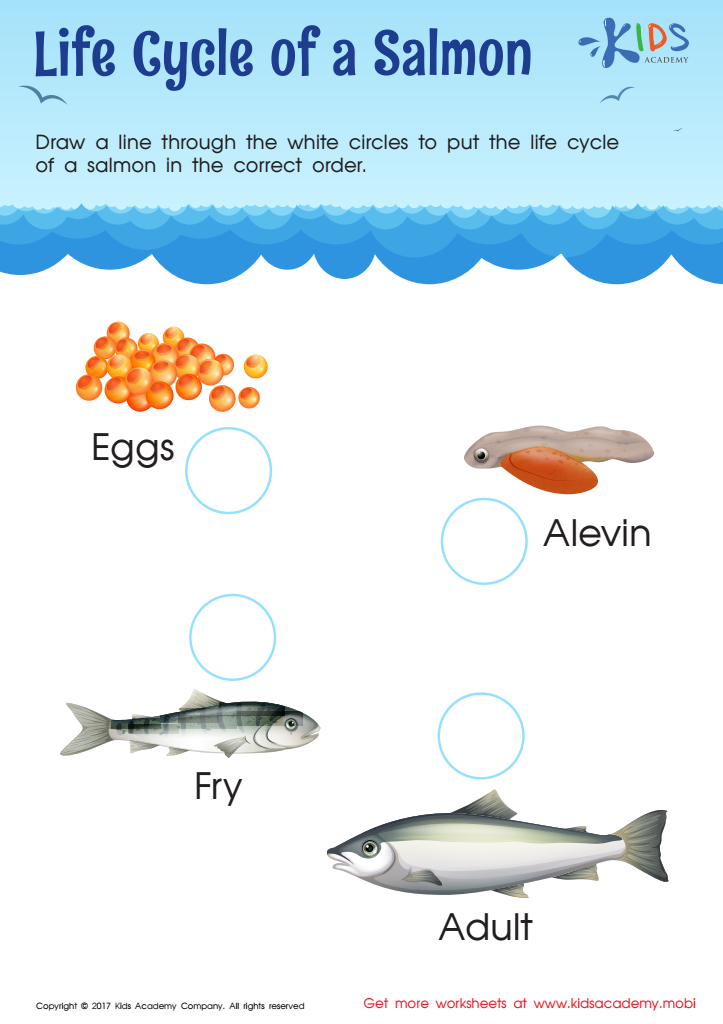
Cycle Of Salmon Worksheet
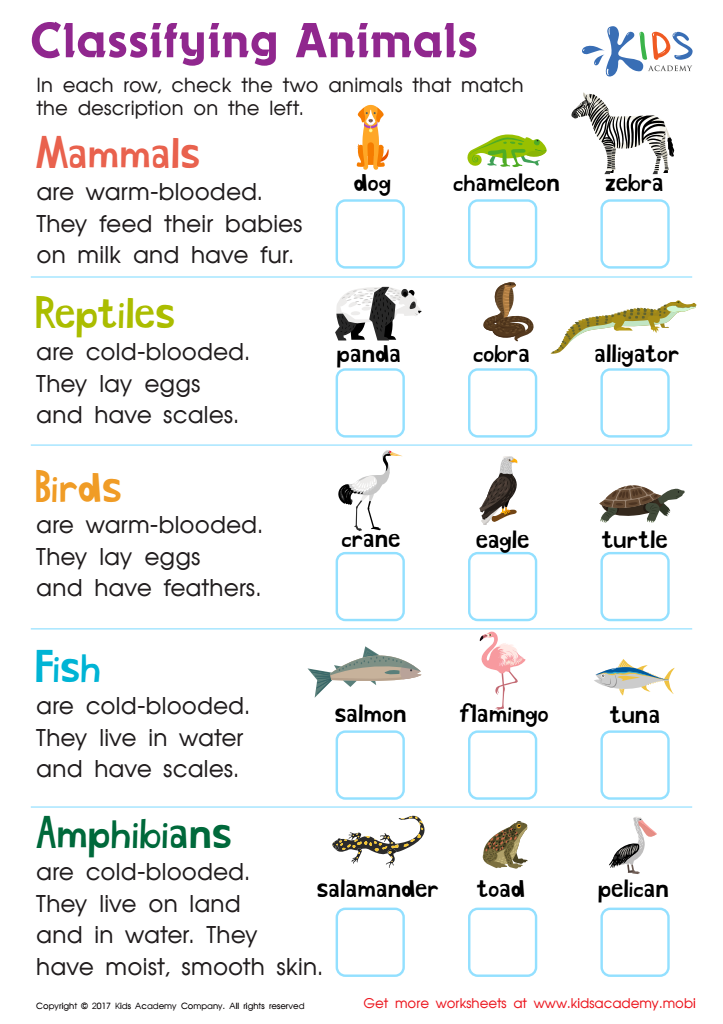
Classifying Animals Worksheet
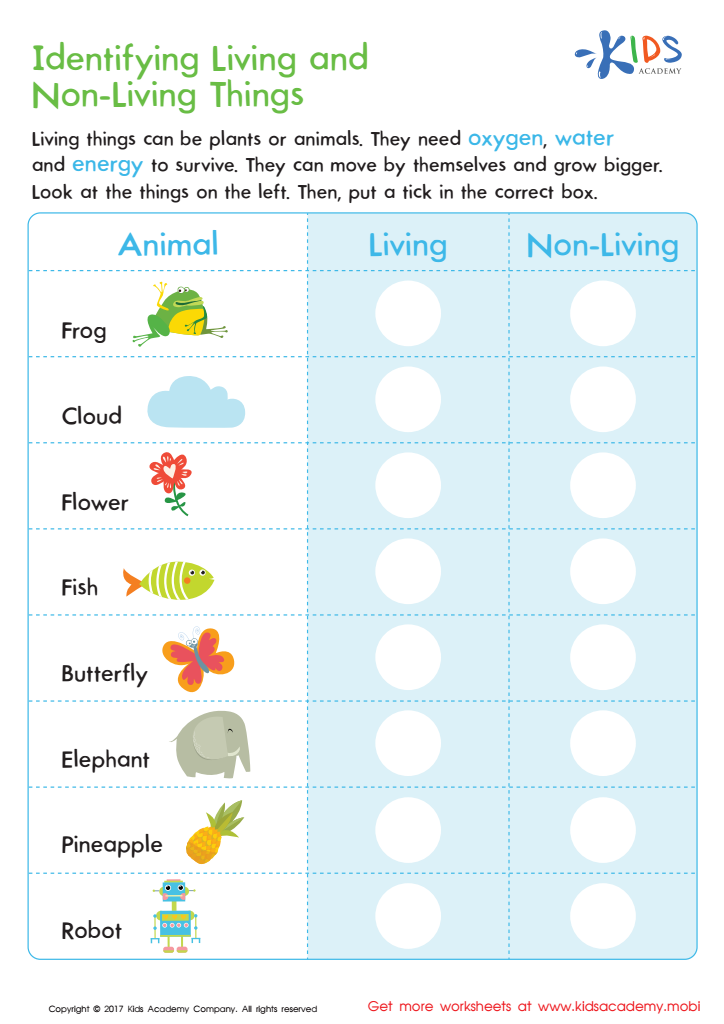
Identifying Living or Non–living Worksheet
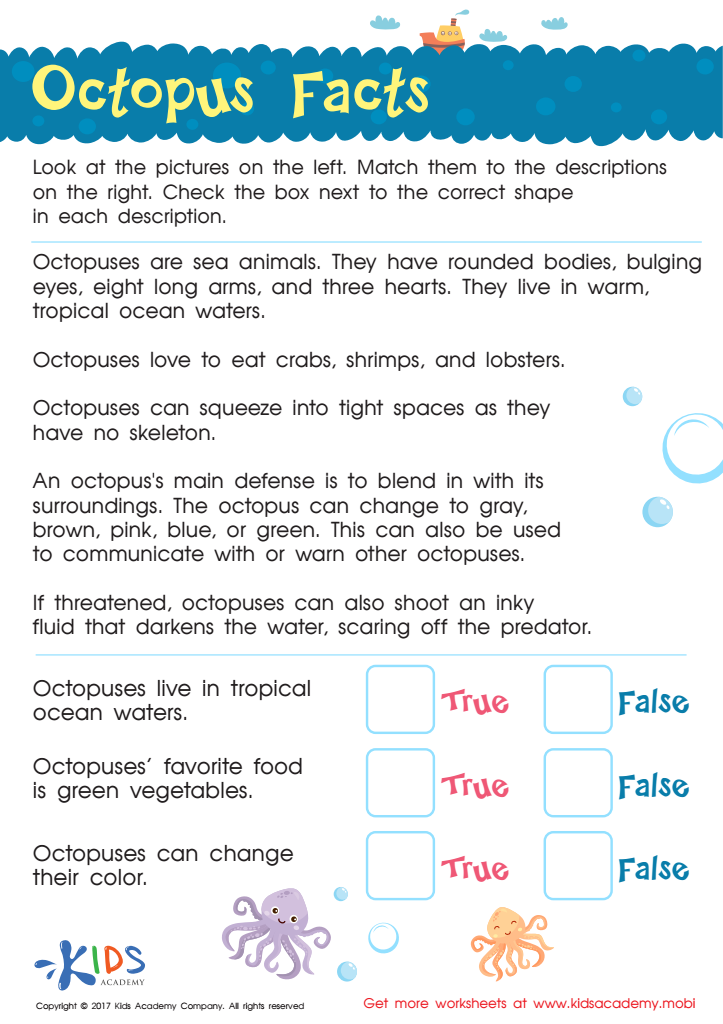
Octopus Facts Worksheet For Kids
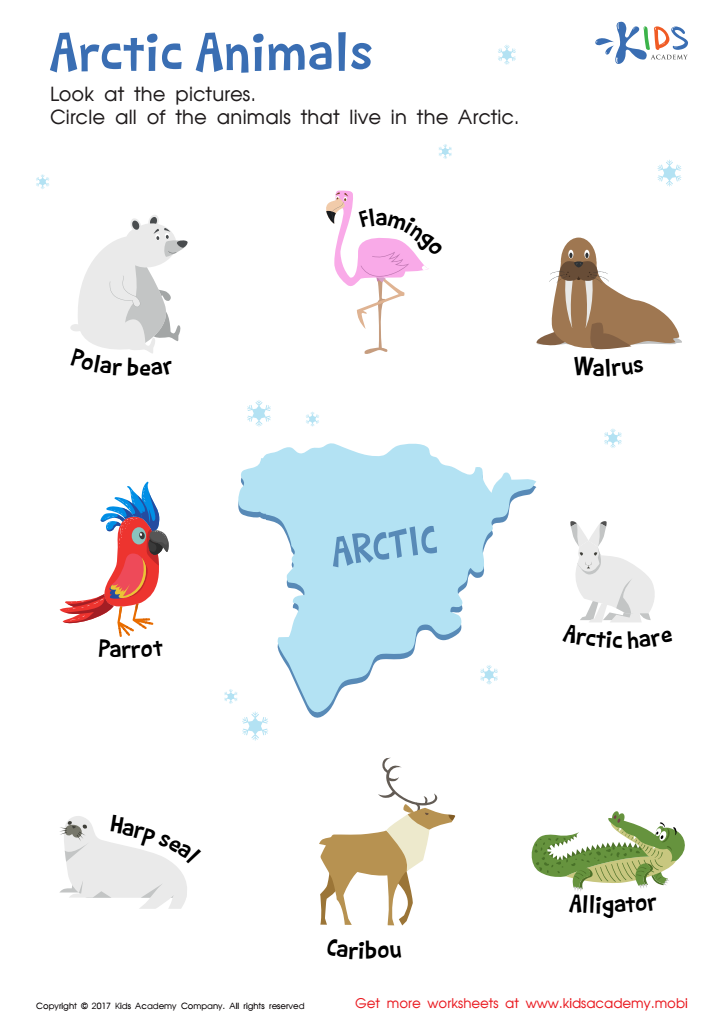
Arctic Animals Worksheet
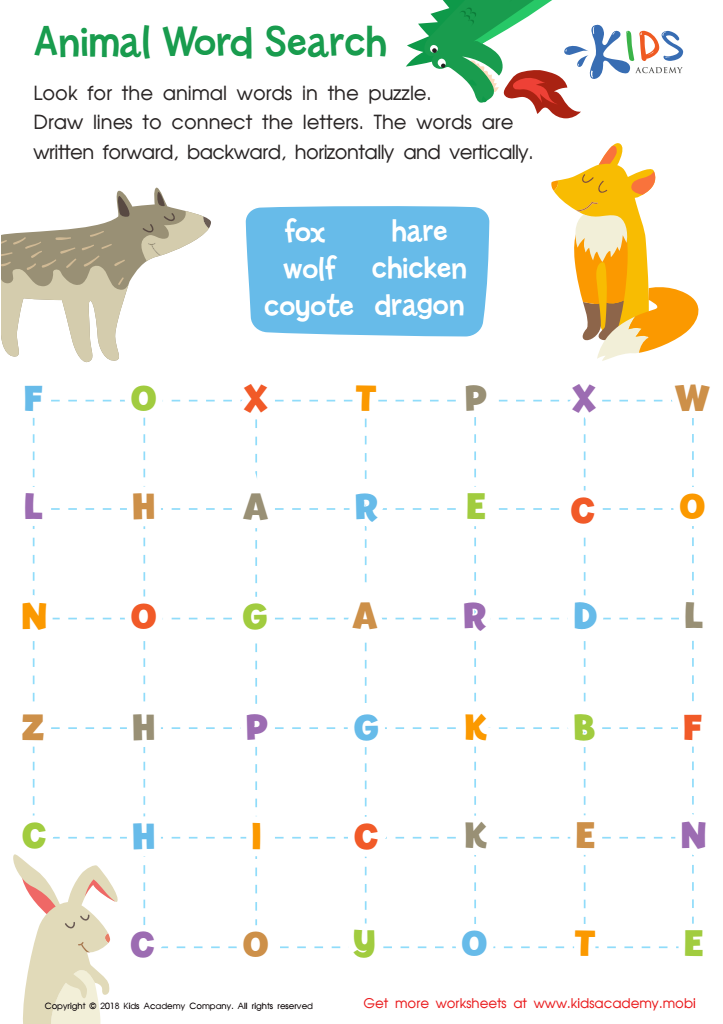
Animal Word Search Worksheet
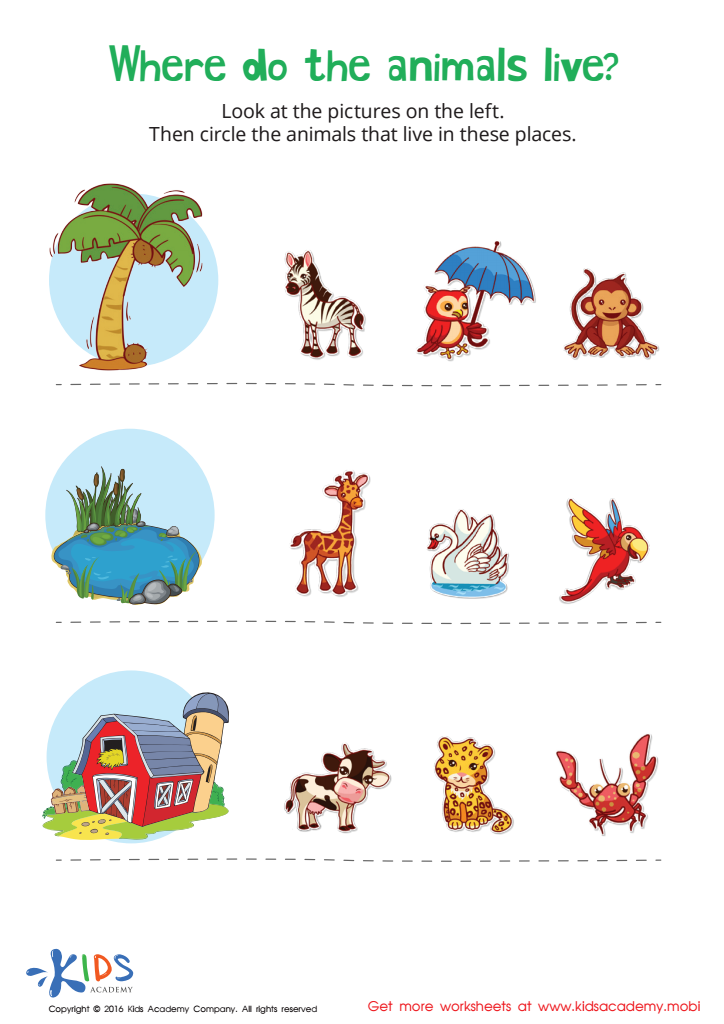
Where Animals Live Worksheet
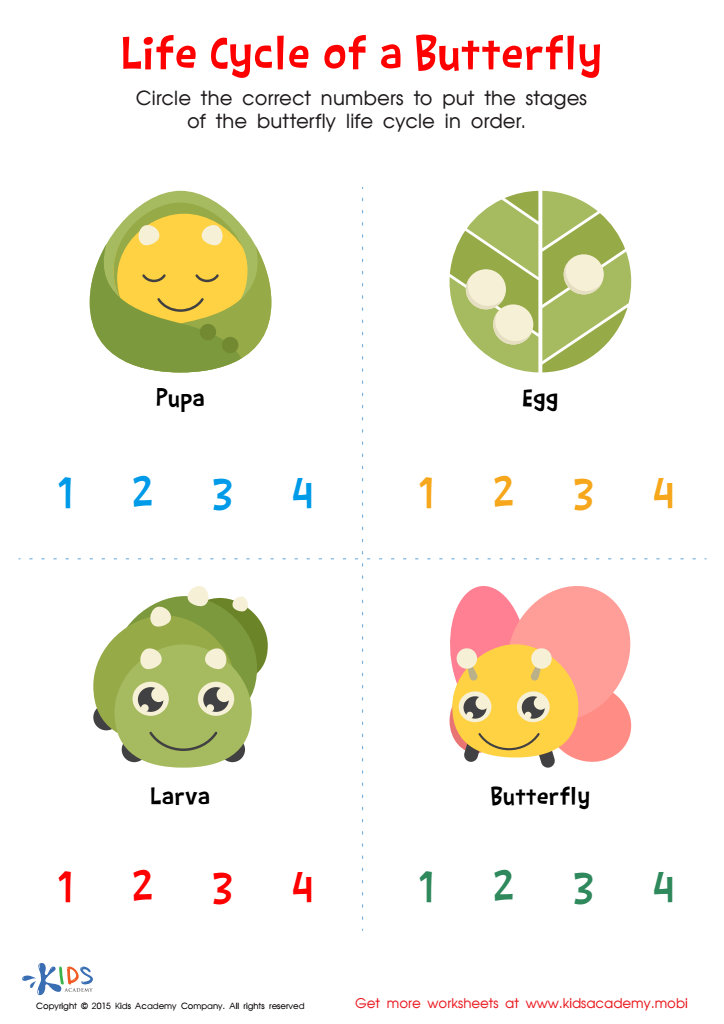
Life Cycle of Butterfly Printable
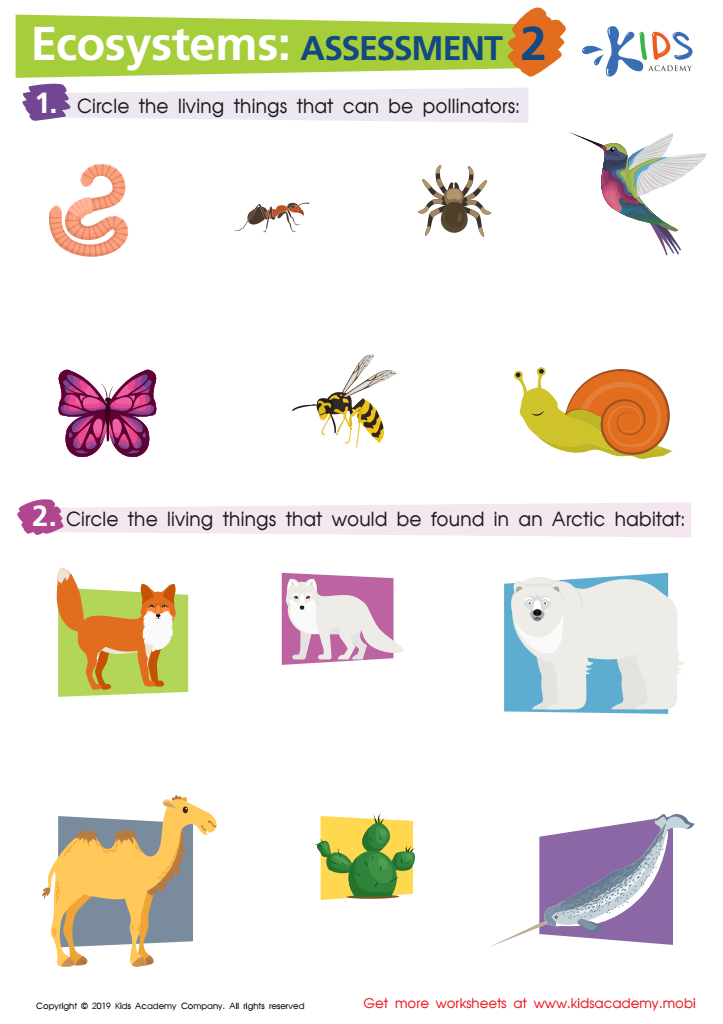
Ecosystems: Assessment 2 Worksheet
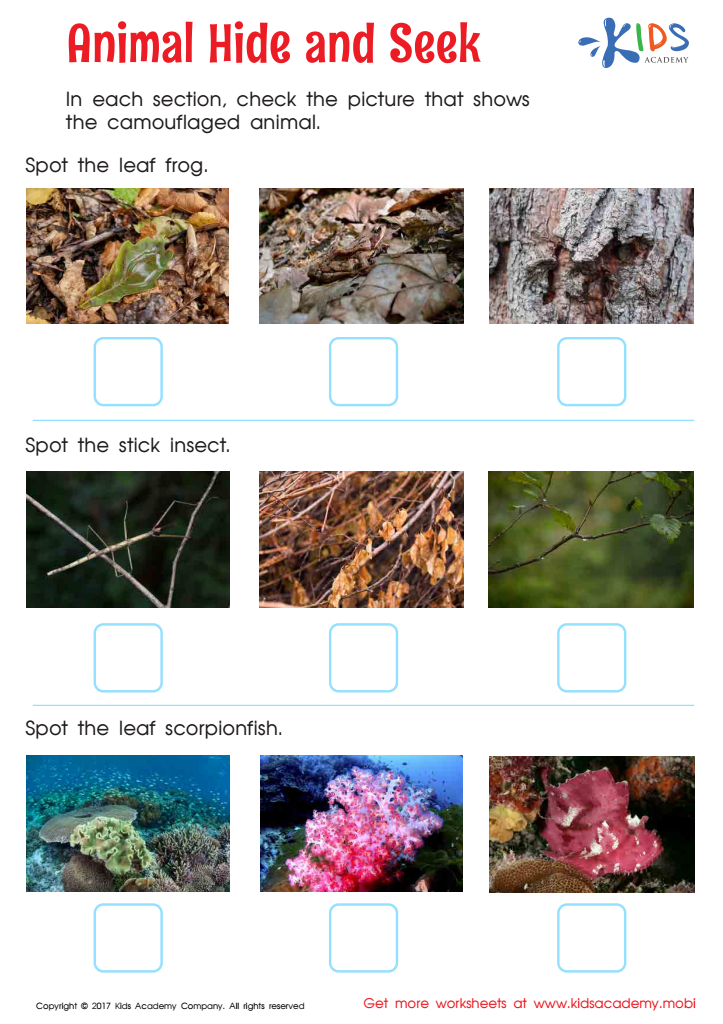
Animal Hide and Seek Worksheet
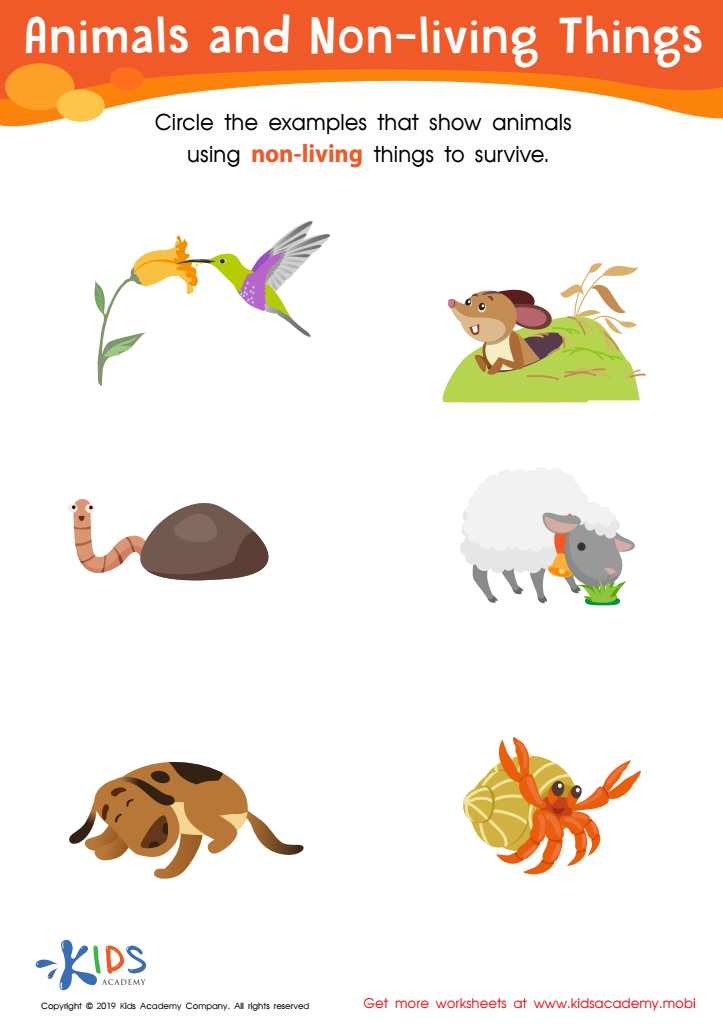
Animals and Non-Living Things Worksheet
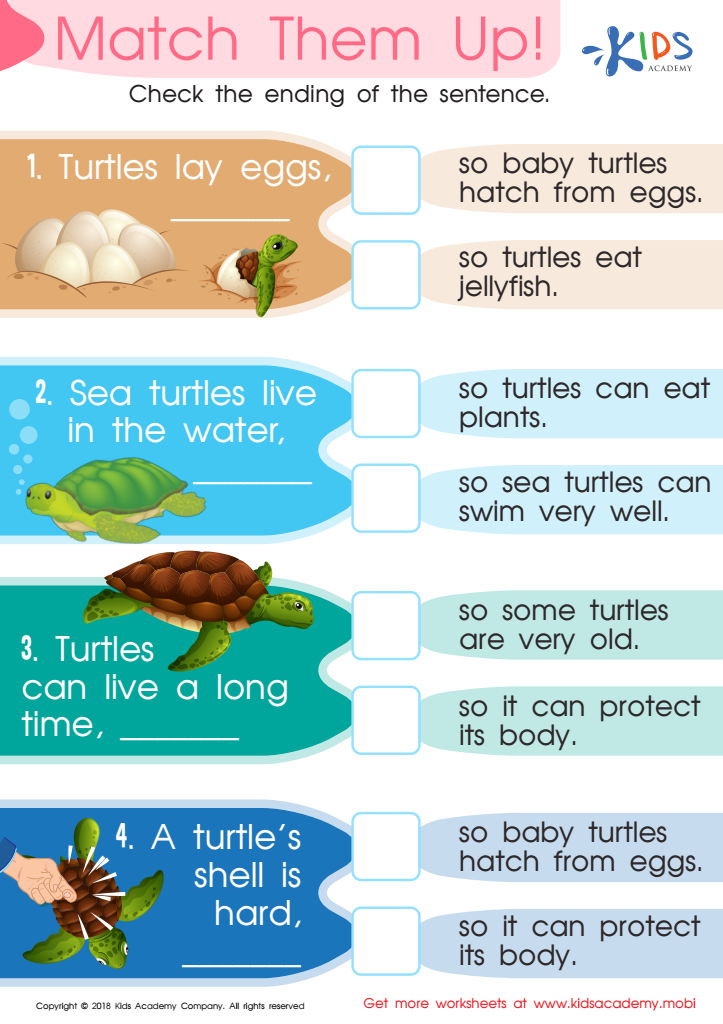
Match Them Up Worksheet


%20(1).jpg)
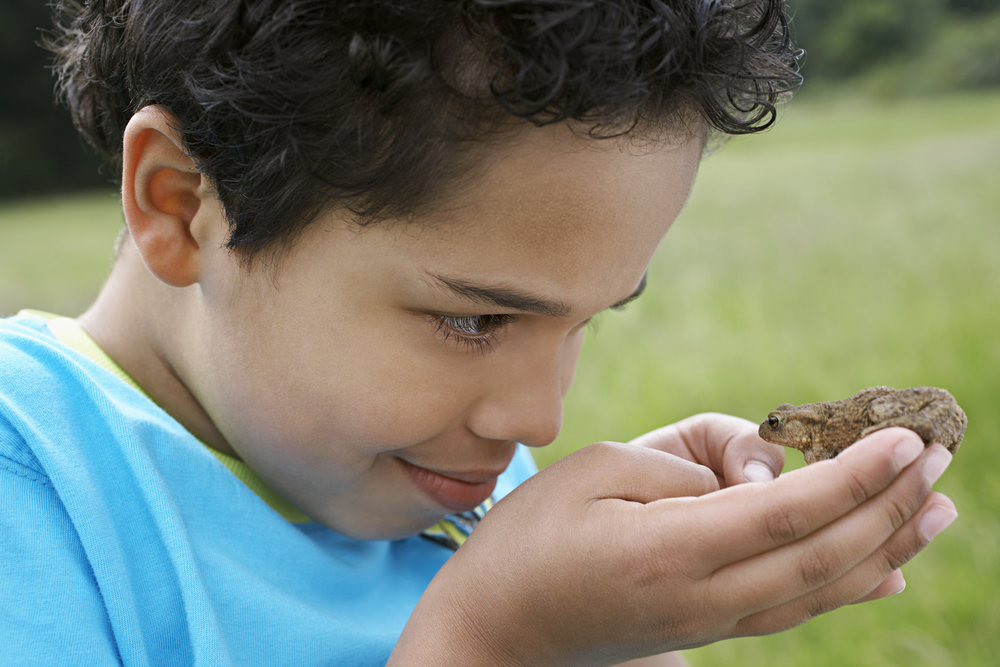




Caring about "Normal Animals" is essential for parents and teachers of children aged 4-7, as it fosters early learning about the natural world. At this age, children are naturally curious and eager to explore their environment. Introducing them to common animals—like dogs, cats, birds, and farm animals—not only captures their attention but also enhances their observational skills and critical thinking.
Understanding normal animals is vital for teaching ecological concepts and fostering empathy. Children learn that these creatures have unique habitats, diets, and behaviors, which lays the foundation for a deeper appreciation of biodiversity and the importance of conserving our environment. Furthermore, exposure to animals can encourage responsibility, as children often express a desire to care for pets, teaching them valuable lessons in nurturing and compassion.
Incorporating animal studies in early education can also stimulate language development, creativity, and imagination through storytelling and arts and crafts. Children can engage in discussions, ask questions, and create projects, enhancing their communication skills. Overall, addressing “Normal Animals” creates an enriching learning experience filled with opportunities for growth, empathy, and critical understanding of the world around them.








